Why Spider Mites Are Swarming Maryland Houseplants This August, And How To Stop Them
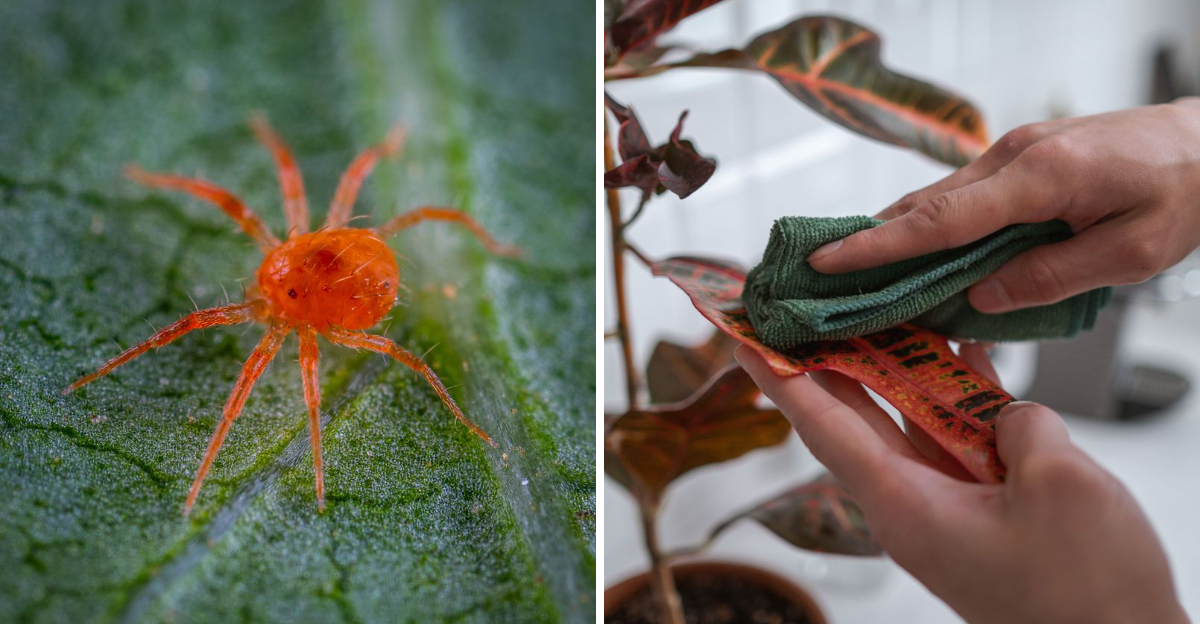
Tiny newcomers have quietly settled into your houseplants this month. Spider mites don’t announce themselves; they simply start feeding.
Maryland’s thick August humidity happens to be perfect for them. Barely visible, these pests still leave real consequences.
Microscopic size hides a surprisingly enormous appetite. Webbing shows up first, delicate and easy to miss.
Leaves turn yellow next, curling inward as stress builds. Stems droop as if they’ve lost their strength.
This much heat only accelerates their reproduction. Homeowners across Maryland keep noticing the exact same pattern.
Nobody warned you because these mites operate quietly. Plants stay silent, yet their symptoms speak loudly.
Left unchecked, infestations spread quickly between nearby plants. Waiting longer only lets populations multiply fast.
Ignoring the problem only makes removal harder later. Fortunately, stopping them doesn’t require expensive tools.
Understanding changes everything once you see what’s happening. You’re about to learn how to take your plants back.
Hot Dry Air Speeds Up Their Breeding
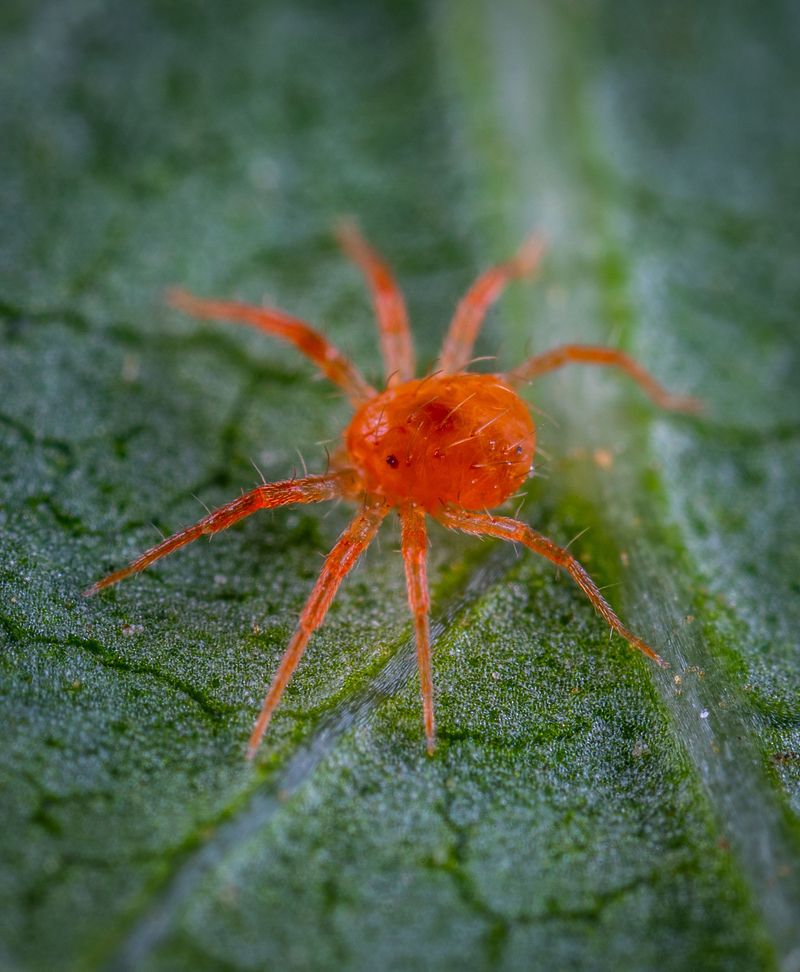
August in Maryland brings a sharp rise in heat. Temperatures soar, AC units run nonstop, and the air inside your home gets very dry.
Spider mites absolutely thrive in these conditions. They breed faster as indoor temperatures climb during Maryland’s hottest stretches.
A female mite can lay dozens of eggs in hot weather, with reproduction accelerating as temperatures rise. That means one tiny pest can build a noticeable population within a short time.
Most people blame their wilting plants on summer heat alone. But the real culprit hiding on the undersides of leaves is often spider mites multiplying at a rapid rate.
When humidity drops and heat rises, their life cycle shortens dramatically. What normally takes about two weeks can shrink dramatically in high heat.
Your cozy, air-conditioned living room might feel comfortable to you. To a spider mite, it feels like an ideal breeding environment.
Keeping indoor temperatures on the cooler side when possible slows their reproduction noticeably. Even small drops in temperature can buy your plants precious time.
Checking the backs of leaves every few days during August is a smart habit. Catching an infestation early makes every treatment far more effective.
The connection between Maryland’s intense summer heat and spider mite outbreaks is not a coincidence. Understanding this link is your first line of defense against them.
Low Humidity Stresses Houseplant Defenses
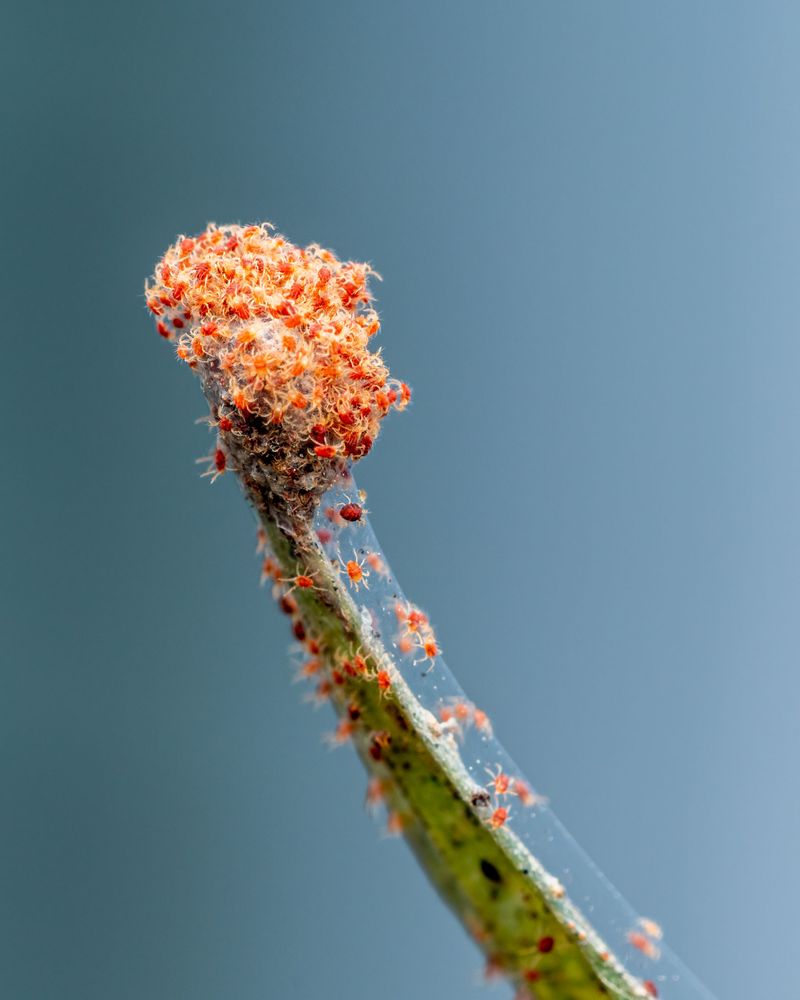
Plants are not helpless when pests appear. Healthy plants actually produce compounds that make them harder for mites to feed on successfully.
Low humidity changes everything for a plant’s ability to fight back. When moisture in the air drops below 40 percent, plants shift into survival mode.
Instead of defending themselves, they focus all energy on staying hydrated. That leaves their leaf tissue wide open and easy for spider mites to pierce.
Think of it like a person trying to fight a cold while also running a marathon. The body just cannot do both well at the same time.
Air conditioning, which runs almost constantly in Maryland August, strips indoor humidity fast. A room that feels fine to you might actually be far drier than it seems.
Your Maryland Garden Changes Every Week. Your Plan Should Too.
Gardening in Maryland changes quickly throughout the season. Every Friday you’ll receive a simple weekly plan showing exactly what to plant, prune, fertilize, harvest, and protect so you never miss the right timing.
At that level, plant cells weaken and leaf surfaces become thin and brittle. Spider mites find brittle leaves much easier to puncture with their tiny mouths.
A basic digital hygrometer is typically an affordable, low cost tool that tells you exactly what your indoor air is doing. Knowing your humidity level is the first step toward fixing it.
Most houseplants prefer humidity between 50 and 60 percent. Keeping your space in that range helps plants stay strong enough to resist early infestations on their own.
Spider mites on Maryland houseplants surge every August partly because humidity control gets ignored. A little awareness here can prevent a lot of heartbreak later.
Dusty Leaves Attract Mites Looking For Hosts
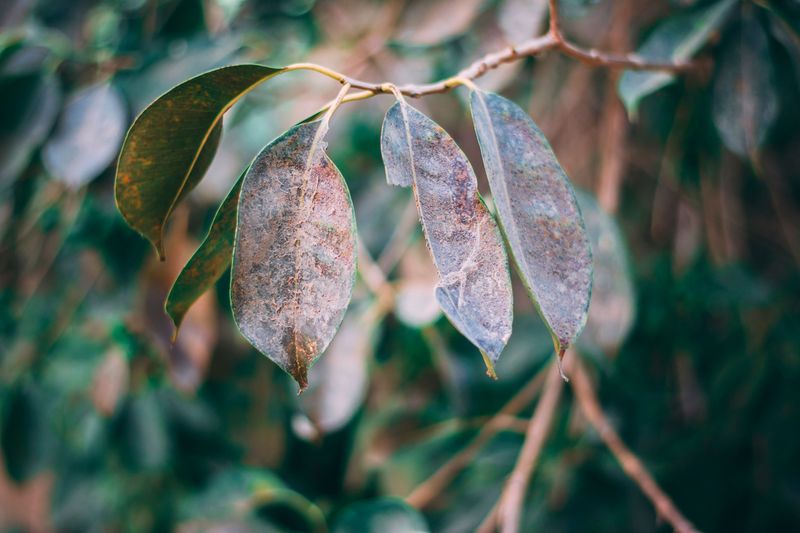
Dust seems harmless, but for spider mites, it is practically a welcome mat. A layer of dust on leaves creates warmth, shelter, and easy grip for tiny pests.
Mites searching for a new host plant use fine particles on leaf surfaces as cover. It protects them from predators and drying out between feeding sessions.
Dusty leaves also block sunlight from reaching the plant’s cells properly. A plant that cannot photosynthesize well is already weakened before the mites even start feeding.
In Maryland homes during August, dust accumulates faster because windows stay closed and air circulates less freely. Ceiling fans and AC systems push the same particles around repeatedly.
Most houseplant owners wipe down furniture and vacuum floors but forget about their plants entirely. Leaves collect just as much dust as any other surface in the room.
A plant with clean, dust-free leaves is genuinely less attractive to mites scouting for a feeding site. The surface is slippery, exposed, and harder for them to settle on.
Wiping leaves with a damp cloth every two weeks takes about five minutes per plant. That small habit disrupts mite scouting patterns before they ever get established.
Pay special attention to the undersides of leaves where dust gathers in sheltered pockets. That is exactly where mites lay their eggs and begin their colonies.
Keeping leaves clean is one of the simplest and most underrated ways to protect houseplants from spider mites all summer long.
Poor Airflow Lets Infestations Spread Unchecked
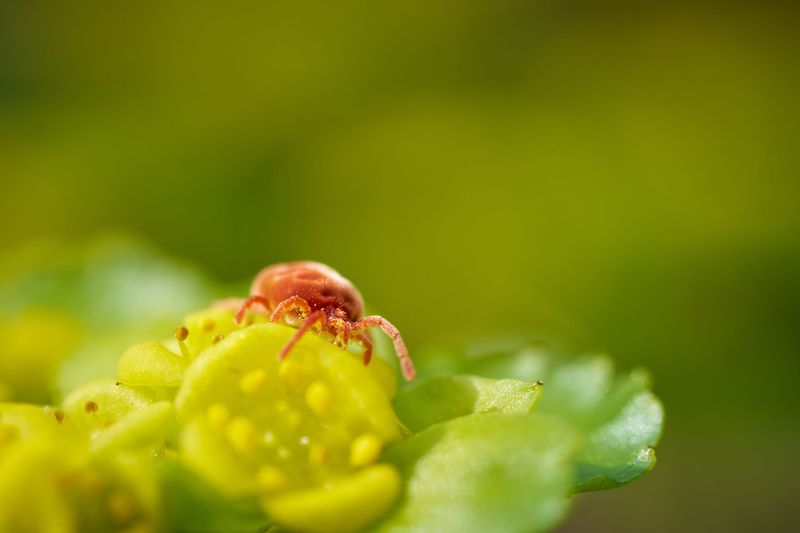
Stagnant air is a spider mite’s best friend. When plants sit in rooms with little to no air movement, mites spread from leaf to leaf with almost no resistance.
Mites are so light that even a gentle indoor breeze can carry them between plants. Without airflow, they simply crawl from one stem to the next uninterrupted.
Many Maryland homeowners group their houseplants together in summer to make watering easier. That habit, while convenient, turns a small problem into a larger issue across your plant collection.
Mites can spread to a neighboring plant within days in a crowded, still room. By the time you notice webbing, three or four plants may already be affected.
A small oscillating fan set to low creates enough air movement to disrupt mite travel significantly. You do not need a wind tunnel, just enough circulation to make crawling difficult.
Good airflow also helps leaf surfaces dry faster after watering. Moist, warm, still air is exactly the microclimate mites prefer for laying eggs and building webs.
Spacing plants a few inches apart reduces the chance of contact between leaves. Physical separation is one of the easiest barriers you can create without spending a cent.
Opening a window for even an hour each morning, when outdoor air is cooler, refreshes circulation noticeably. Fresh air benefits both your plants and your own well being.
Spider mites on Maryland houseplants spread fastest in low airflow corners, so rethink your plant placement before the infestation gets out of hand.
Spray Leaves With Insecticidal Soap Weekly
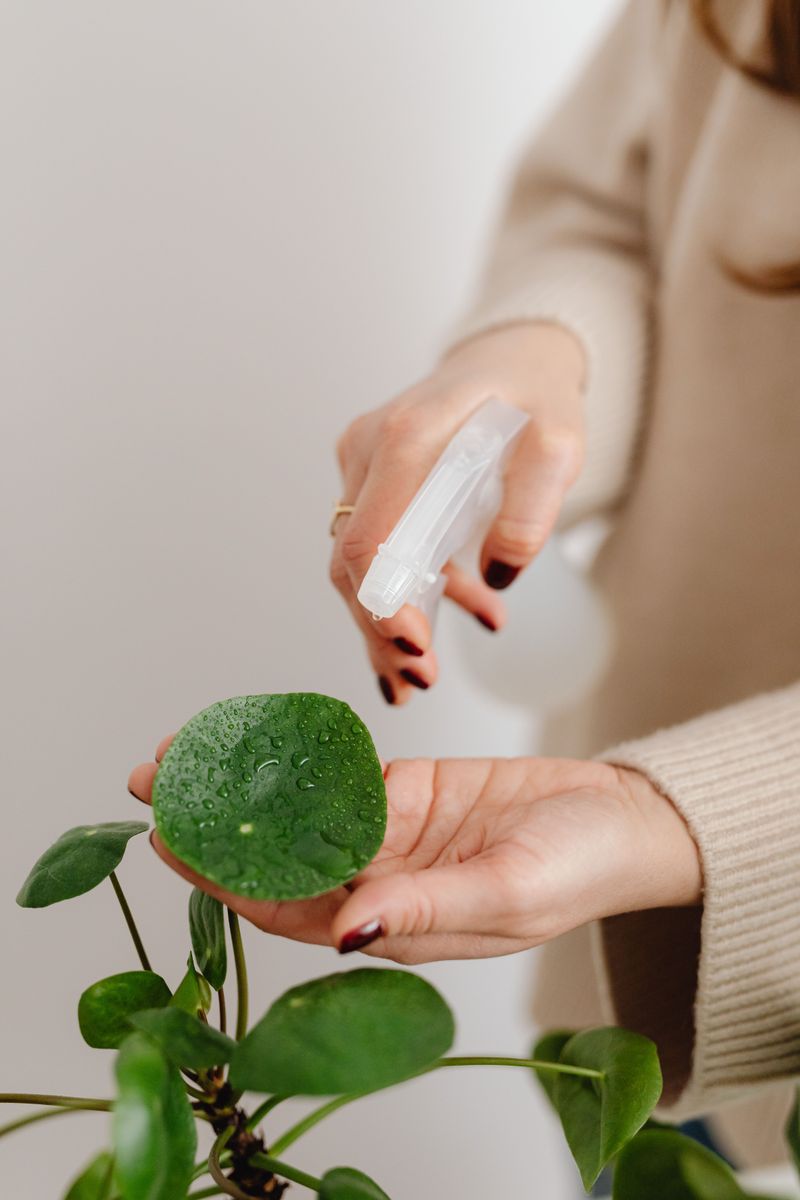
Insecticidal soap is one of the most effective and affordable tools you have against spider mites. It works by breaking down the mite’s outer coating, dehydrating it quickly.
Unlike harsh chemical pesticides, insecticidal soap is safe for most houseplants when used correctly. It also breaks down fast, leaving no toxic residue on surfaces your family touches.
You can buy a ready-to-use spray bottle at most garden centers at a relatively low cost. Or mix one tablespoon of pure castile soap with one quart of water at home.
The key is coverage. Every part of the leaf, especially the undersides, needs to be coated thoroughly for the treatment to work.
Mites live and breed on leaf undersides almost exclusively. Spraying only the tops of leaves treats only part of the problem.
Apply the solution in the morning so leaves can dry before evening. Wet leaves sitting overnight in a warm room can develop fungal problems alongside the mite issue.
Weekly applications are necessary because insecticidal soap does not affect eggs. New mites hatch every few days, so consistent treatment breaks the cycle over time.
Missing even one week gives a surviving population time to recover quickly. Stick to a schedule and treat every plant in the affected area, not just the ones showing damage.
Spider mites on Maryland houseplants respond well to this method when applied with patience and consistency. Your plants will thank you within two weeks of regular treatment.
Increase Humidity Around Affected Plants

Raising humidity is one of the fastest ways to make your home less hospitable to spider mites. These pests struggle to breed and move when moisture levels climb above 50 percent.
A small cool mist humidifier placed near your plant collection can shift the microclimate significantly. You do not need to humidify the whole house, just the area around your plants.
Pebble trays filled with water and placed under plant pots also add gentle, steady moisture to the surrounding air. As the water evaporates, it creates a humid zone right where plants need it most.
Grouping plants can slightly raise local humidity, but leaves should never actually touch. Keep pots close enough to share moisture while leaving a small gap between each plant’s leaves.
The trick is balancing grouping with spacing. Keep plants close enough to share humidity but far enough apart that mites cannot easily crawl between them.
Misting leaves directly with plain water is another popular option. Do this in the morning so water evaporates fully before nightfall and does not encourage mold growth.
Daily misting is not a permanent fix, but it disrupts mite egg-laying patterns during heavy infestation periods. Combined with other treatments, it adds meaningful pressure on the colony.
Aim for a consistent indoor humidity level between 50 and 60 percent throughout August. A hygrometer helps you track this number without guessing.
Humid air helps protect your plants, and higher moisture levels make conditions far less favorable for spider mites.
Wipe Leaves Down To Remove Dust And Eggs
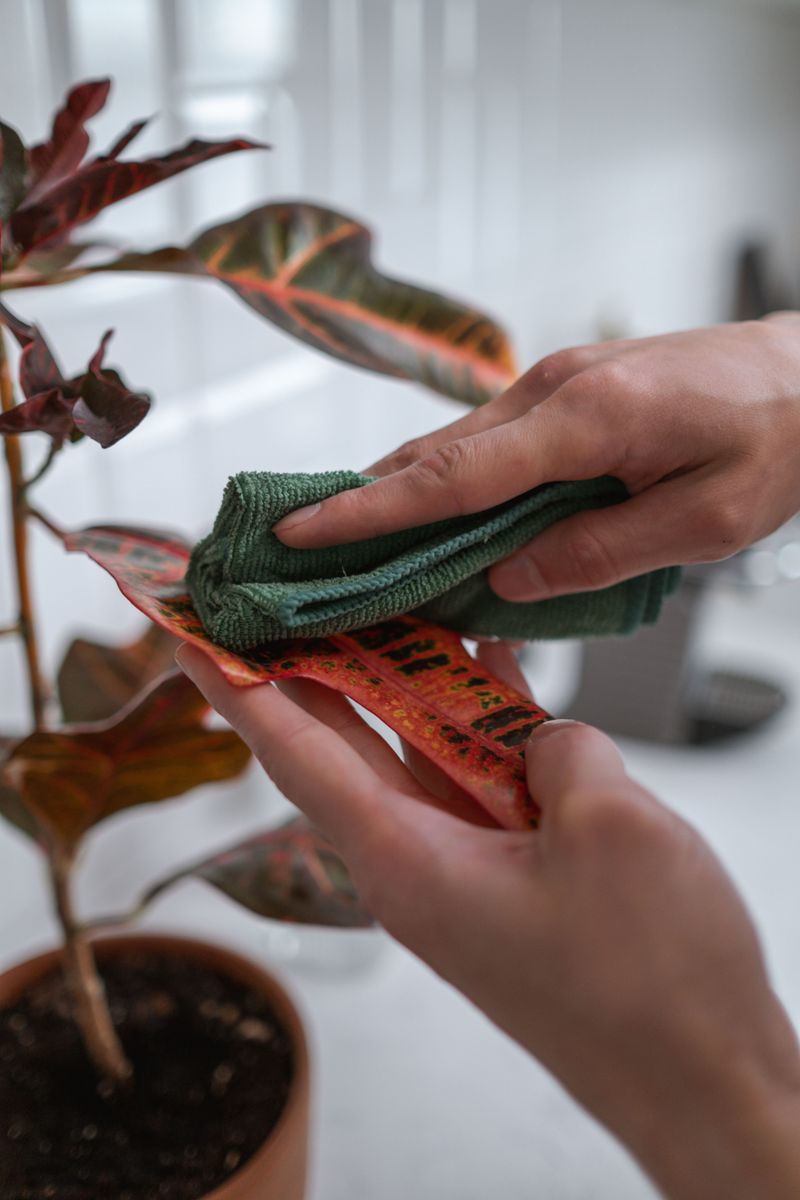
Wiping down leaves sounds too simple to matter, but it is one of the more effective physical controls you have. Each swipe removes eggs, mites, and the dust that shelters them.
Use a soft, damp cloth or a microfiber towel. Rough materials can scratch leaf surfaces and create tiny wounds that make plants even more vulnerable to pests.
Work leaf by leaf, using a fresh section of cloth for each plant. Reusing the same spot on your cloth can transfer mites from one plant to another accidentally.
Pay slow, careful attention to the undersides of every leaf. That is where eggs cluster in tight groups, often hidden beneath fine webbing that looks like dust at first glance.
After wiping, rinse your cloth thoroughly in hot water before setting it down. Mite eggs can survive on fabric for several hours if not washed away properly.
For plants with many small leaves, a gentle shower from a handheld sprayer works well. Use lukewarm water and let the stream reach the undersides of leaves directly.
Wiping once a week during August keeps egg populations from building between your other treatments. Physical removal paired with insecticidal soap is a combination that works faster than either method alone.
Some gardeners add a few drops of neem oil to their wiping cloth for extra pest fighting power. Neem disrupts mite reproduction and acts as a natural repellent at the same time.
Clean leaves are healthier leaves, and healthier leaves are far harder for spider mites to colonize successfully.
Isolate Infested Plants From Healthy Ones
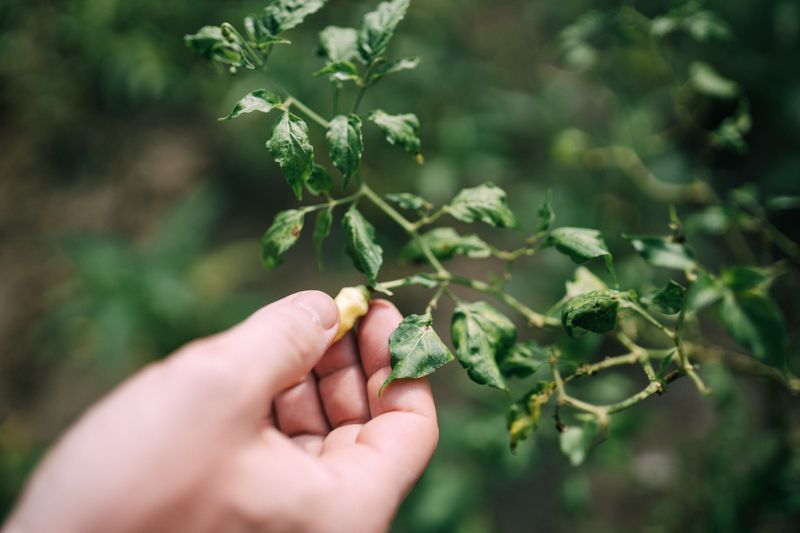
The moment you spot spider mites on any plant, move it right away. Speed matters far more than confirming every detail first.
Mites spread through air currents, direct leaf contact, and even on your hands and clothing after handling an infested plant. Speed matters enormously here.
Place the affected plant in a separate room, away from your other houseplants entirely. A bathroom, laundry room, or spare bedroom works well as a temporary isolation zone.
Wash your hands thoroughly after touching the infested plant before handling any healthy ones. Mites are small enough to hitch a ride on your fingertips without you feeling a thing.
Inspect every neighboring plant immediately after discovering an infestation. Use a magnifying glass and check undersides of leaves for tiny moving dots or fine, silky webbing.
Even plants that look healthy may have early-stage mite activity not yet visible to the naked eye. Treating them preventatively with a light soap spray is a smart move.
Keep the isolated plant in treatment until you see no new signs of mites for at least two consecutive weeks. One missed week can restart the cycle all over again.
During isolation, continue weekly soap sprays, daily misting, and leaf wipe-downs on the affected plant. Layering treatments speeds recovery and prevents survivors from rebounding.
Stopping spider mites on Maryland houseplants this August starts with one key step: separating the affected plant from the healthy ones before the problem spreads further.