This Georgia Groundcover Is Worth Planting Instead Of Monkey Grass This Fall
Monkey grass may be familiar, but familiar does not always make it the most interesting choice. This fall, consider giving that garden space a fresh direction.
Native groundcovers can bring a completely different character to areas where liriope usually gets planted. In Georgia, one particular option deserves attention as planting season approaches.
You can create an attractive planted area without relying on the same border seen in countless yards. Choosing something different may also bring benefits that extend beyond appearance.
Before buying another tray of monkey grass, think about what you want that space to accomplish. The right alternative can change how the entire planting feels.
Fall offers a useful opportunity to rethink those overlooked edges and bare spaces.
One groundcover stands out as an option worth knowing before your next garden center visit.
1. Allegheny Spurge Can Replace Monkey Grass
Monkey grass seems like a safe choice until it starts creeping into places you never intended. Allegheny spurge offers a cleaner, more controlled option for shaded beds without the aggressive spreading habit.
Native to the eastern United States, Allegheny spurge grows naturally in woodland settings. That background makes it well-suited to the kind of dappled shade found under trees in many Southern yards.
It does not need coaxing to feel at home in those spots.
One real advantage over monkey grass is root behavior. Monkey grass sends out runners that are tough to manage once established.
Allegheny spurge clumps more slowly and stays closer to where you plant it.
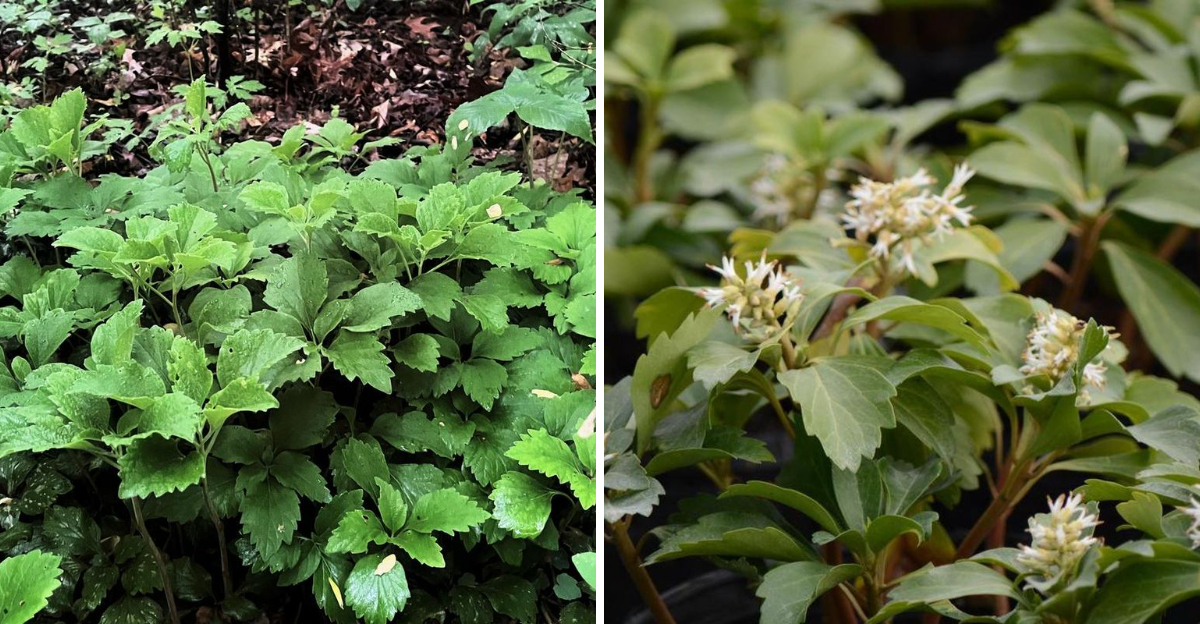
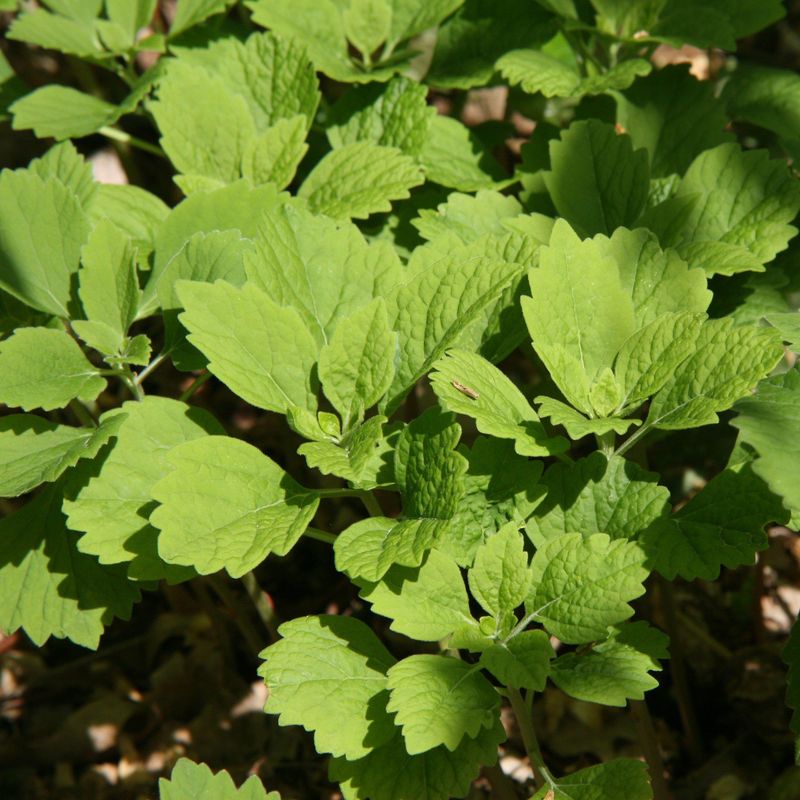
Visually, the two plants are quite different. Allegheny spurge has broader, slightly mottled leaves that give beds a softer, more layered look.
Monkey grass has a grassy texture that can start to look weedy over time.
Swapping one for the other is not an overnight project, but fall planting gives Allegheny spurge a real head start. Cooler soil temperatures help roots establish before summer arrives.
Starting small with a test patch is a practical way to see how it performs in your specific yard before committing to a full replacement.
2. Shady Beds Give It Room To Shine
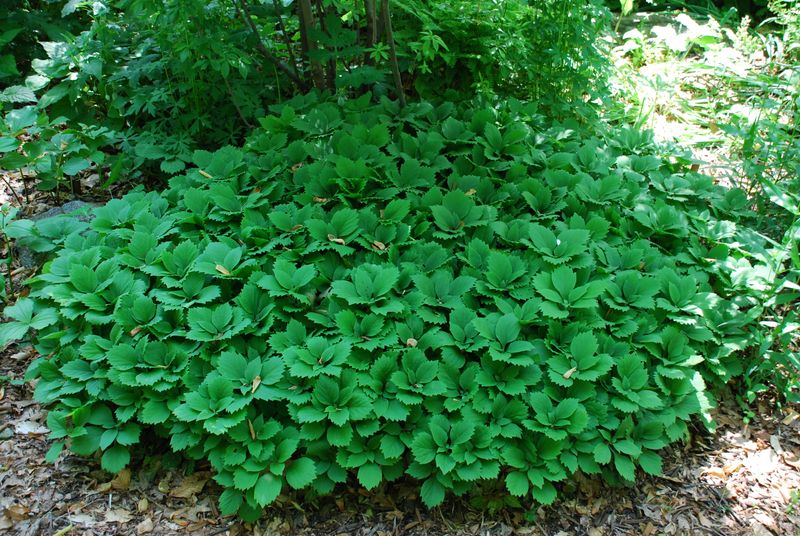
Shade is where Allegheny spurge truly earns its place. Under trees where grass struggles and other plants fade out, this groundcover holds steady without much fuss.
Full shade and partial shade both work well for this plant. Spots under oaks, maples, or large pines that block most direct sunlight are genuinely good planting locations.
Bright afternoon sun can stress the foliage, so shadier areas are a better fit.
Dry shade is one of the trickier conditions in any yard. Tree roots compete for moisture, leaving soil dry and compacted.
Allegheny spurge handles this better than many groundcovers, though it still benefits from some irrigation during dry stretches, especially in its first season.
Georgia summers push plants hard. A location with morning light and afternoon shade gives Allegheny spurge enough energy to grow without exposing it to punishing heat.
That balance matters more than people often realize.
Layering it near hostas or ferns can create a naturally textured look. The different leaf shapes complement each other without competing.
Your Georgia Garden Changes Every Week. Your Plan Should Too.
Gardening in Georgia changes quickly throughout the season. Every Friday you’ll receive a simple weekly plan showing exactly what to plant, prune, fertilize, harvest, and protect so you never miss the right timing.
Shaded beds often look flat, and mixing plants with varied foliage adds depth. Allegheny spurge fits that role without overwhelming neighboring plants or spreading into spaces where it is not wanted.
3. Low Growth Creates An Attractive Groundcover
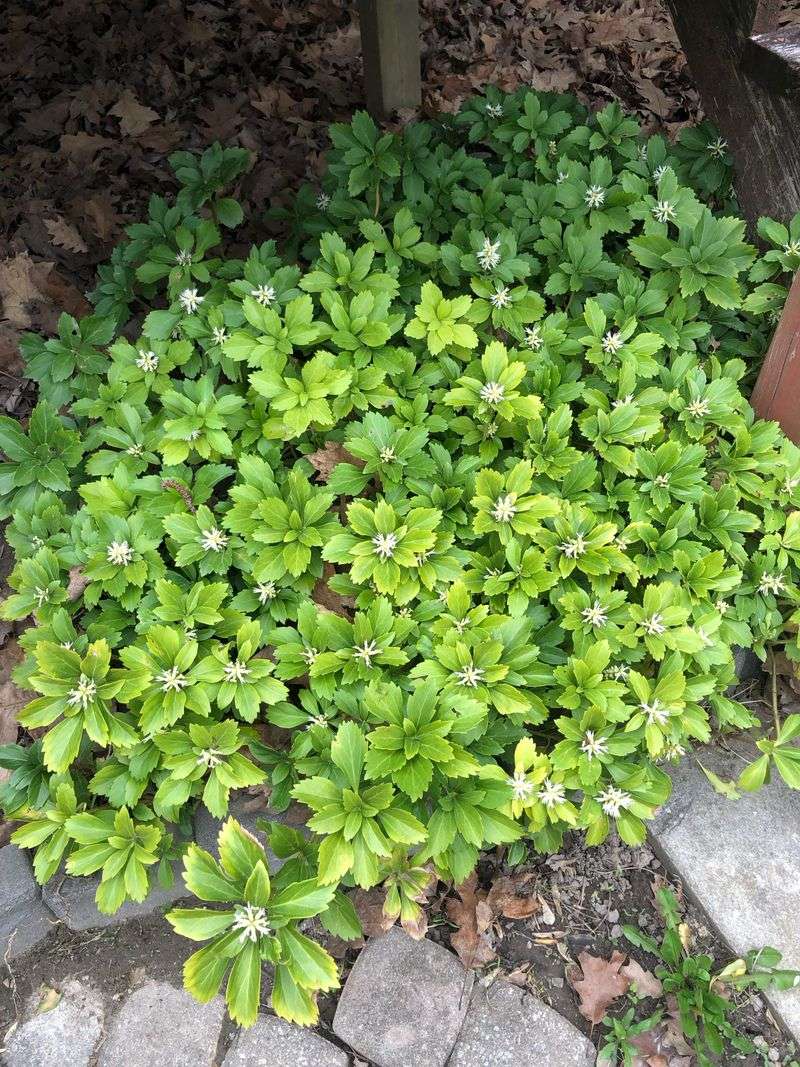
Reaching only about six to twelve inches tall, Allegheny spurge stays low enough to look intentional without hiding other plants nearby. That compact height is one of its most practical qualities.
Short groundcovers serve a real purpose in landscape design. They fill space, reduce bare soil, and cut down on weeding without blocking sightlines or overwhelming smaller shrubs.
Allegheny spurge fits that role cleanly.
Leaf texture matters more than most people give it credit for. Allegheny spurge has semi-evergreen foliage with subtle mottling on the upper surface.
That patterning adds quiet visual interest even when nothing is blooming.
In Georgia, semi-evergreen means the plant may hold most of its leaves through mild winters. During colder snaps, some foliage may drop, but new growth returns in spring without much delay.
It is not a perfectly evergreen plant in every zone, so expectations should be realistic.
Spacing plants about eight to twelve inches apart at planting gives them room to fill in gradually. Planting too close together wastes money, while spacing too far apart leaves gaps for weeds to move in.
Getting that balance right from the start saves effort later. A clean, even bed of Allegheny spurge genuinely looks polished once it fills in properly.
4. Well Drained Soil Supports Healthy Plants
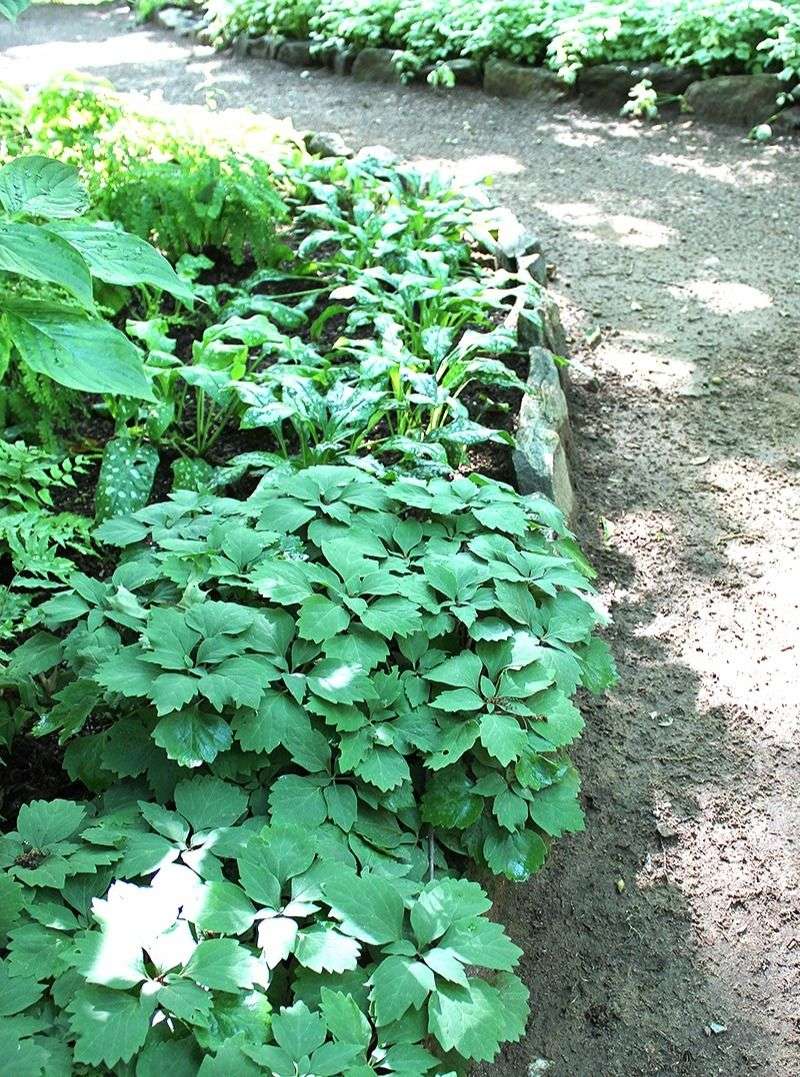
Soggy soil is one of the fastest ways to stress Allegheny spurge. Good drainage is not optional for this plant.
It is a genuine requirement that affects long-term health.
Most Georgia soils are clay-heavy, which holds water longer than Allegheny spurge prefers. Amending beds with compost before planting improves both drainage and soil structure.
That extra step at the beginning pays off over the following seasons.
Raised beds or slightly sloped planting areas naturally improve drainage without requiring major soil work. Even a gentle grade helps water move away from roots after heavy rain.
Flat, low-lying spots near downspouts are generally poor choices for this plant.
Soil pH also plays a role. Allegheny spurge prefers slightly acidic to neutral soil, roughly in the 5.5 to 7.0 range.
A basic soil test can confirm whether adjustments are needed before you plant. Testing is inexpensive and removes a lot of guesswork.
Mulching after planting helps regulate soil moisture without creating the waterlogged conditions the plant dislikes. A two to three inch layer of shredded hardwood mulch keeps roots cooler in summer and reduces moisture loss between waterings.
Avoid piling mulch directly against plant stems, as that can cause problems over time. Keep it pulled back slightly from the base of each plant.
5. Slow Spreading Keeps Growth More Manageable
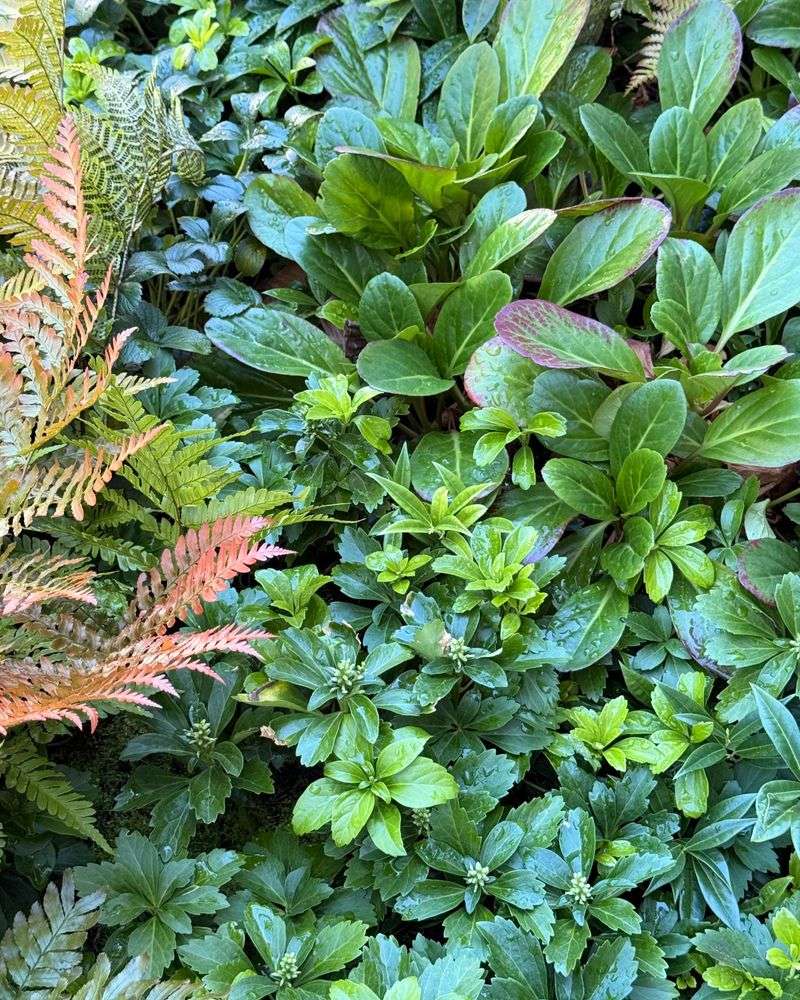
Slow and steady is actually a feature here, not a flaw. Allegheny spurge spreads at a pace that gives gardeners real control over where the plant goes and how much space it takes up.
Monkey grass earns its reputation as a spreader quickly. Runners move into lawn edges, neighboring beds, and cracks in walkways.
Getting ahead of it takes consistent effort. Allegheny spurge does not behave that way under typical conditions.
Spreading happens primarily through rhizomes, but the movement is gradual. Expect clumps to widen slowly over several years rather than jumping across the bed in a single season.
That pace makes it much easier to keep beds looking intentional.
For gardeners who want more coverage faster, planting at a slightly closer spacing helps. Starting with more plants upfront fills gaps sooner without forcing the plant to spread beyond its natural habit.
It is a practical workaround that works well in most cases.
Slow spreading also means less editing later. Beds planted with aggressive groundcovers often need frequent trimming and pulling to stay in shape.
Allegheny spurge requires far less of that ongoing work once it settles in. That lower maintenance demand is one of the main reasons it is worth considering seriously as a long-term groundcover choice in Southern landscapes.
6. Spring Flowers Add Another Seasonal Feature
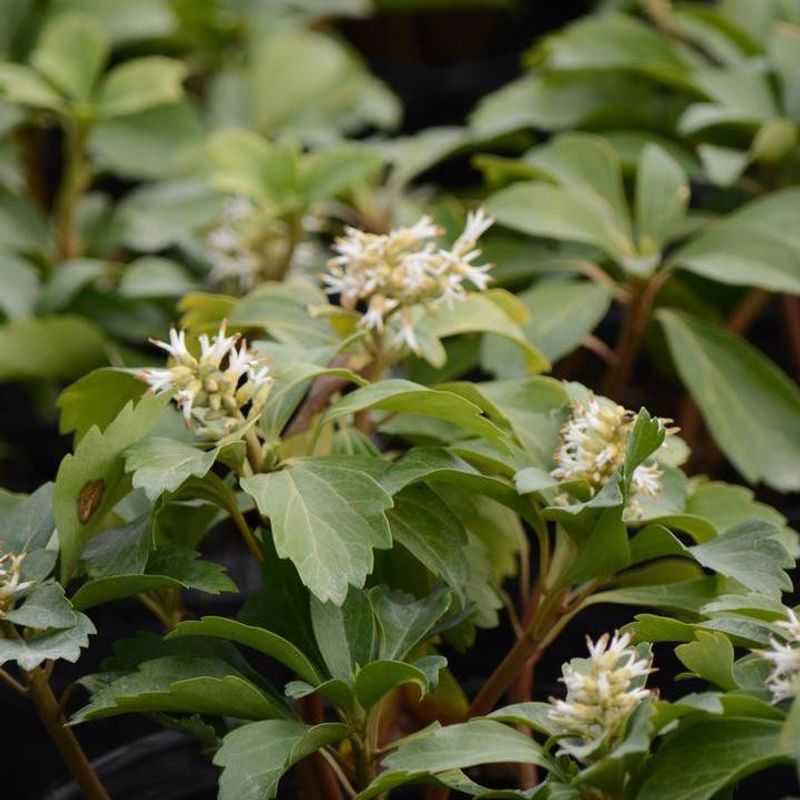
Most people plant Allegheny spurge for its foliage, but the spring flowers are a genuine bonus worth mentioning. Small white to pinkish blooms appear on upright spikes in early to mid-spring, usually between March and May depending on location.
Bloom spikes rise above the foliage, making them visible without being showy. The effect is subtle and fits naturally in woodland-style beds.
Gardeners who prefer understated seasonal interest will appreciate that quality.
Pollinators do visit the flowers, which adds some ecological value to the plant beyond its groundcover function. Bees and small insects are attracted to early spring blooms when fewer plants are flowering.
That timing makes any early bloomer more useful in a yard designed with pollinators in mind.
After blooming, the plant returns to its foliage role without any deadheading required. Spent flower spikes fade on their own without looking untidy for long.
That self-sufficiency keeps maintenance simple during a busy season in the garden.
Pairing Allegheny spurge with spring bulbs like daffodils or trilliums creates a layered seasonal display. Bulb foliage fades as Allegheny spurge fills in around it.
That combination works especially well in shaded spots where spring bulbs naturalize easily. Planning those combinations at fall planting time sets up a more rewarding spring garden the following year.
7. Established Plants Require Little Maintenance
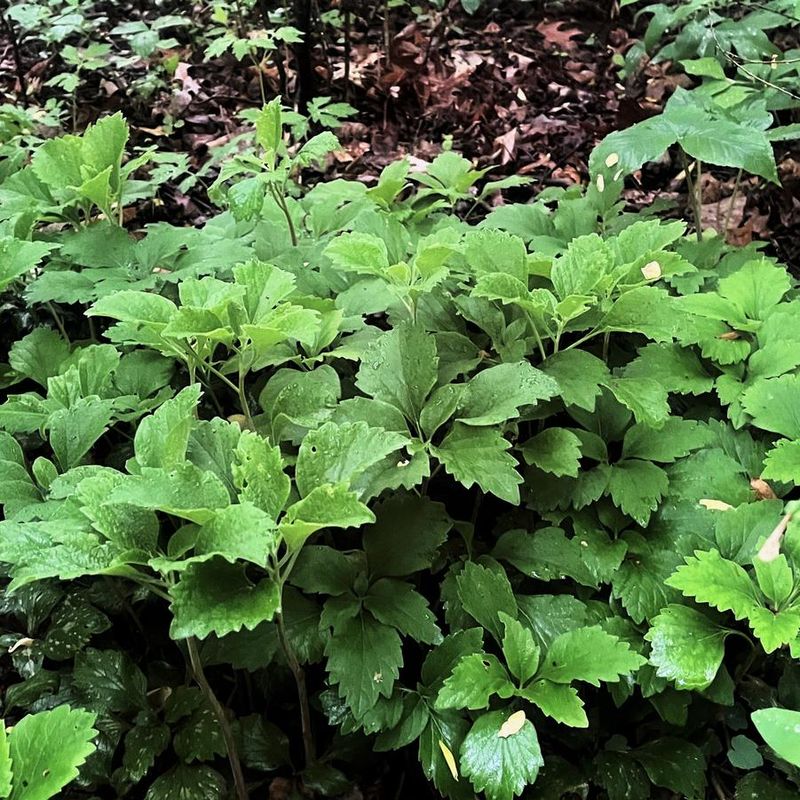
Once Allegheny spurge gets through its first full year, the workload drops noticeably. Established plants are considerably more self-sufficient than they are during the initial establishment period.
Watering needs decrease significantly after roots settle in. During normal rainfall years, supplemental watering may only be needed during extended dry spells in summer.
Younger plants need more attention, but patience during that first season pays off.
Fertilizing is not usually necessary on a regular schedule. A light application of balanced, slow-release fertilizer in early spring can support healthy growth, but heavy feeding is not required and can sometimes cause problems.
Less is often better with this plant.
Leaf litter from overhead trees can settle into the bed during fall and winter. Light cleanup in early spring keeps the planting looking neat.
Heavy layers of leaves left in place for too long can smother low-growing foliage, so a quick pass with a rake or leaf blower helps.
Dividing established clumps every few years can refresh older plantings and give you new divisions to expand the bed. Late summer or early fall is a reasonable time for that task in most parts of the South.
Overall, Allegheny spurge is a low-demand plant that rewards reasonable care with consistent, attractive coverage season after season.