Why Maryland Is Ditching Traditional Lawns For Native Groundcover Alternatives
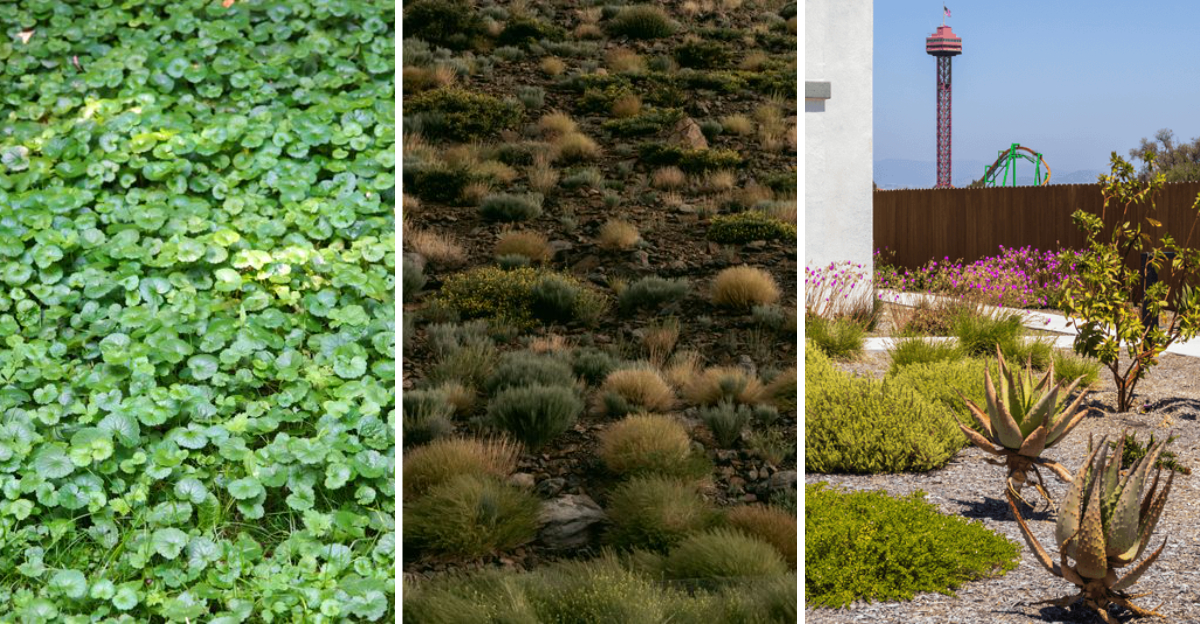
Grass is fading fast across Maryland, and you can feel it. Water bills keep rising, but your lawn gives nothing back.
Homeowners across Maryland are replacing their turf without looking back, and you understand why.
Native groundcovers are moving in to claim your empty space. Meanwhile your water bill drops as native roots dig deeper than turf ever could. Bees notice the difference before you even step outside.
Frederick front yards prove this shift matters to you too. Nothing about this movement asks you to slow down. Every swapped lawn pulls another pollinator back toward your porch.
Costs fall while color multiplies beneath your feet. Wildlife returns to your block faster than you would expect. Soon you start noticing birds where silence once sat.
Change keeps moving forward through your neighborhood, block by block. You won’t want to stop here, because what comes next changes everything for you.
Groundcovers Need Far Less Watering
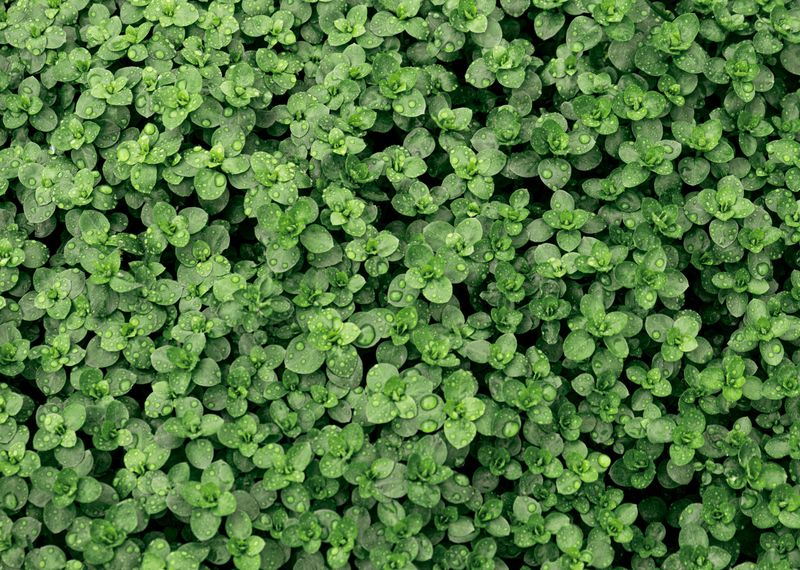
Picture slashing your water bill in half just by changing your plants. Native groundcovers make that dream completely real for homeowners tired of dragging hoses around.
Traditional grass lawns are water hogs, plain and simple. A typical suburban lawn can require a significant amount of supplemental water each year, especially during peak summer months.
Native groundcovers like wild ginger and golden Alexanders are built for local rainfall patterns. They evolved here, so they know how to survive without extra help from you.
Once established, most native plants need almost no supplemental watering. That means fewer trips outside with a hose on sweltering August afternoons.
Shallow-rooted turf grass dries out fast because it cannot pull moisture from deep soil. Native groundcovers send roots much deeper, tapping into moisture that grass simply cannot reach.
During dry spells, your neighbors lawn turns crispy and brown. Your native groundcover patch stays green, lush, and alive without a single sprinkler running.
Water conservation is becoming serious business in the mid-Atlantic region. Choosing plants that need less irrigation is one of the easiest ways to do your part locally.
Switching away from traditional lawns also reduces strain on local reservoirs and municipal water systems. Less demand means lower costs for entire communities, not just individual households.
Starting small works perfectly fine here. Replace one patch of grass with native groundcover and watch your outdoor water use drop noticeably within the first season.
Lawns Demand Costly Chemical Treatments
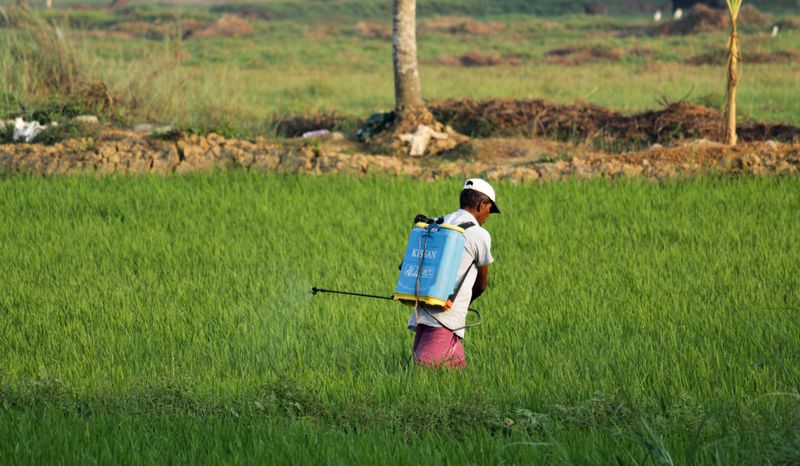
Keeping a traditional lawn green requires significant time and a real budget. Fertilizers, herbicides, and pesticides add up faster than most homeowners expect.
Many American homeowners spend a notable amount yearly on lawn chemicals alone. That number does not include professional lawn care services, which push costs even higher.
Native groundcovers evolved to thrive without chemical assistance. Their natural chemistry resists local pests and competes effectively against weeds without any spraying from you.
Synthetic fertilizers do short-term good but cause long-term headaches. They disrupt soil biology, reduce beneficial microbes, and create a cycle of chemical dependency that is hard to break.
Your Maryland Garden Changes Every Week. Your Plan Should Too.
Gardening in Maryland changes quickly throughout the season. Every Friday you’ll receive a simple weekly plan showing exactly what to plant, prune, fertilize, harvest, and protect so you never miss the right timing.
Herbicides used on traditional grass can leach into groundwater over time. Communities near heavy lawn-care areas sometimes find traces of these chemicals in local drinking water supplies.
Switching to native groundcover breaks that chemical cycle completely. Healthy native plants support diverse soil ecosystems that naturally suppress weeds and resist disease without intervention.
The financial savings can be considerable. Homeowners who replace turf with native groundcover report spending a fraction of their previous annual lawn maintenance budget.
Beyond the wallet, there is a peace-of-mind factor too. Knowing your yard is not soaked in synthetic chemicals feels good for families with kids and pets playing outside.
Native groundcover alternatives put money back in your pocket while keeping harmful substances out of the soil. That is a trade worth making, especially when you crunch the real numbers.
Pollinators Thrive On Native Species
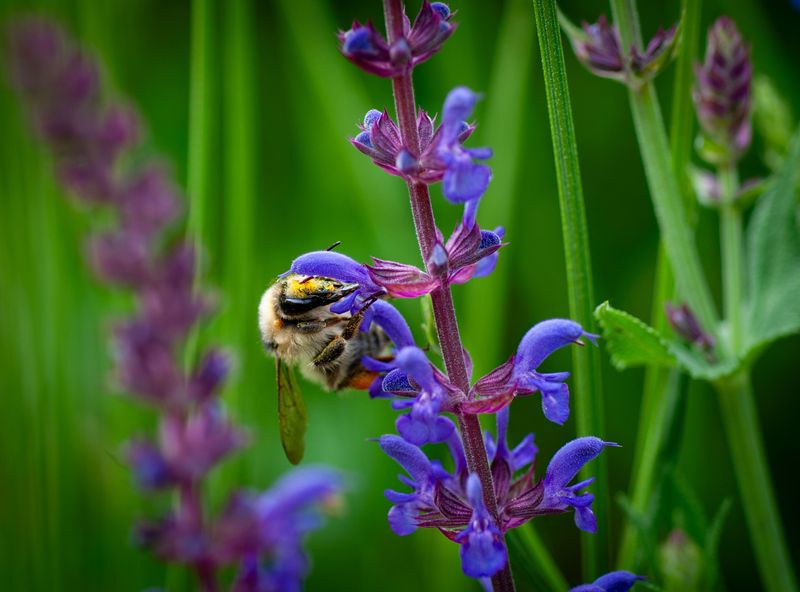
Bees are in trouble, and your lawn choices actually matter to them. Swapping out grass for native groundcovers can turn your yard into a pollinator paradise almost overnight.
Traditional turf grass offers little value to bees, butterflies, or hoverflies. It provides minimal food or habitat from a pollinator’s perspective.
Native groundcovers like wild strawberry, golden Alexanders, and creeping phlox produce nectar and pollen that local insects desperately need. These plants and their pollinators evolved together over thousands of years.
Monarch butterflies have lost enormous amounts of habitat due to lawn expansion across North America. Even a small patch of native groundcover in your yard can serve as a critical refueling stop.
Native bees, which are often more effective pollinators than honeybees, rely heavily on specific native plant species. Without those plants, entire bee populations struggle to survive in suburban areas.
Gardens filled with native groundcovers also attract fireflies, which need leaf litter and moist soil found under native plants. Your summer evenings could literally light up with more of them.
Supporting pollinators is not just about being kind to bugs. Roughly one-third of the food humans eat depends on pollinator activity, so healthy pollinator populations benefit everyone.
Neighbors often notice the difference quickly. A yard buzzing with bees and fluttering with butterflies becomes a neighborhood conversation starter and a source of genuine community pride.
Planting for pollinators through native groundcover is one of the most impactful choices a homeowner can make for local ecosystems right now.
Groundcovers Cut Down Mowing Time
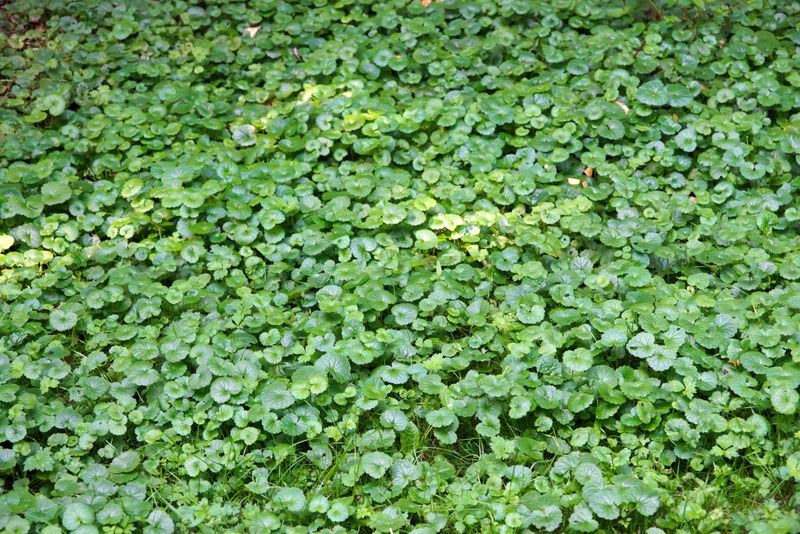
Weekends are precious, and mowing eats them alive one hour at a time. Native groundcovers give you that time back without sacrificing a beautiful outdoor space.
Most native groundcover plants grow low and spread horizontally rather than shooting upward. That growth habit means they rarely if ever need mowing to stay tidy and attractive.
Traditional grass lawns in the mid-Atlantic region need cutting every five to seven days during peak growing season. That is a serious commitment of time, fuel, and physical energy.
Switching even half your lawn to native groundcover can save you dozens of mowing hours each year. Those hours add up to full weekends returned to your personal life.
Gas-powered lawn mowers also contribute to air pollution in a surprisingly significant way. Gas-powered mowing sessions can contribute meaningfully to local air pollution, according to various environmental studies.
Electric mowers are cleaner but still require time and effort to operate. Removing the need to mow at all is the cleanest solution available to homeowners right now.
Creeping juniper, liriope, and pachysandra are popular low-maintenance options for Maryland yards. Once established, they spread naturally and need only occasional trimming to stay in bounds.
The physical relief is real too. Mowing is hard work, especially in summer heat and humidity that Maryland is famous for delivering in July and August.
Less mowing means less noise, less exhaust, and more Saturday mornings enjoying coffee on the porch instead of sweating behind a mower handle.
Deep Roots Help Reduce Soil Erosion
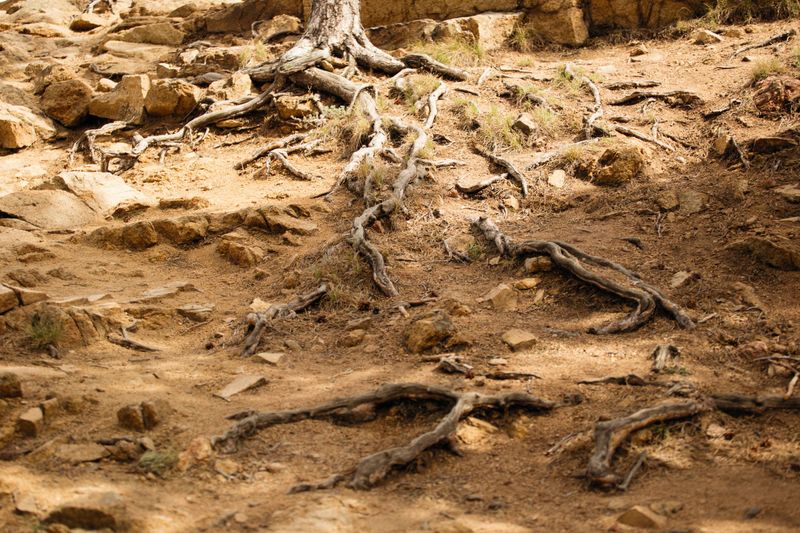
Rain hits hard in Maryland, and bare or shallow-rooted lawns pay the price every single storm. Native groundcovers hold the ground together when the skies open up.
Turf grass roots typically extend only two to four inches into the soil. That shallow grip is not enough to prevent erosion during heavy rain events common across the region.
Native groundcovers like Virginia creeper and switchgrass send roots down one to three feet or more. Those deep anchors grip the soil firmly even during intense downpours.
Erosion is more than an aesthetic problem in residential yards. Soil runoff carries nutrients and sediment into nearby streams, damaging aquatic habitats and reducing water clarity significantly.
The Chesapeake Bay watershed, which covers most of Maryland, is particularly vulnerable to erosion-related pollution. Sediment from suburban yards contributes measurably to Bay water quality problems each year.
Slopes and hillside yards benefit most dramatically from native groundcover installation. Plants with deep, fibrous root systems create a living net that keeps soil exactly where it belongs.
Homeowners with erosion-prone yards often spend hundreds on landscape repairs after major storms. Native groundcovers remove most of that recurring expense through natural root strength alone.
Municipalities are starting to recognize this benefit too. Some local governments now offer rebates or incentives for homeowners who replace erosion-prone turf with native plantings.
Protecting your soil protects your investment in your property. Strong roots from native groundcovers mean your yard stays intact through seasons of rain, wind, and weather.
Drought Favors Hardy Native Plants
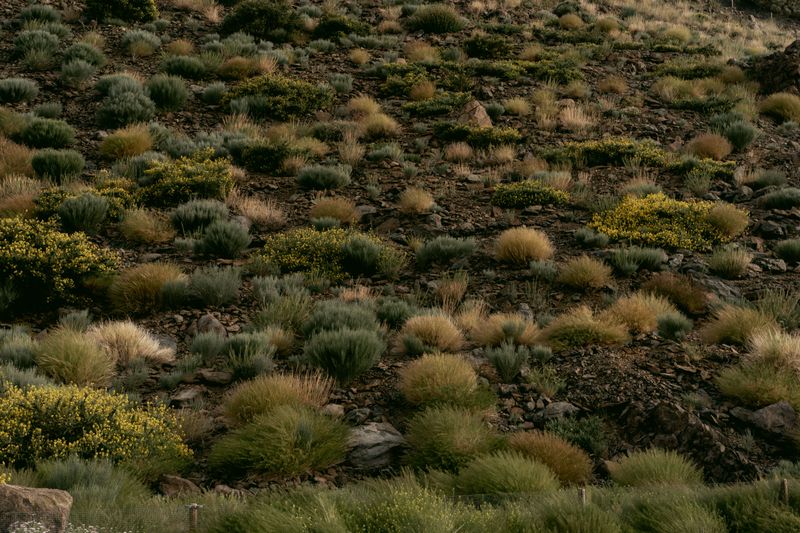
Summers keep getting hotter, and lawns keep struggling to cope with the consequences. Native groundcovers built for local conditions can withstand a Maryland heatwave far better than turf grass.
Drought stress turns traditional grass lawns yellow, patchy, and visibly stressed by mid-July. Homeowners scramble to water constantly just to preserve basic curb appeal.
Native plants like stonecrop, wild blue indigo, and butterfly weed are adapted to survive dry stretches without any help. Their deep roots and waxy leaves are natural drought-defense systems.
Climate data shows that mid-Atlantic summers are trending hotter and drier than historical averages. Planting for that reality now means your yard will stay healthy as conditions continue shifting.
Traditional turf grasses were often selected for appearance rather than regional climate compatibility. Many popular lawn varieties actually originated in cooler, wetter European climates and struggle here.
Native groundcovers, by contrast, evolved specifically under local temperature and rainfall conditions. They are essentially pre-adapted to whatever Maryland weather throws at them each season.
Drought-tolerant groundcovers also recover faster after dry spells end. When rain finally returns, natives bounce back quickly while stressed turf grass often stays damaged for weeks.
Choosing drought-resistant native plants is not just smart gardening. It is practical future-proofing for a yard that needs to perform reliably as climate patterns keep changing.
Your yard can be the green oasis on the block without a single sprinkler running. Native groundcovers make that possible every dry summer, year after reliable year.
Runoff Drops With Less Fertilizer
Every rainstorm after a lawn fertilizer application can carry runoff toward the nearest storm drain. That runoff eventually reaches local streams, rivers, and the Chesapeake Bay.
Nitrogen and phosphorus from lawn fertilizers are major contributors to algae blooms in regional waterways. Those blooms choke out oxygen and harm fish, crabs, and aquatic plant life.
Native groundcovers need little to no fertilizer once established in the right conditions. Removing that input means addressing the runoff problem at its source, not downstream.
The Chesapeake Bay Program has identified residential lawn fertilizer as a significant pollution source across the watershed. Reducing its use is a priority for regional water quality restoration efforts.
Healthy native plant communities actually improve soil fertility naturally over time. Leaf litter breaks down into rich compost, feeding the soil without any bags of synthetic nutrients needed.
Less fertilizer use also means fewer algae-related fish population losses in local ponds and creeks. Neighborhoods with high native plant coverage consistently show better nearby water quality measurements.
Maryland has already passed statewide fertilizer restrictions for residential lawns. Homeowners who switch to native groundcovers stay naturally ahead of those regulations without any extra effort.
The ripple effect of one yard going native can be measurable. Multiply that across thousands of suburban properties and the regional water quality improvement becomes measurable and significant.
Choosing native groundcover is choosing cleaner water for everyone downstream. That is a legacy worth planting, one yard and one storm drain at a time.
Homeowners Want Low-Maintenance Yards
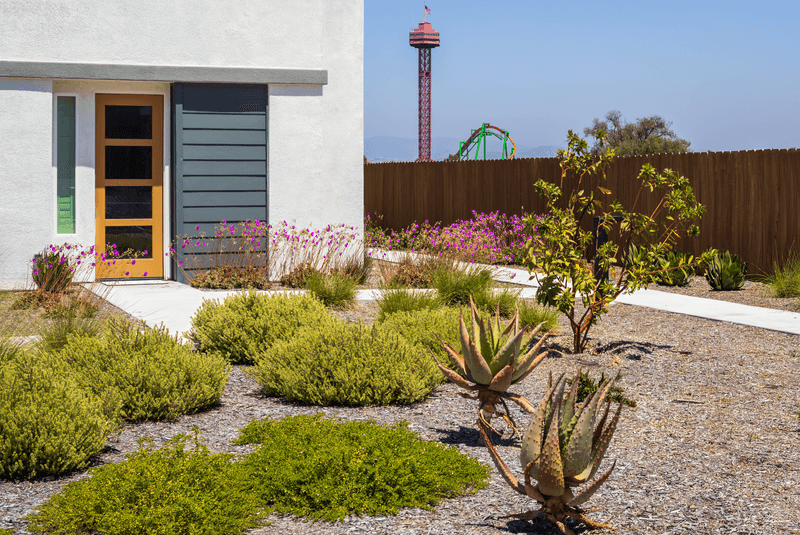
People are busy, and yard work is sliding down the priority list fast. Native groundcover alternatives are answering a real demand from homeowners who want beauty without the burden.
Surveys consistently show that Americans want outdoor spaces that look great but do not require constant attention. Traditional lawns fail that test on almost every level imaginable.
Native groundcovers, once established, largely take care of themselves through the seasons. They spread, fill gaps, and handle weather changes without weekly intervention from a tired homeowner.
The appeal crosses age groups and lifestyle types. Young families want safe, chemical-free play spaces.
Older homeowners want yards that do not require physical labor every single weekend.
Real estate trends are reflecting this shift too. Homes with attractive, established native landscaping are increasingly valued by buyers who recognize the long-term maintenance savings involved.
Nurseries across the region report surging demand for native groundcover species. Suppliers are expanding their native plant inventory specifically because homeowner interest has grown so consistently strong.
Community social media groups dedicated to native plant gardening are growing rapidly in membership. Neighbors share photos, swap plants, and encourage each other to keep replacing traditional lawn sections.
The shift toward low-maintenance native groundcover alternatives represents a genuine lifestyle upgrade. Less time on yard chores means more time for everything else that actually matters to you.
Maryland homeowners are leading a growing shift toward smarter, simpler outdoor living. The native groundcover trend is not slowing down, and your yard could be next.