What Love Bugs Are Actually Doing To Your Florida Garden Soil While You’re Not Looking
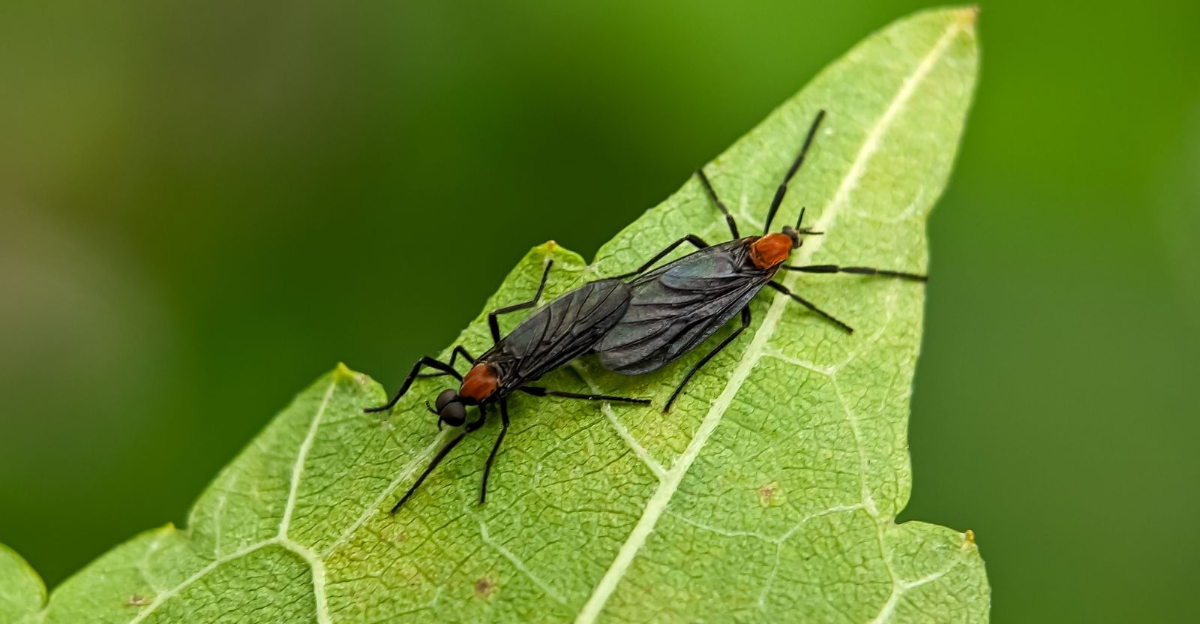
Lovebug season in Florida has a way of making itself known whether you are ready for it or not.
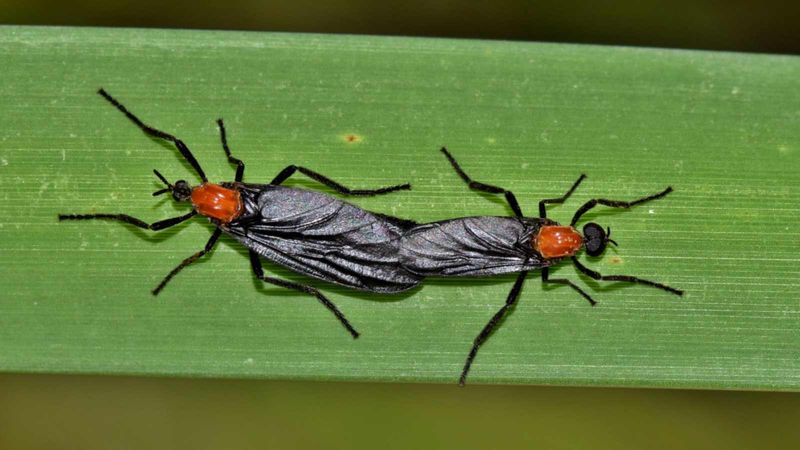
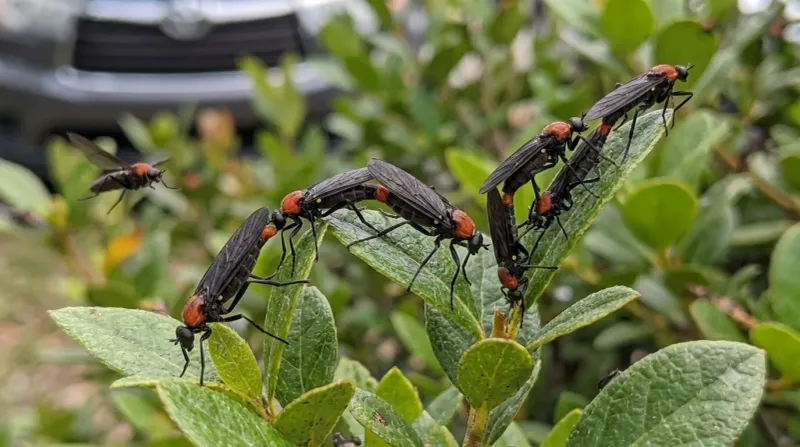
The slow-flying pairs cloud the air, plaster themselves across every windshield in sight, and turn a simple walk outside into something that requires a little more commitment than usual.
Twice a year, spring and late summer, adult lovebugs get all the attention and most of the complaints. But while everyone is focused on the flying swarms, something genuinely interesting is happening much closer to the ground.
Lovebug larvae look absolutely nothing like their parents, and they spend their time hidden among fallen leaves, grass clippings, and moist organic debris in lawns and garden beds, quietly breaking down decaying plant material as decomposers.
Most gardeners walk right over them without ever knowing they are there, which honestly makes them one of the more underrated characters in the Florida garden.
1. Lovebug Larvae Are Breaking Down Decaying Plant Material
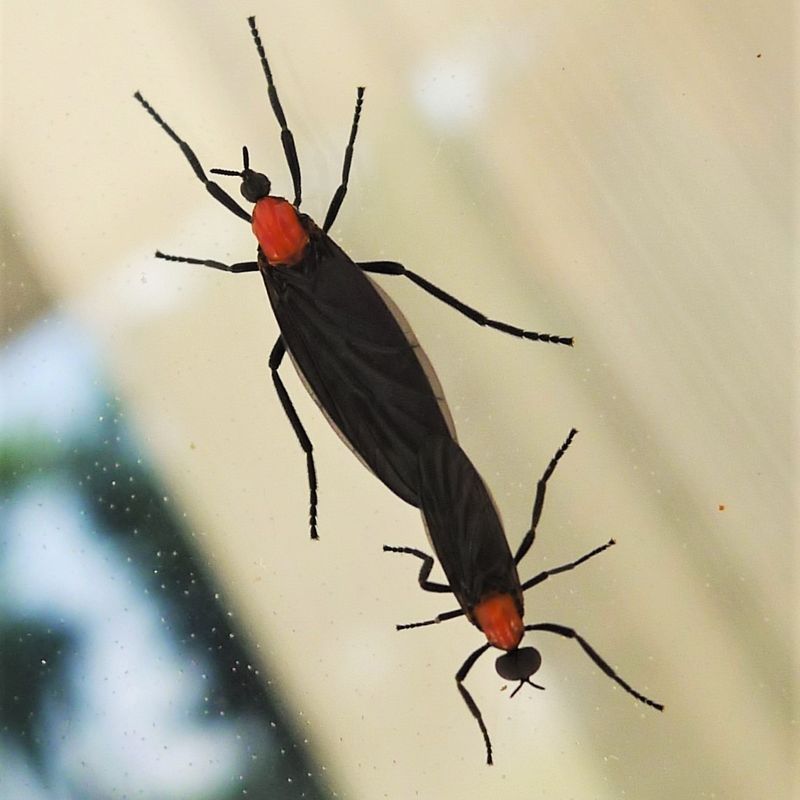
Fallen leaves piling up along the edge of a Florida garden bed may look like yard waste, but for lovebug larvae, that layer of decomposing vegetation is essentially a dinner table.
Lovebug larvae feed on fallen leaves, decaying grass, and other plant material that is already breaking down.
Their role as decomposers is the most well-supported connection between lovebugs and Florida garden soil.
The larvae are not going after healthy plants. They are consuming material that has already begun to decompose, which puts them firmly in the category of decomposers rather than plant pests.
This distinction matters because gardeners who spot small larvae near soil level might worry about root damage, when in reality the larvae are focused on decaying organic matter nearby.
Florida’s warm, humid climate creates ideal conditions for organic material to accumulate quickly. Grass clippings, fallen leaves, and spent plant debris build up in lawns and garden beds throughout the year, giving lovebug larvae a steady food source.
The larval stage is where most of their ecological contribution actually happens, quietly and out of sight, long before the adult lovebugs ever take flight and become the seasonal annoyance Florida residents know so well.
Recognizing this larval feeding behavior helps put the whole lovebug life cycle into better perspective.
2. Their Feeding Helps Turn Plant Debris Into Humus
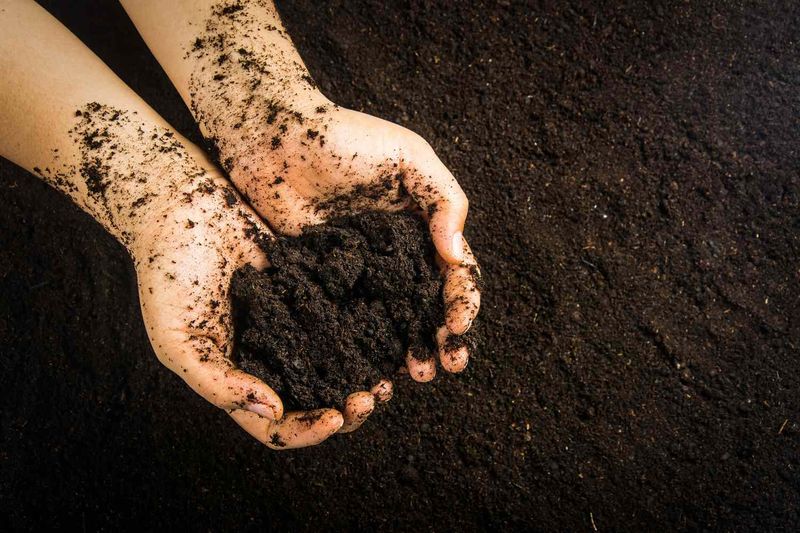
Humus sounds like a technical term, but it describes something fairly straightforward: the dark, stable material left behind after organic matter has broken down thoroughly.
When fallen leaves and grass decompose over time, they eventually become part of a layer of highly processed organic material mixed into the upper soil. Lovebug larvae play a small but real part in moving that process along.
According to UF/IFAS, lovebug larvae help convert decaying vegetation into humus through their feeding activity.
As they chew through spent and deteriorating plant material, they break it into smaller pieces and pass it through their digestive systems, which helps further decomposition.
The result is organic material in a more broken-down form that can continue processing toward humus with help from soil microbes and other decomposers.
Your Florida Garden Changes Every Week. Your Plan Should Too.
Gardening in Florida changes quickly throughout the season. Every Friday you’ll receive a simple weekly plan showing exactly what to plant, prune, fertilize, harvest, and protect so you never miss the right timing.
It would be an overstatement to say that lovebug larvae are single-handedly building rich garden soil across Florida. They are one piece of a much larger decomposition system.
Earthworms, fungi, bacteria, and countless other organisms are all working on the same material at the same time.
Lovebug larvae contribute to this shared effort in a measured way, helping plant debris move a little further along the path toward humus rather than dramatically transforming soil quality on their own.
For Florida gardeners, understanding this role adds some useful context to what is happening beneath the leaf litter in a typical yard.
3. Decomposition Helps Return Nutrients To The Soil
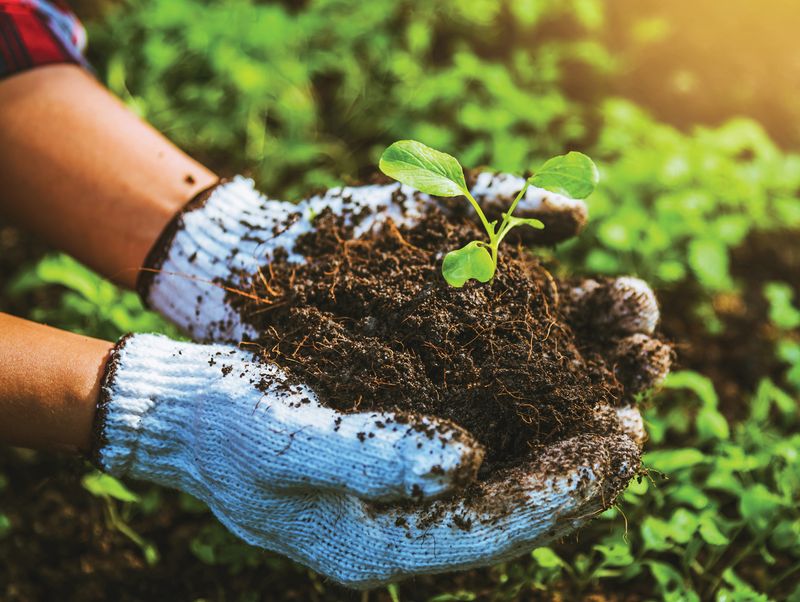
Every time a leaf falls or a grass blade breaks down and fades, the nutrients locked inside that plant tissue do not simply disappear.
Decomposition is the process that breaks down spent and decaying plant material and gradually returns those nutrients to the soil in forms that other organisms and plants can eventually access.
Lovebug larvae contribute to this cycle by feeding on decaying vegetation and helping organic material continue breaking down into smaller and smaller pieces.
Florida’s sandy soils have a limited natural ability to hold onto nutrients, which makes the decomposition of organic matter particularly relevant for gardeners trying to maintain productive beds and healthy lawns.
Every bit of organic material that breaks down adds to the organic content of the soil over time.
Lovebug larvae are part of a larger community of decomposers working on that material, which includes bacteria, fungi, and other insects.
The nutrients released through decomposition come from the organic material itself, not directly from the larvae. Lovebug larvae help process that material, but they are not acting as fertilizer.
Thinking of them as one participant in a larger decomposition system is the most accurate way to understand their contribution.
Florida gardeners who already compost, mulch, or leave some leaf litter in place are supporting the same decomposition process that lovebug larvae are quietly involved in throughout the warmer months of the year.
4. Most Of The Action Happens Close To The Soil Surface
Beneath a layer of fallen leaves or a mat of decomposing grass clippings in a Florida yard, there is a thin zone where a surprising amount of biological activity takes place.
Lovebug larvae live and feed in this near-surface zone, where decaying organic material accumulates and moisture is often sufficient to support decomposition.
They tend to stay in this shallow layer rather than burrowing deep into the soil profile.
This near-surface lifestyle is one reason why most Florida gardeners never actually see lovebug larvae even when adult lovebugs are swarming overhead in large numbers. The larvae are small, pale, and tucked beneath organic debris where they are easy to overlook.
Unless someone pulls back a layer of leaf litter or disturbs decomposing grass clippings, the larvae can complete their development without ever being noticed.
Among grass roots, beneath accumulated leaves, and under the moist underside of decomposing garden debris are the kinds of places where lovebug larvae may be found.
Current research supports their presence in this near-surface environment rather than deep within the soil.
For Florida gardeners, this means the most likely place to encounter a lovebug larva is right at the interface between the soil surface and whatever organic material has been accumulating on top of it – a zone that is easy to walk past without a second thought.
5. They Are Feeding On Decaying Material Rather Than Living Roots
Finding small, pale larvae near grass roots or tucked into a garden bed can be unsettling, especially when a gardener is already worried about lawn health. The instinct is often to assume the worst – that something is eating the roots and causing damage.
With lovebug larvae, that concern is not supported by current research. Their food source is decaying vegetation, not the living tissue of grass roots or garden plants.
UF/IFAS information identifies decomposing plant material as what lovebug larvae actually consume.
They are not classified as root-feeding pests, and there is no current evidence suggesting they attack healthy roots or cause the kind of turf damage associated with grubs from beetles like white grubs or mole crickets.
The proximity to roots is a matter of habitat rather than feeding preference – the larvae are in that zone because decaying organic matter tends to collect there.
This distinction is genuinely useful for Florida gardeners who may encounter larvae during routine garden work and feel uncertain about what they are looking at. Not every larva found near soil level is a threat to plant health.
Lovebug larvae are among the decomposers that belong in a healthy lawn environment, processing the decaying organic material that naturally accumulates around roots and at the soil surface.
Misidentifying them as harmful pests could lead to unnecessary treatments that disrupt the broader soil ecosystem without solving any real problem.
6. Moist Organic Debris Creates Suitable Larval Habitat
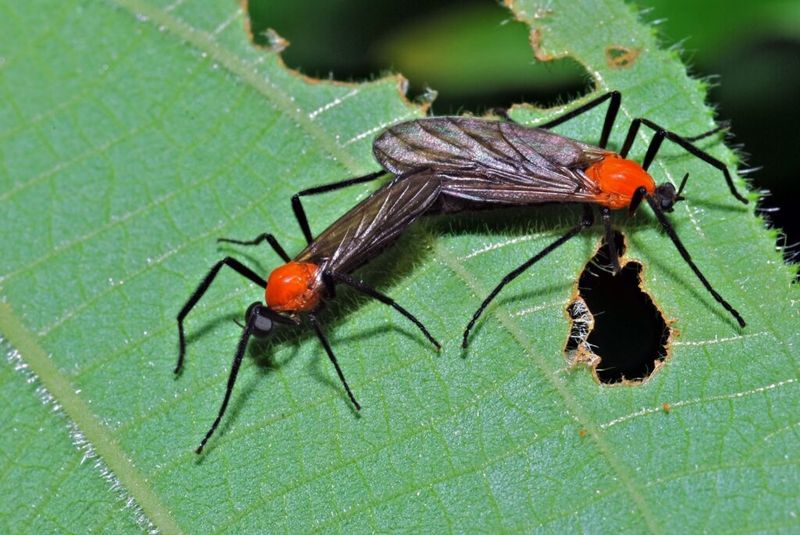
When female lovebugs are ready to lay eggs, they seek out places where decaying vegetation and adequate moisture are both present.
Florida’s climate, with its regular summer rains and warm temperatures, creates these conditions in lawns and garden beds more reliably than many other parts of the country.
The moisture is important because it supports the decomposition process that the larvae will depend on for food once they hatch.
Suitable habitat for lovebug larvae tends to involve organic matter that is moist enough to be actively decomposing but not so waterlogged that it becomes inhospitable.
Areas where leaf litter has accumulated, where grass clippings have been left to break down, or where garden debris has collected along a fence line or bed edge can all provide the conditions larvae need.
These are not unusual or exotic locations in a typical Florida yard – they describe fairly ordinary landscape conditions.
The moisture requirements help explain why lovebug larval development is more closely associated with Florida’s rainy season and the periods surrounding it. Dry conditions would slow decomposition and make organic debris less suitable as habitat.
Florida gardeners who notice that lovebug adult flights tend to follow periods of warmth and moisture are observing, indirectly, the conditions that supported larval development in the weeks and months before those adults emerged.
The connection between seasonal weather and lovebug life cycles runs deeper than most people realize.
7. Grass Clippings And Fallen Leaves Can Become Lovebug Habitat
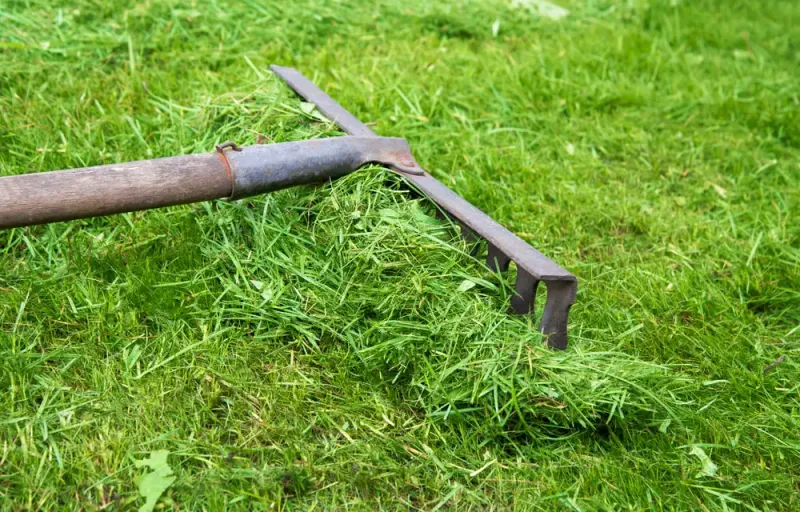
Grass clippings left on a Florida lawn after mowing do more than just disappear.
As they break down, they become part of the thin organic layer at the soil surface known as thatch, and as that material decomposes further, it can create conditions suitable for lovebug larvae.
Fallen leaves from trees bordering a lawn or garden bed contribute to the same kind of organic accumulation that may support larval development when moisture levels are right.
This does not mean that every pile of clippings or every bed of fallen leaves is guaranteed to become a lovebug nursery. Suitable conditions involve a combination of moisture, temperature, and the right stage of decomposition.
Still, these common Florida landscape materials do represent the kind of habitat that lovebug larvae are associated with, and gardeners who manage large amounts of organic debris may be supporting larval development without realizing it.
Normal landscape care practices like mulching, composting, and managing leaf litter are not things gardeners need to abandon out of concern for encouraging lovebugs.
Maintaining a reasonable layer of organic material is good for soil health and supports a broader community of beneficial decomposers.
The point is simply that grass clippings and fallen leaves are not inert – they become active habitat as they break down, and lovebug larvae are among the many small organisms that may take advantage of those conditions in a Florida yard.
8. Their Hidden Soil Activity Is Generally Beneficial Rather Than Harmful
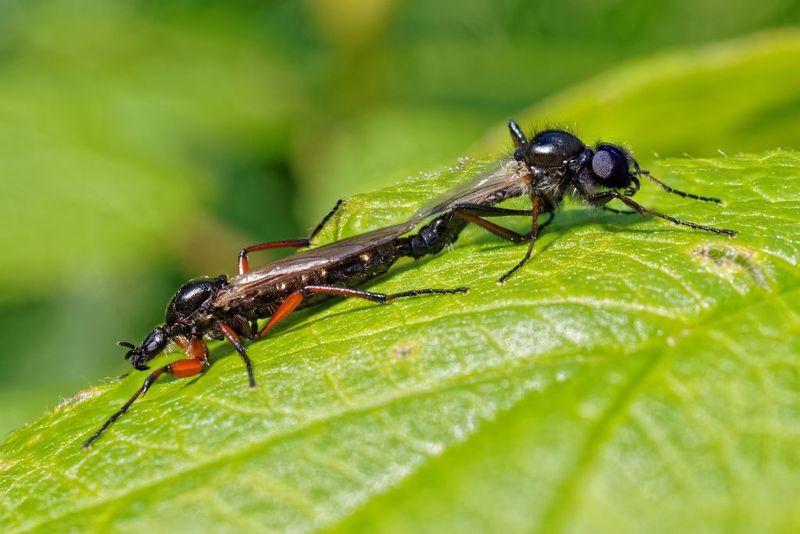
When most Florida residents think of lovebugs, they picture the slow-flying adult pairs that appear in large numbers twice a year and become a genuine nuisance around homes, outdoor events, and vehicles. That reputation is earned.
But the larval stage tells a different story, one that takes place quietly beneath leaf litter and organic debris rather than in the open air.
UF/IFAS describes lovebug larvae as beneficial decomposers because of their role in processing decaying plant material. That label reflects their actual ecological function rather than the frustration associated with adult flights.
The larvae are not damaging healthy Florida lawns or garden plants. They are contributing to the decomposition of material that would otherwise just sit on the soil surface waiting to break down on its own.
There is little basis for worrying that lovebug larvae are secretly harming garden soil. At the same time, it would be an exaggeration to present them as essential to Florida soil health or as a primary driver of soil quality.
Their contribution is real but modest – one part of a much larger decomposition system that includes bacteria, fungi, earthworms, and many other organisms.
Recognizing lovebug larvae as generally beneficial helps Florida gardeners see the full picture of what is happening in their yards, especially during the seasons when adult lovebugs are drawing all the attention above ground.