8 Tough North Carolina Plants That Handle Common Garden Problems
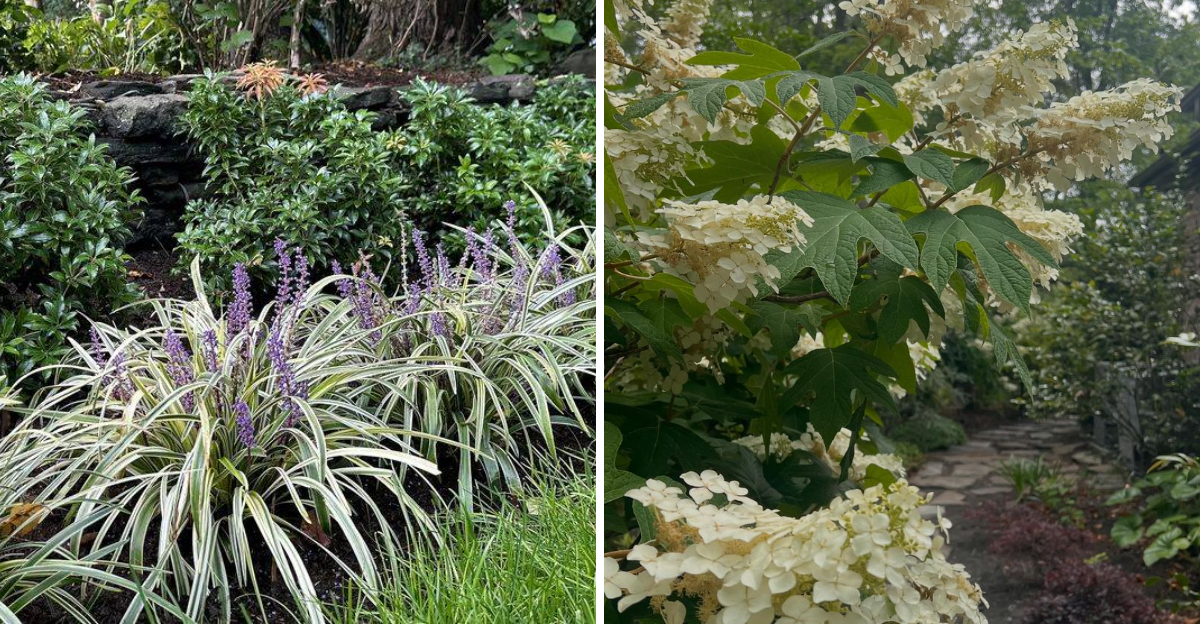
Every North Carolina gardener eventually runs into the same handful of frustrating problems, whether it’s poor soil, relentless heat, or a yard that never seems to get enough sun.
Most people assume the fix means constant babying, extra watering, or specialized treatments just to keep certain plants alive.
But a select group of plants actually shrugs off these common struggles without demanding much extra effort at all.
Understanding which ones handle these specific problems best could completely change how much work your garden requires going forward.
Many gardeners are surprised to learn how much easier things get once they choose plants suited to the problem instead of fighting against it.
This list could save you years of trial and error with plants that were never a good fit for your yard’s actual conditions. Sometimes the smartest solution is simply choosing differently from the start.
1. Black-Eyed Susan
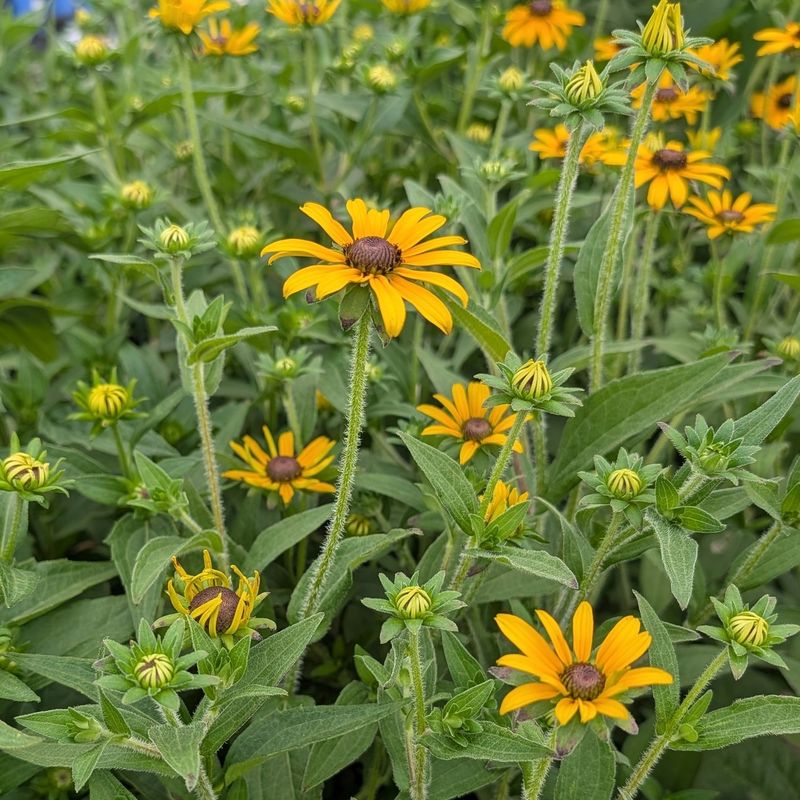
Sunshine seems to follow this flower wherever it grows. Black-eyed Susan lights up gardens with golden petals and a dark button center, and it does all that without asking for much from you.
One reason gardeners love it so much is toughness. Once its roots settle in, this perennial handles blazing heat and long stretches without rain like a champ.
Poor soil, full sun, and dry spells rarely bother it, which makes it a smart pick for spots where other plants struggle.
Bees and butterflies drop by all summer long, turning your yard into a busy, buzzing hangout. Later in the season, small birds like goldfinches snack on the seeds, so the show keeps going even after the petals fade.
Caring for black-eyed Susan is refreshingly simple. Plant it in a sunny area, give it water for the first few weeks, and then step back.
It spreads slowly over time, filling gaps and creating cheerful patches of color that return year after year.
Here is a fun bit of trivia: black-eyed Susan is the state flower of Maryland, but it grows happily across much of the eastern United States, including North Carolina.
If you want a flower that bounces back from tough weather and still puts on a bright display, this one belongs in your garden. Pair it with purple flowers for a pop of contrast, and you will have a low-effort bed that looks polished from June through fall.
2. Coneflower
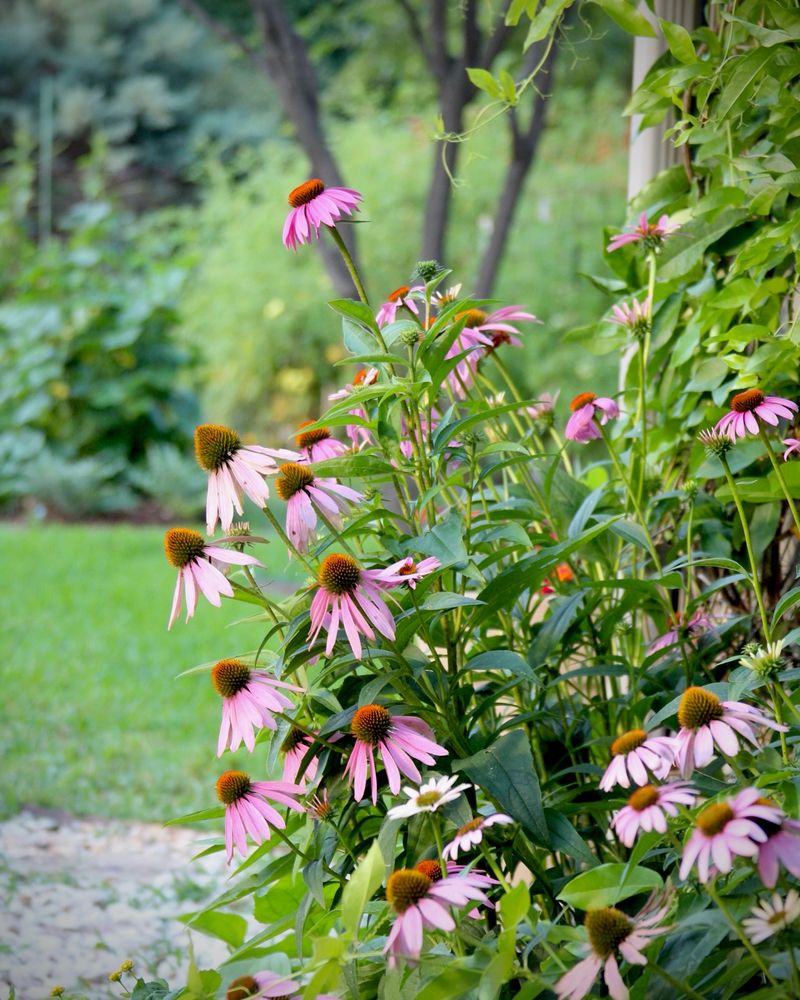
Few flowers work as hard as the purple coneflower. Its daisy-shaped blooms stand tall on sturdy stems, and its raised orange center looks almost like a tiny sea urchin sitting in the middle.
This native perennial was built for heat. Summer temperatures climb high in North Carolina, but coneflower keeps blooming when many other plants wilt.
After it establishes strong roots, it also handles dry weeks without needing constant watering.
Pollinators absolutely adore it. Butterflies float from bloom to bloom, and bees gather pollen throughout the warm months.
Leave the spent flowers standing in fall, and songbirds will visit to eat the seeds hidden in those spiky centers.
Getting coneflower going is easy. Choose a sunny or lightly shaded spot with soil that drains well, then water it regularly until it takes hold. From there, it mostly takes care of itself and comes back bigger each year.
Your North Carolina Garden Changes Every Week. Your Plan Should Too.
Gardening in North Carolina changes quickly throughout the season. Every Friday you’ll receive a simple weekly plan showing exactly what to plant, prune, fertilize, harvest, and protect so you never miss the right timing.
You may know coneflower by another name. Echinacea, a plant often used in herbal teas and remedies, comes from this same family, which gives it a bit of old-fashioned charm.
Colors have expanded far beyond the classic purple too. Growers now offer shades of pink, orange, white, and even yellow, so you can mix and match to fit your style.
For a garden that stays lively during the hottest stretch of the year, coneflower delivers. It rewards very little effort with months of color and a steady stream of friendly visitors buzzing through your yard.
3. Switchgrass
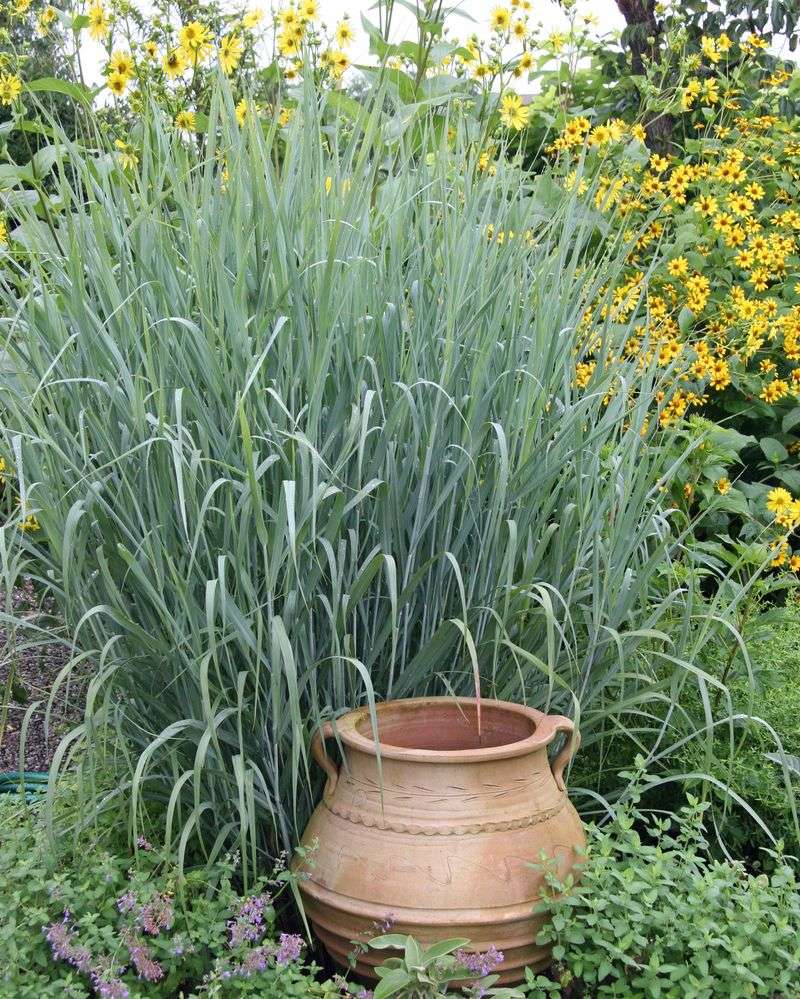
Movement is what makes switchgrass so special. When a breeze rolls through, its tall blades and airy seed heads sway back and forth, adding soft motion and texture to any garden.
This native grass is remarkably tough. It shrugs off heat, powers through dry spells, and grows in soil that many plants would refuse. Sandy ground, clay, or poor dirt rarely slows it down.
Maintenance is close to nothing. Switchgrass does not need fertilizer, and once its deep roots settle in, watering becomes rare. A single trim in late winter is usually all it takes to keep it neat before new growth appears.
Wildlife finds plenty to enjoy here. Birds shelter among the thick blades and feed on the seeds, while the sturdy clumps offer cover for small creatures during colder months.
Fall brings a color surprise. Many varieties shift to warm shades of red, gold, or copper, giving your yard a rich glow as the season changes.
Those strong roots do more than survive dry weather. They reach deep into the ground, which helps hold soil in place and reduce erosion on slopes or bare patches.
Use switchgrass as a backdrop for shorter flowers, or plant several together to create a natural privacy screen. It pairs beautifully with coneflower and black-eyed Susan for a prairie-style look.
If you want a plant that adds height, movement, and year-round interest with almost no work, switchgrass earns its place in a North Carolina garden every single time.
4. Eastern Redbud
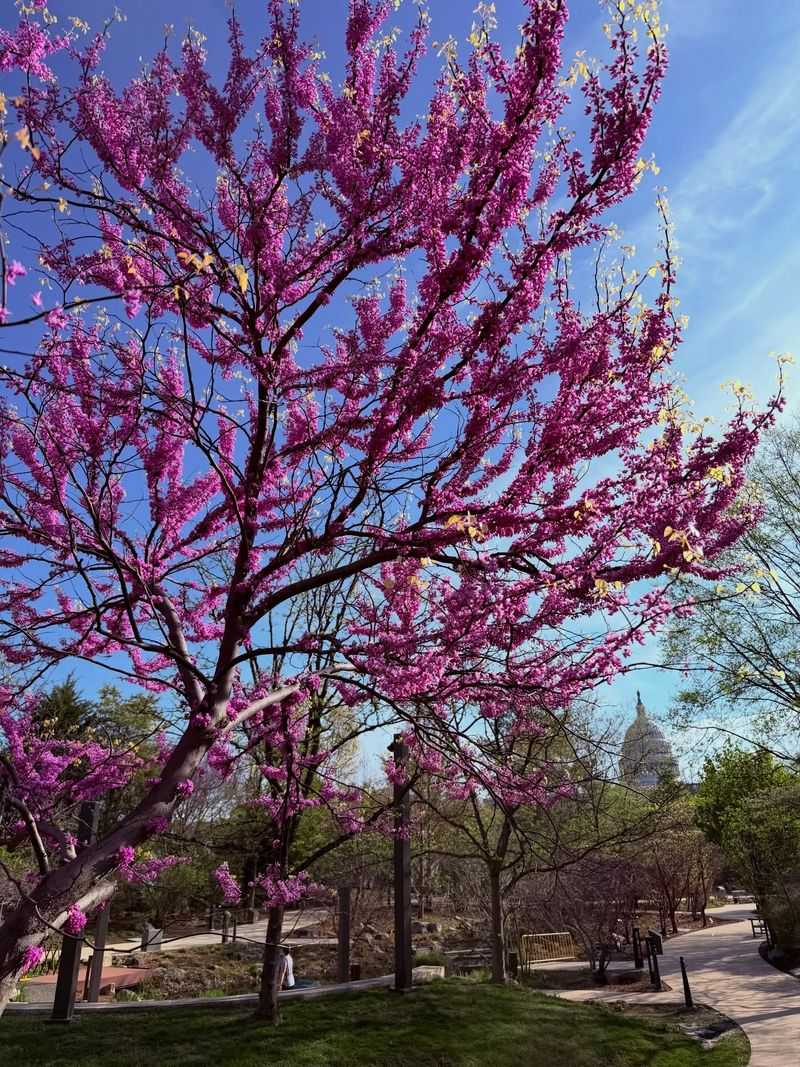
Spring arrives with a splash of color when the eastern redbud wakes up. Before its leaves even appear, the branches burst into clusters of pink-purple blossoms that seem to glow against the bare wood.
This native tree fits into many kinds of yards. It stays fairly small, which makes it a great choice for tight spaces, corners, or spots near a patio where a giant shade tree would not work.
Adaptability is one of its best traits. Redbud grows in full sun or part shade, and it handles different soil types across North Carolina, from clay-heavy ground to rockier spots. Once established, it tolerates dry stretches well.
After the flowers fade, heart-shaped leaves take over. They stay green through summer, then turn a soft yellow in fall, giving the tree a second season of beauty.
Pollinators show up early for the blooms. Because redbud flowers appear when few other plants are open, bees rely on it as a valuable food source in spring.
Here is a neat detail: the blossoms are actually edible. Some people toss the bright petals into salads for a pop of color and a slightly tangy flavor.
Caring for a redbud is straightforward. Water it well during the first couple of years, then let it grow on its own with minimal attention.
For a hardy tree that marks the change of seasons and rewards you with early color, eastern redbud is a standout choice that suits gardens big and small.
5. Oakleaf Hydrangea
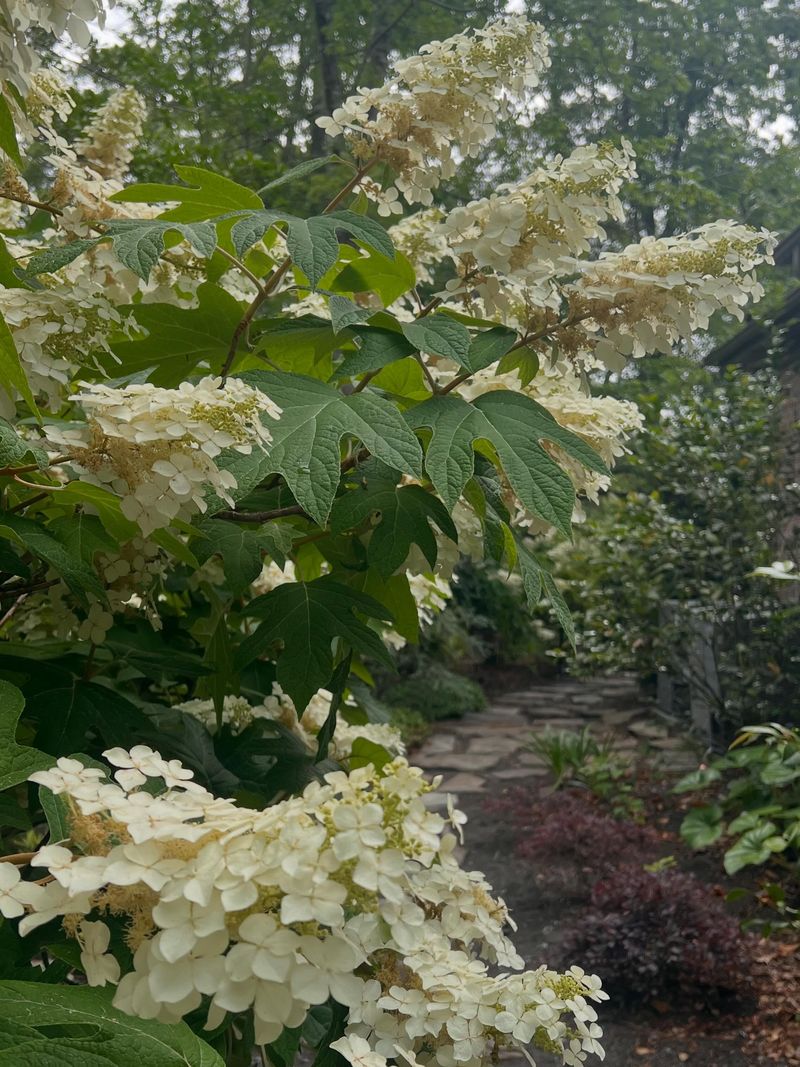
Big, bold, and beautiful describes the oakleaf hydrangea perfectly. Its cone-shaped white flowers stand out against large leaves shaped like oak foliage, giving it a look unlike other hydrangeas.
This native shrub feels right at home in woodland settings. It thrives in part shade under taller trees, which makes it a great solution for shady corners where flowers can be hard to grow.
Toughness runs deep in this plant. Once its roots take hold, oakleaf hydrangea handles heat and dry spells better than many of its cousins, and it adapts to the varied soils found across North Carolina.
The flowers put on a long show. Creamy white blooms appear in early summer, then slowly fade to soft pink and dusty rose as the weeks pass, giving you changing color for months.
Fall brings the real magic. Those big leaves turn deep shades of red, orange, and purple, lighting up the shade garden when most plants have finished for the year.
Even in winter, the shrub stays interesting. Its bark peels back in thin layers, revealing a rich cinnamon color that adds texture during the coldest months.
Care is simple once it settles in. Give it some shade, water during long dry spells, and prune lightly after flowering if needed.
For a shrub that delivers flowers, fall color, and winter interest all in one plant, oakleaf hydrangea is hard to beat. It turns quiet, shady spaces into some of the prettiest spots in your yard.
6. Carolina Jessamine
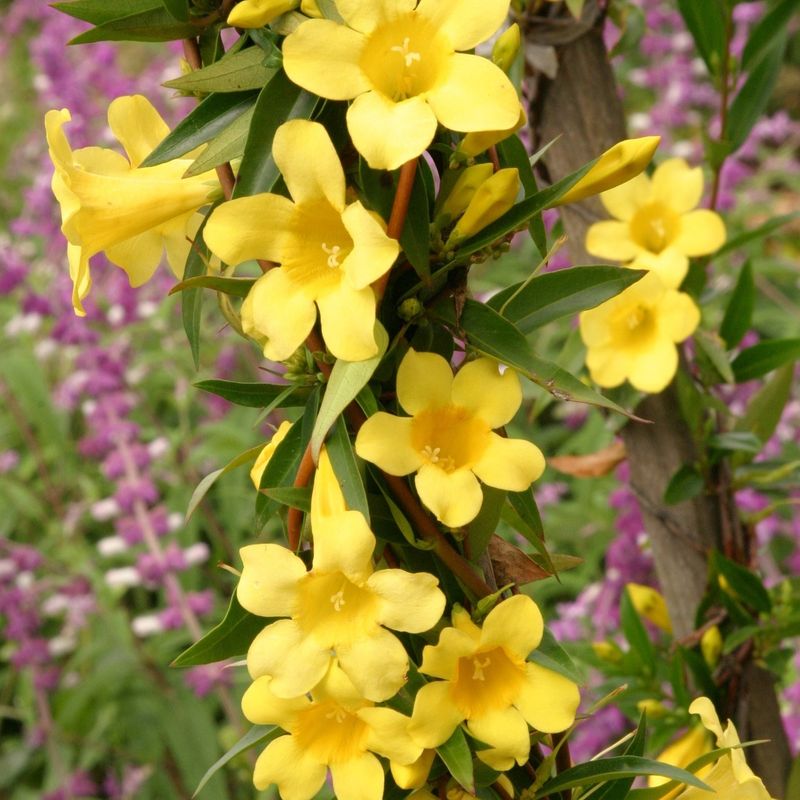
Bright yellow trumpets signal that spring has truly arrived when Carolina jessamine bursts into bloom. This climbing vine drapes fences, trellises, and mailboxes with cheerful color that is hard to miss.
As a native plant, it fits naturally into North Carolina gardens. In fact, it is the official state flower of South Carolina, so it clearly feels right at home across the region.
Heat holds no fear for this vine. It powers through hot summers and shrugs off dry weather once its roots are established, staying green and healthy while the weather turns harsh.
The evergreen leaves are a bonus. Even in winter, the vine keeps its glossy green foliage, so it never leaves your fence or trellis looking bare and empty.
Growing it is refreshingly low effort. Plant it in sun or part shade, give it something to climb, and water it until it takes hold. After that, it needs little more than an occasional trim to stay tidy.
One important safety note: every part of Carolina jessamine is toxic if eaten, so keep it away from areas where small children or pets might nibble on it.
Butterflies and early pollinators love the fragrant flowers, which appear when little else is blooming. That makes the vine a helpful food source in the first warm weeks of the year.
For a fast, colorful cover on a fence or arbor, Carolina jessamine delivers big rewards with very little work throughout the growing season.
7. Liriope
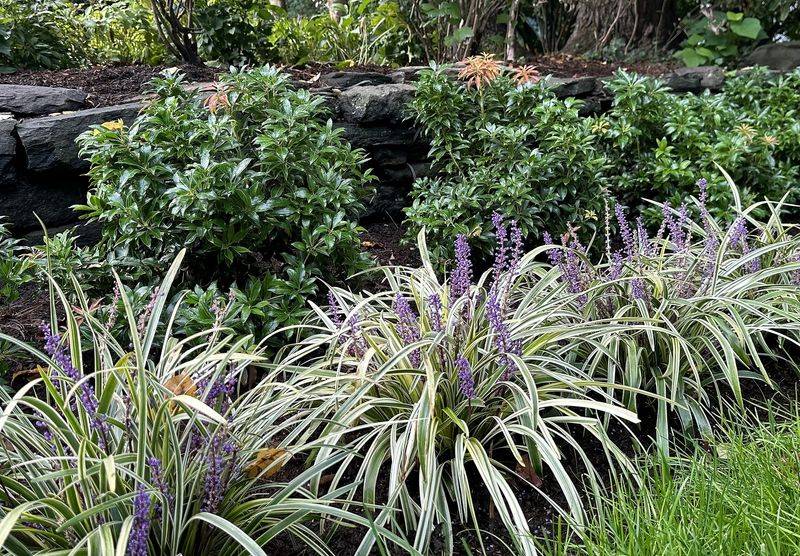
Sometimes the hardest workers get the least attention, and liriope proves that point. This grassy little plant lines walkways and edges beds all across North Carolina, quietly holding everything together.
Shade rarely troubles it. Liriope grows well under trees and along shady borders where grass and flowers often fail, filling those tricky spots with neat green blades.
Its toughness is what makes it a landscaping favorite. It tolerates dry weather, poor soil, and heat without complaint, so you can plant it and mostly forget about it.
Late summer brings a nice surprise. Slender spikes of purple or white flowers rise above the leaves, adding a soft touch of color before small dark berries appear in fall.
Many people use liriope as a border. Planted in a row, it creates a clean, tidy edge along paths and driveways that looks polished with almost no effort.
It also works as a groundcover. On slopes or bare patches where mowing is a pain, liriope spreads to cover the ground and helps keep soil in place.
Care could not be simpler. Once a year, usually in late winter, you can trim old leaves so fresh growth comes in clean and green.
One tip worth knowing: some types spread quickly, so pick the clumping variety if you want it to stay in one spot.
For a dependable plant that handles shade, drought, and rough soil while still looking sharp, liriope earns its steady spot in the garden.
8. American Beautyberry
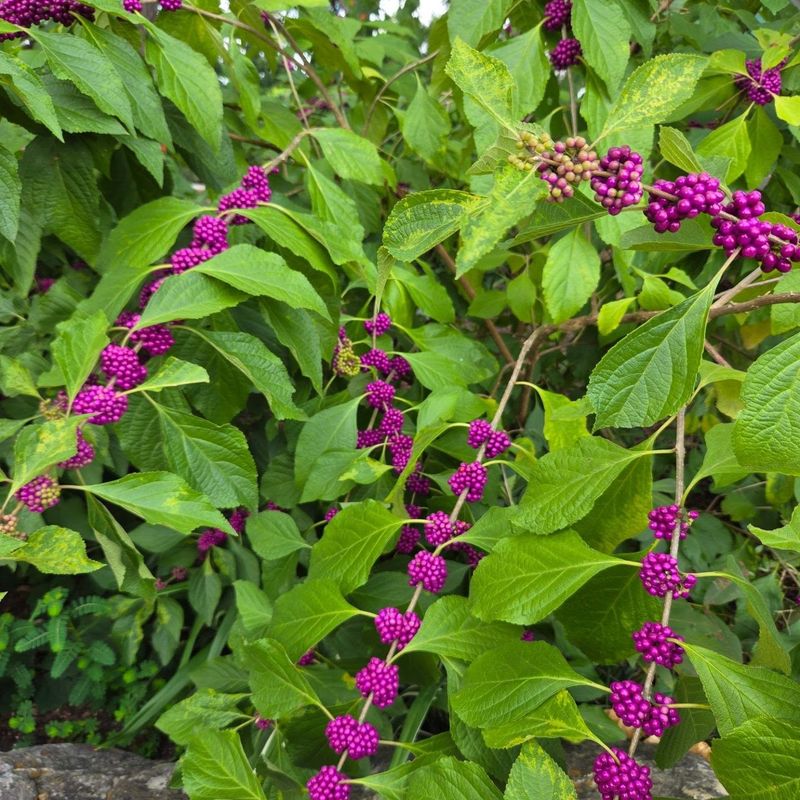
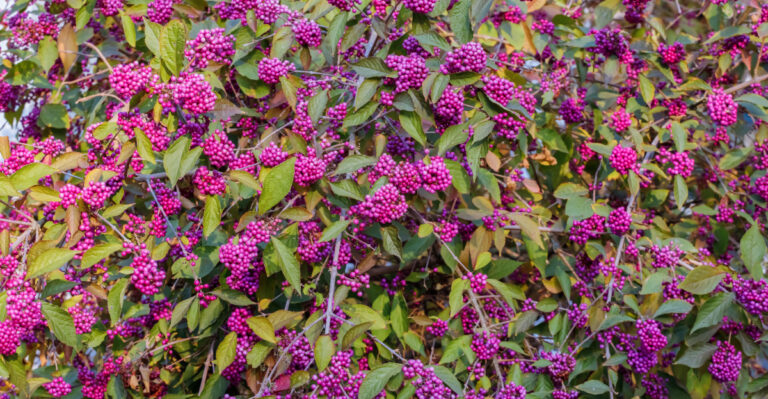
Wait until fall and you will understand why this shrub earns its name. American beautyberry produces clusters of shocking purple berries that wrap tightly around its stems like glowing beads.
This native plant is built for tough conditions. It handles hot summers and dry spells with ease, and it grows in a range of soils found throughout North Carolina without needing pampering.
Wildlife treats it like a buffet. Birds flock to the bright berries in fall and winter, and other small creatures rely on the fruit as a food source when other options run low.
Before the berries steal the show, the shrub offers small pink flowers in summer. Those blooms attract bees and butterflies, adding a soft splash of color to the loose, arching branches.
Growing beautyberry takes little skill. Plant it in sun or part shade, water it during its first season, and let it settle into an easy, relaxed shape.
Pruning keeps it looking full. A hard trim in late winter encourages fresh growth and more berries the following fall, so it rewards a quick yearly cleanup.
Here is a fun fact worth sharing: crushed beautyberry leaves have long been used as a natural bug repellent, a trick passed down through generations.
The berries are best left for wildlife rather than snacking, though some folks cook them into jelly after proper preparation.
For a shrub that brings dramatic fall color and helps feed local birds, American beautyberry is a bold and cheerful pick for any yard.