What To Plant Under North Carolina Crape Myrtles When Nothing Else Grows There
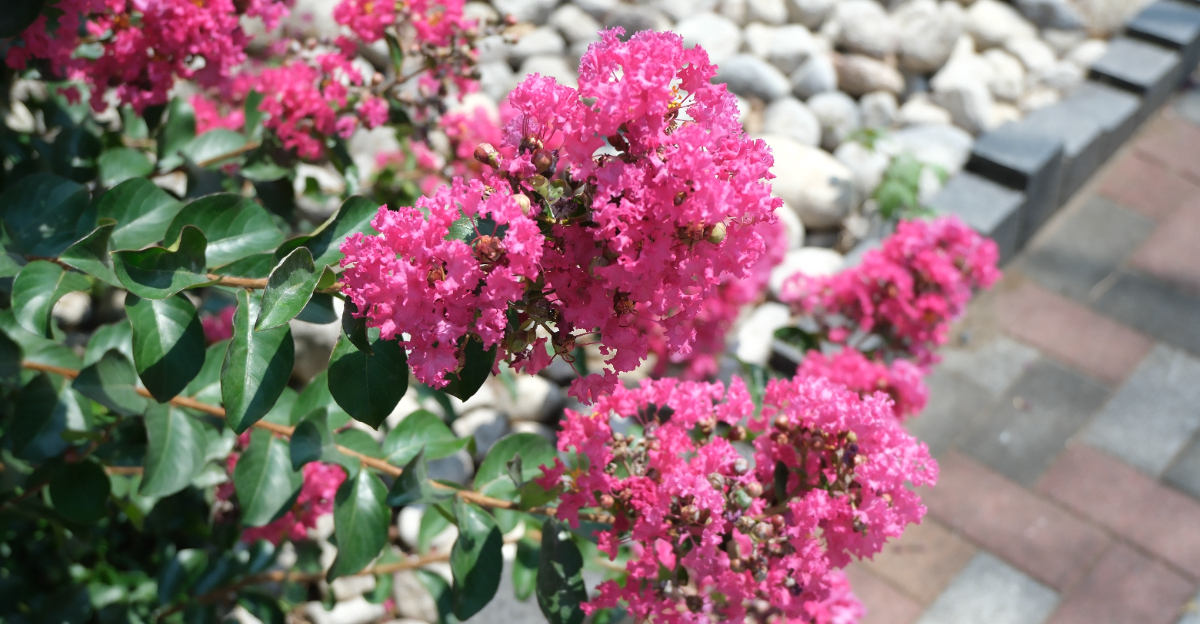
That bare, struggling patch beneath a crape myrtle frustrates plenty of North Carolina homeowners who have tried nearly everything without much success.
Most plants placed there seem to wither or grow sparse, leaving an empty ring of dirt right where a full, lush look would make the biggest difference.
There’s a specific reason this particular spot proves so difficult, one that has little to do with soil quality or how much attention you give it. Understanding what’s actually working against you in that space changes which plants stand a real chance of thriving there.
Some gardeners are surprised to discover a handful of options that handle these exact conditions without complaint. Once you know what to look for, that stubborn bare patch becomes a lot easier to finally fill in.
This could be the missing piece for a spot that has frustrated you for years.
1. Liriope
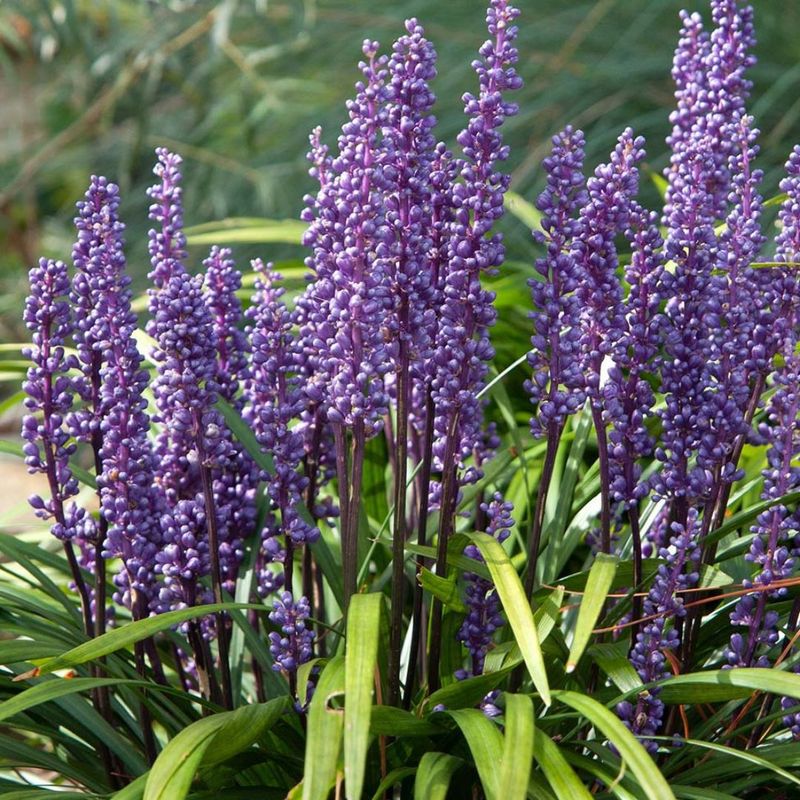
Gardeners across North Carolina reach for liriope when they want something that simply refuses to quit. Often called monkey grass, this grassy little plant handles the toughest corners of a yard with ease.
What makes it so good under crape myrtles is its ability to grow around thick tree roots without complaint. The roots of a crape myrtle steal water and space, yet liriope still spreads and fills in bare ground where other plants would sulk.
Dry soil rarely bothers it once the roots settle in. During hot Carolina summers, when the ground under a tree bakes and cracks, liriope keeps its neat green leaves looking fresh and tidy.
Partial shade suits it perfectly, which matters a lot beneath a crape myrtle that filters sunlight through its branches. The plant does not need long hours of direct sun to look its best.
In late summer, slender spikes of purple or white flowers rise above the leaves, giving the shady spot a little extra charm. Later, small dark berries appear and add even more interest.
Caring for liriope takes almost no effort. Many gardeners trim it back once in late winter, and the fresh growth returns thick and healthy.
If you want a plant that borders pathways, softens the base of a tree, and stays green through most of the year, this one earns its place. Tough, tidy, and dependable, liriope turns that awkward patch under your crape myrtle into a spot that finally looks finished.
2. Creeping Phlox
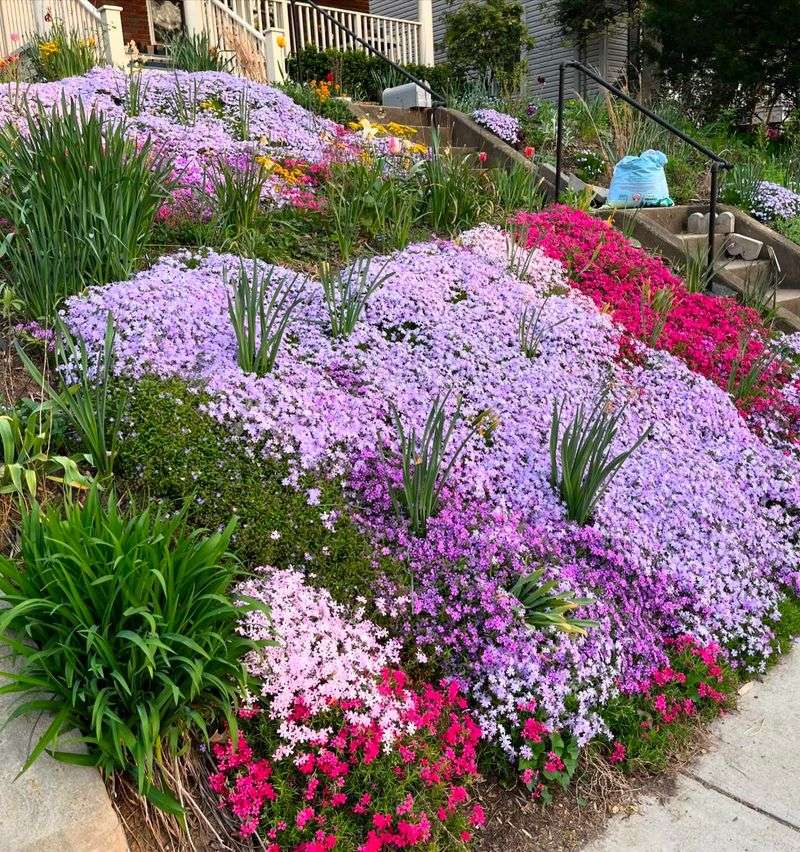
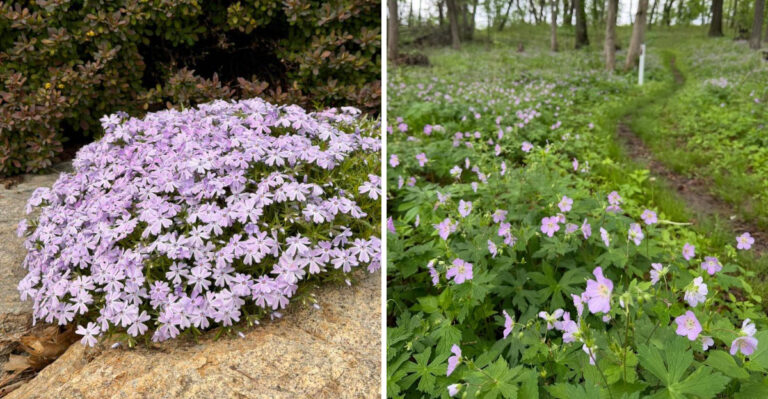
Picture a soft blanket of pink, purple, and white flowers spilling across the ground, and you have creeping phlox at its finest. This low grower turns bare dirt into a colorful carpet that draws every eye in the yard.
Under crape myrtles, its short height works in its favor. Instead of reaching up and fighting for space, creeping phlox hugs the soil and spreads sideways, filling gaps where taller plants struggle.
Heat rarely slows it down. During the warm months when the ground under a tree turns dry, this plant keeps holding on, especially when the soil drains well and does not stay soggy.
Your North Carolina Garden Changes Every Week. Your Plan Should Too.
Gardening in North Carolina changes quickly throughout the season. Every Friday you’ll receive a simple weekly plan showing exactly what to plant, prune, fertilize, harvest, and protect so you never miss the right timing.
Spring is when it truly shines. For a few weeks, the whole patch bursts into bloom, covering the base of the crape myrtle with color that looks almost too good to be real.
Bees and butterflies love the flowers, so your shady corner becomes a busy little stop for pollinators. That added life makes the whole garden feel more alive.
The plant asks for very little in return. Well-drained soil and a bit of sunlight keep it happy, and it slowly creeps outward each year to cover more ground.
After the blooms fade, the needle-like green foliage stays behind and keeps the area looking neat. That means you get color in spring and tidy cover the rest of the season.
For anyone tired of staring at empty soil, creeping phlox offers an easy way to bring beauty to a spot that once seemed hopeless.
3. Hardy Geranium
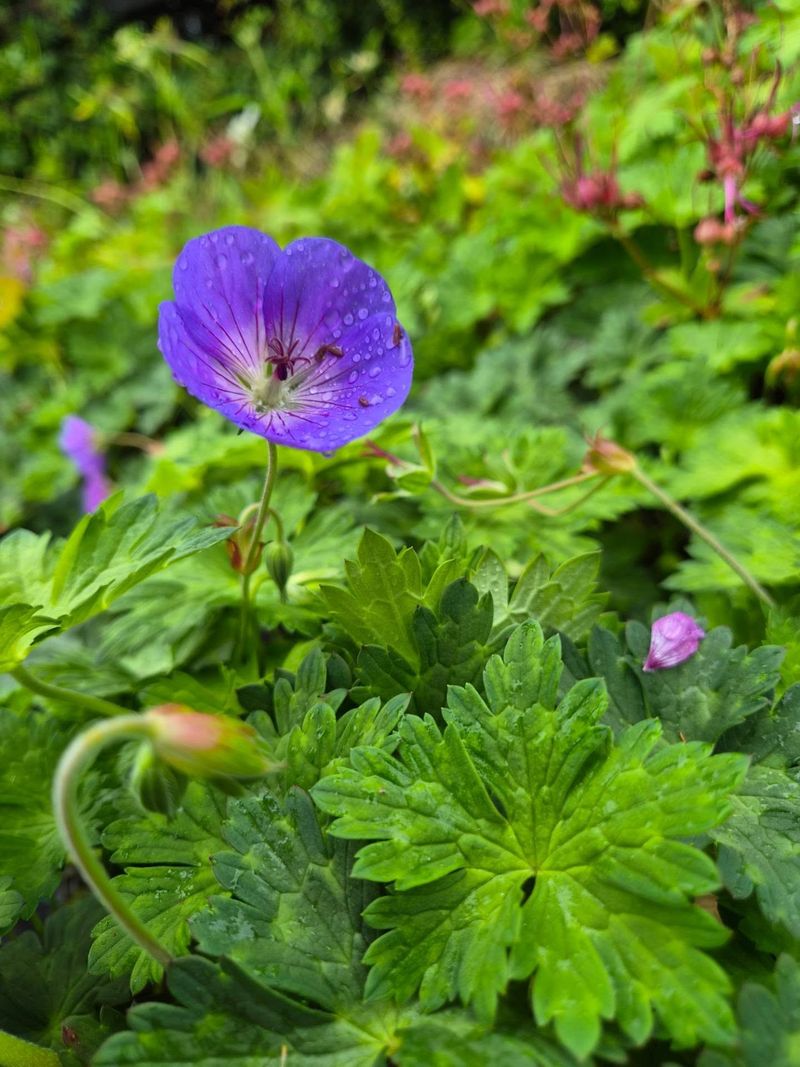
Do not confuse this beauty with the potted geraniums you see on porches. Hardy geranium, sometimes called cranesbill, is a spreading perennial built for the challenges of a shady garden bed.
Its greatest strength shows up right where crape myrtles cause trouble. Thick tree roots grab water and nutrients, yet hardy geranium pushes its own roots through the soil and holds its ground with surprising grit.
The foliage spreads into a soft mound of lobed green leaves that covers bare spots quickly. Over time, that leafy cover chokes out weeds and keeps the area looking full and healthy.
Small flowers in shades of pink, purple, and blue pop up across the plant for weeks at a time. They may be modest in size, but their cheerful color brings warmth to the shade beneath the tree.
Partial shade suits it well, making it a natural fit under a crape myrtle that lets in dappled light. It does not need a sunny spot to put on a good show.
Once it settles in, this plant handles dry spells better than most, so you will not be dragging out the hose every few days. A little water during long dry stretches keeps it looking its best.
Trimming it back after the first flush of blooms often brings a second round of flowers later on. That extra effort pays off with a longer season of color.
Reliable, tough, and quietly pretty, hardy geranium fills in troublesome ground with graceful ease.
4. Heuchera
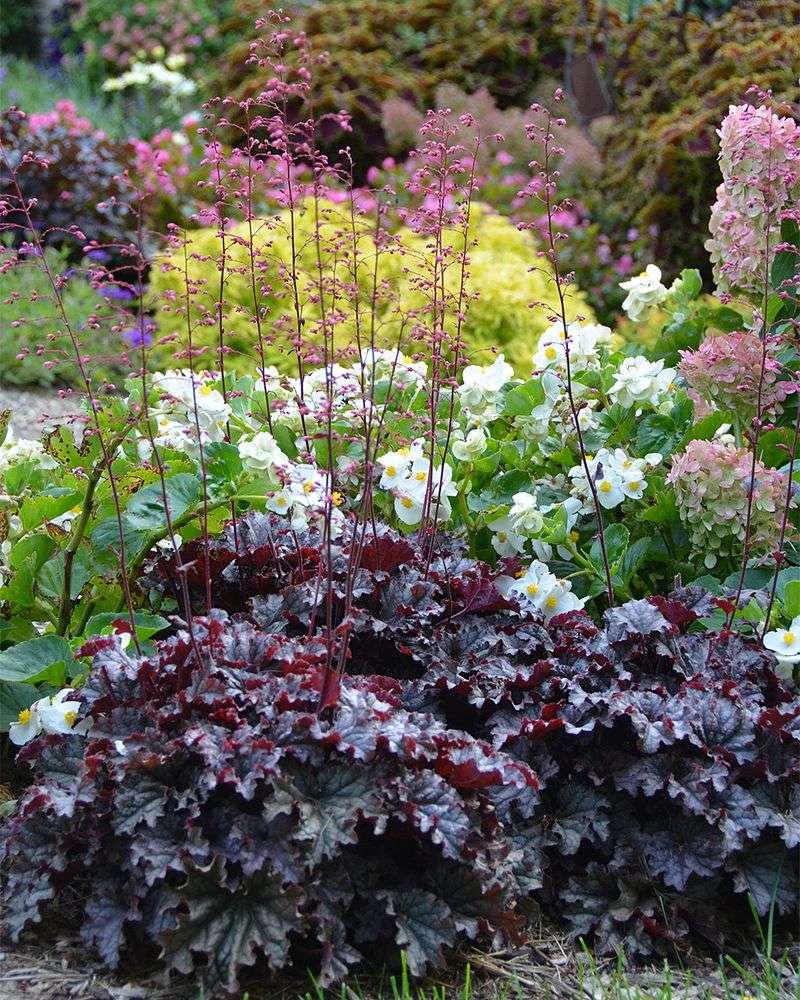
Some plants earn their spot with flowers, but heuchera wins hearts with its leaves. Also known as coral bells, this perennial comes in stunning shades of purple, lime, amber, caramel, and even silver.
Those bold leaves are the secret weapon under a crape myrtle. Even when nothing is blooming, the foliage keeps the shady patch colorful and interesting all season long.
Partial shade is exactly what this plant loves. The filtered light coming through a crape myrtle canopy gives heuchera just the right amount of sun without scorching its tender leaves.
The mounded shape stays neat and compact, so it works beautifully around the base of a tree or along the edge of a bed. You can mix a few colors together for a patchwork of tones that looks like a painting.
In late spring and summer, thin stems rise up with tiny bell-shaped flowers that hummingbirds adore. It is a small bonus on top of all that leafy color.
Good drainage matters most here, since heuchera dislikes soggy roots. Plant it in soil that lets water pass through, and it will reward you with steady growth.
Caring for it stays simple. Pulling off worn leaves now and then keeps the plant looking crisp, and a light layer of mulch helps hold moisture during dry weeks.
For a spot that stays dull once flowers fade elsewhere, coral bells deliver year-round personality. Their rich colors brighten the shade and prove that leaves can be just as showy as blossoms.
5. Woodland Stonecrop
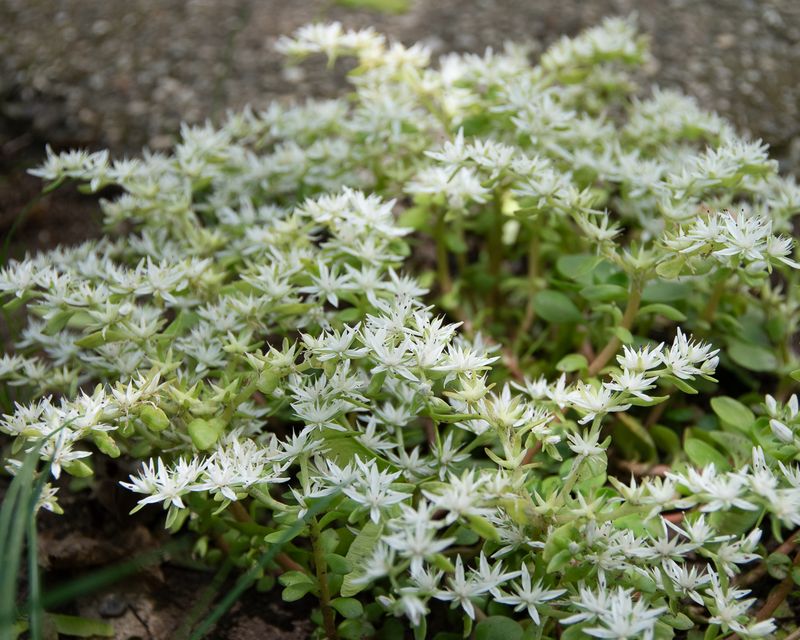
Meet the little survivor that laughs at dry ground. Woodland stonecrop is a low, spreading succulent that stores water right inside its plump leaves, so it barely notices when the soil turns crispy.
That thirst-proof trick makes it a smart pick under crape myrtles. Tree roots may pull moisture from the earth, but this stonecrop carries its own reserves and keeps growing when other plants fade.
The plant creeps along the ground in a tidy mat of fleshy green leaves. It hugs the soil closely, covering bare patches and slipping neatly between rocks and roots.
In spring, dainty white star-shaped flowers appear across the top of the mat. The blooms give a soft, delicate look that contrasts nicely with the tough nature underneath.
Once it settles in, watering becomes almost an afterthought. During a long dry spell, this groundcover holds steady while you focus your hose on thirstier plants elsewhere.
Filtered shade suits it well, which is exactly what a crape myrtle provides. The plant does not need blazing sun to stay healthy and full.
Because it is native to woodland areas in the eastern United States, it fits right into North Carolina gardens without feeling out of place. That local connection also helps small pollinators that visit its blooms.
Low, tough, and easy to please, woodland stonecrop turns a dry, forgotten patch into a green carpet. For gardeners who want beauty without babysitting, this hardy little succulent checks every box with almost no effort at all.
6. Autumn Fern
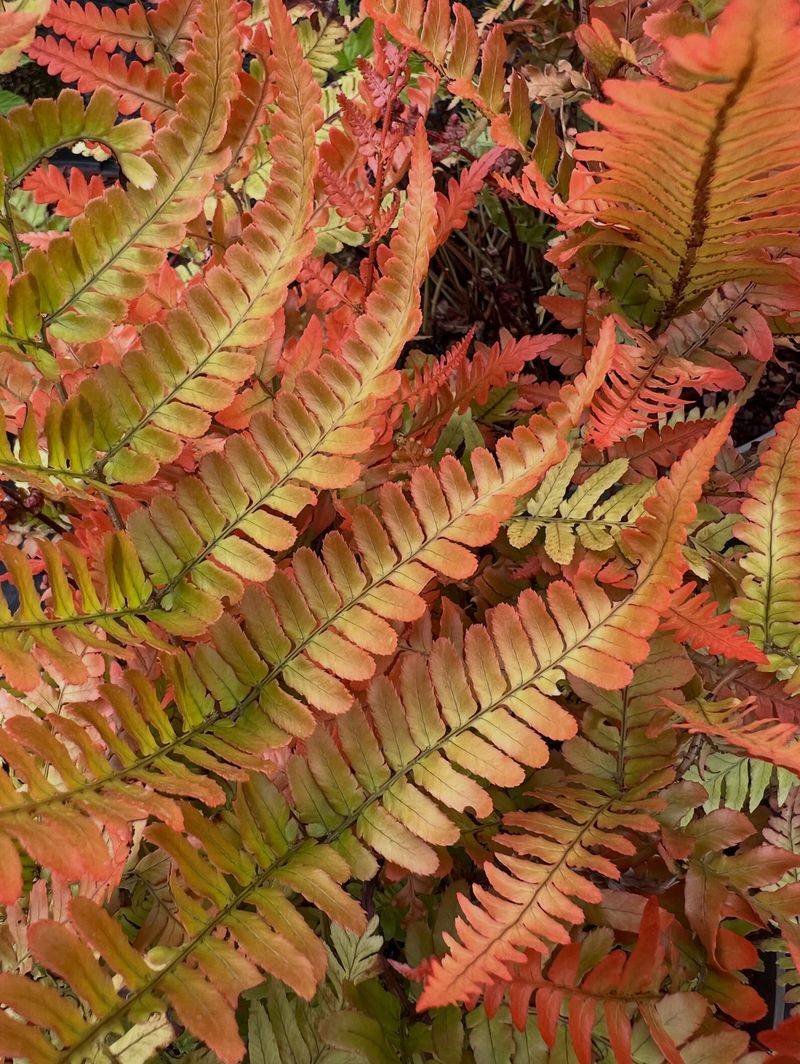
Ferns often get labeled as fussy, but the autumn fern breaks that rule with ease. New fronds unfurl in warm coppery orange tones before settling into a rich, glossy green as they mature.
Those color changes make it a standout under a crape myrtle. While many shade plants stay one flat shade of green, this fern shifts through bronze, copper, and emerald throughout the season.
Filtered light is its happy place, and a crape myrtle canopy delivers exactly that. The dappled shade keeps the fronds from scorching while still giving enough light to grow strong.
Dry soil, which sends other ferns into a slump, does not trouble this one much once its roots take hold. That toughness makes it a rare fern that fits under a water-hungry tree.
The plant grows in a graceful, arching clump that adds soft texture to an otherwise plain spot. Its feathery shape pairs beautifully with bolder leaves like heuchera or hosta nearby.
Autumn fern keeps its color well into cooler months, and in milder parts of North Carolina it may stay green through much of winter. That gives your garden bed lasting appeal.
Caring for it is refreshingly simple. A layer of mulch to hold moisture and an occasional drink during dry stretches keep it thriving with little fuss.
For a shady, root-filled corner that always looked bare, this fern brings movement, texture, and shifting color. It proves that even the trickiest ground can hold something graceful and green.
7. American Alumroot
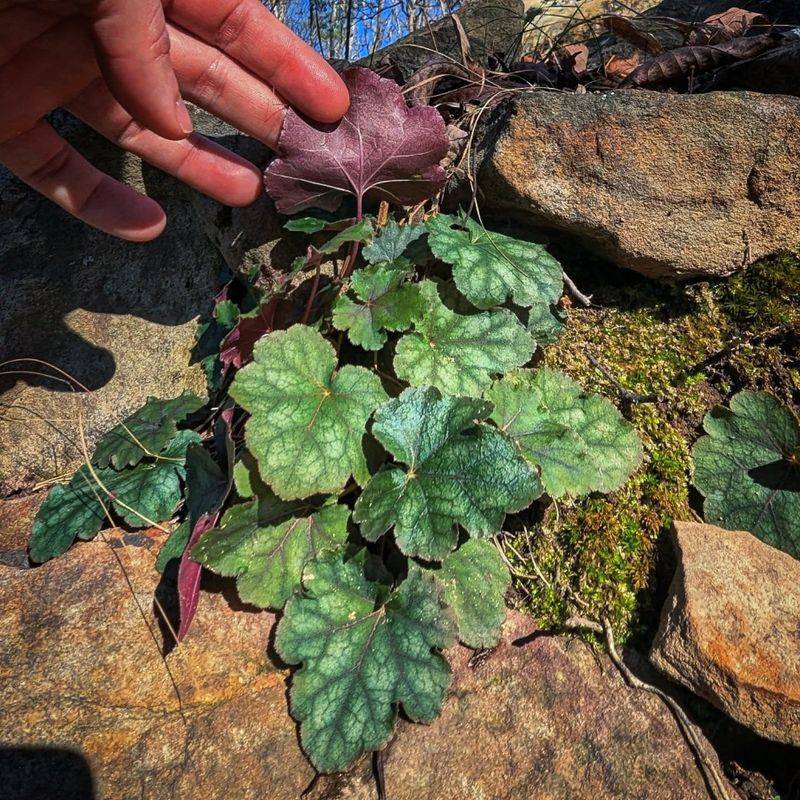
Rooted deep in the woods of the eastern United States, American alumroot brings a true native touch to your garden. This wild cousin of heuchera thrives in the same spots where fancy hybrids sometimes struggle.
Being native gives it a real edge under crape myrtles. Over thousands of years, it adapted to Carolina soils, shade, and dry spells, so it slips into these conditions like it belongs there.
Root competition from a large tree rarely fazes it. The plant sends its own roots deep and holds steady even when a crape myrtle pulls hard on the surrounding soil.
Part shade is right where it wants to be. The broken light beneath a crape myrtle keeps its rounded green leaves looking fresh through the growing season.
In late spring, tall thin stalks rise up carrying clouds of tiny greenish-white flowers. They may look delicate, but they attract small native bees and other helpful pollinators.
Because it is built for the local climate, this plant needs very little pampering. Once established, it shrugs off dry weeks and keeps its neat, mounded shape without much attention.
Choosing native plants like this one also supports the wider ecosystem, giving local insects the food and shelter they depend on. That makes your shady corner useful as well as pretty.
Tough, quiet, and deeply at home in North Carolina, American alumroot fills that hard patch under the tree with lasting green. For gardeners who value both beauty and belonging, it is a wonderful pick.