This Evergreen Works Better Than Pine Near Ohio Foundations
Roots can wreck a foundation faster than any storm hitting the walls. Pine sits too close to houses for all the wrong reasons. Ohio winters expose weak root systems within just a few seasons underground.
Homeowners rarely notice damage until cracks appear indoors, and repairs grow costly fast. Cold snaps only speed up what bad placement already started years earlier.
Sturdier shrubs already grow across Ohio, spreading wide instead of pushing deep. Foundations stay intact because these roots avoid aggressive expansion near structures. Privacy and structure come without gambling on long-term stability anymore.
Growers throughout the state have started favoring this shrub for good reason. Nothing about this shift involves guesswork, luck, or trend chasing. Every root system behaves differently once real pressure builds beneath it.
One decision now could save your foundation for years to come.
A Native Shrub That Solves Pine’s Common Problems
Pine gets planted close to homes more often than it should be. Its shallow, spreading roots eventually strain both soil and structure nearby.
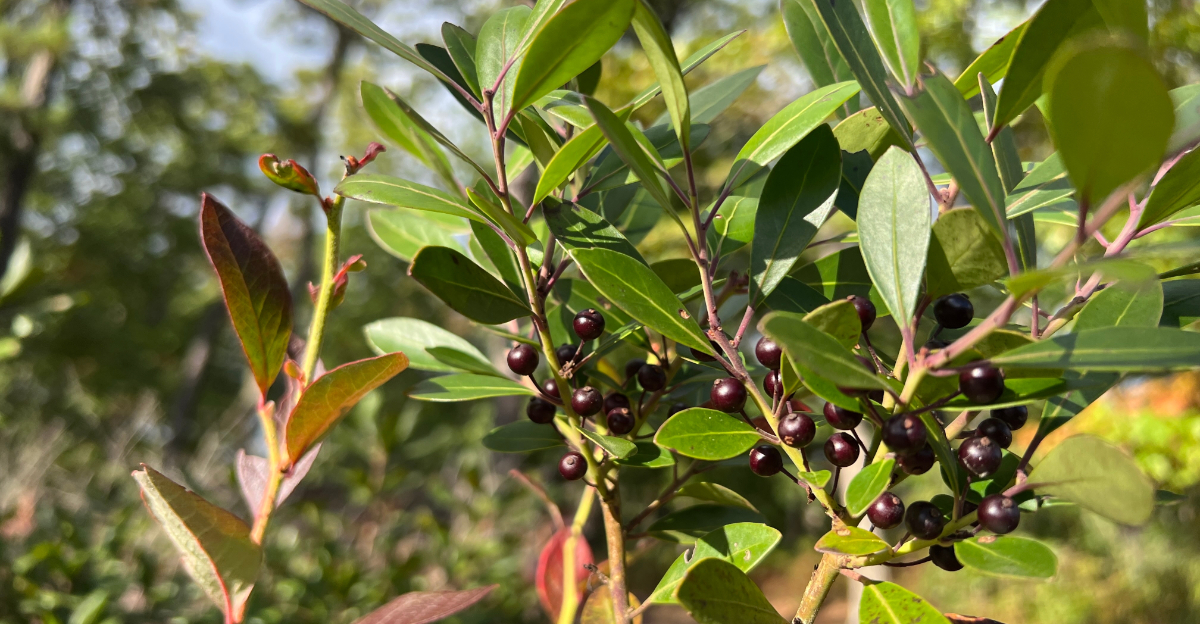
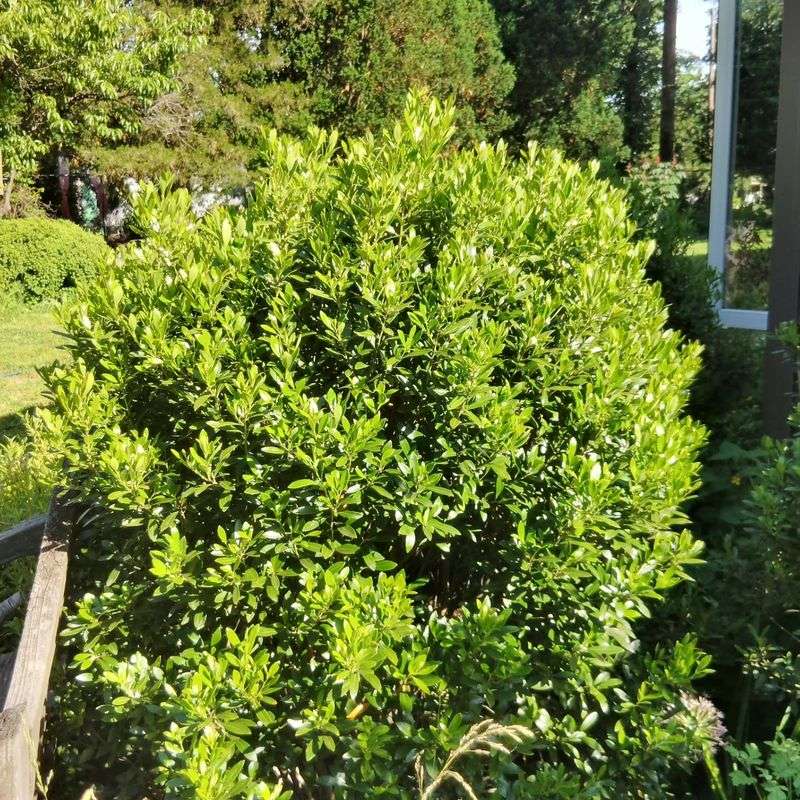
Inkberry holly, known scientifically as Ilex glabra, offers a steadier alternative for Ohio yards. This evergreen shrub keeps its root system compact and far less demanding.
Glossy, dark green leaves stay full through winter without dropping needles everywhere. There is no soil acidification to manage the way pine leaves behind.
Homeowners get the same evergreen presence minus the constant seasonal cleanup. Fewer fallen needles also mean less debris clogging gutters and garden beds.
This shrub tolerates a wider range of soil types than most pines handle well. Clay-heavy yards that slow pine growth rarely bother inkberry holly at all.
Dense branching creates natural structure near a foundation without overwhelming the space. Growth stays measured and easy to shape as seasons pass.
Many Ohio gardeners are already switching once they see the maintenance difference firsthand. Established plants need little beyond occasional shaping and light watering.
Choosing this shrub trades pine’s high-upkeep reputation for something calmer and steadier. That tradeoff favors long-term ease over short-term visual drama.
Cost also plays a role once homeowners compare years of pine upkeep. Replacing dropped needles, treating soil, and pruning damaged limbs adds up quickly over time.
Inkberry holly rarely demands that same level of ongoing financial attention. A single well-placed shrub can outperform a struggling pine for a fraction of the cost.
Inkberry Holly Versus Pine In Disease Resistance
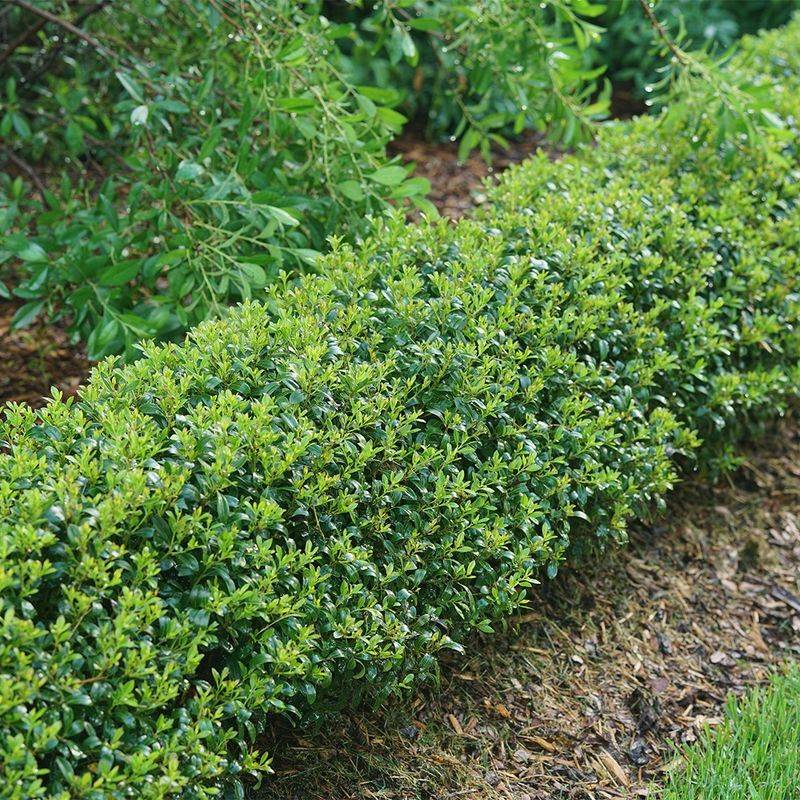
Pine trees near foundations often struggle with needle cast, root rot, and tip blight. These problems spread quickly when airflow stays poor and soil holds moisture.
Inkberry holly handles shade and dampness far better than pine typically manages. Its thick, waxy leaves resist the fungal issues that regularly damage pine plantings.
Poor drainage near a house foundation creates exactly the conditions pine dislikes most. Inkberry holly simply shrugs off that same dampness without much visible stress.
Fewer disease outbreaks mean fewer chemical treatments applied close to a home. That matters for pets, kids, and anyone gardening nearby throughout the year.
Pine also demands more monitoring once symptoms like browning needles appear. Inkberry holly rarely gives homeowners that same level of ongoing concern.
Your Ohio Garden Changes Every Week. Your Plan Should Too.
Gardening in Ohio changes quickly throughout the season. Every Friday you’ll receive a simple weekly plan showing exactly what to plant, prune, fertilize, harvest, and protect so you never miss the right timing.
Replacing a struggling pine with this shrub often solves recurring problems for good. Airflow improves, moisture balances out, and disease pressure drops noticeably.
Choosing plants suited to local conditions saves both money and effort long term. Inkberry holly fits Ohio’s damp, clay-heavy landscape better than most evergreen options.
Fewer sprays and fewer replacements add up over several growing seasons. That savings alone makes switching worth serious consideration for most homeowners.
Disease resistance also affects nearby plants sharing the same garden bed. A sick pine can spread fungal spores to neighboring shrubs and trees over time.
Inkberry holly rarely becomes that kind of liability within a mixed planting. Its resilience helps protect the health of an entire foundation border, not just itself.
Root Behavior And Foundation Safety
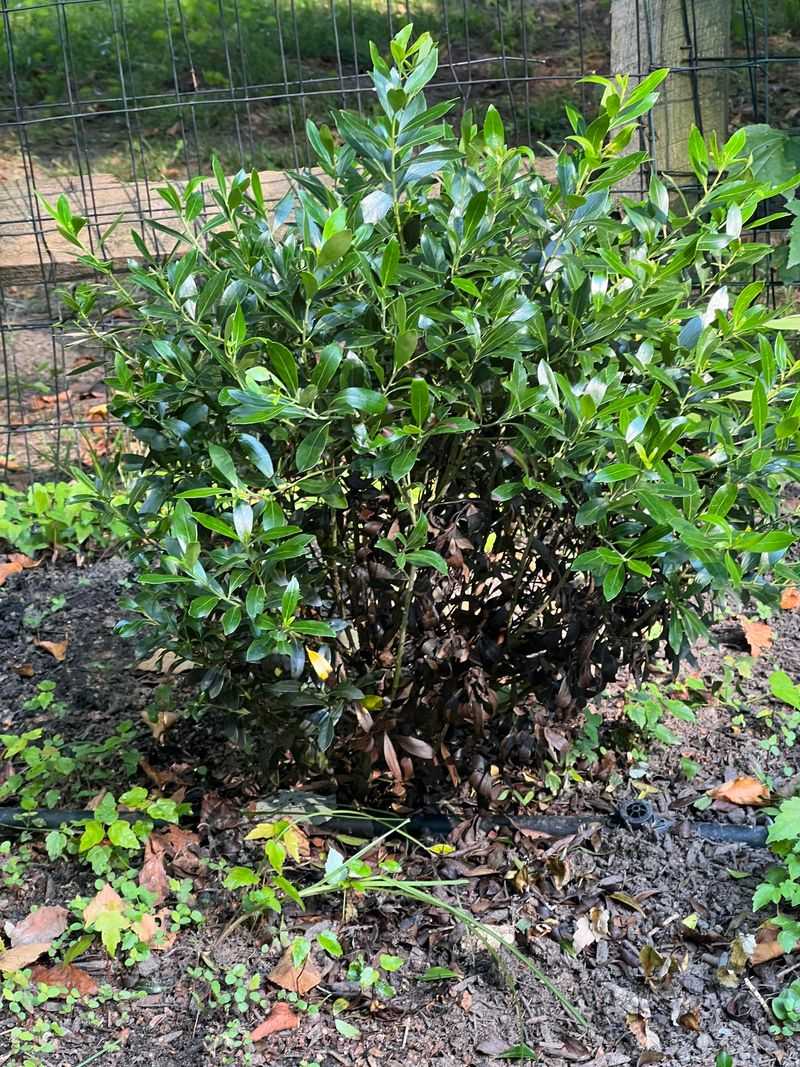
Foundation damage from nearby roots is a legitimate concern for homeowners. Pine roots rank among the more aggressive offenders in tight planting spaces.
Inkberry holly grows a fibrous, shallow root system that stays close to the plant. Those roots rarely stretch far enough to threaten nearby concrete or mortar.
Compact cultivars like Gem Box and Shamrock typically stay under four feet tall. The straight species can grow taller, so cultivar choice matters near structures.
Roots on this shrub spread outward gently rather than pushing deep underground. That habit keeps pressure off foundations instead of building it up over years.
Planting inkberry holly a few feet from a foundation is generally considered safe. Its root behavior contrasts sharply with pine’s tendency to seek out weak points.
Homeowners dealing with cracked walkways or shifting soil often trace the cause to root choice. Selecting a shrub built for tight spaces prevents that outcome early.
Predictable root growth also simplifies future landscaping decisions around the same bed. Nothing about this shrub’s underground habit requires constant monitoring or worry.
Soil settling near a foundation can worsen when aggressive roots compete for space underneath. Inkberry holly avoids that competition by staying shallow and self-contained.
Contractors and landscapers increasingly recommend it for exactly this reason near new builds. Its root habit gives foundations room to settle without added underground pressure.
Soil And Drainage Tolerance Near Structures
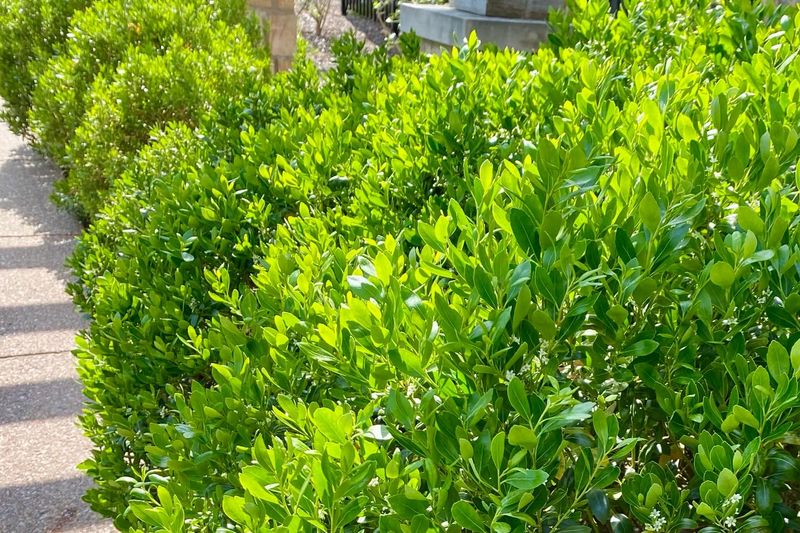
One of the harder spots in any yard is the compacted soil beside a foundation. Standing water there causes many evergreens to struggle or eventually rot out.
Inkberry holly performs differently in that same difficult environment. It tolerates wet, clay-heavy soil better than most shrubs marketed for foundation planting.
Ohio’s clay is notoriously heavy and slow to drain after heavy rain. That exact condition makes inkberry holly a strong match for local growing patterns.
Brief flooding rarely causes lasting damage to an established plant. Roots adjust quickly once excess water eventually moves through the soil.
Dry spells later in summer also fail to rattle this shrub much. It handles fluctuating moisture levels better than pine or many boxwood alternatives.
That flexibility matters most in foundation beds where drainage varies throughout the year. Some corners stay damp longer while others dry out fast after storms.
Fewer soil amendments and less irrigation planning make this shrub genuinely low maintenance. Homeowners spend less time correcting problems that pine or boxwood often create.
Downspouts and gutters often dump extra water directly onto foundation beds after storms. Inkberry holly tolerates that runoff far better than most ornamental shrubs nearby.
Choosing a plant suited to those wet bursts prevents constant replanting after heavy seasons. Fewer losses mean a more consistent, established look around the home year round.
Spacing And Cultivar Choices For Tight Yards
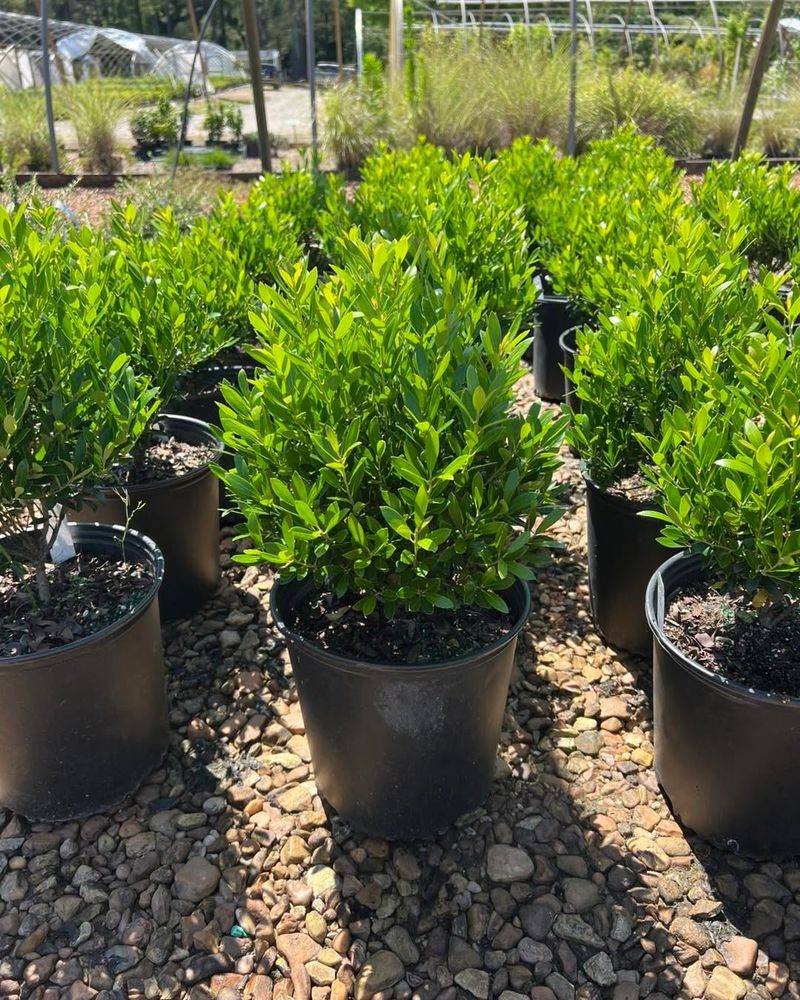
Not every yard has room for a wide, sprawling shrub near the house. Smart cultivar selection solves that space problem without sacrificing coverage.
Compact varieties like Gem Box and Shamrock stay under four feet tall and wide. Both work well in narrow beds where space along a foundation stays limited.
Spacing plants roughly three feet apart creates a dense, tidy hedge over time. Overcrowding rarely becomes an issue once cultivars are matched to available space.
Taller options like Nigra suit homeowners screening a full foundation wall. That variety grows larger, so it needs more room than compact alternatives.
Matching the right cultivar to actual yard dimensions reduces future pruning significantly. Less trimming also means better airflow between plants throughout the growing season.
Mixing cultivar heights along one foundation can create visual depth without extra complexity. A taller variety near corners paired with compact shrubs elsewhere often works well.
Getting spacing right from the start saves years of correcting overcrowded beds later. A little planning upfront keeps the whole planting looking intentional and clean.
Narrow side yards and tight corner beds benefit most from smaller cultivar choices. A single Shamrock can fill a gap that would overwhelm a full-sized pine.
Ohio homeowners renovating older foundation beds often replace overgrown shrubs with these compact varieties. The result is a cleaner line without losing year-round coverage.
Wildlife Value Beyond Basic Screening
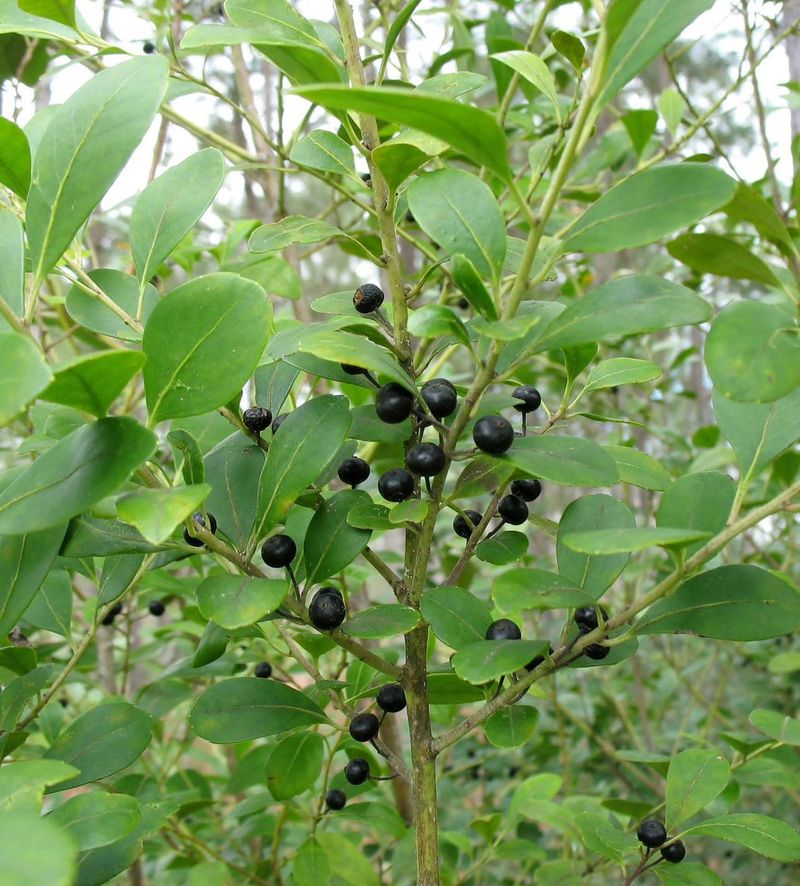
A foundation shrub that also feeds local birds is a rare, welcome bonus. Inkberry holly produces small, dark berries that several bird species seek out.
Cedar waxwings, bluebirds, and hermit thrushes visit heavily during late fall and winter. These berries provide reliable food when other natural sources grow scarce.
Dense branching gives songbirds safe nesting spots away from harsh winter winds. That same structure also offers shelter during sudden temperature drops throughout the season.
Small white spring flowers bring pollinators into the yard earlier than expected. Bees and butterflies visit regularly, adding quiet activity to an otherwise still bed.
Planting inkberry holly near a foundation extends its benefit well past basic screening. Every blooming season and berry cycle supports a slightly wider local ecosystem.
Homeowners get privacy and structure without sacrificing habitat value in the process. Few evergreen choices manage to balance both goals quite this effectively.
That combination makes this shrub worth considering for more than just root safety. Wildlife activity adds a layer of interest most foundation plants simply skip.
Small mammals also benefit from the dense cover this shrub provides through colder months. Rabbits and other ground dwellers use the branching for shelter during storms.
A single planting near a foundation can quietly support several species at once. That kind of layered value is rare among plants chosen mainly for structure.