Alabama Gardeners Are Reviving Red Clay Yards With Deep Compost Trenching
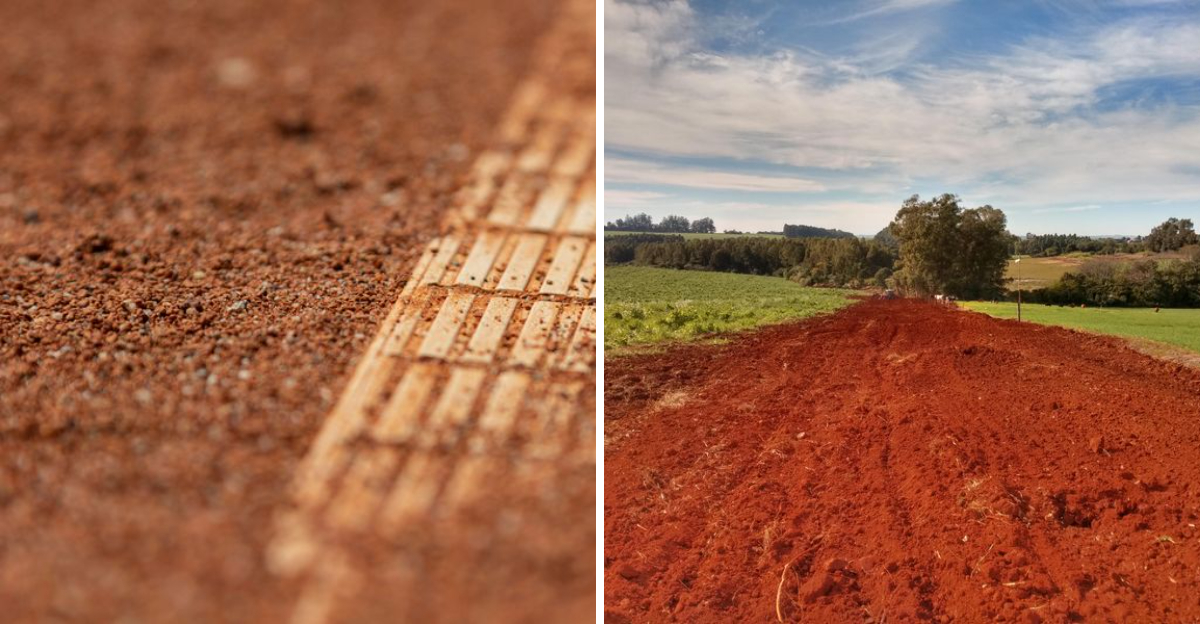
Concrete doesn’t grow gardens, yet Alabama clay somehow expects you to try. Your rain turns that soil into a mixture that’s difficult to work with within minutes.
Summer then hardens it into stone before your seeds sprout. Frustration builds fast when everything you plant struggles to hold.
Gardeners across Alabama insist you can transform tired dirt. Trenches packed with compost are quietly rewriting your soil story.
Roots suddenly push deeper where your clay once blocked them. Water stops pooling on your beds and starts sinking properly.
Worms return while microbes multiply beneath your feet. Structure breaks apart in ways you can actually see.
Beds recover fast once you finally feed them right. Nothing here demands complicated tools or big budgets from you.
Anyone tired of struggling beds deserves what you’ll learn next. Potential inside your yard exceeds what that clay admits. What happens inside that trench next will completely change how you garden forever now.
Why Alabama’s Red Clay Soil Poses Unique Gardening Challenges

Red clay soil is stubborn, and Alabama has plenty of it. It cracks in the heat, floods in the rain, and barely lets roots breathe.
Most plants need loose, well-draining soil to grow strong root systems. Red clay compacts so tightly that water pools on top instead of soaking in.
Gardeners often notice their plants wilting even after watering. Clay can trap moisture unevenly, leaving some root zones oversaturated while others stay too dry to support healthy growth.
Clay soil actually holds nutrients well, but its dense structure restricts root movement. This makes it harder for plants to access what’s available even when nutrition is present.
Earthworms and beneficial microbes need air pockets to survive underground. Compacted clay leaves almost no room for the microscopic life that healthy gardens depend on.
The pH of red clay also tends to run acidic in many Alabama regions. That limits which plants can even survive without soil amendments added first.
Many Alabama homeowners give up and cover their yards with mulch or gravel. But deep compost trenching offers a real, lasting solution that works beneath the surface.
Understanding the soil’s behavior is the first step toward improving it. Once you know how red clay behaves, you can start breaking it down the smart way.
What Is Deep Compost Trenching And How Does It Work
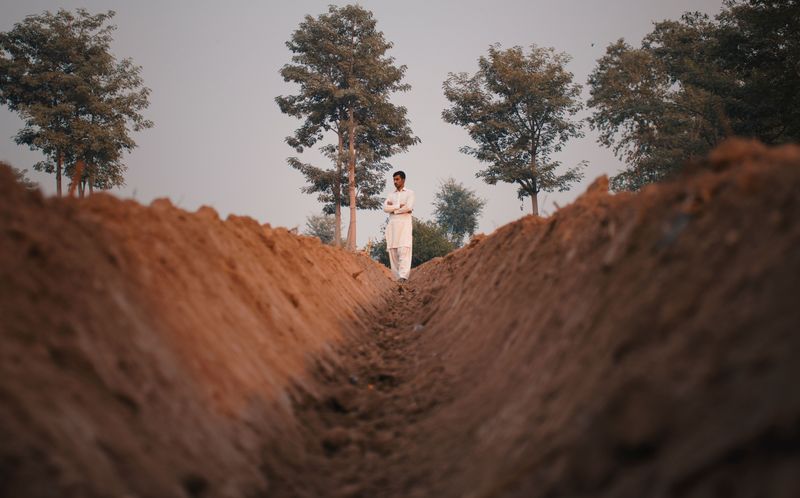
Deep compost trenching sounds technical, but the process is straightforward. You dig a trench, fill it with organic matter, and let decomposition do the rest.
The process starts by digging a trench deep enough to reach below the compacted clay layer. That depth gets below the hardpan layer where roots usually stop growing.
Once the trench is open, you fill it with layers of compost, kitchen scraps, leaves, and other organic material. These layers break down slowly and feed the soil from the inside out.
As the organic matter decomposes, it creates channels in the clay. Water and air start moving through spaces that were once completely sealed shut.
Your Alabama Garden Changes Every Week. Your Plan Should Too.
Gardening in Alabama changes quickly throughout the season. Every Friday you’ll receive a simple weekly plan showing exactly what to plant, prune, fertilize, harvest, and protect so you never miss the right timing.
Microbes and worms follow the food source into the trench. Their activity loosens the surrounding clay over months and years of natural work.
Alabama gardeners practicing deep compost trenching often call it “feeding the ground.” The soil becomes a more biologically active layer instead of a compacted block of clay.
Some gardeners dig a single trench down a garden row. Others create a grid pattern across the entire yard for maximum coverage and soil improvement.
The method works by supporting natural decomposition processes already present in the soil. Results take time to develop, more than any tool can speed up.
Benefits Of Trenching For Red Clay Yards
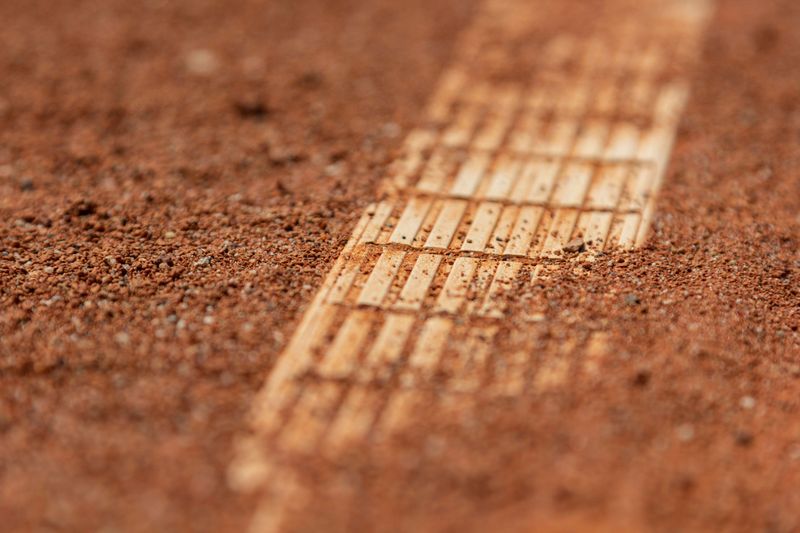
Watching a red clay yard transform into a lush garden shows a dramatic improvement. Deep compost trenching delivers benefits that go far beyond just better-looking plants.
Drainage improves dramatically once organic channels form through the clay. Standing water that once lingered for days begins disappearing within hours after a rainstorm.
Plant roots stretch deeper and wider when they have space to grow. Deeper roots mean stronger plants that handle drought and heat with far more resilience.
Soil temperature also becomes more stable in amended areas. Compost acts like insulation, keeping roots cooler in summer and warmer during Alabama’s occasional cold snaps.
Gardeners report bigger harvests from vegetable beds treated with this method. Tomatoes, peppers, and squash especially thrive when their roots can explore freely below the surface.
The organic matter slowly releases nutrients as it breaks down. This creates a natural, long-lasting fertilizer effect without the need for chemical inputs every season.
Lawn grass also benefits when trenching is done across a yard. Grass roots penetrate deeper, creating a thicker, greener lawn that recovers faster from foot traffic and dry spells.
Alabama gardeners doing deep compost trenching often describe a clear improvement in their soil. The yard stops being a source of frustration and starts becoming a place of real pride.
How To Dig And Fill Compost Trenches The Right Way
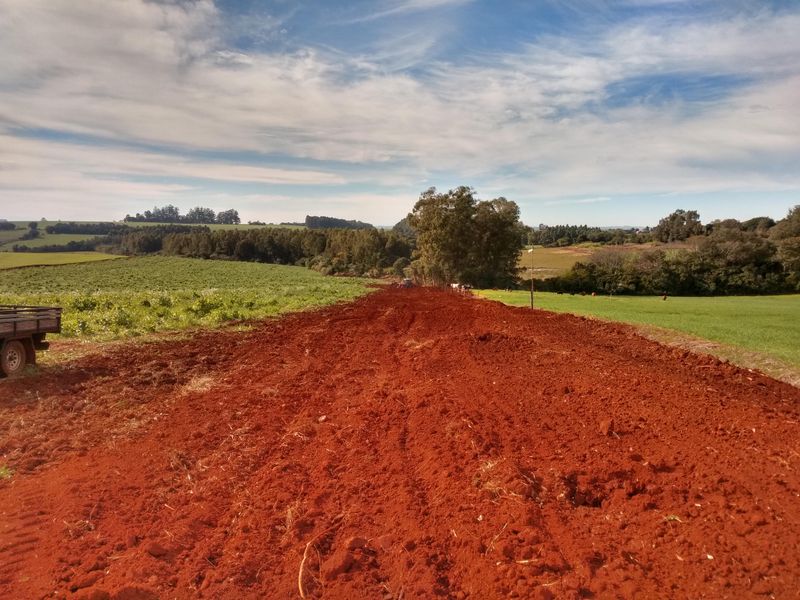
Starting your first trench feels intimidating until you actually begin. Once the shovel hits the ground, the process becomes surprisingly straightforward.
Mark your trench line with a string or garden hose before digging. A straight line keeps the project organized and easier to cover back up later.
Dig the trench deep and wide enough to hold several layers of organic material comfortably. Set the removed clay aside on a tarp so you can mix some back in at the end.
Start layering materials at the bottom of the trench. Begin with coarse items like small sticks or wood chips to create an initial drainage layer.
Add kitchen scraps, coffee grounds, and vegetable peelings on top of the coarse layer. These break down quickly and kickstart microbial activity in the surrounding clay.
Follow with finished compost, shredded leaves, or aged manure for the middle layer. This is the nutrient-rich heart of the trench that feeds plants for seasons ahead.
Mix a little of the original clay back in as you fill the top portion. This helps the trench blend with surrounding soil and prevents a sunken channel from forming.
Water the filled trench thoroughly before covering it completely with soil. Moisture activates the decomposition process and helps microbes get to work right away.
Best Materials To Use For Trenching In Clay Soil
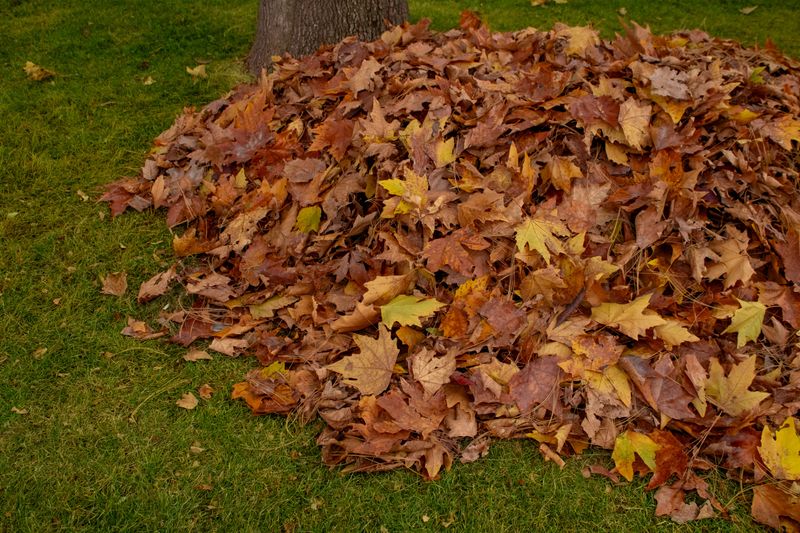
Not all compost materials work equally well in red clay trenches. Choosing the right mix speeds up improvement and gives plants a stronger head start.
Shredded leaves are one of the best free resources available in Alabama yards. They break down at a medium pace and add carbon that balances nitrogen-heavy materials.
Kitchen vegetable scraps add nitrogen and attract beneficial microbes quickly. Avoid meat, dairy, and oily foods, which can create odor problems and attract unwanted pests.
Wood chips and small branches create long-lasting structure at the trench bottom. They decompose slowly and keep air pockets open in the clay for years after installation.
Aged or composted manure from chickens, cows, or horses adds powerful nutrients. Fresh manure should be avoided because it can burn plant roots and introduce harmful bacteria.
Coffee grounds add organic matter and can slightly improve soil texture over time, though their effect on soil pH is minimal. Alabama’s acidic clay can sometimes use a pH adjustment, so it’s worth testing before relying on grounds alone.
Grass clippings work well when mixed with other materials rather than used alone. Thick layers of clippings can mat together and block airflow, slowing the decomposition process.
Mixing a variety of material types tends to create a more balanced result. A diverse trench ecosystem supports a wider range of microbes, and that diversity drives faster clay improvement.
Long-Term Results And Maintenance For Trenched Yards
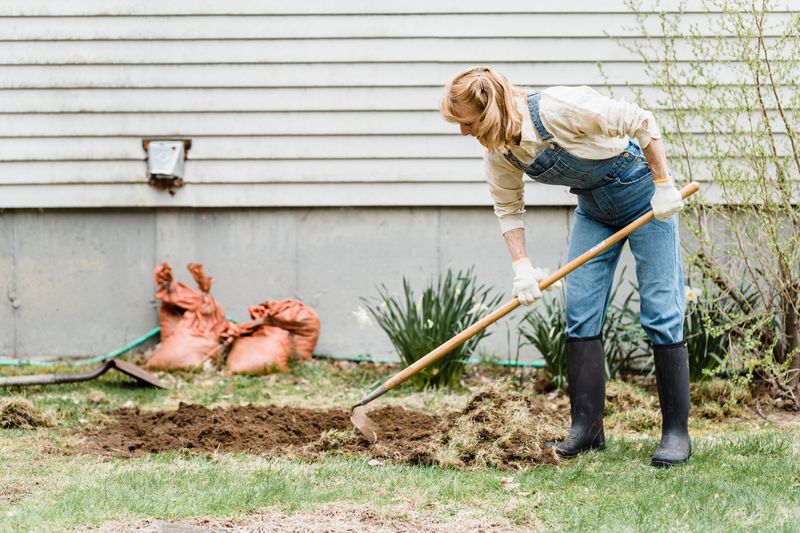
The first season after trenching shows promising signs, but the second year typically shows more noticeable change. Soil that once felt like a brick begins crumbling easily between your fingers.
Root systems from nearby plants slowly migrate toward the trench zones. Over time, the entire surrounding area improves as organic channels spread outward through the clay.
Earthworm populations tend to increase noticeably in trenched areas over time. More worms mean more natural aeration and faster breakdown of organic matter across the yard.
Annual top-dressing with compost keeps the improvement moving forward each season. Adding a layer of compost on the surface each year feeds the trench system from above.
Some gardeners refresh their trenches periodically with a new round of organic material. This recharge keeps the soil’s biological activity going and helps prevent the clay from compacting again.
Deep compost trenching also reduces the need for synthetic fertilizers over time. A healthy soil food web produces its own slow-release nutrition that chemical products often cannot fully replicate.
Tracking your progress with simple soil tests helps you understand how far the yard has come. Testing pH and organic matter levels every spring gives you real data to guide future amendments.
Gardeners committed to deep compost trenching in Alabama’s red clay yards often note visible improvement over time. The work is modest, but the reward keeps growing season after season.