What Oregon Tomatoes Need Right Now For A Bigger September Harvest
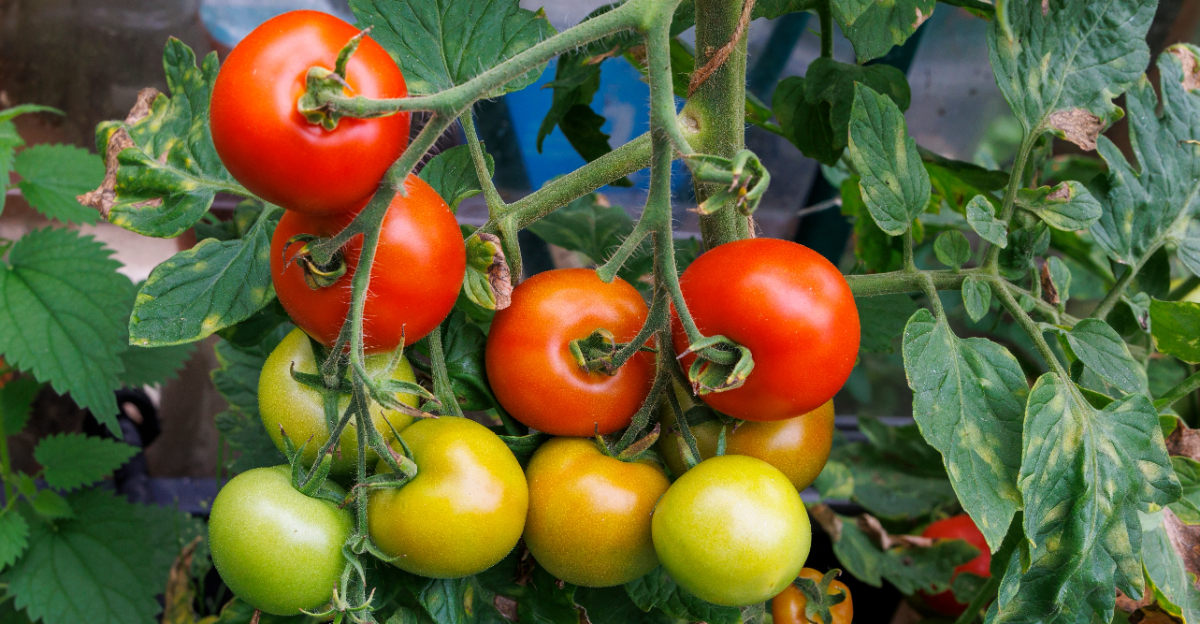
Tomato plants can be maddeningly optimistic. They keep pushing flowers, stretching new vines, and hanging onto clusters of green fruit even while Oregon’s growing season starts feeling a little less generous.
Meanwhile, you are standing there wondering how many of those tomatoes are actually going to make it into the kitchen before the weather changes its mind.
This is the point when small decisions can have an outsized effect on what happens next. The plants may still look vigorous, but the priorities in the garden are beginning to shift.
What helped tomatoes thrive earlier in the season is not always what matters most when the goal is getting more fruit across the finish line.
That makes the next few weeks especially valuable. A little attention now can influence how well existing fruit develops and how much of the crop is ready when September harvests really get going.
If your plants are loaded with promise but short on ripe tomatoes, do not write off the season yet. There is still time to help those green clusters turn into something worth bragging about.
1. Keep Watering Deep And Consistent
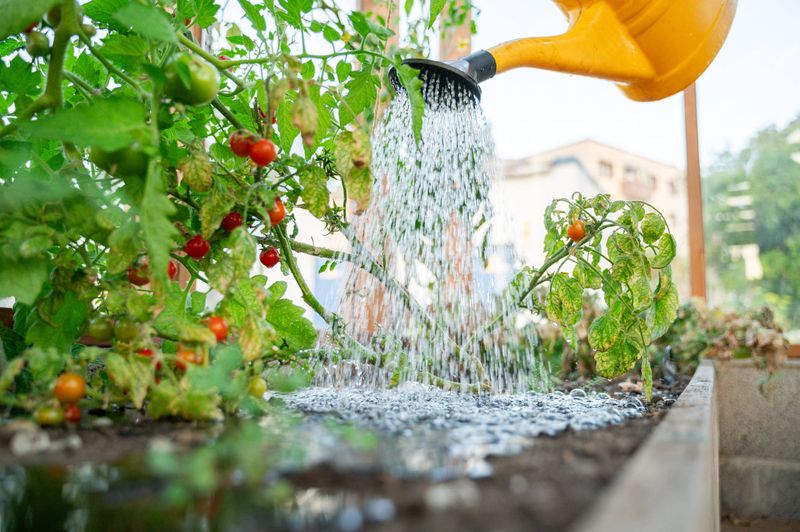
Watering might seem simple, but the way you do it matters more than most people realize. Tomato plants in late summer need deep, consistent moisture to keep fruit developing evenly.
Shallow watering only wets the top few inches of soil, which encourages roots to stay near the surface. Surface roots dry out fast and stress the plant.
Aim to water slowly and deeply at least two to three times per week. Let the water soak down six to eight inches into the soil.
A slow drip or soaker hose works great for this. Water at the base of the plant, not on the leaves.
Wet leaves in late summer can lead to fungal problems that spread quickly. Inconsistent watering is one of the most common reasons tomatoes crack or develop blossom end rot.
When plants go from dry to soaking wet and back again, the fruit cannot expand at a steady rate.
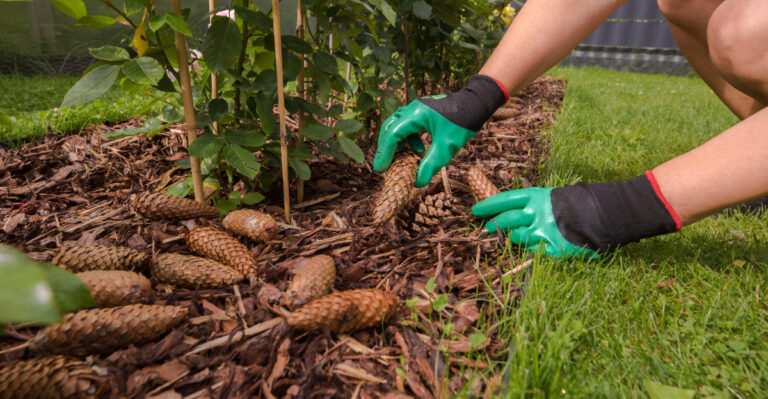
That stress shows up as splits in the skin or dark, sunken spots on the bottom of the fruit. Mulching around the base of each plant helps hold moisture in the soil between waterings.
A two-to-three-inch layer of straw or wood chips works well. Consistent moisture keeps the plant calm and focused on ripening the fruit it already has, rather than struggling to survive uneven conditions.
2. Stop Pushing New Growth With Heavy Fertilizer
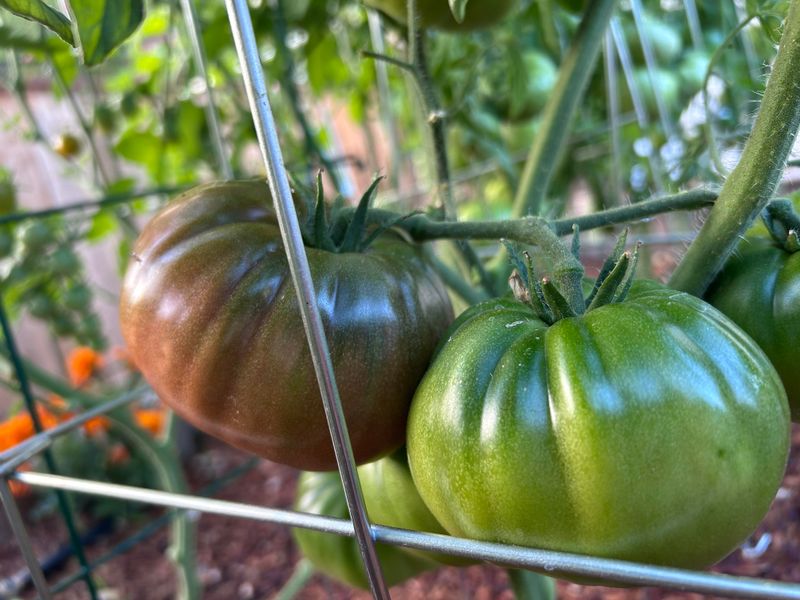
Oregon gardeners make the mistake of continuing to feed their tomato plants heavy doses of nitrogen in late summer. Nitrogen is great early in the season because it pushes leafy, green growth.
But right now, that kind of growth is the last thing you want. Your plants do not need more leaves and stems. They need to ripen the fruit that is already hanging on the vine.
Too much nitrogen at this stage sends the plant the wrong message. It starts pushing out new shoots and leaves instead of focusing energy on the tomatoes already growing.
Your Oregon Garden Changes Every Week. Your Plan Should Too.
Gardening in Oregon changes quickly throughout the season. Every Friday you’ll receive a simple weekly plan showing exactly what to plant, prune, fertilize, harvest, and protect so you never miss the right timing.
That new growth will not have time to produce ripe fruit before the season ends. You end up with a bushy plant full of green tomatoes that never turn red.
Switch to a low-nitrogen fertilizer if you feel your plants need a boost. Look for products labeled with a higher middle or last number, like a 5-10-10 or 4-12-12.
These support fruit development and root strength without encouraging unnecessary new growth.
Even better, hold off on fertilizing altogether for the next few weeks unless your plants show clear signs of deficiency, like yellowing lower leaves.
Let the plant put all its stored energy into swelling and ripening what it already has. That shift in focus can make a noticeable difference in how much ripe fruit you harvest before September ends.
3. Pick Ripe Fruit Often To Keep Plants Producing
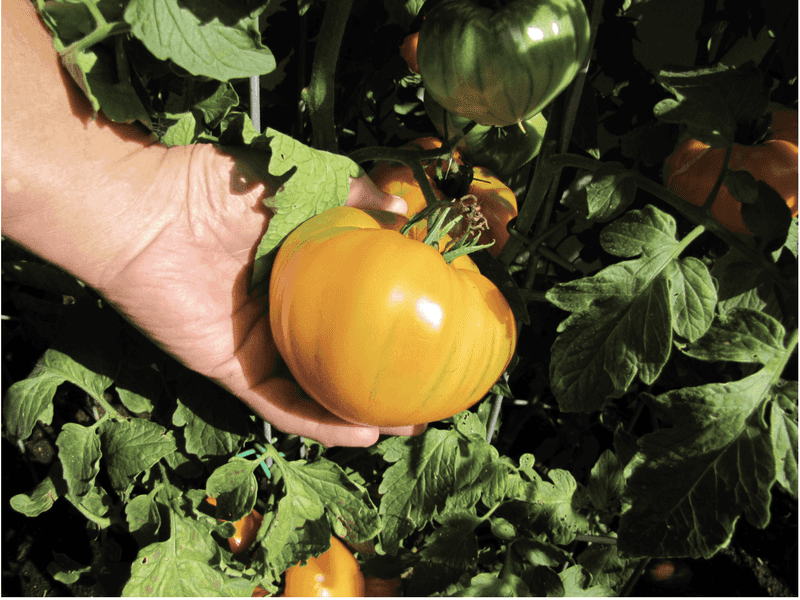
One of the easiest ways to encourage more ripening is to harvest fruit as soon as it is ready. Leaving ripe tomatoes on the vine too long sends a signal to the plant that its job is done.
The plant slows down and stops putting energy into the remaining green tomatoes. Regular picking keeps the plant working.
Make it a habit to check your plants every day or every other day. Pull off anything that is fully ripe or even just starting to show good color.
Tomatoes will continue to ripen off the vine as long as you keep them at room temperature, away from direct sunlight. Do not put them in the refrigerator. Cold temperatures break down the texture and flavor quickly.
Picking often also reduces the weight load on branches, which helps prevent breakage. A heavy cluster of ripe fruit left too long can pull a branch down or even snap it.
Removing ripe fruit also reduces the chance of rot spreading from an overripe tomato to nearby fruit still developing on the vine. In Oregon, where September can bring cooler, wetter weather, getting fruit off the plant while conditions are still good is especially smart.
Think of each harvest as a way of telling your plant to keep going. The more you pick, the more the plant is motivated to push the remaining green tomatoes toward ripeness.
4. Remove Damaged Leaves That Are No Longer Helping
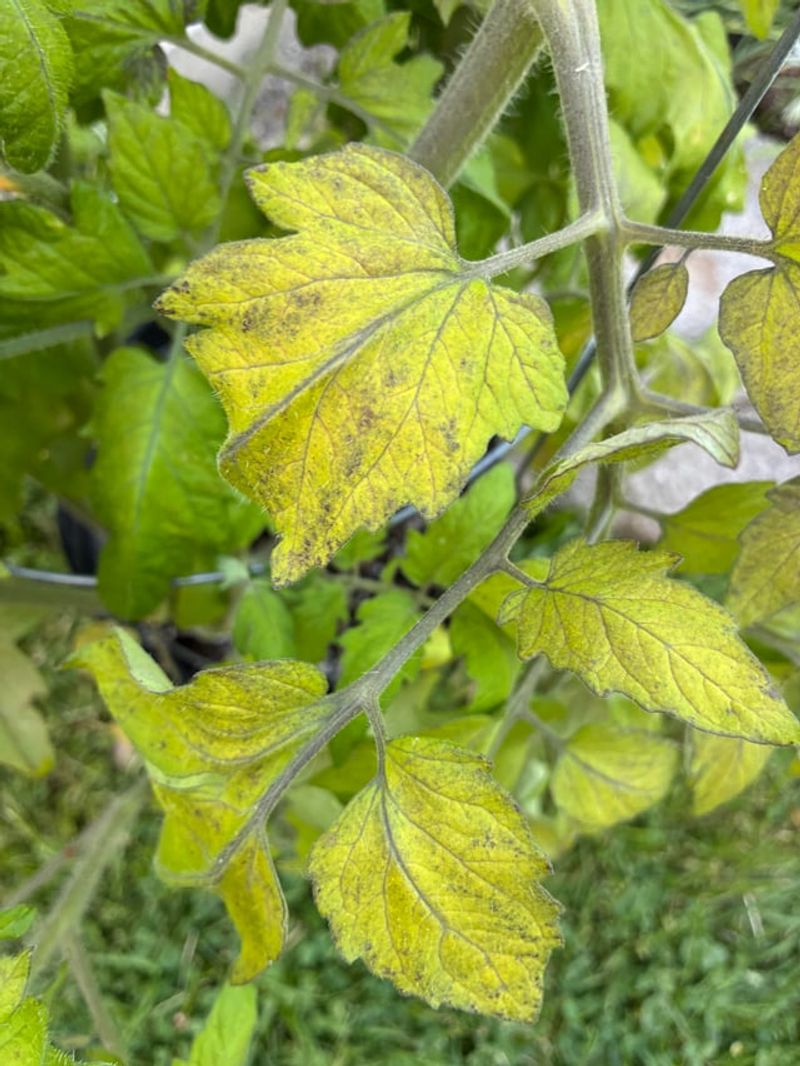
Not every leaf on your tomato plant is doing useful work right now. By late summer, the lower leaves are often yellow, spotted, or curled.
Those leaves are not making food for the plant anymore. Keeping them attached just wastes the plant’s energy and can spread disease to healthier parts of the plant.
Look at the bottom third of each plant first. Any leaf that is yellow, brown, spotted with dark marks, or starting to curl should come off. Use clean scissors or pruning shears. Make a clean cut close to the stem.
Avoid tearing leaves off by hand, since that can leave ragged wounds that invite infection. After pruning, wash your hands or wipe your blades before moving to the next plant.
Removing damaged leaves also improves airflow around the lower part of the plant. Late-summer humidity and crowded foliage create the perfect conditions for fungal diseases like early blight and septoria leaf spot.
Both spread upward through the plant if left unchecked. Stripping away the worst-affected leaves slows that spread and keeps the upper, productive foliage healthier for longer.
You do not need to remove every leaf below the first fruit cluster, but getting rid of the clearly struggling ones makes a real difference. A cleaner plant channels its resources where they matter most: into the fruit hanging above.
That focused energy shows up in faster ripening and better-tasting tomatoes by the end of the season.
5. Give Crowded Plants Better Airflow
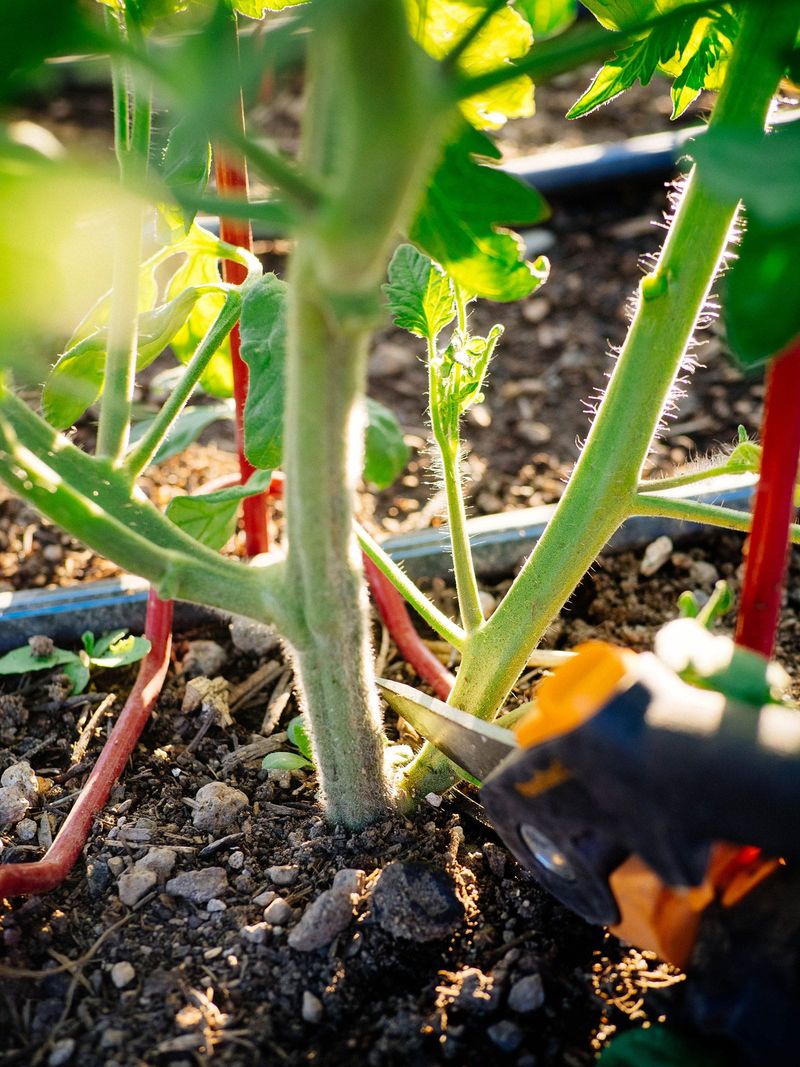
Crowded tomato plants are a common problem in late summer. By August, many plants have grown far beyond what was originally planned.
Branches cross over each other, leaves overlap, and the whole bed can feel like a jungle. That crowding creates warm, humid pockets of still air where fungal diseases and pests love to settle in.
Thinning out the canopy is one of the best things you can do right now. Start by removing any suckers that have grown into large shoots.
Suckers are the small shoots that sprout between the main stem and a branch. If they are still small, pinch them off with your fingers.
If they have grown large, use clean pruning shears to cut them back. Focus on opening up the center of the plant so air can move through freely.
Good airflow reduces the moisture that clings to leaves after morning dew or light rain. Damp leaves that stay wet for hours are much more vulnerable to mold, mildew, and bacterial infections.
Better airflow also helps the fruit dry off quickly after watering or rain, which reduces the risk of cracking and rot. Spacing out the foliage also lets more light reach the interior of the plant, which helps fruit ripen more evenly.
A little trimming now can protect your entire harvest from problems that tend to show up fast in the warm, wet weather that often arrives in late August and early September.
6. Keep Fruit Exposed To Enough Light To Ripen
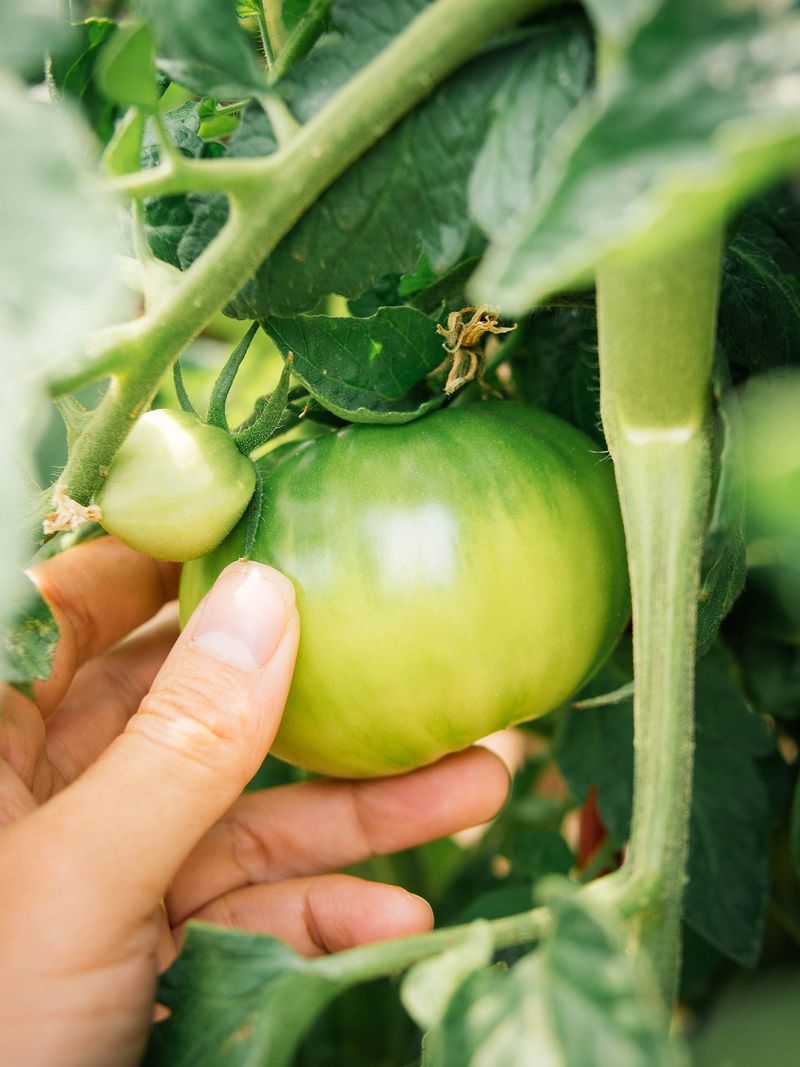
Sunlight is one of the main drivers of ripening in tomatoes. While tomatoes do not technically need light hitting the fruit directly, they do need the plant to be receiving plenty of sun overall.
When large leaves shade clusters of fruit for most of the day, those tomatoes ripen more slowly than the ones in better light.
Walk around your plants and look for clusters of green tomatoes that are hidden deep inside the foliage. Gently move or tie back the leaves that are blocking them.
In some cases, you can remove a large leaf or two that is shading a whole cluster. You do not need to strip the plant bare.
Just open up enough space so sunlight can reach the fruit for a good portion of the day.
Fruit that gets good light exposure tends to ripen more evenly and develop better color. In a place like Oregon, where August and September days can sometimes be cloudy, making the most of every sunny hour matters.
Positioning fruit toward the south-facing side of the plant can help. If you have plants growing against a wall or fence, make sure the reflective surface is helping bounce light back onto the fruit.
Ripening is a chemical process that heat and light help trigger. Giving your tomatoes the best possible access to sunlight in these final weeks is a practical, no-cost step that can shorten ripening time and improve the quality of your harvest.
7. Support Heavy Branches Before They Bend Or Break
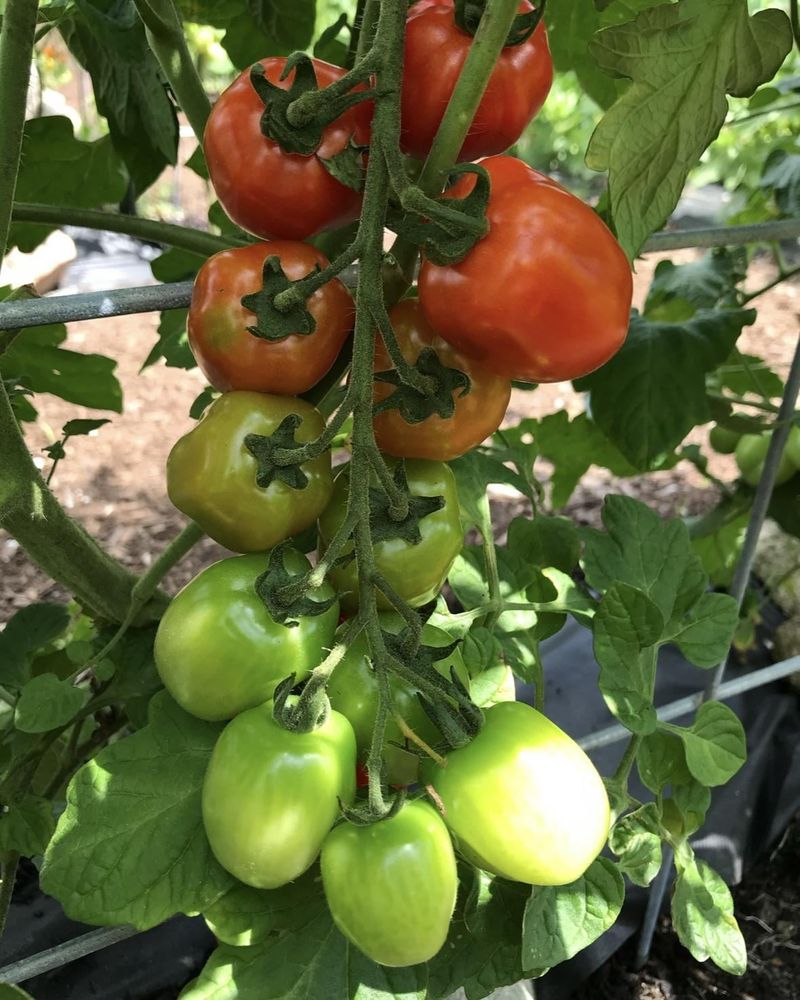
A branch loaded with tomatoes is a beautiful sight, but it is also a branch under a lot of stress. Tomatoes are heavier than they look, especially when several large fruits are clustered together on one stem.
Without proper support, branches can bend sharply, develop kinks, or snap completely. A broken branch means losing all the fruit attached to it.
Check every major branch on your plants right now. Look for any that are bending at an uncomfortable angle or sagging under the weight of the fruit.
Use soft garden twine, fabric strips, or foam-covered plant ties to gently secure those branches to a stake or cage. Avoid using wire or thin string that can cut into the stem as the branch moves in the wind.
Adding a new stake alongside an overloaded plant is a quick fix if the existing support is not enough. Push the stake deep into the soil next to the main stem and tie the plant loosely in several places.
The goal is to take weight off the branch without cutting off circulation or restricting natural movement.
Branches that stay upright and supported allow the plant to move water and nutrients efficiently from the roots all the way to the fruit.
A snapped branch interrupts that flow completely. Taking ten minutes today to check and reinforce your supports could save several pounds of tomatoes that would otherwise be lost before they ever get the chance to ripen.
8. Watch Closely For Late-Summer Hornworms And Aphids
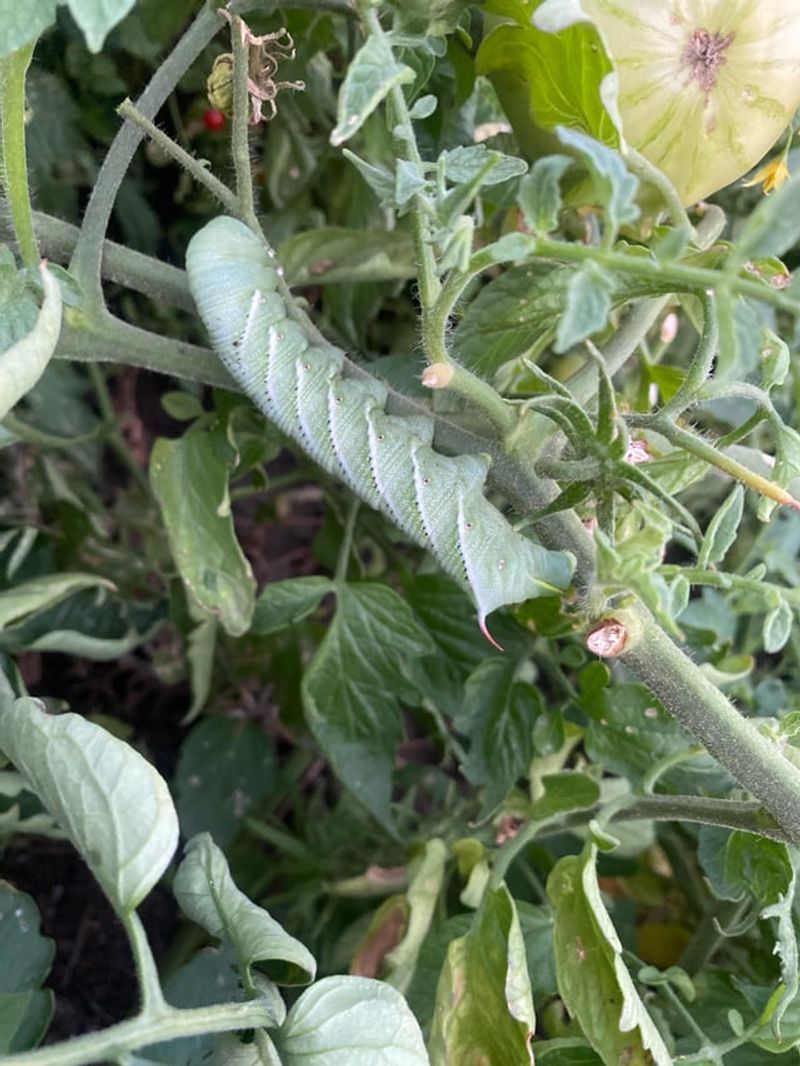
Late summer brings a second wave of pest pressure that catches a lot of gardeners off guard. By August, the garden feels settled and the big early-season pest battles seem like a distant memory.
But hornworms and aphids tend to spike again as the weather stays warm and the plants are heavy with fruit. Both can do serious damage in a short amount of time.
Tomato hornworms are large, green caterpillars that blend in almost perfectly with the plant. They can strip a branch of leaves overnight.
Check the undersides of leaves and along main stems every few days. If you spot one, pick it off by hand and drop it into a bucket of soapy water.
Look for dark droppings on leaves below, which is often the first sign that a hornworm is feeding above.
Aphids are much smaller but can multiply incredibly fast. They cluster on new growth and the undersides of leaves, sucking sap and weakening the plant.
A strong spray of water from a hose can knock most of them off. For heavier infestations, insecticidal soap spray works well and is safe to use on edible plants.
Check plants in the morning when pests are less active and easier to spot. Staying on top of pest checks every few days is one of the best ways to protect a season’s worth of work from being undone in the final stretch before harvest.