The Meaning Behind Sunburned Bark On Your Texas Trees This Summer
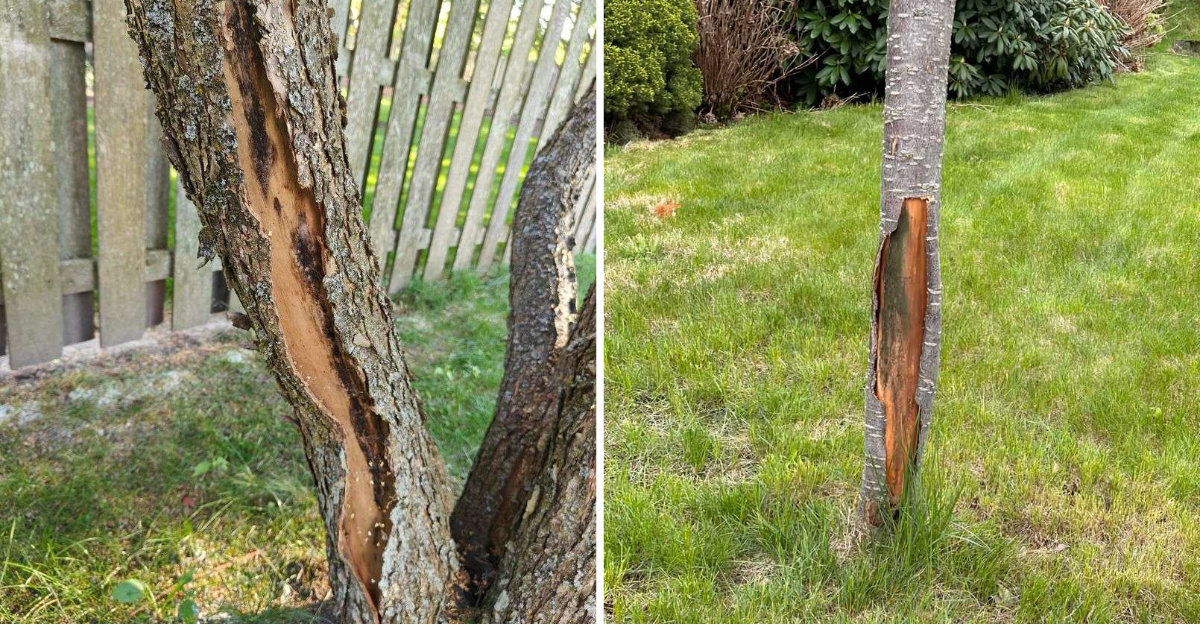
Peel back a strip of bark and you might flinch. Pale patches spreading across a trunk rarely mean nothing good. Texas summers push bark past its limit fast.
Direct sun turns your bark’s thin living tissue to ruin. Newly planted saplings suffer first when shade disappears. Recently pruned trees lose the protection you still need.
Open yards leave your trunks defenseless against afternoon glare. Damage like this spreads before symptoms feel obvious. You notice cracked bark long after the harm began.
Landscapes across Texas demand faster action than most regions. Bark left exposed on your tree absorbs heat like a stovetop. Splits along the trunk invite decay and rot.
Every hour without protection raises the stakes higher for you. Waiting even briefly can cost a tree its bark. Your trees cannot wait, and neither should you.
Your Tree Is Reacting To Sun And Heat Stress
Bark does not just sit there looking pretty. It is a living shield that protects everything happening just beneath the surface of your tree.
When summer heat cranks up in Texas, the sun can literally cook that outer layer. Temperatures on dark bark can climb far hotter than the surrounding air.
That extreme heat damages the cambium layer, which is the thin band of tissue responsible for moving water and nutrients. Once that layer is injured, the tree struggles to feed itself properly.
Sunburned bark often appears on the south or southwest side of a trunk. That is the side that absorbs the most direct afternoon sun during the hottest part of the day.
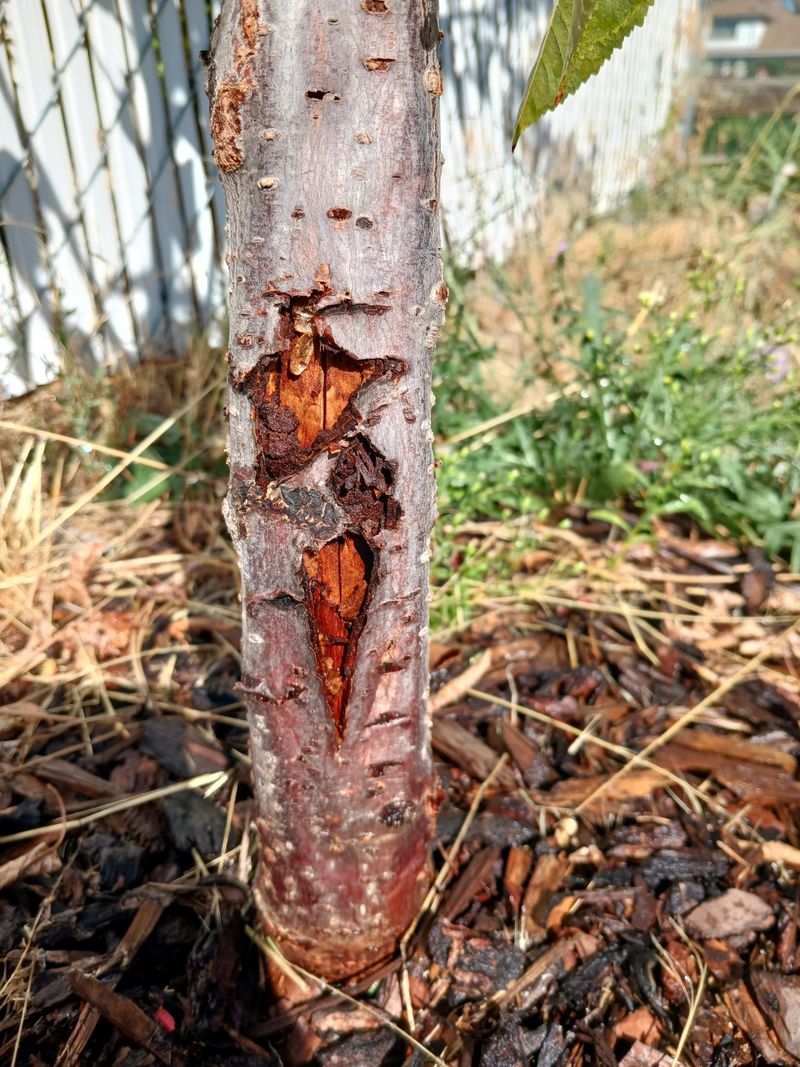
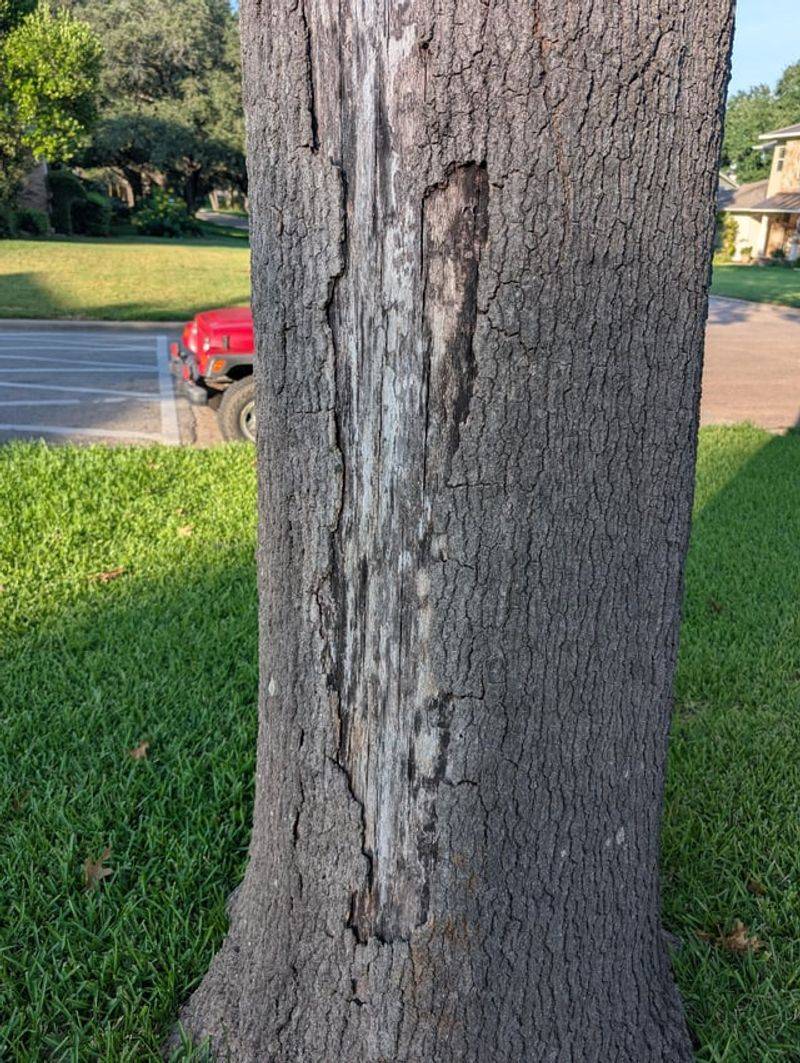
You might notice the bark turning lighter in color, becoming slightly sunken, or starting to crack. Sometimes it peels away in papery strips that look almost like a bad sunburn on human skin.
The tree is not being dramatic. It is genuinely under stress, and that stress shows up in visible, physical ways on the bark surface.
Heat stress also slows down the tree’s ability to photosynthesize efficiently. Less energy production means slower healing and a weaker immune response to insects or disease.
Think of sunburned bark as your tree sending you a clear signal. Act on that signal early, and your tree has a much better shot at bouncing back strong.
Signs That Confirm Sunscald Damage
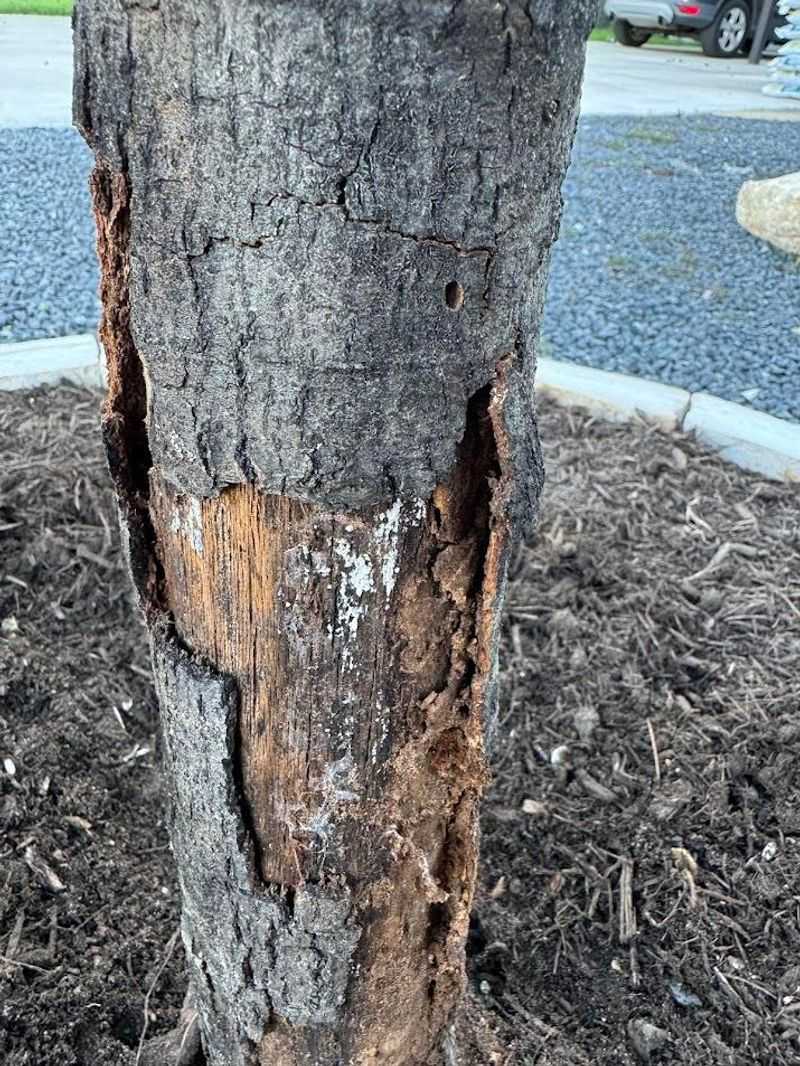
Not every blemish on bark means sunscald. Knowing the specific signs helps you respond with the right plan instead of guessing.
Sunscald damage has a very recognizable look once you know what to search for on Texas trees. The affected area usually appears on one side of the trunk, not spread randomly all around it.
Look for bark that has turned a pale tan or grayish color compared to the healthy dark brown surrounding it. That color shift is one of the earliest clues that heat damage has occurred.
As damage progresses, the bark may feel slightly sunken or hollow when you press it gently. Healthy bark feels firm and solid, while sunscalded sections can feel almost papery or loose.
Your Texas Garden Changes Every Week. Your Plan Should Too.
Gardening in Texas changes quickly throughout the season. Every Friday you’ll receive a simple weekly plan showing exactly what to plant, prune, fertilize, harvest, and protect so you never miss the right timing.
Cracking is another strong indicator. Long vertical cracks running up the trunk, especially on the sun-facing side, suggest the tissue beneath has dried out and contracted from heat exposure.
You might also spot areas where the bark is peeling away from the wood underneath. This peeling often reveals dry, discolored wood that may appear light tan or even slightly grayish instead of the typical creamy white of healthy inner wood.
Checking for these signs early in summer gives you the best chance to intervene. Waiting until fall means the damage has had months to deepen and spread.
Trust your eyes on this one. The visual clues are clear, and catching sunscald early keeps your tree’s recovery options wide open.
Trees And Locations Most At Risk
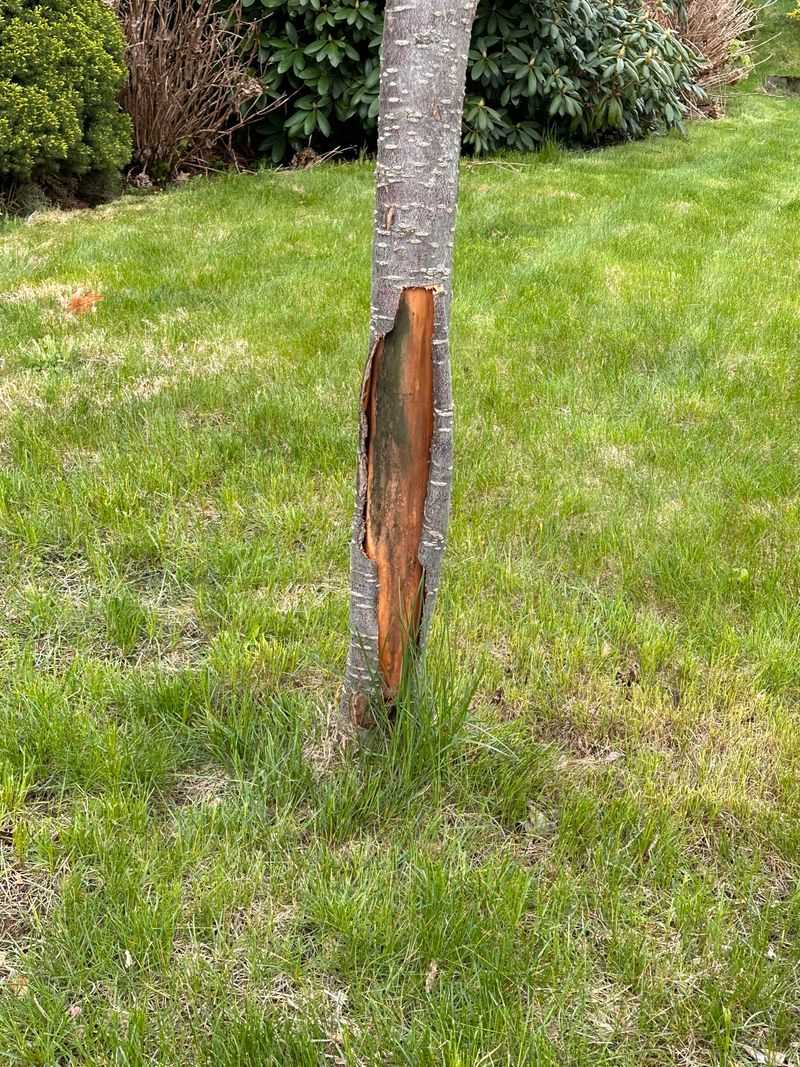
Some trees are simply more vulnerable than others when summer heat peaks across Texas. Thin-barked species take the hardest hit because they have less natural insulation against intense sun.
Maples, ashes, lindens, and fruit trees like peaches and plums top the high-risk list. Their bark is naturally smooth and thin, offering little buffer against scorching afternoon rays.
Young trees face even greater danger because their bark has not yet thickened with age. A sapling planted two summers ago has far less protection than a mature oak that has been growing for decades.
Location matters just as much as species. Trees planted in wide-open yards with no surrounding shade get exposed to full sun from sunrise to sunset with little relief.
South-facing and west-facing slopes or garden beds create conditions where afternoon sun hits with maximum intensity. If your tree sits in one of these spots, its risk level goes up significantly.
Trees growing near reflective surfaces like white walls, concrete driveways, or metal fences face an added challenge. Those surfaces bounce extra heat and light directly onto the bark, compounding the damage.
Urban trees also deal with the heat island effect, where pavement and buildings trap warmth and push surrounding temperatures even higher. A tree in a downtown planting strip faces tougher conditions than one in a shaded suburban backyard.
Knowing your tree’s species and its exact location arms you with the insight to protect it before damage takes hold this summer.
Why Recent Pruning Or Transplanting Increases Risk
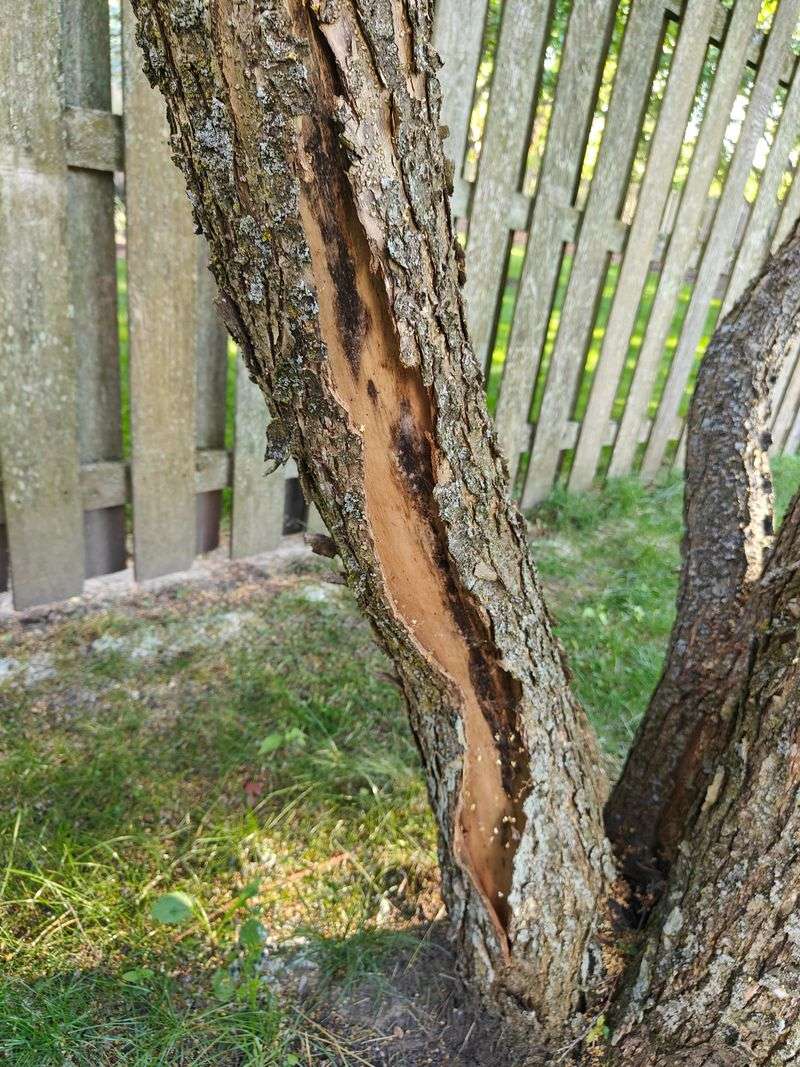
Pruning feels productive, and it usually is good for trees when done correctly. But heavy pruning in late spring or early summer creates a hidden problem that many homeowners overlook completely.
When large branches are removed, sections of bark that were previously shaded suddenly become exposed to full sun. The bark in those newly uncovered spots has rarely had to handle that level of direct heat before.
Think of it like taking off a long-sleeve shirt on a beach day. The skin underneath is pale, sensitive, and poorly prepared for intense sun exposure.
That newly exposed bark behaves the same way. Without time to gradually adapt, it becomes vulnerable to sunscald almost immediately after pruning removes the protective canopy above it.
Transplanting creates a similar problem from a different angle. When a tree is moved, its root system is disrupted and its ability to absorb water drops sharply during the adjustment period.
A water-stressed tree cannot regulate its internal temperature as effectively. That reduced capacity means bark temperatures climb higher and stay elevated longer during hot afternoons.
Transplanted trees also often lose much of their canopy during the moving process. Fewer leaves mean less natural shade falling on the trunk, leaving the bark more exposed than before the move.
If you recently pruned heavily or transplanted a tree, consider that tree to be in a vulnerable window right now. Extra attention this summer can prevent serious setbacks that would otherwise take years to overcome.
Steps To Protect Bark From Further Damage
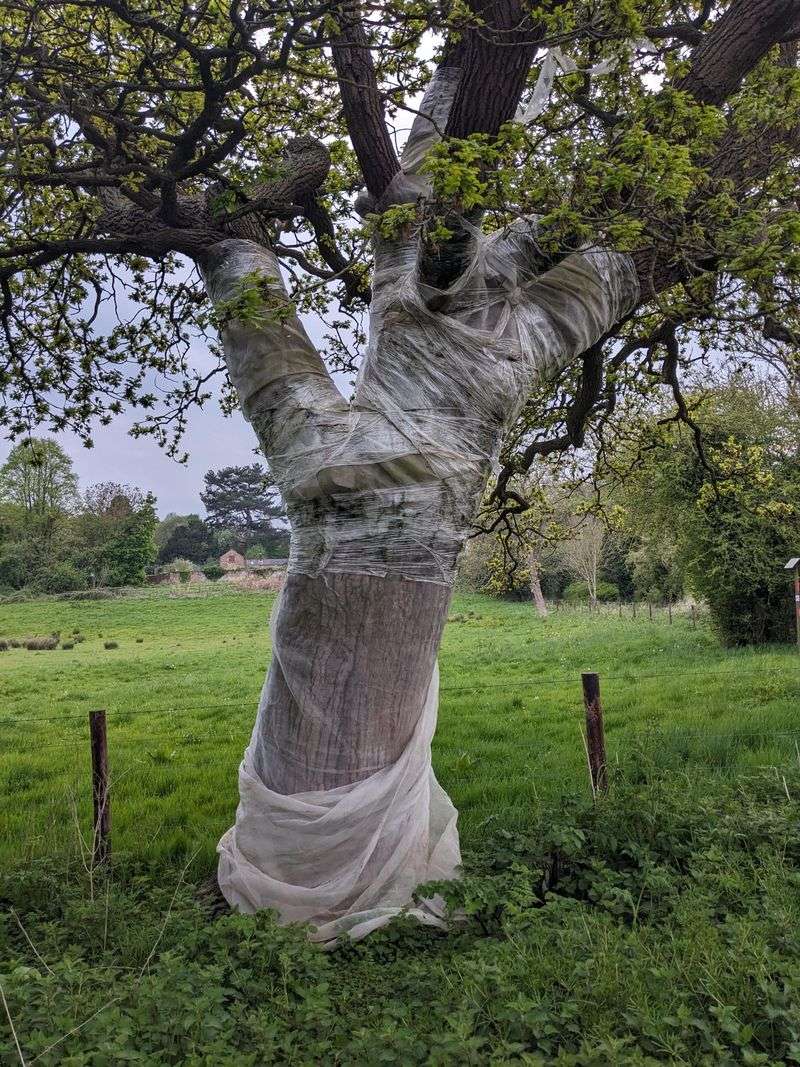
Once you spot sunburned bark on your Texas trees, the instinct to act fast is exactly right. Fortunately, several practical steps can stop additional damage before summer gets worse.
White tree wrap is one of the most effective tools available to homeowners. Wrapping the trunk with light-colored material reflects sunlight and keeps bark temperatures from climbing to dangerous levels.
Apply the wrap from the base of the trunk upward to the lowest major branches. Overlap each layer by about one-third as you go, making sure there are no gaps where sun can sneak through.
Check the wrap every few weeks to make sure it has not shifted or become too tight as the trunk grows. A loose wrap provides better airflow and avoids creating a hiding spot for pests.
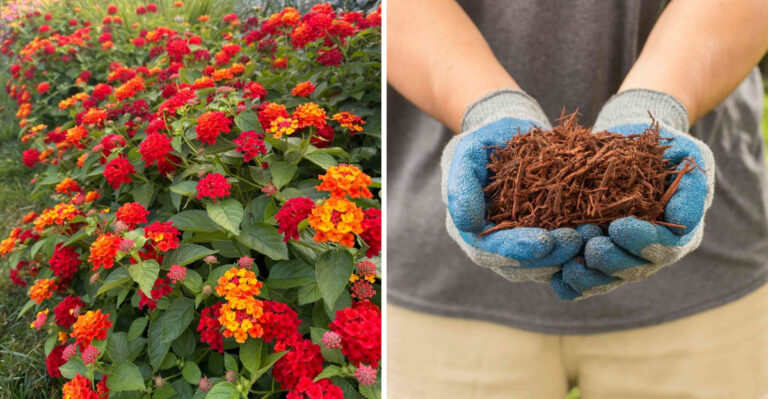
Mulching around the base of the tree is another powerful move. A three to four inch layer of organic mulch helps retain soil moisture, which keeps the tree better hydrated during peak heat.
Keep mulch pulled back a few inches from the actual trunk to avoid trapping excess moisture against the bark. A mulch donut shape, not a mulch volcano, is what you are aiming for.
Watering deeply and consistently during summer gives the tree the hydration it needs to regulate internal temperature. Shallow watering encourages surface roots that dry out quickly and leave the tree even more heat-stressed.
Shade cloth installed on the sun-facing side of a young tree offers temporary but meaningful relief during the most intense weeks of summer heat.
Long Term Care For Recovering Trees
A tree that has survived sunscald damage still needs consistent support to fully recover over the following seasons. The bark may look rough for a while, but the tree can absolutely rebuild its strength with the right ongoing care.
Do not remove damaged bark unless it is fully decayed and falling off on its own. Peeling away bark prematurely exposes raw wood and invites insects and fungal problems that complicate recovery.
Continue deep watering through the rest of summer and into fall. Roots need steady moisture even after temperatures begin dropping, because the tree is still repairing internal tissue during that period.
Fertilizing is worth approaching carefully after sunscald. A light application of a balanced, slow-release fertilizer in early fall can support recovery without pushing excessive new growth that the damaged tree cannot sustain.
Avoid heavy pruning on a recovering tree for at least one full growing season. Every leaf it keeps is helping produce the energy needed to repair bark tissue and rebuild root health.
Monitor the damaged area over the next year for signs of secondary issues like fungal cankers, insect borers, or oozing sap. Sunscald creates entry points that opportunistic pests and pathogens love to exploit.
If the bark shows no improvement after a full year or the damage wraps more than halfway around the trunk, consulting a certified arborist is a smart next step.
Sunburned bark on your Texas trees is not the end of the story. With patience and consistent care, most trees recover and go on to thrive for many more summers ahead.