These Arizona Yard Mistakes Are Making Your Squash Bug Problem Worse
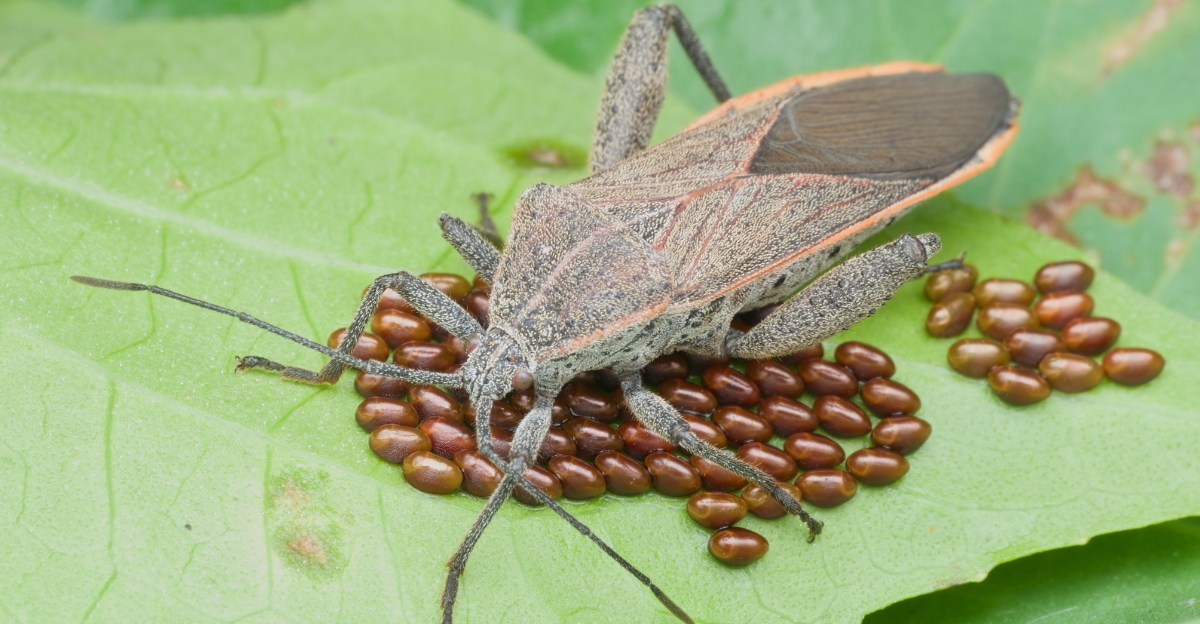
Squash bugs move faster than you think. Within days, you could face a full infestation. Your Arizona garden heats up their life cycle fast. Leaves can collapse before you even notice.
Certain habits invite these pests into your beds. Mulch, spacing, and debris often work against you. Gardeners like you overlook these details until damage appears. Populations climb quietly while attention stays elsewhere.
Southwest conditions make squash bugs especially resilient. Dry soil and warm nights give you no room for error. Arizona yards can turn into breeding grounds fast. Every missed detail buys these pests more time.
Specific habits separate your garden from an overrun one. Nobody wants their harvest wiped out by something this preventable.
1. Leaving Old Plant Debris In The Garden
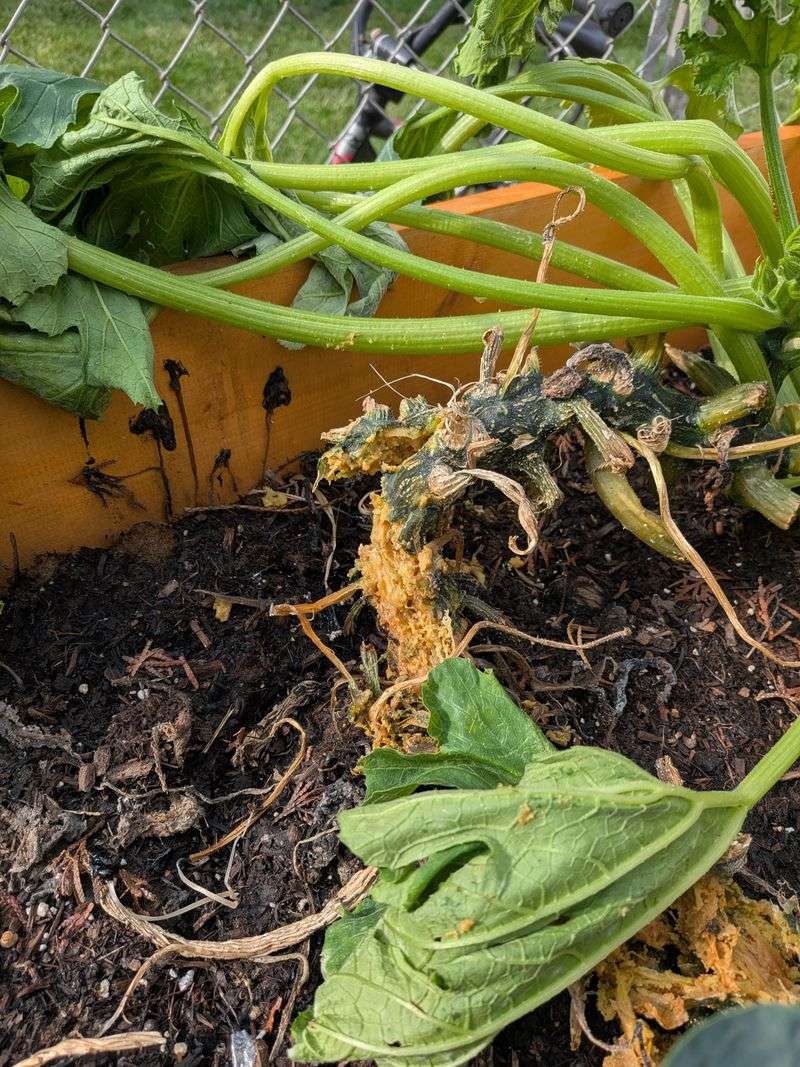
Decayed plants are a five-star hotel for squash bugs. Old stems, dried leaves, and rotting vines give these pests the perfect hiding spot to survive through cooler months.
Squash bugs love tucking themselves under plant debris to stay warm and protected. When spring arrives, they emerge ready to attack your fresh new crops without missing a beat.
Cleaning up your garden beds after each growing season is one of the most powerful moves you can make. Pull out every stem, rake up fallen leaves, and bag everything before tossing it away from your yard.
Leaving debris even a few feet from your beds is risky because bugs travel short distances easily. Move all old material far away or dispose of it in sealed bags to cut off their shelter.
Composting squash debris sounds like a good idea, but it can backfire fast. Unless your compost pile heats up to very high temperatures, eggs and adults can survive and hatch right back into your garden.
Burning or bagging is safer than composting when squash bugs are involved. A clean garden bed removes one of their biggest advantages heading into the next planting season.
Think of garden cleanup as pest prevention that costs you nothing but a little weekend effort. Staying on top of debris removal is one of the smartest habits any Arizona gardener can build.
2. Overcrowding Plants Without Proper Spacing
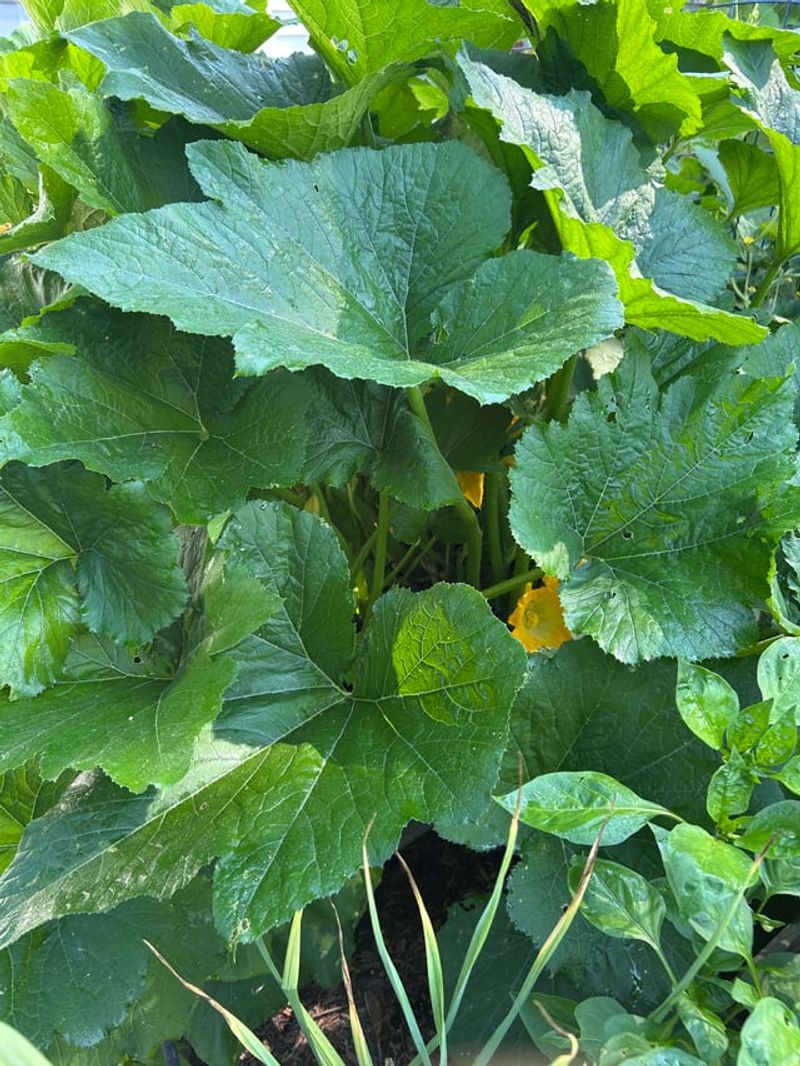
Packing plants too close together feels efficient, but it creates a jungle that squash bugs absolutely love. Dense foliage traps moisture and blocks airflow, making conditions perfect for pests to hide and breed.
When leaves overlap heavily, you cannot spot problems until they spiral out of control. Squash bugs thrive in dark, humid pockets that tight spacing creates between crowded plants.
Proper spacing allows sunlight to reach stems and dries out the soil surface faster after watering. Dry soil and open airflow make the environment far less inviting for egg-laying females searching for shelter.
Most squash varieties need at least 18 to 36 inches between plants, depending on the type. Check your seed packet for exact spacing recommendations and resist the urge to squeeze in just one more plant.
Good spacing also makes inspections much easier because you can actually see what is happening on every stem. Catching problems early depends on visibility, and crowded beds make that nearly impossible.
Your Arizona Garden Changes Every Week. Your Plan Should Too.
Gardening in Arizona changes quickly throughout the season. Every Friday you’ll receive a simple weekly plan showing exactly what to plant, prune, fertilize, harvest, and protect so you never miss the right timing.
Thinning out seedlings early might feel wasteful, but it pays off big later in the season. Fewer plants with strong airflow will outperform a crowded bed struggling with pest pressure every single time.
Open space between plants is not wasted space, it is protective space. Giving your squash room to breathe is one of the easiest ways to shift the odds against squash bugs in your favor.
3. Skipping Regular Leaf And Stem Inspections
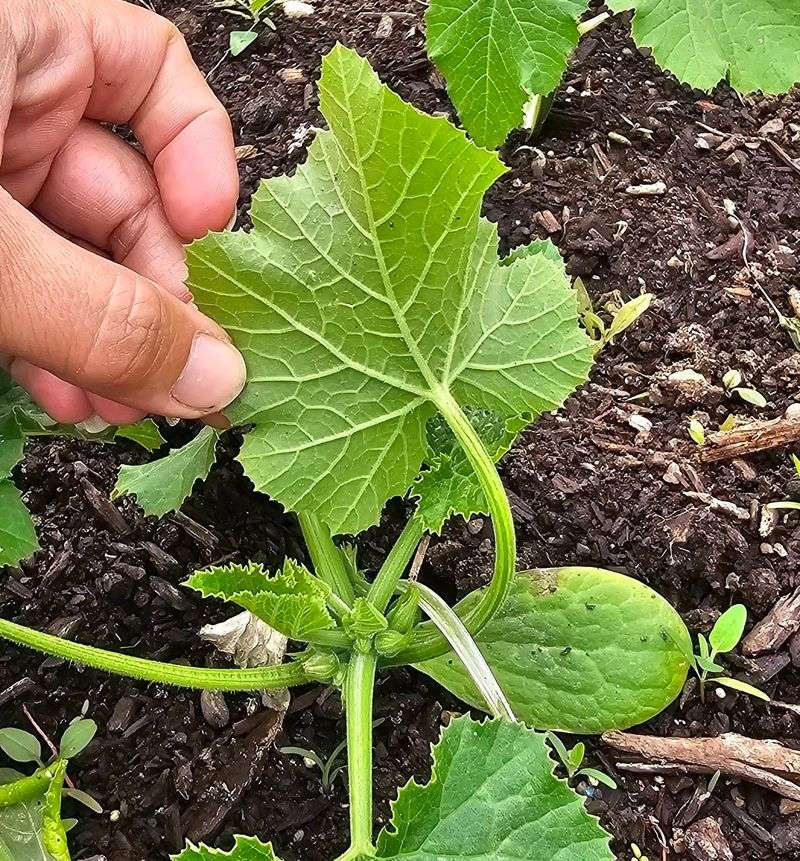
Out of sight really does mean out of mind when it comes to squash bugs. Skipping regular inspections gives these pests days or even weeks to multiply before you ever notice them.
Squash bugs are experts at hiding on the undersides of leaves and tucking into stem joints. If you only glance at the tops of your plants, you are missing exactly where the action happens.
Make it a habit to flip leaves over every two to three days during peak growing season. Look specifically at the base of stems and the underside of large leaves where eggs get laid in neat clusters.
Early detection is the single biggest factor in keeping populations manageable. One adult bug spotted early is a problem you can handle, but a hundred adults hiding in your garden is a crisis.
Bring a flashlight if you inspect in the early morning or evening when bugs are more active. Cooler parts of the day in the desert are when squash bugs move around more freely and are easier to spot.
Keep a small bucket of soapy water nearby during inspections so you can drop bugs in immediately. Acting on the spot prevents the instinct to come back later, which rarely actually happens in a busy schedule.
Making inspections a non-negotiable part of your routine changes everything about how you manage squash bugs. Consistency here is the difference between a thriving garden and a losing battle.
4. Ignoring Egg Clusters Early In The Season
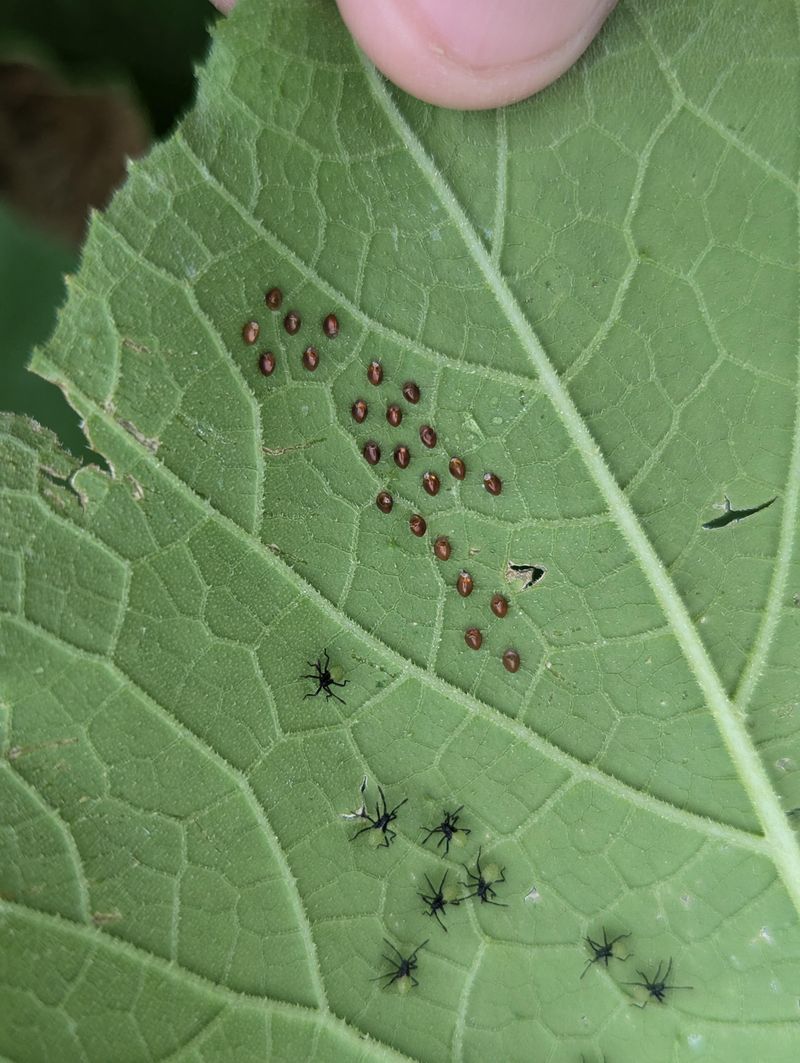
Tiny copper-red eggs arranged in neat rows might not look alarming, but they represent the next generation of your pest problem. Squash bug eggs are easy to miss and even easier to ignore if you do not know what to look for.
Each cluster can contain around twenty eggs, and a single female can lay hundreds during her lifetime. Letting even one cluster hatch means dozens of hungry nymphs feeding on your plants within days.
Early season is the most critical window to break the squash bug life cycle before it gains momentum. Egg clusters appear on leaf undersides starting as early as late spring in warmer Arizona climates.
Removing eggs is straightforward and does not require any sprays or chemicals at all. Simply press a strip of tape over the cluster, peel it off, and seal it in a bag before tossing it in the trash.
Some gardeners scrape eggs off with a butter knife into a jar of soapy water, which works just as well. The method matters less than the consistency of checking and removing them every few days.
Nymphs are soft-bodied and vulnerable right after hatching, making that window another great time to act. Once they mature into adults, they become much harder to manage with simple hands-on methods.
Catching and destroying egg clusters early in the season is genuinely the most effective squash bug strategy available. Do not overlook what looks like a small problem, because those tiny eggs have big consequences.
5. Watering Practices That Attract More Pests

How and when you water your squash plants directly affects how attractive your garden is to pests. Overhead watering in the afternoon creates lingering moisture that squash bugs seek out for shelter and egg-laying.
Wet leaves stay damp for hours in humid pockets near the soil, which is exactly the environment these bugs prefer. Switching your watering method is a simple change with a surprisingly big impact on pest pressure.
Drip irrigation delivers water directly to the root zone and keeps foliage dry throughout the day. Dry leaves and stems are far less hospitable to squash bugs looking for cool, moist hiding spots.
Timing matters just as much as technique when managing moisture in your garden. Watering in the early morning gives soil time to absorb moisture before heat peaks, reducing surface dampness by midday.
Avoid watering in the evening because moisture sitting overnight creates ideal conditions for pests and fungal issues alike. Morning watering is the better habit in every season, but especially during peak squash bug activity.
Mulching around plant bases helps retain soil moisture so you water less frequently overall. Less frequent watering means fewer windows where your garden surface stays wet and pest-friendly.
Rethinking your watering routine is one of the most overlooked shifts a gardener can make against squash bugs. A drier canopy and a smarter schedule can quietly reduce your pest pressure all season long.
6. Planting The Same Crops In One Spot Yearly
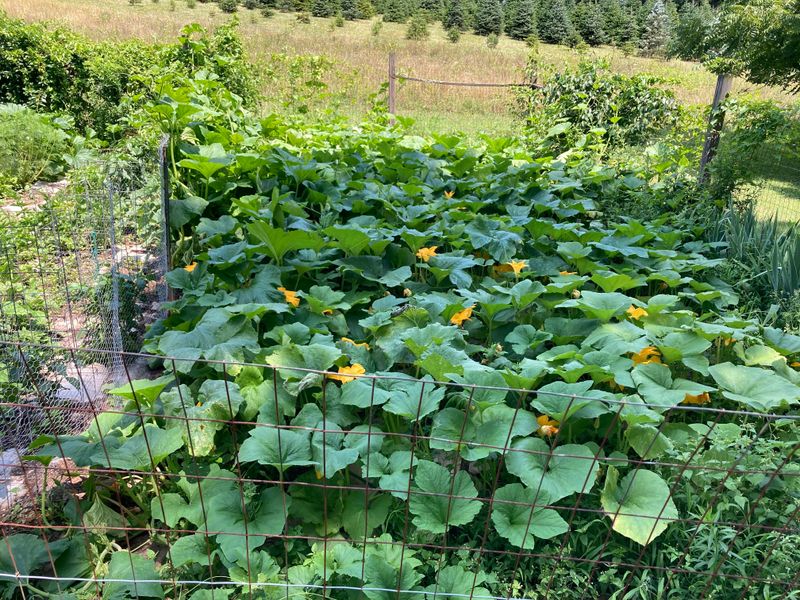
Growing squash in the same spot season after season is like sending a pest invitation to the same address every year. Squash bugs overwinter in soil and debris, so returning to the same patch gives them a head start before your seedlings even sprout.
Crop rotation breaks this cycle by moving host plants to fresh ground where overwintering pests cannot reach them easily. Rotating just one or two beds over each season makes a measurable difference in pest pressure.
The general rule is to wait at least two to three years before planting squash in the same location again. This timeline forces bugs that survived winter to travel farther, reducing the number that successfully find your crops.
Rotating also improves soil health because different plants draw different nutrients from the ground. Healthier soil grows stronger plants, and stronger plants are better at tolerating and recovering from pest damage.
Plan your garden layout at the start of each year with rotation in mind rather than scrambling to adjust later. Drawing a simple map of what grew where last season takes minutes but saves a lot of frustration later on.
Squash can follow legumes like beans in your rotation because legumes fix nitrogen and leave the soil enriched. That nitrogen boost gives your next squash planting a stronger foundation to grow from.
Rotation is not just a pest strategy, it is a whole-garden reset that works on multiple problems at once. Squash bugs are persistent, but a moving target is always harder to hit.
7. Delaying Action Until Populations Multiply
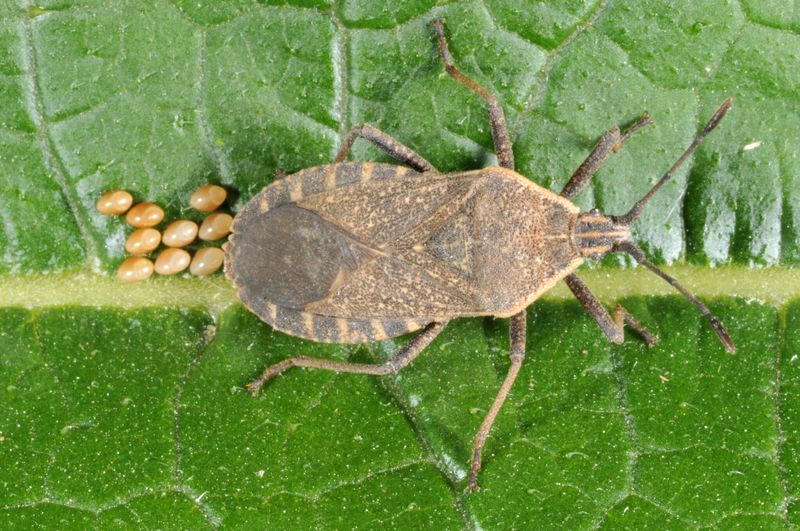
Spotting one or two squash bugs and deciding to deal with them later is one of the costliest mistakes a gardener can make. These insects reproduce fast, and a small group can multiply into a serious problem within a few weeks.
Squash bugs reach reproductive maturity quickly in warm climates, which makes the desert Southwest particularly challenging. Waiting even a few days too long can mean the difference between a manageable problem and a lost crop.
Act the same day you see the first adult or nymph, not the next weekend when you have more time. Immediate action while numbers are low is always more effective than aggressive intervention after populations explode.
Hand-picking adults and nymphs into soapy water is highly effective when populations are still small. This method becomes exhausting and inefficient once bugs number in the hundreds, so early action is key.
If you spot damage on leaves before you spot the bugs themselves, search harder because the pests are already there. Yellowing, wilting, or stippled leaves are signs that feeding has been happening for at least a few days.
Organic sprays like neem oil or insecticidal soap can help when applied early and consistently. These products lose effectiveness quickly against large, established populations of adults because adults have tougher exteriors than nymphs.
Squash bugs take advantage of every delay, turning small numbers into a bigger problem fast. Move fast, move early, and treat every early sighting as a warning sign worth acting on.
8. Skipping Companion Plants That Repel Pests

Nature already has a toolkit for managing pests, and companion planting is one of its best features. Certain plants naturally confuse, repel, or trap squash bugs, and skipping them leaves your garden defenseless in a surprisingly avoidable way.
Nasturtiums are a gardener favorite because they act as a trap crop, luring squash bugs away from your main plants. Planting them nearby draws pests toward a sacrificial plant you can then remove and destroy.
Marigolds release a scent that many gardeners use to help discourage a range of garden pests. Tucking them between or around your squash beds adds a layer of natural protection without any sprays or chemicals involved.
Catnip is known for repelling several common insect pests and grows easily in desert climates. Planting it near your squash adds function without taking up much space in your garden layout.
Herbs like dill, oregano, and mint are often planted near vulnerable crops to help deter feeding insects. These plants pull double duty by providing kitchen herbs while quietly protecting your garden at the same time.
Companion planting works best when combined with other management strategies rather than used as a standalone fix. Think of it as an extra layer of defense that stacks on top of your inspections, rotation, and cleanup habits.
A garden full of variety is harder for any single pest to dominate, and that diversity is exactly what companion planting creates. Giving squash bugs fewer easy targets is how you make your Arizona yard a much less welcoming place for them.