The New Jersey Yard Task That Can Bring A Township Fine This Fall
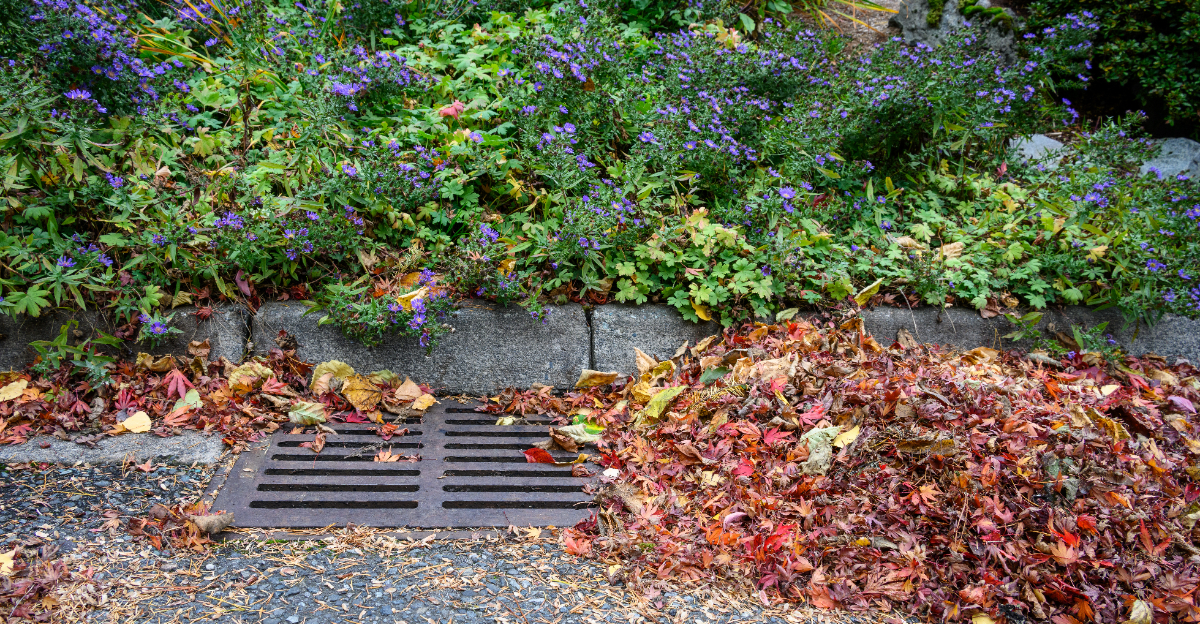
A quiet fall habit could be costing you more than you realize. Local officials in New Jersey rarely announce these violations in advance. They classify certain yard cleanup routines as stormwater offenses without warning homeowners first.
Fines follow fast once debris blocks a drain nearby. Municipalities across the state track these violations more closely with each passing season. Inspectors rarely care that you meant no harm.
Your ordinary weekend routine can quietly turn into a costly citation overnight. Nobody tells you which exact task triggers that response. Complaints from a single neighbor can trigger the very first inspection.
New Jersey homeowners keep learning this lesson the hard way every fall. Ignoring this now could cost you far more than time.
Blowing Leaves Into The Street Or Near A Storm Drain
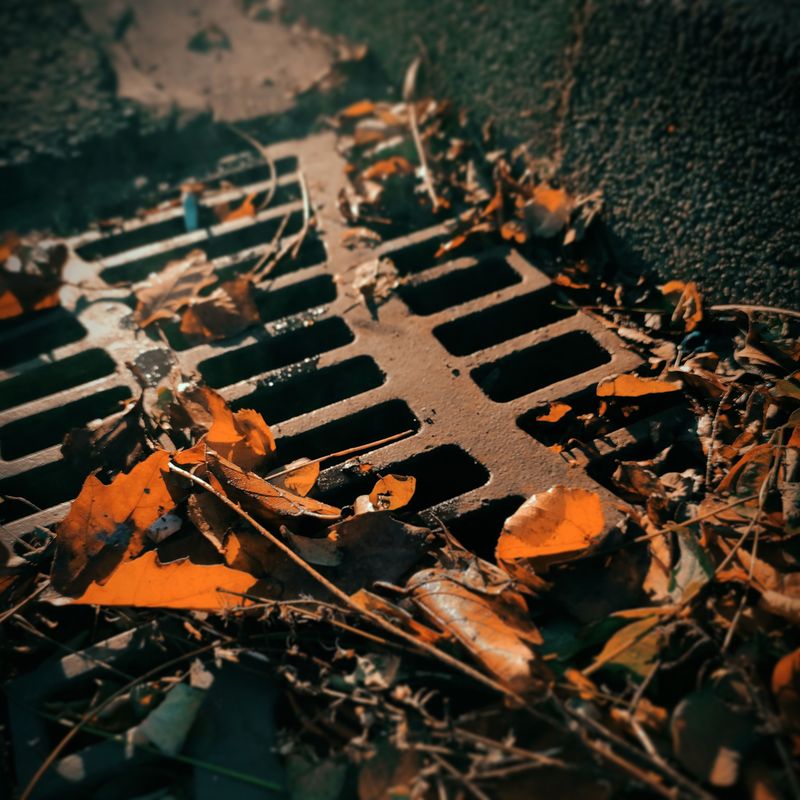
Every fall, millions of leaves drop, and homeowners reach for their leaf blowers without a second thought. That quick blast toward the curb feels satisfying, but it can lead to a surprising fine.
Blowing leaves into the street or near a storm drain is the yard task that is quietly getting New Jersey residents in trouble. Many townships have written ordinances that specifically ban this practice.
The issue is not just about messy streets. Leaves that pile up near drains block water flow during rainstorms, creating flooding risks for entire neighborhoods.
When a drain clogs, water backs up fast. Driveways, basements, and roadways all pay the price for one person’s shortcut.
Stormwater systems are not designed to handle large volumes of organic debris. Leaf matter breaks down and releases nutrients that pollute local waterways.
Those nutrients feed algae blooms in streams and ponds. That harms fish, wildlife, and the overall health of local ecosystems.
Township inspectors and public works crews actively watch for leaf piles near drains in autumn. Complaints from neighbors can also trigger an official visit to your property.
A single violation can result in a warning, a fine, or both. Some municipalities escalate penalties for repeat offenders caught doing the same thing twice.
Avoiding a fine is simple once you know the right information. Understanding what not to do is the first and most important step this season.
This Is About Stormwater Rules, Not Just Curb Appeal
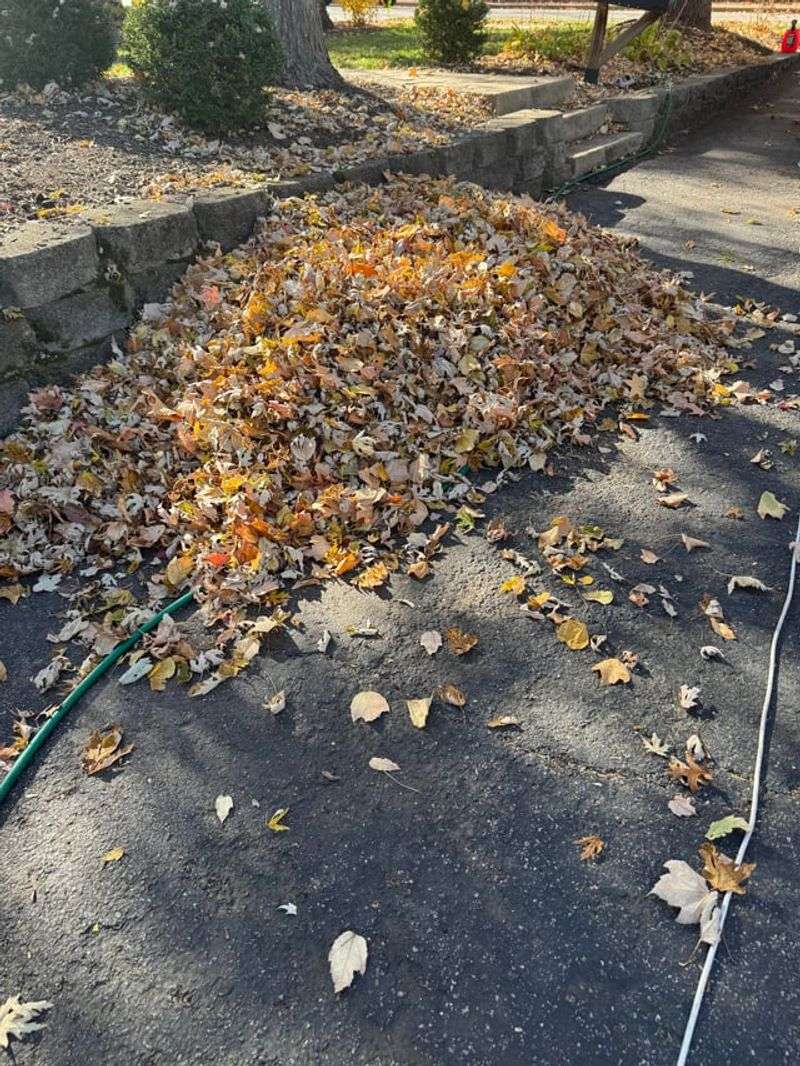
Most people assume leaf rules are about keeping the neighborhood looking neat. Curb appeal matters, but that is not what is driving these township ordinances at all.
Stormwater management is the real issue driving these citations across the state each autumn. The state operates under strict federal and state stormwater regulations.
New Jersey participates in the Municipal Separate Storm Sewer System program, known as MS4. Under MS4 rules, towns must actively prevent pollutants from entering storm drains.
Leaves are classified as a pollutant under stormwater law. That surprises a lot of homeowners who assume leaves are just natural yard waste.
When leaves enter a storm drain, they travel directly to local streams, rivers, and bays. No filtration happens along the way, which makes the impact immediate and measurable.
Decomposing leaf matter releases nitrogen and phosphorus into waterways. Those chemicals trigger algae growth that strips oxygen from the water, harming aquatic life.
Towns that fail to enforce stormwater rules risk losing state funding and facing their own regulatory penalties. That financial pressure pushes municipalities to actively fine residents who violate ordinances.
Your leaf blower habit is connected to a much larger environmental system. What lands in the drain on your block can affect water quality miles downstream.
Thinking about leaves as a stormwater issue changes how you approach fall cleanup. A small shift in habit protects both your wallet and local waterways.
Piles Near Drains Are A Direct Trigger For Township Fines
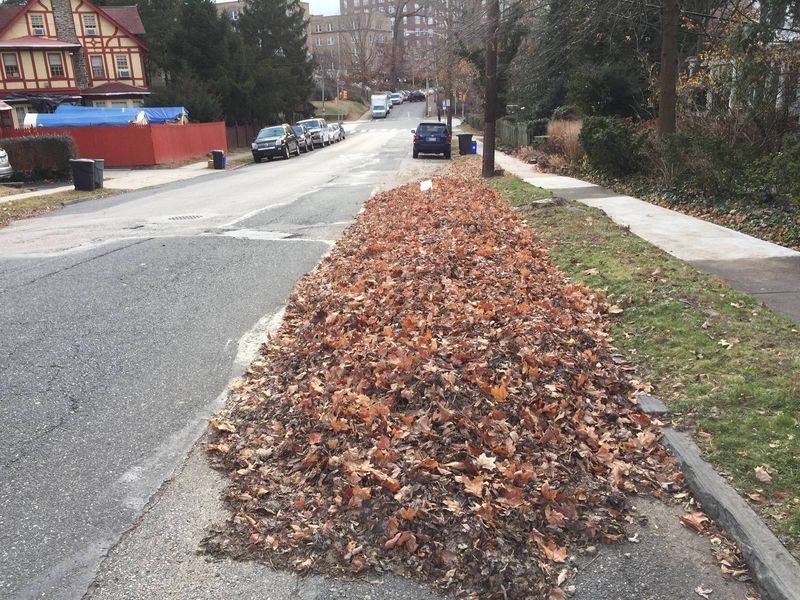
A single overnight rainstorm can clog that drain, flood the street, and bring a neighbor’s complaint straight to the township.
Leaf piles near drains are a direct trigger for township fines because they create immediate, visible problems. Code enforcement officers do not need to catch you in the act to issue a notice.
If leaves are piled within a prohibited distance of a drain and traced back to your property, you are liable. Municipalities have the authority to assign responsibility based on location and proximity.
Fine amounts vary widely from one township to the next. Repeat violations in the same season often carry steeper penalties under local ordinances.
Some townships also bill homeowners for the cost of clearing a clogged drain. That added expense can make one lazy afternoon with a leaf blower very costly.
Public works crews log drain-clearing calls throughout the fall season. Those records can be used as evidence when a township pursues enforcement action against a property owner.
Flooding caused by leaf-clogged drains can also lead to civil liability. If a neighbor’s property floods because of debris from your yard, legal exposure becomes a real concern.
The financial risk goes well beyond a small fine when you add it all up. Protecting yourself starts with understanding exactly what triggers enforcement in the first place.
The Distance Township Codes Require From Every Storm Drain
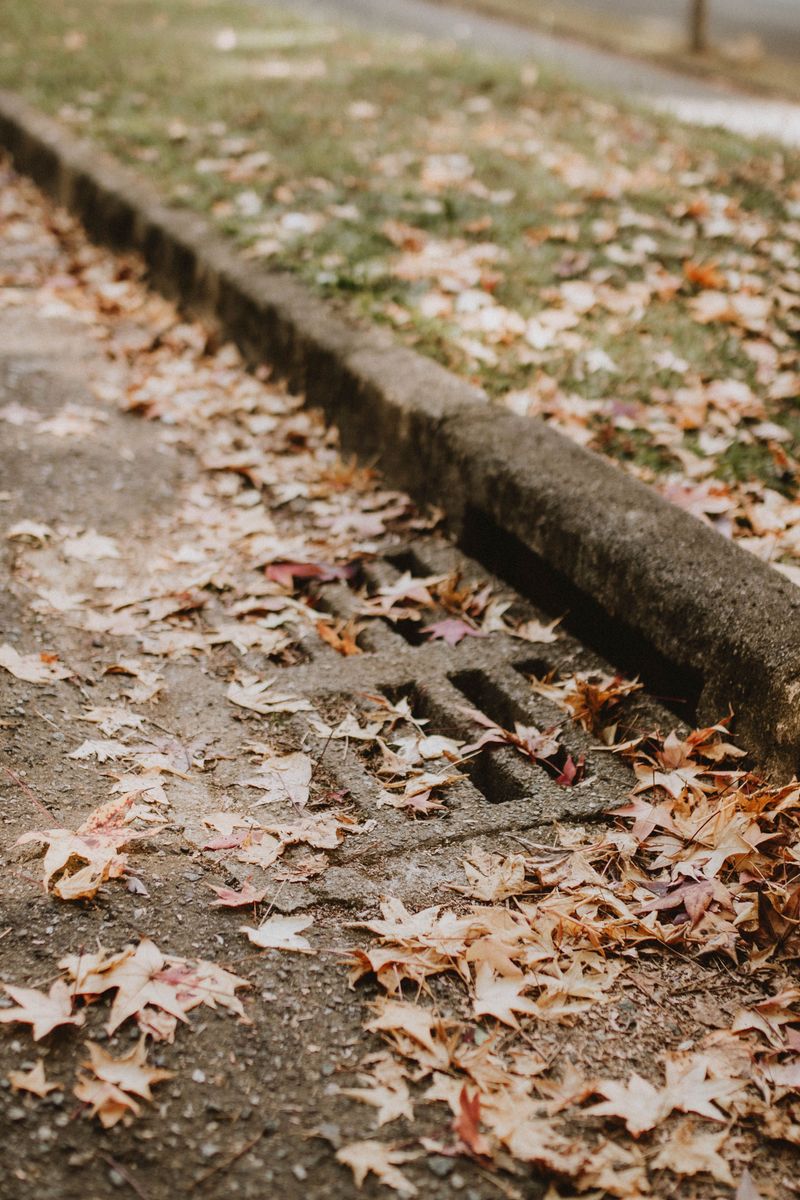
Knowing the rules is one thing, but knowing the exact distance your leaf pile must stay from a drain is what keeps the fine away. Most homeowners have no idea a specific measurement even exists.
Township codes across New Jersey typically require leaves to be kept a set distance from any storm drain opening, though the exact buffer varies from one municipality to the next.
The distance requirement exists because wind and rain can move a pile quickly. A pile that starts close to a drain can end up blocking it within a single storm.
Checking your specific township code is essential because no single statewide standard applies to every municipality. Each town sets its own distance rule through local ordinance.
Many New Jersey towns post their stormwater ordinances on official municipal websites. Searching for your town name plus the phrase leaf ordinance will usually pull up the relevant code section.
Some municipalities mark storm drains with stenciled warnings right on the pavement. Those painted reminders often include the required setback distance so residents have no excuse for missing the rule.
Measuring the required distance from a drain before staging your leaf pile takes only a moment. That small step is the difference between a compliant cleanup and an avoidable fine.
Once you know the distance rule for your town, fall cleanup becomes much less stressful. Knowledge is the easiest tool you have this season.
Approved Ways To Stage Leaves For Pickup Instead
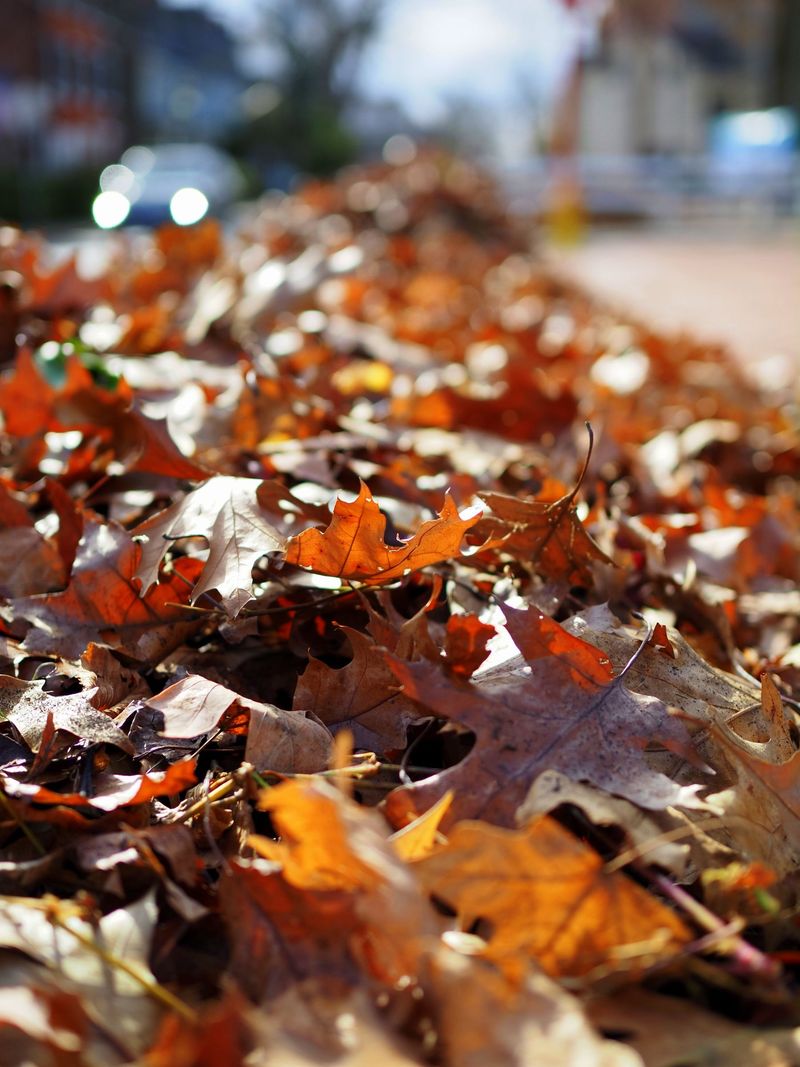
Forget the old habit of blowing everything toward the gutter. There are smarter, approved methods for staging leaves that keep you compliant and make pickup day a breeze.
Most New Jersey townships require leaves to be placed in rows along the grass strip between the sidewalk and the curb. That grassy area, sometimes called the parkway or tree lawn, keeps debris off the pavement and away from drains.
Raking leaves into long windrows parallel to the curb is the standard method many municipalities prefer. The rows allow vacuum trucks to collect efficiently without disrupting traffic or blocking drainage.
Paper leaf bags are another approved option in towns that offer bag collection. These bags are biodegradable and accepted by most municipal composting programs across the state.
Plastic bags are generally not accepted for leaf collection in New Jersey. Confirm your town’s accepted container types before bagging a single leaf.
Some homeowners skip municipal pickup entirely by building a backyard compost pile. Leaves break down into rich, dark compost that improves garden soil the following spring.
Mulching leaves directly into your lawn with a mulching mower is another excellent option. Finely shredded leaf matter feeds the grass and reduces the need for chemical fertilizers.
Whatever method you choose, the goal is keeping leaves contained and away from storm drains. A little planning before cleanup day saves time, money, and a potential headache from your township.
Checking Your Township’s Leaf Collection Calendar Before Fall Cleanup
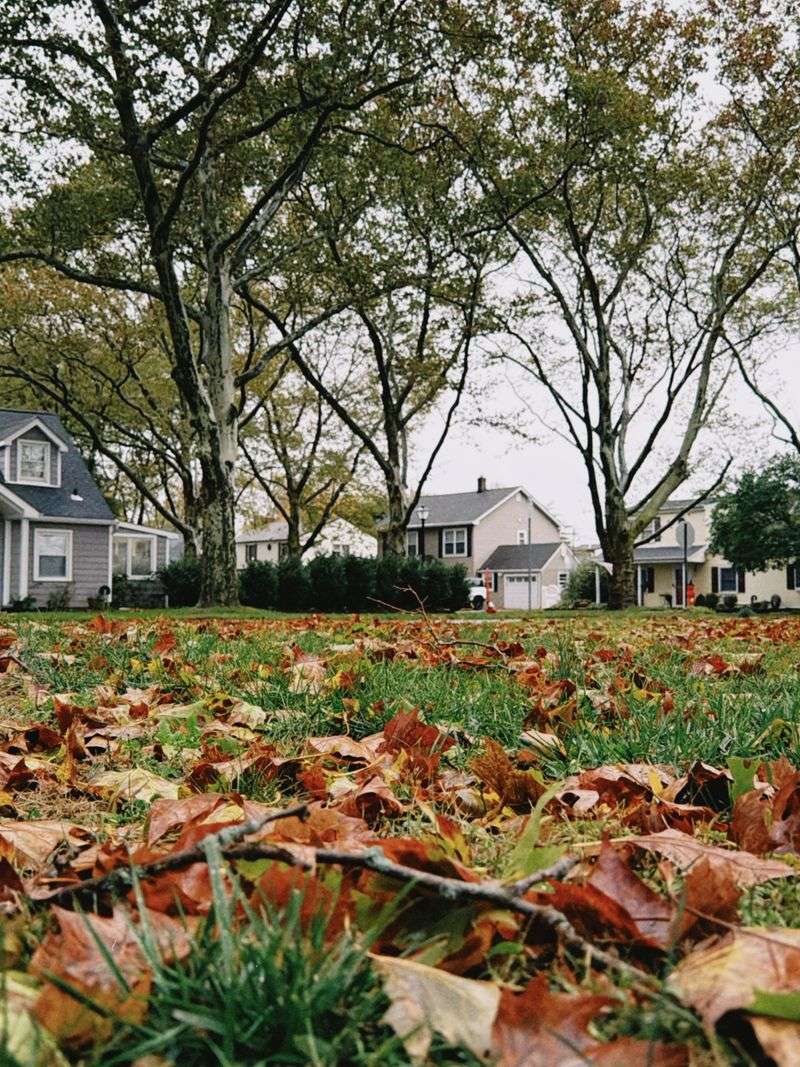
Timing is everything in fall cleanup, and skipping the collection calendar is where many homeowners go wrong. Putting leaves out too early or too late creates problems that a quick check could prevent.
Every New Jersey township runs its leaf collection program on a specific schedule. Collection weeks are often divided by zone, street, or neighborhood, so your neighbor’s pickup day may differ from yours.
Leaves staged at the curb days before your scheduled pickup can blow into drains before the truck ever arrives. That gap between staging and collection is exactly when fines happen.
Many municipalities publish their fall collection calendars on their official websites as early as late September. Signing up for town email alerts or text notifications is one of the easiest ways to stay current.
Some towns also post collection reminders on social media pages and local community boards. Following your township’s official accounts takes seconds and keeps you informed all season long.
If your collection day gets delayed due to weather, leaves staged too early become a compliance risk. Knowing the rescheduled date quickly helps you adjust and avoid a problem at the curb.
Missing your collection window means leaves may sit through multiple rainstorms before the next pickup round. That extended exposure to rain increases the chance of debris washing toward a drain.
Staying compliant this season starts with knowing your township’s exact collection calendar. A two-minute check online protects your yard, your wallet, and your local waterways.