The Backyard Visitor Missouri Homeowners Keep Seeing After Sunset
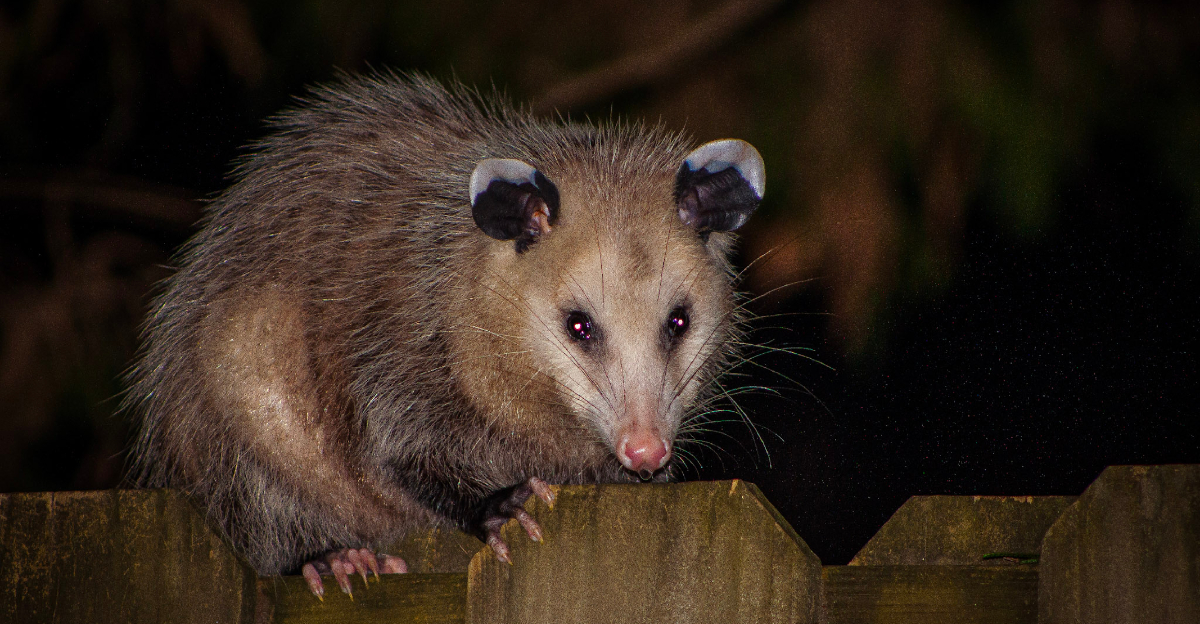
Darkness falls, and a strange shape drifts silently along your fence line. Pale fur catches your porch light without a flicker of fear. Missouri backyards host this quiet trespasser more often than most people realize.
You freeze for a moment, unsure whether the creature is dangerous or harmless. Nothing about its slow waddle matches the raccoons you already know.
Sharp teeth flash briefly in your direction, yet no real threat follows. Night after night in Missouri, this visitor edges closer to your porch, even as your dog barks and it barely reacts.
Few backyard animals carry as much misunderstood history as this one. Ancient instincts still guide every calculated move it makes near you.
Freezing completely still when threatened is not weakness, but a finely tuned survival trick passed down for generations.
A Familiar Shape Moving Through The Dark
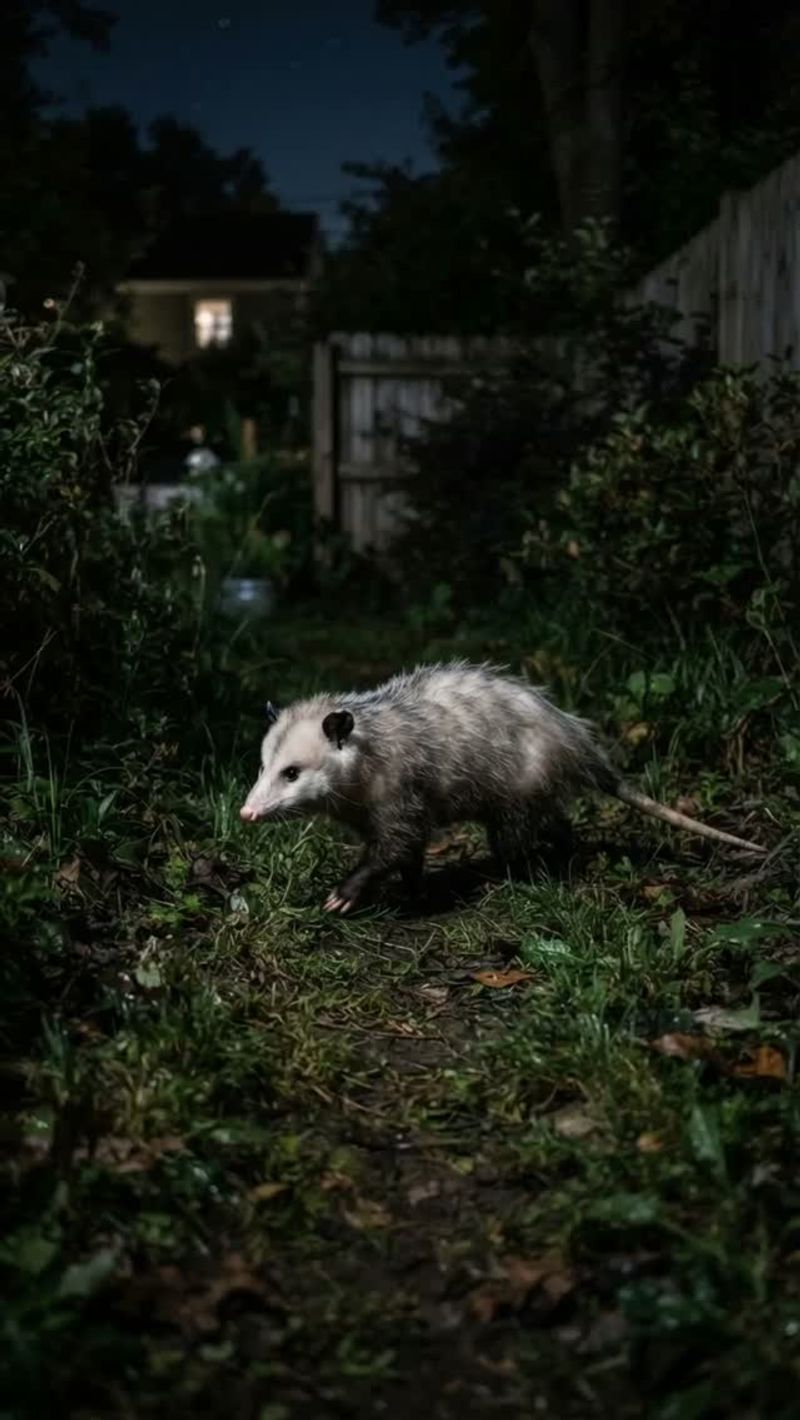
Pale fur. Slow shuffle. Pointy snout leading the way.
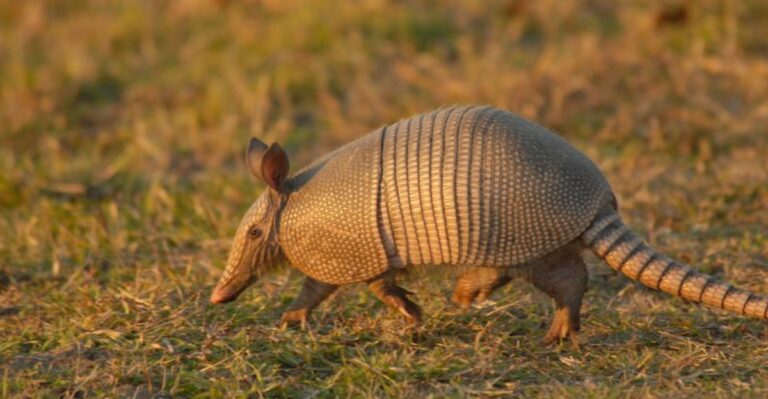
That is the creature Missouri homeowners keep spotting after sunset, and it goes by one name: the Virginia opossum. It is North America’s only native marsupial, which already makes it fascinating before it even steps into your yard.
Opossums are built for the night. Their dark, beady eyes are tuned for low light, and their naked, scaly tails help them grip branches and navigate tight spaces.
Most people see them near garbage cans, garden beds, or wood piles. The sighting usually lasts just a few seconds before the animal disappears into shadow.
What surprises many homeowners is how calm the opossum looks. It does not sprint away in panic like a squirrel. Instead, it plods along at its own relaxed pace, sniffing everything within reach.
That slow movement is not laziness. The opossum is scanning its environment carefully, using its sharp sense of smell to locate food and avoid threats.
Spotting one in your Missouri yard means your neighborhood has healthy green space nearby. These animals need trees, brush piles, and water to thrive. Once spotted, that shuffling silhouette is impossible to confuse with anything else.
Traits That Give This Opossum Away
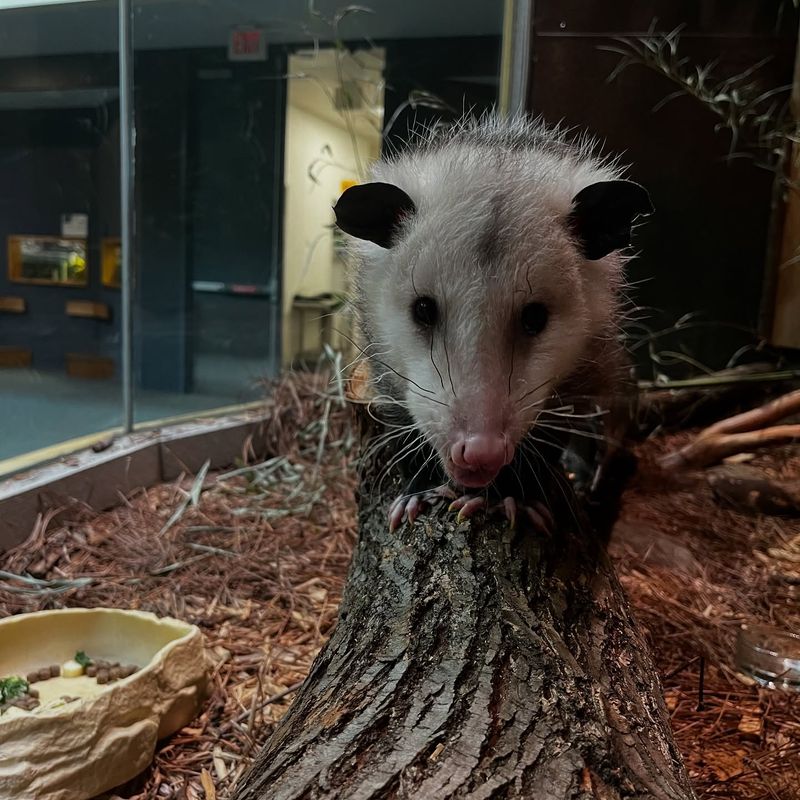
White face. Pink nose. Fifty teeth hiding behind that calm expression.
The Virginia opossum has a look that is hard to forget once you have seen it up close. Its fur is usually a mix of gray and white, with a long, pointed snout that gives it an almost prehistoric appearance.
One of the most recognizable features is the tail. It is long, hairless, and pinkish-gray, resembling something between a rat’s tail and a monkey’s grip tool.
Adults typically weigh between four and fourteen pounds, about the size of a house cat. Males tend to run larger than females, though both sexes share the same unmistakable look.
The ears are thin, dark, and leathery, often with white tips. Those ears swivel independently, picking up sounds from multiple directions at once.
Opossums also have opposable thumbs on their hind feet. That feature allows them to grip branches tightly, making them surprisingly capable climbers despite their slow ground speed.
Your Missouri Garden Changes Every Week. Your Plan Should Too.
Gardening in Missouri changes quickly throughout the season. Every Friday you’ll receive a simple weekly plan showing exactly what to plant, prune, fertilize, harvest, and protect so you never miss the right timing.
Perhaps its most famous trait is going completely limp on command. When threatened, an opossum may fall on its side, go limp, and even produce a foul smell to convince predators it is not worth eating.
That response is completely involuntary, triggered by the nervous system under extreme stress. The animal has no control over it, which makes the whole act both impressive and strangely vulnerable.
Feeding Habits That Draw It Toward Homes
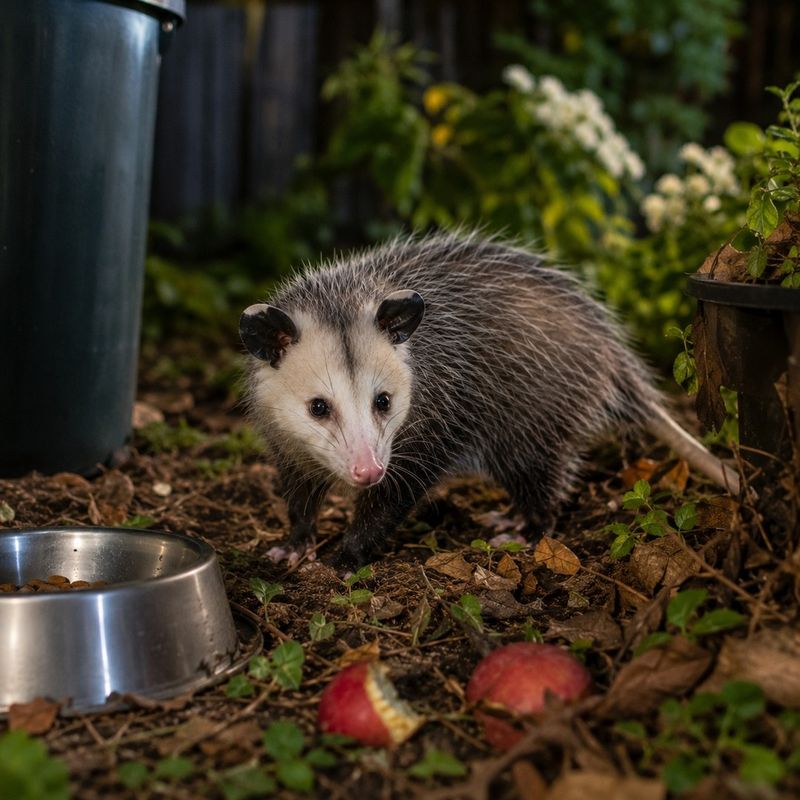
Opossums are not picky eaters. Not even slightly.
They are true omnivores, which means they will eat almost anything they can find. Fruit, insects, snails, frogs, bird eggs, carrion, and kitchen scraps are all fair game for a hungry opossum moving through your yard.
This flexible diet is exactly what draws them close to homes. Garbage cans, compost bins, fallen birdseed, and pet food left outdoors are like a buffet sign flashing in the dark.
Opossums are also serious tick eaters. Studies suggest opossums consume a significant number of ticks each season, making them a quiet ally in the fight against Lyme disease.
They use their nimble front paws to sort through debris and locate food. Their sense of smell is so sharp that they can detect food hidden under several inches of leaf litter.
Fruit trees are a particular magnet. Fallen apples, pears, or persimmons left on the ground will attract opossums night after night until the supply runs out.
Gardens with exposed vegetables also get visited regularly. Opossums are not aggressive foragers, but they will quietly sample what is available before moving on.
Removing outdoor food sources is the single most effective way to reduce nightly visits. Secure trash lids, bring in pet bowls at dusk, and clean up fallen fruit before sunset to make your yard less inviting.
Signs Left Behind Overnight
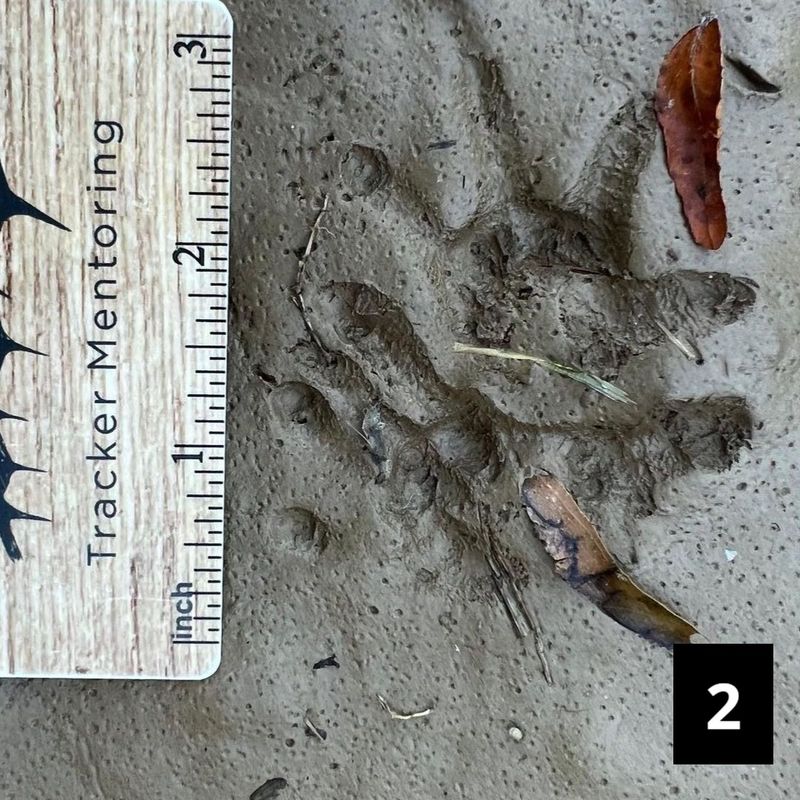
You may never see the opossum. But it will leave proof it was there.
Tracks are the most common sign. Opossum prints are distinctive because their hind feet have an opposable inner toe that points outward at a sharp angle, almost like a tiny handprint in the mud.
Front tracks show five fingers arranged in a loose star shape. Back tracks look almost like a small human hand with a thumb that points sideways.
Look for prints near water sources, garden edges, compost bins, and under fruit trees. Soft soil and mud after rain make the best surfaces for spotting them.
Droppings are another clue. Opossum scat is roughly the size of a house cat’s, tapered at both ends, and often contains insect parts, seeds, or berry remnants from recent meals.
Disturbed mulch or overturned garden pots may also signal a nighttime visit. Opossums dig lightly when searching for grubs or fallen fruit buried under leaves.
Tipped bird feeders are a common complaint. Opossums will climb feeder poles or knock feeders down to reach spilled seed on the ground below.
If you find fur caught on a fence gap or a shallow burrow under a deck, an opossum may have claimed a temporary den nearby. These animals rarely stay in one spot long, so the signs usually shift location within a week or two.
Coexisting Without Conflict
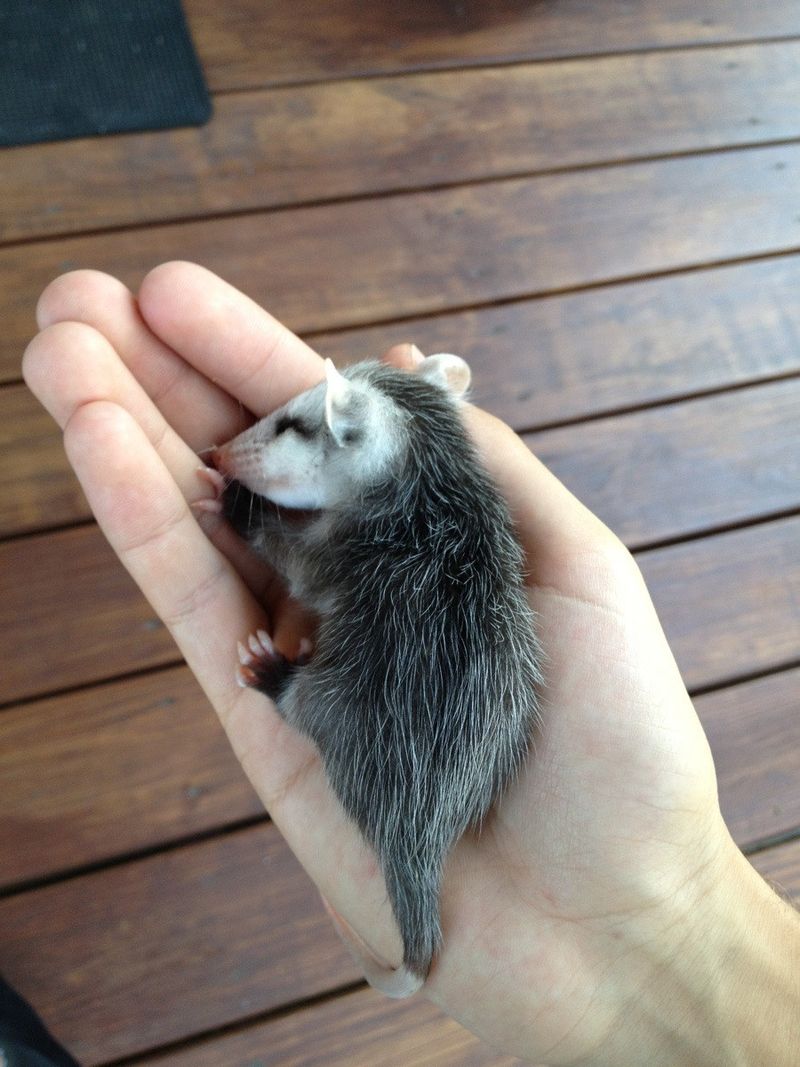
Opossums are not your enemy. They are just hungry neighbors with bad timing.
Coexisting with them requires very little effort on your part. A few simple adjustments around the yard can reduce friction without harming the animal or disrupting its natural behavior.
Start with food. Securing garbage cans with bungee cords or locking lids removes the biggest draw. Bringing pet bowls inside before dark eliminates another easy meal source.
Motion-activated lights can startle opossums and discourage repeat visits to specific areas. They do not cause harm, but they do interrupt the animal’s comfort zone during foraging runs.
If an opossum wanders into your garage or shed, do not panic. Simply open a door or window and give it time. The animal will almost always find its own way out within a few hours.
Opossums are not aggressive toward people or pets under normal circumstances. A dog or cat may startle one, but the opossum’s first response is to retreat or go limp, not to attack.
Children should still be taught not to approach or corner wildlife. Any animal that feels trapped may bite as a last resort, and opossums have plenty of teeth to make that point.
Respecting their space and removing attractants is all most households need. Living alongside these animals is genuinely easy once you understand what they want and how they behave.
When Professional Help Becomes Necessary
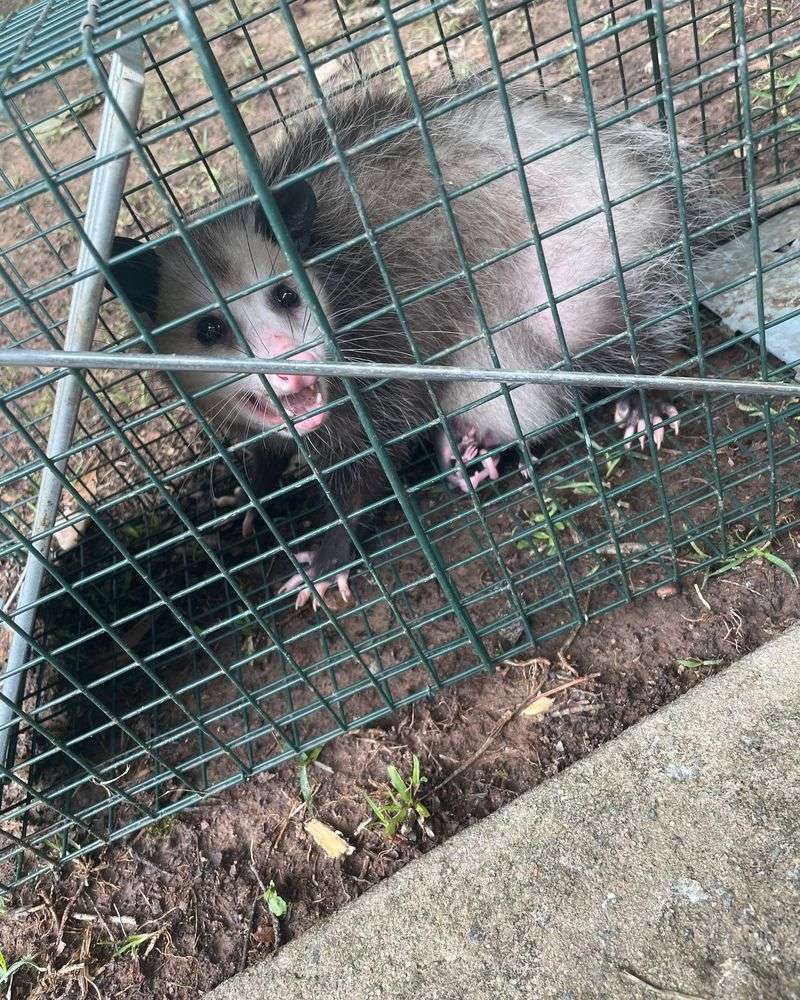
Sometimes an opossum crosses from curious visitor to genuine problem. Knowing when to call for help matters.
If an opossum has taken up long-term residence under your deck, porch, or in a crawl space, that is a situation worth addressing. Nesting animals can cause structural damage and create sanitation concerns over time.
A mother with babies is a special case. Joeys cling to their mother for months, and separating them prematurely puts their survival at serious risk. A wildlife professional can handle removal safely without breaking up the family.
Opossums are considered less likely to carry rabies than most mammals, though the exact reason is still debated. However, they can carry leptospirosis and other parasites, so direct contact should be avoided.
Signs that an opossum may be sick include daytime activity, circling behavior, or moving in a disoriented way. Healthy opossums stay active after dark and move with purpose.
Missouri residents can contact the state’s Department of Conservation or a licensed wildlife removal company for guidance. Many counties have nuisance wildlife programs that offer free or low-cost advice.
Humane live traps are an option, but relocating opossums without a permit may violate local regulations. Always check your county’s rules before attempting any removal on your own.
This nightly wanderer is rarely a true threat to begin with. But when one overstays its welcome, getting the right help quickly makes the whole situation easier for everyone involved.