The Brown Patch Damage Ohio Lawns Show In Late August Summer Heat
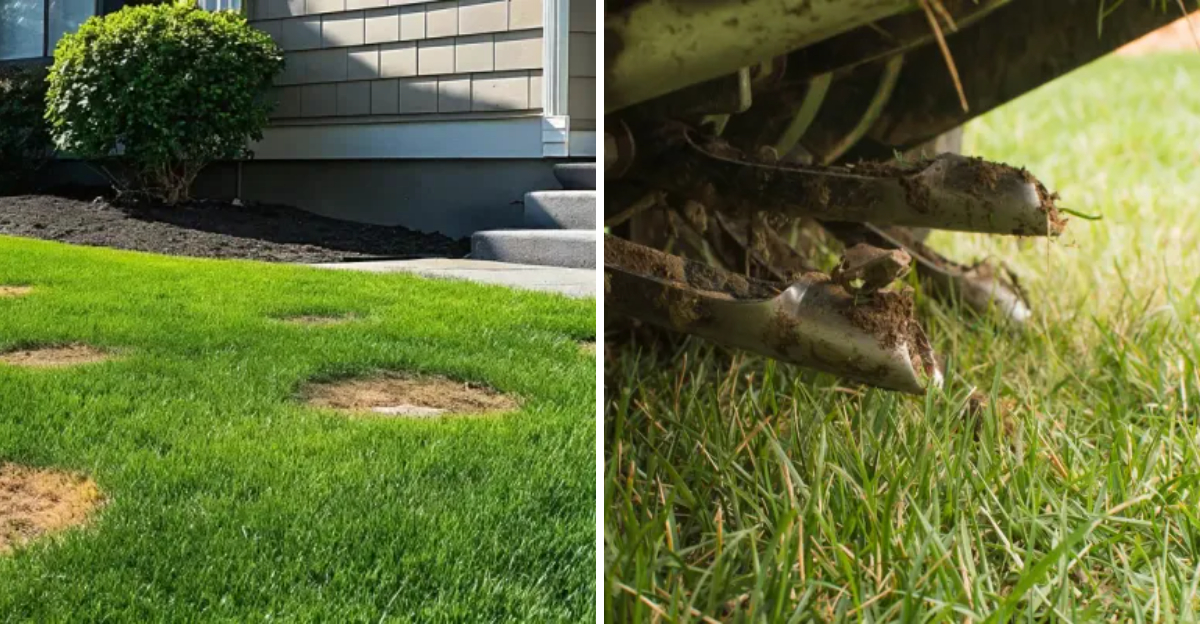
Your Ohio lawn has circular brown patches spreading right now, and something in your regular routine might be feeding them without you realizing it.
Warm nights, heavy humidity, and grass still wet from morning dew set up perfect conditions for a fast-moving fungus.
It turns healthy green grass tan or brown in rings that seem to appear overnight, and by the time you notice, it’s already spread further than it looks.
Here’s the part most people miss: a habit that worked fine all summer long can turn into exactly what this fungus needs once conditions shift in late August.
Nobody notices until the patches keep multiplying instead of stopping. A few small adjustments, not chemicals, decide whether those patches spread further or stop where they are.
1. Watch For Expanding Tan Circles
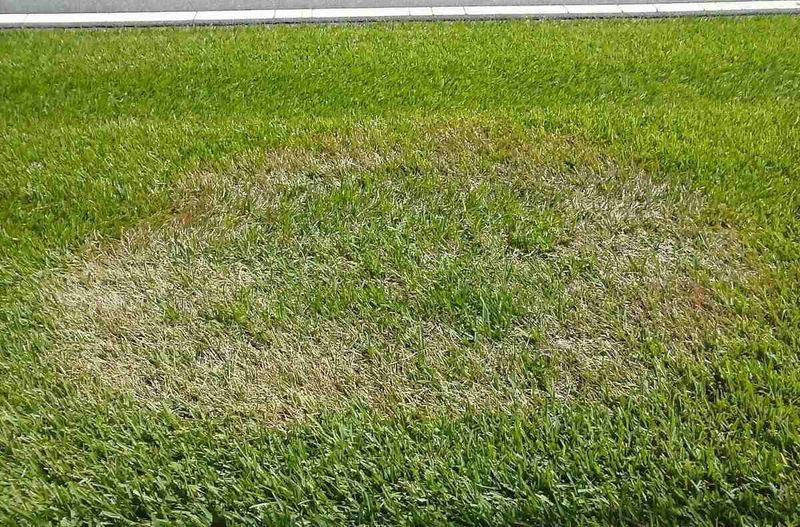
Standing at the edge of your yard on a hot August afternoon, you might notice areas of grass that seem to have lost their color almost overnight.
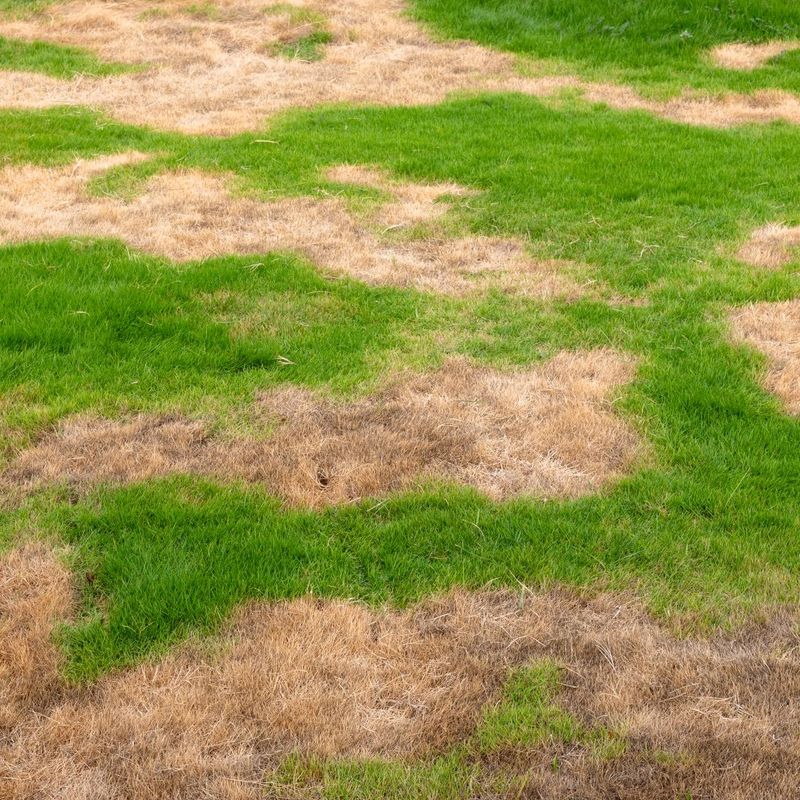
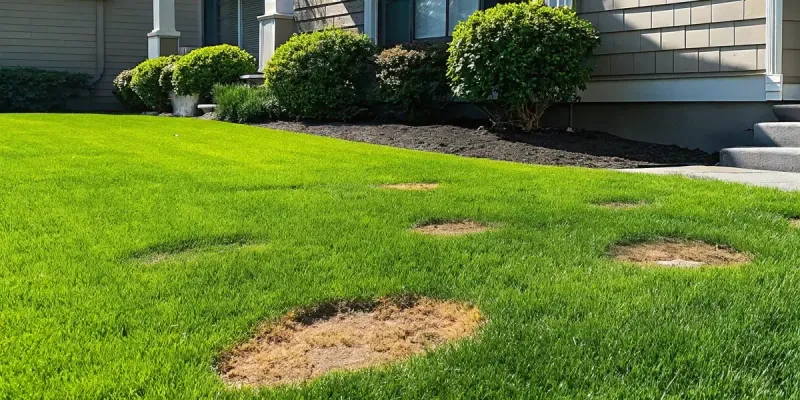
Affected turf can show patches that range from roughly 6 inches to about 2 feet across, appearing in shades of tan, light brown, or straw.
The outer ring of an active patch may sometimes look slightly darker or more water-soaked compared to the center.
Patches can expand outward as long as conditions stay favorable. Neighboring patches may eventually merge into larger irregular areas, which can make the problem look more severe than any single circle suggests.
Seeing several patches close together is worth noting, but size and shape alone cannot confirm the disease.
The overall pattern across your lawn is only one piece of the puzzle. A circular brown area could also result from drought stress, insect feeding, dog spots, or other turf problems.
Resist the urge to assume the worst based on appearance from a distance. Walk out into the affected area and crouch down to look at individual grass blades.
Lawn-wide color tells you something unusual is happening, but blade-level symptoms are what start to separate one problem from another. Move from the wide view to the close-up before forming any conclusion about what you are dealing with.
2. Check Fescue And Ryegrass First
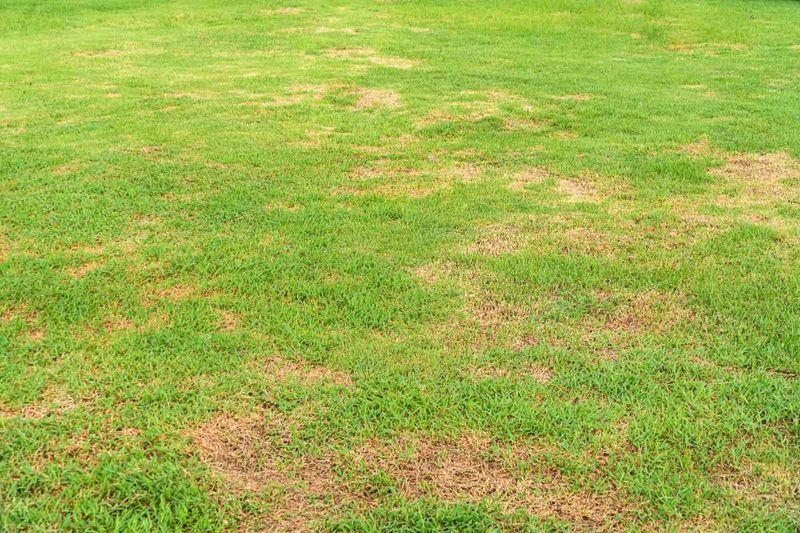
Not all lawn grasses face equal risk when late-summer disease pressure rises. Ohio State University turfgrass disease resources identify tall fescue and perennial ryegrass as especially susceptible to brown patch.
This disease is also known as Rhizoctonia blight. If your lawn contains either of these species, that context matters when you are trying to understand what you are seeing in August.
Many yards are not planted with a single pure grass species. Seed mixes and overseeding over the years often result in lawns containing a blend of species.
A lawn with a significant tall fescue or perennial ryegrass component deserves a closer look when tan patches appear during hot, humid weather. Knowing what grass you have is genuinely useful information.
Individual cultivars within a species can vary in how resistant they are to the disease. Newer disease-resistant varieties of tall fescue exist, and choosing them during future renovation projects can reduce long-term susceptibility.
Your Ohio Garden Changes Every Week. Your Plan Should Too.
Gardening in Ohio changes quickly throughout the season. Every Friday you’ll receive a simple weekly plan showing exactly what to plant, prune, fertilize, harvest, and protect so you never miss the right timing.
Other grass types can also be affected by Rhizoctonia solani under the right conditions, so fescue and ryegrass are not the only possibilities. Focusing attention on those species first simply reflects where the risk tends to be highest in lawns.
Grass species identification becomes easier once you know a few basic characteristics. Your local Ohio State Extension office can also help if you are unsure what is growing in your yard.
3. Look Closely At Damaged Blades
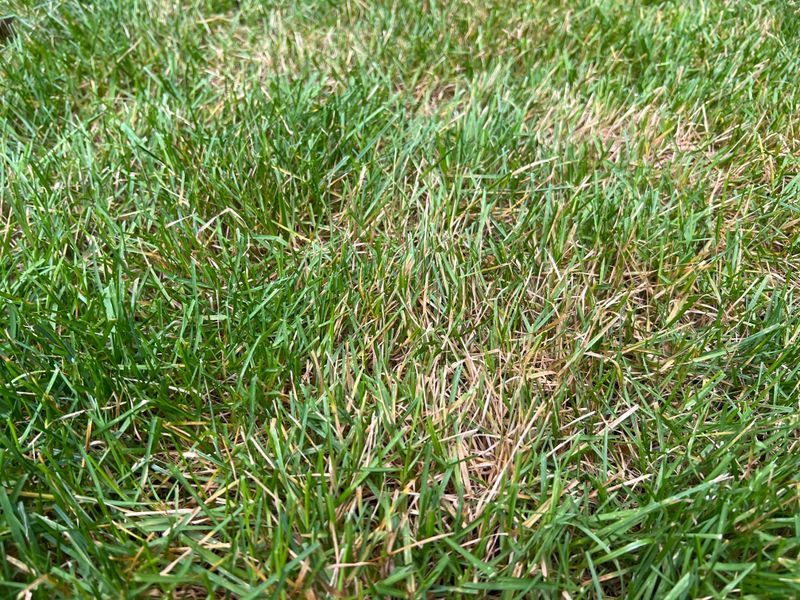
Pulling a few blades from a suspect patch and examining them up close can tell you far more than standing back and looking at lawn color. Ohio State plant pathology guidance describes irregularly shaped lesions on individual grass blades affected by brown patch.
These lesions often show a tan or bleached center bordered by a darker, more defined margin.
Under humid conditions, grayish or whitish fungal growth may appear on or around affected blades. It is most likely to be visible early in the morning while dew is still present.
Do not expect this growth to be visible every time you look. As the turf dries through the day, that surface evidence can disappear.
Catching it requires checking early, before the sun and heat have a chance to dry things out.
Blade-level symptoms are genuinely useful diagnostic clues, but they still cannot provide a laboratory-level diagnosis on their own.
Heat stress and drought can also produce browning and tip scorch on individual blades, though the lesion pattern tends to look different.
If you are unsure what you are seeing, especially when the problem is spreading or affecting a large area, seek help. Your local State Extension office or a qualified turf diagnostic service can assist.
Guessing at a diagnosis and treating based on that guess can waste time and money.
4. Blame Warmth Plus Lingering Moisture

Heat alone does not produce brown patch. The disease becomes active when warmth and moisture combine in ways that keep turf wet for extended periods.
Ohio State turfgrass disease guidance points to hot, wet conditions as particularly favorable for Rhizoctonia blight.
Daytime temperatures pushing into the 80s and 90s paired with warm nights and abundant moisture create an environment where the pathogen can become very active.
Warm overnight temperatures are especially significant. When nights stay warm and turf remains wet from rain, dew, or irrigation, grass blades stay moist for many hours.
Extended leaf wetness during those warm nighttime hours is one of the conditions that favors disease development. Ohio summers, particularly in late July and August, can deliver stretches of exactly that kind of weather.
Local conditions within your own yard also matter. Low areas, poorly drained spots, and shaded turf often stay damp longer than the rest of the lawn.
That extended moisture creates more favorable conditions for disease. A site that dries quickly after rain is less hospitable to the pathogen than one that stays wet for a day or more.
Rainfall totals, irrigation habits, and how your specific yard drains all factor into how severe symptoms become and how quickly patches expand. Not every lawn will develop brown patch during a hot August, even when regional weather is similar.
5. Keep Leaves Dry Overnight
Irrigation habits can directly affect how much time turf spends wet during the hours when disease conditions are most favorable. Running sprinklers in the evening or at night leaves grass blades wet through the warmest part of the overnight period.
Ohio State lawn guidance consistently supports watering established lawns in the morning when irrigation is needed, allowing turf to dry as the day progresses.
Morning watering does not eliminate disease risk entirely, but it shortens the window of leaf wetness compared to late-day or nighttime irrigation.
Grass that can dry out during daylight hours faces less cumulative exposure than grass kept wet from evening through the following morning.
Adjusting your irrigation timer to run in the early morning hours is a straightforward change worth making during summer.
Sprinkling a lawn lightly and repeatedly just because August feels hot is a habit that can work against you. Frequent shallow watering keeps the soil surface and lower thatch layer consistently moist without delivering the deeper irrigation that turf roots actually need.
When your lawn genuinely needs water, water it deeply and then allow the soil surface to dry before watering again. Poor drainage compounds the problem, so areas that stay wet after rain deserve attention.
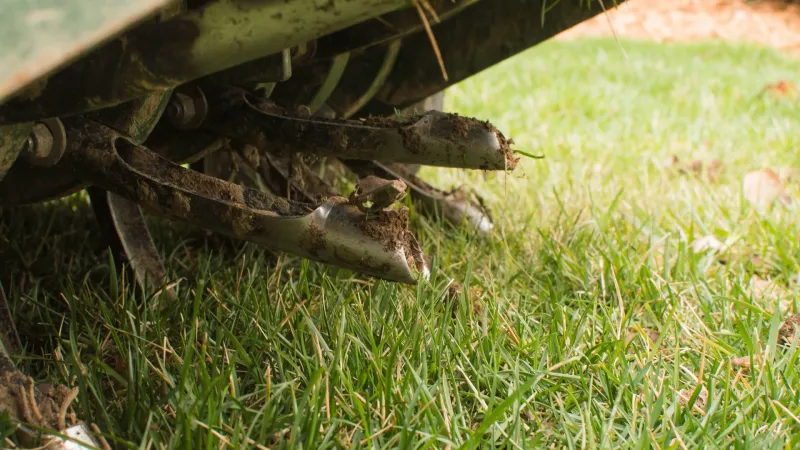
Improving drainage in chronically wet spots may require adjusting grading or addressing compaction, but those fixes reduce disease pressure over the long run.
6. Ease Up On Summer Nitrogen
Fertilizer timing affects more than just how green your lawn looks. Applying heavy nitrogen during the hottest and most humid stretch of summer can push grass into a flush of soft, lush growth at exactly the wrong time.
Ohio State guidance recommends avoiding excessive nitrogen fertilization during summer. This is part of a broader cultural approach to reducing brown patch pressure.
Succulent, rapidly growing turf tends to be more vulnerable to disease than grass growing at a moderate pace. Applying nitrogen when conditions already favor Rhizoctonia blight can make turf more susceptible to infection.
It may also slow recovery. That does not mean all summer fertilization is harmful, but the timing and amount genuinely matter.
Fall is the most important fertilization period for cool-season grasses in Ohio, and that guidance comes directly from State Extension lawn-care calendars.
A well-timed fall fertility program supports root development and helps turf enter the following year in good condition.
Shifting fertilizer emphasis toward fall rather than mid-summer is consistent with both general turf health and disease management.
If your lawn received heavy nitrogen in June or July and is now showing late-summer symptoms, that history is worth factoring into your overall assessment.
More visible green growth during a disease-prone period is not automatically a sign of a healthier lawn.
7. Give Crowded Turf More Airflow
Turf that sits in consistently shaded, enclosed, or poorly ventilated areas faces a different challenge than grass growing in open sunlight. Shade slows drying, and areas surrounded by dense vegetation, fences, or structures can trap humid air close to the turf surface.
Ohio State brown patch management guidance includes improving air circulation as a practical cultural measure.
Overgrown shrubs, dense foundation plantings, or neglected hedges along lawn borders can significantly reduce the airflow reaching nearby turf.
Trimming back vegetation that crowds the lawn edge allows more air movement across the grass surface, which helps it dry more efficiently after rain or dew.
This is not about removing healthy trees or mature plantings without good reason. Selective pruning of overgrown shrubs or low-hanging branches over turf areas is a reasonable starting point.
Shade also reduces the amount of sunlight reaching turf, which slows photosynthesis and can weaken grass over time. Weakened turf in persistently damp conditions is simply more exposed to disease pressure than healthy grass growing in a more open environment.
Improving airflow will not guarantee that brown patch stays away, but it removes one of the site conditions that allows leaf wetness to persist longer than necessary.
Assessing your yard for spots that seem perpetually damp, shaded, or slow to dry is a practical exercise before next summer arrives.
8. Help Stressed Grass Recover
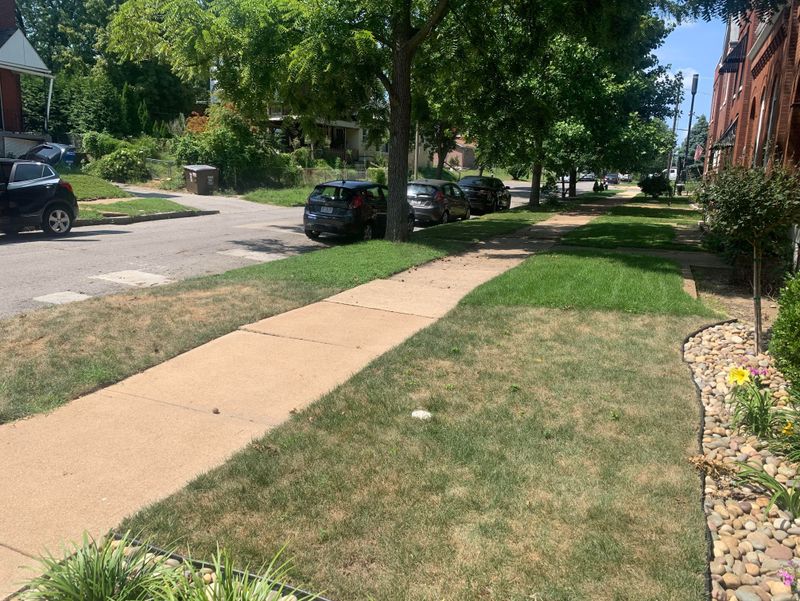
Visible brown turf in late August does not always mean the lawn is permanently damaged. Cool-season grasses like tall fescue may become semi-dormant or show stress during intense summer heat.
They often resume active growth once temperatures moderate in September. Confirming what actually caused the problem before taking action is more useful than immediately applying a treatment based on appearance alone.
Sound cultural practices remain the first line of defense in State turf-disease guidance. Mow at the proper height for your grass species and avoid scalping stressed turf.
Reasonable irrigation practices also support recovery without adding more stress. Mowing with sharp blades and removing clippings from heavily affected areas can reduce the spread of fungal material during active disease periods.
Thin or bare areas that result from summer stress are worth addressing during the late-summer and early-fall renovation window. Ohio State Extension identifies this period as an important time for overseeding and lawn repair.
Cooler temperatures and fall rainfall help new grass establish. If fungicide use is being considered for severe recurring cases, diagnosis, application timing, product labeling, and site conditions all matter significantly.
Ohio State guidance treats cultural management as the primary approach. Fungicides are reserved for confirmed cases where cultural measures alone are not enough.
Contact your local State Extension office for guidance specific to your lawn and situation.