Sow These Flower Seeds Now For A Colorful Pennsylvania Spring
Most Pennsylvania gardeners don’t start thinking about spring color until late winter, and by then the best window for getting the most out of spring blooming flowers has already narrowed.
The gardeners who end up with the most spectacular spring displays tend to work backward from that bloom window, and one of the best opportunities they take advantage of is happening right now.
Certain flower seeds sown in late summer and early fall go through a natural cold stratification period over winter that actually improves germination and produces stronger, more vigorous plants in spring.
Instead of waiting in a packet on a shelf, these seeds settle into Pennsylvania soil, experience the cold they need, and emerge in spring with a head start that seeds sown in March simply cannot match.
Pennsylvania springs are beautiful but move quickly. Getting the most out of them requires planting earlier than most people think.
1. Poppies
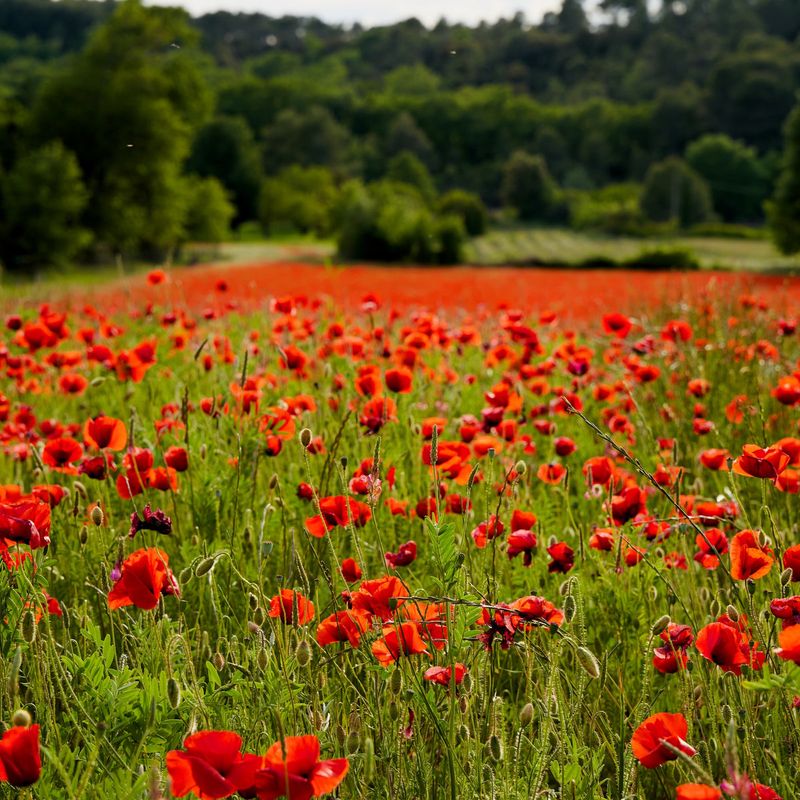
Poppies have a wild, romantic beauty that is hard to match. Their paper-thin petals in shades of red, orange, pink, and white look almost too pretty to be real.
Growing them in Pennsylvania is easier than most people think, as long as you know the right way to plant them.
Unlike most flowers on this list, poppies do not like to be transplanted. You should sow poppy seeds directly in the ground where you want them to grow.
Choose a sunny spot with loose, well-drained soil and scatter the tiny seeds right on the surface. Do not bury them deep. Just press them gently into the soil or rake lightly over them.
Here is where Pennsylvania winters actually work in your favor. Poppy seeds need a period of cold to break their dormancy, a process called cold stratification.
When you sow them in late summer or early fall, the seeds sit in the ground through winter and the cold naturally prepares them to sprout. As temperatures warm up in spring, those seeds get the signal they have been waiting for and start to germinate.
You can expect blooms in late spring, usually around May or June. Poppies tend to bloom for a few weeks and then fade, but they self-seed generously.
That means once you plant them, they often come back year after year on their own. Just leave some seed pods on the plant at the end of the season and let nature do the rest. It is one of the most satisfying gardening experiences you can have.
2. Pansies
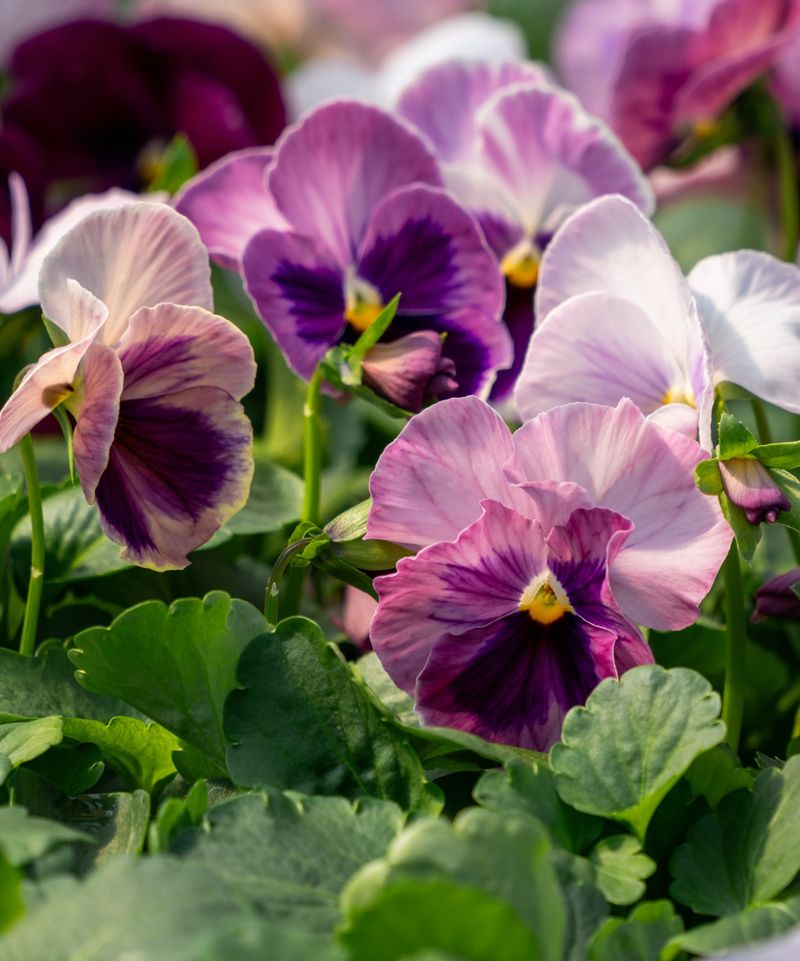
Few flowers are as cheerful and reliable as pansies. Their bright, face-like blooms have been making gardeners smile for centuries, and they are one of the best choices for early spring color in Pennsylvania.
The trick is to start them at the right time, which means getting seeds going indoors in August.
Starting pansy seeds indoors in August gives them enough time to grow into sturdy little plants before fall arrives. Once they are a few inches tall, you can transplant them outside in September or October.
Your Pennsylvania Garden Changes Every Week. Your Plan Should Too.
Gardening in Pennsylvania changes quickly throughout the season. Every Friday you’ll receive a simple weekly plan showing exactly what to plant, prune, fertilize, harvest, and protect so you never miss the right timing.
Pansies are tougher than they look, and established plants can handle light frosts without much trouble.
What makes pansies so special is that they can actually survive a Pennsylvania winter when they are well-rooted before the cold sets in. Come early spring, sometimes even before the snow fully melts, those plants wake right back up and start blooming.
You can find pansy seeds in a huge range of colors, from deep purple and burgundy to soft yellow and white. Plant them in a sunny spot with well-drained soil, and water them regularly after transplanting.
Adding a thin layer of mulch over the roots in late fall helps protect them from hard freezes. Come March and April, your pansies will reward all that early effort with some of the first pops of color your garden sees all year.
They also work beautifully in containers and window boxes, so you do not need a large garden space to enjoy them.
3. Bachelor’s Buttons
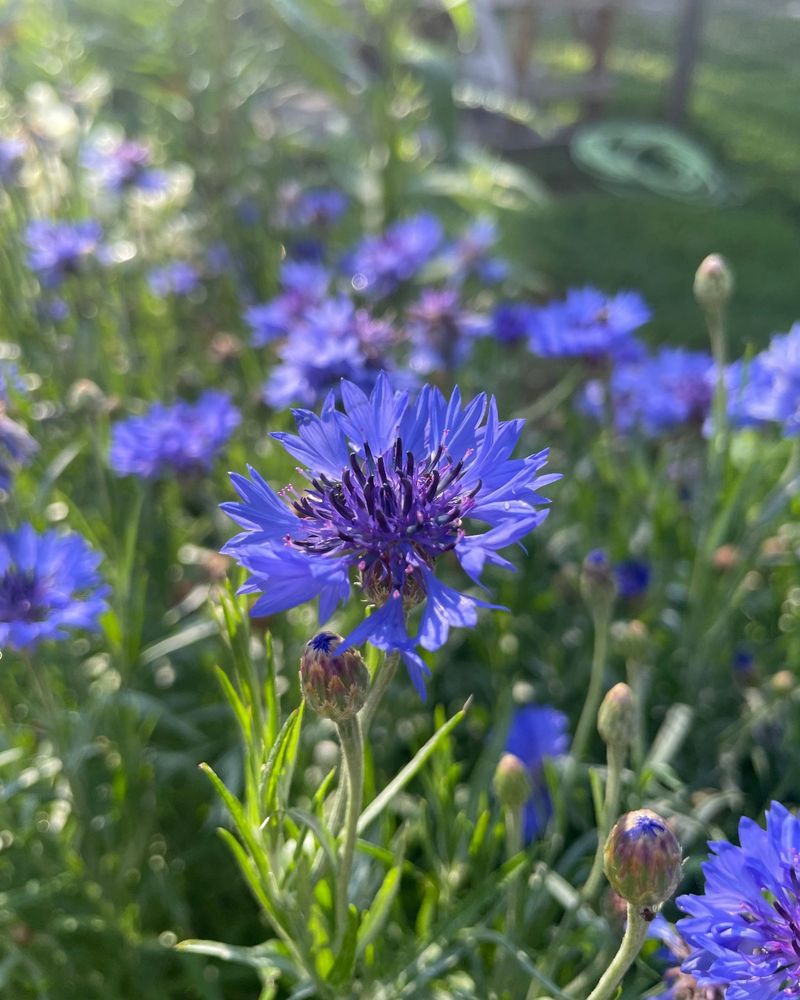
There is something timeless about bachelor’s buttons. Also called cornflowers, these cheerful blue blooms have been a staple of cottage gardens for generations.
They are incredibly easy to grow, which makes them a perfect pick for beginners and experienced gardeners alike.
Sowing bachelor’s button seeds in late August gives them a head start that really pays off in spring. The seeds can be scattered directly in the garden bed in a sunny spot.
They are cold-hardy enough to handle the cooler temperatures of early fall and can even overwinter as small seedlings in many parts of Pennsylvania.
This early start means your plants will be bigger and more established when spring arrives, leading to earlier and more abundant blooms.
The classic variety produces stunning sky-blue flowers, but you can also find bachelor’s buttons in pink, white, purple, and burgundy. They grow to about two feet tall and have a loose, airy look that fits right into a relaxed cottage garden style.
They also make excellent cut flowers, lasting several days in a vase. Bees and butterflies absolutely love them, so you will be adding pollinator habitat to your yard at the same time.
Bachelor’s buttons prefer full sun and do not need rich soil. In fact, they tend to do better in average or even poor soil than in heavily fertilized ground.
Once they start blooming, deadhead spent flowers regularly to keep new buds coming. With just a little attention, these blue beauties will fill your spring garden with color from late April through June and sometimes beyond.
4. Sweet William
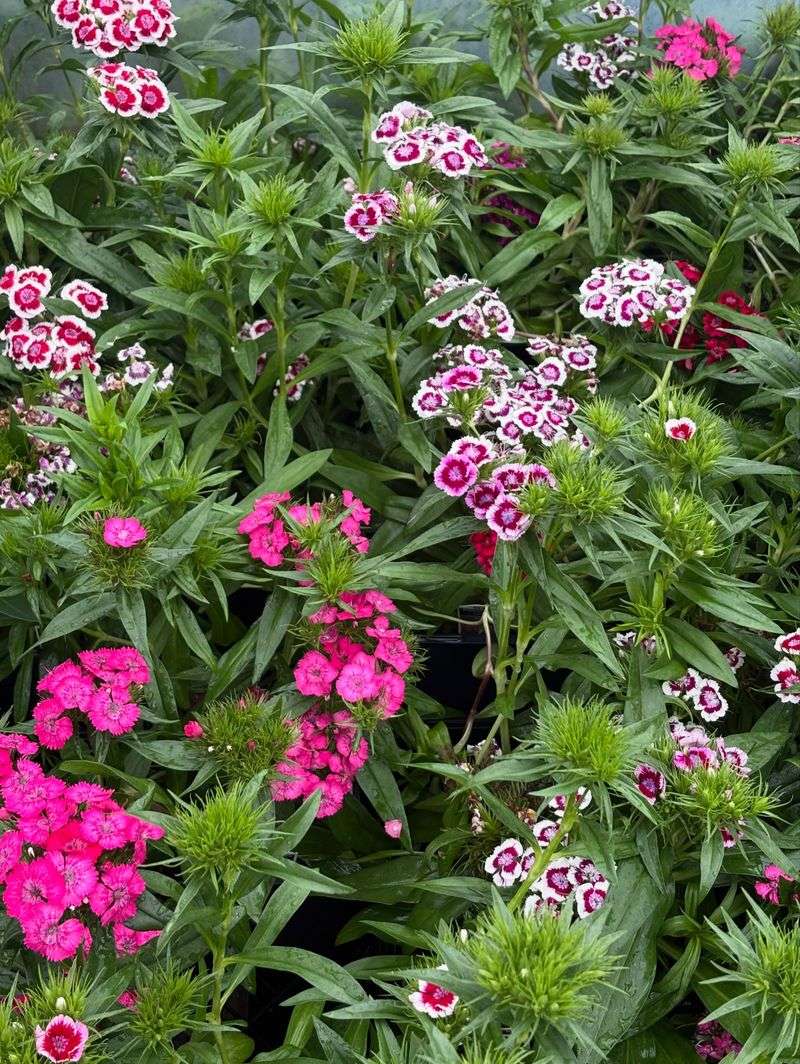
Sweet William has a charm that feels almost old-fashioned in the best possible way. Its rounded clusters of small, ruffled flowers come in rich shades of red, pink, white, and bicolor patterns.
The sweet, spicy fragrance is a bonus that makes this flower even more lovable. Sowing Sweet William seeds now, in late summer, gives young plants enough time to put down roots before winter.
These plants are biennials, meaning they grow leaves and stems the first year and then flower the following year.
If you sow in August or early September, your plants will have a solid growing season ahead of them before cold weather slows things down.
Once established, Sweet William plants are surprisingly tough. They handle Pennsylvania winters well and come back strong in spring.
You can expect colorful blooms from late spring onward, usually starting in May. The flowers last for several weeks and are wonderful for cutting.
Arrange them in a small vase and they will brighten up any room with their cheerful colors and light fragrance. Plant Sweet William in a spot that gets full sun to light shade, and make sure the soil drains well.
These plants do not like sitting in wet soil for long periods. Space them about nine to twelve inches apart so they have room to fill out.
Many gardeners treat Sweet William as a short-lived perennial, and in milder parts of Pennsylvania it sometimes comes back for a second year of blooms.
To keep a steady supply going, sow a fresh batch of seeds each summer. That way you will always have plants ready to bloom every spring.
5. Eastern Red Columbine
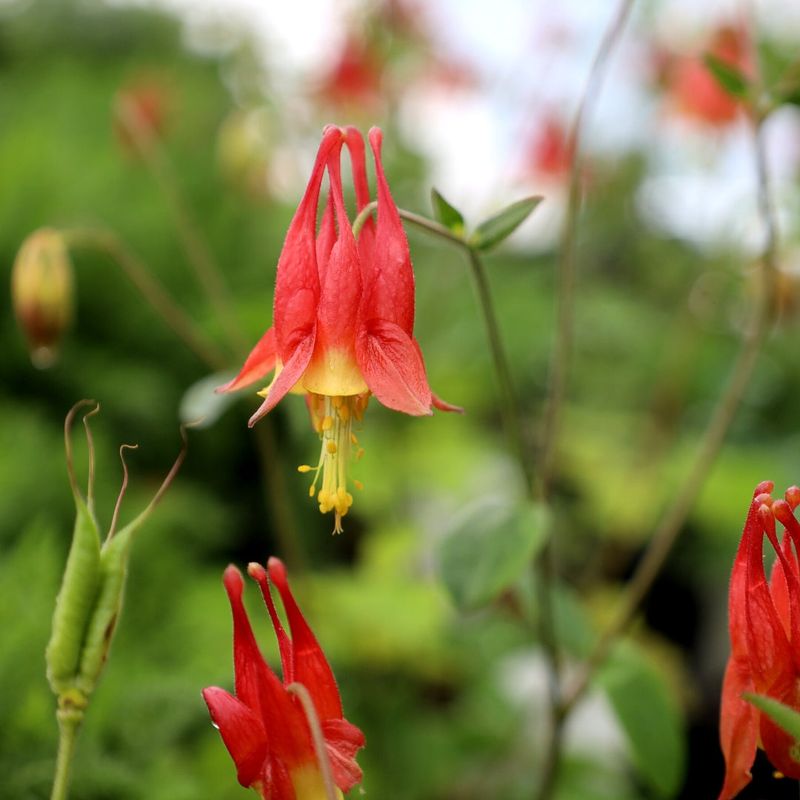
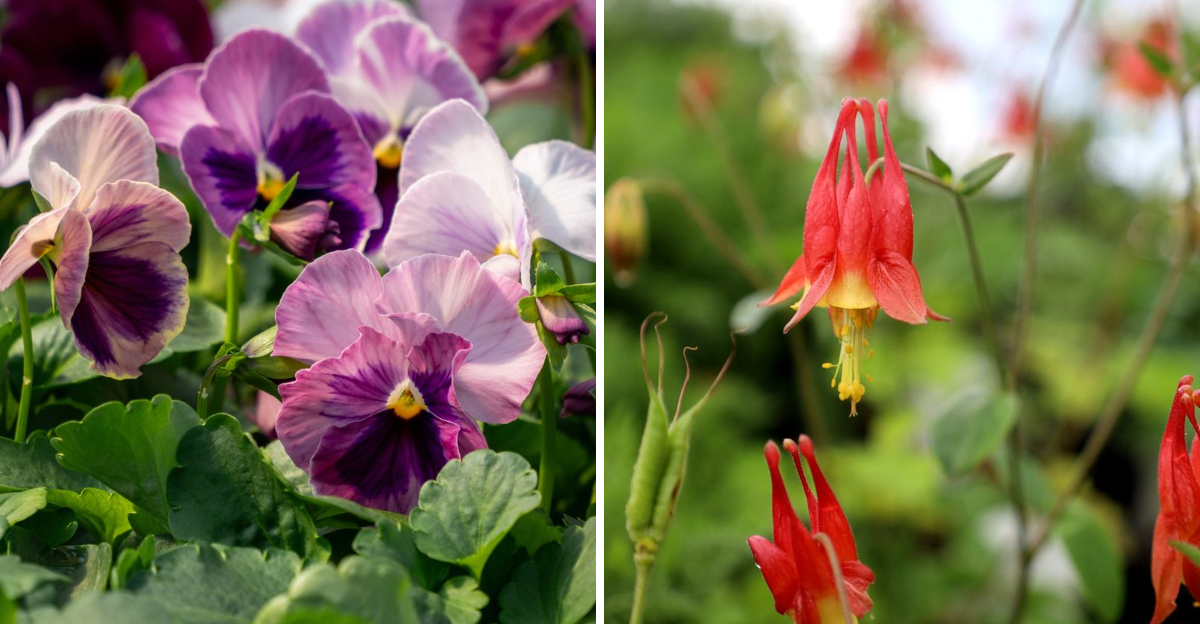
Eastern Red Columbine is one of Pennsylvania’s native wildflowers, and that makes it extra special. It grows naturally in rocky woods and along stream banks across the state.
The flowers are truly unique, with dangling red-and-yellow blooms that look like tiny lanterns hanging from slender stems.
One of the coolest things about growing Eastern Red Columbine from seed is that the seeds actually need winter cold to sprout well. This process, called cold stratification, breaks down the seed’s natural dormancy.
Sowing seeds outdoors in late summer or fall lets winter do that work for you. The seeds will sit quietly through the cold months and then germinate when spring warmth arrives.
Beyond being beautiful, Eastern Red Columbine is a magnet for hummingbirds. The tubular red flowers are perfectly shaped for a hummingbird’s long beak, and the birds show up reliably every spring to feed from them.
If you have ever wanted to attract hummingbirds to your yard, planting columbine is one of the most effective ways to do it. This plant also attracts long-tongued bumblebees and certain butterfly species.
Eastern Red Columbine grows best in partial shade, making it ideal for spots under trees or along the edge of a wooded area. It prefers well-drained soil that stays a bit on the dry side.
Once established, it is quite low-maintenance and will self-seed freely, slowly spreading into a larger clump over the years. It grows to about one to two feet tall and blooms from April through June, adding a wild, natural look to any Pennsylvania garden.
6. Foxglove
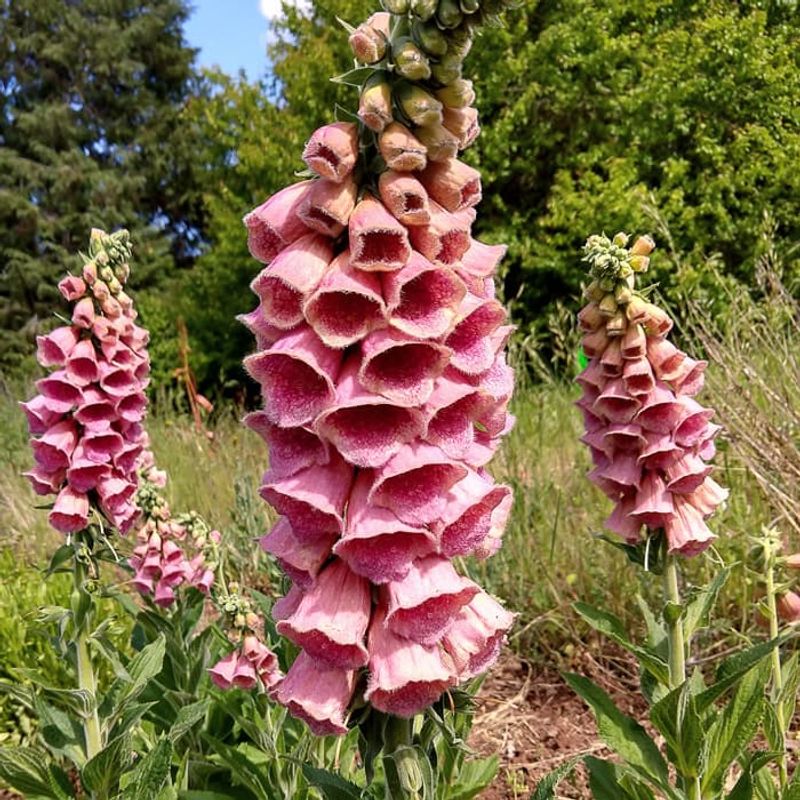
Foxglove is one of those flowers that makes a dramatic statement. Its tall spikes covered in tubular blooms in shades of purple, pink, white, and cream are hard to miss.
Growing up to four or five feet tall, foxglove brings a bold vertical element to any garden border or cottage planting.
Foxglove is a biennial, which means it takes two years to complete its life cycle. The first year, it grows a low rosette of large, fuzzy leaves.
The second year, it sends up those impressive flower spikes. Late summer is the perfect time to sow foxglove seeds because the plants have enough time to establish a healthy rosette before winter.
That rosette then overwinters and powers up for a big bloom display the following spring or early summer.
Sow foxglove seeds on the surface of moist soil since they need light to germinate. Do not cover them with soil.
Just press them gently into the surface and keep the area moist until sprouts appear. Foxgloves prefer partial shade and rich, moist soil, making them a great choice for spots that do not get full sun all day.
They bloom from late May through July in Pennsylvania, attracting bumblebees that crawl right inside the tubular flowers to reach the nectar. Once foxgloves finish blooming, let some of the seed pods ripen and drop naturally.
New seedlings will sprout the following season, giving you a self-sustaining colony that keeps going year after year with very little effort on your part. Few plants offer this kind of reward for such minimal work.
7. Canterbury Bells
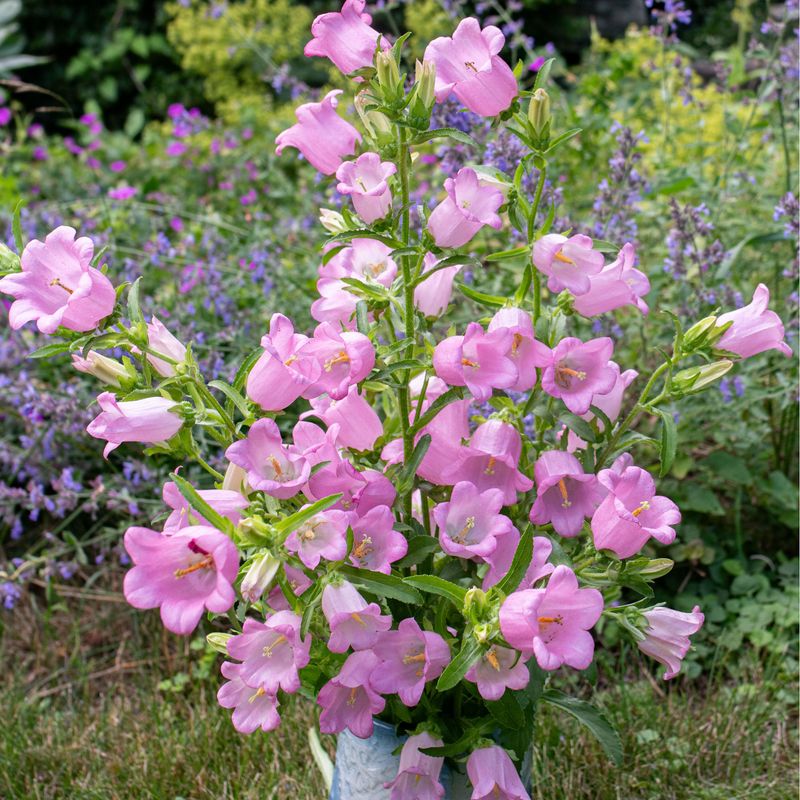
Canterbury Bells are one of those flowers that look like they belong in a fairy tale. Their large, bell-shaped blooms in shades of blue, purple, pink, and white have a kind of storybook elegance that few other flowers can match.
They are show-stoppers in any garden setting. Like foxglove, Canterbury Bells are biennials. Sowing seeds in late summer gives the plants time to grow into sturdy little rosettes before winter arrives.
These rosettes are surprisingly cold-hardy and will survive a Pennsylvania winter without much fuss. When spring comes, the plants take off quickly and produce their stunning bell-shaped blooms the following May or June.
Starting seeds is straightforward. Scatter them on the surface of a seed tray or directly in a garden bed with good drainage.
The seeds are tiny, so do not bury them. Just press them lightly into moist soil and keep them watered.
Once seedlings are a few inches tall, thin them or transplant them to their final spots, spacing plants about a foot apart. Canterbury Bells prefer full sun to light shade and do well in average garden soil.
They grow to about two feet tall, sometimes a bit more, and the blooms last for several weeks. They are excellent cut flowers and look gorgeous in arrangements.
Bees love visiting the open bell-shaped cups for nectar. Because they are biennials, plan to sow a fresh batch of seeds each summer to keep a steady supply of blooming plants every spring.
Once you see them in full flower, you will understand why gardeners have treasured Canterbury Bells for hundreds of years.