Oregon Native Groundcovers That Work Between Pavers Without Constant Trimming
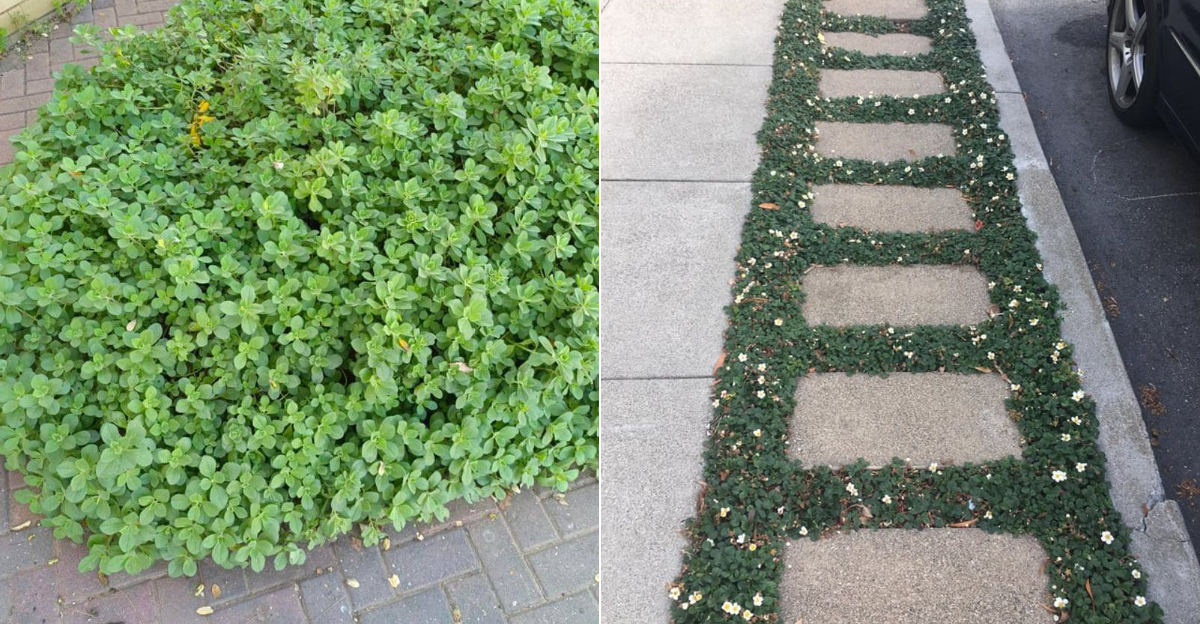
Pavers can make an Oregon garden look crisp and intentional, but the gaps between them have a habit of demanding attention. Leave those little spaces bare, and weeds may move in.
Fill them with the wrong plant, and suddenly you are trimming a miniature jungle every other weekend.
That is where low-growing native groundcovers become especially appealing. The right choice can soften hard edges, add texture underfoot, and help a path feel connected to the rest of the landscape without constantly spilling across every stone.
Oregon conditions add another layer to the decision. Rain, summer dryness, shade, foot traffic, and the width of the gaps can all affect how well a plant behaves once it settles in.
A cute nursery pot does not always reveal what that plant plans to do two years later. Sneaky.
A well-planted pathway should feel finished, not fussy. They can also make an ordinary walkway feel softer, greener, and more inviting.
With the right native groundcover, those narrow spaces can become part of the design instead of another place that keeps asking for your scissors.
1. Blue-Eyed Grass Stays Neat In Narrow Gaps
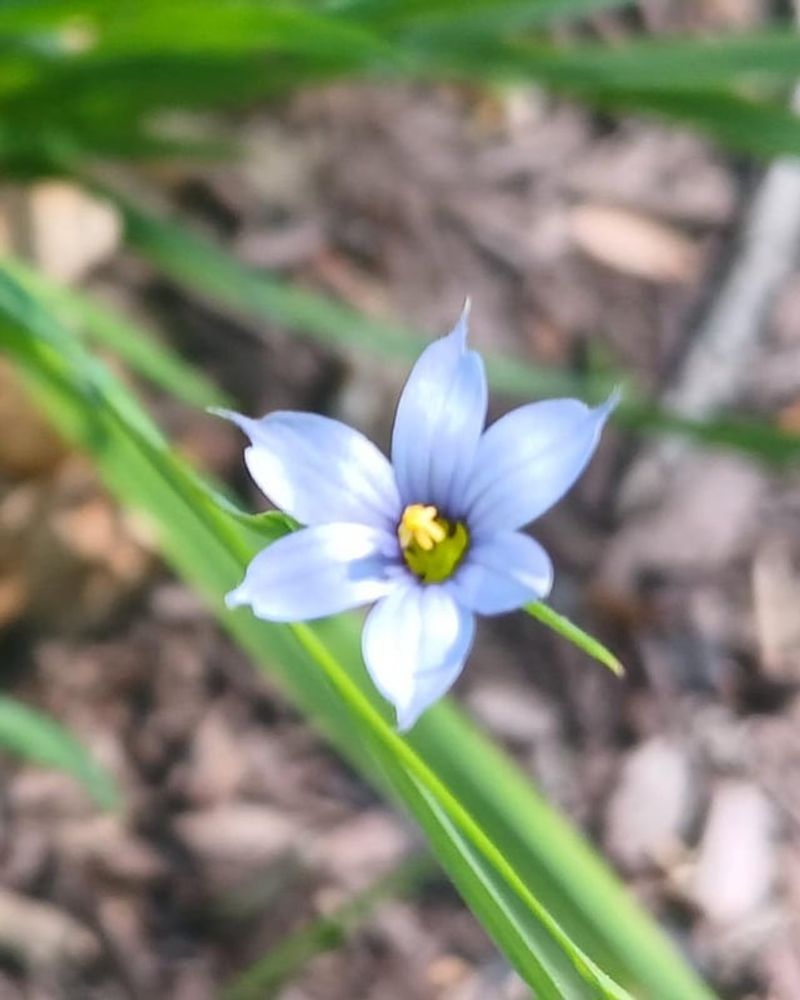
Tiny but tough, blue-eyed grass is one of those plants that earns more admiration the closer you look at it. Despite its name, it is not actually a grass at all.
It belongs to the iris family, and its small blue-violet flowers prove that in the most charming way possible.
Growing only about six to ten inches tall, it fits snugly into narrow paver gaps without pushing outward too aggressively.
The foliage is slender and upright, so it never flops over onto the stones in a messy way. You get a clean, structured look with almost no trimming required.
Blooms typically appear in spring and sometimes again in early summer. Each flower has a bright yellow center that pollinators absolutely love.
Bees and native flies are regular visitors, which makes this a great choice if you want to support local wildlife without sacrificing tidiness.
It prefers well-drained soil and does best with some sun, though it tolerates light afternoon shade without fussing.
Once established, it handles dry summers fairly well, especially if your paver area gets some reflected heat from the stones. Watering occasionally during the first season helps roots settle in faster.
Propagation is easy through division or seed. Clumps slowly expand over time but never become invasive. For a low-fuss, high-charm option in tight spaces, this little plant is hard to beat.
2. Self-Heal Handles Light Foot Traffic Well
Some plants seem almost impossible to discourage, and self-heal is a perfect example of that kind of resilience.
Known botanically as Prunella vulgaris, this low-growing herb has been used in traditional medicine for centuries across many cultures. It turns out that toughness runs deep in its roots.
What makes it especially useful between pavers is its ability to bounce back after being stepped on.
The stems hug the ground naturally, staying under two inches tall when mowed or foot-trafficked regularly.
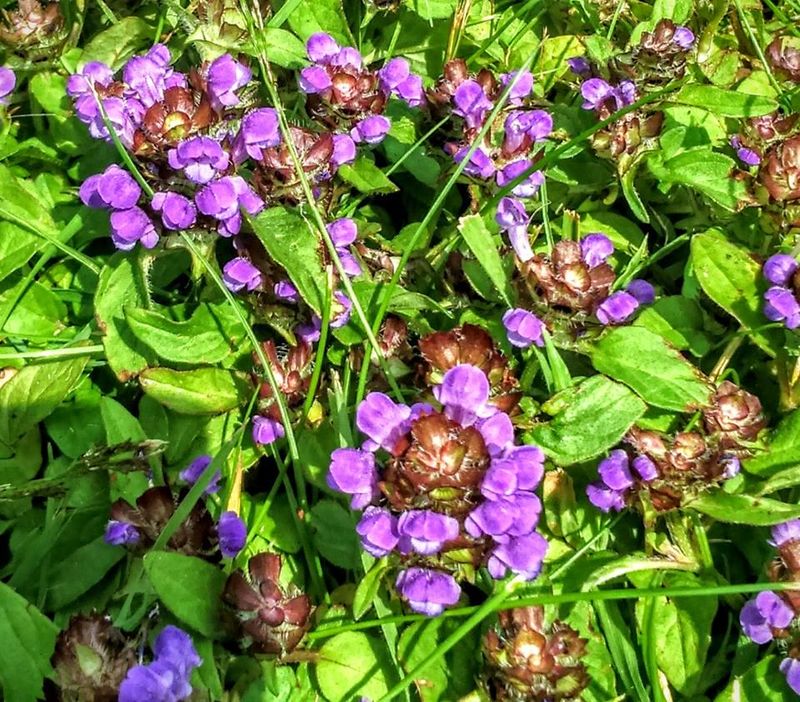
Without any pressure, it reaches about four to six inches and produces short spikes of purple flowers that bees go wild for.
Your Oregon Garden Changes Every Week. Your Plan Should Too.
Gardening in Oregon changes quickly throughout the season. Every Friday you’ll receive a simple weekly plan showing exactly what to plant, prune, fertilize, harvest, and protect so you never miss the right timing.
The leaves are oval, dark green, and slightly textured. They form a dense mat that crowds out weeds effectively, which means less work for you over time.
Once it fills in the gaps, you will rarely need to pull anything from around your pavers. Self-heal grows happily in both sun and partial shade, making it one of the most flexible options on this list.
It tolerates moist soil better than many groundcovers and can even handle occasional standing water after heavy rain. That said, it adapts well to average garden conditions too.
Planting from plugs gives you a head start. Space them about six inches apart and they will knit together within a single growing season.
For walkways that see regular use, few natives match its combination of durability and good looks.
3. Yerba Buena Forms A Soft Low-Growing Mat
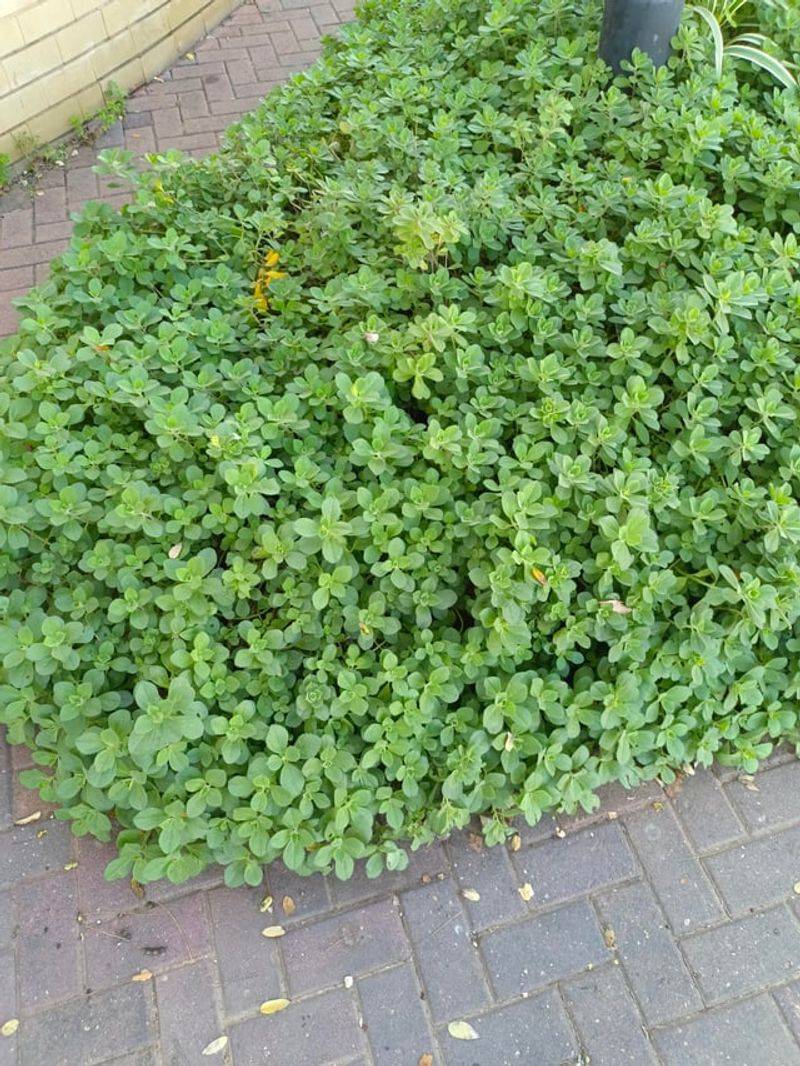
There is something genuinely delightful about a plant that smells like mint every time you brush past it. Yerba buena, or Clinopodium douglasii, is exactly that kind of sensory treat.
Native to western North America, it was one of the first plants Europeans noted when they arrived on the Pacific Coast, and it has been a garden favorite ever since.
The plant spreads by slender runners that weave between pavers without forcing them apart. The leaves are small, rounded, and bright green, forming a soft mat that sits close to the ground.
It rarely exceeds two to three inches in height, which means trimming is almost never necessary.
Shade is where this plant truly thrives. Under trees, along north-facing walls, or in the shadow of a fence, yerba buena fills in beautifully where other groundcovers might struggle.
It can handle some sun in cooler coastal climates but prefers to avoid harsh afternoon heat. Moisture helps it establish quickly, though it becomes reasonably drought-tolerant once rooted in.
Pairing it with occasional deep watering during dry spells keeps it looking lush without overcomplicating your routine.
Tiny white flowers appear in summer and attract small native bees. The fragrance intensifies when leaves are crushed underfoot, making it a sensory bonus for garden paths.
Plant plugs about eight inches apart in prepared soil and watch it spread into a fragrant, tidy carpet over one to two seasons.
4. Woodland Strawberry Spreads Without Constant Shearing
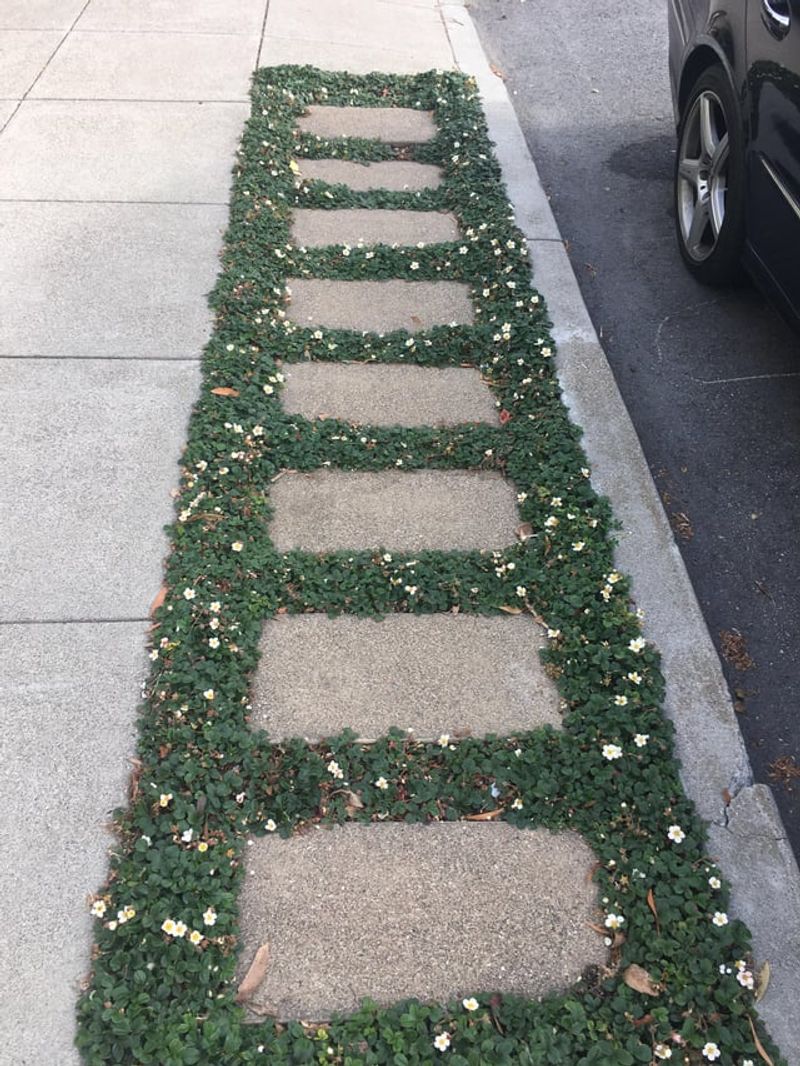
Few groundcovers offer as much visual reward as woodland strawberry. White flowers, bright fruits, and cheerful trifoliate leaves make it a pretty paver-gap pick that stays tidy without constant trimming.
Fragaria vesca spreads through runners called stolons, which travel horizontally and root at intervals. This growth habit lets it fill gaps naturally while leaving the pavers themselves uncovered.
Unlike some aggressive spreaders, it responds well to light editing if it ever gets too ambitious along the edges.
The fruits it produces are small but genuinely sweet. Birds love them, and so do children who happen to be walking by.
Pollinators visit the flowers regularly from early spring through early summer, adding extra life and movement to your garden path.
It grows well in partial shade, which is a big advantage for walkways that run along the north side of a house or under a canopy of trees. Full sun works too, as long as the soil does not dry out completely between waterings during the first summer.
Planting is straightforward. Set plugs or divisions about ten inches apart in loose, well-drained soil.
They establish quickly and start sending out runners within a few weeks. For a groundcover that earns its place through beauty and practicality, woodland strawberry is a standout choice in any Pacific Northwest garden setting.
5. Beach Strawberry Works In Sunnier Paver Gaps
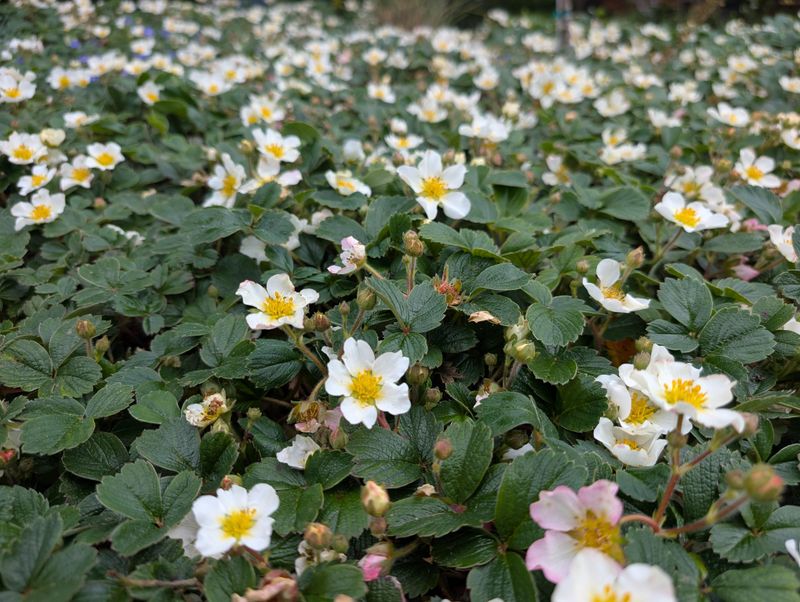
Hot, dry, and sunny paver gaps can be surprisingly hard to fill with native plants. Beach strawberry, Fragaria chiloensis, is one of the few that genuinely thrives under those conditions.
It was actually one of the parent species used to develop the modern garden strawberry, so it has a pretty impressive backstory for a groundcover.
The leaves are glossy and dark green, with a leathery texture that helps them handle reflected heat from stone surfaces. They sit on short petioles close to the ground, keeping the overall height between two and four inches.
That compact profile means you will not need to trim it back to keep your path looking neat.
White flowers appear in spring and attract a variety of native bees. The fruits that follow are smaller than grocery store varieties but flavorful.
Wildlife tends to find them before people do, which adds a nice ecological bonus to an already practical plant.
This species handles drought better than its woodland cousin, making it a smart pick for south-facing walkways or areas with sandy, fast-draining soil.
Once established after the first season, it can go long stretches without irrigation and still look healthy.
In Oregon’s coastal regions, it grows naturally on dunes and bluffs, so it is well-adapted to challenging conditions.
Plant it in full sun with good drainage, space plugs about eight inches apart, and let it run. It fills gaps quickly and stays tidy for years with minimal intervention.
6. Kinnikinnick Stays Low Once Established
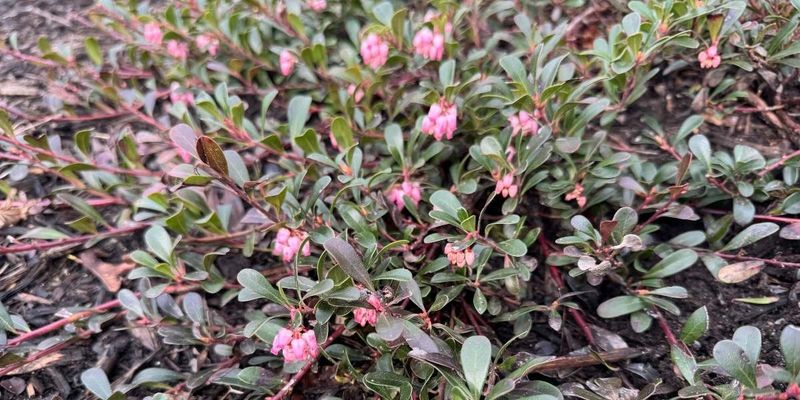
Slow and steady wins the race, and kinnikinnick is the perfect plant to prove that point. Arctostaphylos uva-ursi is an evergreen groundcover that slowly forms a dense, weed-suppressing mat with very little upkeep once established.
The leaves are small, glossy, and deep green year-round. They turn slightly bronze in winter, adding a warm seasonal note to your patio or walkway.
In spring, tiny pink urn-shaped flowers appear in clusters, followed by bright red berries in late summer that birds find irresistible.
Height-wise, it stays between two and six inches, which means it slips easily between pavers without climbing onto the stone surface.
The woody stems root where they touch the ground, slowly anchoring the plant and helping it spread outward in a natural, unforced way.
Full sun to partial shade suits it well, and it actually prefers lean, sandy, or rocky soil. Rich soil can cause problems by encouraging too much leafy growth that becomes vulnerable to disease.
If your paver area has gravelly or poor soil, kinnikinnick will feel right at home. Established plants are impressively drought-tolerant and rarely need supplemental water after the first year or two.
Planting in fall gives roots time to develop before summer heat arrives. Space plugs about eighteen inches apart and give them patience. The payoff is a long-lived, low-maintenance mat that looks polished without constant attention.
7. Oregon Stonecrop Fits Dry Gravelly Crevices
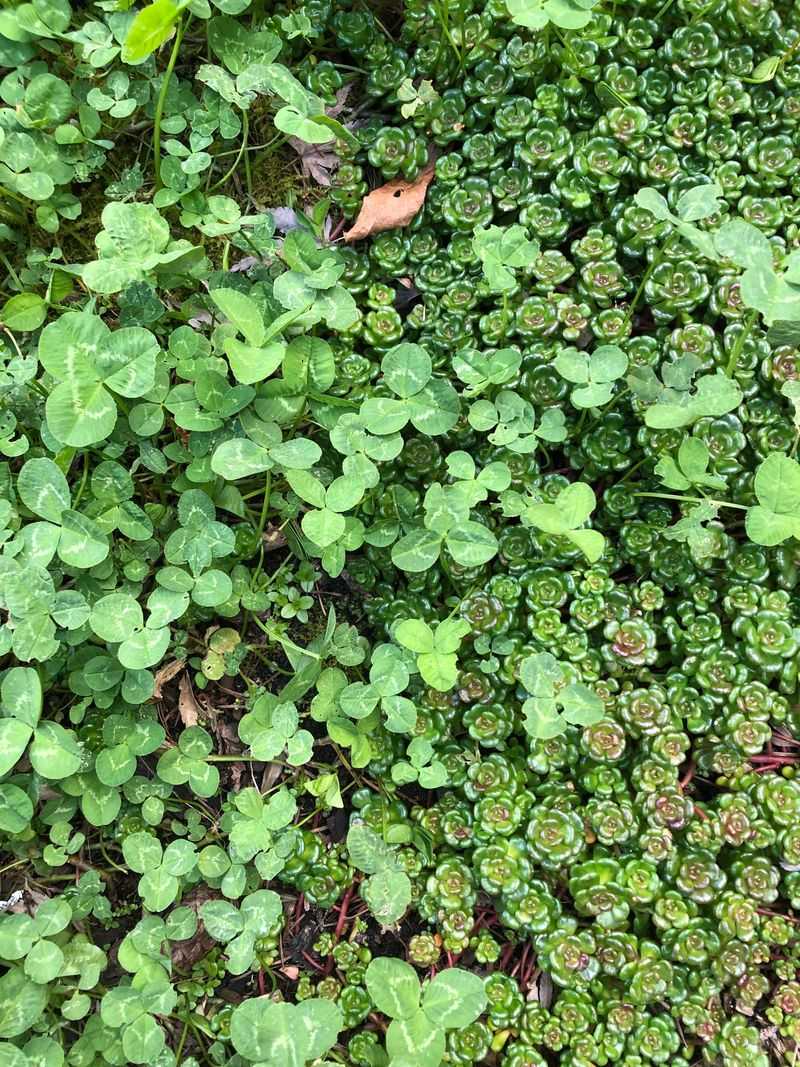
Rocky, dry, and gravelly spots between pavers are basically this plant’s natural habitat. Sedum oreganum, commonly called Oregon stonecrop, grows wild on rocky outcrops and cliff faces throughout the Pacific Northwest.
Bringing it into a paver garden is almost like giving it a vacation in a place that feels like home.
The foliage consists of small, fleshy, spoon-shaped leaves arranged in tight rosettes. They store water in their thick leaves, which is how the plant survives summer drought without missing a beat.
In hot, dry weather the leaves often take on reddish or bronze tones that add unexpected color to a gravel path.
Yellow star-shaped flowers appear in early to midsummer, rising on short stems just above the foliage.
They are not flashy, but they have a clean, cheerful quality that brightens up stone surfaces nicely. Native bees and small pollinators visit them regularly.
This plant asks for almost nothing in return for its good looks. No fertilizer, no extra water after the first season, and no trimming needed.
It spreads slowly by offsets and seed, filling crevices gradually without becoming a nuisance.
Full sun and excellent drainage are the two conditions it genuinely needs. Soggy soil in winter can cause root rot, so avoid planting it in low spots that collect water.
In the right location, though, it is one of the most carefree groundcovers you can grow between pavers anywhere in the Pacific Northwest region.
8. Broadleaf Stonecrop Handles Hot Paver Edges
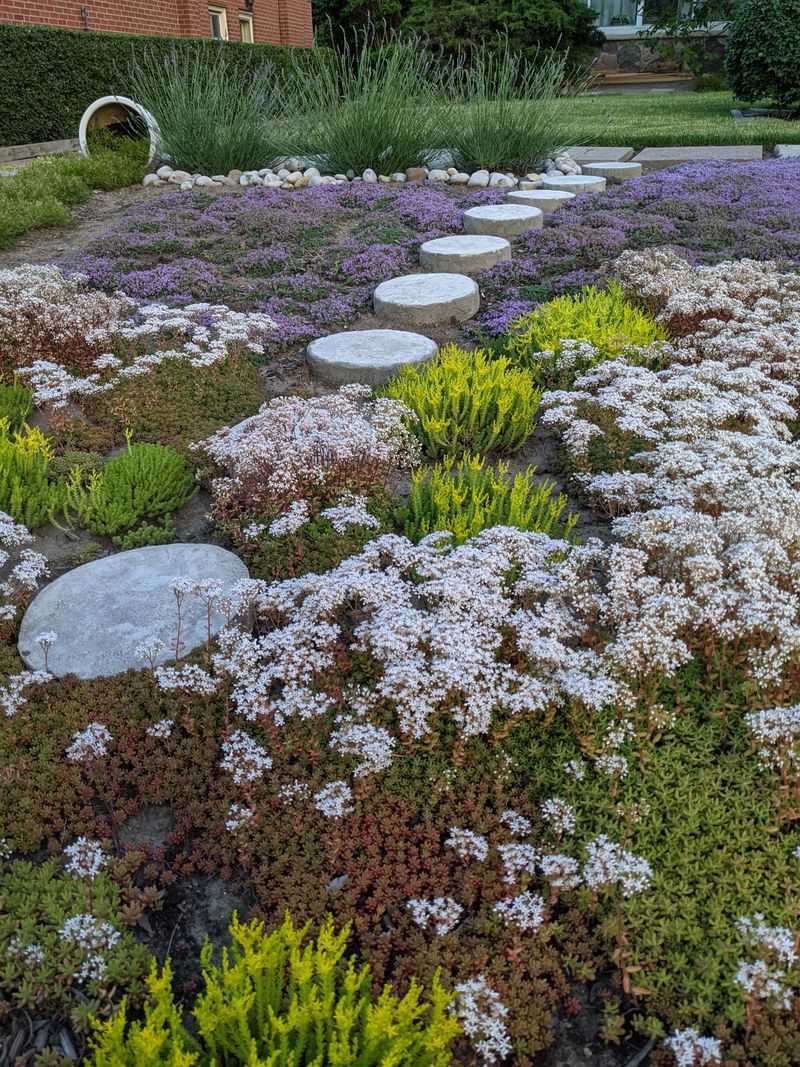
Not every stonecrop looks the same, and broadleaf stonecrop makes that point beautifully. Sedum spathulifolium forms rosettes of broad, flat, fleshy leaves that are often dusted with a powdery silver-blue coating.
This waxy layer reflects heat and reduces water loss, making it one of the best-suited plants for the hottest edges of a paver installation.
The color alone sets it apart. Depending on sun exposure and soil conditions, the foliage can range from pale green to silver-gray to deep purple-red.
It brings a sculptural, almost architectural quality to the spaces between stones that most other groundcovers cannot match.
Bright yellow flowers appear in late spring on short upright stems. They rise just a few inches above the foliage and attract small native bees without creating any visual clutter.
After blooming, the stems can be left in place or gently removed depending on your preference.
Like its cousin Oregon stonecrop, this species needs sharp drainage and full sun to perform at its best.
It is native to rocky coastal bluffs and mountain slopes, so it is well-prepared for the kind of reflected heat that paver surfaces generate on summer afternoons.
Water it occasionally during the first growing season to help roots establish, then step back and let it do its thing. Mature plants are highly drought-tolerant and rarely need any intervention.
Pair it with kinnikinnick or beach strawberry for a diverse, low-water paver planting that covers a range of textures and colors year-round.
9. Inside-Out Flower Works In Shadier Walkways
Shady walkways often get the short end of the stick when it comes to groundcover choices, but inside-out flower changes that story completely.
Vancouveria hexandra is a delicate-looking native that thrives in exactly the kind of dappled, low-light conditions that defeat most other options.
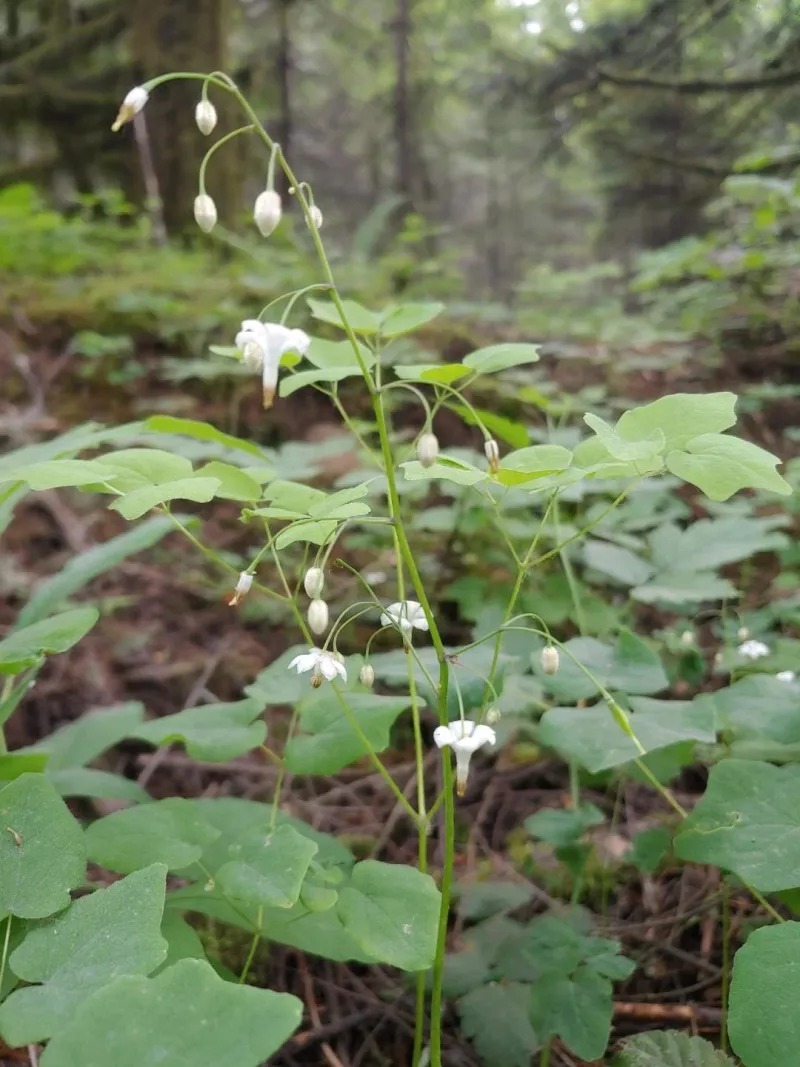
The name comes from the flowers, which have petals and sepals that sweep backward dramatically, turning themselves inside out in the most theatrical way.
They are small and white, appearing in loose clusters on wiry stems in late spring. Up close, they look almost like tiny shooting stars floating above the foliage.
The leaves are equally appealing. They are lobed, light green, and held on slender stems that give the whole plant an airy, fern-like quality.
The overall height is usually six to twelve inches, which is a bit taller than some of the other plants on this list, but it never becomes pushy or disruptive around pavers.
It spreads through underground rhizomes at a gentle, manageable pace. Over a few seasons it forms a loose, open mat that fills shaded gaps without smothering everything around it.
Occasional thinning every few years is all the maintenance it typically needs. Moist, rich soil and consistent shade are its preferred conditions.
It pairs wonderfully with ferns, trillium, and other woodland natives in a shaded patio or forest garden setting.
For a Pacific Northwest walkway that runs through a tree canopy, this plant brings quiet elegance that requires very little effort to maintain.