The Late-Summer Mowing Mistake That Makes Oregon Lawns Harder To Revive In Fall
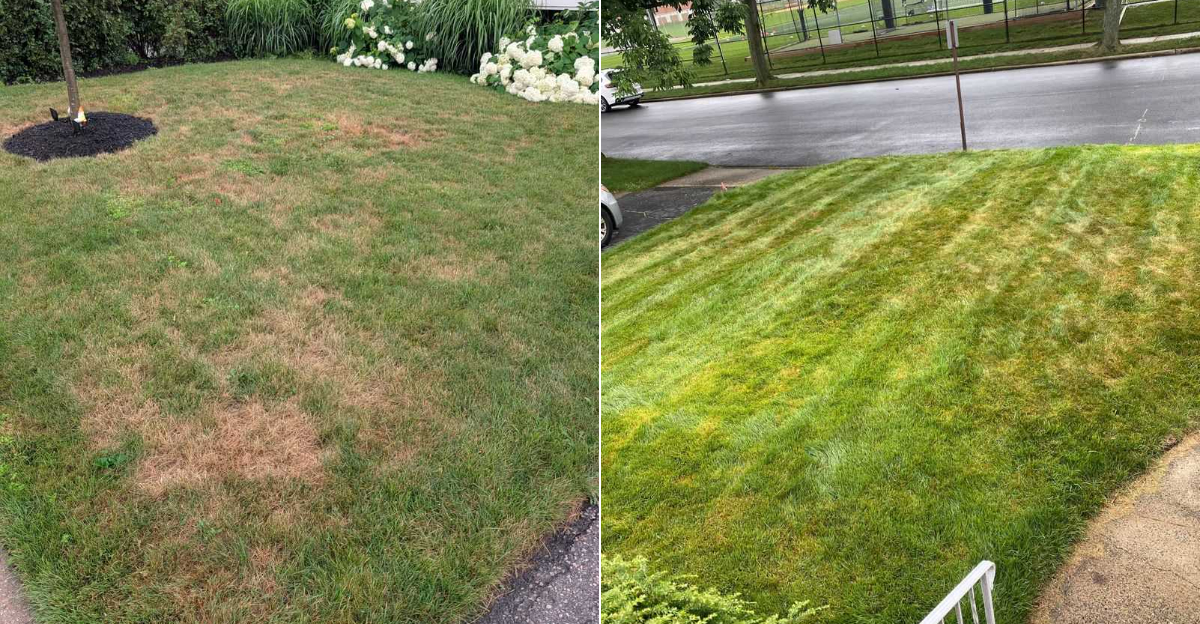
A tired Oregon lawn can make the mower feel like the obvious solution. Trim everything down, clean up the edges, and suddenly the yard looks a little more respectable.
Easy win, right? Not always. After weeks of heat and dry weather, grass may be dealing with more stress than its color suggests.
A routine mowing habit that worked perfectly earlier in the season can suddenly become less helpful, especially when the lawn is already running on limited energy.
That is what makes this part of the year so tricky. The grass may still be growing, but its needs are beginning to shift as cooler weather gets closer.
Small choices now can influence how well the lawn responds once fall brings better growing conditions.
The frustrating part is that the mistake looks completely normal while you are making it. Nothing dramatic happens the second the mower rolls away.
A smarter mowing approach can give stressed grass a better shot at bouncing back. The key is knowing which familiar habit deserves a rethink before fall recovery gets underway.
1. Cutting The Lawn Too Short Adds More Stress
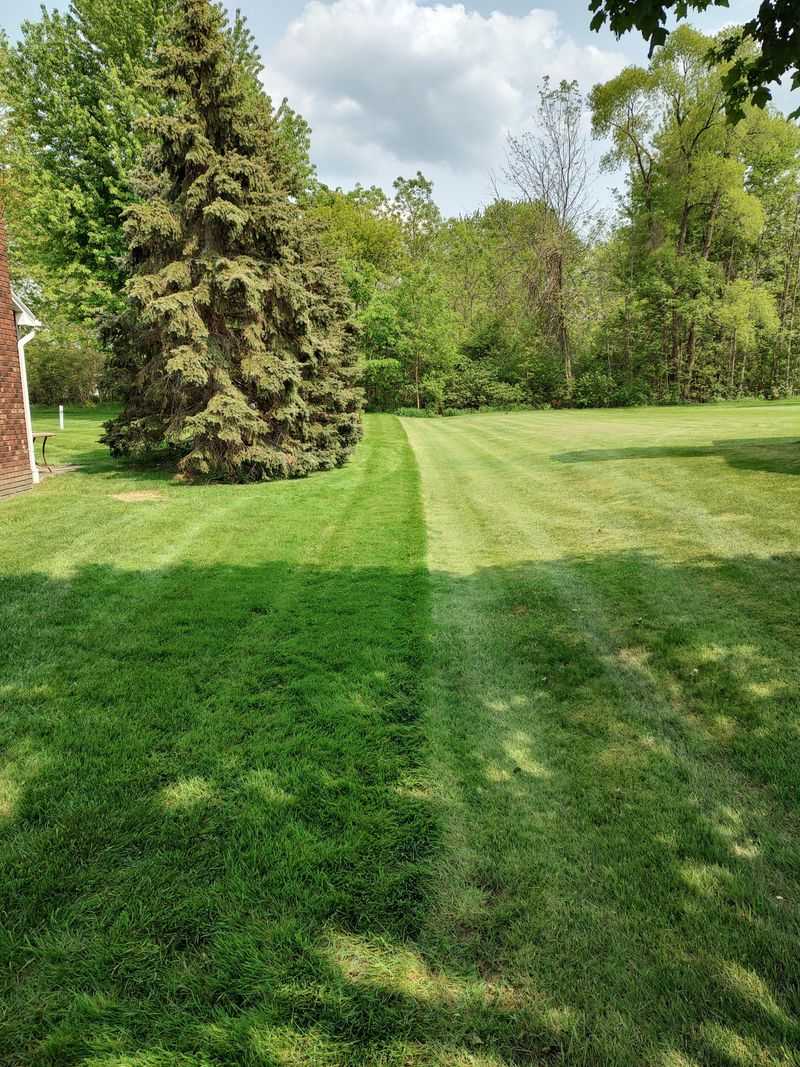
Most people think a shorter cut means less mowing and a neater yard. But during late summer, cutting grass too short is one of the worst things you can do.
The grass is already under pressure from heat and limited water, and a low cut adds even more strain on top of that. Grass blades are not just decoration. They are working parts of the plant.
Each blade captures sunlight and turns it into energy the grass uses to grow strong roots and recover from wear. When you remove too much of the blade at once, you cut off that energy source almost completely.
Cool-season grasses like tall fescue and perennial ryegrass already slow down their growth during the hottest part of summer. They go into a kind of survival mode.
A low mow during this time pushes them out of survival mode and into a state of real struggle. The roots get weaker, the crowns of the grass plants become exposed, and the lawn starts to look thin and tired.
Fixing this kind of stress is not quick or easy. It often takes weeks of careful watering and feeding just to get things back to a stable point before fall seeding can even begin. Avoiding the low cut in the first place is always the smarter move.
2. Scalped Grass Loses The Shade Its Roots Need
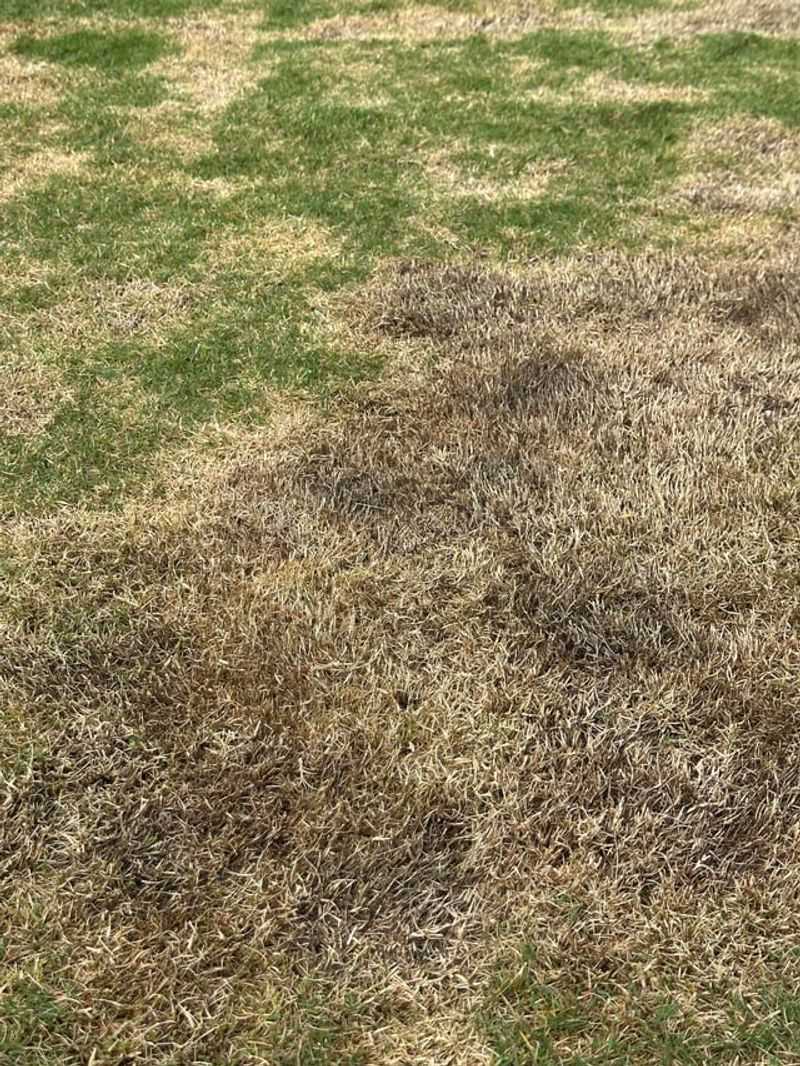
When grass gets cut too low, it loses something most people never think about: shade. Tall grass blades naturally shade the soil beneath them.
That shade keeps the ground cooler and holds moisture in longer. Remove the blades and the soil heats up fast.
Hot soil is a serious problem for grass roots. Roots are sensitive to temperature, and when the ground gets too warm, they stop taking in water and nutrients as efficiently.
The grass then looks dry and stressed even if you water it regularly. The problem is not always the watering schedule. Sometimes it is the lack of shade from the blades above.
Your Oregon Garden Changes Every Week. Your Plan Should Too.
Gardening in Oregon changes quickly throughout the season. Every Friday you’ll receive a simple weekly plan showing exactly what to plant, prune, fertilize, harvest, and protect so you never miss the right timing.
Scalping also exposes the crown of the grass plant, which is the part right at soil level where new growth starts. When the crown dries out or gets scorched by the sun, new shoots have a much harder time forming.
This is a big reason why scalped lawns in late summer often show up in fall looking patchy and uneven. Reseeding bare spots in fall is possible, but it is a lot more work than simply raising your mower deck a notch or two.
Grass that keeps its blades long enough to create natural ground shade holds onto moisture better, stays cooler, and enters fall in a much stronger condition overall.
3. Short Blades Dry Out Faster In Late-Summer Heat
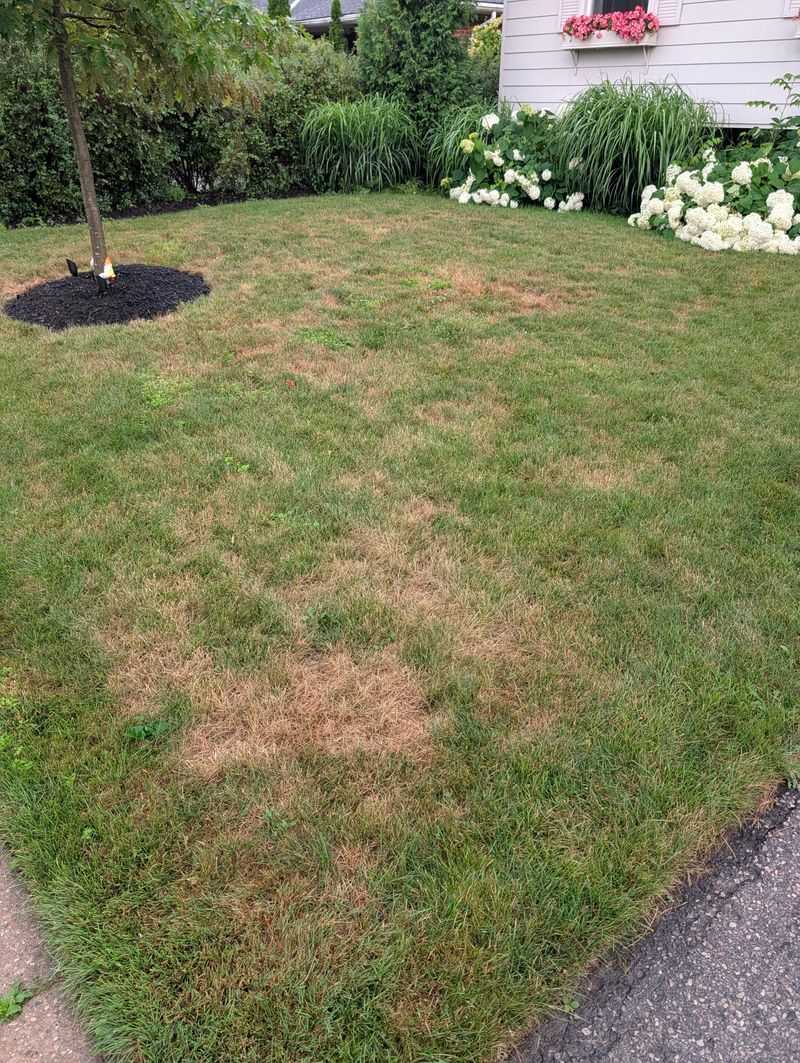
Here is something worth knowing: longer grass holds moisture better than short grass. The extra blade length acts almost like a small shelter for the soil.
When you cut grass down too far, the ground loses that protection and dries out much faster between waterings.
In late summer, many areas deal with low rainfall and high temperatures at the same time. Your lawn is already working hard to stay hydrated.
Cutting the blades short takes away the natural moisture-holding ability of the turf. You end up needing to water more often just to keep things from going completely dry and brown.
Short grass also tends to have a shallower root system. Roots follow water, and when the surface dries out fast, the roots do not have to go deep to find it during normal growth periods.
But in late summer, shallow roots mean the grass has very little access to the deeper soil moisture that sticks around longer. Longer grass encourages deeper roots because the plant needs more resources to support all that leaf material.
Those deeper roots are what help a lawn survive dry spells and bounce back quickly when fall rains return.
Keeping your mowing height up during late summer is one of the easiest ways to reduce how much water your lawn needs while also keeping it in better shape for fall recovery.
4. Weak Grass Has A Harder Time Bouncing Back In Fall
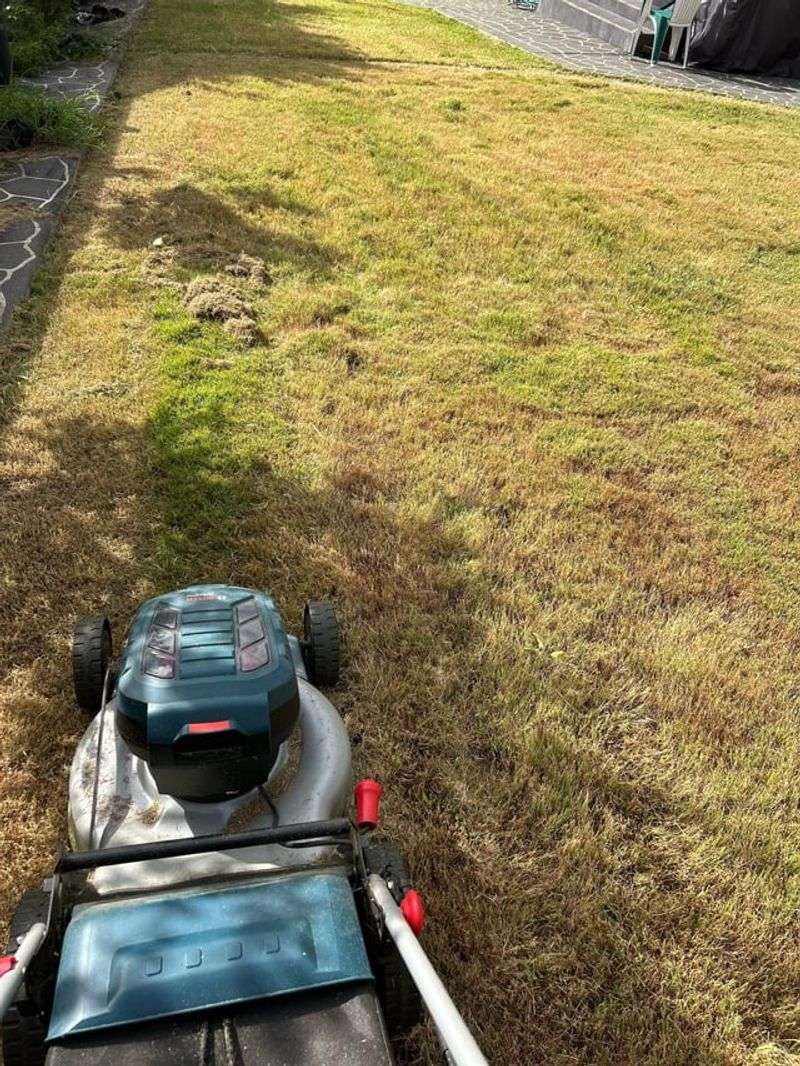
Fall is the best season for cool-season grass to recover and thicken up. Temperatures drop, rainfall increases, and the grass naturally wants to grow again.
But if the grass went into fall already weakened from late-summer scalping, it cannot take full advantage of those ideal conditions.
Think of it like an athlete going into a big game already worn out. The conditions might be perfect for a strong performance, but the body just does not have the energy reserves to deliver.
Grass works the same way. A lawn that was cut too short through August and early September has depleted root energy and thin crowns that struggle to push out new growth even when the weather finally cools.
Overseeding in fall works best on lawns that are in decent shape. New seed needs soil contact, consistent moisture, and competition-free space to germinate well.
Weak, stressed grass often has bare patches and compacted soil, both of which make overseeding less effective. Homeowners in Oregon count on fall as their prime lawn repair window.
Missing that window because the grass is too worn down to respond is a frustrating setback.
Keeping your mowing height reasonable through late summer gives the grass a much better chance of entering fall with the strength it needs to thicken up, fill in thin spots, and head into winter in solid condition.
5. Bare Spots Give Weeds More Room To Move In
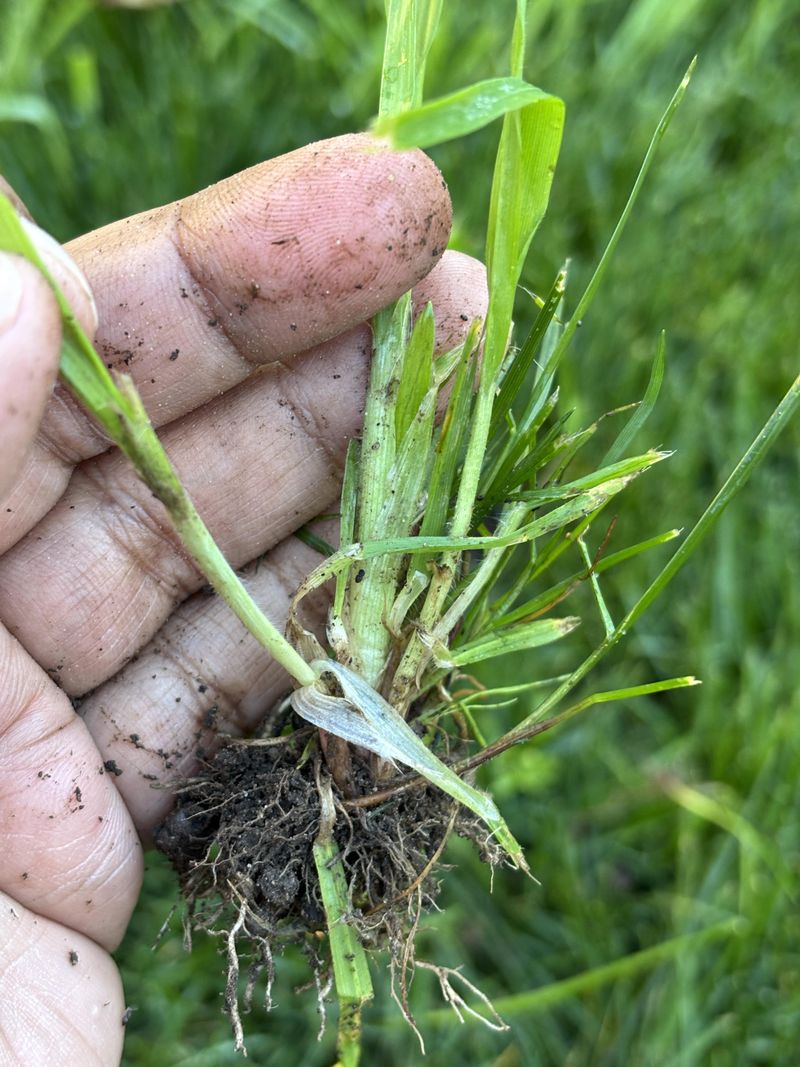
A thick, healthy lawn is its own best defense against weeds. When grass grows full and dense, there is very little open space for weed seeds to land and take hold.
But when mowing too low creates bare spots, those empty patches become an open invitation for whatever weed seeds happen to be blowing through the neighborhood.
Late summer is actually a prime time for weed seeds to be on the move. Crabgrass, for example, produces thousands of seeds before the first frost and drops them right into any open soil it can find.
Annual weeds that finish their cycle in summer leave behind seeds that sit in the soil and sprout the following spring. Bare spots created by scalping give those seeds exactly the foothold they need.
Weeds are tough competitors. Once they get established in a bare patch, they can be really hard to remove without also disturbing the surrounding grass.
Some weeds spread quickly by runners or root systems that go deep into the soil. Filling those bare spots with healthy grass is the best long-term solution, but that process takes time and effort.
Preventing the bare spots in the first place by avoiding low mowing in late summer is far easier.
A lawn that stays thick through the heat of summer has a natural weed barrier built right into the turf itself, no sprays or treatments needed.
6. Raise The Mower Instead Of Chasing A Close Cut
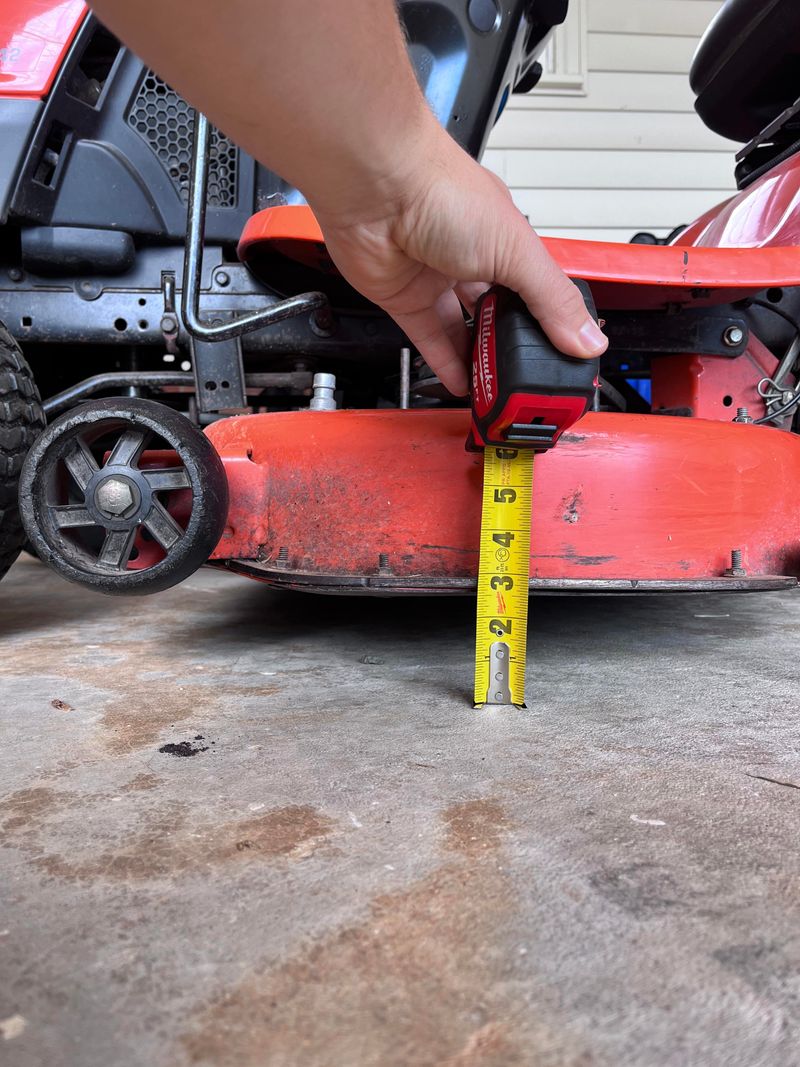
Raising the mower deck is one of the simplest and most effective things you can do for your lawn in late summer.
Most mowers have easy-to-use height adjustment levers or knobs that let you change the cutting height in seconds.
For cool-season grasses, a height of three to four inches is ideal during hot, dry months.
Many homeowners chase a golf-course look with a super low cut, but that style works on golf courses because those turfs are managed with professional equipment, daily attention, and specialized grass varieties. A home lawn does not have those same resources.
Trying to keep it cut that short without the right support just wears the grass down over time.
Raising the cut also reduces how often you need to mow, which is a bonus during busy late-summer weeks.
Longer grass grows a bit more slowly, and since you are not removing as much with each pass, the lawn stays looking tidy for longer between sessions.
Lawns in the Pacific Northwest, including those across Oregon, tend to go semi-dormant in late summer. They do not need frequent cuts at that point.
Letting the grass stay a little taller gives it the breathing room it needs to stay alive and healthy until the rains return. A simple deck adjustment now can save you hours of fall repair work later.
7. Never Remove Too Much Grass At Once
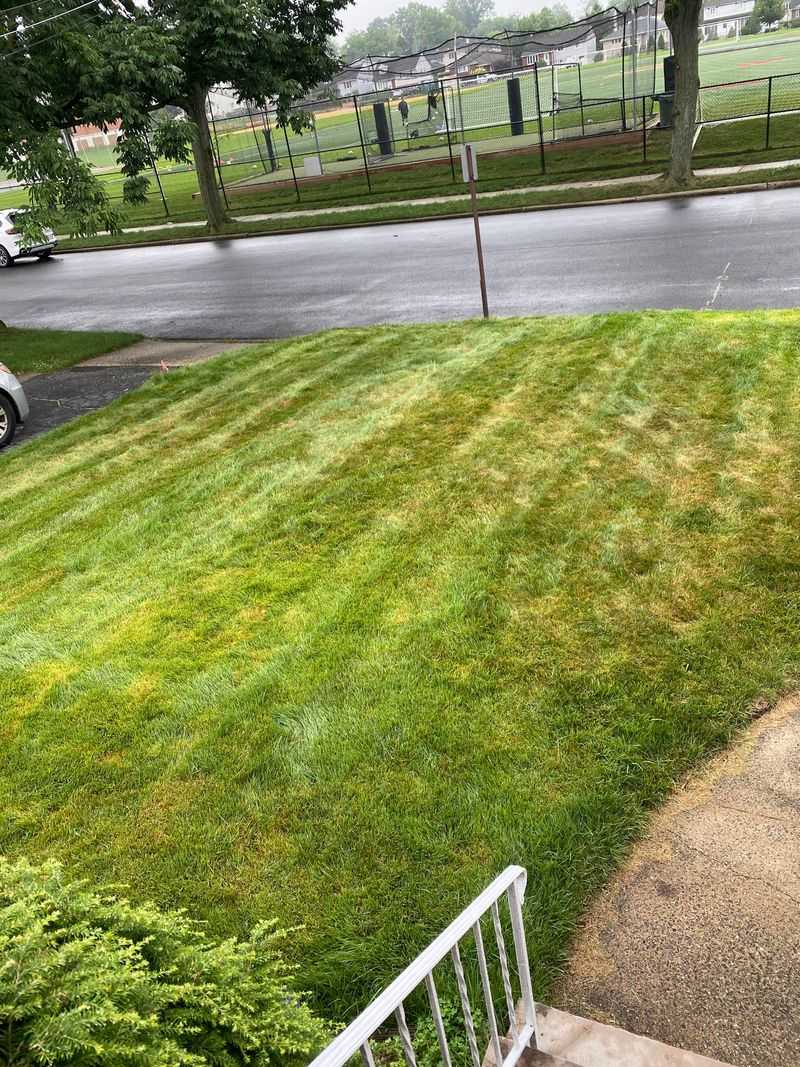
There is a widely used rule in lawn care called the one-third rule. It says you should never cut off more than one-third of the grass blade in a single mowing session.
Removing more than that at once shocks the plant and forces it to use up stored energy reserves just to recover from the cut.
In late summer, grass is already running low on those energy reserves. The heat, the dry conditions, and the slower growth rate all add up to a plant that is just getting by.
Taking off too much in one mow can tip the balance from struggling to seriously damaged. The grass may turn yellow, stop growing, or develop thin and sparse patches that do not fill back in before winter.
If your lawn got a little long because you skipped a week of mowing, resist the urge to take it all down in one pass. Instead, mow at a higher setting first, then come back a few days later and take it down a little more if needed.
This gradual approach keeps the grass from going into shock. It also keeps the root system stable and the crown protected.
Consistent, moderate mowing throughout late summer is always better than letting the lawn get long and then cutting it way down all at once. Small, steady habits protect your lawn far better than big corrections made too late.