Why Your Potted Plants Are Struggling In The Georgia Heat Right Now?
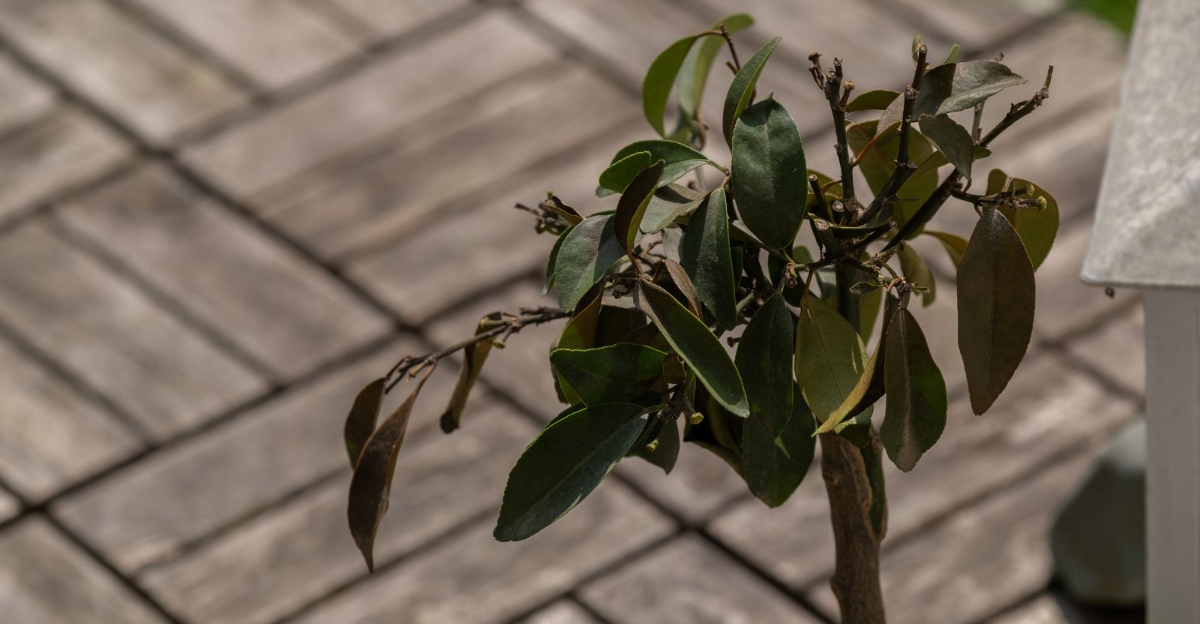
Stepping outside on a Georgia afternoon to find your potted plants looking like they’ve completely given up is one of those summer gardening experiences that hits differently when you just watered them yesterday.
Container plants are a whole different situation compared to anything growing in the ground, and Georgia’s late summer heat makes that difference very obvious very fast.
Roots confined to a small volume of potting mix have nowhere to go when things get extreme, and extreme is basically the default setting for Georgia afternoons in August.
The heat is intense, the sun is relentless, and hot winds pull moisture out of containers faster than most people expect.
Here’s the part that trips a lot of gardeners up though: a wilting, exhausted looking plant doesn’t automatically mean it needs more water. A waterlogged pot can look almost identical to a dry one from the surface, and that distinction matters a lot.
1. Small Pots Dry Out Surprisingly Fast
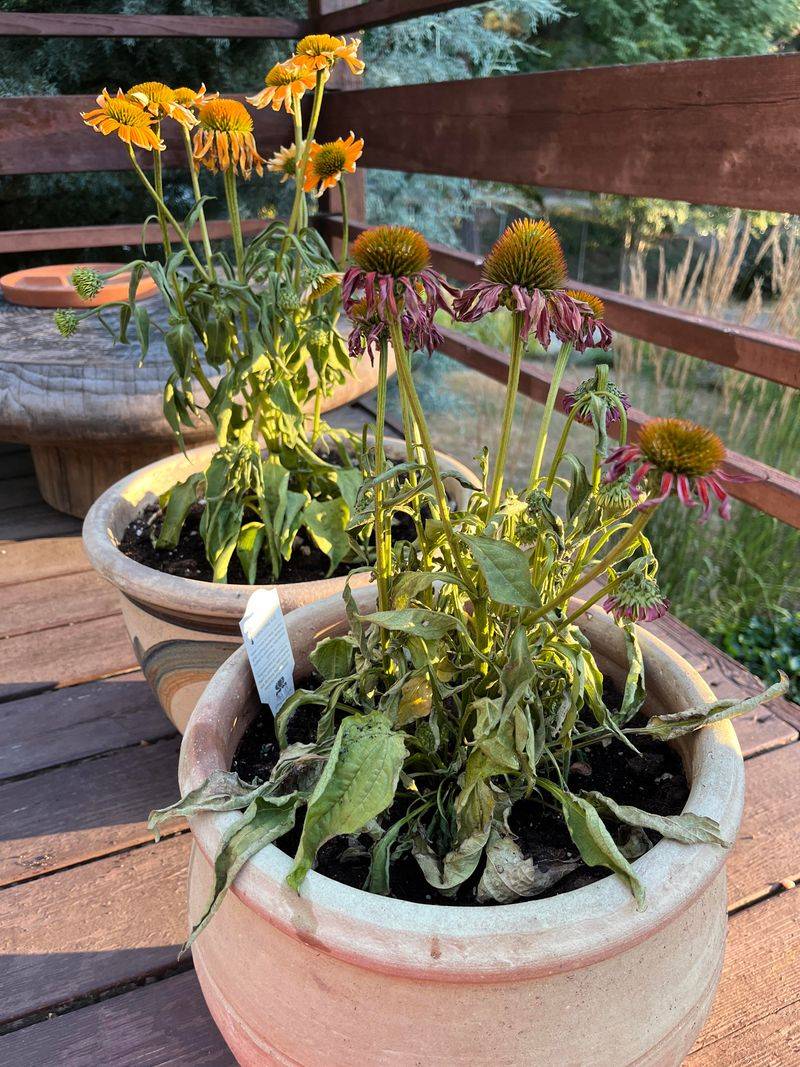
Pick up a small pot after a hot Georgia afternoon and you may be surprised by how light it feels compared to just a few hours earlier.
A limited volume of potting mix simply cannot hold as much moisture as an in-ground garden bed, and that small reservoir can disappear quickly when temperatures climb and the sun beats down on the container from every angle.
When a larger plant is growing in an undersized pot, the situation can become even more stressful. The root system takes up so much of the available growing medium that there is very little potting mix left to hold onto water between checks.
The plant may be drawing on moisture faster than you realize, especially during Georgia’s most intense summer weeks.
Rigid watering schedules are not the most reliable approach for small containers during hot weather. Checking the potting mix itself – by pushing a finger an inch or two into the growing medium – gives you a much clearer picture of what the plant actually needs.
Some small containers may need attention more often than larger ones, but that can vary depending on the plant, the mix, the material of the pot, and how much direct sun the container receives each day.
Letting the plant and the soil guide your decisions tends to work better than watering strictly by the calendar.
2. Root-Bound Plants Run Out Of Moisture Faster
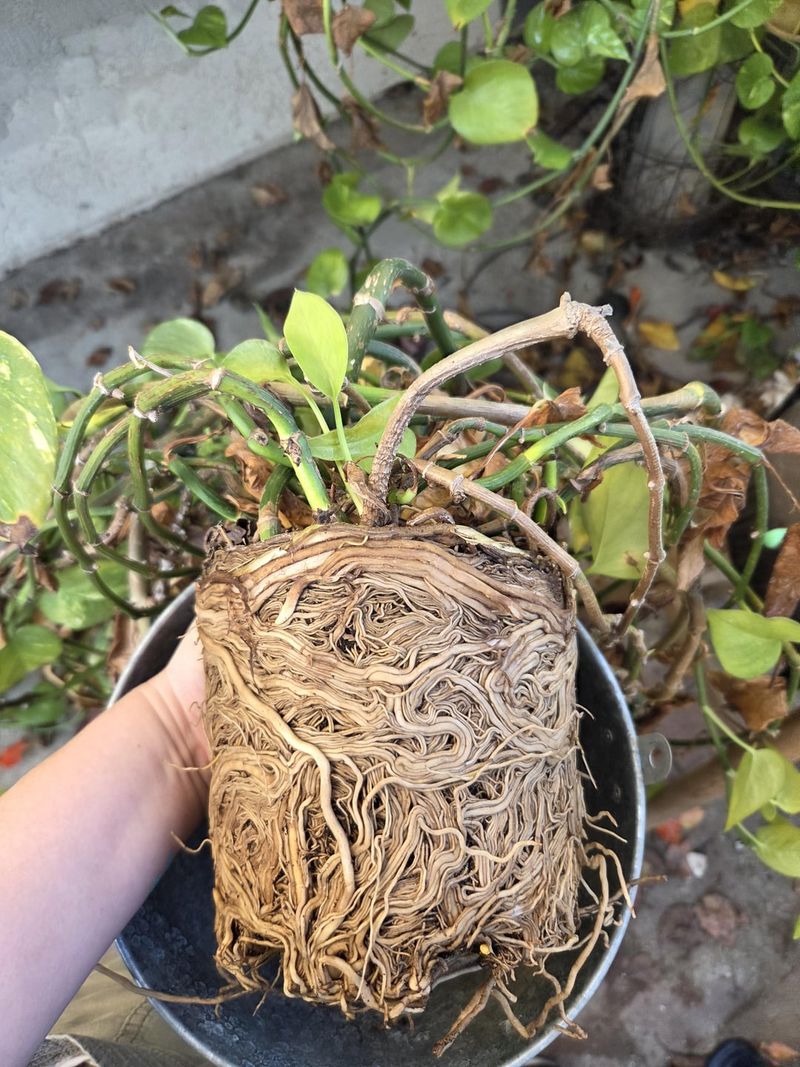
Pulling a struggling plant from its pot and finding a solid mass of circling roots with almost no loose growing medium is a clear sign that the container has been outgrown.
When roots fill every available inch of a pot, the amount of potting mix left to absorb and hold moisture becomes very small, and the plant can begin to show drought stress even when you feel like you have been watering regularly.
A root-bound plant may also have a harder time taking up nutrients because there is so little growing medium left to support that process. During Georgia’s hottest weeks, this kind of stress can compound quickly.
Your Georgia Garden Changes Every Week. Your Plan Should Too.
Gardening in Georgia changes quickly throughout the season. Every Friday you’ll receive a simple weekly plan showing exactly what to plant, prune, fertilize, harvest, and protect so you never miss the right timing.
Roots that have been circling the inside of a container for a long time may also have difficulty absorbing water efficiently even after irrigation.
Practical signs that a plant may be root-bound include roots growing out of drainage holes, roots visibly circling near the soil surface, and potting mix that seems to dry out unusually fast compared to other containers of similar size.
Moving a root-bound plant into a somewhat larger container with fresh potting mix can improve conditions over time, though doing so during the peak of a Georgia heat wave is not always ideal.
Waiting for a cooler morning or a stretch of milder weather before repotting can help reduce additional stress on an already struggling plant.
3. Dark Pots Can Overheat The Root Zone
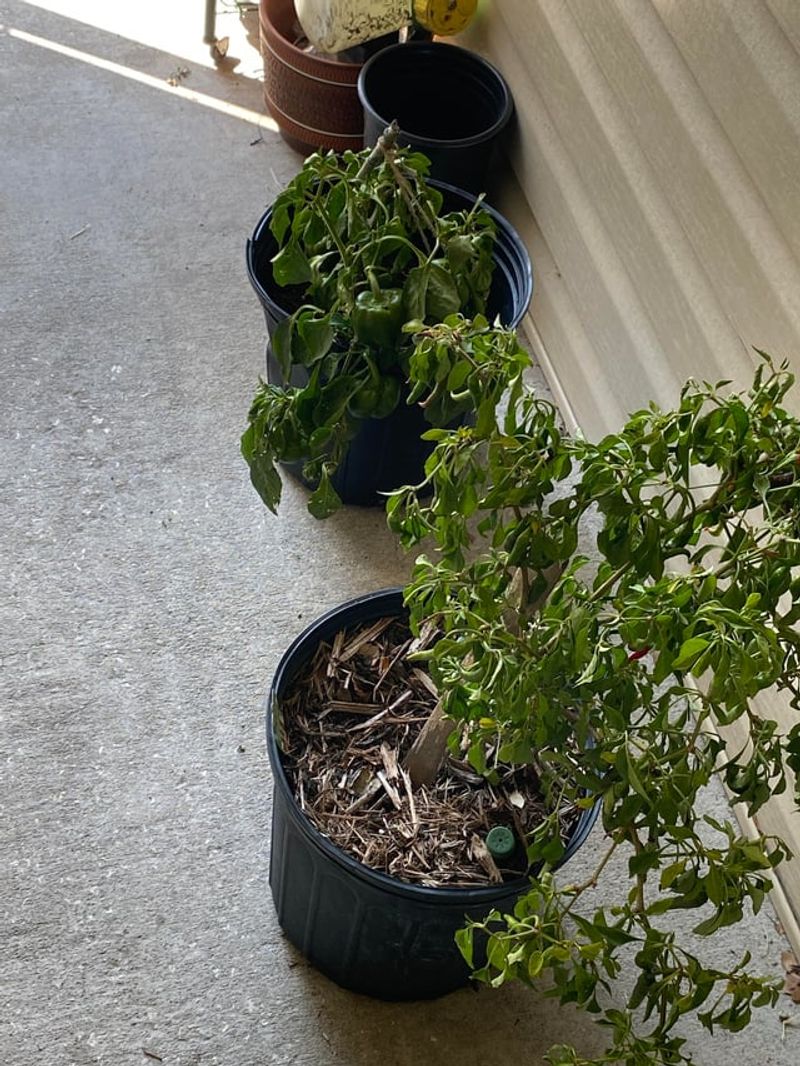
Touch the side of a dark-colored pot that has been sitting in Georgia’s afternoon sun and the surface can feel startlingly hot.
Unlike roots growing in the ground, which are insulated by surrounding soil, container roots are separated from intense solar heat by only the wall of the pot itself.
Dark or black containers tend to absorb more radiant heat than lighter-colored ones, and that absorbed heat can transfer into the root zone during the hottest parts of the day.
Roots under heat stress may struggle to take up water and nutrients effectively, which can cause the plant to show wilting or other stress symptoms even when the potting mix still contains some moisture.
This is one reason why two containers sitting side by side can sometimes behave quite differently depending on their color and material.
Adjusting placement is one of the more practical responses available to Georgia gardeners dealing with overheated containers.
Moving a pot out of direct afternoon sun, placing it where it receives some shade during the hottest hours, or setting it on a surface that reflects less heat can all help reduce root-zone temperatures without requiring a new container.
Grouping containers together can also provide some mutual shading of the pot walls.
Container color is one contributing factor among several, and changing placement alone will not resolve every heat-related problem, but it can reduce stress in meaningful ways for many plants.
4. Hot Wind Pulls Water From Pots Quickly
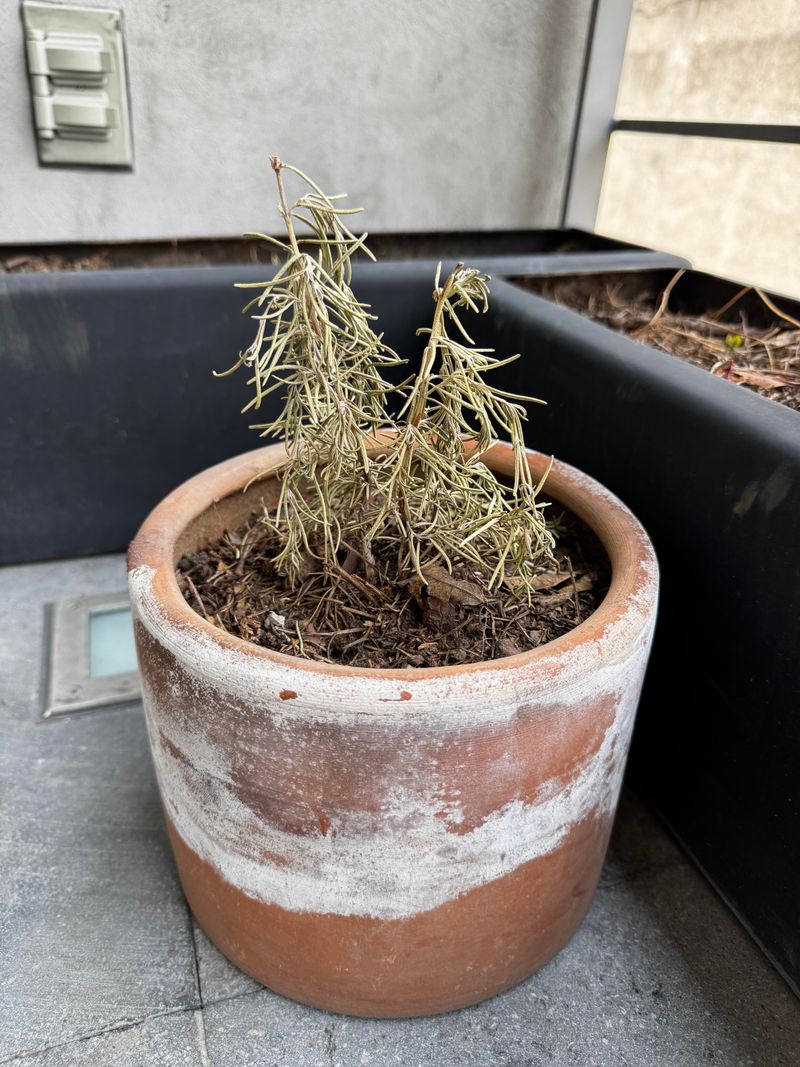
Gardeners who keep containers on open decks, balconies, or elevated porches in Georgia often notice that those plants seem to need attention more frequently than containers tucked against a sheltered wall or fence.
Warm, moving air increases the rate at which water evaporates from the surface of the potting mix and also increases the amount of water a plant loses through its leaves.
On a breezy summer afternoon, these two processes can work together to drain a container’s available moisture faster than calm conditions would.
A large plant growing in a relatively small container can be especially vulnerable in windy spots because the root system is already competing for a limited moisture supply.
Add steady warm wind to that equation and the plant can move from adequately watered to stressed within a few hours, particularly if temperatures are also high.
Checking containers in exposed locations more carefully during hot, windy stretches makes sense, but setting a rigid daily schedule based only on wind is not the most reliable approach.
Container size, plant size, potting mix, and sun exposure all influence how quickly moisture is used.
Moving a particularly vulnerable container to a more sheltered spot during extreme conditions can help reduce stress without changing the watering routine entirely.
Grouping containers together in a partially protected area can also buffer some of the drying effect that steady wind creates during Georgia’s hottest summer periods.
5. Poor Drainage Can Look Like Thirst
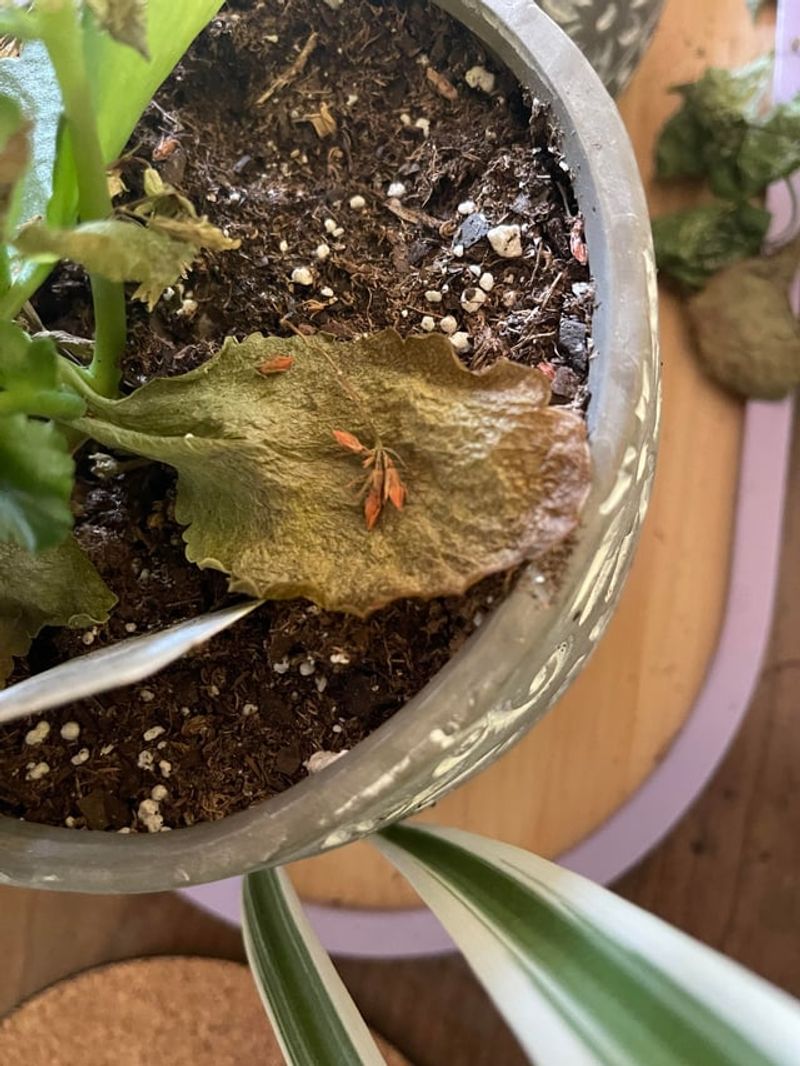
One of the most misleading situations in container gardening is a plant that looks thirsty but is actually sitting in waterlogged soil. Saturated potting mix can push oxygen out of the root zone, and roots that cannot access oxygen begin to deteriorate.
As root function declines, the plant loses its ability to move water upward through its stems and leaves, which causes wilting – the same symptom you would expect from a pot that has completely dried out.
Drainage holes are not optional for outdoor containers. Without a way for excess water to escape, even a well-intentioned watering routine can tip a pot into saturation after a heavy Georgia rainstorm or a few consecutive days of irrigation.
Potting mix that stays wet for extended periods can also create conditions where root diseases become more likely.
Before adding more water to a wilted plant, check the growing medium a few inches below the surface. If the mix feels wet or cool and dense, the plant may actually need less water rather than more.
Adding water to an already saturated container tends to make the problem worse rather than better.
Choosing a well-draining potting mix suited for container use and making sure drainage holes are clear and functional are two of the more straightforward steps Georgia gardeners can take to avoid this frustrating and surprisingly common situation during the rainy stretches of summer.
6. The Wrong Sun Exposure Adds More Stress
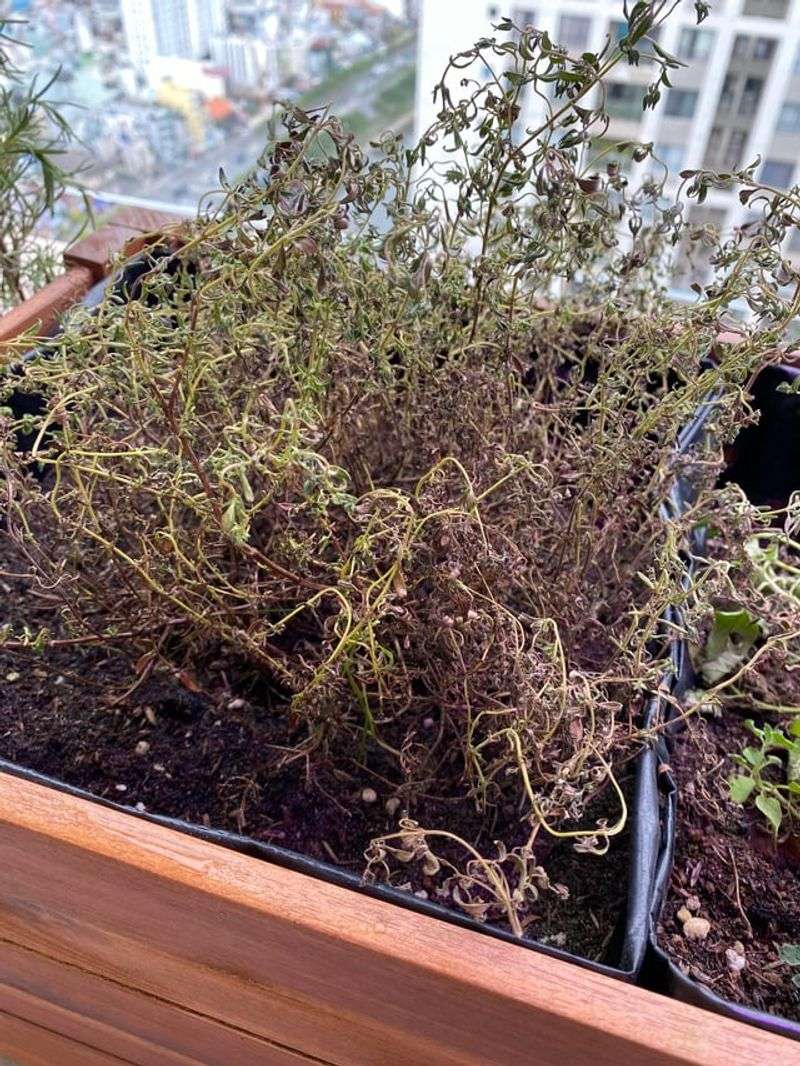
Afternoon sun in Georgia during late summer can be remarkably intense, and a plant that is not adapted to handle that level of light and heat can show stress symptoms quickly.
Shade-loving plants such as ferns, impatiens, and certain begonias may wilt, scorch, or lose leaves rapidly when placed in full afternoon sun, particularly near heat-reflecting walls, light-colored pavement, or metal fencing that radiates additional warmth.
Moving every struggling container into deep shade is not a reliable fix, though. Plants that need significant sun to thrive may become weak, stretched, or less productive when shifted to a heavily shaded spot.
The goal is matching the individual plant to the light conditions it is actually adapted to handle, rather than applying one solution to every container on the patio.
Georgia gardeners sometimes find that relocating a container by just a few feet – for example, from a spot that receives full afternoon sun to one that gets morning sun and afternoon shade – can make a meaningful difference for plants that are not heat-adapted.
Temporary shade cloth can also provide some protection during unusually intense heat without permanently changing where a plant lives.
Paying attention to how much direct sun a container receives during the hottest hours of the day, and comparing that to what the plant label or variety information recommends, is a practical starting point for adjusting placement appropriately.
7. Frequent Watering Can Wash Nutrients Away
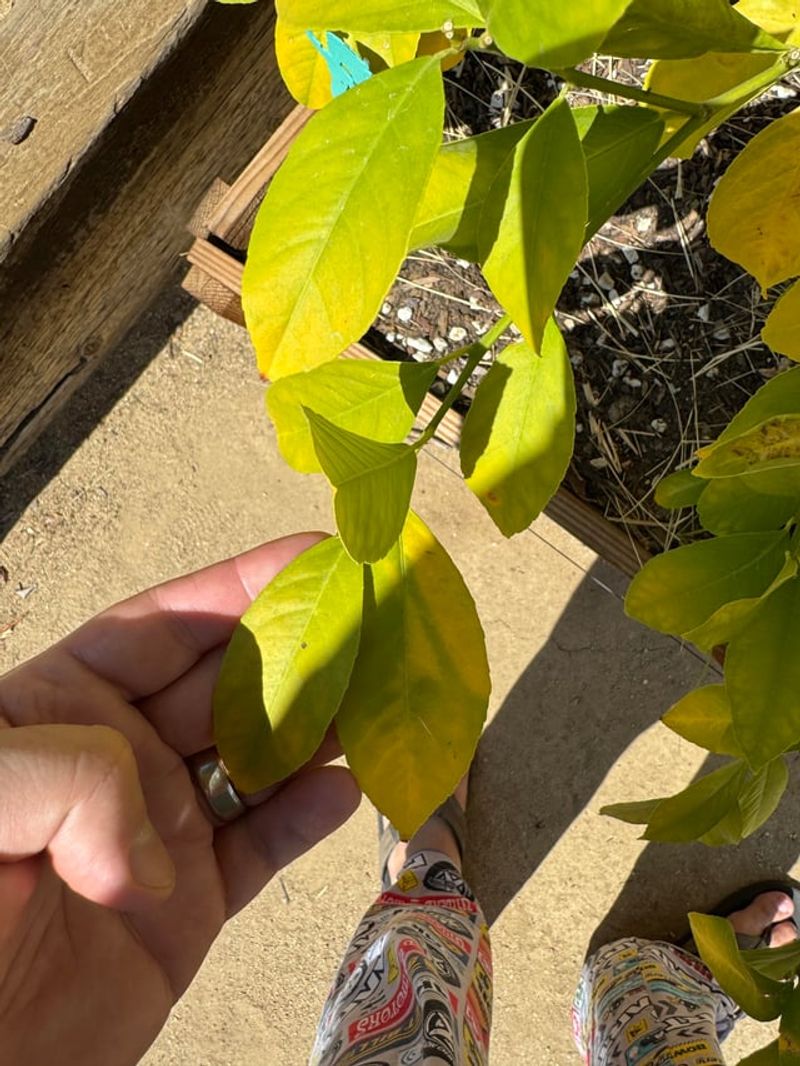
Watering a container plant thoroughly is generally the right approach – but doing it very frequently over a long stretch of summer can gradually wash soluble nutrients out of the potting mix through the drainage holes.
Potting mixes used in containers do not hold nutrients the same way that in-ground garden soil does, and repeated irrigation can move those nutrients out of the root zone before the plant has a chance to use them.
Over time, this can contribute to pale foliage, slower growth, or a generally tired appearance in container plants that are otherwise getting adequate water and light.
The effect tends to be more noticeable in plants that are actively growing and using nutrients quickly, particularly during the warm months when Georgia summers push many annuals and vegetables into high gear.
Adding extra fertilizer to a heat-stressed plant is not automatically the right response to yellowing leaves, though.
Roots under heat stress may not be able to process additional fertilizer efficiently, and applying too much can damage roots or increase stress rather than improve the plant’s condition.
Yellowing can also result from overwatering, root problems, or seasonal changes rather than nutrient loss.
Following the product label, considering the specific plant and potting mix, and evaluating overall plant health before applying fertilizer tends to lead to better outcomes than treating every pale leaf as a straightforward deficiency requiring an immediate fix.
8. Cool-Season Plants May Be Fading In Summer Heat
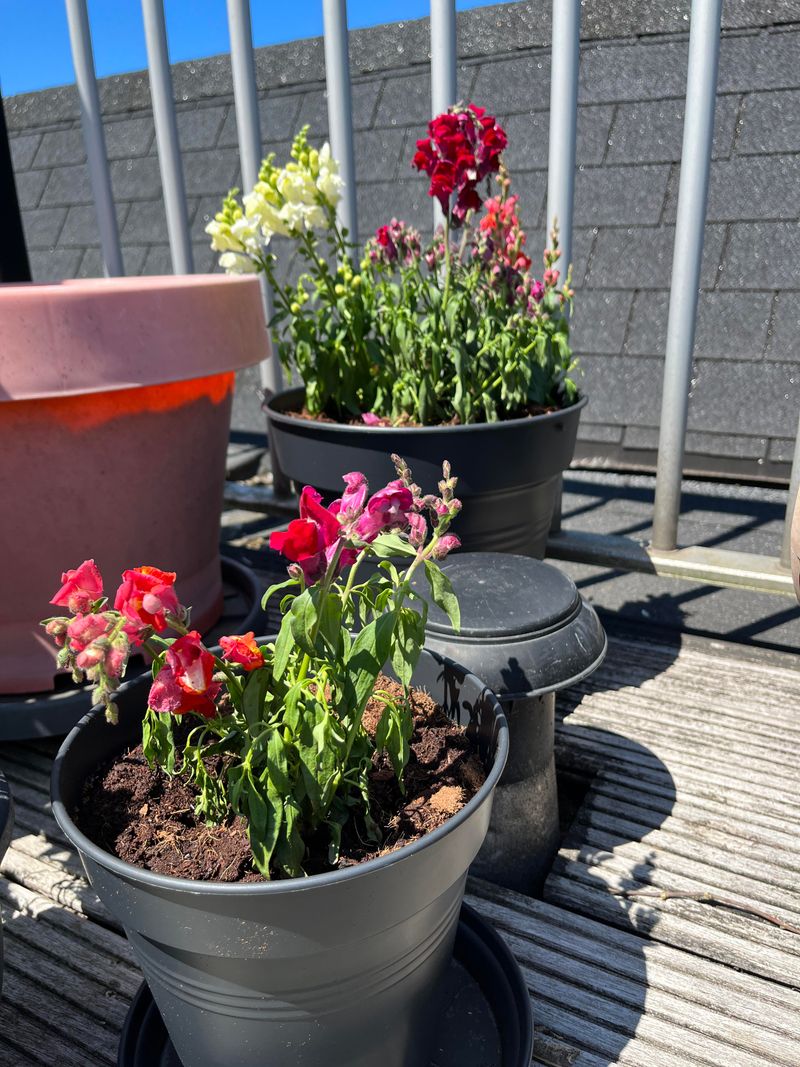
Some of the cheerful container plants that looked wonderful on a Georgia porch in spring are simply not built to handle the intensity of midsummer heat.
Pansies, snapdragons, dianthus, and certain other cool-season favorites tend to decline as temperatures climb into the upper eighties and nineties, and no amount of careful watering or fertilizing is likely to reverse that trend once the heat becomes sustained.
Seeing a cool-season plant fade in August does not mean something went wrong with your care routine. Seasonal heat tolerance is a real limitation, and some plants reach the end of their productive period in a container garden long before fall arrives.
Recognizing this pattern can save a lot of frustration and unnecessary troubleshooting during the hottest weeks of the year.
Warm-season annuals such as vinca, portulaca, pentas, and caladiums are generally much better suited to Georgia’s summer conditions and tend to hold up well in containers through the hotter months.
Shifting toward plants that are adapted to summer heat when planning container gardens can make late-season maintenance considerably easier and more rewarding.
If a cool-season plant is still hanging on, providing afternoon shade and keeping the potting mix from drying out completely may extend its life a little longer.
However, replacing it with a heat-tolerant variety is often the most practical path forward when Georgia’s summer temperatures show no sign of easing.