North Carolina Fall Bloomers That Grow Fast After September Storms
September storms tend to leave gardens looking a little battered, but a handful of fall blooming plants actually respond to this disruption in a way most gardeners don’t expect.
Instead of struggling afterward, these particular plants seem to grow and bloom even more vigorously once the storm passes through.
Understanding why this happens reveals something surprising about how certain plants are built to handle exactly these conditions.
Many gardeners assume all plants need protection and recovery time after heavy weather, missing this specific exception entirely.
Knowing which fall bloomers thrive under this kind of stress could change which plants you choose to lean on for a strong September and October display.
Once you see how quickly these particular plants bounce back, you’ll understand why they’re worth adding to your fall lineup. This list could turn storm damaged garden beds into a surprising late season success story.
1. Blue Mistflower
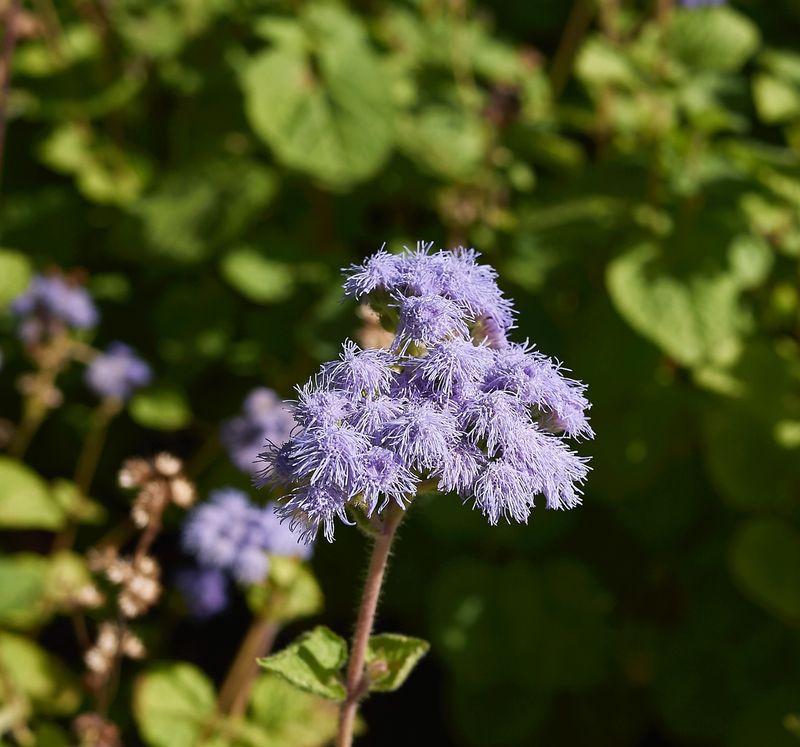
Picture a soft cloud of blue-purple color hovering just above the soil, and you have blue mistflower. This native charmer wakes up happy after a soggy September, spreading quickly across damp ground where other plants might sulk.
Moisture is the secret to its speed. When storms leave the earth wet and cool, blue mistflower drinks it up and sends out fresh runners that fill empty gaps in your beds.
Within a few weeks, bare patches turn into a fuzzy carpet of fringed flowers that seem to glow at dusk.
Butterflies adore it, and you will often spot late-season pollinators dancing across the blooms. Because it spreads so eagerly, give it room to roam or plant it where a little wildness looks welcome. Along a pond edge, ditch, or rain garden, it feels right at home.
Care could not be simpler. Blue mistflower asks for steady moisture and a spot with sun to part shade, and it rewards you with color from late summer straight through fall. If it wanders farther than you like, just pull a few stems in spring to keep it tidy.
Gardeners love how forgiving it is. You do not need fancy soil or special fertilizer, just damp ground and a bit of patience while it settles in. Once established, it comes back stronger each year.
For anyone hoping to fill a soggy corner with soft blue beauty, this plant is a cheerful and reliable pick.
2. Obedient Plant
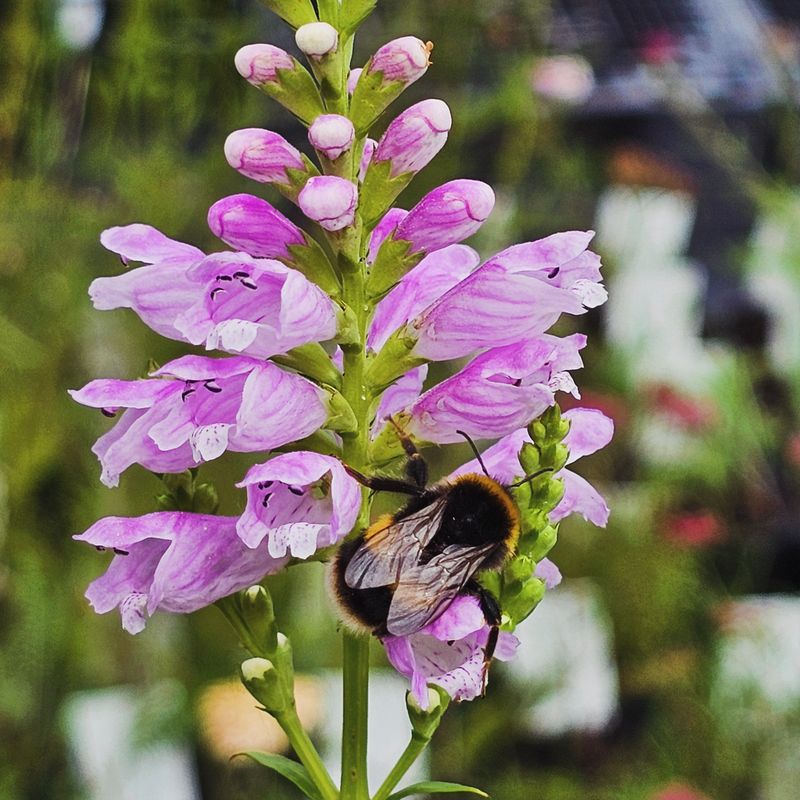
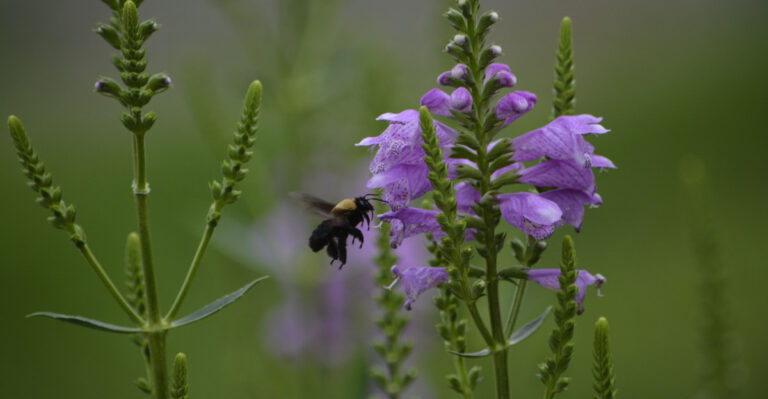
Do not let the name fool you, obedient plant is anything but shy once the ground stays wet. It earned its title because you can bend each little flower and it stays put, a quirky trick kids love to test.
After September storms, this native shoots up fast in moist soil, stretching tall with spikes packed full of pink and purple blooms. The extra rain fuels its roots, which spread underground and quickly form thick clumps that keep flowering well into autumn.
The blossoms line up in neat rows along the stem, opening from the bottom upward so the show lasts for weeks. Bees and hummingbirds visit often, drawn to the tubular shape that makes sipping nectar easy.
Your North Carolina Garden Changes Every Week. Your Plan Should Too.
Gardening in North Carolina changes quickly throughout the season. Every Friday you’ll receive a simple weekly plan showing exactly what to plant, prune, fertilize, harvest, and protect so you never miss the right timing.
Because it grows so eagerly in damp spots, plant it where you want dependable color and do not mind a little spreading.
Rain gardens, stream banks, and low areas that hold water are perfect. If it gets too enthusiastic, dividing the clumps in spring keeps it in check and gives you free plants to share.
Obedient plant handles full sun or light shade, though richer moisture usually means taller stems and bigger blooms. Staking helps if your garden gets windy, since those flower spikes can lean under their own weight.
For a splash of long-lasting pink that welcomes butterflies and shrugs off wet feet, this cheerful native belongs in your fall lineup. It turns a soggy corner into a lively, buzzing patch of color that keeps going strong until frost.
3. Swamp Sunflower
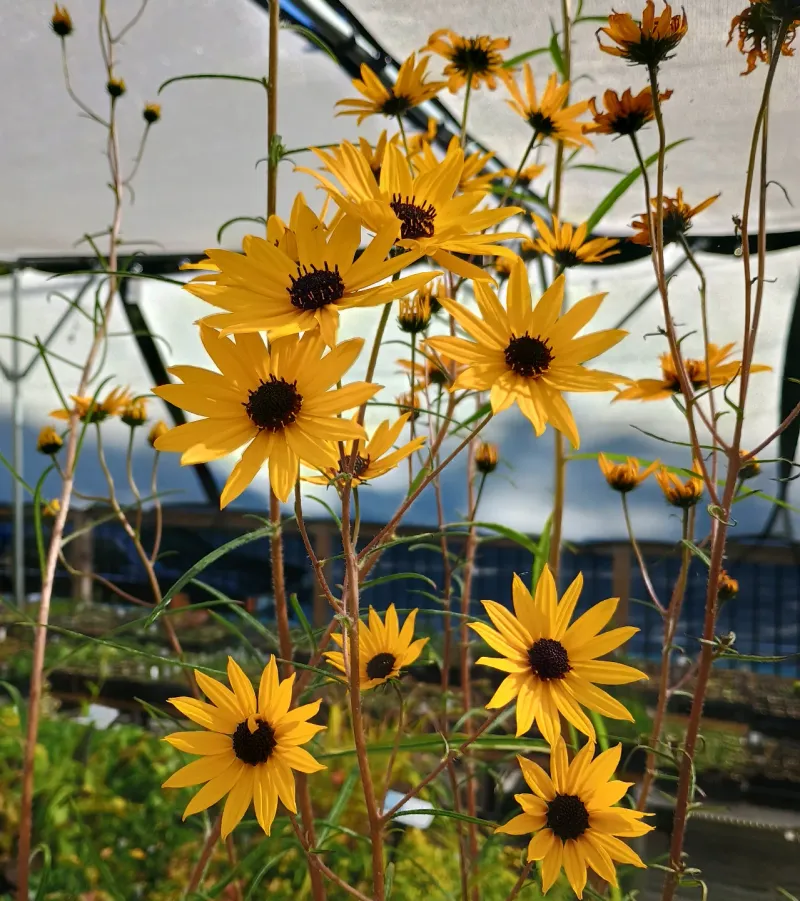
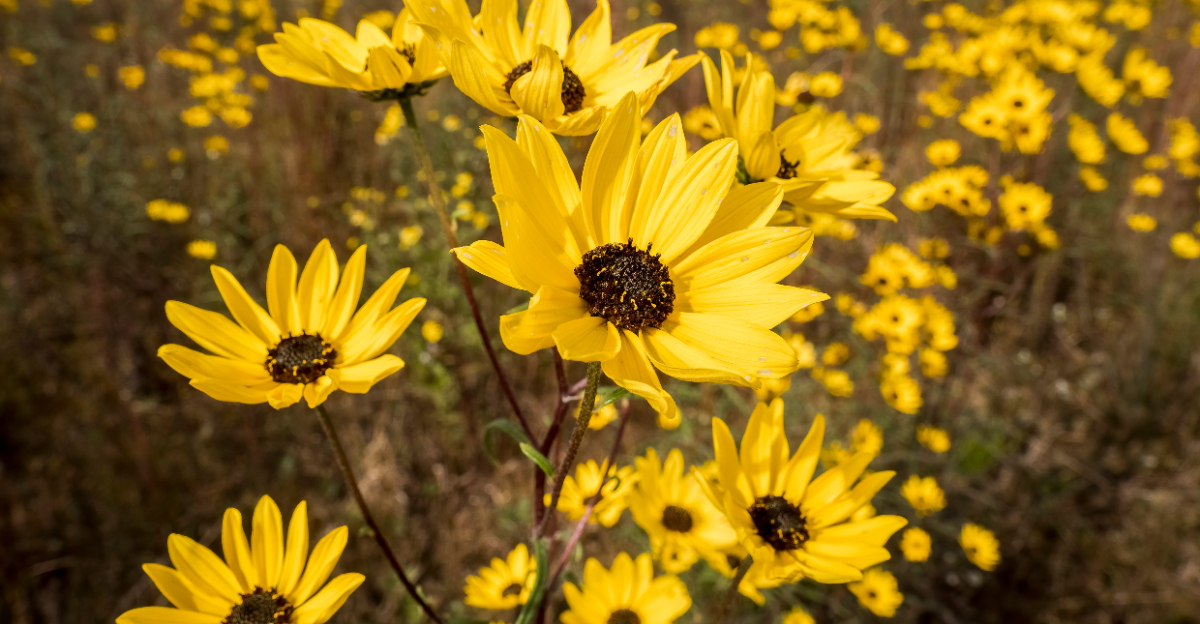
If you crave a burst of sunshine when summer fades, the swamp sunflower delivers gold by the armful. This towering native can reach six feet or more, crowning itself with dozens of bright yellow flowers late in the season.
Wet ground is exactly where it wants to be. Those September rains soak the soil and give this plant the deep moisture its roots crave, letting it rocket upward and pump out blooms just as many other flowers begin to fade.
The name says it all, since swamps and soggy fields are its natural home. Plant it near a pond, a drainage area, or any low spot that stays damp, and it will thank you with a golden wall of color.
Pollinators go wild for it. Bees, butterflies, and hungry birds flock to the flowers, and later the seeds feed finches and other feathered visitors through the cooler months.
Because it grows so tall, give it a sunny backdrop where it will not shade smaller plants. A gentle pinch in early summer keeps stems bushier and less likely to flop when the flowers grow heavy.
Swamp sunflower spreads slowly by underground runners, forming generous clumps over time. If you want more, simply divide them in spring and tuck the pieces into other wet corners.
For a late-season showstopper that loves the moisture storms bring, few plants match its cheerful energy. It turns damp, forgotten ground into a glowing patch of autumn gold that lifts the whole garden.
4. Joe Pye Weed
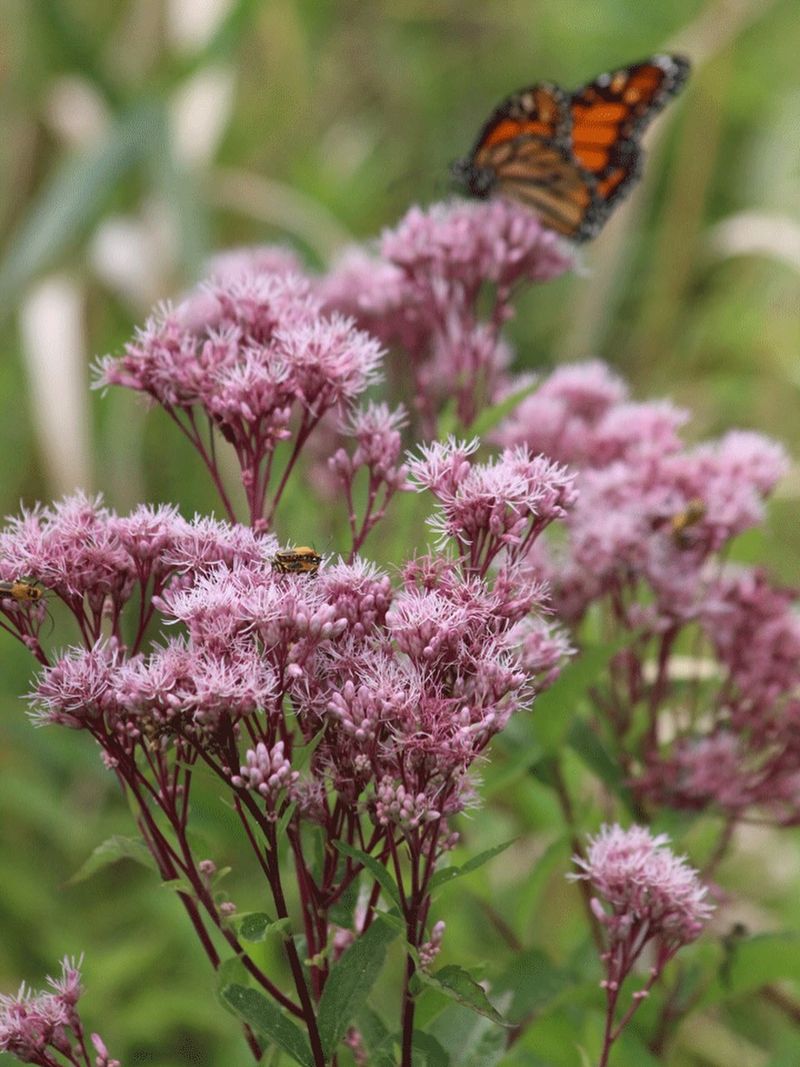
Standing head and shoulders above most garden plants, Joe Pye weed carries big, dusty-pink flower clusters like fluffy pom-poms. This gentle giant is a longtime favorite of native gardeners across North Carolina.
Fresh soil moisture is what keeps it thriving. When September storms recharge the ground, this tall native drinks deeply and keeps its rosy flower heads going strong into early autumn, long after drier plants have wound down.
Butterflies treat it like a buffet. On a warm fall afternoon, you might count several swallowtails perched on a single cluster, sipping nectar while the whole plant hums with life.
Because it can climb to seven feet, Joe Pye weed makes a stunning backdrop for a border or a soft screen along a fence. Pair it with shorter plants up front so its towering blooms get the spotlight.
It grows best in moist to wet soil and full sun, though it tolerates a bit of afternoon shade. Rain gardens, pond edges, and low meadows suit it perfectly, and it rarely needs fussing once settled.
The mauve flowers age into fluffy seed heads that add texture even after the color fades. Leaving them standing gives birds a snack and adds interest through the cooler weeks.
For gardeners who want a bold, pollinator-friendly plant that shrugs off wet feet, this native is a joyful choice. It turns a damp, sunny spot into a buzzing, rosy centerpiece that keeps the fall garden feeling full and alive.
5. Ironweed
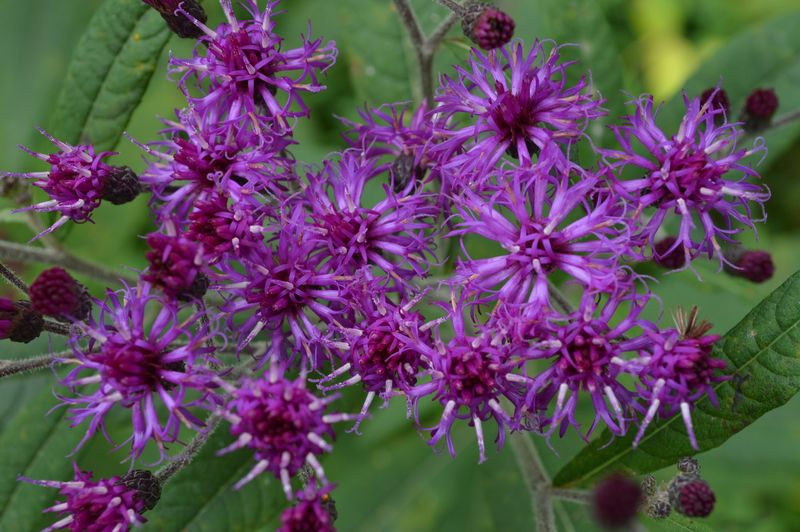
Few flowers can match the deep, royal purple of ironweed when it lights up a wet meadow. The color is so rich it almost looks unreal, and that boldness makes it a standout in any late-season garden.
This native earned its tough name from its sturdy stems and its love of soggy ground. After heavy September rain, ironweed grows strong and upright, handling moist to wet soil that would trouble fussier plants.
The flowers open in flat-topped clusters atop stems that can stretch several feet high. Butterflies and bees crowd the blooms, especially in the warm days of early fall when nectar becomes harder to find elsewhere.
Because it thrives in damp, low areas, ironweed is a smart pick for rain gardens, ditches, and pond edges. It also mixes beautifully with yellow bloomers like goldenrod, creating a purple-and-gold combo that pops.
Care is refreshingly easy. Give it full sun and steady moisture, and it will reward you year after year with almost no effort. If the stems grow too tall for your taste, a light trim in early summer keeps them shorter and bushier.
The seeds that follow the flowers feed birds through the cooler weeks, adding another reason to leave the plant standing after blooming ends.
For anyone wanting drama and durability in one plant, ironweed brings both. It transforms a wet, overlooked corner into a glowing patch of deep purple that hums with pollinators well into the fall.
6. Turtlehead
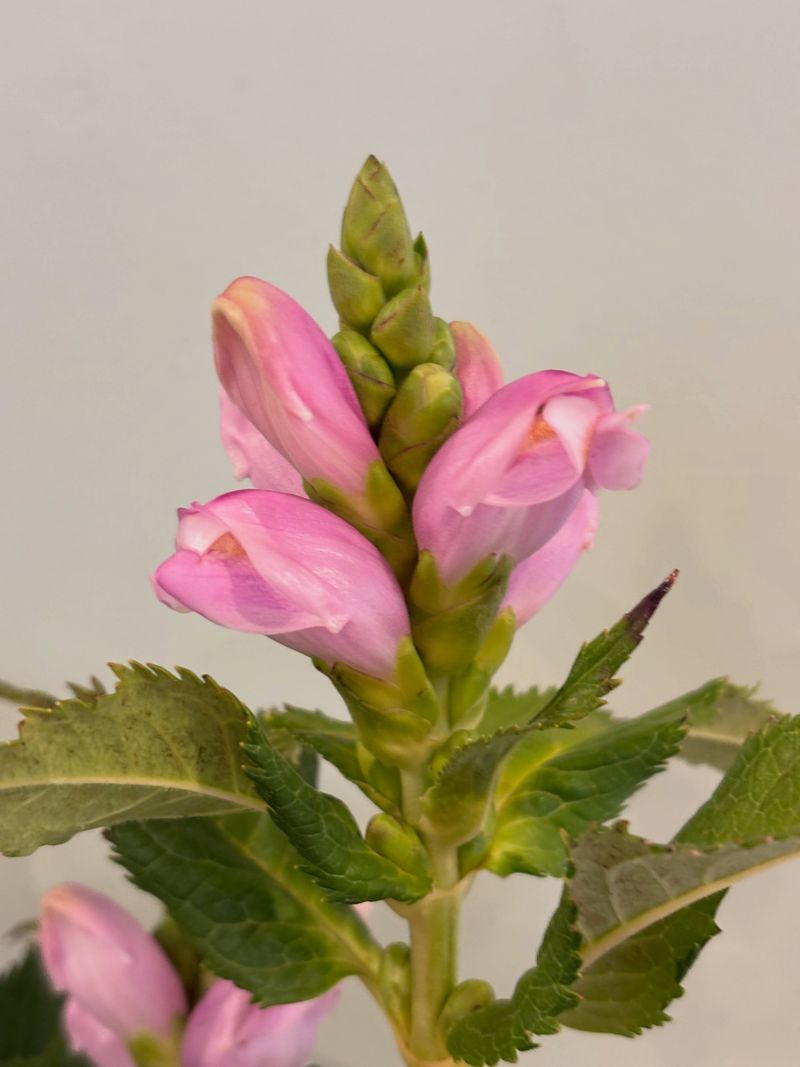
Take a close look at a turtlehead flower and you will see exactly how it got its odd little name. Each bloom looks like the head of a turtle peeking out, complete with a rounded, hooded shape that delights curious gardeners.
Consistent moisture is the key to its happiness. This native loves soil that stays damp, so the wet ground left behind by September storms sets it up for a strong finish to the growing season.
The flowers appear from late summer into fall in soft shades of pink and white, clustered at the tops of leafy stems. Bumblebees are its biggest fans, and watching them push inside the snug blooms is half the fun.
Because it prefers steady dampness, turtlehead shines in shady, moist spots where many flowers give up. Stream banks, rain gardens, and low woodland edges all suit it well.
It grows in neat, upright clumps that slowly expand over time, never becoming pushy or hard to manage. Partial shade keeps it comfortable, though it accepts more sun if the soil stays reliably wet.
Care asks little of you. Keep the ground moist, avoid letting it dry out, and this plant will return faithfully each year with its quirky blooms.
For gardeners who want something unusual and cheerful in a damp, shaded corner, turtlehead is a delightful surprise. It brings personality and late-season color to spots that often feel forgotten, turning shade and moisture into a charming, bee-loved display.
7. Cardinal Flower
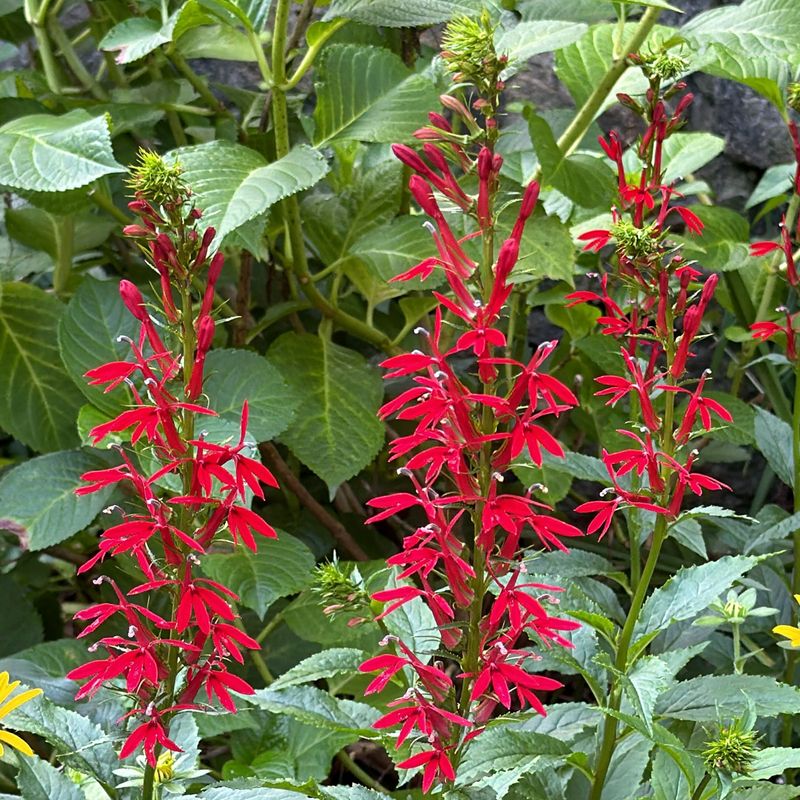
Nothing grabs your eye quite like the fiery scarlet spikes of cardinal flower. Its red is so vivid it practically glows, and hummingbirds cannot resist zooming in for a sip.
Steady moisture is what this native craves most. After September storms soak the ground, cardinal flower flourishes, and it can even handle brief spells of very wet soil while continuing to bloom into fall.
The tall flower spikes rise straight up, lined with tube-shaped blossoms perfectly built for hummingbird beaks. Watching those tiny birds hover and feed is one of the great joys of a late-season garden.
Because it tolerates wet feet, cardinal flower is ideal for pond edges, rain gardens, and low spots that puddle after rain. It also grows well in containers set in trays of water if you want to keep it close to a patio.
Give it partial shade to full sun and rich, moist soil, and it will reward you generously. In drier gardens it struggles, so the wetter the spot, the happier it stays.
One thing to remember is that cardinal flower can be short-lived, so let a few flowers form seeds. Those seeds drop and sprout nearby, keeping the colony going for many seasons.
For a jolt of bold red that pulls hummingbirds straight to your yard, few plants compete with this native beauty. It turns a soggy edge into a dazzling ribbon of scarlet that keeps the fall garden feeling vibrant and full of motion.
8. Rough Goldenrod
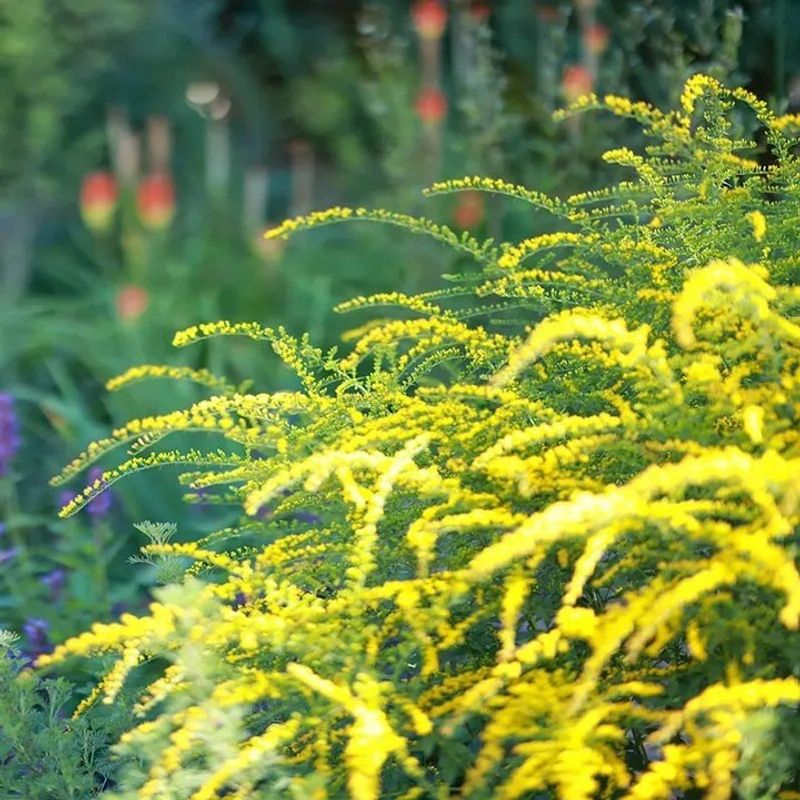
When fall rolls in, rough goldenrod erupts in plumes of brilliant yellow that seem to capture the last of the summer sun. This cheerful native is a signature sight across North Carolina meadows and roadsides.
Damp ground is its comfort zone. Rough goldenrod grows naturally in moist areas, so the extra water from September storms helps it shoot up fast and unfurl those golden sprays right on schedule.
Despite an old myth, goldenrod does not cause sneezes, since its heavy pollen sticks to insects rather than floating in the air. The real culprit is ragweed, which blooms at the same time.
Pollinators treasure it. Bees, butterflies, and beetles swarm the flowers during a season when nectar grows scarce, making it a lifeline for many creatures heading into cooler weeks.
The plant gets its name from its slightly scratchy leaves and stems, but that texture does nothing to slow its cheerful growth. It spreads into generous clumps that light up wet, sunny corners.
Plant it in full sun with steady moisture, and it practically takes care of itself. A trim in early summer keeps stems sturdier so the flower heads stand tall instead of flopping.
Pairing goldenrod with purple bloomers like ironweed or asters creates a knockout color combo that feels straight out of a wild meadow.
For a low-effort plant that floods your fall garden with warmth and buzzing life, rough goldenrod is hard to beat. It turns a damp, sunny patch into a glowing sea of gold.