The Texas Tree Most Homeowners Wish They Had Planted Five Years Ago
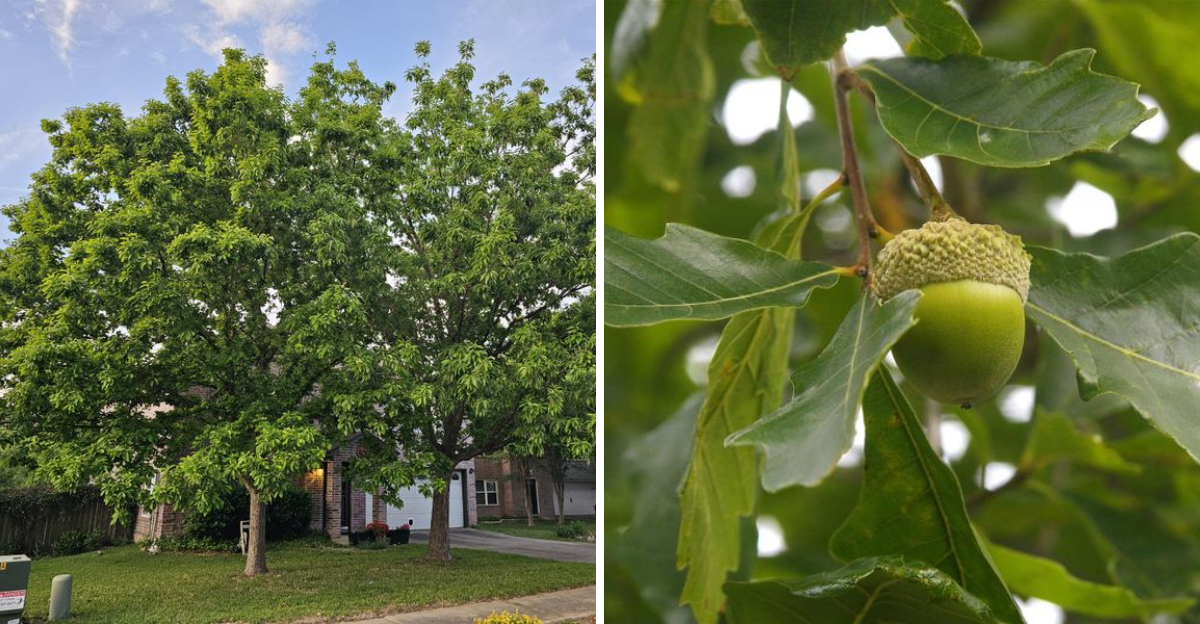
Few gardening decisions pay off quite as satisfyingly as planting a shade tree, and in Texas, that payoff feels especially meaningful when August rolls around and you are standing in your yard wondering why you did not plant one sooner.
A young tree put in the ground today does something quietly remarkable over the years, growing upward and outward until it starts genuinely changing how your outdoor space feels on a brutal summer afternoon.
Chinkapin Oak (Quercus muehlenbergii) is a Texas native that more homeowners are discovering for all the right reasons: moderate to relatively fast growth, a broad spreading canopy, impressive heat tolerance, and real value for local wildlife.
It is the kind of tree that rewards patience in the most satisfying way possible, and understanding what several years of steady growth can do for your yard is genuinely exciting.
1. Five Years Of Growth Can Make A Noticeable Difference
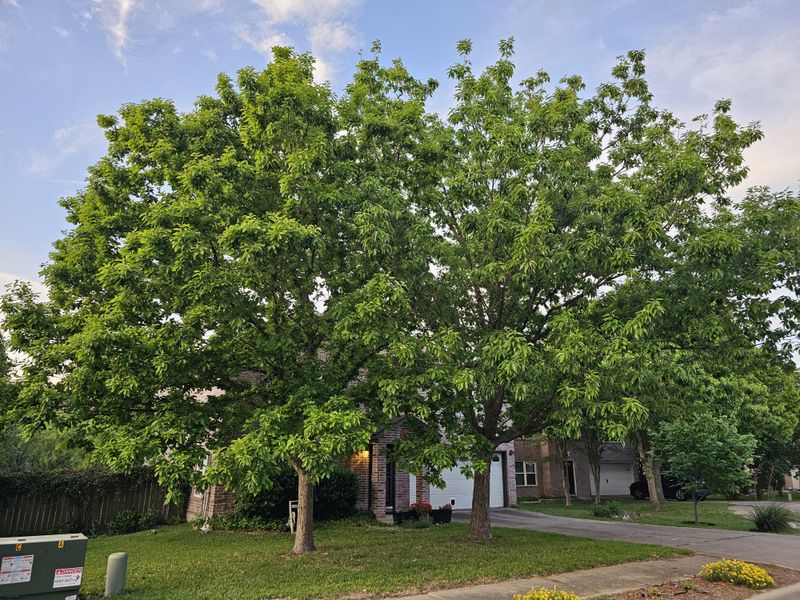
Walking out to a yard where a young oak has been quietly growing for several seasons gives you a different appreciation for time and patience in landscaping.
Chinkapin oak is generally described as a moderate to fast-growing tree under suitable conditions, which means a tree planted today has real potential to gain meaningful height, branching structure, and canopy spread over several years.
That kind of progress adds up in ways that become visible and useful around a Texas home.
Growth rate, though, is not a fixed number. How quickly a Chinkapin oak develops depends on factors like soil quality, drainage, available moisture, how well the tree was established after planting, and the specific conditions of a given yard.
A tree planted in well-drained soil with thoughtful watering during its first few seasons generally has a better chance of gaining size more quickly than one left to struggle in a difficult site.
The phrase “wish they had planted five years ago” captures something real about shade trees. You cannot rush the process, but you can start it.
A Chinkapin oak planted this season will not look the same five years from now, and that change, gradual as it is, can eventually shift how a Texas landscape looks and feels during those long, bright summer months.
Starting sooner rather than later is the most straightforward advantage any homeowner has when it comes to growing a shade tree.
2. A Broadening Canopy Brings More Shade With Time
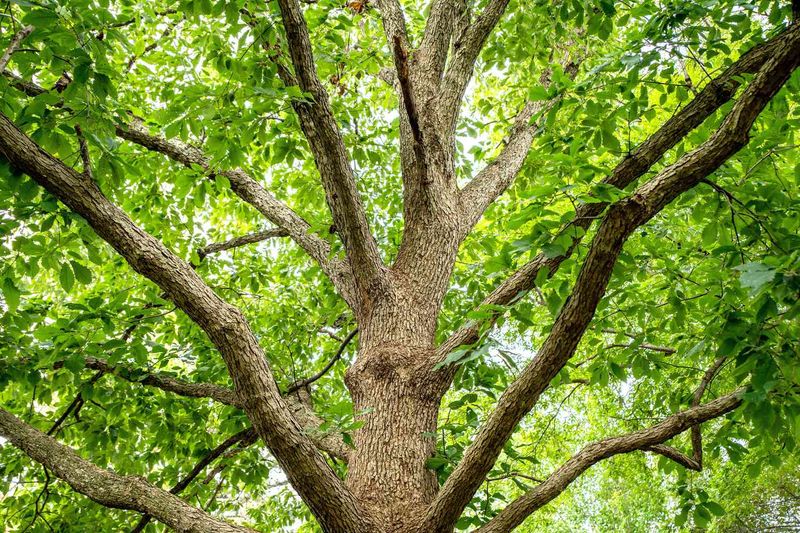
Afternoon shade in a Texas summer is not just comfortable, it can genuinely change how usable an outdoor space feels.
Chinkapin oak develops a broad, rounded to spreading canopy as it matures, and that expanding canopy is a big part of why this tree becomes increasingly valuable around a home over the years.
A wider canopy means more ground covered in shade, which can cool a patio, soften the feel of a lawn, or reduce the amount of direct sun hitting parts of a house.
Placement matters a great deal when you are planting a tree with a canopy that will eventually spread considerably. A Chinkapin oak needs room to grow both upward and outward without crowding structures, utility lines, sidewalks, or other landscape features.
Your Texas Garden Changes Every Week. Your Plan Should Too.
Gardening in Texas changes quickly throughout the season. Every Friday you’ll receive a simple weekly plan showing exactly what to plant, prune, fertilize, harvest, and protect so you never miss the right timing.
Giving the tree appropriate space from the start means it can develop its natural form without needing heavy pruning that works against its growth.
A five-year-old Chinkapin oak will not yet provide the same shade as a long-established specimen, and that is worth keeping in mind when setting expectations.
The canopy at that stage may still be relatively modest, but it will be noticeably larger than at planting.
Each passing year adds to the canopy’s reach, and that gradual expansion is exactly the kind of slow payoff that makes Texas homeowners look back at a young tree they planted and feel glad they started when they did.
3. Texas Heat Is Well Within This Native Oak’s Comfort Zone
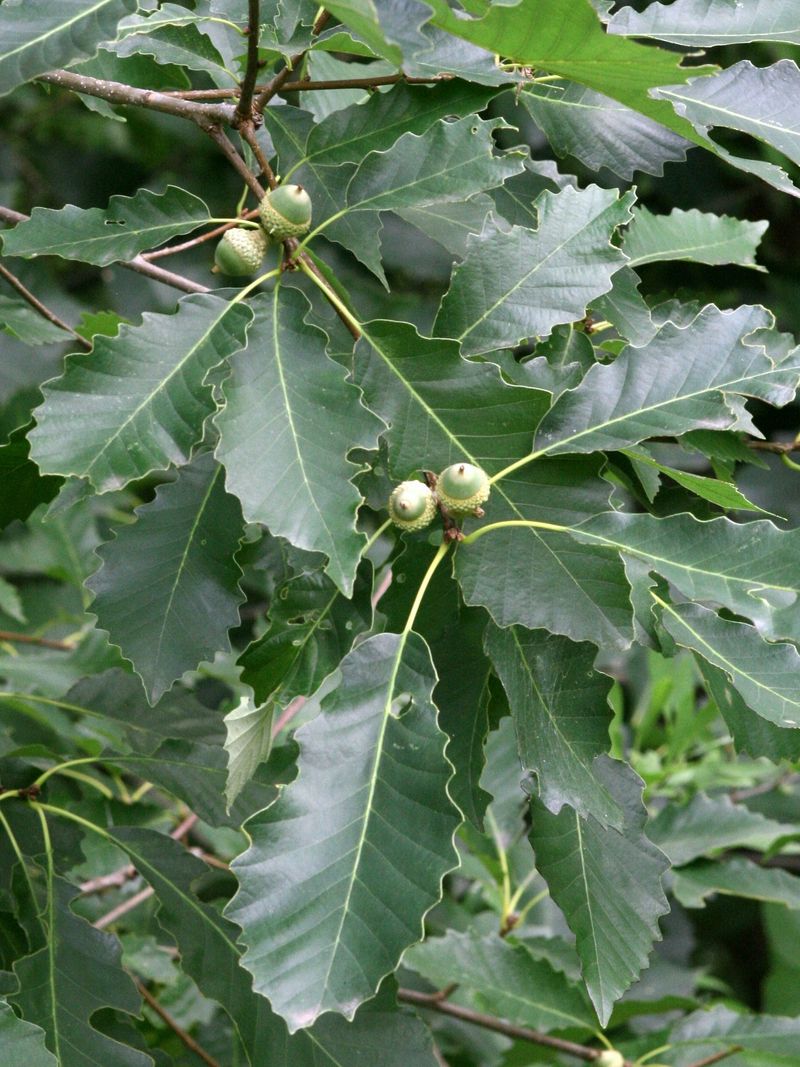
Summer in Texas does not ease up, and trees that struggle with intense heat quickly become more of a burden than a benefit in the landscape.
Chinkapin oak is a Texas native, which means it evolved alongside the kind of heat that sends people indoors and wilts less adapted plants.
That native heritage gives it a documented ability to perform in heat that many non-native or less climate-matched trees simply cannot match as reliably.
Heat tolerance does not mean the tree operates without any care, especially in its early years.
A newly planted Chinkapin oak still needs appropriate establishment support, including reasonable watering during dry stretches, to help it develop the root system that eventually allows it to handle tough summers with more independence.
Performance can also vary depending on where the tree is sited, how much reflected heat it receives from pavement or structures, and what the soil conditions are like.
Once a Chinkapin oak is well established in a suitable location, its tolerance for summer heat becomes one of its most practical traits for Texas landscapes.
Homeowners who have watched other trees drop leaves early, scorch at the edges, or simply look stressed through July and August often find a native oak like this one holds up with considerably more composure.
That reliability across hot seasons is a meaningful quality when you are choosing a tree meant to grow and shade a yard for decades.
4. Established Trees Can Handle Considerable Drought
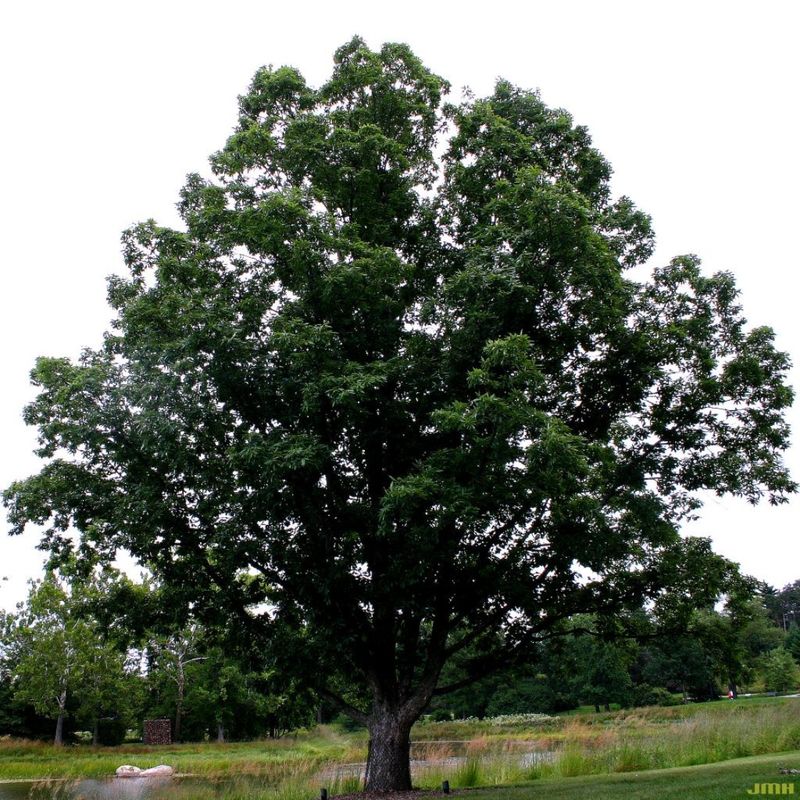
Dry spells can stretch on long enough to test just about every plant in a landscape, and knowing which trees can handle that stress without falling apart is genuinely useful information for any homeowner.
Chinkapin oak, once it has had time to develop a deep and spreading root system, has a reputation for tolerating considerable drought conditions.
That established-tree resilience is one of the reasons it fits well into many Texas landscapes where long dry periods are a regular part of the seasonal cycle.
The key phrase there is “once established,” and it is worth slowing down on that point. A Chinkapin oak that was planted last spring is not the same as one that has been growing in place for several years.
Young trees are still building the root infrastructure they need to find and hold onto soil moisture during dry stretches.
During that establishment window, which can last a few years depending on conditions, supplemental irrigation during dry periods helps the tree develop the way it needs to.
Drought tolerance in a mature Chinkapin oak does not mean the tree never benefits from water during prolonged or severe dry periods.
Extended stress from extreme drought can still affect any tree, and checking on an established oak during unusually harsh dry spells is reasonable care.
The advantage is that a well-rooted Chinkapin oak generally handles moderate dry periods with far more steadiness than many other landscape trees commonly planted in Texas yards.
5. Alkaline Texas Soils Are Less Of An Obstacle
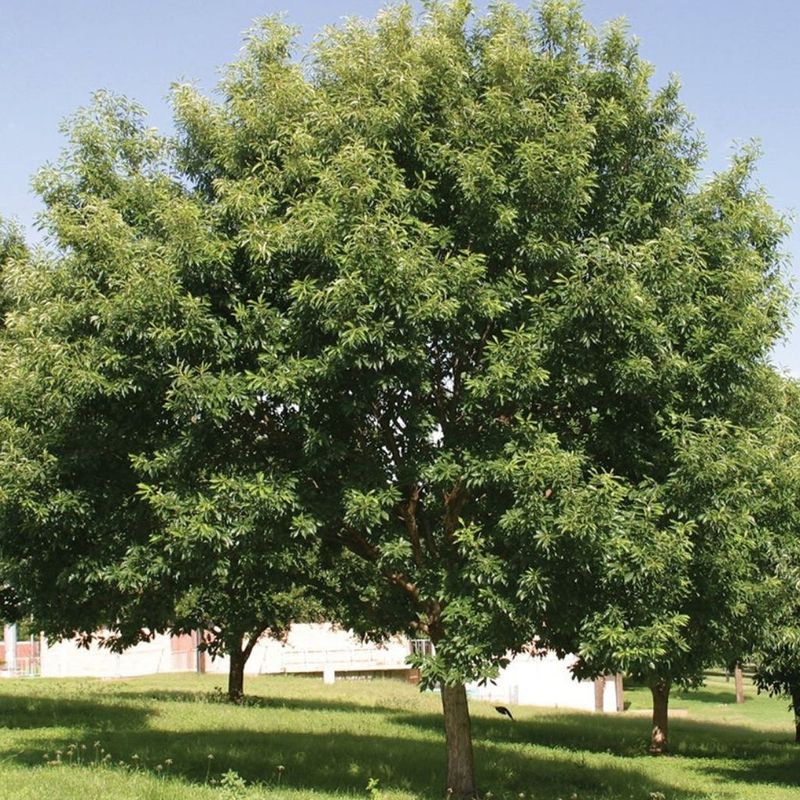
Soil chemistry is one of those behind-the-scenes factors that quietly determines whether a landscape tree thrives or just gets by.
Many parts of the state have neutral to moderately alkaline soils, particularly across the Hill Country, North Texas, and other regions where limestone is close to the surface.
A tree that cannot adapt to those pH levels will often show signs of stress no matter how much water or fertilizer it receives, which is frustrating for homeowners who have put real effort into their landscape.
Chinkapin oak has earned a reputation for adaptability across a range of soil types, including soils with moderately alkaline conditions, provided that drainage is suitable.
Texas A&M sources describe it as a tree that can adjust to varied soil conditions better than some other oaks, which makes it a reasonable candidate for areas where soil alkalinity limits what can be planted successfully.
That adaptability does not mean it will perform equally well in every soil type or every drainage situation.
Poorly drained sites remain a genuine concern regardless of pH. Soil that stays wet for extended periods after rain can create root problems for Chinkapin oak, and that is a site condition to evaluate carefully before planting.
Homeowners with heavy clay soils that drain slowly may want to assess their specific conditions or consult with a local AgriLife Extension office before choosing a planting location.
Good drainage paired with moderate alkalinity is a much more workable combination than alkaline soil that also holds standing water in Texas.
6. Yellow-To-Bronze Fall Color Adds Another Seasonal Payoff
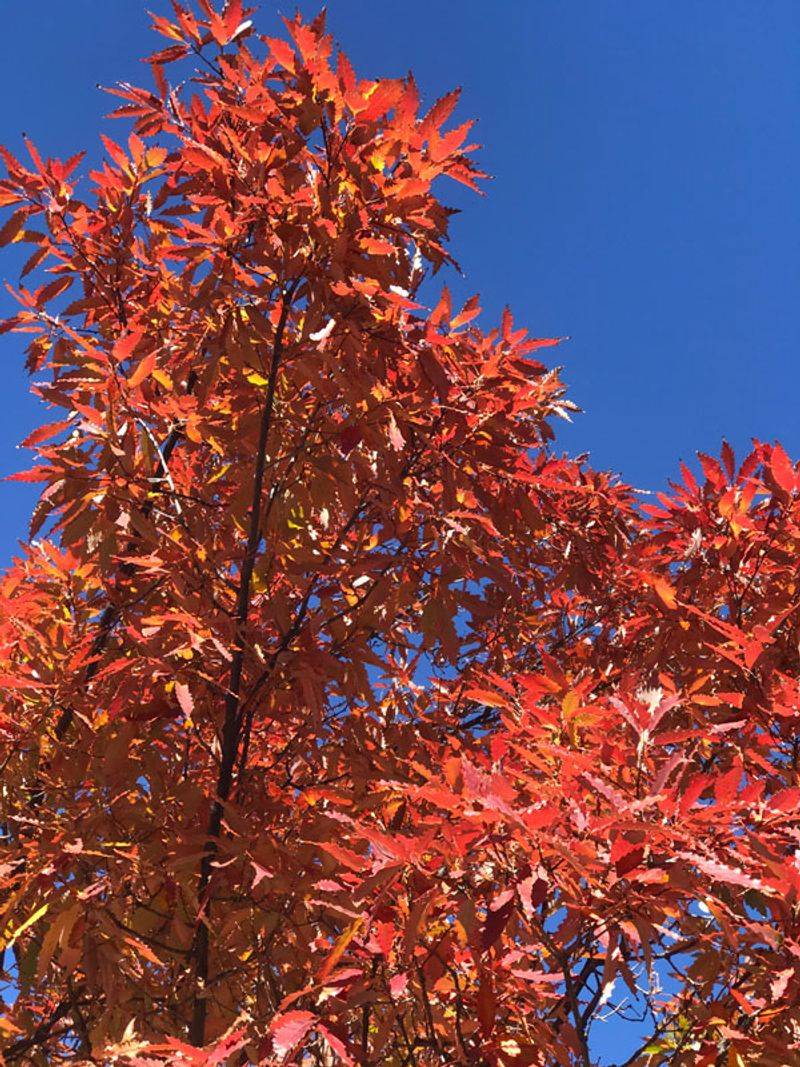
Most people plant a shade tree with summer in mind, but a Chinkapin oak offers something worth noticing in fall as well.
The foliage transitions to shades of yellow and bronze as temperatures cool, giving the tree a warm seasonal character that adds another layer of visual interest to a Texas landscape.
For homeowners who are used to trees that simply drop green leaves and call it a year, that autumn color can feel like a pleasant bonus.
Fall color is not something that can be guaranteed to look identical from one year to the next or from one tree to another.
The intensity and timing of the color change can vary depending on seasonal temperatures, rainfall patterns, tree health, and geographic location within Texas.
A year with a gradual, cool autumn may bring out richer color than a season that swings quickly from summer heat to cold nights. That variability is normal and worth keeping in mind rather than expecting a perfectly consistent display every fall.
What Chinkapin oak reliably offers is a season of warm-toned foliage that complements the look of a yard when many other trees are already bare.
The combination of summer shade and fall color makes this tree useful across more than one season, which adds to its overall value as a long-term landscape investment.
Choosing a tree that contributes to the yard in multiple seasons rather than just one is a practical consideration that experienced gardeners often mention when discussing shade-tree selection.
7. Acorns Give Local Wildlife Another Reason To Visit
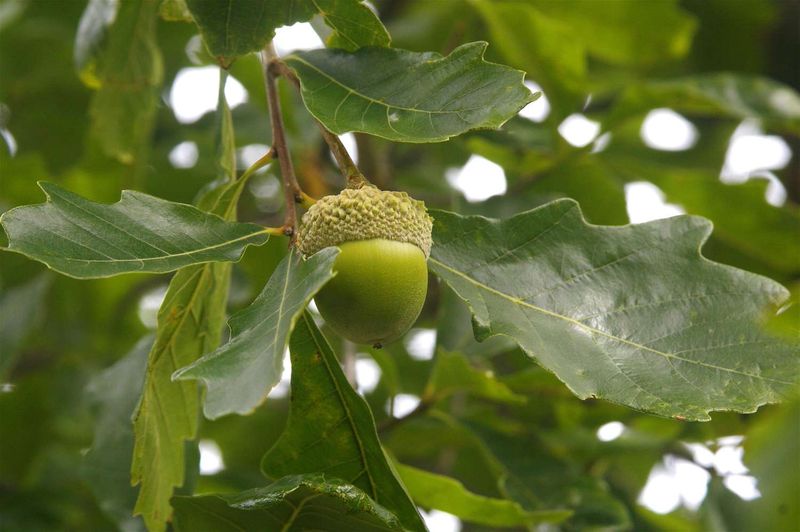
A yard with a mature Chinkapin oak in it tends to attract more activity than one without.
The acorns this tree produces are a food resource for a range of wildlife species, including squirrels, deer, and various bird species that rely on mast crops as a significant part of their seasonal diet.
For homeowners who enjoy watching wildlife or who want their yard to support local ecosystems, that acorn production is a meaningful ecological contribution that goes well beyond shade.
Acorn production generally becomes more relevant as a tree matures and develops the canopy and root mass to support consistent masting.
A young Chinkapin oak may produce some acorns in its earlier years, but the quantities that attract sustained wildlife attention tend to increase as the tree gains size and age.
Planting now means that wildlife value grows alongside the tree, becoming more noticeable with each passing year in a way that compounds the reasons to have started early.
Acorns do fall, and that is worth factoring into where the tree is placed. A Chinkapin oak positioned over a patio, driveway, or frequently used walkway will drop acorns onto those surfaces each season, which can be slippery or require regular cleanup.
Positioning the tree where acorns can fall onto a lawn or garden area, rather than a hard surface, makes the wildlife benefit easier to enjoy without adding unnecessary maintenance.
A little thoughtful placement in Texas yard goes a long way with a tree that will be producing acorns for decades.
8. Oak Wilt Still Deserves Attention When Planting An Oak
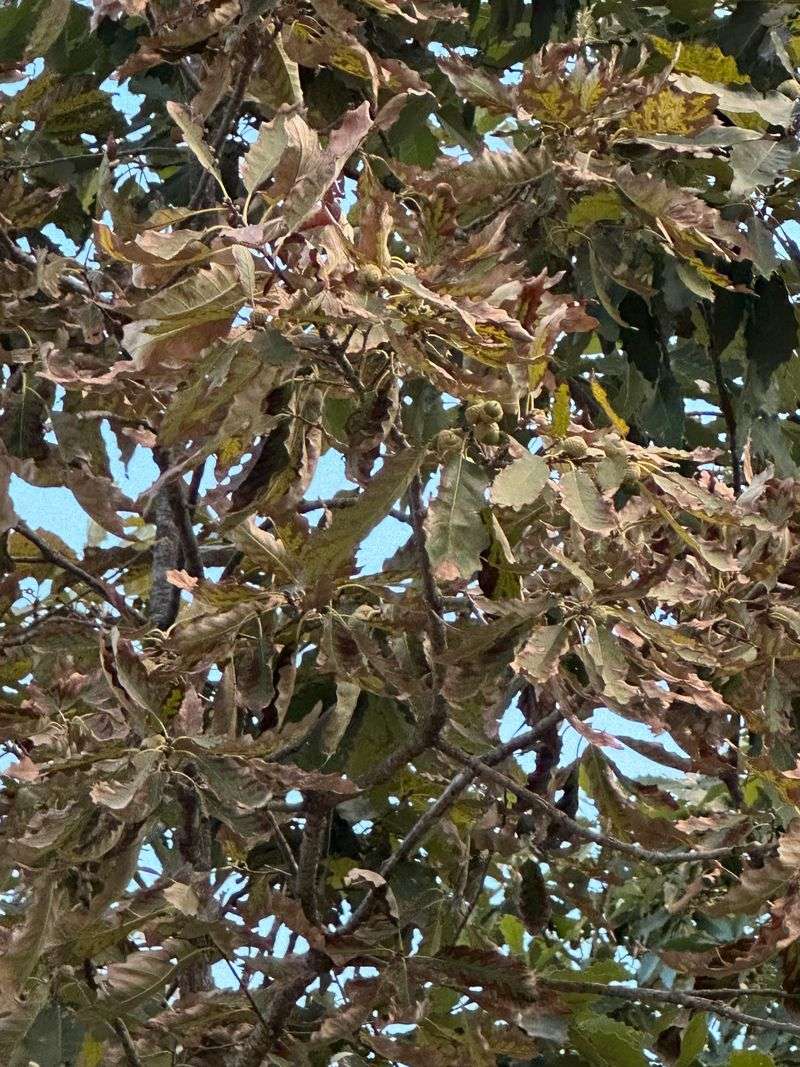
Planting an oak comes with real rewards, but it also comes with a responsibility to understand oak wilt, a serious fungal disease that has affected oak trees across a significant portion of the state.
Chinkapin oak belongs to the white oak group, and while white oaks are generally considered less susceptible to oak wilt than red oaks, they can still be affected by the disease.
Understanding that distinction matters, but so does recognizing that belonging to the white oak group does not make a tree immune.
Texas A&M Forest Service guidance on oak wilt emphasizes that pruning oaks during certain times of year, particularly during the spring months when the disease-spreading beetles are most active, increases the risk of infection.
Wounds from pruning, storm damage, or other causes can serve as entry points.
Covering fresh wounds promptly with a pruning sealant and avoiding unnecessary cuts during high-risk periods are practical steps recommended for oak management in areas where oak wilt is a concern.
Before planting a Chinkapin oak, checking with local AgriLife Extension resources or the Forest Service about oak wilt activity in your specific area is a reasonable step.
Oak wilt pressure varies across the region, and homeowners in heavily affected areas may want to take extra precautions.
Planting a Chinkapin oak does not mean oak wilt will become a problem, but going in with awareness of the disease and how to reduce risk makes for a more informed and prepared approach to oak stewardship in Texas.