Texas Yard Habits That Attract More Beneficial Insects Without Any Chemicals
Beneficial insects are already present in most Texas yards, but whether they stay, multiply, and do meaningful work in your garden depends almost entirely on the environment you create for them.
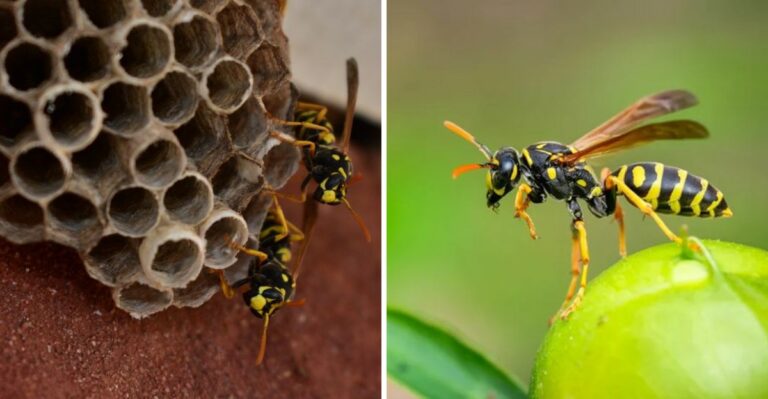
Ladybugs, lacewings, parasitic wasps, ground beetles, and dozens of other helpful insects are hunting pests, pollinating plants, and maintaining the kind of natural balance that makes a garden easier to manage, but they need specific conditions to establish a real presence.
Most conventional yard habits work against them without intending to, and the result is a garden that relies on sprays and interventions that would not be necessary if the beneficial insect population was where it could be.
Shifting a handful of everyday habits creates the habitat, food sources, and shelter that these insects need to move in and stay.
Texas has a rich beneficial insect population ready to put to work. The yard just has to stop pushing them out.
1. Plant A Diversity Of Native Flowers
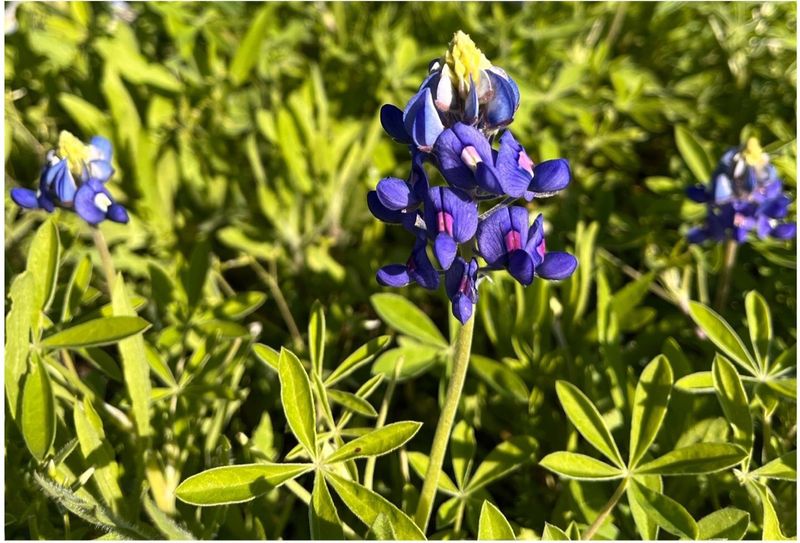
Walking through a yard filled with Texas wildflowers in full bloom is one of the most rewarding sights a gardener can experience.
Native flowers like bluebonnets, black-eyed Susans, coneflowers, and Indian blanket flowers have evolved alongside local insects for thousands of years.
That means local bees and butterflies are naturally drawn to them and know exactly how to use them.
Planting a variety of native flowers is one of the smartest moves you can make for your yard. Different flowers bloom at different times of year, so a diverse mix keeps nectar and pollen available from early spring all the way through fall.
This steady food supply gives beneficial insects a reason to stick around your yard instead of moving on.
You do not need a huge space to make a difference. Even a small patch of native flowers along a fence line or near a porch can attract dozens of pollinator species.
Try to include plants with different flower shapes too, since some insects have long tongues and prefer tubular blooms, while others need open, flat flowers to land on easily.
Native plants are also much easier to care for than exotic varieties. They are adapted to Texas heat and soil, so they need less water and almost no extra attention once established.
Nurseries across Texas carry a wide selection of native plants, and many local conservation groups offer free seeds or seedlings during community planting events.
Starting with just three or four native species and expanding over time is a great way to build a pollinator-friendly yard without feeling overwhelmed.
2. Leave Some Bare Soil Patches
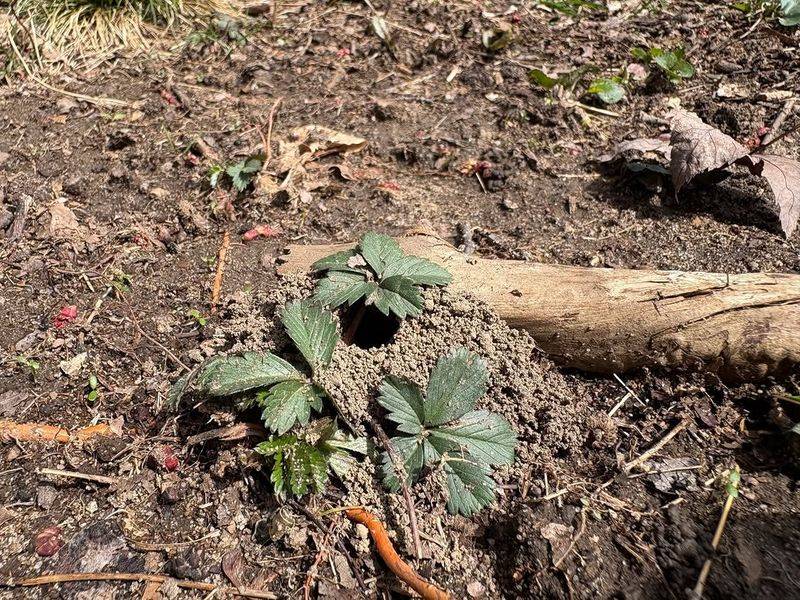
Most people think a perfectly manicured lawn covered with thick grass is the goal of good yard care. But for a surprising number of beneficial insects, bare soil is actually a treasure.
Ground-nesting bees, which make up about 70 percent of all bee species in North America, need open patches of exposed earth to build their nests and raise their young.
Texas has many native bee species that nest underground, including sweat bees, mining bees, and digger bees. These bees are incredible pollinators and are completely non-aggressive toward people.
Your Texas Garden Changes Every Week. Your Plan Should Too.
Gardening in Texas changes quickly throughout the season. Every Friday you’ll receive a simple weekly plan showing exactly what to plant, prune, fertilize, harvest, and protect so you never miss the right timing.
They rarely sting unless handled, making them safe and welcome neighbors in any yard. Creating a bare soil patch is simple. Choose a sunny spot in your yard and clear away the grass and mulch from an area about the size of a dinner plate or larger.
Sandy or loamy soil works best because it is easy for bees to tunnel through. South-facing slopes get the most sun and warmth, which bees prefer for nesting.
You can have a few of these patches scattered around the yard without making the space look messy. Surrounding them with native groundcover plants or low wildflowers actually makes them look intentional and attractive.
Avoid tilling or disturbing these areas once you set them up, since nests can take months to develop.
Leaving bare soil is one of the easiest no-cost habits you can start today. It requires zero maintenance and gives native bees exactly what they need to thrive in your Texas yard throughout the warmer months of the year.
3. Include Host Plants For Caterpillars And Butterflies
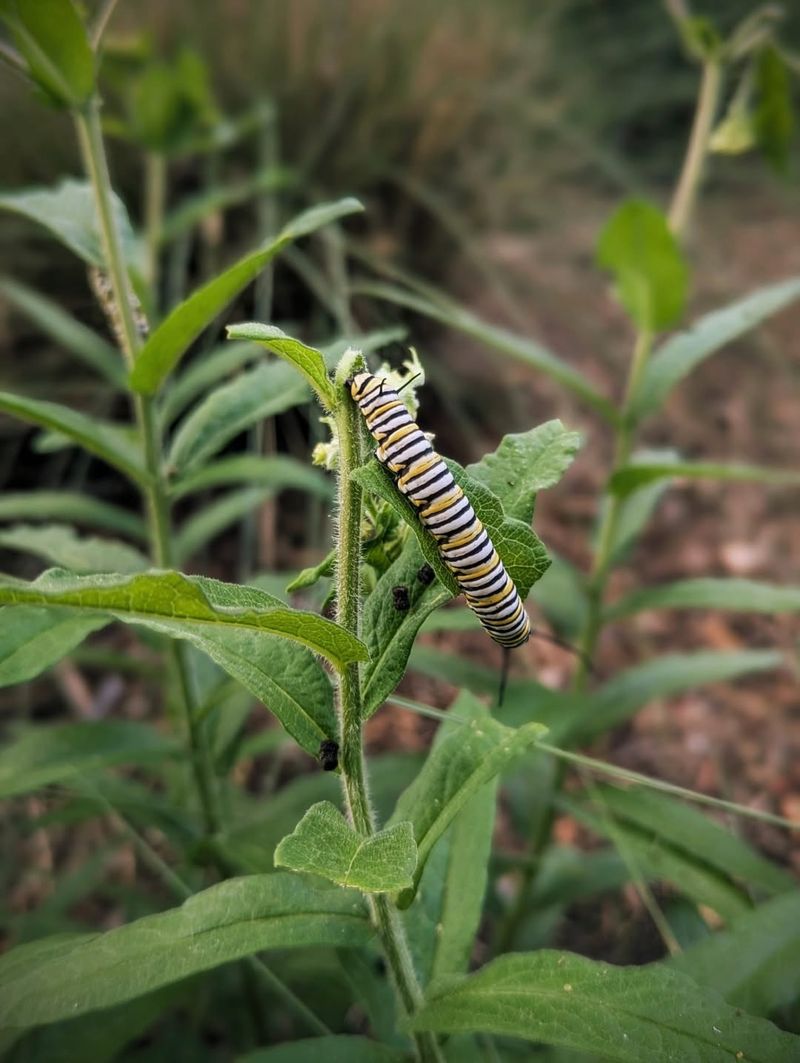
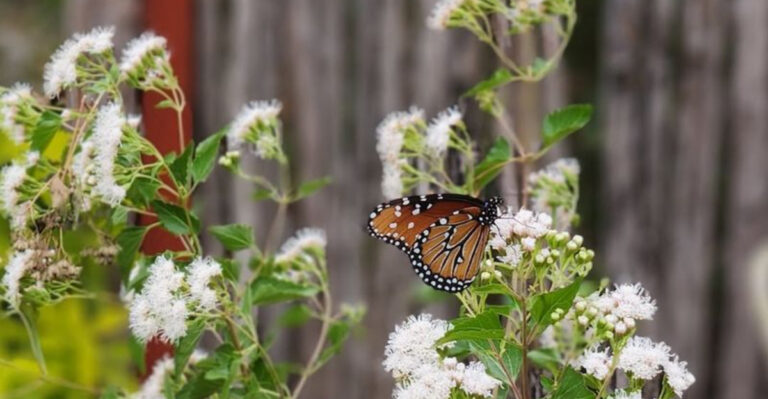
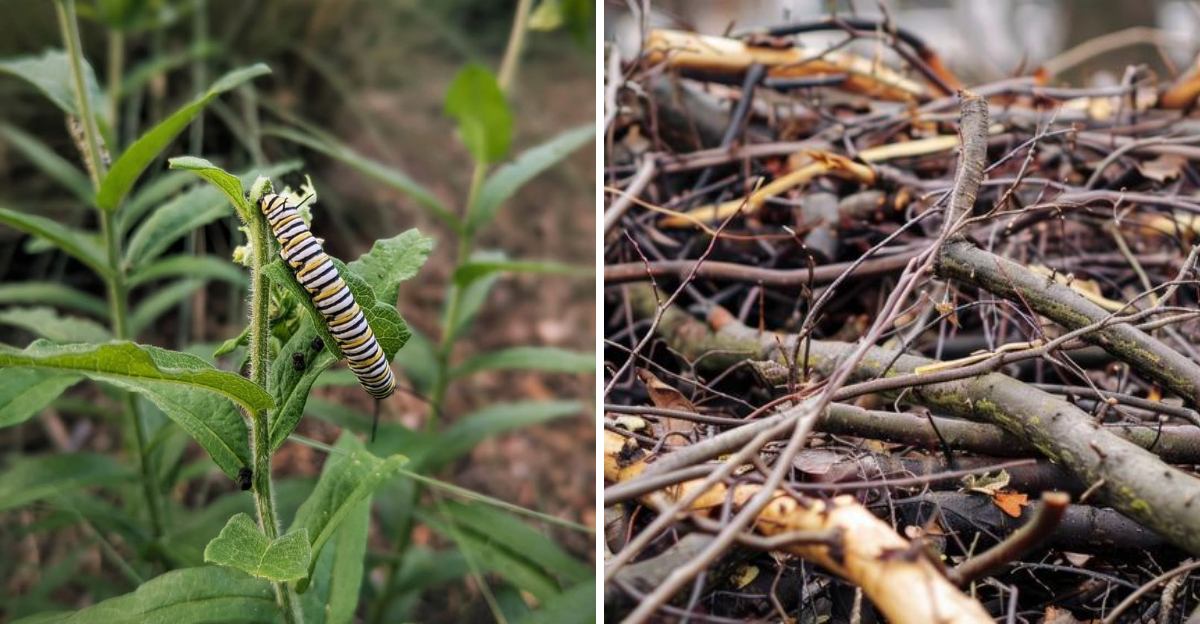
Imagine looking out your window and spotting a monarch butterfly laying eggs on a milkweed plant you grew yourself. That is the kind of magic that happens when you add host plants to your Texas yard.
Host plants are specific plants that caterpillars feed on during their larval stage, and without them, many butterfly and moth species simply cannot complete their life cycle.
Milkweed is the most well-known example. It is the only plant monarch butterfly caterpillars will eat, which is why monarch populations have dropped sharply as milkweed has disappeared from many areas.
Planting milkweed in your yard gives monarchs a fighting chance and adds beautiful orange and pink blooms to your garden at the same time.
Passionflower vine is another excellent choice for Texas yards. Gulf fritillary butterflies and zebra longwing butterflies both rely on it as a host plant.
The vine grows quickly, produces stunning purple flowers, and can cover a fence or trellis in just one season. It is also a native Texas plant, so it handles the heat without complaint.
Other great host plants for Texas include fennel for black swallowtail caterpillars, spicebush for spicebush swallowtails, and various oaks for dozens of moth species.
A single large oak tree can support hundreds of caterpillar species, which in turn feed birds and other wildlife throughout the season.
Adding even two or three host plants to your yard creates a ripple effect. More caterpillars mean more butterflies, more food for birds, and a healthier, more balanced yard ecosystem overall. It is a simple change with a truly big impact.
4. Add Water Features
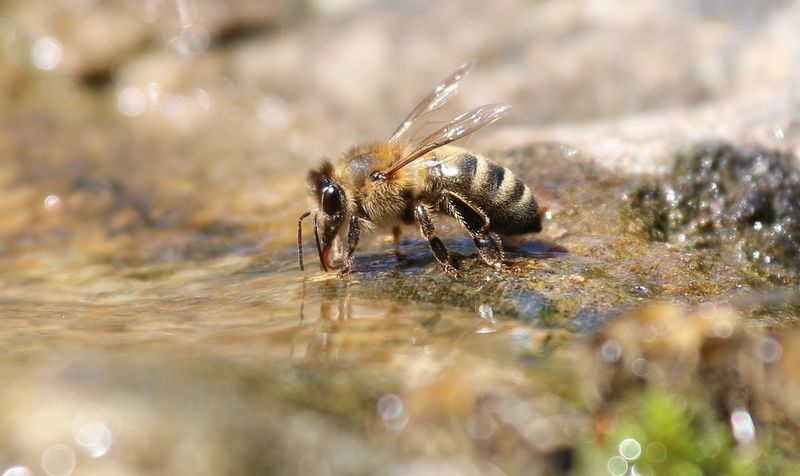
Just like people, insects need water to survive, especially during the blazing Texas summers. Many gardeners focus entirely on food sources like flowers and host plants, but forget that water is just as essential for attracting and keeping beneficial insects around.
A simple water feature can make your yard far more appealing to bees, butterflies, and even predatory insects like lacewings and ground beetles.
You do not need a fancy pond or expensive fountain to make a difference. A shallow birdbath with small stones or marbles placed inside works perfectly.
The stones give insects a safe landing spot so they can drink without falling in. Butterflies especially love what is called a puddling station, which is a shallow dish filled with damp sand or muddy water where they can absorb minerals along with moisture.
If you want to go a step further, a small backyard pond adds even more habitat value. Dragonflies and damselflies lay their eggs in still water, and their larvae are voracious predators of mosquito larvae.
Adding aquatic plants like water lilies or pickerelweed gives these insects shelter and makes the pond look beautiful too.
Keeping water fresh is important. Change birdbath water every two to three days to prevent mosquito breeding and keep the water clean for visiting insects.
Placing water features in a shaded or partly shaded spot also helps slow evaporation during the hottest months.
Even a single small water source can attract a surprising variety of beneficial insects to your yard. It is one of the quickest and most affordable upgrades you can make to support a healthy backyard ecosystem in Texas.
5. Avoid Chemical Sprays And Fertilizers
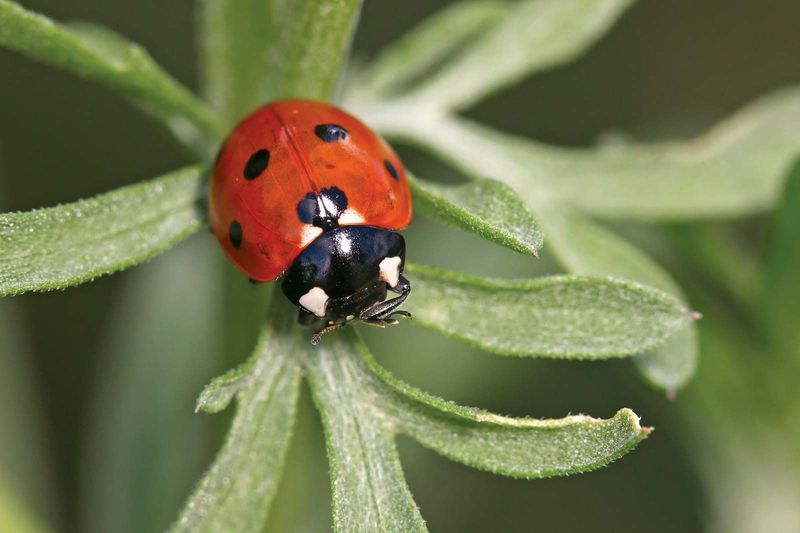
Here is a hard truth that surprises many gardeners: even a single application of a common pesticide can wipe out a whole community of beneficial insects in your yard. Pesticides do not discriminate between the bugs you want gone and the ones doing good work.
Ladybugs, parasitic wasps, ground beetles, and bees are all vulnerable to chemical sprays, and losing them can make pest problems even worse over time.
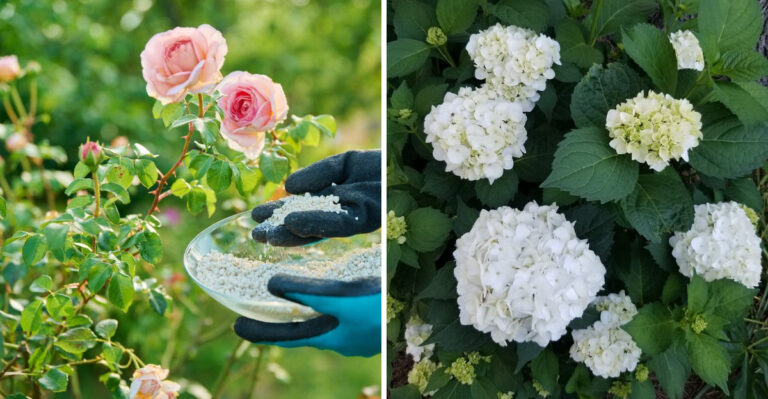
Synthetic fertilizers cause problems too. When applied in large amounts, they can run off into nearby soil and water, disrupting the microbial life that many soil-dwelling insects depend on.
They also tend to push rapid, lush plant growth that attracts more sap-sucking pests, creating a cycle that tempts gardeners to reach for more chemicals.
Breaking away from chemical dependence takes a little patience, but the results are worth it. Healthy yards with diverse plantings and active beneficial insect populations tend to manage pest problems naturally.
Predatory insects like assassin bugs, spiders, and parasitic wasps handle aphids, caterpillar pests, and other nuisances without any help from a spray bottle.
If you do need to address a specific pest problem, try targeted, low-impact options first. Hand-picking pests, using a strong stream of water to knock aphids off plants, or applying insecticidal soap only to the affected area are all far safer choices.
These methods protect the beneficial insects doing good work throughout the rest of your yard.
Choosing to go chemical-free is one of the most powerful commitments you can make. Over time, your yard will grow more balanced, resilient, and alive with the insects that keep everything running smoothly.
6. Provide Shelter And Habitat
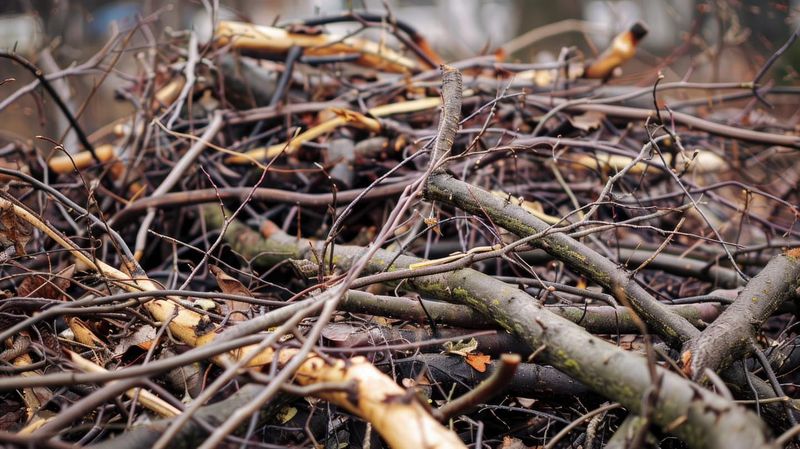
Not many people know that a messy corner of the yard can be one of the most valuable spots for beneficial insects. Brush piles, hollow logs, and dense plantings offer shelter, warmth, and overwintering spots for hundreds of insect species.
When fall arrives and temperatures drop, many beneficial insects look for safe hiding places to wait out the cold months, and your yard can be exactly what they need.
Leaving a small pile of sticks, leaf litter, or bark in a quiet corner of your yard costs nothing and takes almost no effort. Beetles, spiders, lacewings, and native bees all use these spaces for shelter.
Some beneficial wasps tuck themselves into hollow plant stems to spend the winter, which is why leaving dried flower stalks standing through the cold season is such a helpful habit.
Dense shrubs and ornamental grasses also provide excellent cover. Native grasses like Gulf muhly or little bluestem create thick clumps where insects can hide from predators and bad weather.
These plants add texture and visual interest to the yard while doing double duty as insect habitat.
You can also set up a simple insect hotel using bundled hollow bamboo tubes or drilled wooden blocks. Hang it on a fence or post in a sunny, sheltered spot and many solitary bees and wasps will move right in.
These structures are easy to make at home with basic supplies and are a fun project for kids too.
Embracing a slightly wilder yard does not mean letting everything go. Strategic messiness, like a log here or a brush pile there, creates a living, breathing habitat that keeps beneficial insects returning season after season.