One Georgia Lawn Weed Is Easy To Mistake For Grass Until It Starts Flowering
Your lawn can look perfectly normal while an unwanted plant quietly blends right into the grass. Then small flowers appear, and suddenly that ordinary green patch starts looking very different.
This is exactly why some lawn weeds are so easy to overlook early on. Their leaves can hide among healthy blades without immediately drawing your attention.
In Georgia, warm growing conditions give certain weeds plenty of time to settle into lawns. By flowering time, the plant may already have gained a stronger foothold.
Take a closer look before assuming every grassy patch belongs there. Small differences become easier to notice once you know what matters.
Catching the problem earlier can make lawn care much simpler.
Those flowers may be the clue that finally reveals what has been hiding in plain sight.
1. Dallisgrass Can Blend In With Your Lawn At First
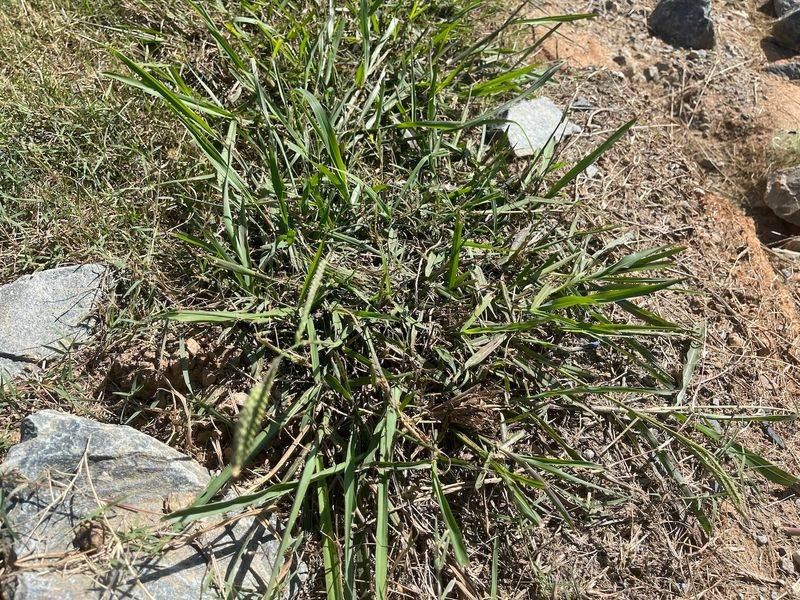
Spotting dallisgrass early is genuinely difficult. Its leaf blades are wide, flat, and a similar shade of green to common turf grasses like bermuda and centipede.
Without a trained eye, most people walk right past it.
Young dallisgrass grows low and spreads outward in a circular pattern. That growth habit mimics how some desirable turf fills in, which makes it easy to confuse.
Even experienced gardeners sometimes do a double take before making a call.
Leaf texture is one clue worth examining up close. Dallisgrass blades tend to feel slightly coarser than bermuda and often have a pale, almost waxy midrib running down the center.
Running a finger along the blade can help you notice that difference.
Another early sign is the growth rate. Dallisgrass tends to grow faster than surrounding turf, so patches may appear slightly taller or shaggier between mowing sessions.
That uneven look is often the first real hint something does not belong.
Roots also tell a story. Dallisgrass grows from short, thick rhizomes just beneath the soil surface.
If you pull at a clump and feel firm resistance, followed by a knotted root structure, there is a reasonable chance you are not dealing with ordinary grass.
2. Flowering Seedheads Make It Much Easier To Identify
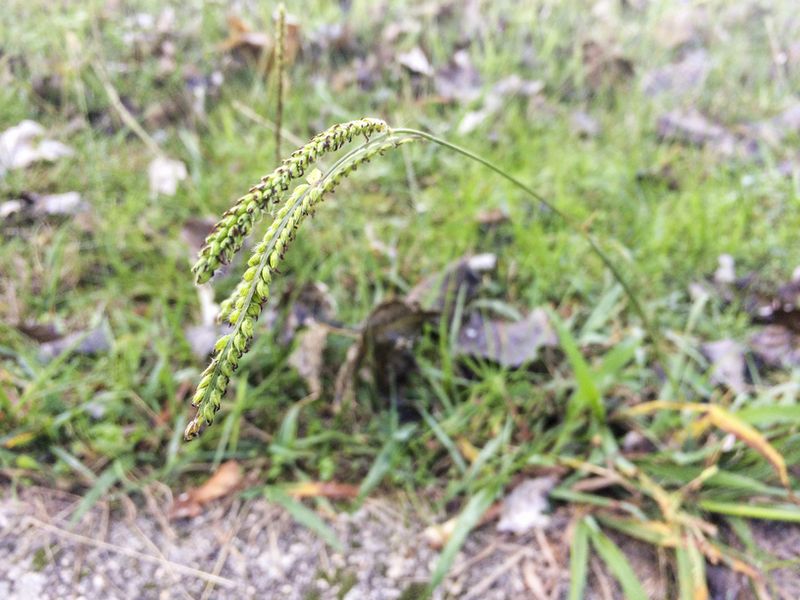
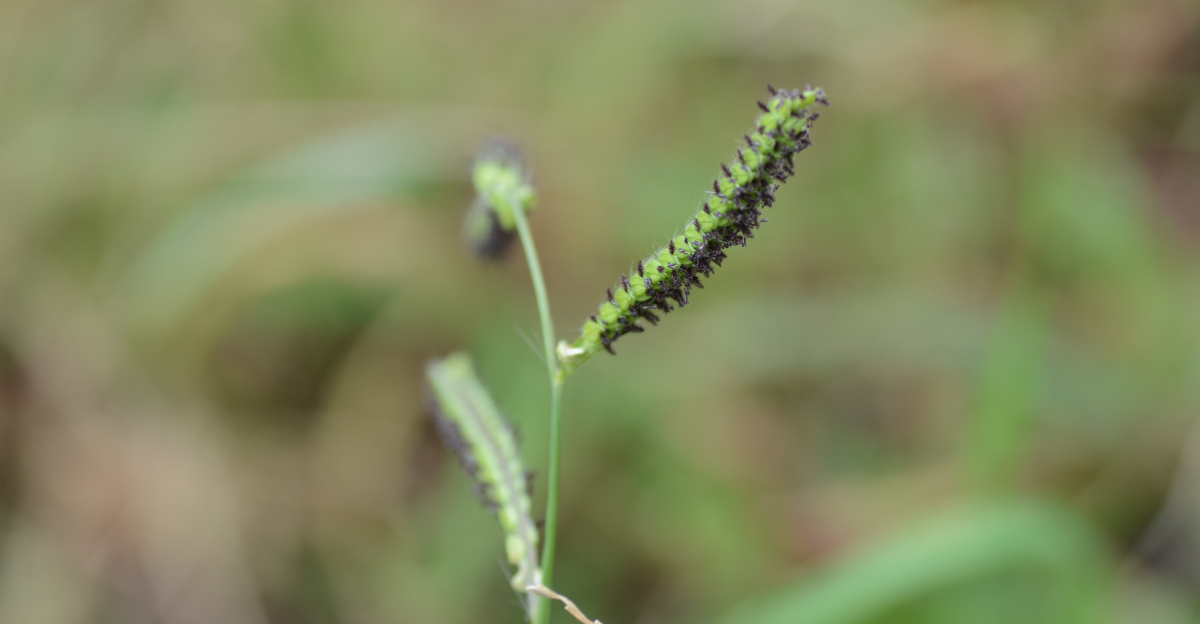
Nothing gives dallisgrass away faster than its seedheads. Once warm weather kicks in, it sends up tall stems that stand well above the surrounding turf.
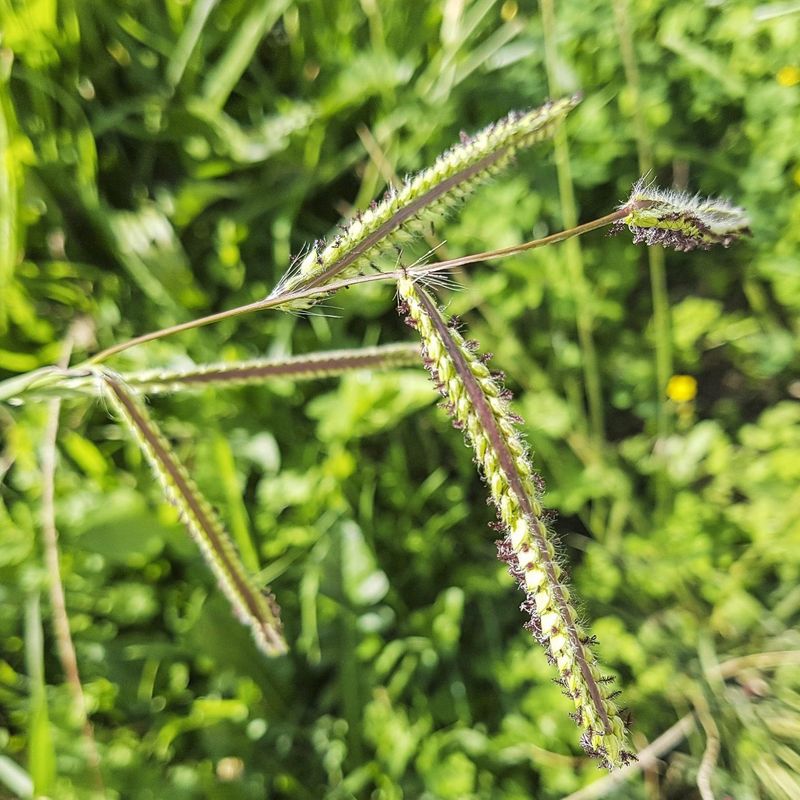
Those stems carry distinctive finger-like spikes arranged in a spread pattern.
Each spike has small, rounded seeds attached along its edges. The arrangement looks almost like a hand with fingers spread wide.
That shape is quite different from anything produced by bermuda, zoysia, or centipede grass.
Seedheads on dallisgrass can appear repeatedly throughout the growing season. Mowing them off does not stop the plant from producing more.
New stems push up within days, which can feel frustrating when you are trying to keep a neat yard.
Color also helps at this stage. Seedheads often have a slight purplish or dark tint when they first emerge, then shift to a tan or straw color as they mature.
That color contrast against green turf makes them stand out clearly.
Your Georgia Garden Changes Every Week. Your Plan Should Too.
Gardening in Georgia changes quickly throughout the season. Every Friday you’ll receive a simple weekly plan showing exactly what to plant, prune, fertilize, harvest, and protect so you never miss the right timing.
Timing matters too. In Georgia, dallisgrass seedheads typically begin appearing from late spring through summer and can continue into early fall.
If you notice tall, spiky stems popping up repeatedly in the same spots after mowing, dallisgrass is a strong candidate worth investigating more carefully before deciding on a management approach.
3. Thick Clumps Help Separate It From Desirable Turf
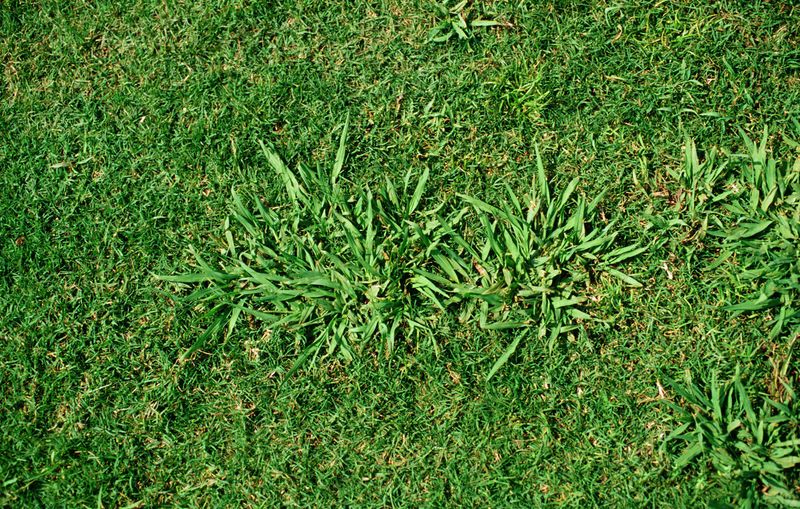
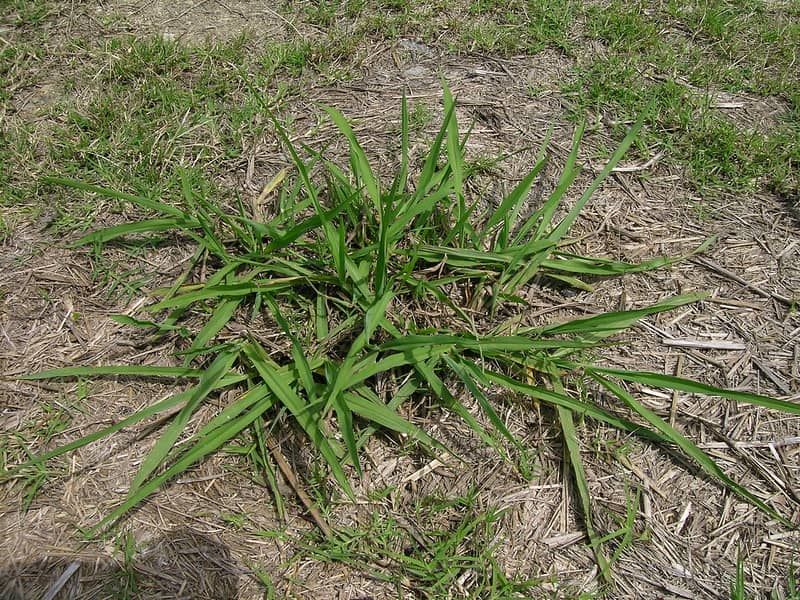
Clump shape is one of the most reliable visual clues for identifying dallisgrass. Over time, it forms dense, rounded patches that look noticeably out of place in an otherwise uniform lawn.
Those clumps tend to grow outward steadily each season.
Bermuda and centipede grasses spread through runners and stolons, which creates a more even, carpet-like appearance. Dallisgrass does not spread that way.
Its clumping growth pattern creates a distinctly different texture that becomes more obvious as the patch matures.
Standing back and looking at your lawn from a slight distance can help. Dallisgrass clumps often appear slightly raised or puffy compared to the surrounding turf.
That elevated look comes from the dense, overlapping blades growing outward from a central point.
Clump size can vary quite a bit depending on how long the plant has been established. Fresh patches may be only a few inches across, while older ones can stretch a foot or more in diameter.
Larger clumps are harder to manage and tend to crowd out nearby grass.
Checking the base of the clump can confirm your suspicion. Dallisgrass stems tend to be flattened near the base, and the sheath area often has short hairs.
Those small details, combined with the clumping form, can help you feel more confident about what you are actually dealing with before taking any next steps.
4. Warm Weather Keeps This Perennial Weed Growing
Dallisgrass is a warm-season perennial, which means it grows most aggressively when temperatures climb. Hot summers give it near-ideal conditions to push out new growth, send up seedheads, and expand its root system underground.
Unlike annual weeds that complete their cycle in one season, dallisgrass comes back year after year from the same root system. That persistence is what makes it such a challenge for homeowners trying to maintain a clean, even lawn over multiple seasons.
Georgia summers provide extended periods of heat that favor dallisgrass. During those months, it can outpace surrounding turf grasses in terms of growth rate, especially if the lawn is already under stress from drought or heavy foot traffic.
Cooler fall temperatures do slow it down noticeably. Growth slows and the top portion of the plant may look less vigorous as temperatures drop.
However, the root system stays alive underground and resumes growth when warmth returns in spring.
Mild winters in many parts of the state mean dallisgrass does not face the same cold stress it might in northern regions. That climate advantage helps it survive and return reliably each growing season.
Managing it effectively often requires consistent effort over more than one season, especially in areas where warm weather lingers well into autumn and the plant has had time to establish a deep root base.
5. Moist Lawn Areas Can Encourage Its Spread
Water plays a bigger role in dallisgrass spread than many people expect. Patches often show up first in areas that stay consistently moist, such as near irrigation heads, downspouts, or low spots where water pools after rain.
Overwatering a lawn can unintentionally create conditions that favor dallisgrass over desirable turf. Bermuda and centipede grasses prefer well-drained soil, while dallisgrass tolerates wetter conditions more comfortably.
That tolerance gives it a competitive edge in soggy areas.
Seed spread is another factor tied to water. Dallisgrass seeds can travel with surface water runoff across a yard.
A heavy rain event can carry seeds from an established patch into new areas of the lawn, sometimes creating fresh patches far from the original plant.
Foot traffic through wet patches can also move seeds. Shoes, lawn equipment, and even pets can carry seeds from one area to another without anyone realizing it.
Cleaning equipment after working near known dallisgrass patches is a reasonable precaution worth considering.
Adjusting irrigation patterns in affected areas may help reduce conditions that favor the weed. Watering deeply but less frequently encourages deeper turf root growth while reducing surface moisture.
That shift alone will not remove existing dallisgrass, but it may make the environment slightly less hospitable for new seedlings trying to establish in your lawn.
6. Digging Out The Entire Clump Can Help With Small Patches
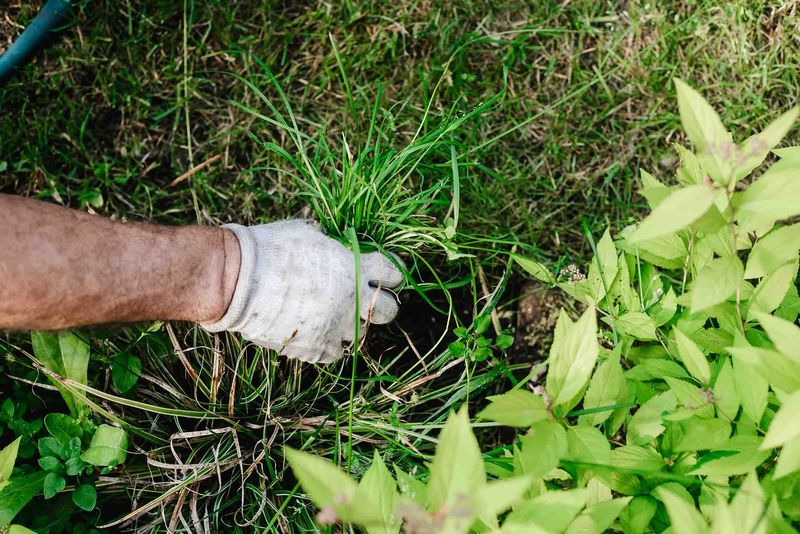
Hand removal is one of the more practical options when dallisgrass patches are still small and isolated. Getting the full root system out is the key part.
Leaving behind even a small section of the thick rhizomes can allow regrowth over the following weeks.
A sturdy garden fork works better than a standard trowel for this task. Push it deep around the edges of the clump, loosen the surrounding soil, then lift the entire root mass out as one piece.
Working slowly and carefully tends to give better results than rushing.
Soil disturbance after removal creates an open spot where new weed seeds can settle. Filling that area with fresh soil and reseeding or sodding with your desired turf grass fairly quickly can reduce the window of opportunity for new weeds to move in.
Timing removal during periods of moderate moisture helps. Bone-dry soil makes it harder to extract the full root system cleanly.
Slightly moist soil allows the roots to release more easily without breaking apart and leaving fragments behind.
Checking the same spot over the following weeks is worth doing. Occasionally, small regrowth appears from root pieces that were missed during removal.
Catching those early and removing them promptly prevents the patch from re-establishing before the surrounding turf has a chance to fill back in and reclaim that area of your lawn.
7. Preventing New Seedheads Can Limit Future Spread
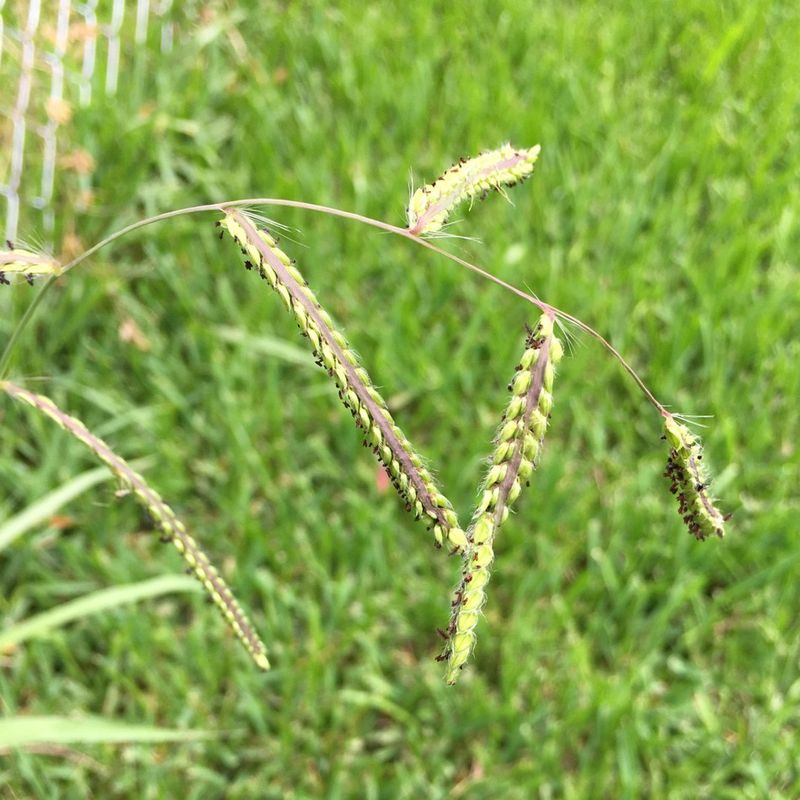
Stopping seeds before they mature is one of the more straightforward ways to slow dallisgrass expansion. Once those finger-like seedheads fully develop and dry out, seeds drop and spread across the surrounding lawn.
Catching them early makes a real difference.
Mowing on a regular schedule helps interrupt the seed cycle. Cutting before seedheads reach full maturity removes them before seeds have a chance to ripen.
Consistent mowing throughout the growing season can reduce the number of viable seeds that reach the soil.
Bagging clippings during periods when seedheads are present is a practical step. Leaving clippings on the lawn while seedheads are attached can spread seeds across areas that were previously unaffected.
A bagging mower or rake-up after mowing reduces that risk.
Pre-emergent herbicides applied at the right time of year may help limit new seedling establishment in Georgia lawns. These products work on seeds before they sprout, not on established plants.
Timing and product selection matter significantly, so reading labels carefully and consulting a local extension office can help you make a more informed choice.
Keeping surrounding turf healthy and dense also plays a role. A thick, well-established lawn provides less open soil for dallisgrass seedlings to take hold.
Fertilizing and overseeding thin areas during appropriate seasons can help the desirable grass compete more effectively over time.