This Small Georgia Tree Gives Shady Yards Color Without Needing Full Sun
Finding a colorful tree for a shady yard can feel harder than choosing one for a bright, open space. Many familiar favorites simply need more sunlight than those darker corners can provide.
That does not mean you have to settle for a dull patch beneath taller trees. The right small tree can bring seasonal interest without demanding hours of direct sun.
In Georgia, one attractive option fits naturally into landscapes where filtered light reaches the ground. Its manageable size also makes it easier to place around established trees and garden beds.
Pay attention to those overlooked spaces before deciding nothing colorful will grow there.
Choosing a tree suited to lower light can completely change how that part of your yard feels.
One small choice may be enough to brighten a difficult shady spot.
1. Eastern Redbud Brings Color To Shady Yards
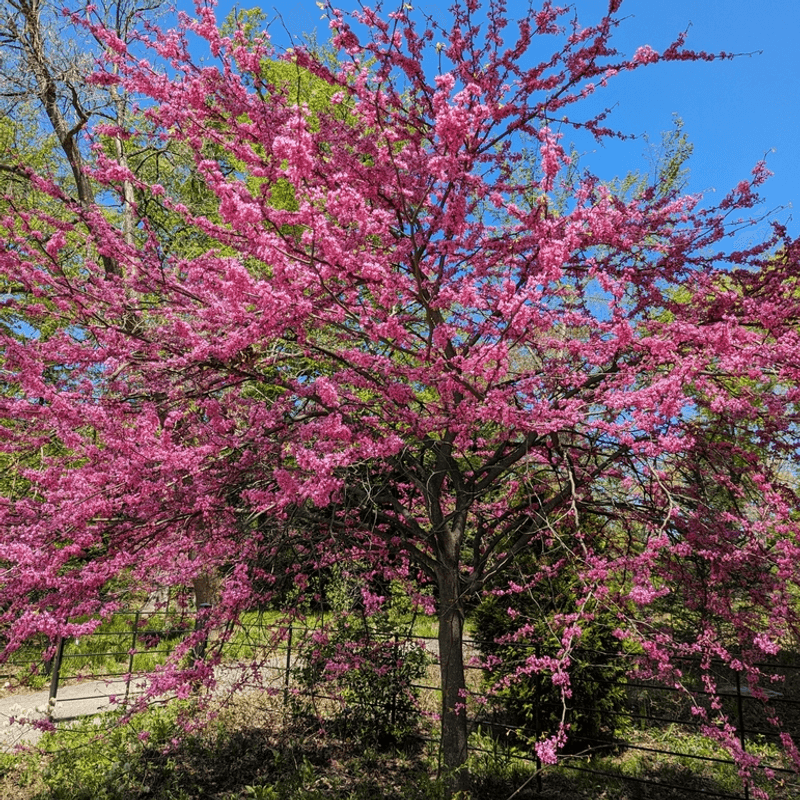
Bright pink blooms on bare branches stop people in their tracks every spring. Few small trees put on a show quite like the Eastern Redbud, especially in yards where shade limits most planting choices.
Redbuds are native across much of the Southeast, which means they are already adapted to the region’s humidity, clay soils, and unpredictable spring weather. They do not need much coaxing to perform well.
Most yards have at least one shady corner that feels bare or boring. Planting a Redbud there can completely change how that space looks and feels, even without adding flowers or extra landscaping around it.
Mature Redbuds typically reach 20 to 30 feet tall, which keeps them manageable for average residential lots. They spread wide enough to create a canopy but not so wide that they crowd fences or structures.
Color is the biggest draw. Before leaves emerge in spring, the branches fill with clusters of rosy-pink to magenta flowers that seem almost too vivid for early spring.
That burst of color arrives when most other plants are still dormant.
Shady yards often feel dull compared to sunnier spaces. Adding a Redbud changes that quickly.
It brings structure, seasonal color, and a natural look that fits right into wooded or semi-shaded landscapes without feeling out of place.
2. Light Shade Can Still Support Healthy Growth
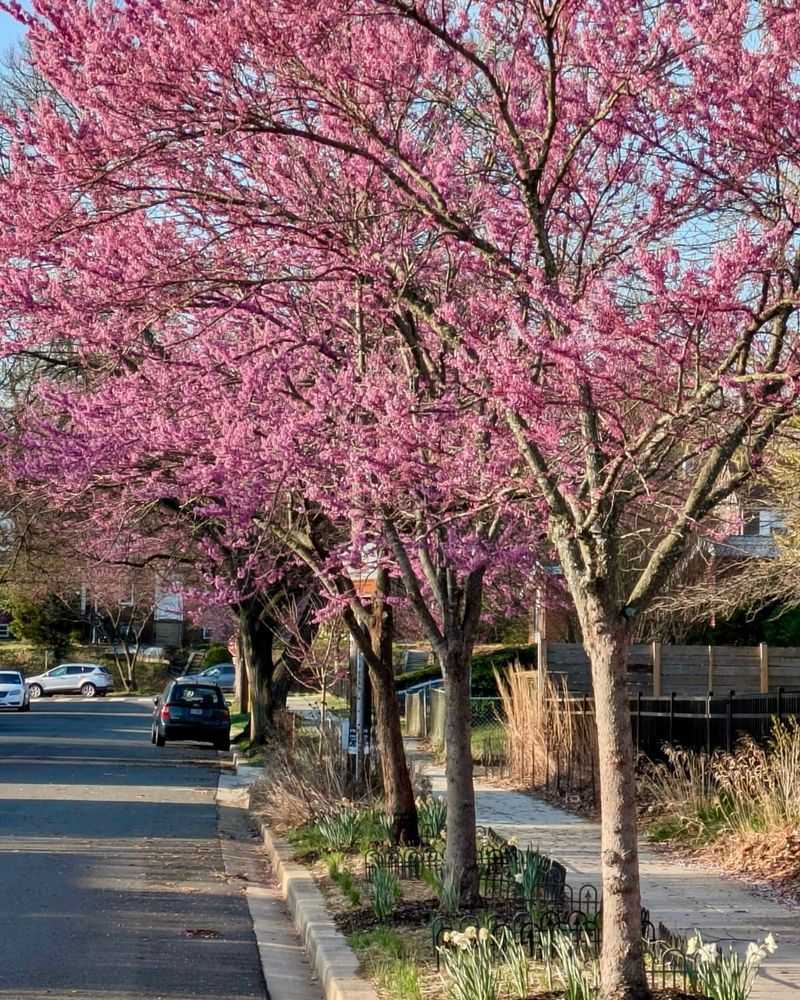
Shade does not have to mean struggle. Redbuds actually prefer spots with morning sun and afternoon shade, which protects them from heat stress during Georgia’s long, hot summers.
Full sun can sometimes scorch Redbud leaves by midsummer. A location with filtered light or a few hours of direct sun tends to produce healthier, longer-lasting foliage through the season.
Under large oak or hickory canopies, Redbuds grow naturally in the wild. That tells you something important about how they work.
They evolved alongside taller trees and are comfortable sharing space beneath a forest edge.
Partial shade also slows moisture evaporation from the soil around the roots. That is a real advantage in warmer months when watering frequency matters more than most gardeners expect.
Dappled light throughout the day is often enough for a Redbud to grow steadily. Growth rates vary depending on soil quality, drainage, and how much light the spot actually receives across different seasons.
Your Georgia Garden Changes Every Week. Your Plan Should Too.
Gardening in Georgia changes quickly throughout the season. Every Friday you’ll receive a simple weekly plan showing exactly what to plant, prune, fertilize, harvest, and protect so you never miss the right timing.
Avoid deep, heavy shade where little to no light reaches the ground. Redbuds need some light to flower well and maintain their shape.
A spot that feels dim all day may reduce blooming and slow the tree’s overall development over time. Choosing the right balance of light and shade upfront saves a lot of adjustment later.
3. Pink Spring Flowers Cover Its Bare Branches
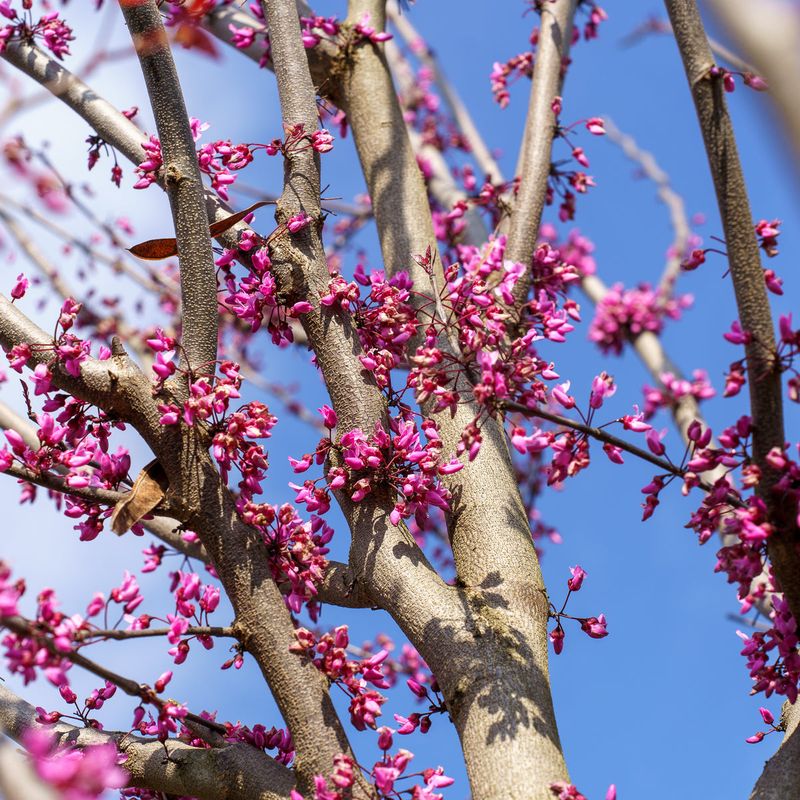
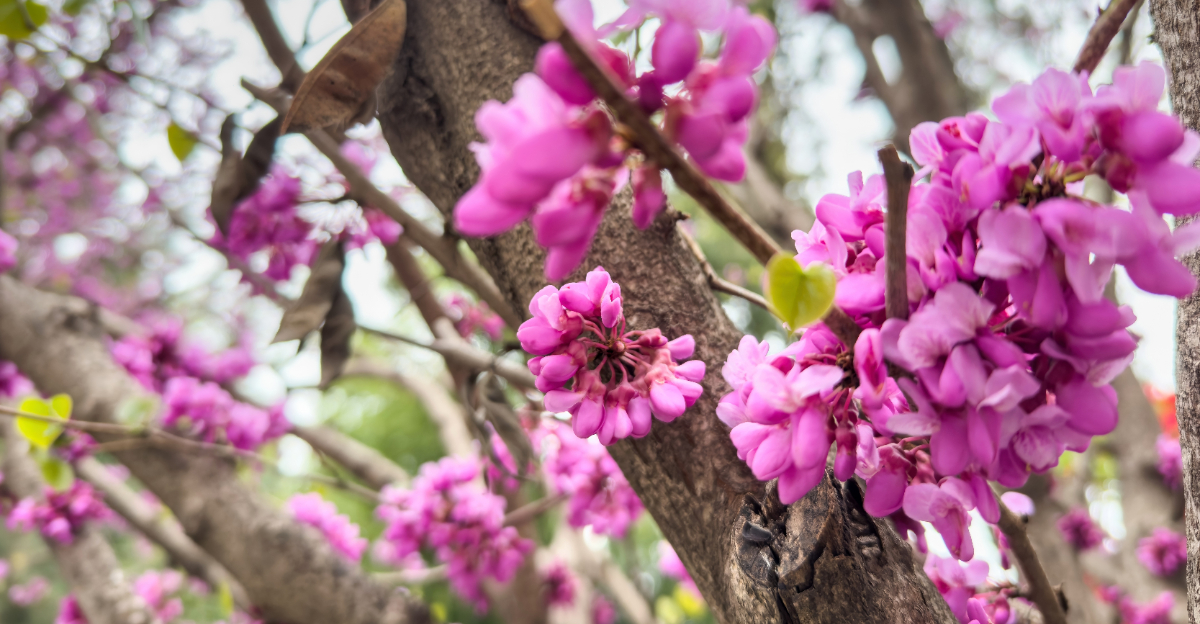
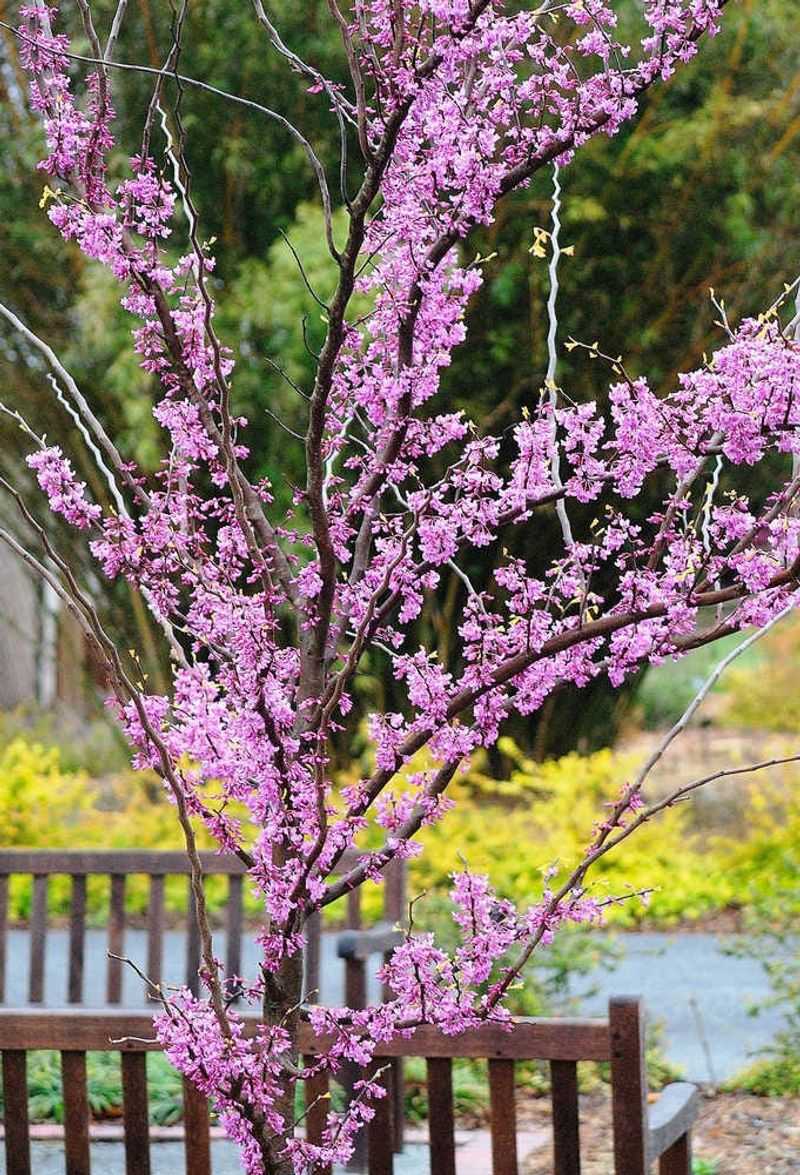
Before a single leaf appears, the Redbud explodes with color. Clusters of small, pea-shaped flowers coat every branch from tip to trunk, creating a dense, electric display that lasts two to three weeks in early spring.
The flowers appear in March or April across much of the Southeast, depending on local temperatures and how mild the winter was. Timing can shift slightly year to year based on conditions.
What makes the bloom so striking is the contrast. Bare gray branches covered in rosy-pink flowers stand out sharply against the still-dormant landscape around them.
Nothing else in the yard looks quite like it at that moment.
Pollinators notice the flowers quickly. Bees and butterflies visit Redbud blooms early in the season, when few other nectar sources are available.
That makes the tree a useful addition for anyone trying to support local pollinator populations.
Each flower cluster hugs the branch tightly, almost like the blossoms are growing directly from the bark. That unusual pattern is called cauliflory, and it gives the tree a distinct, layered appearance during peak bloom.
After two to three weeks, the flowers fade and small leaves begin to unfurl. The show is brief but memorable.
Planting a Redbud where it can be seen from a window or patio lets you enjoy the bloom fully without needing to go outside.
4. Heart Shaped Leaves Add Color After Flowers Fade
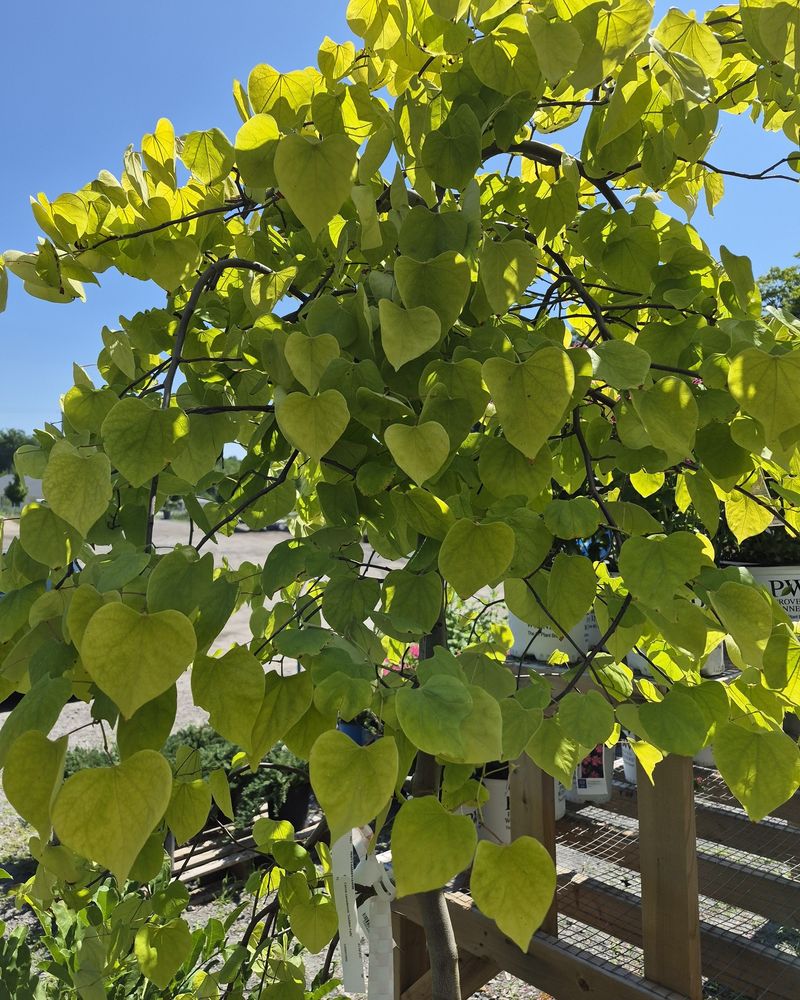
Once the flowers drop, the leaves take over. Redbud foliage is distinctive because of its shape.
Each leaf is broad, rounded, and notched at the base in a clear heart shape that catches the eye even without flowers present.
New leaves often emerge with a reddish or bronze tint before shifting to a rich green as they mature. That early color adds another layer of visual interest right after the bloom ends.
By summer, the canopy fills in fully and provides decent shade beneath the tree. Smaller plants that prefer cooler, shadier conditions can sometimes be tucked underneath a mature Redbud with good results, depending on soil and moisture levels.
Fall brings another color shift. Leaves turn yellow to golden-orange before dropping, giving the tree one more seasonal moment before winter.
The intensity of fall color varies from tree to tree and year to year.
Leaf size is part of what makes Redbuds feel lush. Each leaf can grow several inches wide, so even a modest canopy looks full and textured.
That fullness softens the look of fences, walls, or bare structures nearby.
After the leaves fall, the branching structure becomes visible again. Redbuds have an irregular, layered branch pattern that looks interesting even without foliage.
That winter silhouette keeps the tree visually relevant through every season of the year.
5. Well Drained Soil Helps The Roots Stay Healthy
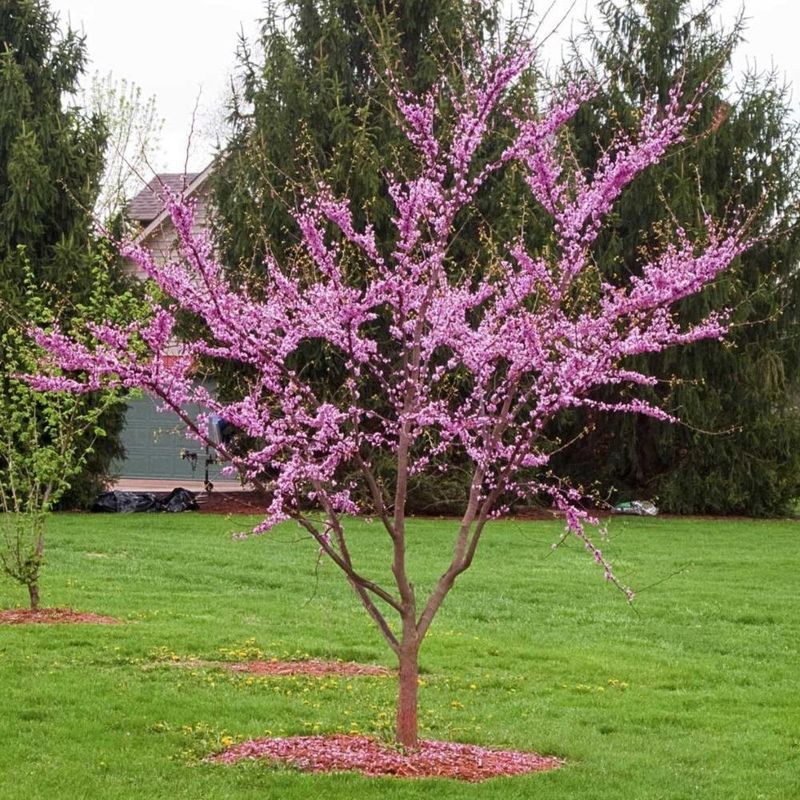
Soggy soil is one of the fastest ways to cause problems for a Redbud. Roots sitting in standing water for extended periods can develop rot, which weakens the tree over time and reduces its ability to absorb nutrients.
Well-drained soil does not mean dry or sandy soil. Redbuds prefer loamy or slightly clay-based soil that holds some moisture but drains excess water within a few hours after rain.
Georgia has a lot of heavy clay in many areas. Mixing compost into the planting hole and surrounding soil helps improve drainage and adds organic matter that roots can use.
It is a simple step that pays off over several growing seasons.
Raised planting areas or slightly mounded planting spots can also help in yards where water tends to pool. Even a few inches of elevation can make a meaningful difference in how the roots develop.
Mulching around the base of the tree helps regulate soil moisture and temperature. A two to three inch layer of wood chip or bark mulch works well, but keep it a few inches away from the trunk to prevent moisture buildup against the bark.
Checking drainage before planting saves a lot of trouble later. Dig a hole about 12 inches deep, fill it with water, and watch how fast it drains.
If water remains after several hours, consider amending the soil or choosing a different spot in the yard.
6. Young Trees Need Water While Roots Get Established
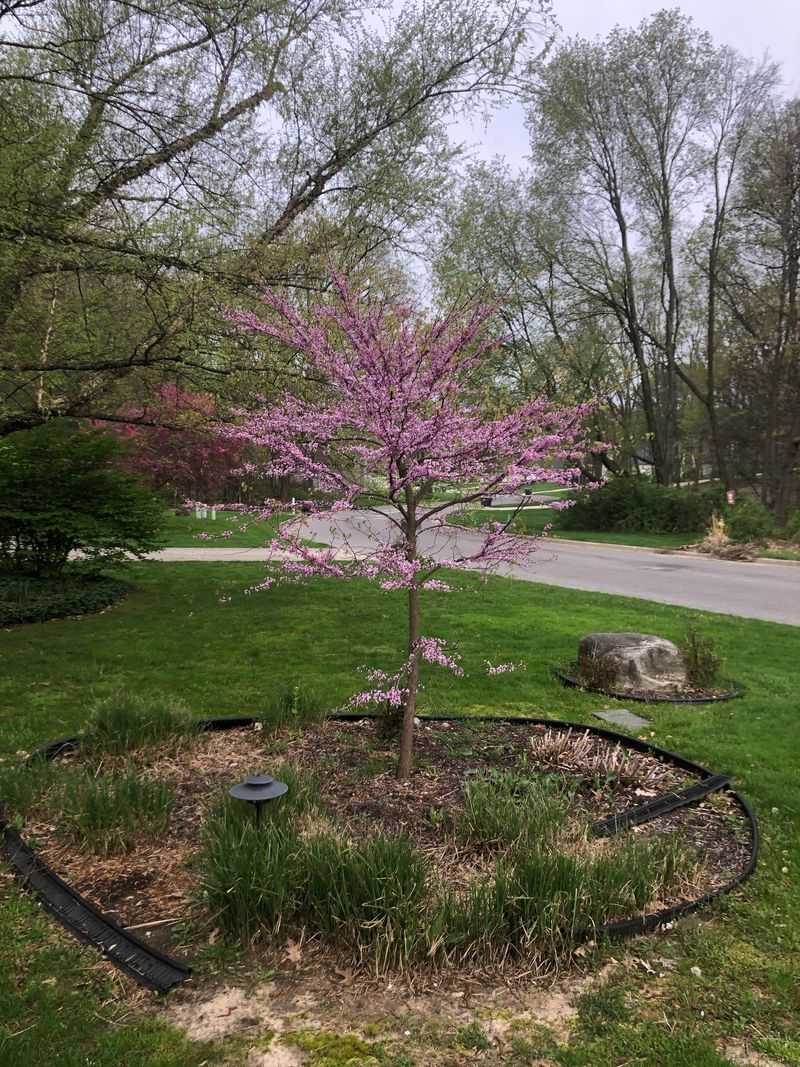
Newly planted trees are more vulnerable than most gardeners expect. A young Redbud needs consistent moisture during its first one to two years while the root system spreads out and anchors into the surrounding soil.
Watering once or twice a week during dry spells is a reasonable starting point, but actual needs depend on soil type, temperature, and how much rain the area receives. Sandy soil dries faster than clay-heavy ground.
Wilting leaves during the heat of summer can signal drought stress. Catching that early and watering deeply helps the tree recover without lasting setbacks.
Shallow, frequent watering is less effective than slow, deep watering that reaches the root zone.
A slow trickle from a garden hose left at the base for 20 to 30 minutes works better than a quick splash from a sprinkler. Deep watering encourages roots to grow downward, which makes the tree more self-sufficient over time.
Rainfall in Georgia can be inconsistent, especially during summer months. Keeping an eye on weekly totals and supplementing during dry stretches gives young trees a better chance of establishing well before their first hot season ends.
Once a Redbud has been in the ground for two to three years and shows steady growth, it generally becomes more drought-tolerant.
7. A Small Size Makes It Easier To Fit Into Yards
Bigger is not always better when it comes to yard trees. Redbuds stay small enough to fit into tight spaces, narrow side yards, and spots near structures where larger trees would cause problems within a few years.
Most Redbuds top out between 20 and 30 feet tall, with a spread that often matches or slightly exceeds the height. That size feels substantial in a yard without overwhelming a single-story home or blocking too much light from windows.
Smaller yards benefit most from trees with a proportionate scale. A massive oak or pecan planted too close to a house creates long-term headaches with roots and canopy.
A Redbud fits the space without those concerns in most residential settings.
Planting distance from structures matters. Most sources suggest keeping Redbuds at least 10 to 15 feet from foundations, driveways, or fences to allow for natural spread without crowding.
That guideline can vary based on the specific site and soil conditions.
Compact size also makes pruning more manageable. Shaping a young Redbud to encourage good branch structure is something most homeowners can handle without professional equipment.
Light pruning right after flowering helps maintain a clean, open canopy.
For anyone working with a smaller lot in the Southeast, the Redbud checks a lot of boxes.