One Of The Most Common Invasive Plant Complaints Among Tennessee Homeowners Isn’t A Weed At All
Something in your backyard grew a reputation nobody warned you about. Homeowners across Tennessee keep facing the same convincing promise, year after year.
Nurseries sold speed, privacy, and effortless growth without mentioning the catch. Nobody explained what happens once roots start moving underground.
Spreading happens quietly, sideways, chasing space nobody offered. Fences shift under pressure that seems to appear overnight.
Patios develop cracks where solid concrete once felt unshakable. Neighbors begin noticing growth creeping onto property that isn’t theirs.
Conversations turn tense, then complicated, then strangely exhausting. Tennessee’s climate practically invites this mystery plant to thrive.
Removal estimates climb higher than most people expect. Chemical treatments often disappoint despite their confident promises.
Digging seems to encourage a stronger comeback. Every solution sounds simple until reality proves otherwise.
What began as a simple choice became a lingering neighborhood tension. You need to know exactly what’s spreading before it decides your next move.
Why Bamboo Isn’t Classified As A Weed
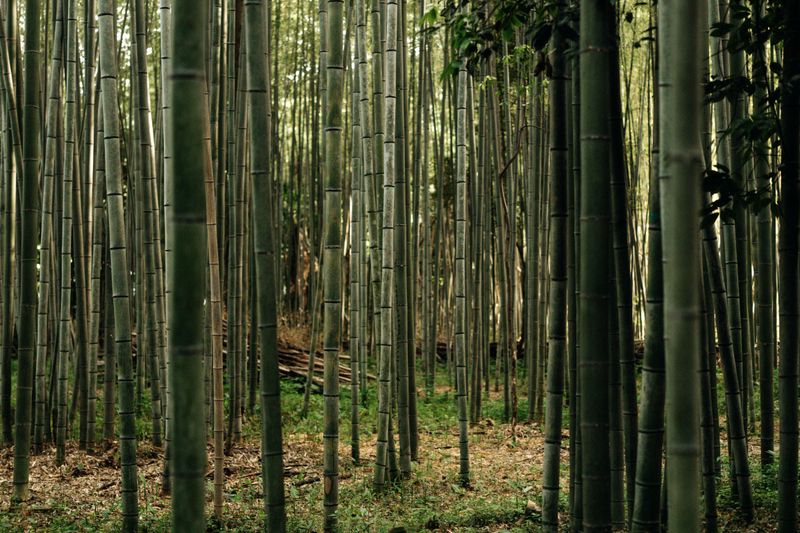
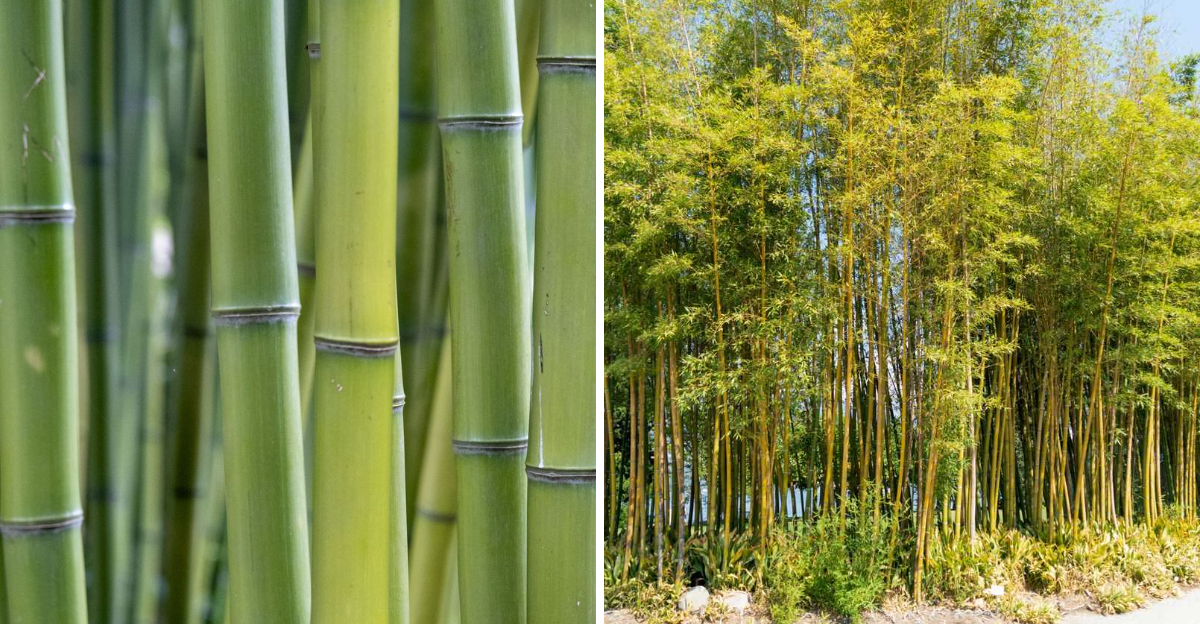
Bamboo gets a free pass that most troublesome plants never receive. Technically, it belongs to the grass family, and it grows as a woody, tree-like grass rather than a true shrub.
As of the most recent USDA APHIS federal noxious weed list, bamboo is not classified as a federally regulated noxious weed. This status should be confirmed directly with USDA APHIS, since regulated species lists are updated periodically.
That single fact gives it a legal status that surprises most homeowners dealing with its aggressive spread.
Nurseries can legally sell it, and garden centers stock it without any special warnings. You can buy it online, at hardware stores, and even at farmers markets across the state.
Because bamboo is not labeled a weed, local governments rarely step in to regulate it. That leaves homeowners largely on their own when a neighbor’s patch decides to cross the property line.
Some states have passed local ordinances restricting bamboo planting near property boundaries. Tennessee has not adopted a statewide ban, and local regulations should be checked directly with individual county offices.
The plant is actually one of the fastest-growing organisms on Earth. Select species, such as Moso bamboo, have reportedly been recorded growing nearly three feet in a single day under ideal conditions, according to widely cited growth records.
Botanists classify bamboo as a grass, not a tree or shrub, which confuses most people. That classification also means it falls outside many standard weed-control programs run by municipalities.
Understanding this legal gray area helps explain why bamboo complaints keep rising. Knowing what you are dealing with is the first step toward actually doing something about it.
How Bamboo Spreads Through Underground Runners
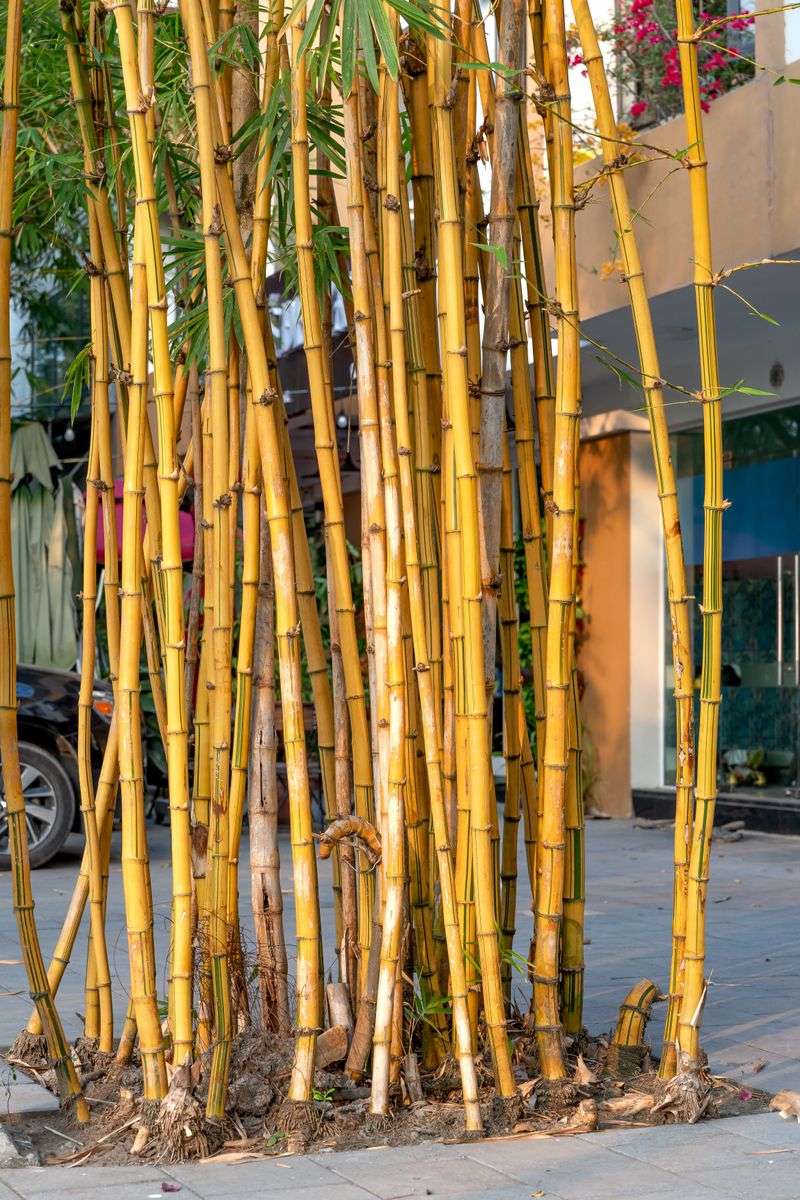
Bamboo’s primary growth mechanism lives completely underground, and most homeowners never see it coming. The plant spreads through a network of roots called rhizomes, which travel horizontally beneath the soil.
Running bamboo species send these rhizomes shooting outward in every direction. A single plant can colonize an entire yard within just a few growing seasons.
Your Tennessee Garden Changes Every Week. Your Plan Should Too.
Gardening in Tennessee changes quickly throughout the season. Every Friday you’ll receive a simple weekly plan showing exactly what to plant, prune, fertilize, harvest, and protect so you never miss the right timing.
Rhizomes from aggressive running species, such as golden bamboo, have been reported to travel ten feet or more in a single year under favorable conditions.
They do not announce themselves above ground until a new shoot suddenly pops up far from the original plant.
Homeowners often discover the spread when bamboo emerges through a lawn, garden bed, or even a gravel path. By that point, the underground network is already massive and deeply established.
The rhizomes typically grow at a shallow depth, though the exact range varies by species and soil type. That shallow profile makes them easy to miss during routine yard work or gardening.
Cutting bamboo above ground does almost nothing to stop the underground system. The rhizomes simply redirect their energy and push up new shoots nearby.
Barriers can slow the spread, but they must be installed correctly and at the right depth. A barrier that sits only six inches deep offers very little real protection against a determined rhizome.
Understanding how rhizomes work changes everything about how you approach bamboo control. Once you understand the underground system, you can approach it with the caution it requires.
Damage It Causes To Foundations And Pools
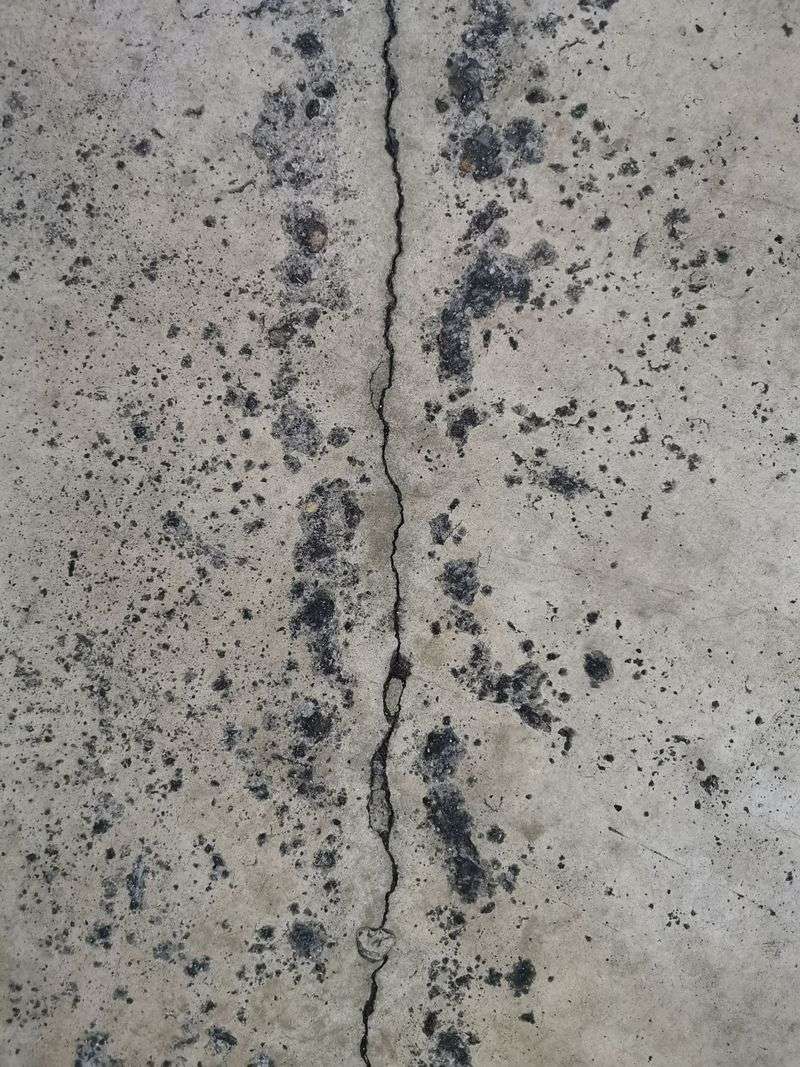
Bamboo does not just take over your lawn. It goes after hard surfaces, structures, and anything else standing between it and more growing space.
Rhizomes are surprisingly strong and can exploit tiny cracks in concrete. Once inside a crack, the growing root expands and widens the gap over time, causing real structural damage.
Pool decks are especially vulnerable because the concrete is often thinner and more prone to shifting. Homeowners in Tennessee have reported bamboo shoots emerging directly through pool deck slabs.
Foundation damage is a slower process, but it is just as serious. Rhizomes that grow beneath a home’s foundation can eventually compromise the structural integrity of the building.
Irrigation systems, drainage pipes, and buried utility lines are also at risk. A rhizome following a moisture source will travel directly toward underground pipes and can crack them open.
Retaining walls offer another common target for bamboo’s underground spread. The pressure from expanding rhizomes can push against wall footings and cause visible tilting or cracking.
Repair costs for bamboo-related damage vary widely, but they can be substantial depending on the extent of the intrusion. Insurance coverage for plant-related property damage varies by policy and provider, so homeowners should check their specific terms.
This invasive plant is one of the most common headaches Tennessee homeowners deal with, and it is not just an eyesore.
Its structural damage potential makes bamboo one of the most financially costly landscaping mistakes a homeowner can make.
Reasons Tennessee Homeowners Keep Planting It
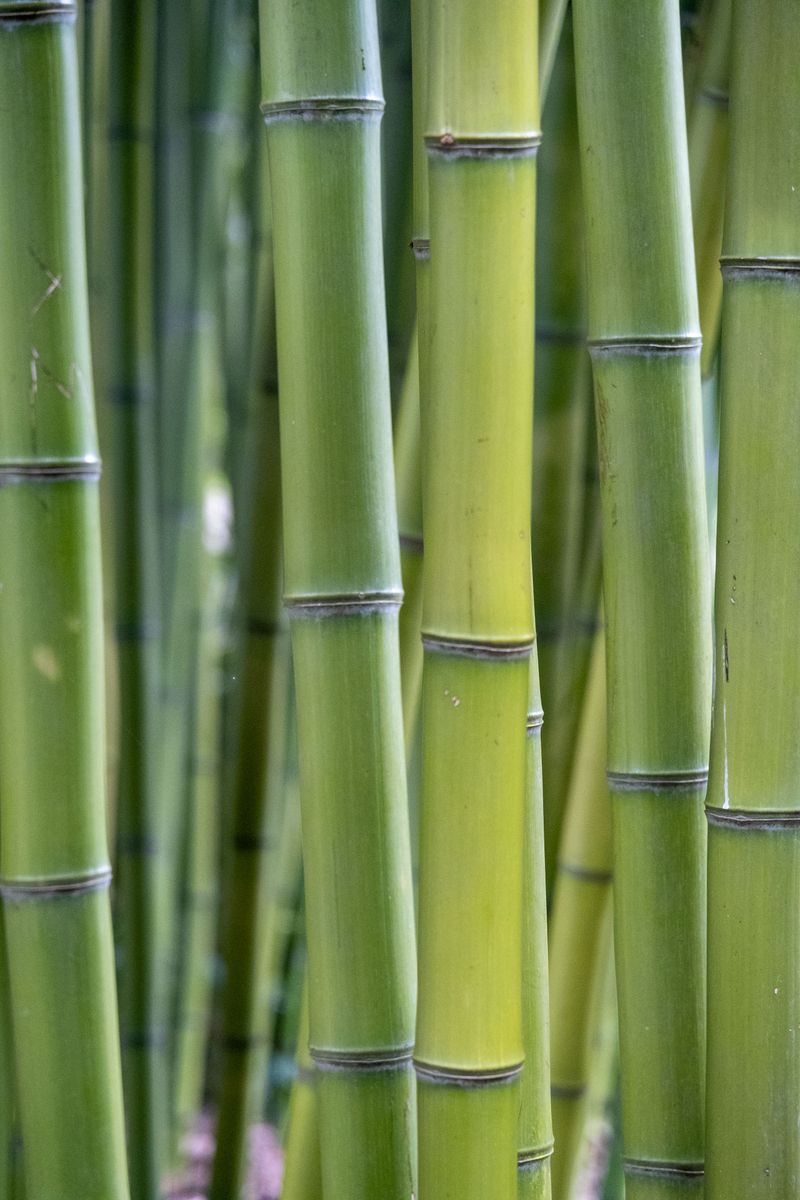
Bamboo is genuinely beautiful, and that is a big part of the problem. When you see a tall, swaying privacy screen of green stalks, it is hard not to want one in your own yard.
Privacy is the number one reason homeowners reach for bamboo. It grows thick and tall fast, creating a living wall that blocks neighbors, roads, and unsightly views within a single season.
Noise reduction is another selling point that nurseries love to mention. A dense bamboo grove can absorb sound and create a quieter, more peaceful outdoor space.
Bamboo also markets itself well as an eco-friendly choice. It grows quickly, produces oxygen, and is often sold alongside claims about sustainability and carbon absorption.
The low price tag at the garden center makes it even more tempting. A few small plants can often cost less than traditional fencing materials, depending on the retailer, and the promise of fast growth seals the deal.
Some homeowners plant it for wildlife habitat, believing it attracts birds and beneficial insects. While that is partially true, the tradeoff is a plant that quickly outgrows any wildlife purpose.
Aesthetic trends play a role too. Tropical and zen-inspired garden styles have surged in popularity, and bamboo fits perfectly into that look at first glance.
The appeal is completely understandable, and nobody plants bamboo expecting significant landscaping problems. The problem is that the brochure never mentions what happens after the first summer of growth.
Running And Clumping Bamboo Differences
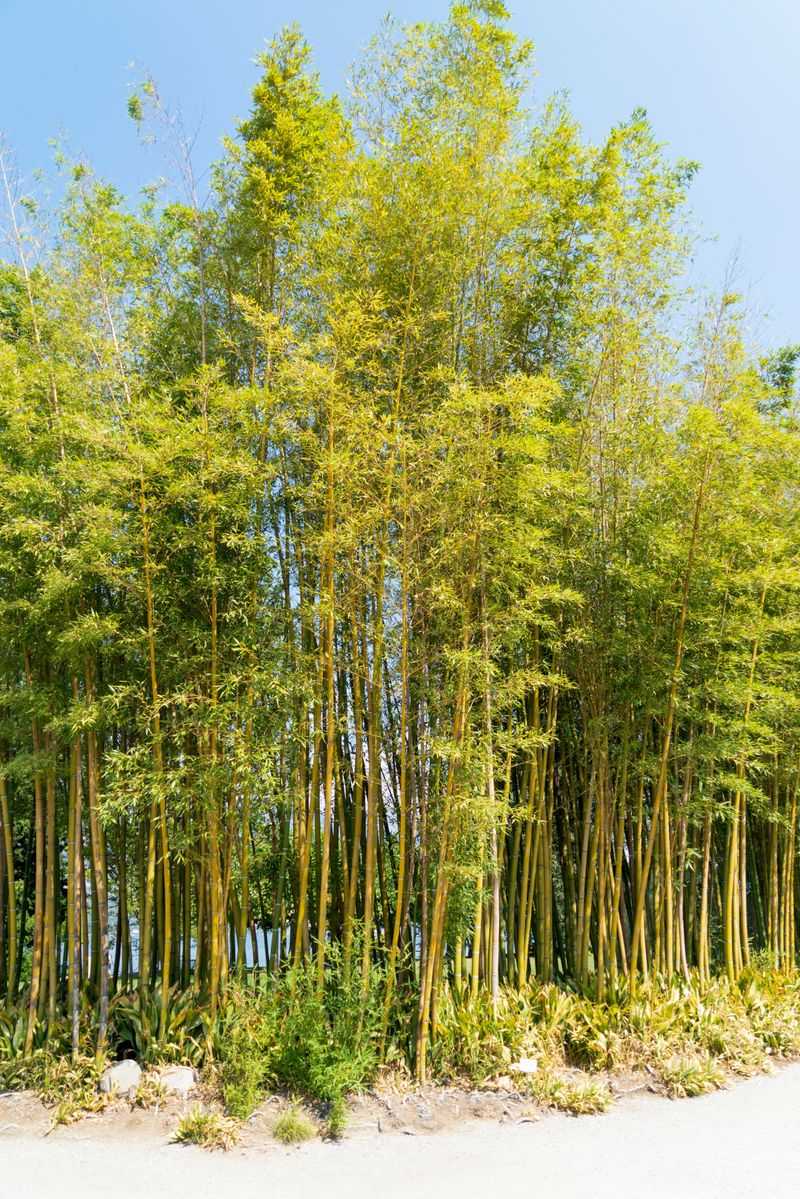
Not all bamboo behaves the same way, and knowing the difference could save your yard. The two main categories are running bamboo and clumping bamboo, and they are not even close to being equal in terms of aggression.
Running bamboo is the more aggressive variety. Its rhizomes spread outward aggressively, covering large areas quickly and crossing property lines without any warning.
Clumping bamboo grows in a much tighter formation. Its rhizomes expand slowly and stay close to the base of the plant, making it far easier to manage and contain.
Most of the frequent complaints from Tennessee homeowners involve running species. Phyllostachys aurea, commonly called golden bamboo, is one of the most notorious offenders in the Southeast.
Clumping varieties like Fargesia are genuinely well-behaved by comparison. They grow in a predictable circular shape and rarely surprise you with shoots popping up across the yard.
The problem is that running bamboo is often sold without a clear label distinguishing it from clumping types. Many homeowners buy what they think is a manageable plant and get a runner instead.
Before buying any bamboo, ask specifically whether it is a running or clumping variety. Get the Latin species name and look it up before it ever goes into the ground.
Choosing the right type from the start is the easiest bamboo decision you will ever make. One choice brings years of beauty, and the other brings years of ongoing maintenance.
Steps To Remove Or Control An Existing Patch
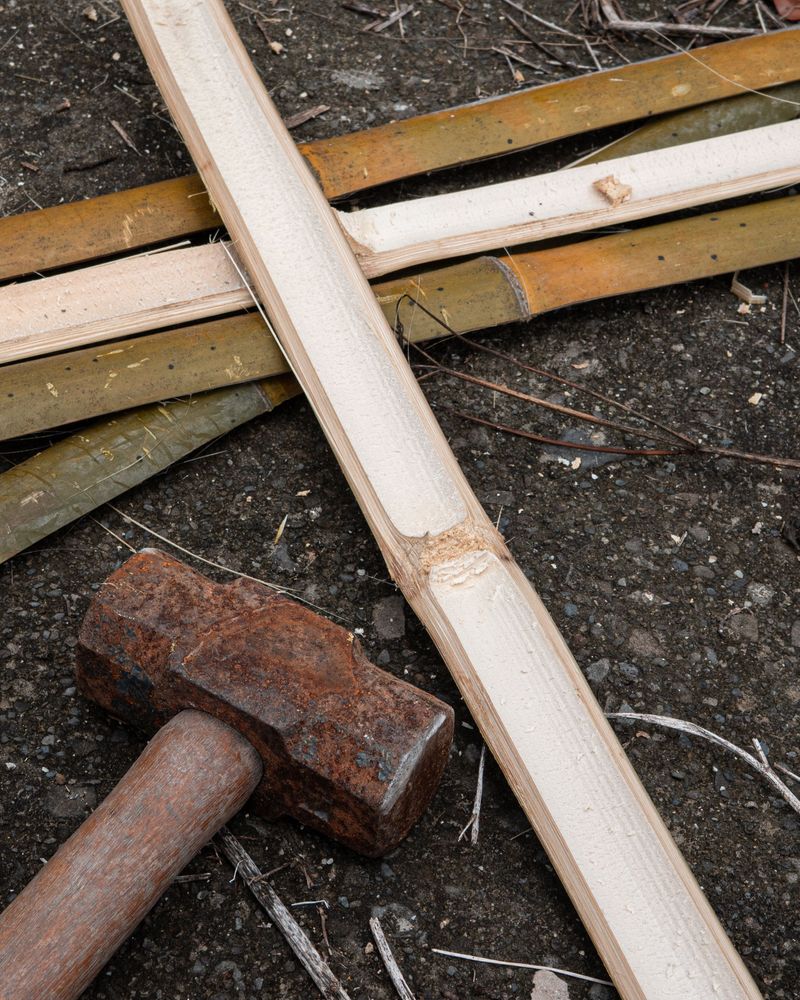
Removing bamboo is not a weekend project. It is a multi-season commitment that requires patience, consistency, and the right approach from the beginning.
Start by cutting all the stalks down to ground level using loppers or a pruning saw. Removing the above-ground growth weakens the plant by cutting off its ability to photosynthesize.
After cutting, wait for new shoots to emerge and cut them immediately. Repeating this process every few weeks starves the rhizome network of the energy it needs to survive.
Physical removal of rhizomes is the most effective long-term strategy. Use a mattock or sharp spade to dig down and pull out as much of the root network as possible.
Rhizomes left in the ground will regrow, so thoroughness matters more than speed. Even a small fragment of rhizome can send up new shoots within weeks.
Herbicides containing glyphosate or imazapyr can help, but they work best when applied to freshly cut stalks. Spraying leaves alone rarely penetrates deep enough to reach the rhizome system.
Installing a root barrier after removal adds an extra layer of protection. Use high-density polyethylene barriers at least 40 to 60 mil thick and bury them at least 24 inches deep.
This invasive plant, one of the most common complaints among Tennessee homeowners, can be controlled with the right plan. Consistency over time is the only real cure for an established bamboo patch.