What Georgia Gardeners Should Do With Fading Hydrangea Blooms In September
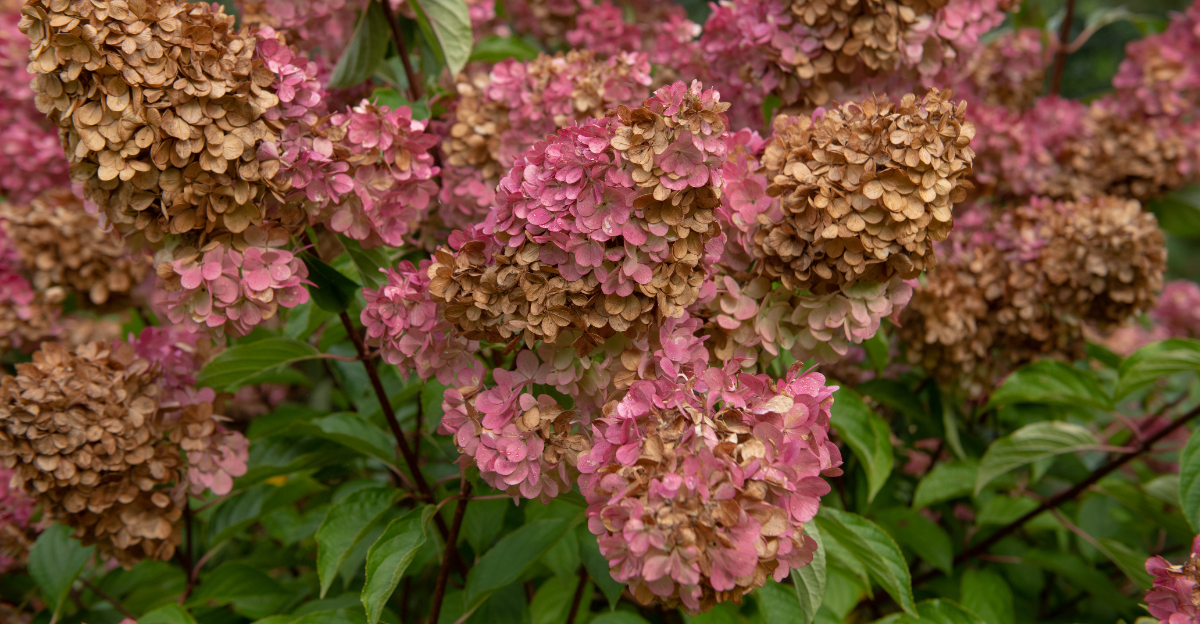
September can leave a beautiful hydrangea looking like it has suddenly lost its charm. The flowers that carried your garden through summer may now be faded, papery, and far less colorful.
Your first instinct might be to clean everything up before fall settles in. With hydrangeas, however, a neat appearance is not always the best reason to start cutting.
Georgia gardeners need to be especially thoughtful here because hydrangeas do not all bloom from the same type of growth. That difference matters more than how tired the flowers look right now.
Leave the pruners aside until you know what kind you are growing.
Faded blooms are not always a sign that something needs fixing.
September care is really about knowing what to remove, what to leave, and when restraint works better.
1. Start By Knowing Which Hydrangea You Have
Wrong move on the wrong shrub can cost you a full season of blooms. Before you touch your hydrangeas with pruners, figure out exactly which type is growing in your yard.
Bigleaf hydrangeas have big, round flower clusters and thick, shiny leaves. Oakleaf hydrangeas have cone-shaped blooms and leaves that look similar to oak tree foliage.
Panicle hydrangeas also produce cone-shaped flowers, but their stems are woodier and they tend to grow taller. Smooth hydrangeas typically have large, white, ball-shaped blooms on softer stems.
Each of these types blooms differently. Some flower on old wood from last year’s growth.
Others bloom on new wood that grows in spring. Treating them all the same way is one of the most common mistakes gardeners make.
Check a plant tag if you still have it. Look up photos online and compare them to your shrub.
Local nurseries in Georgia can also help you identify your plants quickly. Knowing your hydrangea type is the single most useful thing you can do before September pruning decisions are made.
Once you know what you have, every other step becomes clearer and much less stressful.
Pay attention to when your shrub usually flowers as well. Its bloom time can offer another useful clue when the leaves and flower shape leave you uncertain.
Taking a few minutes to confirm the variety now can prevent months of waiting for flowers that never appear next season.
2. Faded Flowers Do Not Always Need To Come Off
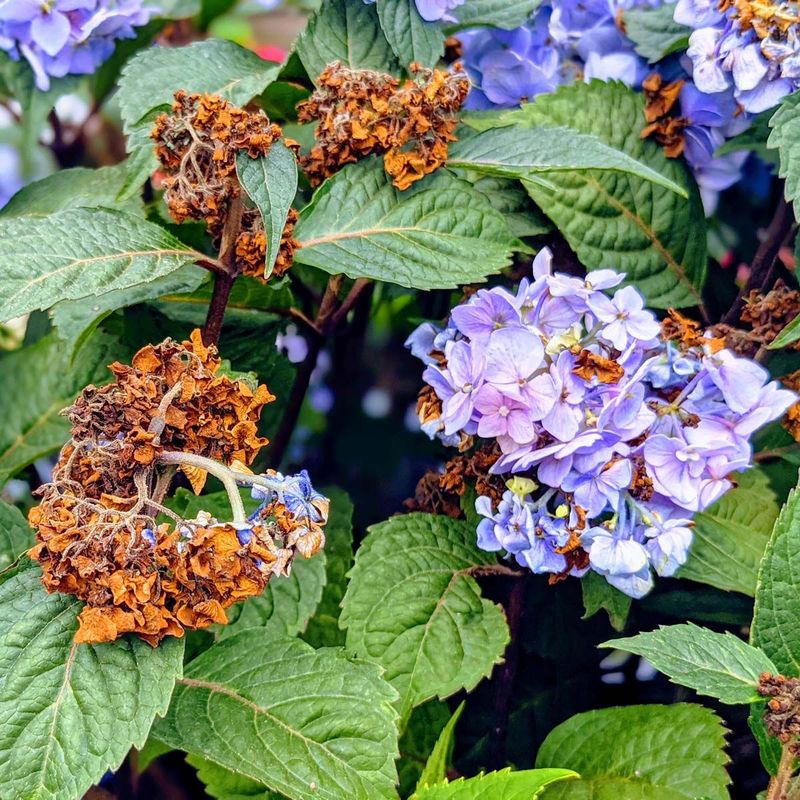
Grabbing the pruners the moment a bloom turns brown is a natural impulse, but it is not always the right call. Faded flowers on some hydrangea types actually protect the plant heading into fall.
On bigleaf and oakleaf hydrangeas, the old flower heads act as a light buffer for the developing buds just beneath them.
Removing those spent blooms too early can expose tender new growth to temperature swings that September and October sometimes bring.
Leaving faded flowers in place is not neglect. For certain varieties, it is the smarter choice.
The blooms dry out naturally and create a papery texture that holds visual interest in the garden even after color fades.
Your Georgia Garden Changes Every Week. Your Plan Should Too.
Gardening in Georgia changes quickly throughout the season. Every Friday you’ll receive a simple weekly plan showing exactly what to plant, prune, fertilize, harvest, and protect so you never miss the right timing.
Deadheading, which means removing spent flowers, only makes sense for hydrangea types that bloom on new wood. For those, cutting off old blooms will not affect next year’s flowers at all.
But for old-wood bloomers, patience is the better approach.
A good rule of thumb is to wait and observe before cutting. If the plant looks structurally sound and the stems are healthy, there is rarely an urgent reason to remove faded blooms before late winter.
Letting nature take its course through September is often the safest path forward.
Those dried flower heads can also add shape to otherwise quiet fall beds, giving the shrub a finished look long after its summer color disappears.
3. Bigleaf Hydrangeas Already Have Next Year’s Buds
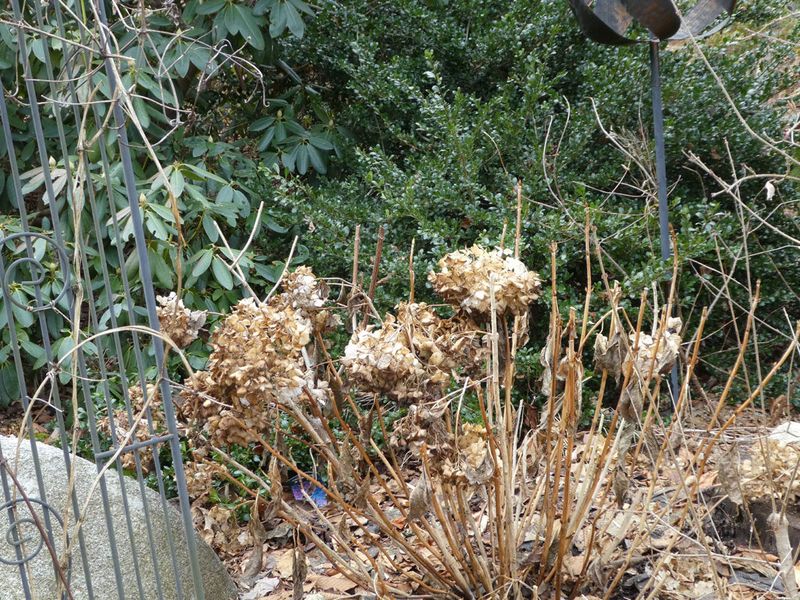
Here is something that surprises a lot of gardeners: bigleaf hydrangeas start forming next year’s flower buds in late summer. By September, those buds are already sitting on the stems, waiting out the winter.
Cutting stems back now removes those buds. That means no flowers next June or July.
It is one of the most frustrating outcomes in the garden, especially when you do not realize what happened until spring arrives and the shrub leafs out without a single bloom.
Bigleaf hydrangeas, including the popular mophead and lacecap varieties, bloom on old wood. Old wood simply means stems that grew during the previous season.
Those stems need to stay on the plant through winter to produce flowers the following year.
In September, skip the pruning on bigleaf hydrangeas. Remove only blooms that have completely fallen apart or stems that are visibly damaged.
Healthy stems with dried flower heads should stay in place for now.
Light cleanup is fine. Pulling off a few tattered petals or snipping off a broken stem will not set the plant back.
Just avoid cutting into healthy, intact stems. Those stems are carrying the buds that will become your blooms next summer, and protecting them through fall is worth the patience.
4. September Is Too Late For Heavy Pruning
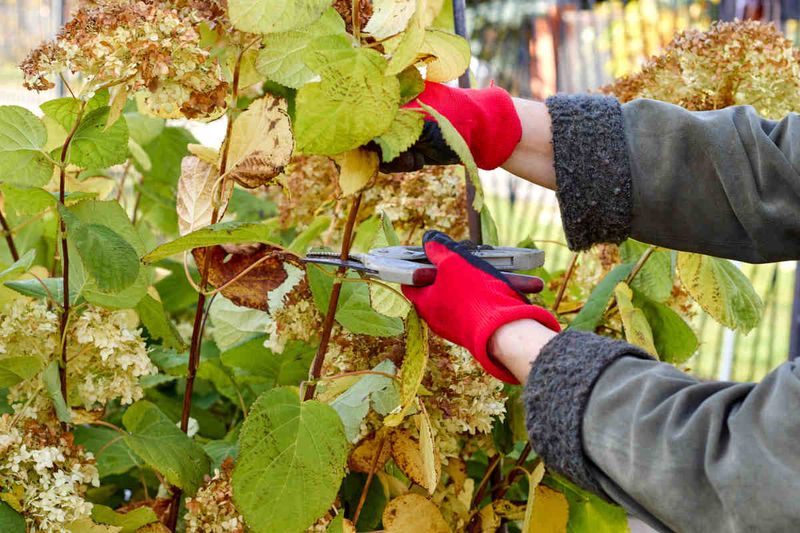
Timing matters more than most people realize when it comes to hydrangeas. Heavy pruning in September can trigger fresh growth on some varieties, and that new growth will not have enough time to harden before cold weather arrives.
Even in the warmer climate of the Southeast, fall pruning carries real risk. Soft new stems that sprout after a late-season cut are vulnerable to frost damage.
Georgia winters are mild compared to northern states, but temperatures can still dip low enough to damage tender growth between November and February.
Heavy pruning is best saved for late winter, right before new growth starts in spring. At that point, you can see exactly what made it through the winter and cut accordingly.
Pruning in late February or early March gives the plant a clean start without the risk of stimulating fragile growth at the wrong time.
September pruning should be limited to light tasks only. Remove broken branches.
Trim off any stems that are clearly damaged or diseased. Cut back a stray branch that is growing into a walkway.
Beyond that, put the pruners down and let the shrub rest.
Patience in September pays off in blooms the following summer. Rushing to cut back a hydrangea before it is ready often creates more problems than it solves.
Use September as a time to watch the shrub rather than reshape it, noting any areas that may need attention once the proper pruning window arrives.
5. Oakleaf Hydrangeas Also Need Their Old Wood Protected
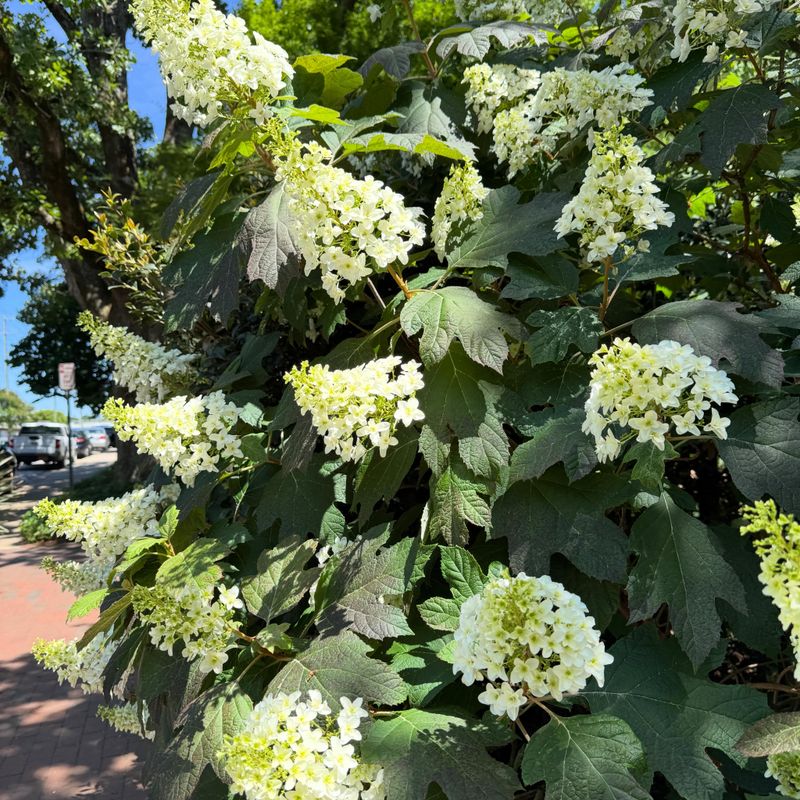
Oakleaf hydrangeas are one of the best shrubs for Southern gardens. They handle heat well, tolerate drought better than bigleaf types, and put on a stunning fall show with their foliage turning shades of burgundy and orange.
Like bigleaf hydrangeas, oakleaf varieties bloom on old wood. Pruning them back hard in September would remove the buds already set on this year’s stems.
Those buds are what produce next summer’s long, cone-shaped flower clusters.
Oakleaf hydrangeas also develop attractive exfoliating bark on older stems. That peeling, cinnamon-colored bark adds winter interest to the garden even after the leaves drop.
Cutting back mature stems removes that feature unnecessarily.
In September, focus on removing only what truly needs to go. A stem that snapped in a summer storm, a branch rubbing against another one, or a cane that is clearly struggling can all be removed without affecting next year’s bloom.
Healthy stems should stay.
One thing worth knowing: oakleaf hydrangeas can get large. Some varieties reach eight feet tall or wider.
If size is becoming a concern, plan a gentle shaping session for late winter, not September.
Tackling size management at the right time of year keeps the plant productive and the garden tidy without sacrificing the flowers you are looking forward to seeing next year.
Their bold leaves and branching shape can carry plenty of visual weight on their own, so there is little reason to force a neater form before fall is over.
6. Panicle Hydrangeas Can Wait Until Late Winter
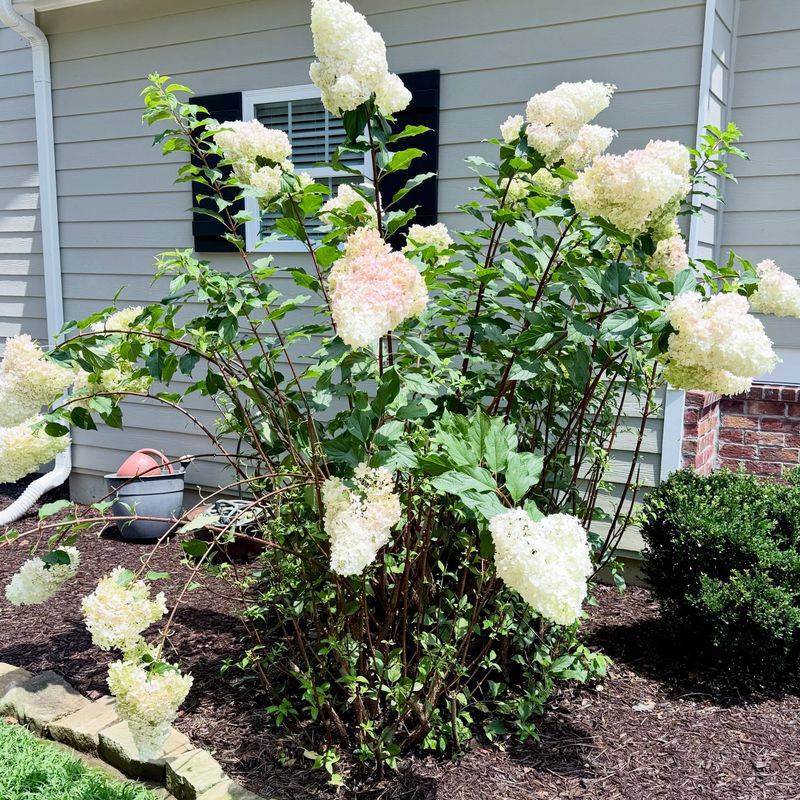
Panicle hydrangeas behave differently from their bigleaf and oakleaf cousins. These are the ones with the large, cone-shaped flower clusters that often turn pink or rosy tan as the season winds down in September.
Good news for panicle hydrangea growers: these shrubs bloom on new wood. Buds form on fresh stems that grow in spring, not on last year’s growth.
That means the timing pressure is much lower compared to old-wood bloomers.
Even so, September is still not the ideal time to prune them. Cutting now can stimulate new growth that will not harden properly before cooler temperatures arrive.
Late winter, typically between late February and early March in the Southeast, is the right window for pruning panicle hydrangeas.
In September, leave panicle hydrangeas alone. The fading flower clusters are attractive in their own right.
Tan and blush tones add warmth to the fall garden, and the sturdy stems hold up well through wind and rain without falling apart.
Varieties like Limelight, Quick Fire, and Pinky Winky are popular choices for Georgia gardens because they handle the summer heat well and produce reliable blooms year after year.
Leaving them unpruned through fall and winter sets them up for a strong pruning response in late winter and a full flush of blooms the following summer.
7. Smooth Hydrangeas Bloom On New Spring Growth
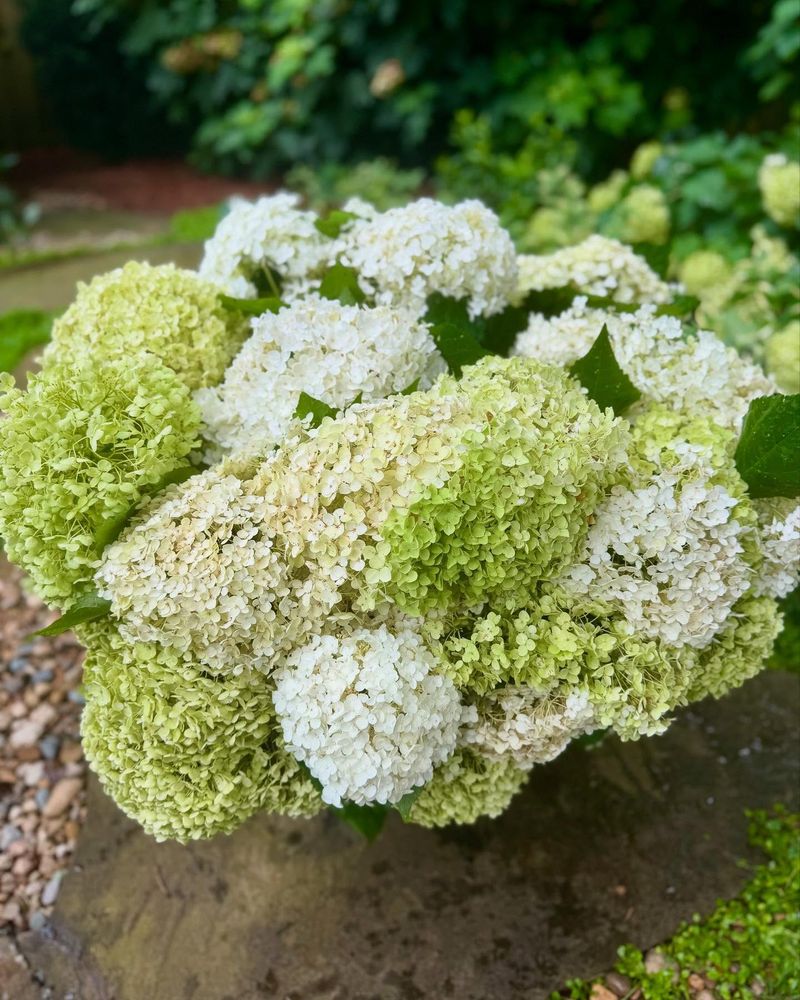
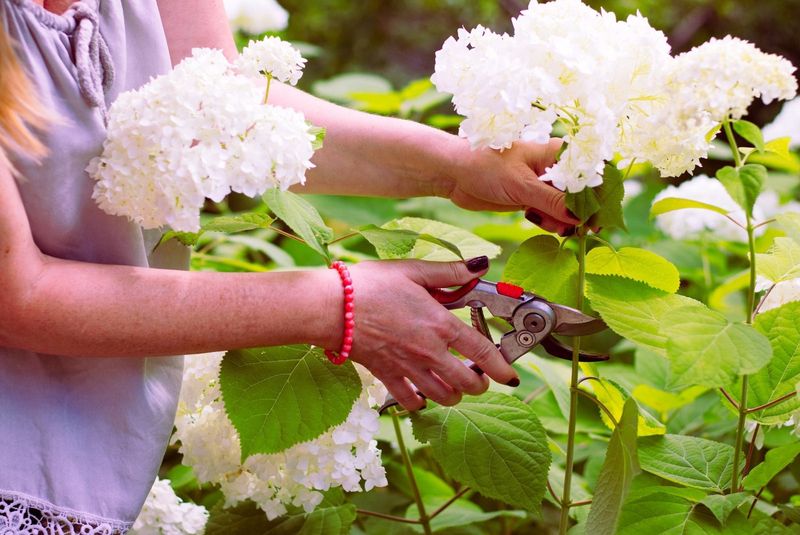
Smooth hydrangeas, often sold under names like Annabelle or Incrediball, are among the most forgiving shrubs in the garden. They bloom on new wood each spring, which removes a lot of the pruning pressure that old-wood types carry.
By September, smooth hydrangea flower heads are usually fading to a soft tan or parchment color. Some gardeners love this look and leave the heads on through winter.
Others prefer a tidier appearance and remove them earlier. Both approaches work reasonably well depending on your preference.
Avoid cutting smooth hydrangeas back to the ground in September. That kind of hard pruning is best saved for late winter, right before new growth begins.
Cutting back too early in fall can leave the plant vulnerable and may reduce the energy it needs for root development during cooler months.
If a stem broke under the weight of summer blooms, go ahead and cut it back now. Smooth hydrangeas are prone to flopping when flower heads get very large, so some stem damage by September is common.
Removing broken canes is fine and will not affect next year’s performance.
Wait until late February or early March to do any major reshaping or cutting back. At that point, smooth hydrangeas respond quickly to pruning and push out strong new stems that carry big blooms through summer.
8. Leave Dry Flower Heads For Fall And Winter Interest
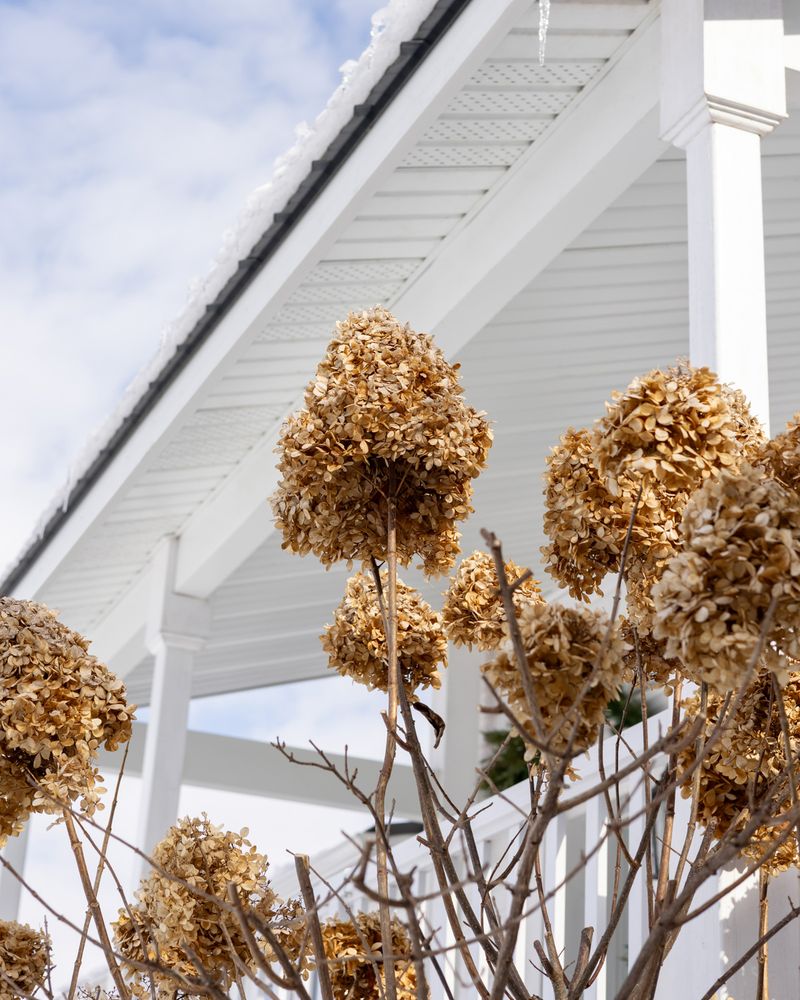
Dried hydrangea blooms are underrated. Once the color fades and the petals turn papery, the flower heads take on a quiet, textured beauty that holds up surprisingly well through fall and into winter.
Leaving old flower heads on the shrub serves more than one purpose. On old-wood bloomers, they provide a small amount of insulation around the bud zones on the stem.
On any hydrangea, they add structure and visual interest to a garden that can otherwise look bare between October and March.
Dried flower heads also attract attention from birds and insects looking for shelter during colder months. Leaving some natural debris in the garden, including old flower clusters, supports a healthier garden ecosystem without much effort on your part.
From a design standpoint, dried hydrangea blooms pair well with ornamental grasses, seed heads from coneflowers, and the fading foliage of oakleaf hydrangeas.
The combination creates a layered, naturalistic look that many gardeners in the South have come to appreciate as much as the summer bloom season.
Cut the dried heads in late winter when you are ready to tidy up before spring growth begins. At that point, you can assess each stem clearly and make smarter pruning decisions.
Rushing to remove them in September skips a season of low-effort garden interest that costs you nothing to keep.