Why Michigan Gardeners Stop Fertilizing Roses In September
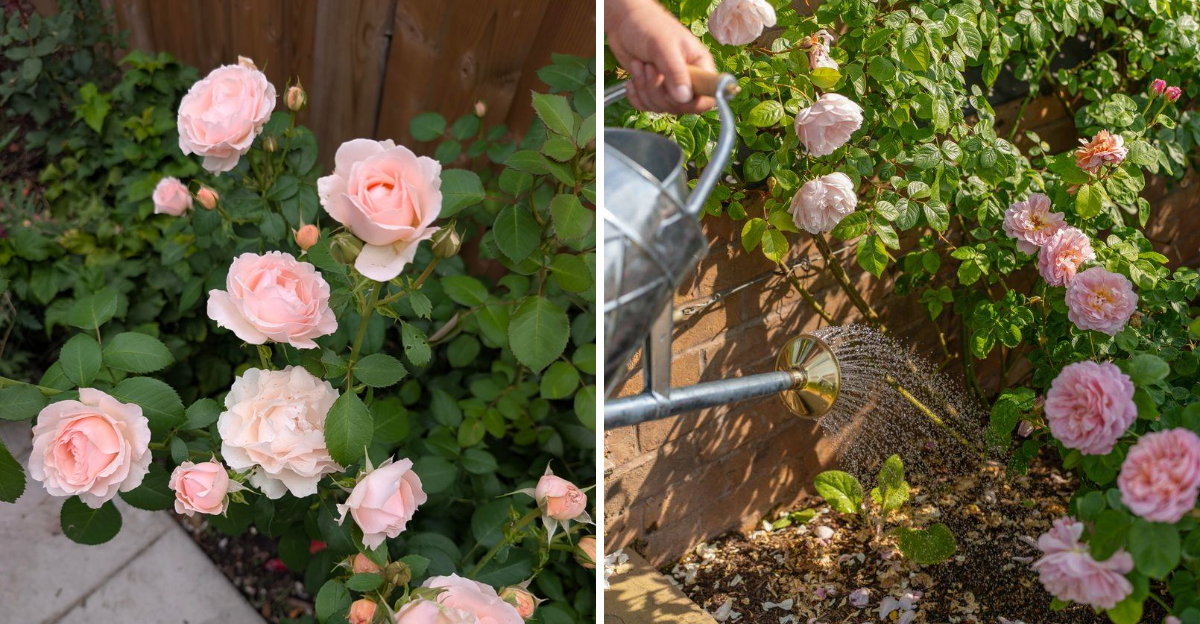
Roses seem like they could use extra encouragement heading into fall, yet plenty of experienced Michigan gardeners deliberately stop fertilizing right around this time every year.
It feels counterintuitive at first, especially with roses still actively blooming and looking perfectly healthy.
But there’s a clear, practical reason behind this timing, one that has everything to do with what roses need to survive the coming winter rather than what helps them bloom right now.
Understanding why this specific cutoff matters changes how you should be thinking about your rose care routine for the rest of the season.
Many gardeners who skip this step end up dealing with consequences that don’t show up until months later. Once you know the reasoning behind this practice, it becomes an easy habit to adopt each year going forward.
Getting this timing right now could protect your roses through the winter ahead.
1. Roses Need To Slow Down
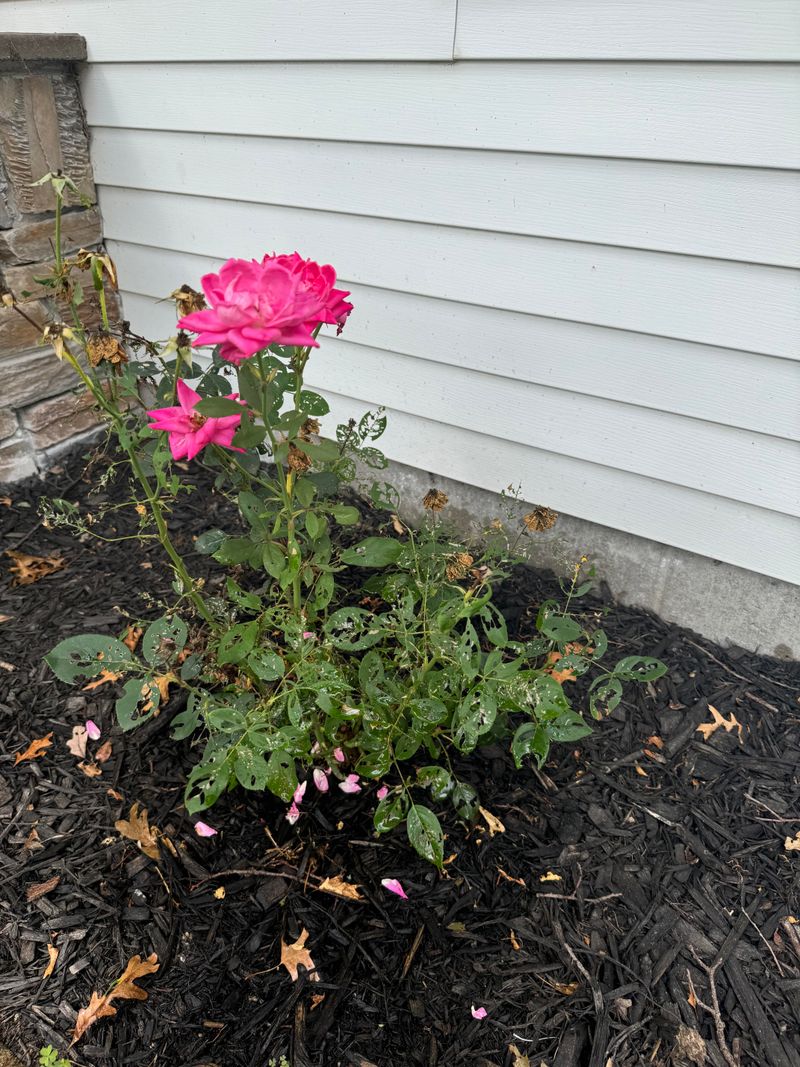
As summer fades in Michigan, roses start listening to nature’s clock. Cooler nights and shorter days tell them the growing season is winding down.
When you keep adding fertilizer, you send the opposite message, pushing the plant to grow when it really wants to rest.
Fertilizer acts like a wake-up call. It tells roses to keep producing new leaves and shoots, using up energy they should be saving.
By September, that energy is better spent getting ready for the quiet months ahead rather than sprouting fresh growth.
Think of your rose bush like a person getting sleepy at night. Feeding it late is like handing someone a strong cup of coffee right before bed. The plant becomes confused about what season it is and struggles to settle down.
Stopping fertilizer helps the whole bush shift gears naturally. The roots begin storing food, the canes start toughening up, and the plant moves from active growth into a calmer state. This shift is exactly what roses need before winter arrives.
Michigan winters can be harsh, so this slowdown is not something to fight against. A rose that eases into fall the right way handles freezing temperatures far better than one still trying to grow.
By skipping that September feeding, you work with the plant instead of against it. You give your roses the chance to prepare on their own schedule, and they reward you with healthier, stronger growth when spring finally returns to your garden.
2. New Growth Can Stay Too Tender
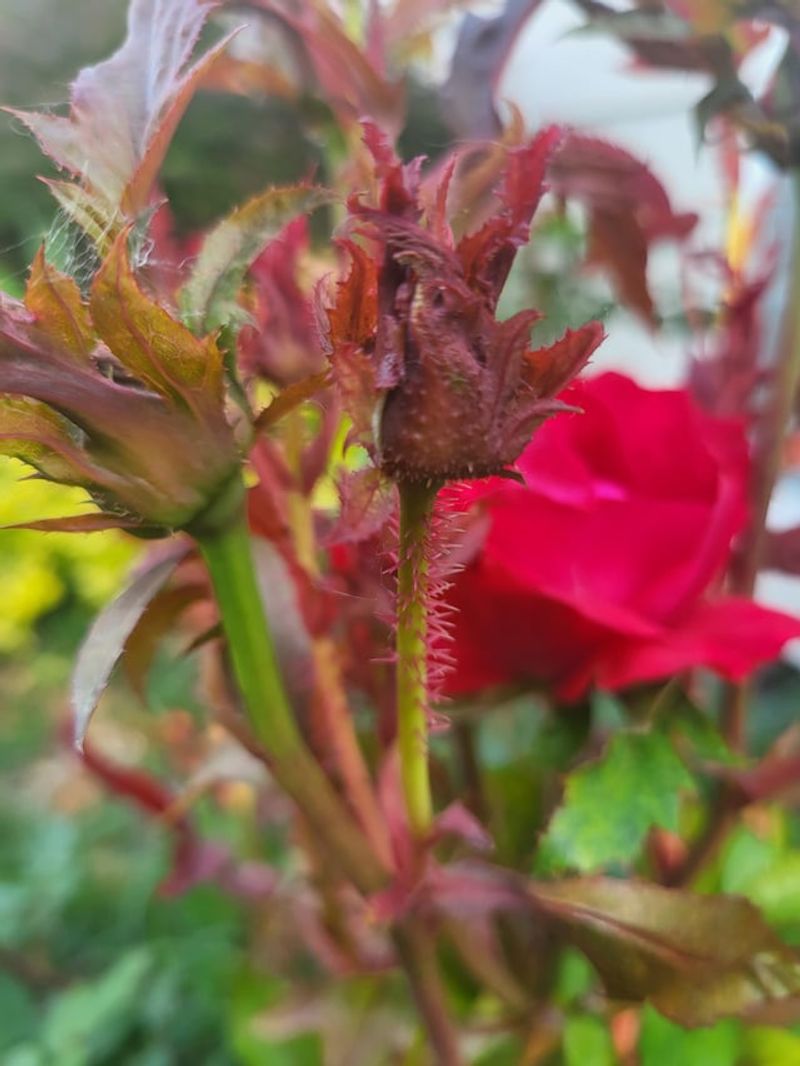
Nitrogen is the ingredient in most rose fertilizers that pushes leafy, green growth. That sounds great in spring, but late in the season it creates a problem.
Fresh shoots that pop up in September rarely have enough time to grow strong before the weather turns cold.
These young shoots stay soft and bendy, almost like tender vegetables. Instead of turning into firm, woody canes, they remain fragile and full of water. That softness makes them weak when the first frosts roll in.
Picture a plant trying to build a sturdy house right before a storm. If the walls are still wet and soft, they cannot hold up. Late nitrogen leaves your roses in that exact spot, unfinished and unprepared.
Your Michigan Garden Changes Every Week. Your Plan Should Too.
Gardening in Michigan changes quickly throughout the season. Every Friday you’ll receive a simple weekly plan showing exactly what to plant, prune, fertilize, harvest, and protect so you never miss the right timing.
Mature canes, on the other hand, have thicker walls and store more energy. They can shrug off cold snaps that would harm baby shoots. The trick is giving the plant time to finish that toughening process before winter.
When you feed roses in September, you interrupt this important step. The bush spends energy on new growth that simply cannot mature fast enough in Michigan’s short fall window.
Holding back the fertilizer lets your roses focus on strengthening what they already have. Existing stems get firmer, and the plant stops wasting effort on shoots that will only struggle.
By avoiding that late nitrogen boost, you help your roses stay balanced. They grow the right way at the right time, which sets them up for a much smoother, safer passage through the cold season.
3. Cold Can Damage Fresh Shoots
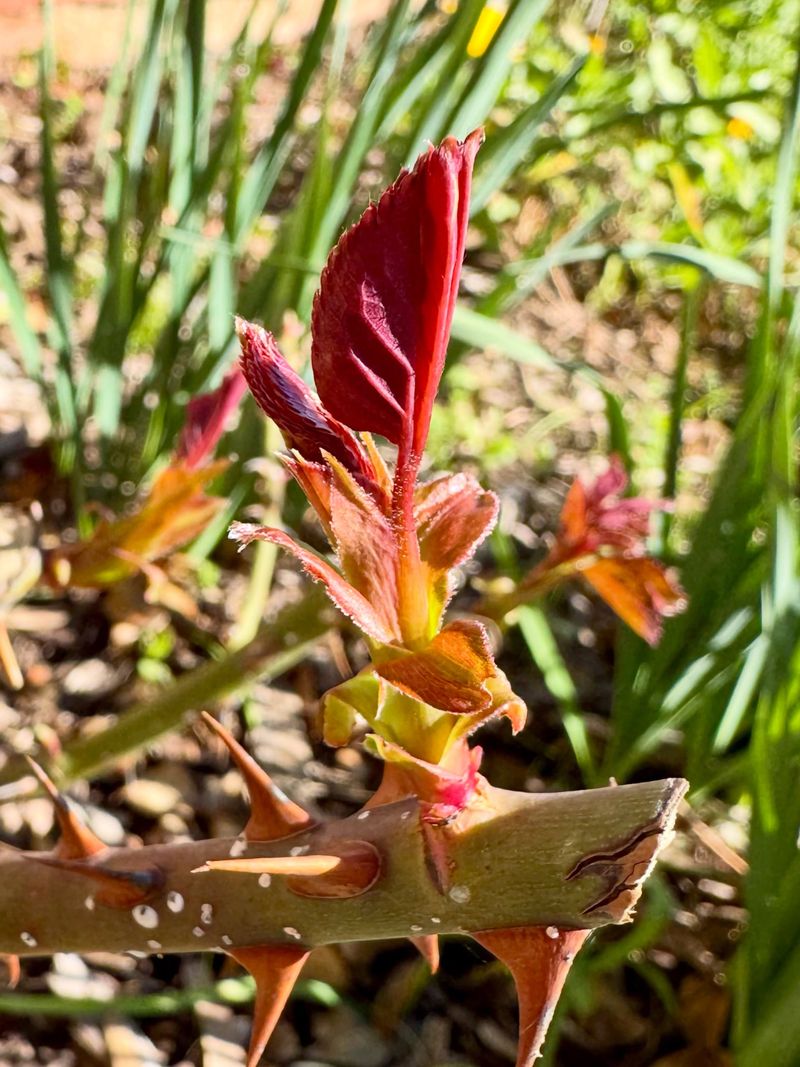
Michigan weather has a habit of turning cold fast. One week feels like summer, and the next brings frosty mornings. Roses with fresh, tender shoots have no defense against these sudden drops.
Soft new growth holds a lot of water inside its cells. When temperatures fall below freezing, that water can turn to ice and harm the plant tissue. The tender shoots get damaged first because they are the least prepared.
Older, hardened canes handle cold much better. They have had months to build up protection, so a chilly night does not bother them nearly as much. Young shoots simply have not caught up.
Feeding roses in September basically invites this trouble. The fertilizer sparks new growth exactly when frost becomes a real risk, leaving those fresh stems exposed and fragile.
Imagine sending someone outside in a t-shirt during a snowstorm. That is what late shoots face when the temperature drops. They have no coat, no warmth, and no way to protect themselves.
When frost damages these shoots, the plant loses energy trying to recover. Sometimes the harm spreads down into healthier parts of the cane, causing even more setbacks for your bush.
By skipping the September feeding, you avoid creating vulnerable growth in the first place. Your roses can direct their strength toward the sturdy canes that will actually make it through the season.
Protecting your plants from cold starts with smart timing. Leaving the fertilizer in the shed helps your roses avoid tender growth that Michigan’s early frosts would quickly harm.
4. Roses Need Time To Harden

Hardening off is a process every rose goes through before winter. During this time, the canes change from soft and green to tough and woody. This natural toughening acts like armor against the cold.
Roses cannot rush this step. It takes weeks of slowing growth for the plant to build up thick, protective stems. September is when this important change really needs to begin.
Feeding roses during this window slows the whole process down. The fertilizer pushes tender growth instead of letting the canes firm up, which leaves the plant only partly ready when winter shows up.
Think of hardening like a fruit ripening on a tree. You cannot force it to happen faster, and rushing it only creates a poor result. Roses need patience and the right conditions to finish properly.
As the plant hardens, it also stores sugars and nutrients deep inside its roots and canes. These stored supplies act like a pantry, keeping the rose fed during months when it cannot make its own food.
A well-hardened rose stands a much better chance of thriving come spring. Its firm canes resist cracking, splitting, and frost harm far better than soft ones ever could.
When you hold off on fertilizer, you let this quiet transformation happen naturally. The plant follows its own rhythm and builds the strength it needs without interference.
Giving your roses room to harden is one of the kindest things you can do in fall. It sets the stage for a bush that wakes up healthy and ready to bloom again.
5. More Fertilizer Does Not Mean More Flowers
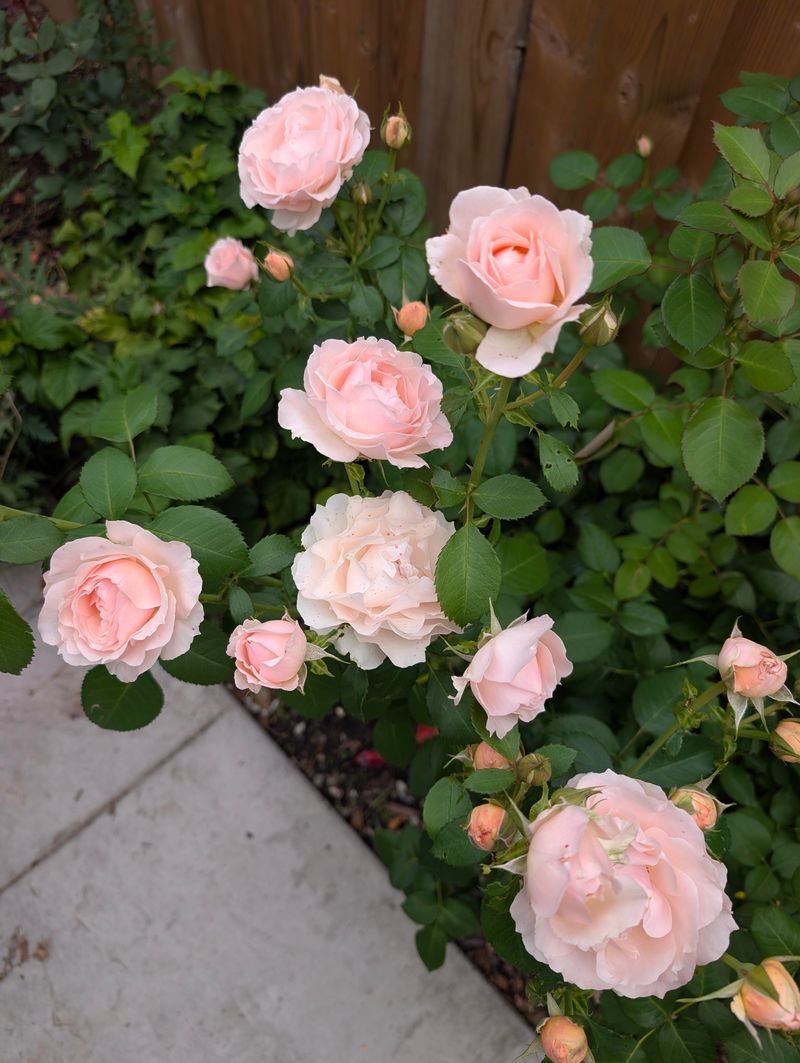
Many gardeners believe that extra fertilizer equals extra blooms. It seems logical, but with roses in September, that idea simply does not hold up. Feeding late usually creates more leaves than flowers.
Roses have a natural bloom cycle tied to the seasons. As fall arrives, they slow their flower production no matter how much you feed them. Pouring on fertilizer will not change that internal schedule.
What you often get instead is a burst of leafy growth. The plant puts its energy into stems and foliage rather than the colorful blooms you were hoping for.
All those extra leaves come at a cost. They pull energy away from the plant’s winter preparation, leaving your rose weaker just when it needs its reserves the most.
Picture watering a plant that already has enough. The extra effort does not help and can actually cause harm. Late fertilizer works the same way, adding stress without any real reward.
Blooms in fall are also more fragile because cold weather cuts their time short. Even if a few flowers appear, they rarely last long enough to enjoy fully.
Smart gardeners save their fertilizer for the seasons when roses truly respond to it. Feeding at the right time gives you far more flowers than piling it on late ever could.
By understanding that more is not always better, you protect your roses from wasted energy. You let the plant focus on getting ready for winter, which pays off with a stronger, showier display next year.
6. Spring Is Better For Feeding
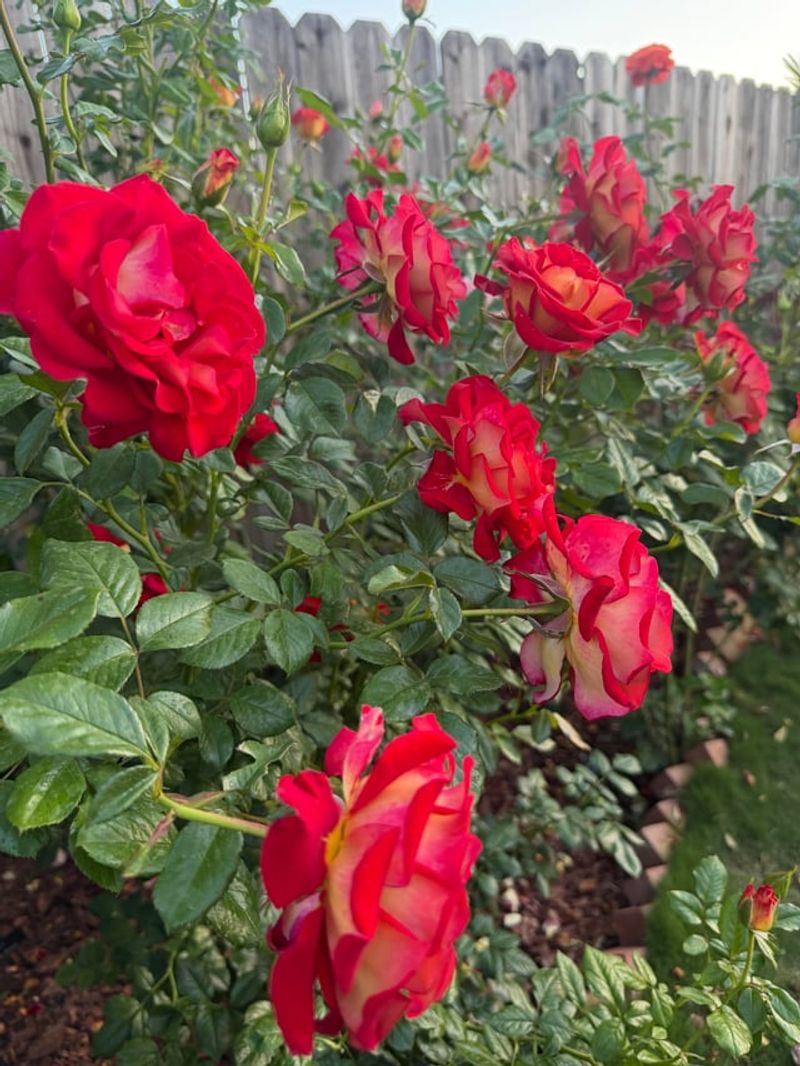
Timing is everything when it comes to feeding roses, and spring is the real star of the show. That is when plants wake up hungry and ready to use every bit of nutrition you give them.
During spring and summer, roses grow actively and bloom their hearts out. Fertilizer during these months fuels strong stems, lush leaves, and plenty of gorgeous flowers.
Roses can only use nutrients when they are growing. In fall, growth slows way down, so any fertilizer you add mostly goes to waste or causes problems.
Think of feeding a rose like fueling a car. You fill the tank before a road trip, not after you have parked it in the garage for the season.
A good schedule usually starts in early spring, once new leaves appear. Regular feedings through summer keep the plant blooming steadily and looking its best.
Most rose experts suggest making your final feeding around six to eight weeks before the first expected frost. In Michigan, that timing lands right around when September rolls in.
Stopping then gives the plant plenty of runway to slow down naturally. It uses the season’s earlier nutrients wisely and shifts its focus toward winter readiness.
When spring returns, you can start the cycle all over again. Fresh fertilizer at that point gives your roses exactly what they crave for a big, beautiful comeback.
By matching your feeding to the plant’s active seasons, you get healthier bushes and better blooms. Good timing turns ordinary care into truly impressive results in your garden.
7. Water Matters More Now
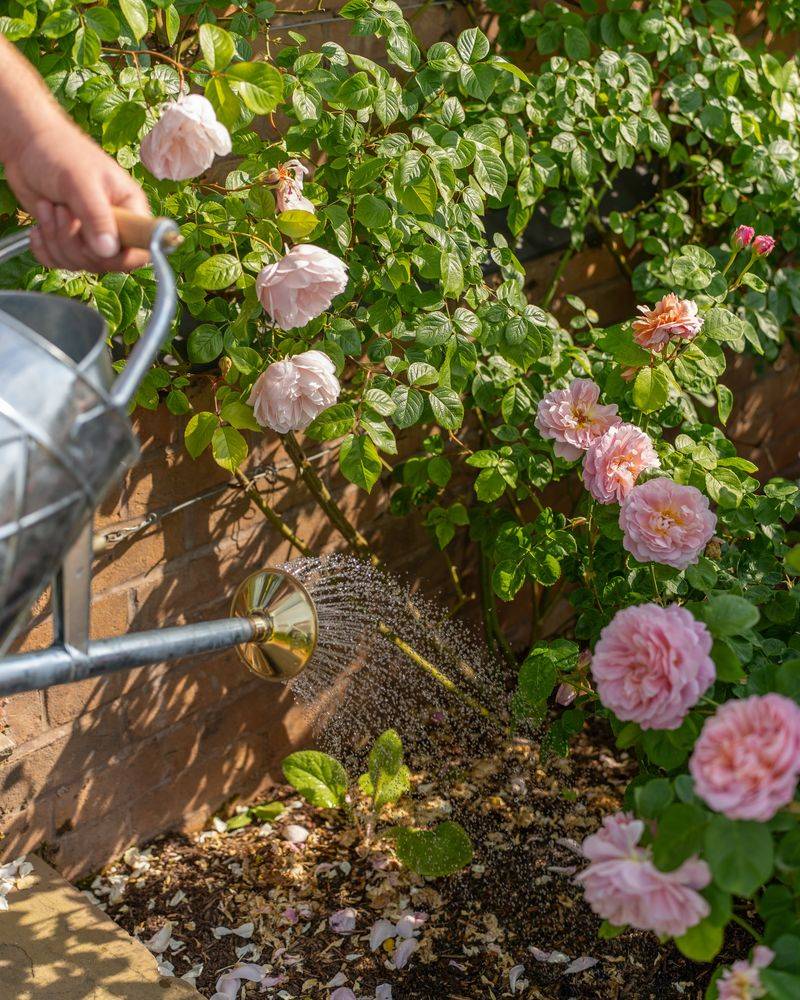
When September arrives, your roses want a drink far more than a snack. Water becomes the most helpful thing you can offer as the plant prepares for the cold months ahead.
Fall in Michigan can bring dry spells that surprise a lot of gardeners. Even with cooler air, the soil can lose moisture quickly, leaving roots thirsty and stressed.
Well-watered roses handle winter much better. Moist soil holds warmth a little longer and keeps the roots healthy while the plant settles into rest.
Fertilizer at this point does nothing to help with dryness. In fact, feeding a thirsty plant can add stress instead of comfort, making a tough situation worse.
Picture heading into a long hike. You would rather carry plenty of water than a heavy bag of snacks you cannot use. Roses feel the same way about fall care.
Deep watering works best during this season. A slow soak that reaches the roots beats a quick sprinkle that only wets the surface and evaporates fast.
Keep an eye on the weather and water whenever rain runs short. Roses going into winter with good moisture in the soil are far less likely to suffer during freezes.
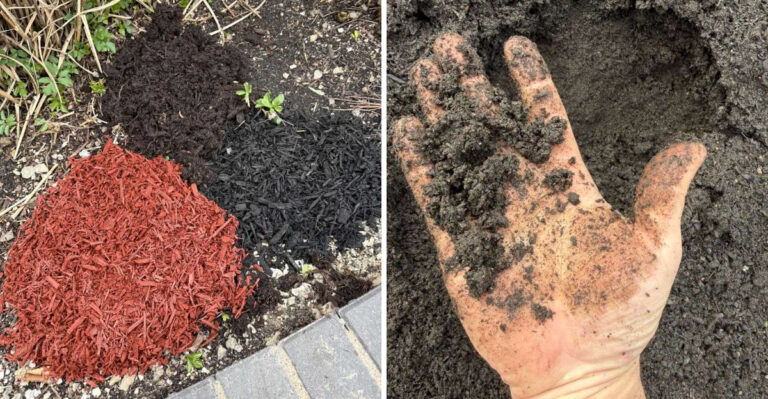
A layer of mulch can help too, locking moisture into the ground and protecting the roots. Together, water and mulch create a cozy setup for the cold season.
By focusing on hydration instead of feeding, you give your roses exactly what they need in fall. That simple switch helps them enter winter strong and ready to shine again next spring.