Why Late August Grass Seed Timing Determines Your Virginia Lawn’s Success
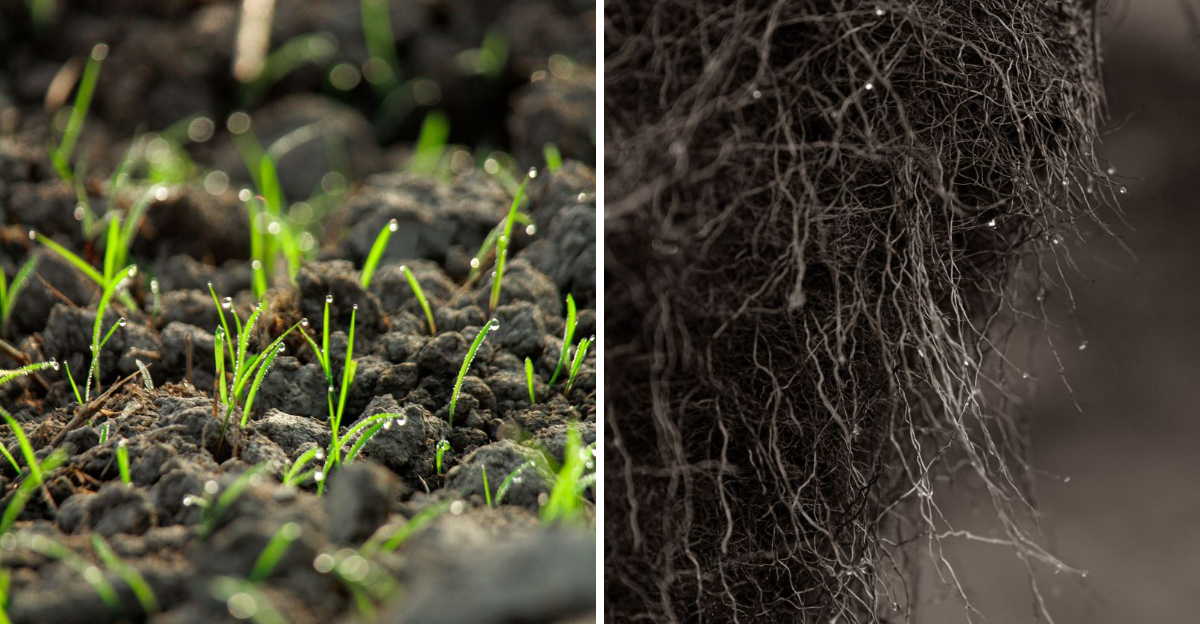
Miss this narrow window, and your lawn struggles for many long months. Grass seed planted at the wrong moment simply costs you both time and patience.
Virginia soil holds secrets that shift noticeably between summer heat and autumn cool. Weather patterns here often create a narrow opening most people miss entirely.
Soil temperature drops just enough to trigger strong root growth underground. Weeds that dominated your lawn all summer finally start losing their grip.
Cooler nights signal grass seed to germinate faster than you’d expect. Rainfall becomes far more consistent, feeding new seedlings without constant watering.
Sunlight softens, sparing tender grass blades from scorching afternoon heat. Competition from crabgrass and other invasives drops sharply during this stretch.
Lawns in Virginia that seed correctly now often outperform neighbors nearby. Every day you wait shrinks your window and your results. You must know that window now, or you lose your entire year.
1. Warm Soil Speeds Up Germination Fast
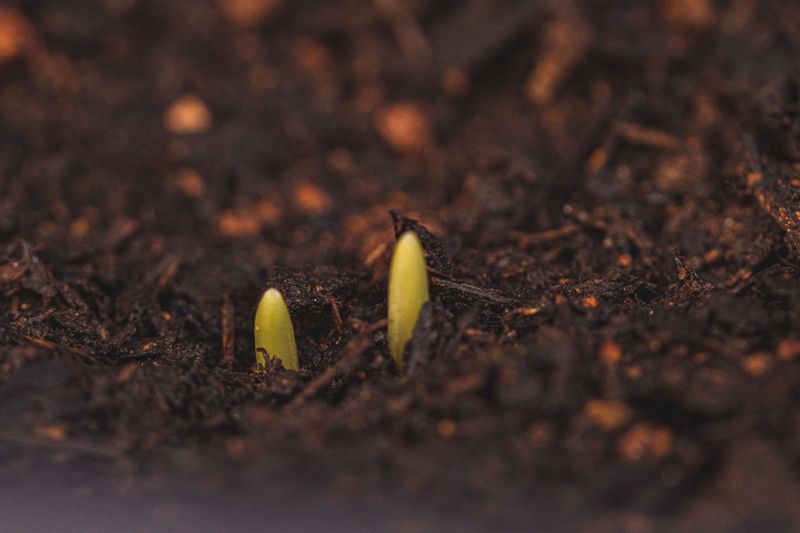
Soil temperature is the hidden engine behind every successful lawn. When late August grass seed timing lines up with warm ground, seeds wake up fast and get to work immediately.
Virginia soil in late August typically holds heat from the long summer. That stored warmth typically sits in the range most cool-season grasses like tall fescue prefer for germination.
At those temperatures, germination can happen noticeably faster. Compare that to seeding in cool October soil, where you might wait far longer for any sign of life.
Warm ground also activates beneficial soil microbes. Those tiny organisms break down organic matter and release nutrients that feed young seedlings right when they need it most.
Homeowners often overlook soil temperature because they focus on air temperature instead. Checking soil temp with a simple thermometer from any garden center takes less than a minute and tells you so much more.
Seeding into warm soil also reduces the risk of seed rotting before it sprouts. Cold, wet soil can trap seeds in limbo, making them vulnerable to fungal problems before they ever get a chance.
Fast germination means faster ground cover, which crowds out weeds before they establish. Every extra day of growth in August is a day your lawn builds the foundation it needs to thrive through fall and into next spring.
2. Cooler Air Reduces Seedling Heat Stress

Seedlings are fragile, and summer heat can stop them cold. Late August brings a shift that makes all the difference for young grass trying to survive its first weeks above ground.
Air temperatures in Virginia start dropping noticeably by late August. Daytime highs that once soared into the mid-90s begin easing into the 80s, giving new seedlings room to breathe and grow.
Heat stress in young grass shows up as wilting, browning tips, and stunted root development. Planting in late August instead of mid-July significantly lowers the chance of your new lawn declining before it matures.
Cool-season grasses like fescue and bluegrass actually prefer air temperatures between 60 and 75 degrees for optimal shoot growth. Late August afternoons start trending right toward that comfortable range.
Your Virginia Garden Changes Every Week. Your Plan Should Too.
Gardening in Virginia changes quickly throughout the season. Every Friday you’ll receive a simple weekly plan showing exactly what to plant, prune, fertilize, harvest, and protect so you never miss the right timing.
Reduced heat also means reduced evaporation from the soil surface. That keeps moisture available longer between watering sessions, which is a huge relief for anyone managing a new lawn without an irrigation system.
Nights in late August start dropping noticeably across much of the region. Those cooler overnight hours let seedlings recover from any daytime stress and push new root growth while you sleep.
Planting when air temperatures work with you instead of against you is one of the smartest moves a homeowner can make. Your seedlings will look stronger within the first two weeks, and you will spend far less time worrying about keeping them alive.
3. Fall Rainfall Keeps Soil Moisture Steady
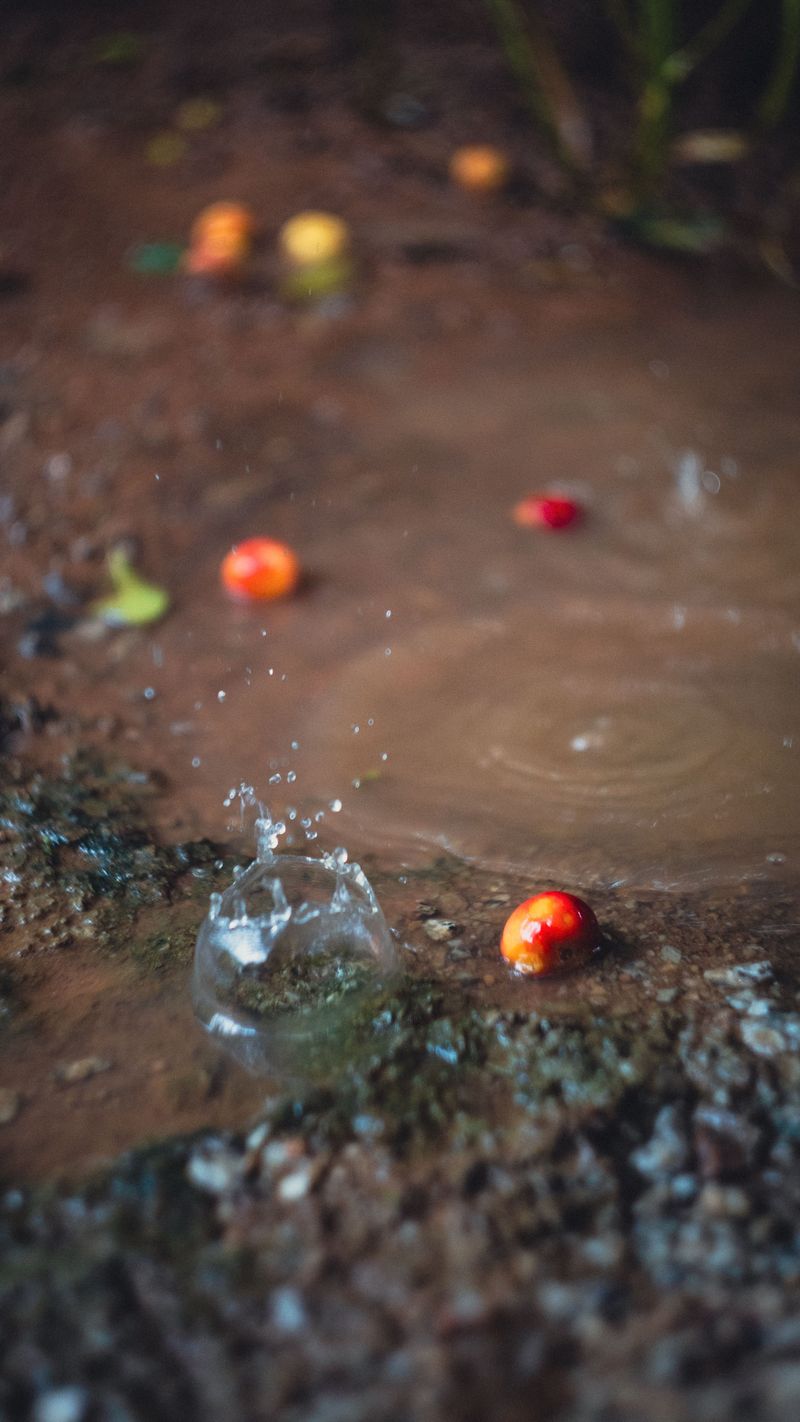
New grass seeds need consistent moisture to sprout and survive their first weeks. Late August in Virginia often delivers exactly that, thanks to transitional weather patterns that bring more frequent rainfall.
Summer thunderstorms taper off, but lighter, steadier rain events become more common as September approaches. That shift works beautifully for newly seeded lawns that need gentle, regular watering rather than heavy downpours.
Heavy summer storms can wash seeds away or create puddles that starve young roots of oxygen. Lighter fall rains soak into the soil slowly, reaching seed depth without displacing anything you worked hard to plant.
Homeowners who seed in late August often find they need to supplement with irrigation far less than those who seed in spring. Nature does a surprising amount of the watering work during this transitional period.
Consistent soil moisture also prevents the hard crusting that can block seedling emergence. When soil dries and bakes into a crust, even germinated seeds struggle to push through to the surface.
A simple rain gauge placed near your seeded area helps you track exactly how much water your lawn receives each week. Aim for about one inch of total moisture per week, combining rain and any supplemental watering you provide.
Steady moisture through the germination window sets the stage for roots that go deep from the start. Deep roots are what separate a lawn that thrives through drought from one that turns brown the moment summer returns.
4. Early Seeding Allows Eight Weeks Of Rooting
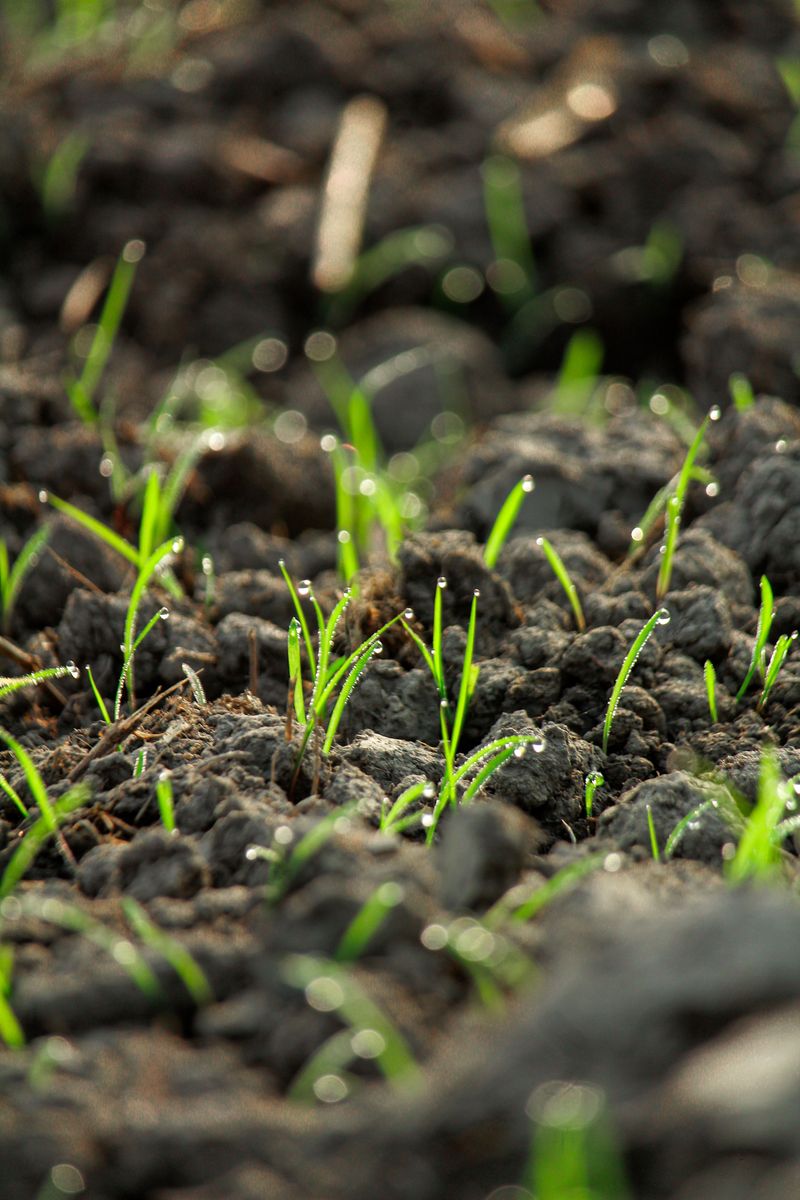
Eight weeks of rooting time before the first hard frost is the golden standard for cool-season grasses in Virginia. Seeding in late August gives you exactly that window, and not a day of it should go to waste.
Root development happens underground where you cannot see it, but it is the most important work your lawn does all fall. Strong roots anchor the grass through winter and fuel vigorous green growth when spring arrives.
A seedling with eight weeks of rooting has time to push roots several inches deep. Shallow-rooted grass from a late September planting might only reach one to two inches before cold shuts everything down.
Deeper roots access water and nutrients from lower soil layers. During a dry spell, deep-rooted grass stays green while shallow-rooted lawns turn crispy and stressed within days.
The first two weeks after germination focus on establishing the initial root system. Weeks three through eight are when secondary root branching happens, which is the structure that actually feeds the plant long-term.
Mowing at the right height during this period also encourages root growth. Keeping your new grass at about three to four inches signals the plant to invest energy below ground rather than in top growth.
Every week of rooting time you give your lawn before winter is an investment that pays dividends for years. A lawn seeded in late August enters spring as a mature, established stand of grass ready to handle anything.
5. Waiting Past September Shortens Root Development

Every week you delay past September is a week of root development your lawn won’t easily recover. The calendar does not forgive late decisions when it comes to cool-season grass in Virginia.
October soil temperatures in Virginia drop below the germination threshold relatively fast. Once soil cools past that threshold, germination slows dramatically and root growth nearly stops altogether.
Seeds planted in early October may sprout, but the resulting seedlings rarely have time to establish before the first hard frost arrives. You end up with thin, fragile grass that enters winter in a vulnerable state.
Thin grass going into winter is prone to heaving, where repeated freezing and thawing pushes shallow roots right out of the soil. That process leaves bare patches where weeds will happily move in come spring.
Extension experts and lawn care professionals across the mid-Atlantic widely point to the late August through mid-September window as the prime time for overseeding. Missing it often means waiting until the following fall for the best results.
Homeowners who wait often rationalize the delay by saying the weather still feels warm. Air temperature is misleading because soil temperature, which is what actually matters for seeds, drops on its own timeline.
Pushing past the September window is a risk with real consequences. The time, money, and effort you spend on seed, fertilizer, and prep work all go to waste when roots do not have enough time to anchor before winter hits.
6. Spring Seedlings Struggle In Summer Heat
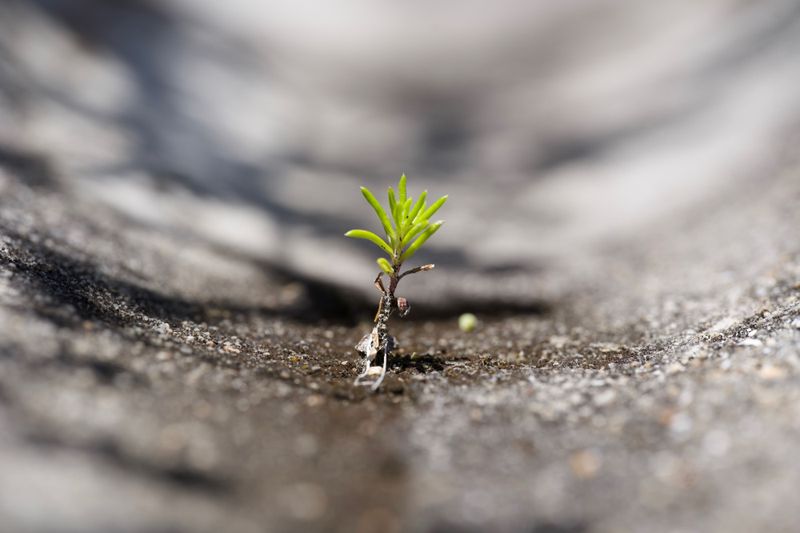
Spring seeding sounds logical until you see what happens to those seedlings by July. Grass planted in March or April has only a few months to establish before Virginia summer arrives with full force.
Cool-season grasses like tall fescue are not built for extreme heat. When temperatures push into the upper 80s and 90s, young spring seedlings without deep roots often struggle to draw enough water to thrive.
A lawn seeded in spring typically has shallow roots by the time summer heat peaks. That shallow root zone dries out in days during a hot stretch with no rain.
Compare that to a lawn seeded the previous August, which enters summer with a noticeably deeper root system. That extra depth is like having a reserve tank of water the grass can draw from during dry periods.
Spring seeding also means competing with crabgrass and other warm-season weeds at their most aggressive. Those weeds germinate at the same time and often outcompete young fescue seedlings for sunlight and moisture.
Pre-emergent herbicides used to stop crabgrass also prevent grass seed from germinating. That compatibility issue forces spring seeders to choose between weed control and new grass, which is a frustrating position to be in.
Late August grass seed timing sidesteps the entire spring struggle. Your lawn goes into summer as a mature, established stand with the root depth and density needed to handle whatever the season throws at it.
7. Late Seeding Leaves Grass Unready For Winter
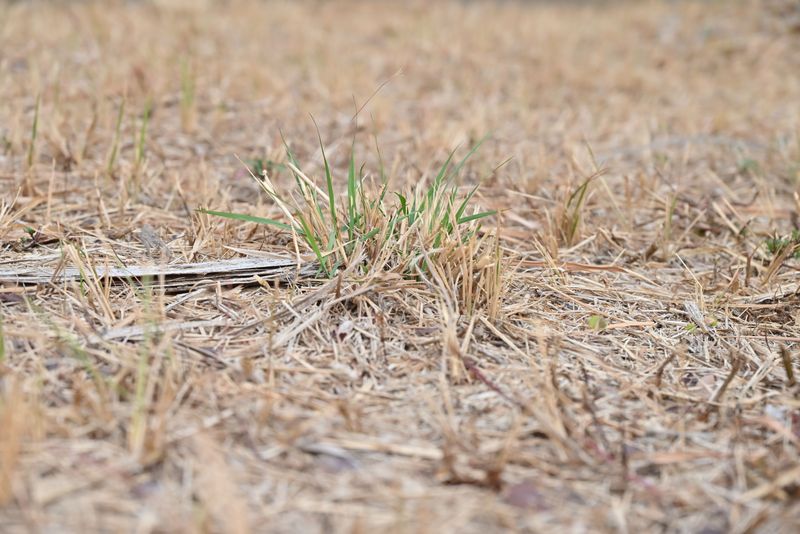
Grass that goes into winter without enough root development is setting itself up for failure. Late seeding might produce some green color in fall, but that surface growth masks an underdeveloped root system underneath.
Established grass stores carbohydrates in its roots through the fall. Those energy reserves fuel the first burst of spring growth and help the plant survive extended cold periods without any photosynthesis happening above ground.
Seedlings that germinate in October barely have time to build those reserves. When freezing temperatures arrive, they have almost nothing stored to sustain them through weeks or months of dormancy.
Frost heaving is a common risk for late-seeded lawns. Repeated freeze-thaw cycles physically lift shallow roots out of the soil, leaving the plant disconnected from the moisture and nutrients it needs to survive.
Late-seeded grass also lacks the density to protect itself from winter desiccation. Thick, mature turf traps air and insulates the soil slightly, but thin stands let cold wind strip moisture directly from exposed roots.
Snow mold is another risk that hits thin lawns harder than dense ones. Fungal disease thrives under snow cover on weak grass, and a late-seeded lawn gives it plenty of vulnerable material to work with.
Seeding on time in late August gives grass the weeks it needs to prepare properly for winter. A well-rooted, dense lawn going into cold weather is one of the most satisfying things a homeowner can build in a single growing season.
8. Fescue Thickens Only Through Annual Overseeding
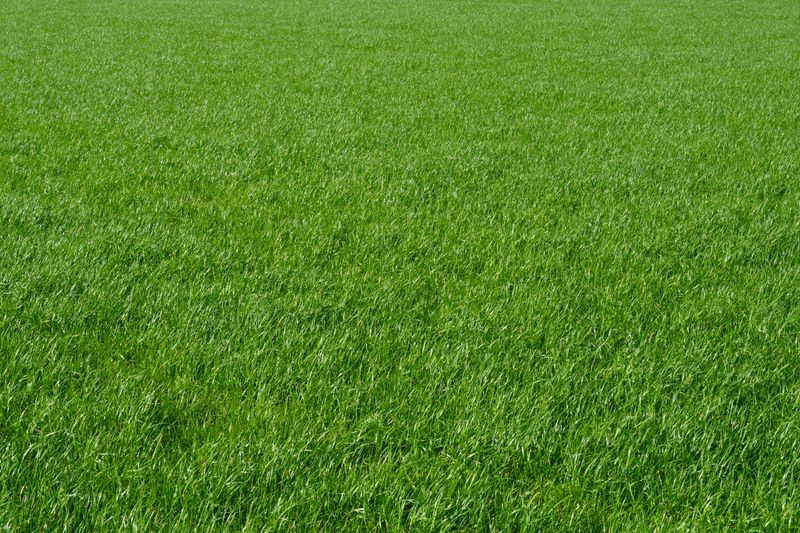
Tall fescue does not spread by sending out runners the way bermuda or zoysia does. Each plant grows as an individual clump, which means bare spots stay bare unless you actively reseed them every single year.
Annual overseeding in late August is what keeps a fescue lawn looking full and uniform over time. Without it, normal summer thinning from heat, drought, and foot traffic creates gaps that weeds are quick to fill.
Late August grass seed timing is especially critical for overseeding because fescue needs that full fall rooting window. New seed introduced too late will not knit into the existing turf before winter arrives.
A good overseeding routine starts with mowing the existing lawn short, around two inches. That low cut lets seed make contact with the soil surface instead of getting trapped in the thatch layer above it.
Core aeration before overseeding makes an enormous difference in seed-to-soil contact. Those small holes created by the aerator give seeds a sheltered spot to germinate with excellent moisture retention and root penetration.
Starter fertilizer applied at seeding time can give new fescue plants a phosphorus boost for early root development, though a soil test is worth doing first, since some areas restrict phosphorus application unless a deficiency is confirmed.
Homeowners who commit to late August overseeding every year end up with lawns that stay thick, green, and weed-resistant season after season. Late August grass seed timing is not a one-time fix but a yearly habit that keeps paying off beautifully.