What It Means When You Keep Seeing Rabbits In Your Pennsylvania Garden
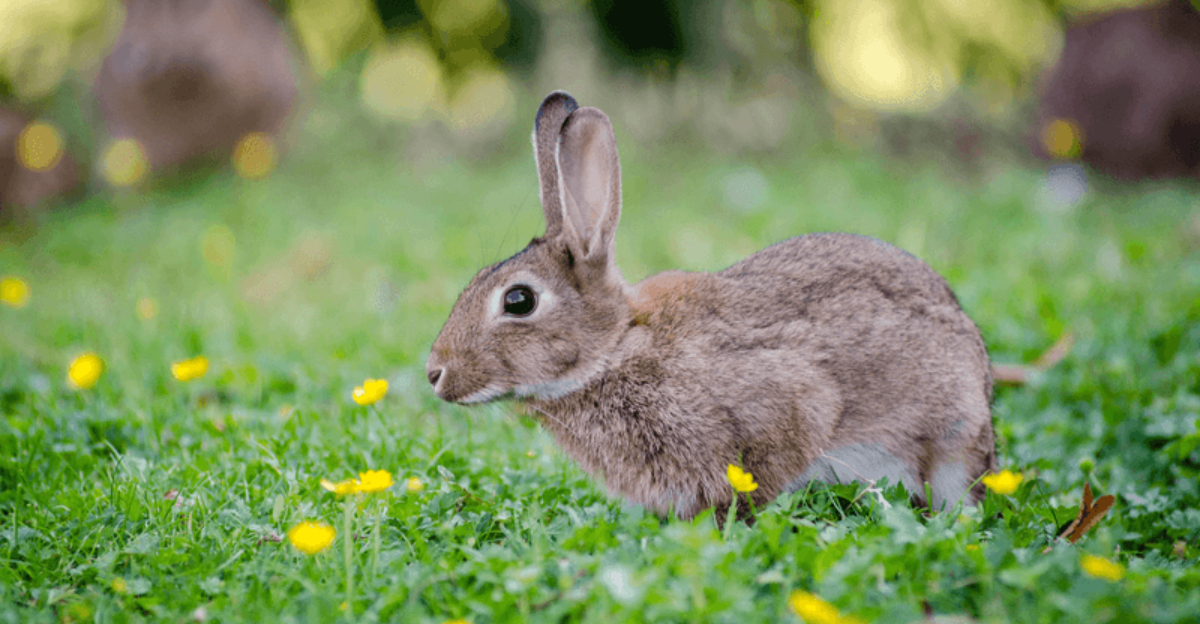
Rabbits in a Pennsylvania garden are one of those wildlife encounters that starts out charming and then, for most gardeners, stops being charming relatively quickly. The first time you see one sitting at the edge of the bed looking adorable, it’s a pleasant moment.
The morning you find your lettuce gone and your pepper seedlings nipped off at the soil level, the relationship changes.
But rabbits don’t appear in gardens randomly, and if you keep seeing them with regularity, your garden is providing something specific that keeps bringing them back.
Understanding what that is tells you something real and practical about your yard, your planting choices, and the conditions you’ve inadvertently created that rabbits find consistently appealing.
It also gives you genuine options for managing the situation that go beyond chasing them off and hoping for the best.
Beyond the practical, rabbits carry rich symbolic meaning across many cultural traditions that people have drawn on for centuries, and a rabbit that keeps returning to your garden tends to prompt a reflection that goes beyond pest management.
1. Your Garden Has Become A Reliable Feeding Spot
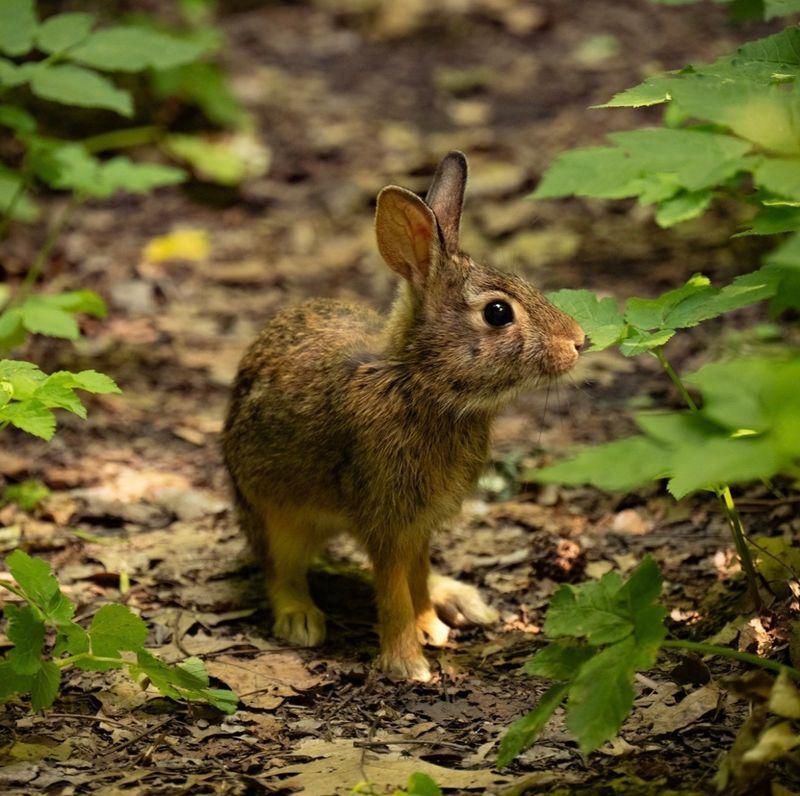
Picture this: a plump little cottontail crouched between your tomato plants, happily munching away without a care in the world. If rabbits keep visiting your garden, there is a strong chance your yard has become their personal cafeteria.
Eastern cottontails eat a wide variety of plants, including garden vegetables, tender young shoots, clover, grasses, and fallen fruit from nearby trees.
Rabbits are creatures of habit. Once they find a reliable food source, they return to it again and again.
Your garden offers fresh, easy meals without much effort on their part. Lettuce, beans, peas, and young flower stems are especially attractive to them.
Even a small patch of clover growing along your garden’s edge can be enough to bring a rabbit back every single day.
Seasonal changes also affect what rabbits look for. In spring and summer, soft green growth is their favorite.
In fall, they may snack on fallen apples, berries, or dried plant material. If your garden stays productive through the season, cottontails will likely stay close by too.
You can reduce their visits by removing easy food access. Harvest ripe vegetables promptly and clean up fallen fruit.
Avoid leaving food scraps or compost piles uncovered near the garden. Planting rabbit-resistant plants like lavender, marigolds, or sage around the garden border can also help discourage them from treating your yard like an all-you-can-eat buffet.
Knowing that food is the main draw gives you real power to manage the situation in a way that works for both you and the rabbits sharing your space.
2. Your Yard Offers Good Hiding Cover
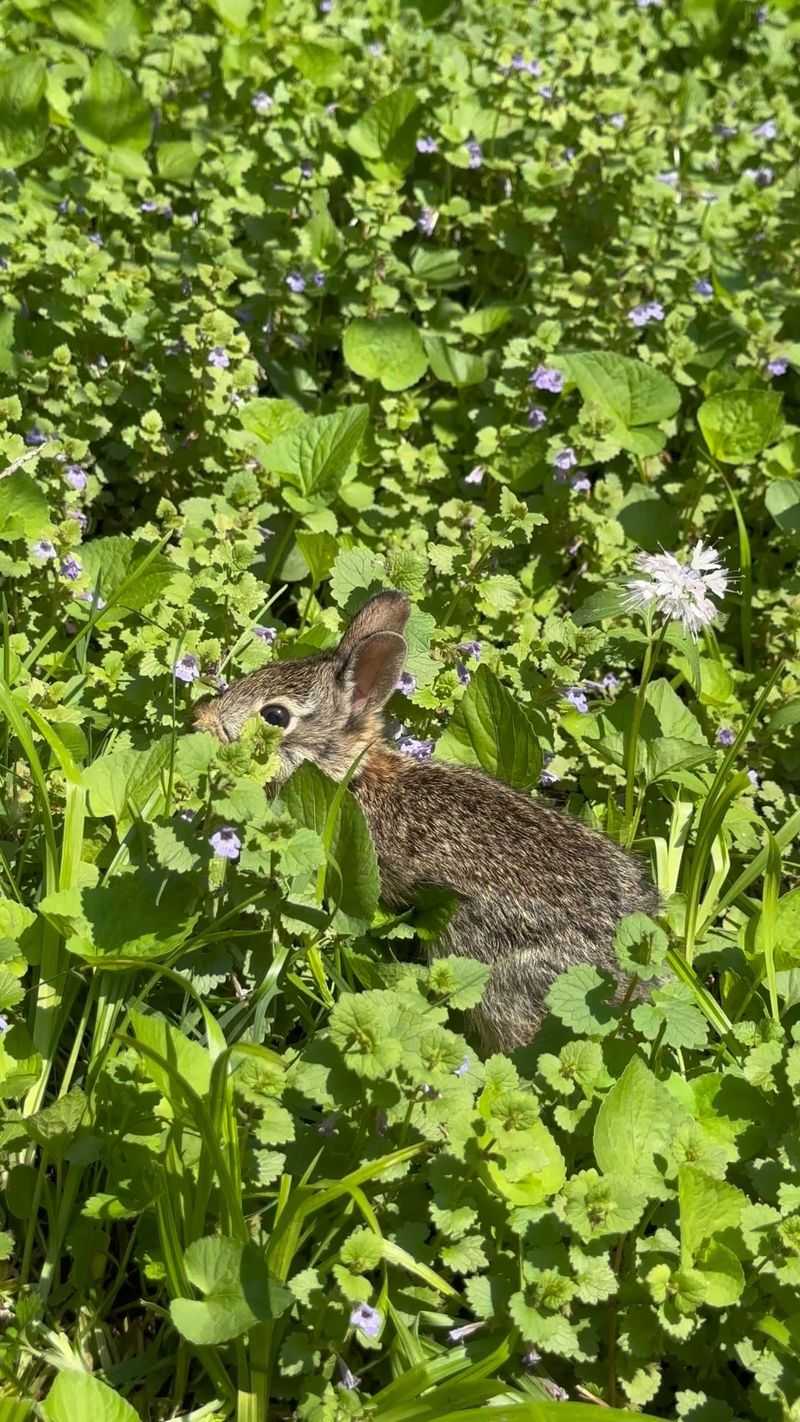
Rabbits are not just looking for food when they visit your yard. They are also constantly on the lookout for safety.
Eastern cottontails are prey animals, which means they spend a lot of energy staying hidden from foxes, hawks, cats, and dogs. If your yard has plenty of cover, rabbits feel comfortable enough to stick around.
Your Pennsylvania Garden Changes Every Week. Your Plan Should Too.
Gardening in Pennsylvania changes quickly throughout the season. Every Friday you’ll receive a simple weekly plan showing exactly what to plant, prune, fertilize, harvest, and protect so you never miss the right timing.
Brush piles, weedy garden edges, dense shrubs, low-growing hedges, and even stacked debris near a fence can all serve as perfect rabbit hideouts. Cottontails rarely wander far from shelter.
They like to feed in open areas but always stay close enough to a hiding spot that they can dart to safety in seconds. If your garden sits next to a brushy fence line or an overgrown corner of your yard, that combination of food and cover is nearly irresistible to a rabbit.
Think of your yard from a rabbit’s point of view. Open grass with nowhere to hide feels dangerous.
But a garden bordered by shrubs, tall weeds, or a thick hedge feels like a safe neighborhood. That sense of security is a major reason rabbits keep returning.
If you want to make your yard less inviting to rabbits, consider tidying up some of those dense hiding spots near your garden beds. Trim back overgrown shrubs, clear away brush piles, and mow weedy edges regularly.
You do not need to turn your yard into a bare lawn. Simply reducing the amount of thick cover right next to your garden can encourage rabbits to find shelter elsewhere and lower how often they visit your plants.
3. A Rabbit May Be Living Very Close By
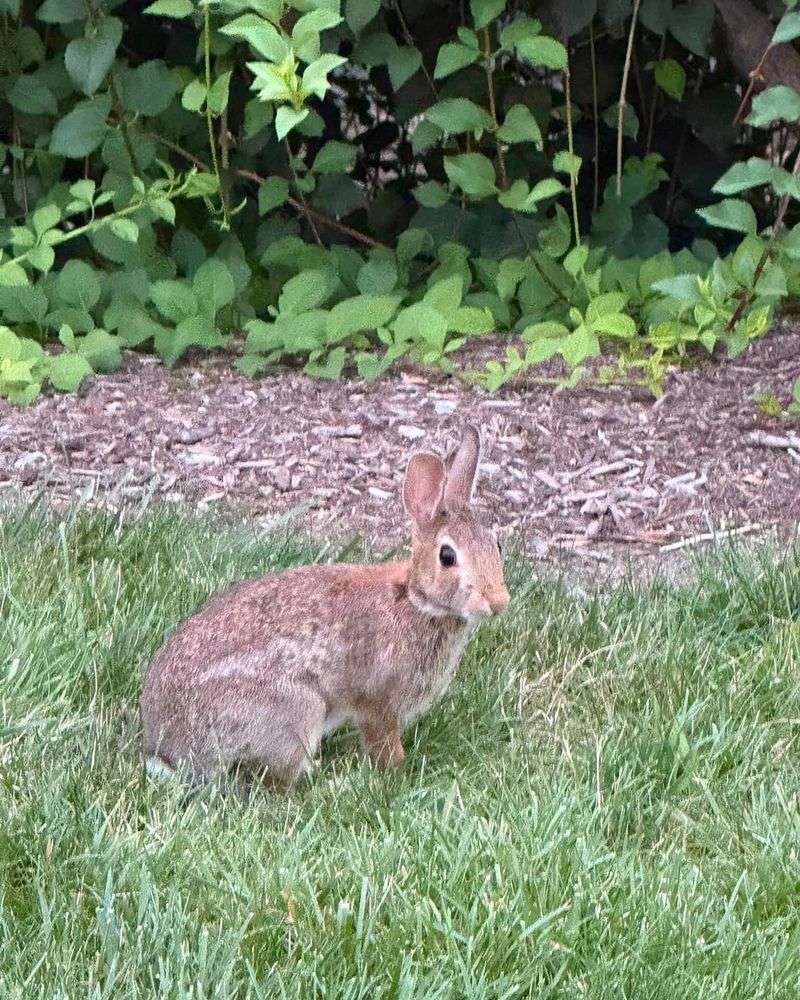
Here is something that might surprise you: that rabbit you keep seeing is probably the same one every time. Eastern cottontails have a relatively small home range.
Most cottontails live their entire lives within an area of just a few acres. Some stay within an even smaller space, especially if food and shelter are easy to find in one spot.
When you see a rabbit in your garden repeatedly, there is a good chance your property falls right inside its regular territory. Cottontails do not migrate or roam wide distances like some other animals.
Instead, they carve out a familiar patch of land and stick to it. Your yard, your neighbor’s yard, and the alley or field nearby might make up most of one rabbit’s entire world.
Knowing this changes how you think about the situation. That rabbit is not just passing through.
It has chosen your neighborhood as home base. It knows where to eat, where to hide, and which routes feel safest.
Repeated sightings at the same time of day or in the same corner of your yard are a strong sign that one rabbit has claimed your garden as part of its regular routine.
You might also notice small, shallow depressions in your lawn or garden beds. Cottontails sometimes rest in these spots during the day, especially in warm weather.
Seeing a rabbit sitting quietly in the same place day after day is a clear sign it feels comfortable and safe there.
Understanding that a rabbit lives nearby, rather than just passing through, helps you plan smarter and more effective ways to protect your garden plants all season long.
4. There Could Be Young Rabbits Nearby
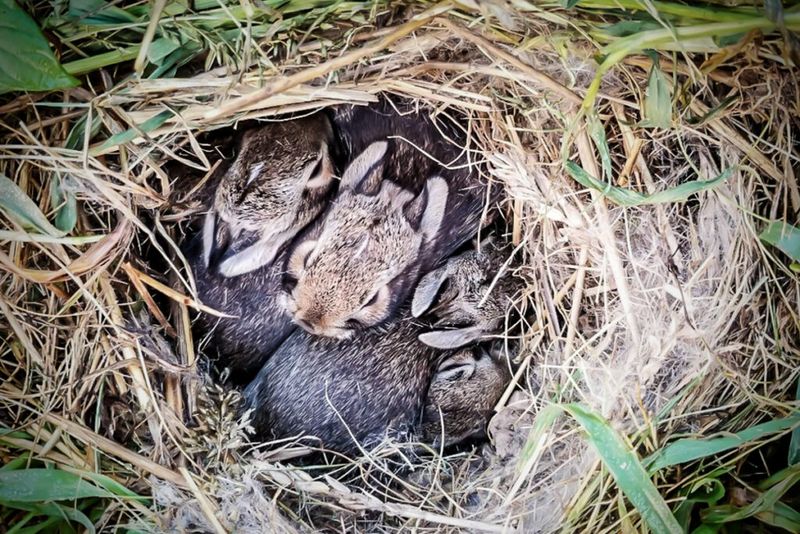
Late summer rabbit sightings in Pennsylvania often come with a bonus: baby rabbits. Eastern cottontails breed multiple times throughout the growing season, typically producing several litters between March and September.
Each litter usually contains four to six babies. That means by midsummer and into early fall, your neighborhood could have a noticeable increase in young rabbits exploring new territory.
Newly weaned cottontails are small, roughly the size of a golf ball when they first leave the nest. They look like tiny versions of adult rabbits, but their movements are a little less confident.
You might see them hopping around in broad daylight, seemingly unafraid of people. This is completely normal behavior for young rabbits that have not yet learned to be cautious around humans.
If you spot several small rabbits in your garden at once, they may be siblings from a recent litter venturing out on their own for the first time. Mother cottontails wean their young quickly, usually within three to four weeks of birth.
After that, the young rabbits are on their own and begin exploring nearby areas for food and shelter.
Young rabbits can be surprisingly bold. They tend to sit still when startled rather than running immediately, which can make them easy to spot.
While they are undeniably adorable, they can also do real damage to tender garden plants as they learn what to eat. Protecting your garden with fencing or row covers during late summer is especially helpful when young rabbits are actively exploring your yard.
Staying aware of the breeding season helps you stay one step ahead of potential plant damage before it becomes a bigger problem.
5. Morning And Evening Sightings Are Completely Normal
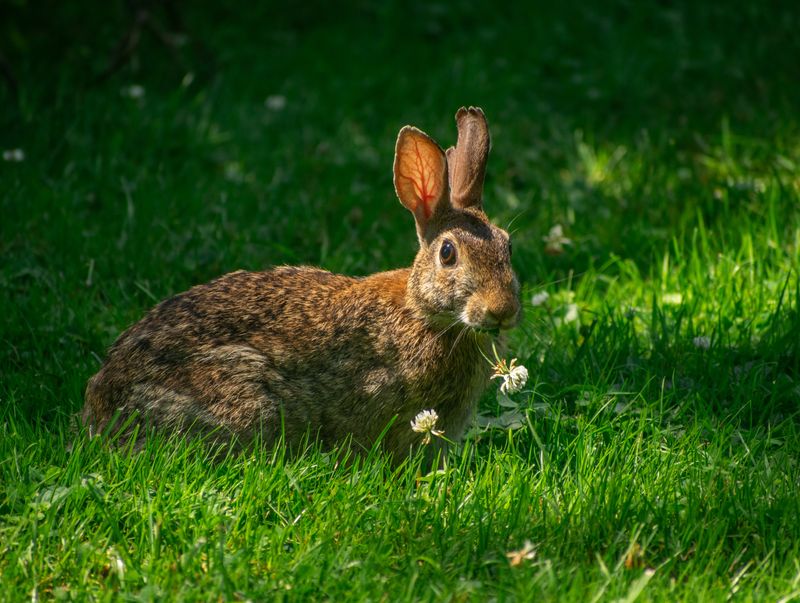
Waking up early and spotting a rabbit in your garden is not a sign that something unusual is happening. Eastern cottontails follow a predictable daily schedule, and that schedule is built around low light.
They are most active during the early morning hours just after sunrise, in the evening around dusk, and sometimes through the night. Midday sightings are less common, though not impossible during cooler weather or when food is especially scarce.
This timing is actually a survival strategy. Low light makes it harder for predators like hawks and foxes to spot a rabbit in the open.
By feeding during dawn and dusk, cottontails reduce their risk of being seen while still getting the nutrition they need. It is a smart and effective system that has worked for this species for thousands of years.
So if you always seem to notice a rabbit right after you wake up or just before the sun goes down, that is no coincidence.
Your garden sits within the rabbit’s regular feeding window, and your observation times happen to line up with its most active hours. There is nothing alarming about this pattern at all.
In fact, this predictable schedule can actually work in your favor. Since you know when rabbits are most likely to be active, you can check your garden during those windows to assess any damage early.
You can also time any deterrent measures, like spraying repellents or adjusting fencing, around those peak activity periods for better results.
Understanding a rabbit’s natural rhythm makes it much easier to coexist with these common Pennsylvania visitors without frustration or unnecessary worry throughout the gardening season.
6. Your Plants May Soon Show Rabbit Damage
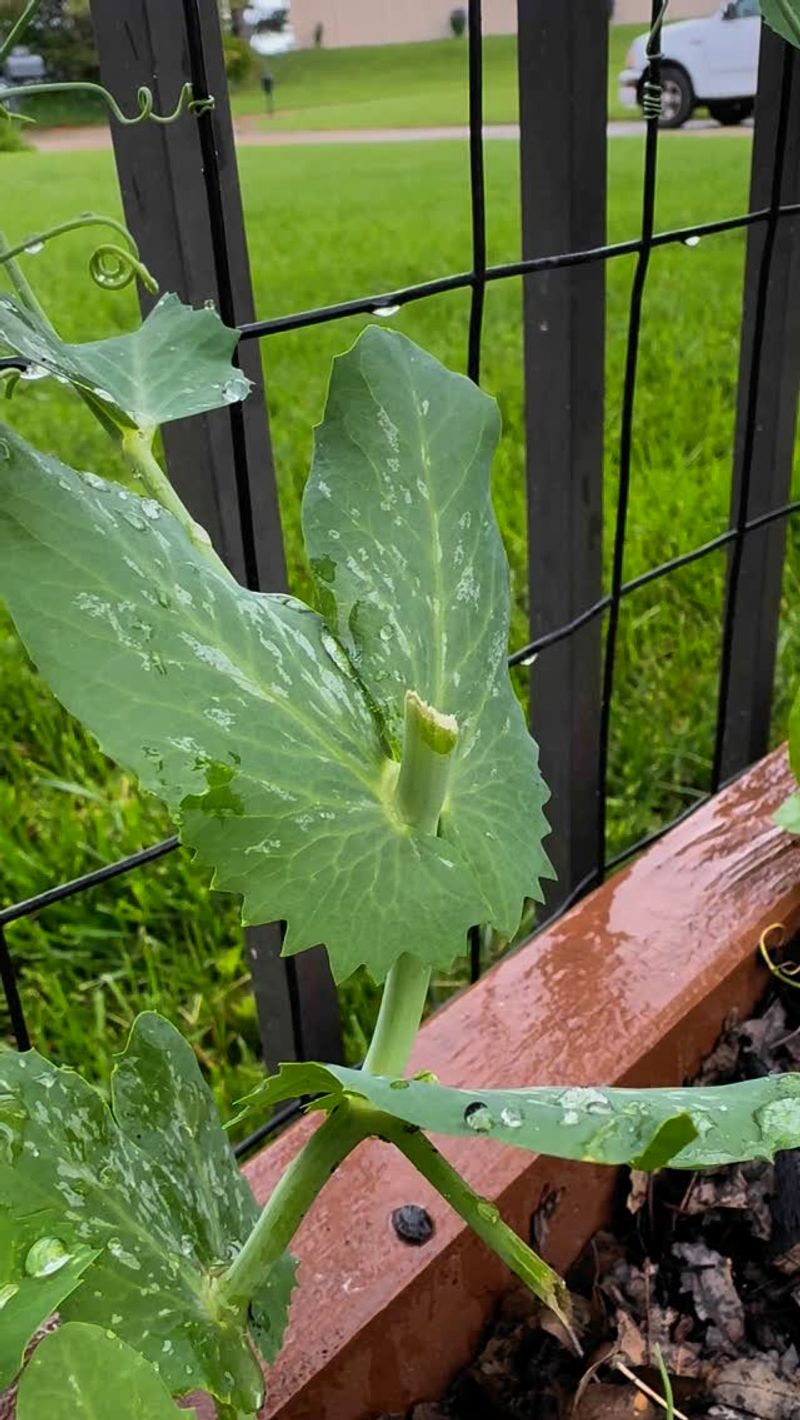
Rabbits leave behind a very specific calling card on garden plants, and once you know what to look for, it is easy to spot. Unlike deer, which tend to tear and shred plant material, rabbits make clean, sharp, angled cuts on stems and buds.
The damage usually appears low to the ground, within about two feet of the soil surface, since that is the height range where cottontails comfortably feed.
Young, tender plants are the most vulnerable. Seedlings, flower buds, leafy greens, and soft new growth are prime targets.
You might walk out one morning and find a row of bean seedlings neatly clipped at the base, with nothing left but short stubs sticking out of the soil.
That kind of damage can happen overnight and feels discouraging, especially when you have worked hard to grow those plants.
The good news is that protecting your garden from rabbits does not have to be complicated or expensive. Fencing is the most dependable solution available.
A simple chicken wire fence about two to three feet tall, with the bottom few inches buried or bent outward underground, works very well at keeping cottontails out of garden beds. Hardware cloth with smaller openings can also be used around individual plants or raised beds.
Row covers made of lightweight fabric are another practical option, especially for protecting seedlings in early spring when young plants are most vulnerable.
Repellent sprays made with hot pepper or predator urine can offer some short-term help, though they need to be reapplied regularly after rain.
Staying proactive and setting up protections early in the season gives your garden the best chance of making it through without serious rabbit-related setbacks.