The One Thing You Must Do To Ohio Black-Eyed Susans This Week Or They Stop Reseeding
Black-eyed susans have a reputation for looking after themselves. Ask around and someone will tell you they just come back every year, no work required.
That reputation is about to get tested. Right now those dried, brown flower heads look done for the season, exactly the kind of thing a tidy gardener clears out on a Saturday afternoon.
They’re not done. Underneath that rough, faded look, something is still happening that has nothing to do with how the bed looks and everything to do with what grows there next year.
Ohio’s growing season only gives this plant one shot at finishing that process, and the calendar window is smaller than most people assume for a flower this reliable.
Grab your shears out of habit this week and you might undo years of a flower bed that never needed your help before.
This is the week that finally puts that self-sufficient reputation to the test.
1. Stop Trimming Spent Flowers Before September
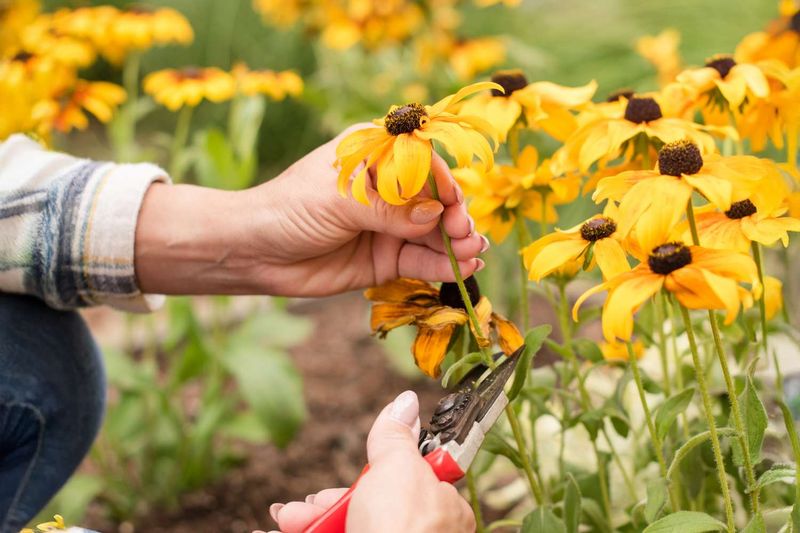
Somewhere around the last week of August, a habit that served your garden well all summer long starts working against you. Removing spent flowers from Rudbeckia hirta earlier in the season can push the plant to produce additional blooms.
Ohio State University Extension confirms that Black-Eyed Susan, Rudbeckia hirta, is a native that can self-seed freely. That free-seeding ability is what fills your garden with volunteer plants the following year.
Every flower head you remove before its seeds have fully matured is one fewer potential source of new seedlings.
You are not permanently stopping the plant from reseeding by trimming one spent bloom, but each removed head cannot complete its own seed development.
That is a straightforward trade-off worth understanding clearly.
Late August is a practical, seasonal turning point rather than a strict biological decease. No single date suddenly closes a window forever.
The shift is more about priority. Earlier in summer, encouraging more flowers made sense.
Now, allowing seed heads to mature and drop naturally becomes the more useful goal. You can still remove any flower heads that show signs of disease or serious damage.
Healthy, fading blooms, though, deserve a chance to finish what the plant started.
2. Faded Blooms Hold Next Year’s Seed Supply
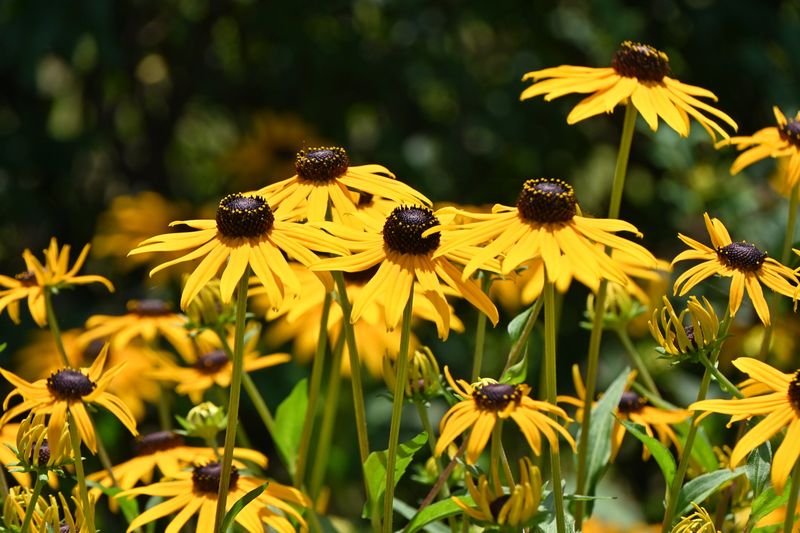
Once the bright yellow petals drop away, what remains on the stem does not look like much. That dark, cone-shaped center, however, is packed with developing seeds.
The central disk of a Rudbeckia flower head is made up of many tiny individual florets, and each one has the potential to produce a seed. Removing the whole spent flower at this stage removes that entire seed-producing structure along with it.
Seed development inside the head takes time after the petals fade. The plant continues moving energy into those seeds even when the bloom no longer looks attractive.
Cutting the stem before that process finishes interrupts the work the plant is quietly doing. A faded flower head that looks past its prime is still an active part of the plant’s reproductive cycle.
Your Ohio Garden Changes Every Week. Your Plan Should Too.
Gardening in Ohio changes quickly throughout the season. Every Friday you’ll receive a simple weekly plan showing exactly what to plant, prune, fertilize, harvest, and protect so you never miss the right timing.
Helping readers picture this makes the advice easier to follow. Think of the dark center as a storage pod still being filled.
Snipping it away before it is ready empties that pod before its contents are usable. Reliable horticultural guidance consistently points to leaving seed heads in place until seeds have had time to mature fully.
Gardeners who understand what that center is actually doing find it much easier to resist the urge to tidy things up too quickly.
3. Let Those Dark Seed Heads Fully Ripen
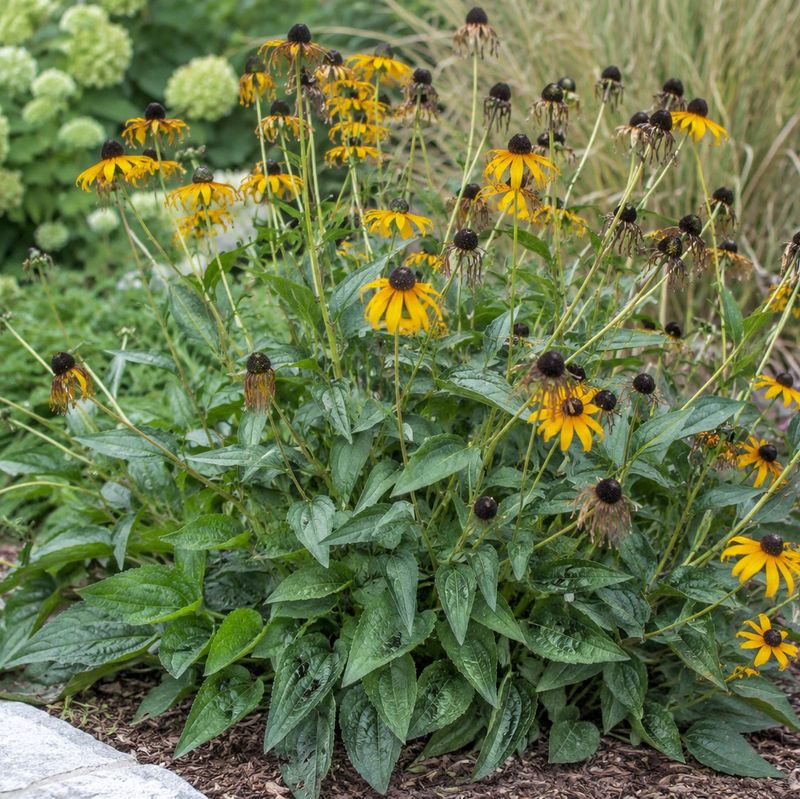
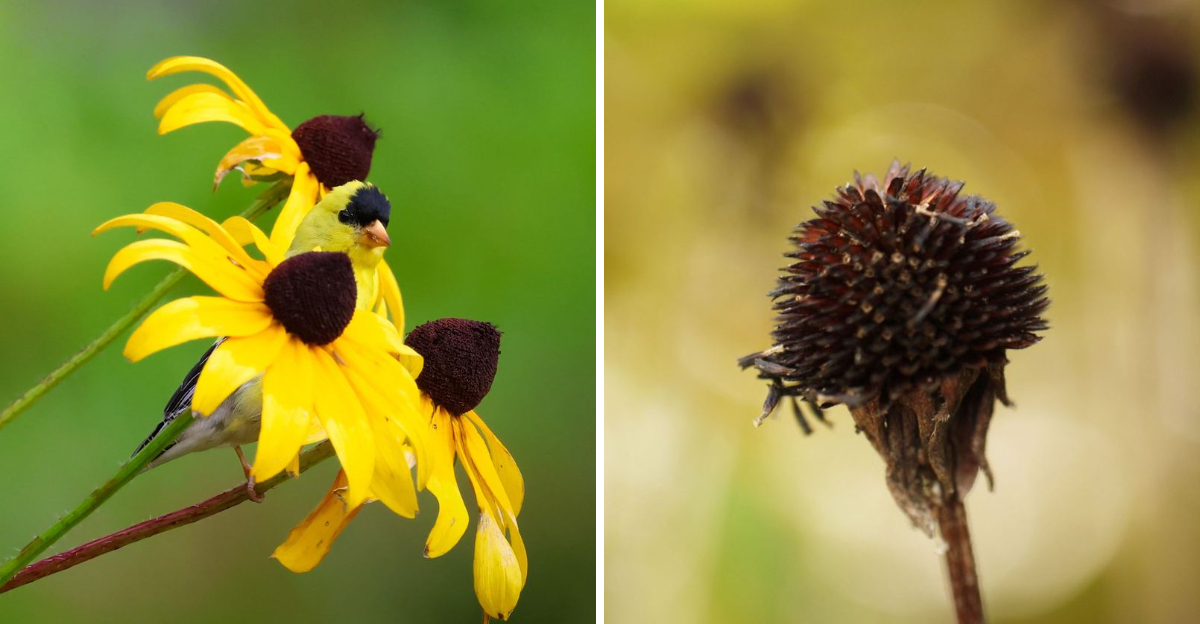
Knowing when to leave a seed head alone is easier once you understand what maturity looks like. As a Rudbeckia hirta flower head moves from a fading bloom toward a mature seed head, the dark central cone becomes firmer and drier.
The head shifts from a soft, somewhat moist texture to something noticeably harder and more rigid over time. That change signals that the seeds inside are progressing toward viability.
Cutting seed heads too early can interrupt seed development. Waiting until they have dried and hardened helps preserve more viable seeds for natural dispersal.
Extension and horticultural sources consistently recommend allowing seed heads to remain on the plant until they have fully ripened. Not every seed within a head will germinate, and natural reseeding always involves some unpredictability.
The goal is simply to give seeds the best possible chance.
For a homeowner trying to make a practical decision, the difference is fairly clear. A bloom that just lost its petals last week is not ready.
A head that has been darkening and drying on the stem for several weeks is much closer to where it needs to be. Leave firmer, darker seed heads in place through September.
This gives naturally dispersed seed the best chance to reach soil and produce volunteer plants next spring.
4. Leave The Stems Standing Into Fall
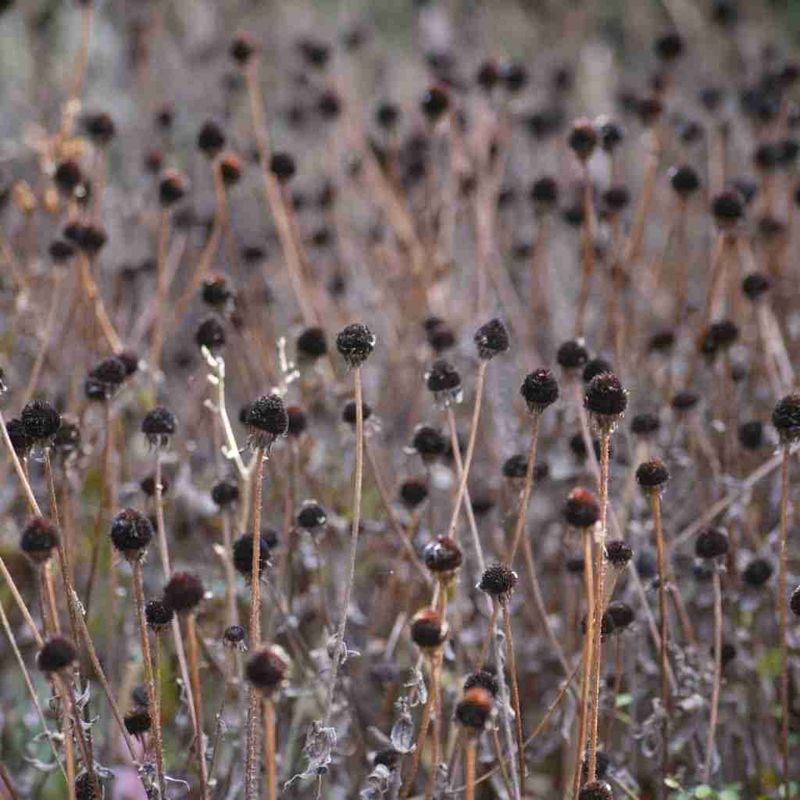
A garden moving into fall has its own kind of beauty, especially when seed heads and dry stems are left to stand. Rushing to cut everything down the moment summer color fades can work directly against natural reseeding.
Ohio State University Extension encourages leaving Black-Eyed Susan seed heads standing because they provide food for birds during the fall and winter months. That guidance also happens to align perfectly with the goal of allowing mature seeds to disperse naturally.
Keeping healthy stems and seed heads in place gives naturally dropped seeds more time and more opportunity to reach the soil below. Seeds do not all fall at once.
Some are taken by birds, some drop in wind, and others release gradually over several weeks. A standing stem keeps that process active longer than a stem cut down in early September.
Diseased plant material is a separate situation entirely. Foliage showing signs of fungal problems or other disease should be handled appropriately rather than left to spread issues through the garden.
Healthy standing stems, though, serve a real purpose well into fall. They also add vertical structure and seasonal interest to a garden that might otherwise look bare too soon.
Leaving selected stems standing is a low-effort choice with meaningful benefits for reseeding and for the garden’s overall fall appearance.
5. Expect Volunteers Beyond The Original Clump
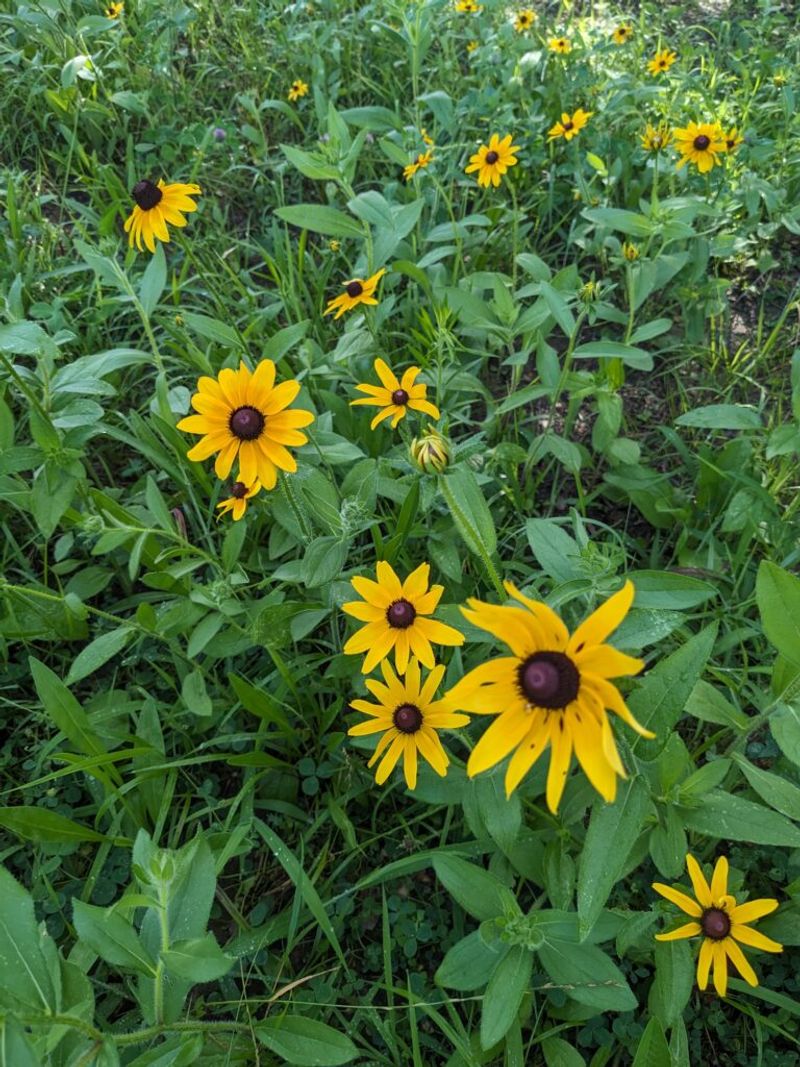
Finding a bright little rosette of leaves popping up somewhere you never planted anything is one of the more satisfying surprises a garden can offer. Rudbeckia hirta can produce volunteer seedlings well beyond the exact spot where the parent plant is growing.
Ohio State University Extension confirms that the species self-seeds freely. Seeds can travel short distances and sprout in nearby open areas rather than only beneath the parent plant.
Natural reseeding does not follow a neat pattern. Volunteers may appear at the edge of a bed, in a nearby patch of bare soil, or in a spot that simply had the right conditions at the right time.
Factors like weather, soil preparation, competing plants, seed maturity, and garden maintenance all influence how many seedlings actually establish. No reliable source promises a specific number of volunteers from any given planting.
Rudbeckia hirta is an Ohio native, and its ability to spread naturally is part of how native plants sustain themselves in their home landscape. That spreading habit does not make it invasive.
Volunteers that appear where they are not wanted can simply be moved or removed when they are young. Gardeners who prefer a looser, naturalistic style can benefit from self-seeding Black-Eyed Susans.
Their volunteers make the garden feel more dynamic from one season to the next.
6. Give New Seedlings Room To Take Hold
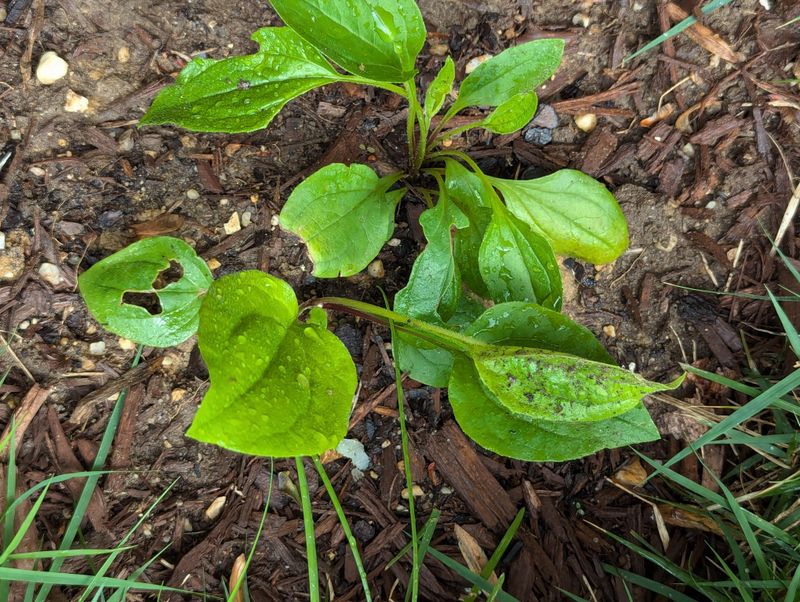
Naturally dropped seed needs to reach actual soil to have any real chance of germinating. A thick layer of mulch sitting between a fallen seed and the ground can reduce the opportunity for that contact to happen.
Penn State Extension and other horticultural sources note that Rudbeckia seed benefits from cold exposure before germination. This process is called cold stratification.
Winter outdoors provides exactly that kind of seasonal conditioning for seeds that have dropped naturally in fall.
Gardeners do not need to strip mulch from an entire bed to support reseeding. A light, thin layer allows more seeds to work their way down to soil than a heavy, compacted covering does.
Leaving some areas with minimal mulch near existing plants gives naturally dispersed seeds better odds. Full sun to partial shade and good drainage support healthy seedling establishment.
These conditions match Ohio State guidance for Rudbeckia hirta.
Not every seed that drops will sprout, and that is completely normal. Natural reseeding always involves variation.
Some seeds will find ideal conditions and germinate well. Others will not.
Gardeners who understand this approach the process with realistic expectations rather than disappointment. Give seeds a reasonable path to direct soil contact.
Combined with Ohio’s cold winter, that creates favorable conditions for volunteer seedlings to appear in spring.
7. Let Birds Share The Late-Season Seeds
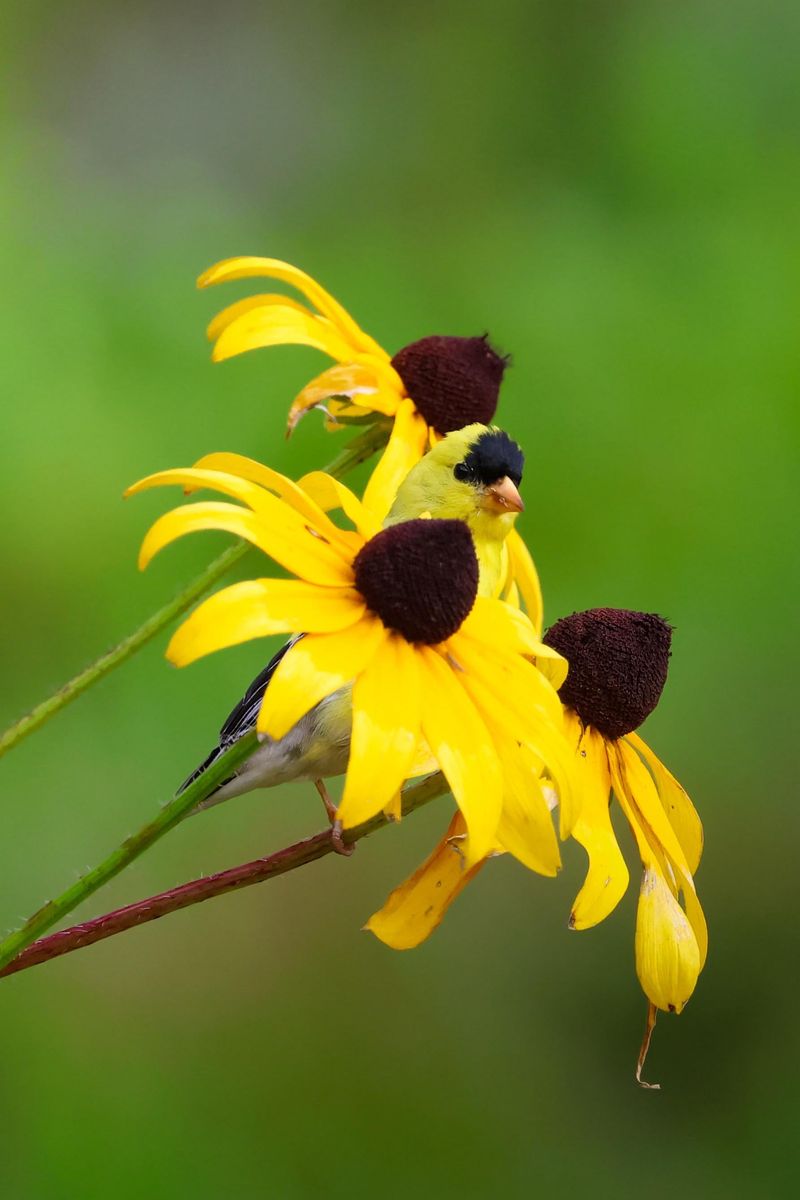
A goldfinch landing on a dried seed head is one of those fall garden moments that stops you mid-step. Ohio State University Extension specifically notes that Black-Eyed Susan seed heads can provide food for goldfinches.
Watching one of those bright birds work through a mature seed head is a direct result of the decision to stop trimming spent flowers and allow seeds to fully develop. The two goals connect more tightly than many gardeners realize.
Birds feeding on some of the seeds does not mean natural reseeding automatically fails. A mature planting can produce a large number of seeds across many flower heads.
Some seeds are consumed, some are carried off, and others drop to the soil below the plant. A garden with multiple established Black-Eyed Susans produces enough seed that wildlife activity and natural dispersal can both happen at the same time.
Leaving mature seed heads standing benefits both birds and the garden. It provides food while also preserving the plant’s natural reseeding potential.
Goldfinches will not visit every yard on a predictable schedule, and no source can guarantee specific wildlife activity in any particular garden. Reliable guidance confirms that standing seed heads provide real food value to birds in fall and early winter.
Leaving them in place therefore benefits the garden in more than one way.
8. Save The Big Cleanup Until Spring
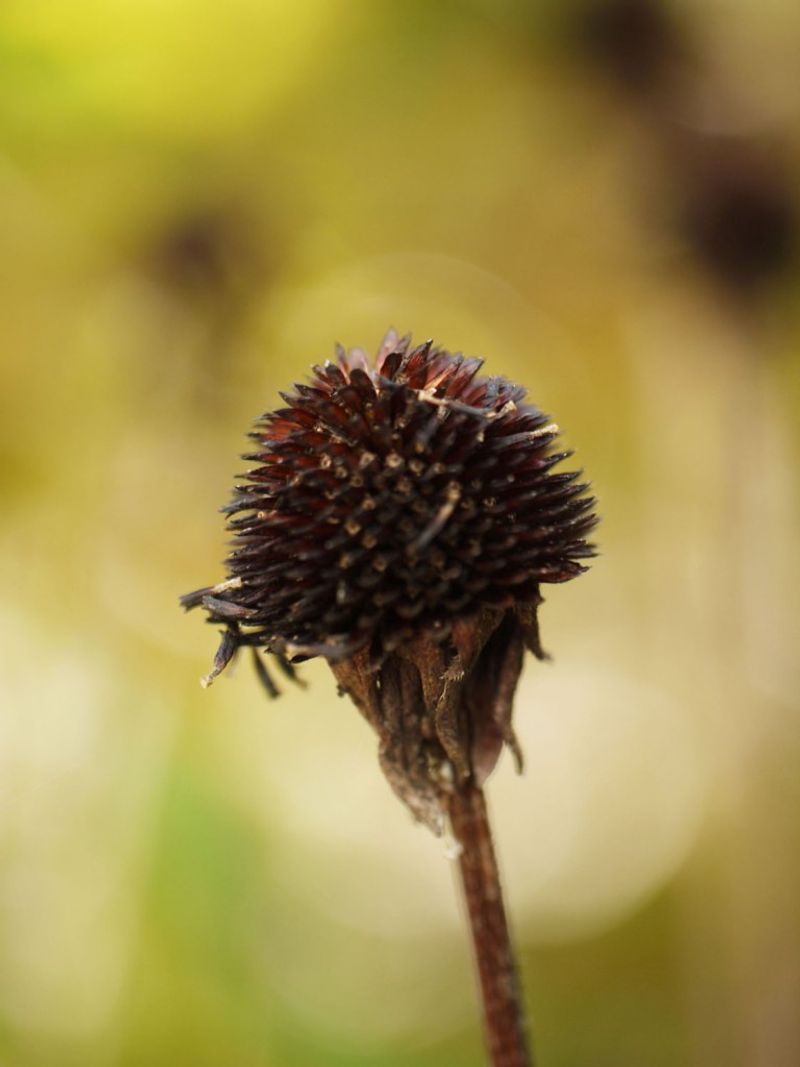
Resisting the pull of a full fall garden cleanup is harder than it sounds, especially when the season shifts and everything starts looking brown and spent.
Gardeners who want Rudbeckia hirta to reseed naturally have a solid reason to hold off on cutting everything down at once.
Mature seed heads left standing through fall and winter continue releasing seeds gradually. This gives naturally dispersed seed more time to reach the soil.
Ohio State and Extension guidance consistently supports leaving healthy standing plant material through the colder months rather than removing it all in autumn.
Diseased foliage is a different matter and should be cleared away to prevent problems from carrying over.
Healthy stems and fully developed seed heads, though, earn their place in the garden a little longer. Gardeners who prefer a tidier look do not need to leave every single plant standing.
Choosing a few seed-bearing stems to keep while removing others is a reasonable middle ground.
Circling back to where this article started: all summer long, trimming spent flowers made sense because it encouraged more blooms. Now that late August has arrived and the season is turning, the priority shifts.
Seed heads that are allowed to mature and remain on the plant are the source of next year’s volunteers. Spring cleanup gives those seeds the full fall and winter they need to complete their natural cycle before the garden gets tidied up again.