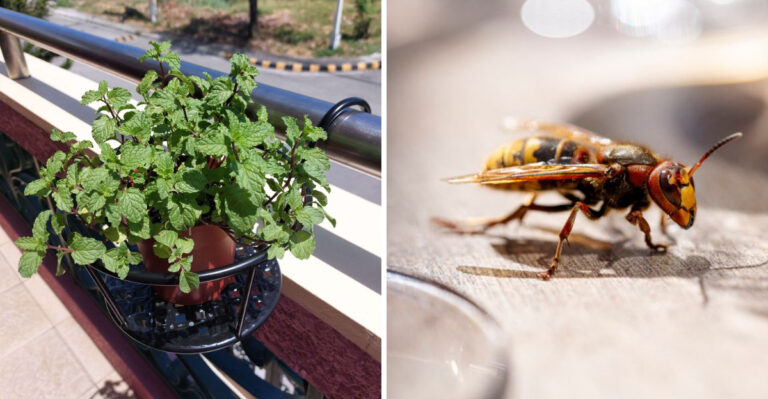
Smells That Drive Pennsylvania Moles Away And Where To Apply Them
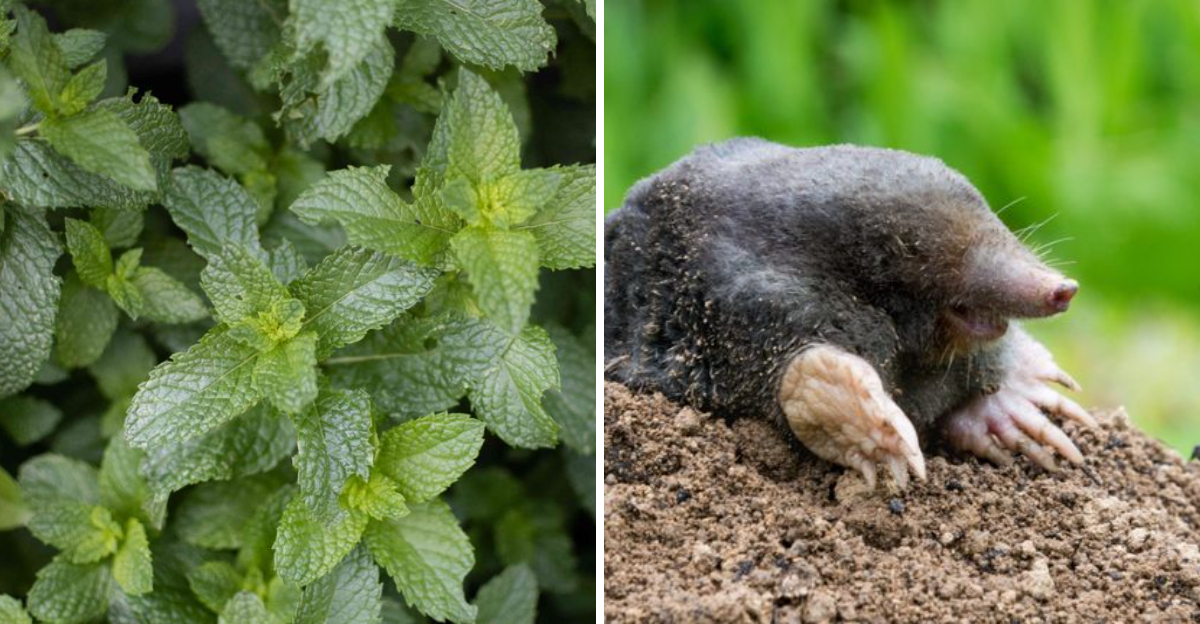
Moles are one of those yard problems that feel almost personal. You come outside to find raised tunnels crisscrossing a lawn that looked fine yesterday, and no matter what you try, the tunnels keep coming.
Traps require patience and consistent attention. Repellent products deliver mixed results at best.
And moles, it turns out, are considerably more persistent than most homeowners expect when they first realize they have a problem. But smell is one of their genuine weaknesses.
Moles have highly developed sensory systems that make them extraordinarily sensitive to certain scents, and when those scents are present in their tunneling environment, they tend to redirect rather than push through.
The right smells applied correctly and consistently in the right locations can make a Pennsylvania yard significantly less hospitable to moles without the labor, frustration, or expense of more aggressive removal methods.
The key is knowing which smells actually work, which ones are garden myths, and exactly where to apply them for results that hold through the season.
Here’s what drives Pennsylvania moles away through scent and how to use each one most effectively.
1. Castor Oil
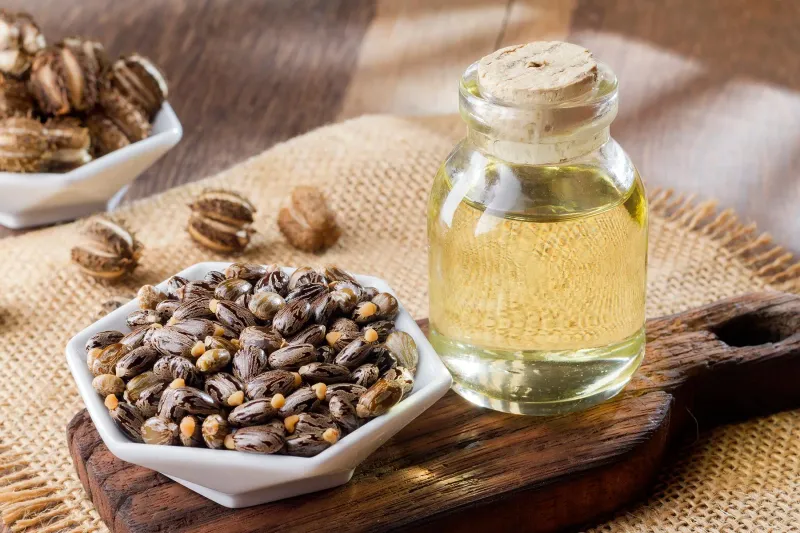
Castor oil is probably the most well-known and widely used scent-based mole repellent available today. When moles come into contact with it underground, the smell and taste make the soil an unpleasant place to be.
Many garden centers and hardware stores carry castor oil mole repellent products that are easy to find and simple to use.
Look for a product that is clearly labeled as a castor oil mole repellent. Read the label carefully before you start, because following the directions is important for getting the best results.
Some products come as granules, while others are liquid concentrates that you mix with water before applying.
Spread or spray the repellent directly over areas where you can see active mole tunnels or raised ridges in your lawn. After applying it, water the product into the soil according to what the package directions say.
Watering it in helps push the castor oil deeper into the ground, where moles are actually tunneling.
Focus your application on the most active tunnel areas first, then work outward toward the edges of your yard or garden. Reapply the product after heavy rain, since moisture can reduce how well it works over time.
Castor oil repellents are generally considered safe for people, pets, and plants when used as directed.
Pennsylvania homeowners often report good results when they apply castor oil repellents consistently and reapply them regularly throughout the active mole season.
Staying on top of the schedule makes a noticeable difference. Patience and consistency are truly your best tools when using this method.
2. Garlic
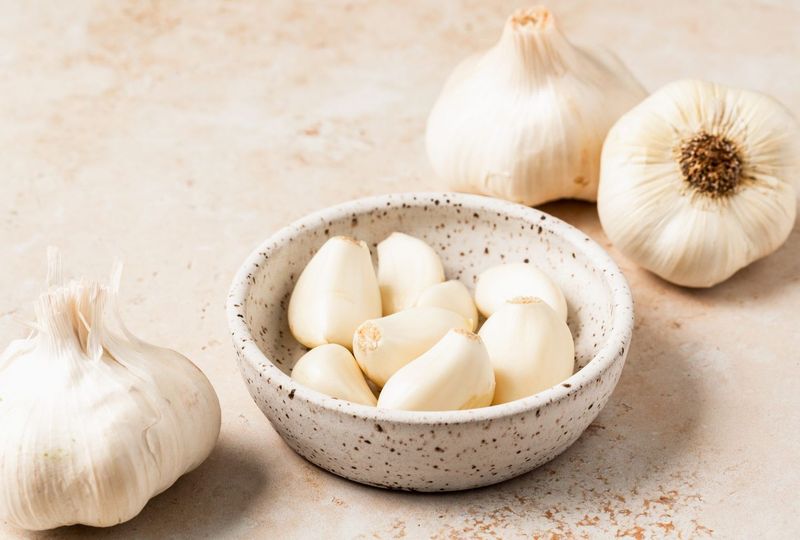
Garlic has a sharp, pungent smell that many animals find overwhelming and unpleasant. Some gardeners across Pennsylvania have experimented with placing crushed garlic near active mole tunnels, hoping the strong odor will encourage moles to move somewhere else.
It is an old-fashioned home remedy that has been passed down through gardening communities for generations.
To try this method, peel several garlic cloves and crush them using a knife or the back of a spoon. Place the crushed pieces directly into tunnel openings or alongside raised ridges where mole activity is visible.
Your Pennsylvania Garden Changes Every Week. Your Plan Should Too.
Gardening in Pennsylvania changes quickly throughout the season. Every Friday you’ll receive a simple weekly plan showing exactly what to plant, prune, fertilize, harvest, and protect so you never miss the right timing.
You can also push the crushed garlic down into the soil near the tunnel entrances for a slightly stronger effect.
Some gardeners mix crushed garlic with water to create a simple spray that can be applied along garden borders and around tunnel openings.
The idea is that the smell will travel through the soil and disturb the moles as they move through their tunnels. Refreshing the garlic every few days helps keep the scent strong enough to matter.
It is worth being honest here: the scientific evidence supporting garlic as a reliable mole repellent is quite limited. Most reports of success come from personal experience rather than controlled studies.
Moles may simply avoid treated spots temporarily and return once the smell fades. Think of garlic as a low-cost, low-effort option to try alongside other methods rather than a guaranteed fix.
If you already have garlic in your kitchen, there is little reason not to experiment with it. Just manage your expectations and monitor your yard closely for continued mole activity.
3. Peppermint
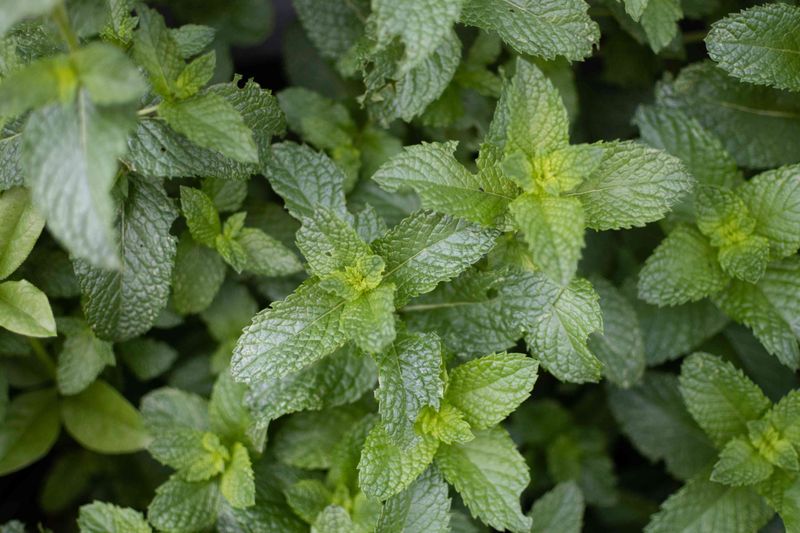
Peppermint has a bold, sharp scent that can feel overwhelming to small animals with sensitive noses. Moles rely heavily on their sense of smell to navigate underground, find food, and stay safe.
Because of this, some homeowners believe that strong peppermint odors placed near tunnel openings might make those areas feel unwelcoming to moles.
One common approach is to soak cotton balls in peppermint essential oil and push them into tunnel entrances or active tunnel areas. Another method involves mixing a few drops of peppermint oil with water in a spray bottle and applying it around tunnel openings and along the edges of garden beds.
Some people also plant peppermint plants in their gardens, hoping the natural scent will deter moles over time.
Applying peppermint treatments needs to be done regularly because the scent fades quickly, especially after rain or in warm weather. Reapplying every few days is a good habit if you want to keep the smell strong enough to have any effect at all.
Focus your efforts on spots where you see fresh mole activity rather than spreading it randomly across your yard.
Peppermint is best treated as a home remedy rather than a proven mole control method. Research specifically testing peppermint as a mole repellent is limited, and results from homeowners are mixed at best.
Some people swear by it, while others see little to no change in mole behavior after using it. Combining peppermint with other repellent methods may give you better results than using it alone.
It is a safe and pleasant-smelling option that carries very little risk when used around gardens, kids, or pets.
4. Marigolds

Marigolds are cheerful, bright flowers that many Pennsylvania gardeners already love planting around vegetable beds and garden borders. Beyond their good looks, marigolds have a reputation in gardening circles for pushing away certain pests.
Some gardeners plant them specifically because they believe the strong, slightly bitter scent of marigold roots and flowers bothers moles and keeps them from tunneling nearby.
Planting marigolds along the edges of your garden beds or in rows between vegetable plants is the most common way to use them as a potential mole deterrent.
French marigolds, in particular, are often mentioned as the most effective variety because of their especially strong scent.
You can find marigold seedlings or seeds at most garden centers throughout Pennsylvania during the spring and summer planting seasons.
Place your marigolds in areas where you have noticed the most mole activity, such as along garden perimeters or near raised tunnel ridges in your lawn.
The idea is that the scent from the roots will travel through the soil and create an unpleasant environment for moles tunneling underground.
Keeping the plants healthy and well-watered helps them grow strong and maintain a consistent scent.
Honesty matters here: there is no solid scientific confirmation that marigolds reliably repel moles. Their effectiveness against insects like nematodes is better documented, but the evidence for mole control is mostly based on gardener tradition and personal experience.
Moles may still tunnel through or near marigold plantings without any hesitation.
Even so, marigolds add color and beauty to any garden space. Planting them is a low-risk, visually rewarding step that could offer some benefit while also improving the overall look of your yard.
5. Hot Pepper
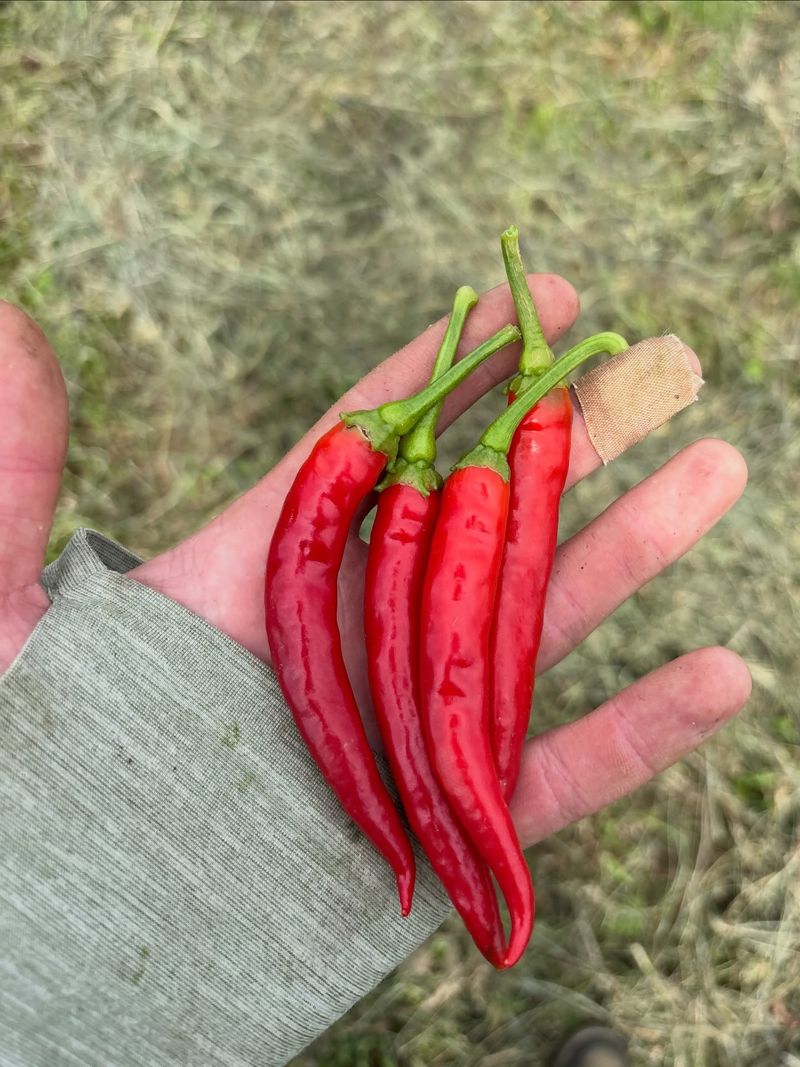
Hot peppers contain a compound called capsaicin, which is the same thing that makes spicy food feel fiery on your tongue. Animals with sensitive noses and skin, including moles, can find capsaicin extremely irritating when they come into contact with it.
Because of this, capsaicin-based repellents have become a popular option for homeowners dealing with burrowing pest problems.
You can find capsaicin-based mole repellent products at many garden centers and home improvement stores in Pennsylvania. These products typically come in granule or liquid form and are designed to be applied around problem areas in your yard or garden.
Always read the product label from start to finish before applying anything, since directions can vary between brands and formulas.
Only use products that are specifically labeled for the type of application you plan to do, whether that is lawn treatment, garden bed protection, or perimeter application.
Applying a product in a way that is not listed on the label can reduce its effectiveness and may cause unintended problems.
Wearing gloves during application is a smart habit because capsaicin can irritate your skin just as much as it irritates a mole.
Apply the repellent along active tunnel ridges, around garden borders, and near areas where you have spotted fresh mole activity. Reapply after rain or irrigation since moisture breaks down the capsaicin over time.
Staying consistent with your applications is key to keeping the treatment working as long as possible.
Hot pepper repellents are generally considered safe for use around established plants when applied as directed.
They offer a practical, accessible option for Pennsylvania homeowners who want to address mole problems without resorting to more aggressive solutions.
6. Predator Urine

Predator urine might sound like an unusual product, but it is actually sold at many garden centers and outdoor supply stores across Pennsylvania. The idea behind it is rooted in basic animal instinct.
When moles detect the scent of a natural predator, such as a fox or coyote, their instinct tells them that danger is nearby, which may encourage them to move away from that area.
Commercial predator urine products are typically designed to be applied around the perimeter of the area you want to protect.
You can find them in liquid form, which is sprayed along lawn edges and garden borders, or in granule form that is scattered in problem areas.
Following the product instructions closely gives you the best chance of seeing any results at all.
Focus your application on the outer edges of your yard, around garden beds, and near known tunnel entrances. The goal is to create a scent barrier that makes moles feel like predators are patrolling the area.
Reapplying the product every few days or after rain is necessary because the scent breaks down quickly when exposed to outdoor conditions.
Results from predator urine can be inconsistent and temporary. Moles may respond strongly at first but gradually become used to the smell if it is not paired with actual predator presence or other deterrents.
Some Pennsylvania homeowners find it helpful as part of a broader strategy, while others see little change in mole behavior.
Combining predator urine with castor oil or other repellents may improve your overall results. Think of it as one useful piece of a larger mole management plan rather than a complete solution on its own.