The One September Thing California Citrus Needs Before Fruit Sets
September can feel deceptively calm around a California citrus tree. The leaves are glossy, the branches look settled, and tiny signs of the next crop may already be starting to appear.
Everything seems to be moving along nicely, which is exactly why this part of the season is easy to underestimate.
Citrus trees are still making important decisions behind the scenes. A small shift in care now can influence how well the tree handles the next stage, even if nothing looks urgent on the surface.
Gardening loves hiding the important stuff where nobody can see it. This is also the point when summer habits may need a second look.
Long days, warm soil, and lingering heat can make September feel more like an extension of summer, but the tree is already responding to seasonal change.
That is why one simple task deserves extra attention right now. Get it right, and your citrus heads into fruit set with better odds of holding onto the progress it has already made.
Keep The Root Zone Evenly Moist
Even moisture at the root zone is the foundation of healthy citrus fruiting. When a citrus tree gets a steady, reliable supply of water, it can focus its energy on setting and holding fruit.
When moisture levels bounce around, the tree gets stressed and may drop blossoms before they ever become fruit.
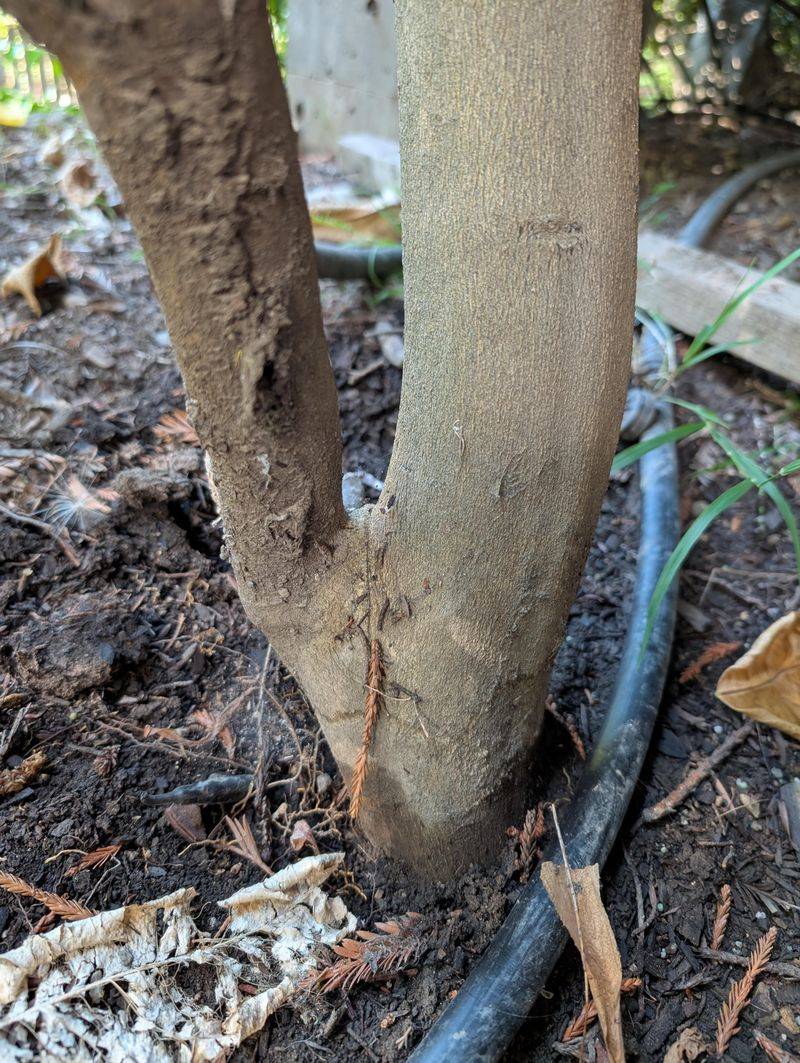
The root zone of a citrus tree extends outward, roughly as wide as the canopy above. Most of the feeder roots sit in the top 12 to 18 inches of soil.
These roots are what pull in water and nutrients, so keeping that zone consistently moist is your main job in September.
Even moisture does not mean soggy soil. You want the ground to feel like a wrung-out sponge.
If you squeeze a handful of soil and it holds its shape without dripping, you are in a good range. If it crumbles and feels dusty, the roots are likely thirsty.
Aim to water before the soil gets to that dry point. Checking the soil two to three times a week during warm September weather will help you stay ahead of any moisture drops.
Consistency is everything when fruit set is right around the corner.
Do Not Let Citrus Swing From Dry To Soaked
Wild swings between very dry soil and very wet soil are one of the biggest threats to a California citrus tree during September. When you let the soil dry out completely and then flood it with a heavy watering, the tree goes into a kind of shock.
Roots that were struggling in dry conditions are suddenly overwhelmed with water, and that mismatch causes real problems.
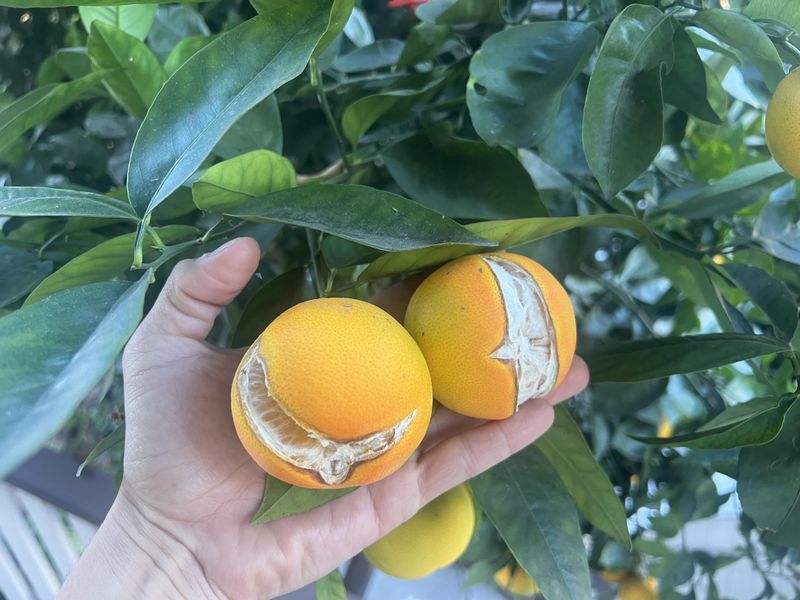
One of the most visible signs of this problem is fruit cracking. When a tree gets a sudden rush of water after a dry spell, the fruit absorbs moisture too fast.
The skin cannot stretch quickly enough, and it splits open. Cracked fruit is not only unappealing but also much more likely to attract pests or rot before harvest.
Your California Garden Changes Every Week. Your Plan Should Too.
Gardening in California changes quickly throughout the season. Every Friday you’ll receive a simple weekly plan showing exactly what to plant, prune, fertilize, harvest, and protect so you never miss the right timing.
Beyond fruit cracking, these swings can lead to flower and fruit drop. The tree reads the stress as a signal that conditions are not stable enough to support a full crop.
So it sheds some of that load. You can avoid all of this by watering on a regular schedule instead of waiting until the tree looks stressed.
A slow, steady approach is far better than playing catch-up after the soil has gone bone dry. Think of it as keeping a rhythm, not reacting to a crisis.
Deep Watering Beats Quick Daily Sprinkles
A lot of California gardeners make the mistake of giving their citrus a quick splash of water every day. It feels like you are being attentive, but shallow watering actually does more harm than good.
When only the top inch or two of soil gets wet, the roots follow that moisture upward. Over time, the tree develops a shallow root system that is much more vulnerable to heat and dry spells.
Deep watering encourages roots to grow downward, where the soil stays cooler and holds moisture longer. A well-rooted tree is a more stable tree.
It can handle a hot September day without going into stress as quickly as a shallow-rooted one would.
To water deeply, slow things down. Use a drip system, a soaker hose, or just let a regular hose run at low pressure near the base of the tree for an extended period.
You want the water to soak down at least 12 to 18 inches into the soil. After watering, check depth by pushing a wooden dowel or a long screwdriver into the ground.
If it slides in easily, the moisture has reached the deeper roots. Aim for deep watering sessions two to three times per week in September rather than light sprinkles every single day.
September Heat Can Still Dry Roots Fast
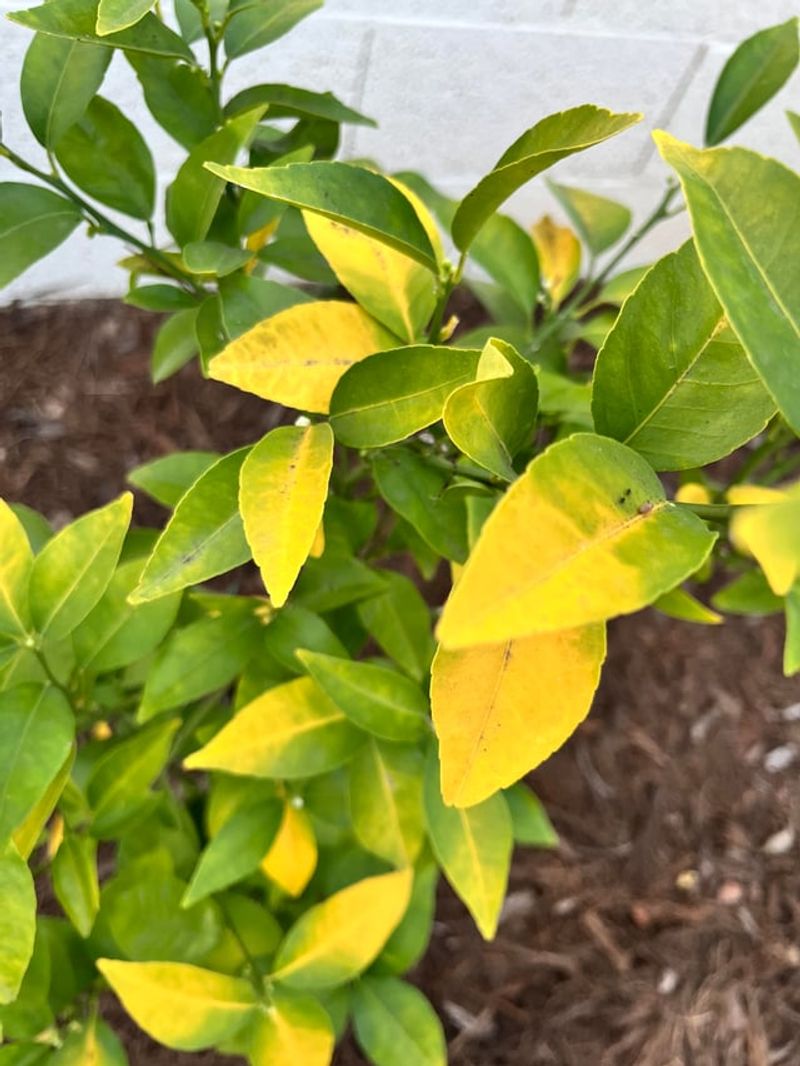
Many people assume that once California summer officially winds down, the heat is no longer a concern. But September can be one of the hottest months of the year in many citrus-growing regions.
Temperatures can spike unexpectedly, and those heat waves pull moisture out of the soil much faster than you might expect.
During a heat spike, a citrus tree can lose a significant amount of water through its leaves in a process called transpiration. When the roots cannot keep up with that water loss, the tree starts to show stress.
Leaves may curl or droop, and the tree may begin dropping fruit to reduce the load it has to support.
Paying attention to the weather forecast in September is a smart habit. If a hot stretch is coming, water a day or two ahead of time so the soil is already deeply moist when the heat arrives.
This gives the roots a buffer. Also, avoid watering in the middle of the day when heat is at its peak.
Early morning watering is best because it gives the soil time to absorb moisture before temperatures climb. Evening watering works too, but make sure the surface dries a bit before nightfall to reduce the risk of fungal issues at the base of the tree.
Check The Soil Before Turning On Irrigation
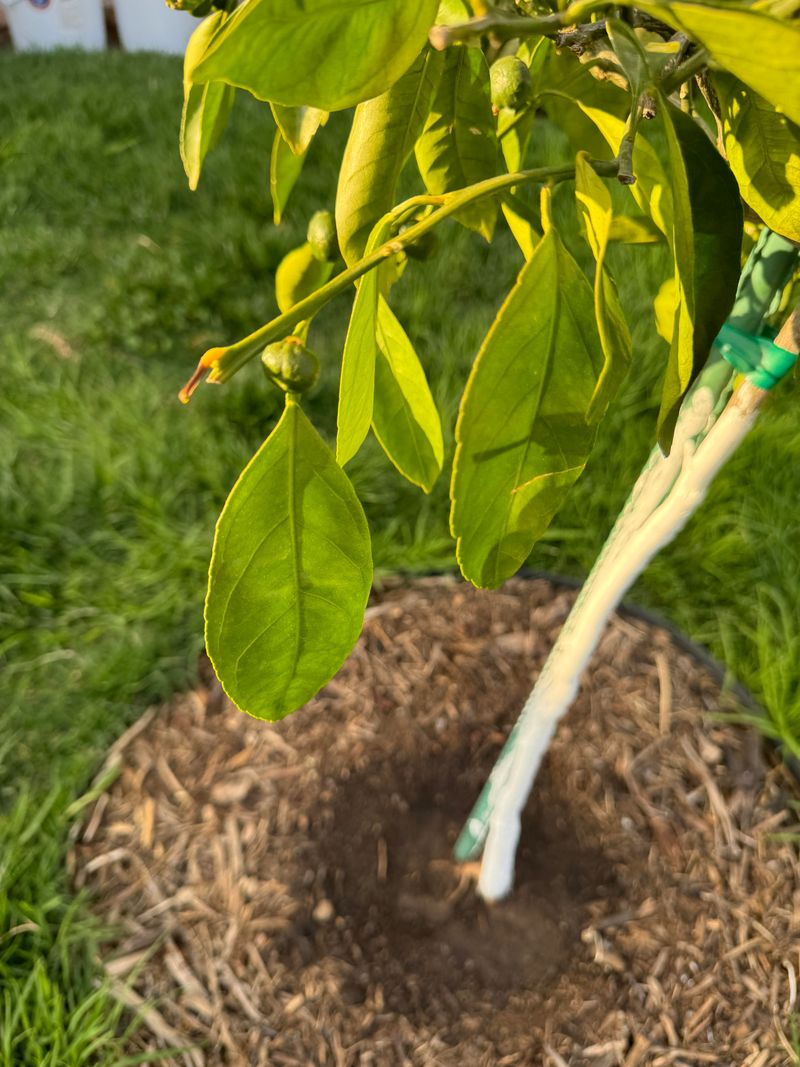
One of the most practical habits you can build as a citrus grower is checking the soil before you water. It sounds simple, but a lot of people just water on a fixed schedule without ever actually knowing what the soil feels like.
This leads to either overwatering or underwatering, both of which cause problems during the critical September fruit-set window.
The finger test is the easiest method. Push your finger about two inches into the soil near the drip line of the tree.
If the soil feels moist and cool, you can hold off on watering for another day. If it feels dry and warm, it is time to water.
Some experienced growers use a moisture meter for a more precise reading, which can be helpful if you are managing several trees.
Another option is to use a wooden dowel or a long screwdriver. Push it into the soil after watering and pull it back out.
If it comes out with moist soil clinging to it, the water has penetrated well. If it comes out clean and dry, you need to water longer or more deeply.
Developing this habit takes just a few minutes each visit to the garden. Over time, you will get a feel for how quickly your specific soil dries out, and you will water smarter as a result.
Young Citrus Needs Closer Moisture Checks
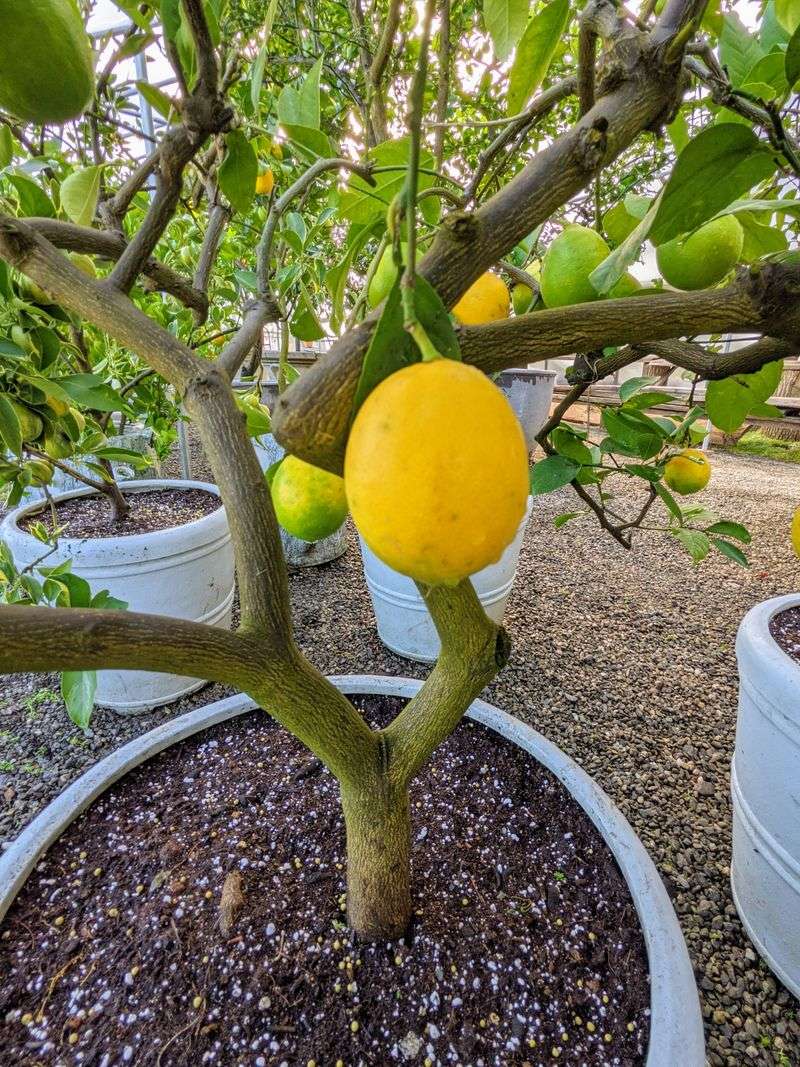
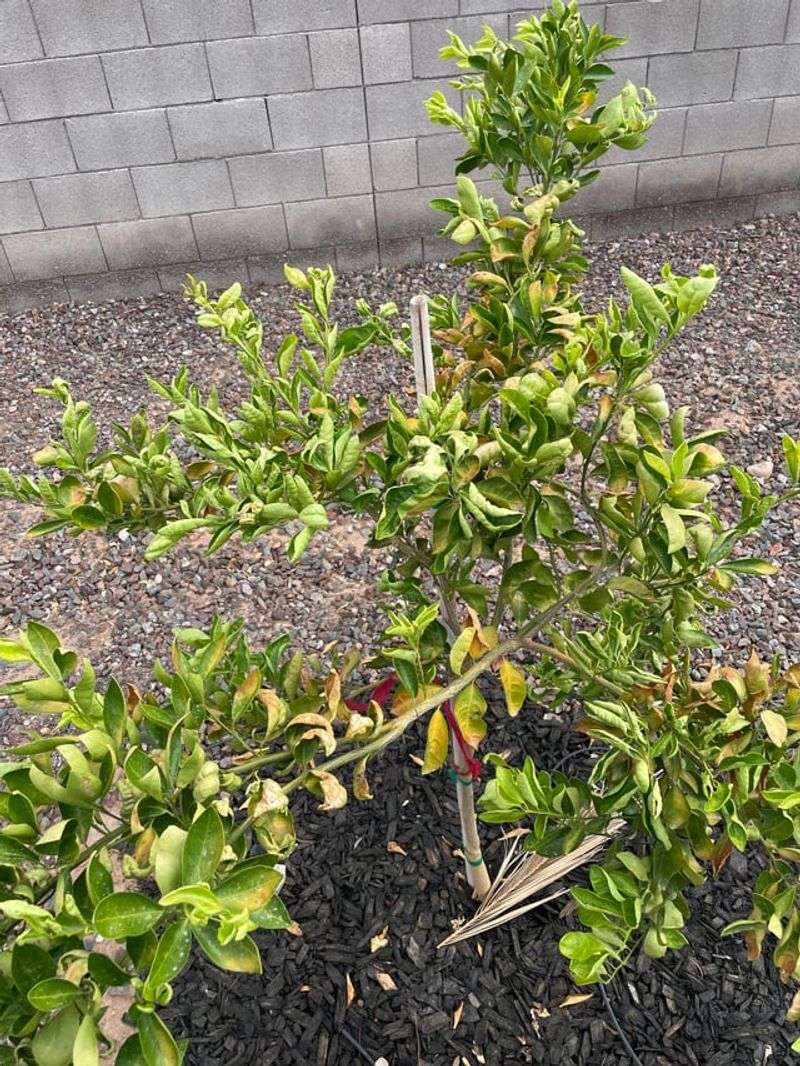
Young citrus trees do not have the same root depth or spread as mature trees. Their root systems are still developing, which means they have less soil volume to draw moisture from.
This makes them much more sensitive to moisture swings, especially during a warm September.
A mature citrus tree might handle a few days without water during mild weather. A young tree planted in the last year or two may start showing stress within 24 hours if the soil dries out.
Checking the moisture around young trees more frequently, even daily during hot spells, is a smart and protective habit.
Young trees in containers need even more attention. Potted citrus dries out much faster than in-ground trees because the volume of soil is limited and containers heat up quickly in the sun.
During September, you may need to water a potted citrus tree every one to two days depending on the pot size and temperatures. Always check before watering, though.
Even young trees can suffer from too much water if the roots sit in soggy conditions for too long. Use a well-draining potting mix and make sure the container has drainage holes.
Giving young trees the right moisture balance in September sets them up for a strong first fruiting season ahead.
Mulch Helps Keep The Root Zone More Stable
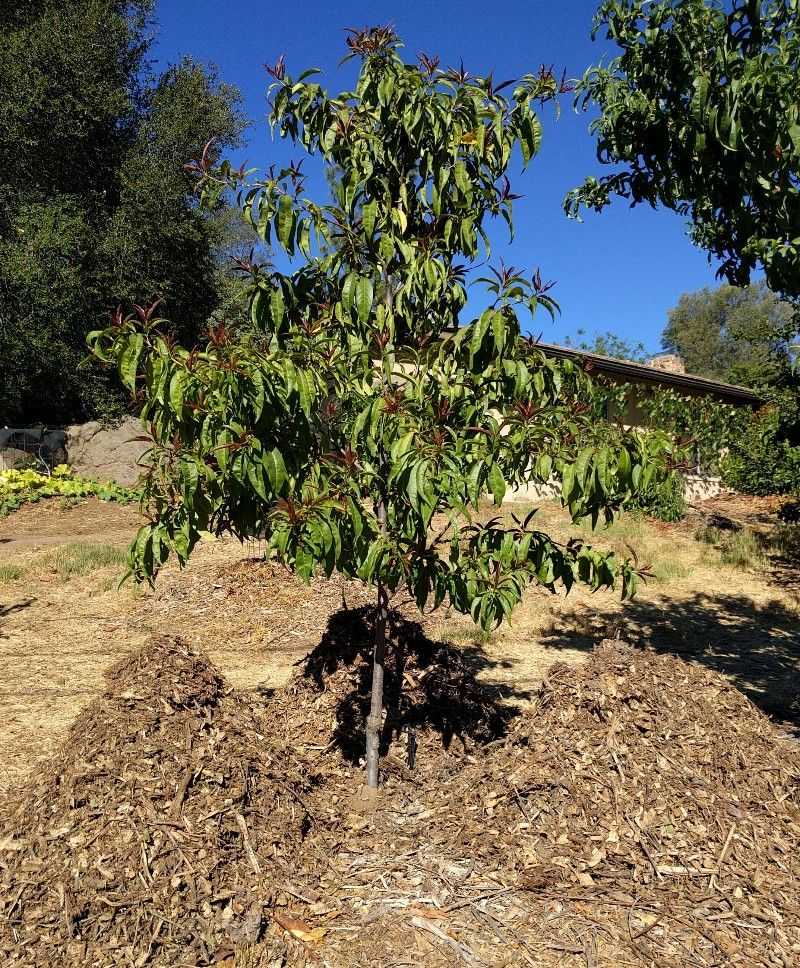
A thick layer of organic mulch spread around the base of the tree works like a blanket for the soil. It slows down evaporation, keeps soil temperatures more stable, and reduces how often you need to water during warm September days.
Wood chips, straw, and shredded bark are all good options for mulching citrus. Spread the mulch about three to four inches thick in a wide ring around the tree, starting a few inches away from the trunk.
Keeping mulch away from the trunk itself is important because mulch piled against the bark can trap moisture and lead to rot.
Beyond holding moisture, mulch also breaks down slowly over time and adds organic matter to the soil. This improves the soil structure and helps it hold water more effectively in future seasons.
If you have not mulched your citrus trees yet, September is a great time to start. Head to your local California garden center and pick up a bag or two of wood chips or bark mulch.
Spread it out evenly and water the area well afterward. You should notice that the soil stays moist longer between waterings, which means less work for you and a more stable environment for your tree’s roots during this key month.
Too Much Water Can Be Just As Stressful
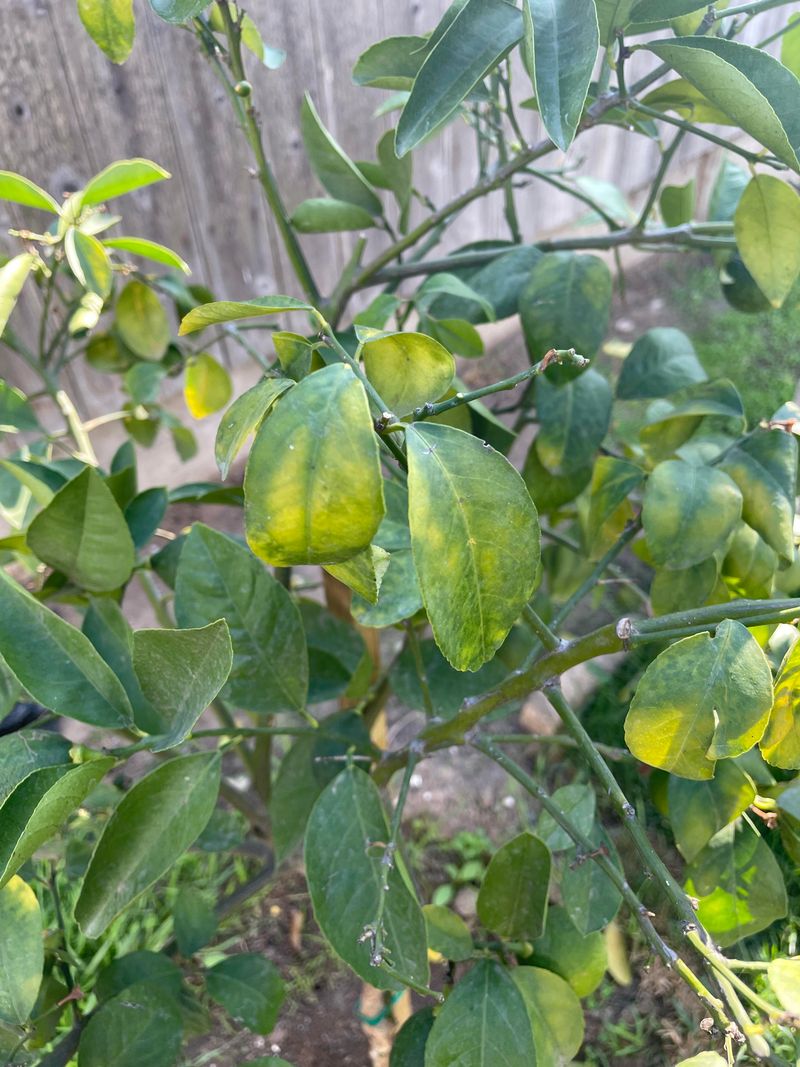
Overwatering is just as damaging as letting a citrus tree go dry. When the soil stays saturated for too long, the roots cannot get the oxygen they need.
Root cells start to suffer without air, and the tree begins to show signs that look surprisingly similar to drought stress, such as yellowing leaves and wilting.
Overwatered citrus trees are also much more vulnerable to root rot, which is caused by certain soil-dwelling fungi that thrive in wet, oxygen-poor conditions. Once root rot sets in, it is very hard to reverse.
The best approach is prevention, and that means watering deeply but allowing the soil to partially dry between sessions.
A good way to check if you are overwatering is to look at the leaves. Yellow leaves with green veins can be a sign of overwatering.
Leaves that are uniformly pale or dropping off without going brown first can also point to too much moisture. Another clue is a sour or musty smell coming from the soil near the base of the tree.
If you notice any of these signs in September, ease back on watering and let the soil breathe for a few days. Then resume a more measured schedule.
Healthy roots need both water and air, and giving them the right balance is what keeps your citrus thriving heading into fruit set.