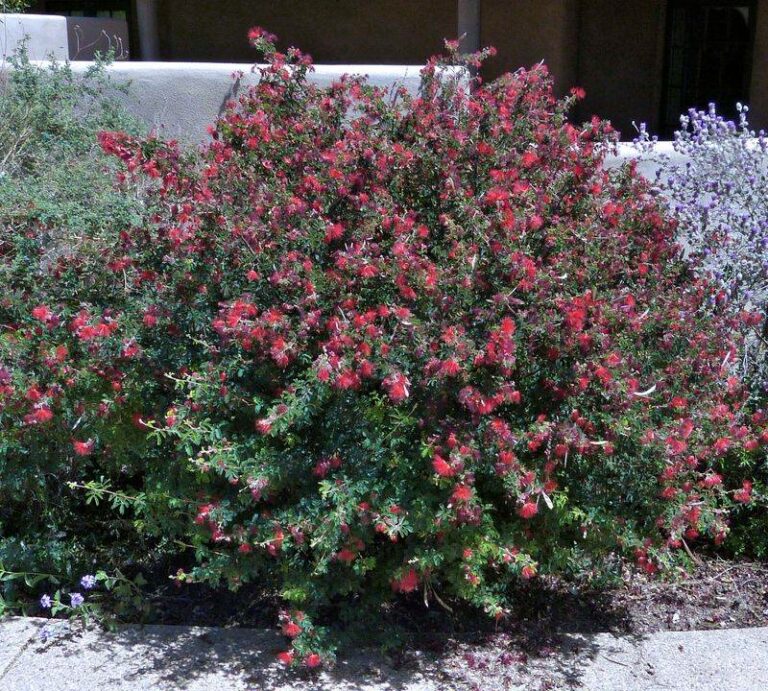
Why Arizona Homeowners Are Planting Desert Lavender Instead Of Rosemary By The Front Door
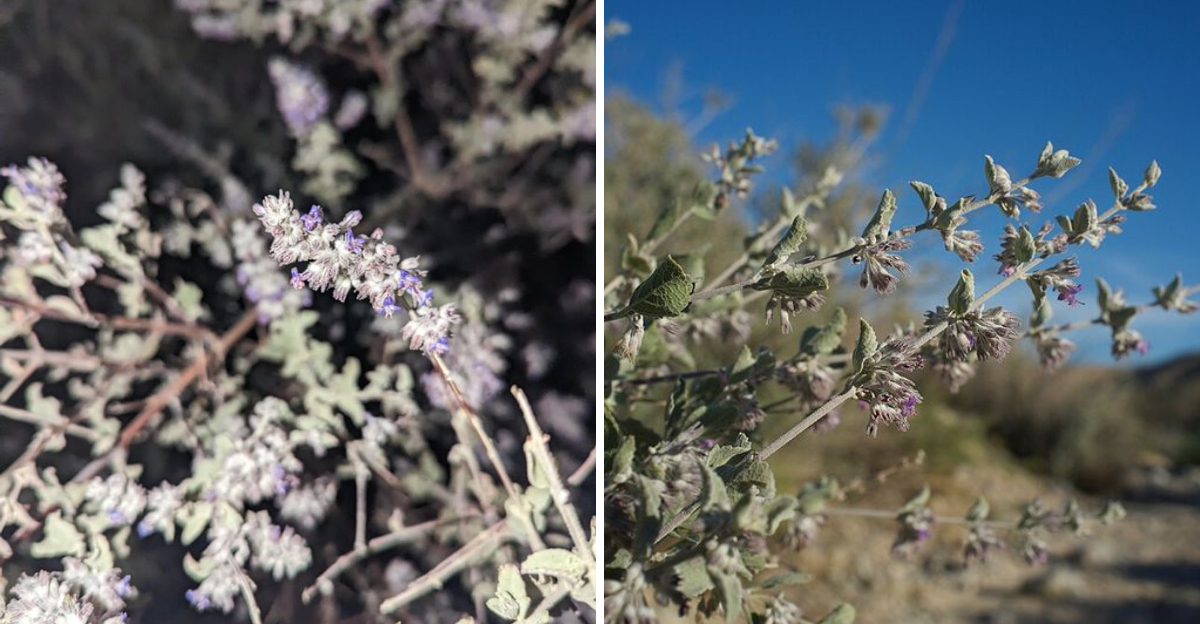
Rosemary has long been an easy choice near entryways, but desert lavender deserves a closer look. This native shrub brings its own character to the front door.
Arizona homeowners looking for something suited to desert conditions have good reason to consider it. The soft foliage and purple flowers create an inviting look without feeling overly formal.
You still need to choose the planting spot carefully. Giving this shrub the right conditions helps its natural shape and flowers stand out.
Desert lavender also brings a different feel than the familiar herbs often planted near entrances. Its appearance fits naturally into warm, dry landscapes.
Think beyond the usual nursery choices when refreshing the space near your doorway. Native plants can bring plenty of beauty there.
This shrub might be the change your entrance needs this season.
1. Desert Lavender Brings Fragrance Right By The Door
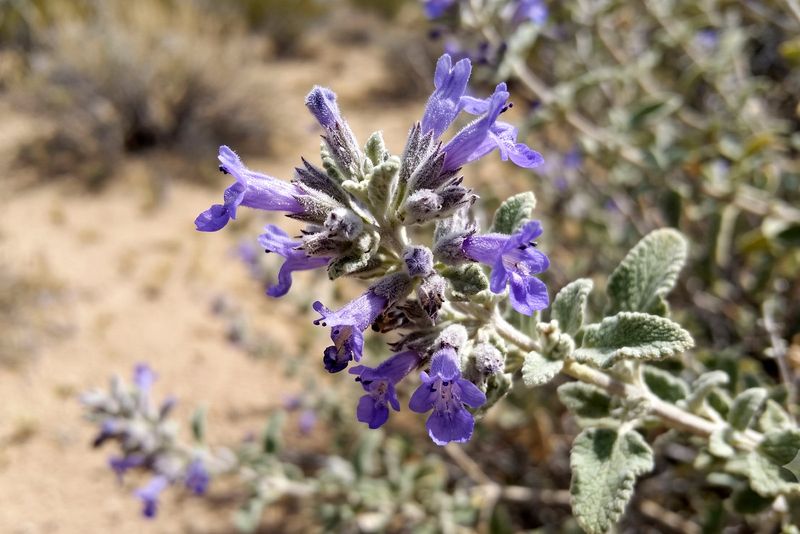
Walking up to a front door that smells like honey and herbs is one of those small things that makes a home feel welcoming. Desert lavender, known botanically as Hyptis emoryi, delivers exactly that kind of sensory experience.
Its fragrance is strong enough to notice but not so sharp that it feels overwhelming.
Planted near an entryway, this shrub releases scent when the sun warms its leaves. Even brushing past it gently is enough to catch a pleasant herbal note.
Rosemary can do something similar, but its scent tends to be more medicinal and sharp in comparison.
Desert lavender carries a softer, almost floral quality that many people find more inviting. Visitors notice it right away.
Homeowners who have made the switch often say the fragrance alone was worth the change.
Placing it within a few feet of the door works well. You want guests to catch the scent as they approach, not just when they are standing directly next to it.
One or two shrubs on either side of the entryway can create a gentle scented corridor that feels intentional and warm.
Fragrance fades with rosemary when humidity drops low. Desert lavender holds its scent well even in dry desert air, making it a more reliable choice for Southwest entryways year-round.
2. This Arizona Native Handles Desert Heat Well
Rosemary comes from the Mediterranean coast. It handles heat reasonably well, but it was not shaped by the kind of extreme, sustained summer temperatures that bake the Sonoran Desert for months at a stretch.
Desert lavender is a different story.
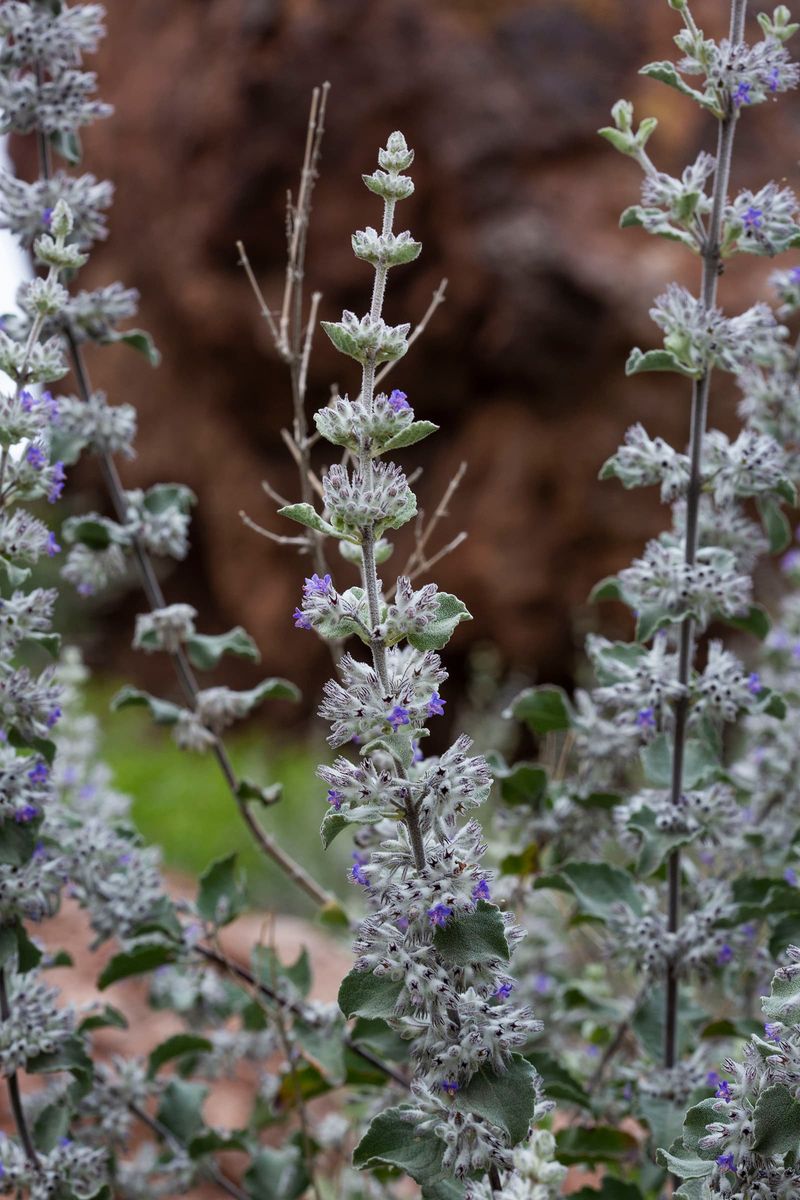
It evolved here. Hyptis emoryi is native to the desert Southwest and northwestern Mexico, which means it developed alongside the very conditions that stress or weaken non-native plants.
It knows how to handle triple-digit heat because that is the environment it came from.
During the hottest weeks of summer, desert lavender does not show the scorched leaf edges or wilting that rosemary can develop when pushed past its comfort zone.
Its small, gray-green leaves reflect light and reduce moisture loss, two adaptations that help it stay stable under intense sun.
Rosemary planted in full Arizona summer exposure sometimes struggles, especially in reflected heat zones near walls or driveways. Desert lavender handles those spots with far less visible stress.
Your Arizona Garden Changes Every Week. Your Plan Should Too.
Gardening in Arizona changes quickly throughout the season. Every Friday you’ll receive a simple weekly plan showing exactly what to plant, prune, fertilize, harvest, and protect so you never miss the right timing.
That built-in resilience matters a lot when you are choosing what goes next to your front door. You want something that looks good in July, not just in spring.
Desert lavender earns its place by staying presentable through the harshest months, which is when many other plants start looking rough around the edges.
3. Low Water Needs Make It Fit Dry Landscapes
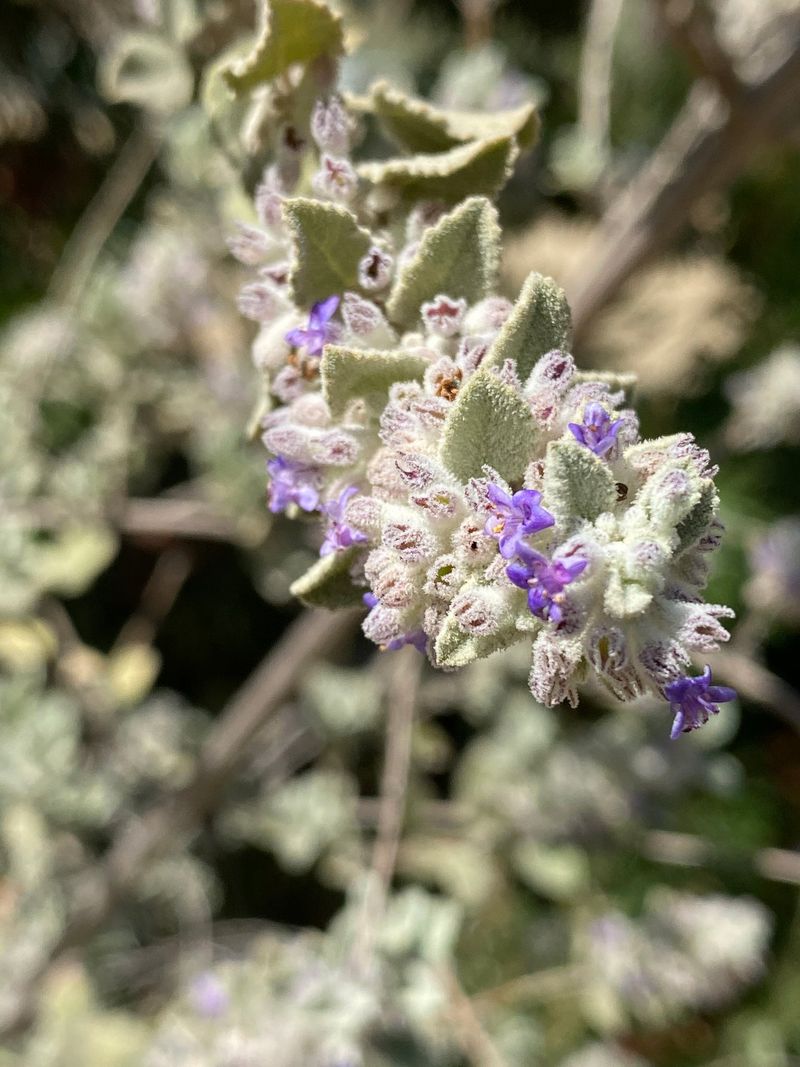
Water is one of the biggest concerns for homeowners in dry desert regions. Irrigation costs add up fast, and plants that demand frequent watering become a burden rather than a feature.
Desert lavender sidesteps that problem almost entirely once it gets established.
After the first growing season, this shrub can survive on rainfall alone in many low-desert areas, depending on your specific location and soil conditions.
It is considered highly drought-tolerant, which means it fits naturally into water-wise landscaping without much extra effort from you.
Rosemary is not a heavy drinker either, but it tends to need more consistent moisture than desert lavender, particularly during summer heat spikes.
In practice, that difference becomes noticeable in your water bill and in how much time you spend managing irrigation.
Pairing desert lavender with gravel mulch and minimal drip irrigation is a common and practical approach. It keeps the root zone slightly cool and reduces soil moisture evaporation between waterings.
Most homeowners find that watering deeply every couple of weeks during summer is enough once the plant is settled in.
Choosing plants that match your local water reality is smart landscaping. Desert lavender was built for scarcity.
Putting it near the front door means one less thing to worry about when summer stretches long and dry.
4. Full Sun Supports Healthy Growth And Flowers
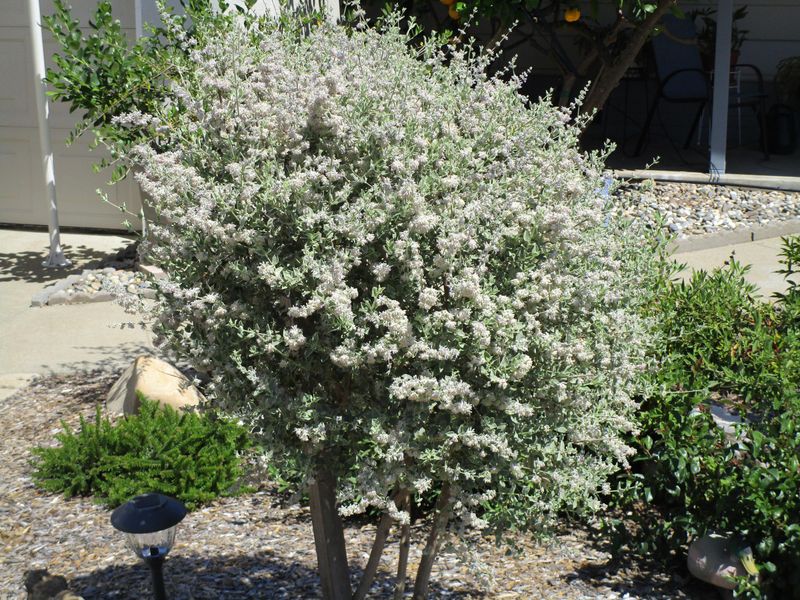
Front-door plantings often sit in full sun for most of the day, especially in homes with south or west-facing entryways. That kind of exposure can be brutal for plants that prefer partial shade or cooler conditions.
Desert lavender does not just tolerate full sun, it genuinely performs better in it.
More sun means more flowers. When this shrub gets consistent direct light, it pushes out those purple-blue flower spikes that make it so visually striking.
Shade or filtered light tends to reduce blooming and can make the plant look leggy and sparse over time.
Rosemary also prefers full sun, but its flower output is modest compared to desert lavender. The blooms are small and easy to overlook.
Desert lavender flowers are showier and more numerous, giving the entryway a more colorful, finished look.
Positioning the shrub where it catches morning through afternoon sun works well in most front yard layouts. West-facing spots with reflected heat from a wall or driveway are fine for this plant.
It handles radiant heat without showing much visible stress.
If your front door gets punishing afternoon exposure that has frustrated you with other plants, desert lavender is worth a serious look. It is one of the few flowering shrubs that genuinely thrives in those conditions rather than just surviving them.
5. Well Drained Soil Keeps The Roots In Better Shape
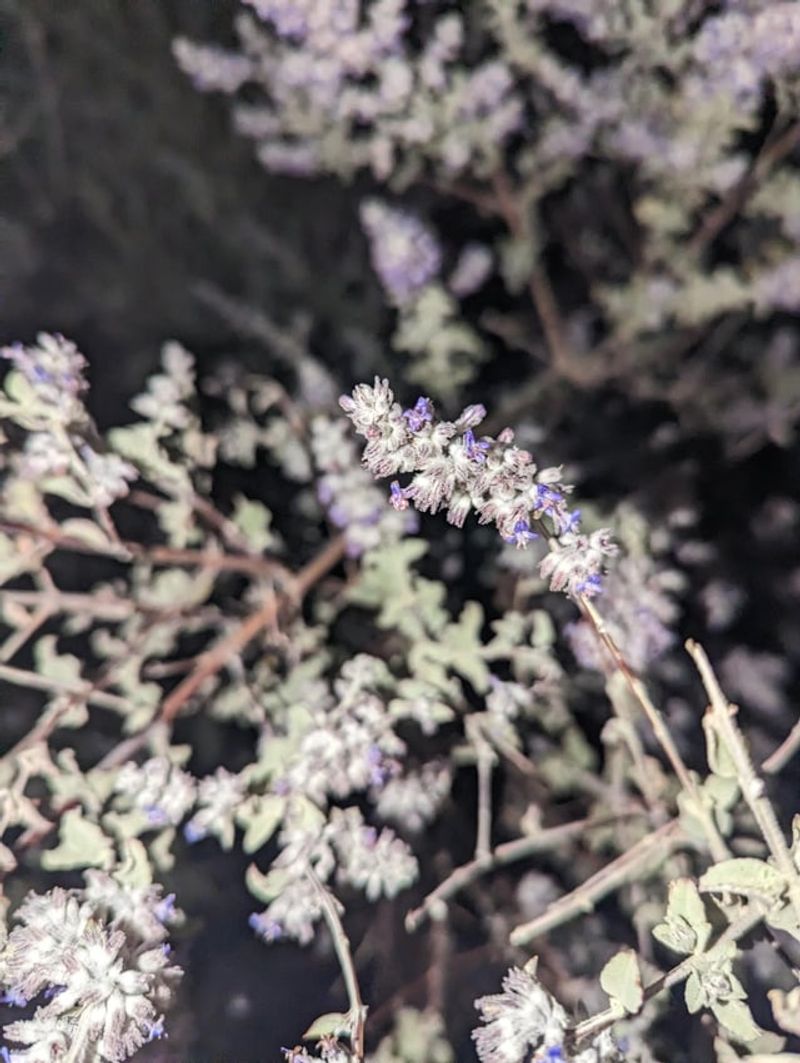
Soil drainage is one of those things that quietly determines whether a plant thrives or just limps along. Desert lavender roots are adapted to sandy, rocky, fast-draining soils.
When water sits around the roots for too long, the plant can develop root rot, which is a serious problem that is hard to reverse.
Rosemary has a similar preference for good drainage, but desert lavender is even more sensitive to waterlogged conditions.
If your front yard has heavy clay soil that holds moisture, amending it with coarse sand or decomposed granite before planting makes a real difference.
Raised planting areas near the front door are a smart option if drainage is questionable. Even a slight elevation of six to eight inches can dramatically improve how quickly water moves away from the root zone after irrigation or rain.
Caliche layers, which are common in many desert soils, can block drainage and cause water to pool underground. Breaking through that layer before planting helps roots spread deeper and access more stable moisture without sitting in puddles.
Getting the soil right at the start saves a lot of frustration later. Desert lavender planted in well-drained soil tends to establish faster, grow more vigorously, and produce more flowers than one struggling in poorly drained ground.
The extra prep work at planting time pays off noticeably in the first season.
6. Purple Flowers Bring More Pollinators To The Yard
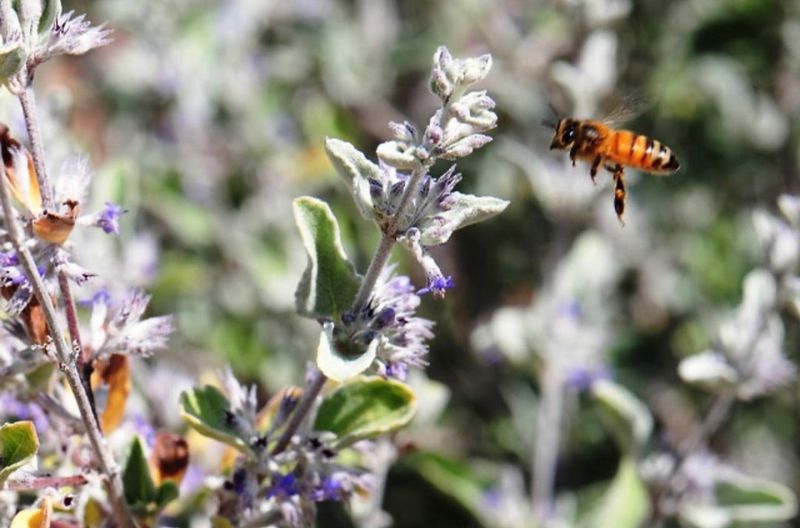
Purple flowers and pollinators tend to go together naturally. Desert lavender is no exception.
Its tubular purple-blue blooms attract native bees, honeybees, and hummingbirds, sometimes all at once during peak bloom periods. Watching that kind of activity near your front door is genuinely enjoyable.
Rosemary does attract some pollinators, but its small flowers and modest bloom volume limit how much wildlife activity it draws. Desert lavender outperforms it noticeably in this area, especially when the plant is large and well-established.
Native bees in particular seem drawn to it. Planting pollinator-friendly shrubs near the entryway supports local bee populations, which are under pressure in many urban and suburban areas.
You are not just adding curb appeal, you are also contributing something useful to the local ecosystem.
Bloom timing in the Sonoran Desert region tends to occur in late winter through spring and sometimes again in fall after monsoon moisture.
The exact timing can vary based on your elevation and local weather patterns, so it is worth observing your plant over its first couple of seasons to learn its rhythm.
Having hummingbirds visit your front yard regularly is a perk that many homeowners in the desert Southwest genuinely appreciate. Desert lavender makes that more likely without requiring any feeders or extra maintenance on your part.
It does the work on its own.
7. Plenty Of Growing Room Lets This Shrub Reach Full Size
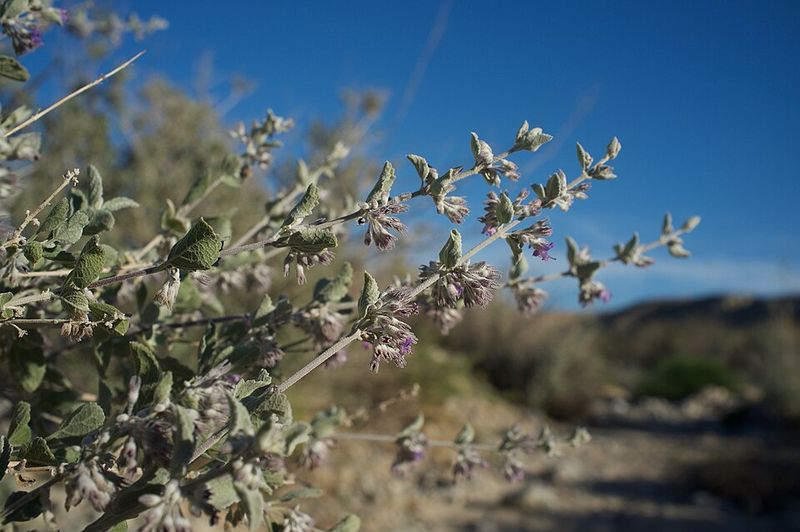
Desert lavender is not a small plant. Mature shrubs can reach four to six feet tall and spread just as wide under good conditions.
That size is part of what makes it so visually impressive near a front door, but it also means you need to plan for it from the start.
Planting too close to the door, a walkway, or other shrubs leads to crowding problems within a couple of seasons. Crowded plants tend to have reduced airflow, which can encourage powdery mildew and reduce overall vigor.
Giving each shrub at least five feet of clearance in all directions is a practical starting point.
Rosemary stays more compact in most cases, which is one reason it has been a popular choice for tight entryway spaces. If your front yard layout is narrow, that size difference matters.
Desert lavender needs room to breathe and spread naturally.
Pruning can help manage size to some degree, but heavy cutting is not ideal for this shrub. Light shaping after bloom periods works better than aggressive trimming.
Letting it grow into its natural rounded form tends to produce the most attractive and healthy result.
Picking the right spot before you plant saves a lot of effort later. A mature desert lavender with proper space looks full, structured, and striking.
One that has been repeatedly cut back to fit a tight spot tends to look stressed and uneven over time.