Don’t Let Summer Heat Dry Out Your Arizona Native Shrubs
Drought tolerant is one of those phrases that gets thrown around a lot in Arizona landscaping conversations, and it can create a slightly misleading impression. Drought tolerant does not mean no water ever.
It means less water than average, which in a state where summer temperatures regularly climb past 110 degrees and rainfall can disappear for weeks at a stretch, still requires some thought and attention.
Even established native shrubs that are genuinely well-suited to desert conditions can start showing signs of stress during an unusually brutal stretch of heat.
This is especially true for shrubs that are newly planted, growing in tough urban settings, or dealing with compacted or rocky soil that doesn’t hold moisture well.
Figuring out what your shrubs actually need during an Arizona summer, rather than guessing or following a generic schedule, makes the whole thing a lot more manageable.
1. Water Deeply Enough To Reach The Shrub’s Root Zone
Dry, cracked soil around a native shrub is a clear sign that surface watering alone is not cutting it during an Arizona summer. Wetting only the top inch or two of soil encourages shallow rooting and does little to support a shrub through intense heat.
Effective irrigation should move moisture down far enough to reach a meaningful portion of the root zone where the plant can actually use it.
Slow, thorough watering gives water time to penetrate rather than run off the surface. In Arizona’s often sandy or caliche-layered soils, this can take patience.
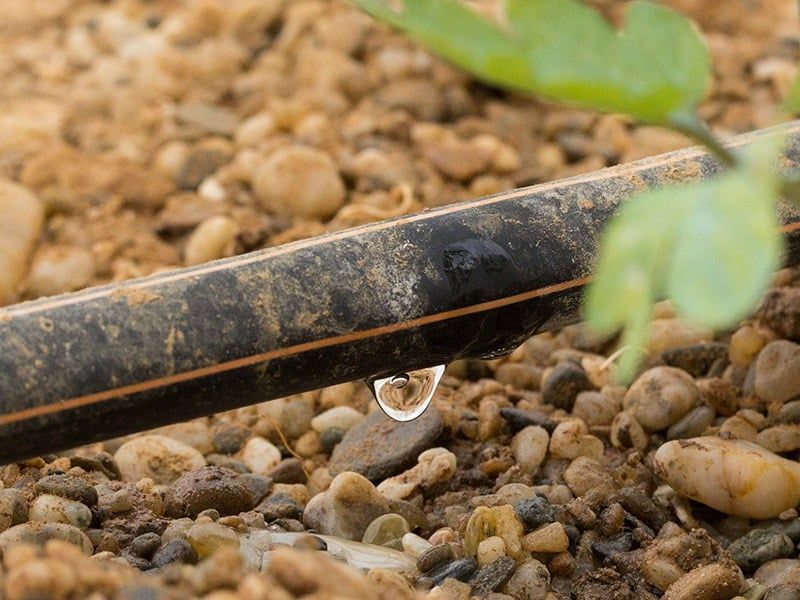
A drip system running for a longer period at low flow tends to move water deeper than a quick burst that barely soaks in before evaporating.
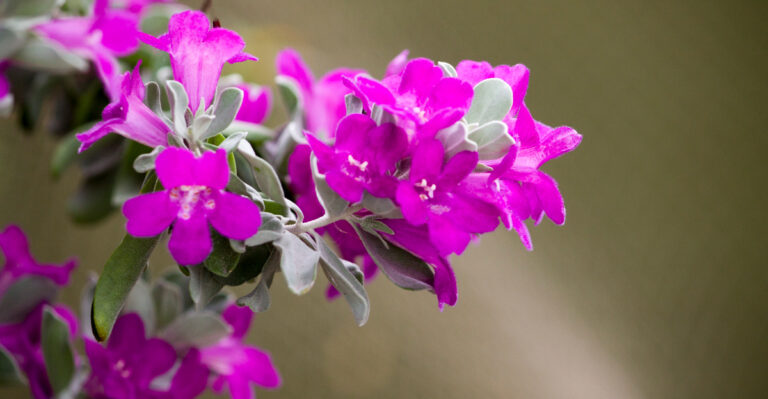
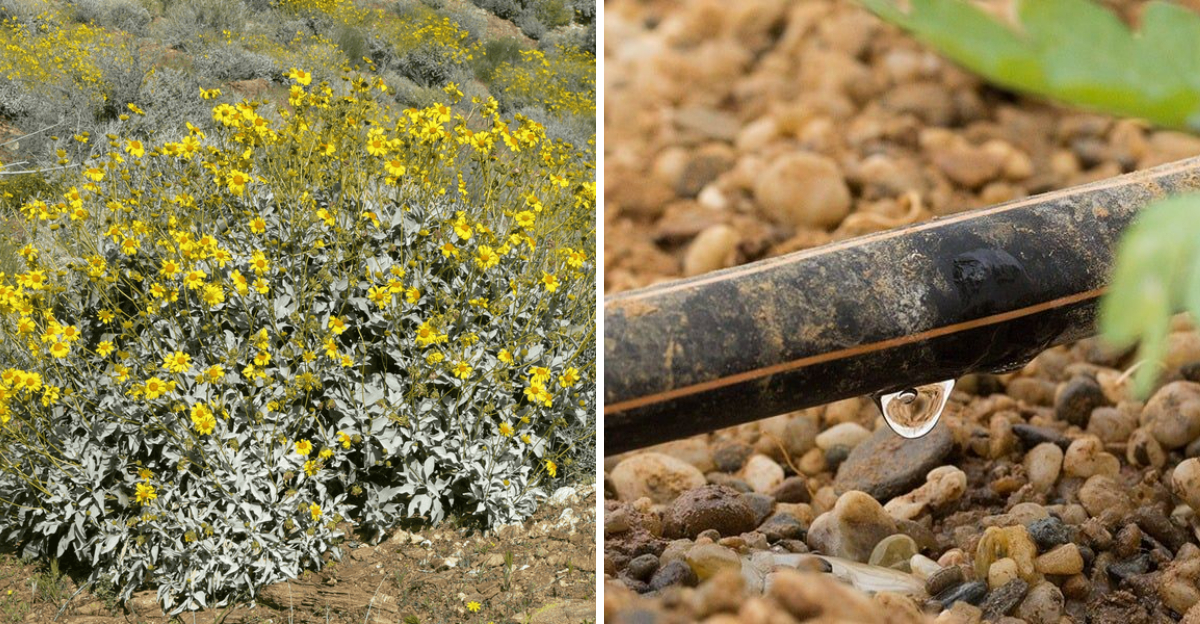
Root depth varies by shrub species, plant size, and how long the shrub has been in the ground. A small recently planted shrub has a shallower root zone than a large established desert willow or brittlebush that has been growing for years.
Watering to an appropriate depth for the actual plant in front of you matters more than following a generic rule. The goal is moistening the root zone thoroughly rather than soaking the surface repeatedly.
Checking how deeply water has actually moved into the soil after irrigation helps you understand whether your current approach is reaching where it needs to go.
2. Let The Soil Dry Somewhat Between Waterings
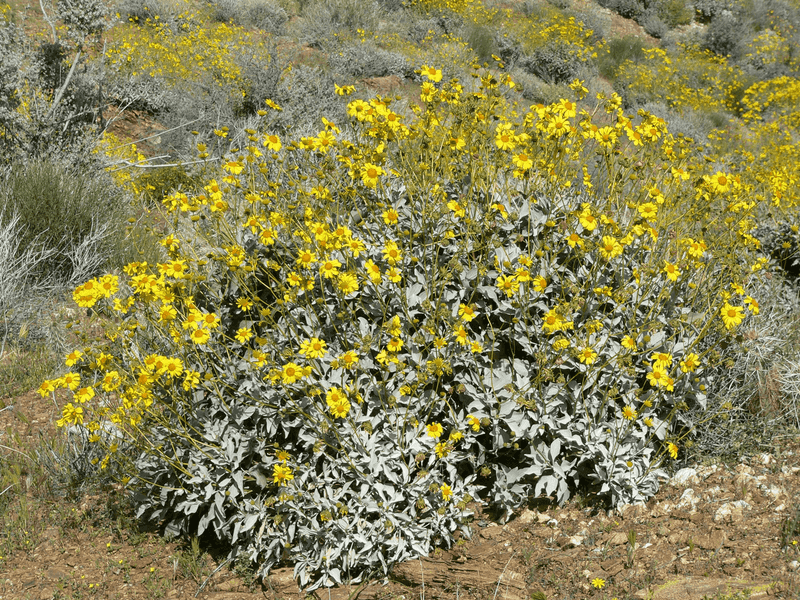
Keeping native shrub soil constantly wet through an Arizona summer might seem helpful, but it can work against the plant. Desert-adapted shrubs generally benefit from some drying between irrigation events.
Roots need oxygen as much as they need water, and soil that stays saturated for extended periods can reduce oxygen availability in the root zone and create conditions that stress even tough desert plants.
The goal is not to let your shrubs reach a point of severe wilting or prolonged moisture stress. A reasonable amount of drying between waterings is very different from neglect.
Think of it as giving the soil a chance to breathe before the next irrigation cycle rather than pushing the plant to its limit.
Your Arizona Garden Changes Every Week. Your Plan Should Too.
Gardening in Arizona changes quickly throughout the season. Every Friday you’ll receive a simple weekly plan showing exactly what to plant, prune, fertilize, harvest, and protect so you never miss the right timing.
How quickly soil dries out in Arizona depends on several factors, including temperature, wind, sun exposure, soil texture, and the size of the plant.
A small shrub in full sun on a 112-degree afternoon will dry out faster than one growing in partial shade with some wind protection.
Paying attention to actual soil conditions rather than watering on a rigid timer helps you match irrigation to what the plant genuinely needs. Established native shrubs are built to handle dry periods, so some drying between waterings is not a problem.
The key is avoiding both extremes of waterlogged soil and prolonged severe drought stress during the hottest months.
3. Give Newly Planted Shrubs More Frequent Attention
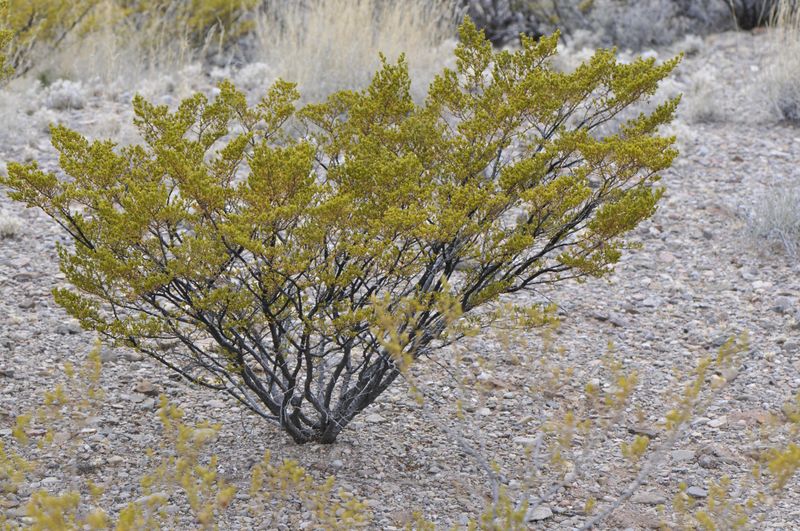
Surviving the first Arizona summer is one of the bigger challenges a newly planted shrub faces.
Fresh transplants have limited root systems that have not yet spread into the surrounding soil, which means they cannot pull moisture from a wide area the way an established shrub can.
That smaller root zone makes them more vulnerable to drying out quickly between waterings.
More frequent monitoring is generally a good idea during those first weeks and months after planting.
This does not mean keeping the soil constantly saturated, but it does mean checking moisture conditions more often and irrigating before the plant shows signs of serious stress.
As roots begin to spread outward and downward into the surrounding soil, watering intervals can gradually stretch longer.
Arizona’s summer heat adds pressure to this establishment process.
Soil temperatures near the surface can climb high enough to affect root development, and the combination of heat, low humidity, and dry soil can tax a young plant that is still trying to anchor itself.
Planting in late summer or early fall when temperatures begin to moderate can help reduce establishment stress, but shrubs planted during summer need closer attention until they settle in.
There is no single timeline that works for every species, soil type, or growing condition, so watching the plant and checking soil moisture are more reliable guides than any fixed schedule.
4. Adjust Irrigation Instead Of Following A Fixed Summer Schedule
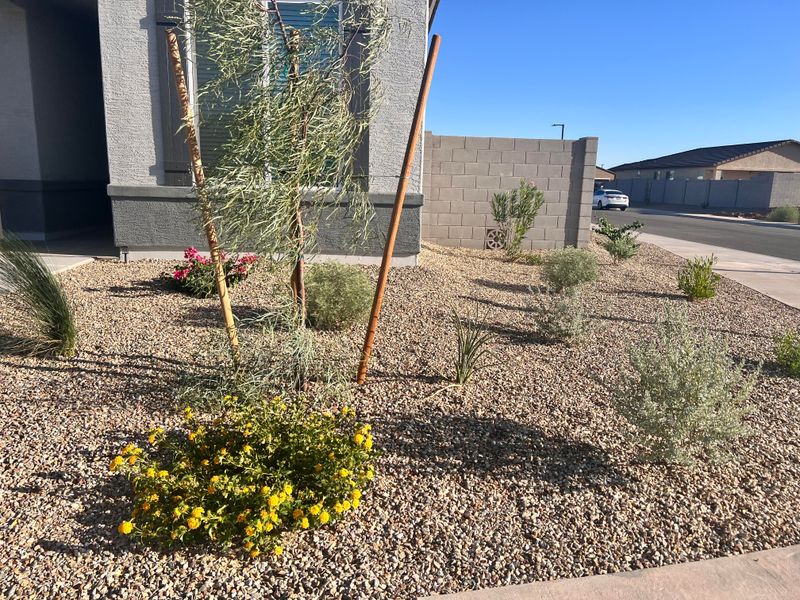
Sticking to the same irrigation schedule every week regardless of what is actually happening outside is one of the most common mistakes gardeners make during summer. Conditions shift constantly.
A week of scorching 115-degree days with low humidity pulls moisture from the soil much faster than a cloudy stretch with monsoon humidity rolling in from the south. A fixed schedule cannot account for those differences.
Temperature, wind speed, soil texture, plant size, and sun exposure all influence how quickly soil dries between waterings. A native shrub growing in heavy clay holds moisture longer than the same species planted in coarse sandy soil in full western exposure.
Checking actual soil conditions and observing how the plant looks before turning on the drip system gives you much more useful information than a calendar date alone.
Arizona’s monsoon season, which typically runs from mid-June through September, can bring meaningful rainfall that temporarily reduces the need for supplemental irrigation. However, monsoon storms are often localized and brief.
A storm that drops half an inch of rain in twenty minutes may wet the surface without moving moisture deeply into the root zone.
Before skipping an irrigation cycle after a monsoon event, checking how deeply the soil was actually wetted is worth the few minutes it takes.
Adjusting irrigation based on real soil conditions rather than assumptions keeps native shrubs healthier through Arizona’s unpredictable summer weather patterns.
5. Check Moisture Depth With A Soil Probe
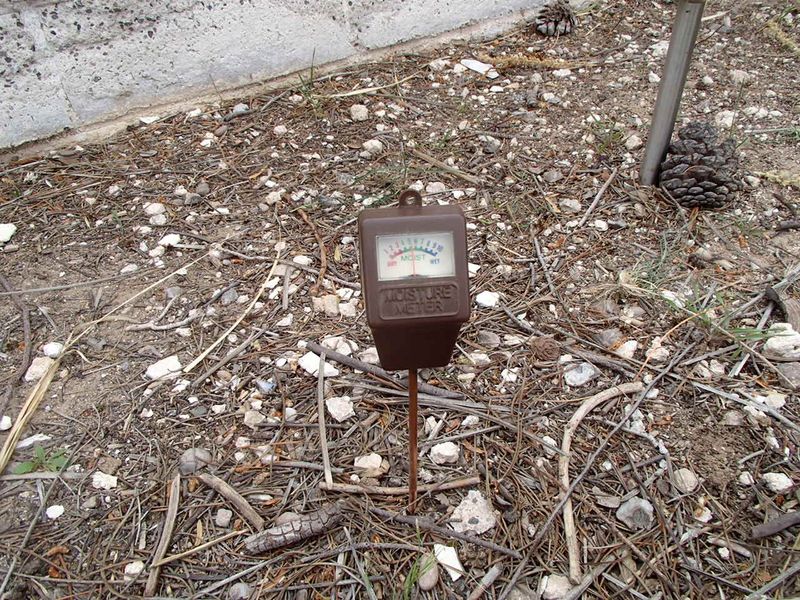
Dry, dusty soil on the surface near a shrub does not always tell the full story about what is happening deeper down. In Arizona’s desert soils, the top layer can look and feel completely dry while moisture lingers further down in the root zone.
Making watering decisions based on surface appearance alone can lead to irrigating more often than the plant actually needs.
A soil probe, or even a long sturdy screwdriver, can help you check how deeply moisture has moved after irrigation. Push the tool into the soil near the shrub’s root zone and notice how far it moves easily through moist soil versus where it meets resistance in dry soil.
University of Arizona Cooperative Extension resources support using this kind of simple tool as a practical way to evaluate soil moisture before deciding whether another irrigation cycle is needed.
Using a soil probe regularly helps you learn how your specific soil and irrigation system actually perform together. Some Arizona soils absorb water quickly and drain fast, while others hold moisture longer or have hardpan layers that slow infiltration.
Getting familiar with your own soil helps you make smarter irrigation decisions over time. A moisture check takes only a few minutes but gives you real information rather than guesswork.
Pairing that information with observation of how the plant looks gives you a well-rounded picture of whether your shrubs genuinely need water or are doing fine.
6. Move Drip Emitters Outward As Shrubs Grow
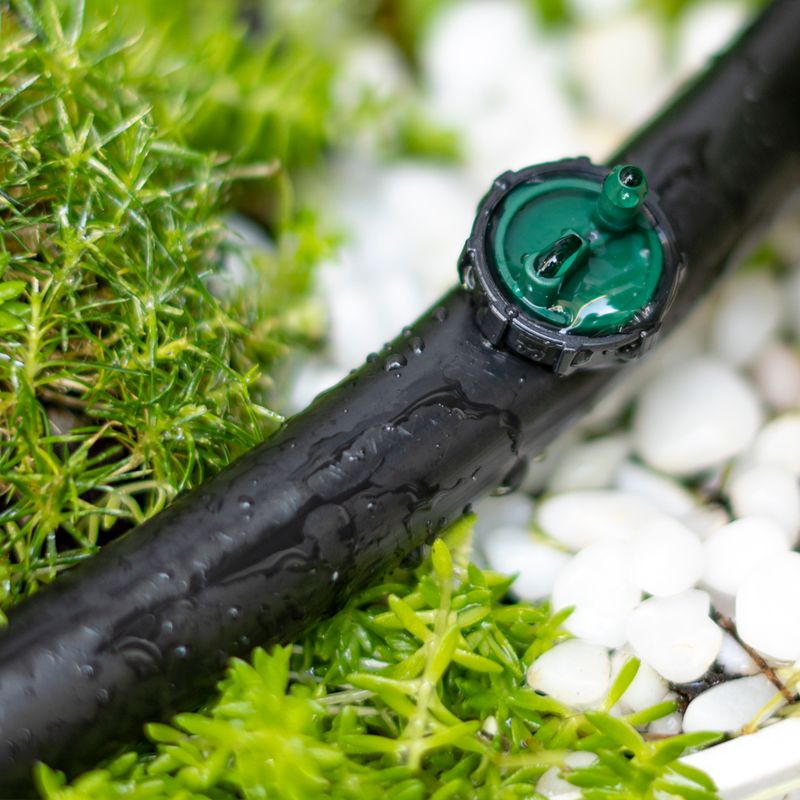
A drip emitter that was placed perfectly for a freshly planted one-gallon shrub may not be serving that same plant very well three or four years later.
As native shrubs mature and their root systems spread outward, the most active root area generally moves beyond the original planting hole.
Keeping emitters clustered close to the trunk or central stems of a well-established shrub can mean that irrigation water is not reaching the root zone as effectively as it could.
Repositioning emitters outward as a shrub grows helps water land closer to where active roots are taking up moisture.
Arizona irrigation guidance recommends placing drip emitters at or somewhat beyond the canopy edge as plants mature, rather than keeping them permanently fixed against the trunk.
This does not mean roots exist only at the canopy edge, but spreading emitter placement outward generally improves irrigation effectiveness for larger shrubs.
Adding emitters as a shrub grows can also help distribute water more evenly across a wider root zone rather than concentrating moisture in one small area.
Checking your drip layout every season or two and adjusting placement as the plant changes size is a straightforward habit that can noticeably improve how well your irrigation system supports each shrub.
In Arizona’s summer heat, making sure water is actually landing where roots can use it is one of the more practical steps a gardener can take for native shrub health.
7. Use Mulch To Slow Summer Moisture Loss
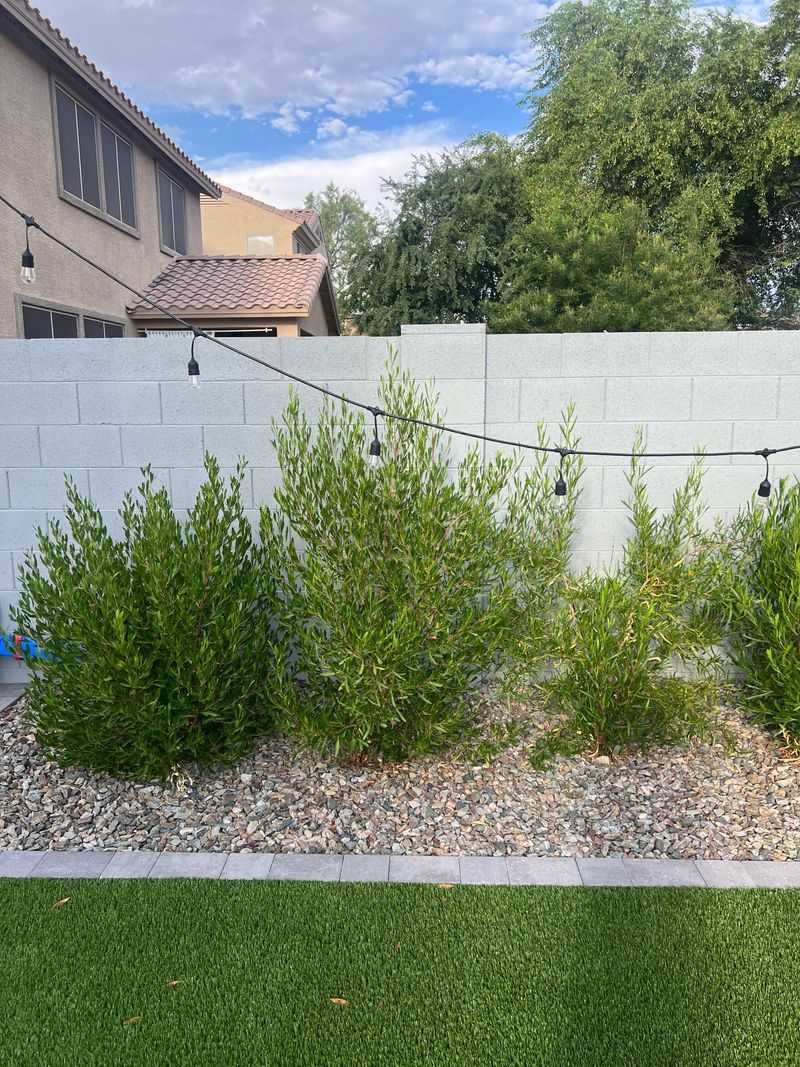
Exposed soil in an Arizona summer loses moisture fast. Direct sun, low humidity, and high temperatures combine to pull water out of bare ground at a rate that can surprise even experienced gardeners.
Spreading a layer of mulch over the soil around native shrubs helps slow that evaporation and keeps the root zone a bit cooler and more stable through the hottest part of the day.
Both organic mulches, such as wood chips or shredded bark, and inorganic mulches, like decomposed granite or gravel, are commonly used in Arizona landscapes.
Organic mulches break down over time and can gradually improve soil structure, while inorganic mulches are longer-lasting and commonly used in desert-style landscaping.
The two types perform somewhat differently in Arizona’s climate, so the best choice often comes down to the specific setting, shrub type, and personal preference.
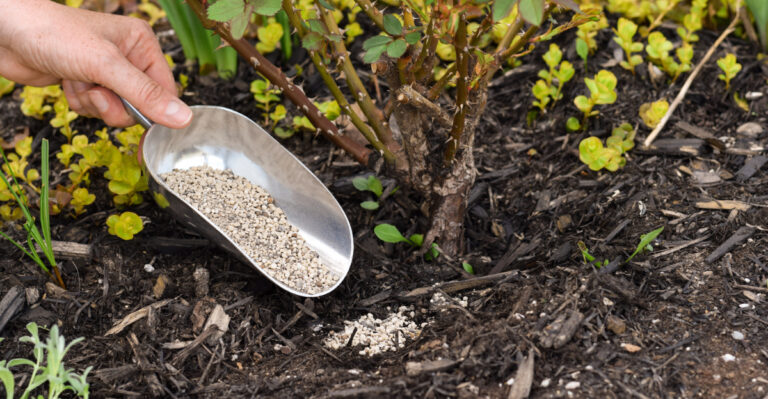
Placement matters as much as the type of mulch you choose. Mulch should be spread out to cover the soil around the shrub’s root zone but kept away from direct contact with stems and the base of the trunk.
Piling mulch against the stem can create a moist, shaded environment that may lead to stem issues over time.
A few inches of mulch applied in a donut shape around the plant rather than heaped against it gives you the moisture-retention benefits without creating unnecessary problems at the base of the shrub.
8. Avoid Heavy Pruning During Extreme Heat
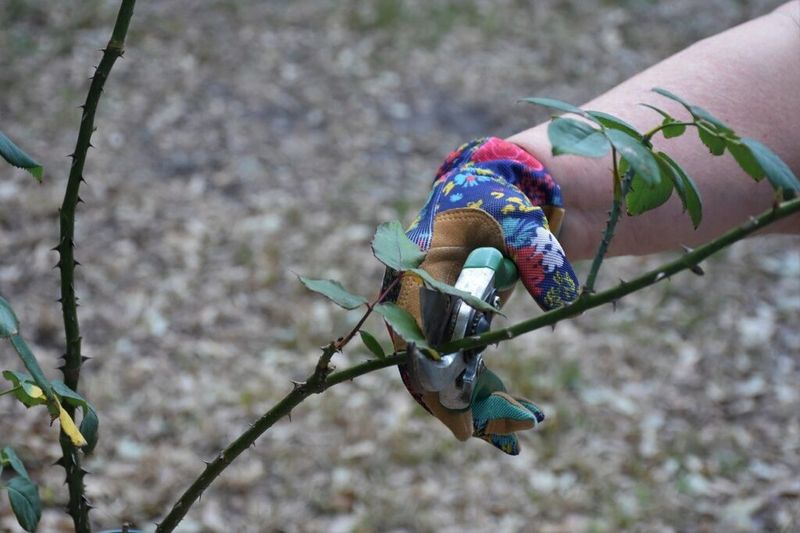
Reaching for the pruning shears during a stretch of 110-plus-degree Arizona summer days can add stress to native shrubs that are already working hard to cope with the heat.
Heavy pruning or repeated shearing removes foliage that has been shading stems and interior branches from intense direct sunlight.
Once that canopy cover is removed, previously protected stems are suddenly exposed to full Arizona summer sun, which can scorch bark and stress the plant further.
Most experienced Arizona gardeners and horticultural resources suggest limiting major pruning to cooler seasons when shrubs are not already under heat stress.
Late winter and early spring are often better windows for significant shaping or size reduction, depending on the species.
Pruning at the right time of year gives shrubs a chance to recover and push new growth before summer arrives in full force.
That said, leaving clearly broken, diseased, or hazardous branches in place just because it is summer is not necessary. Removing a single damaged branch is very different from a full shearing session.
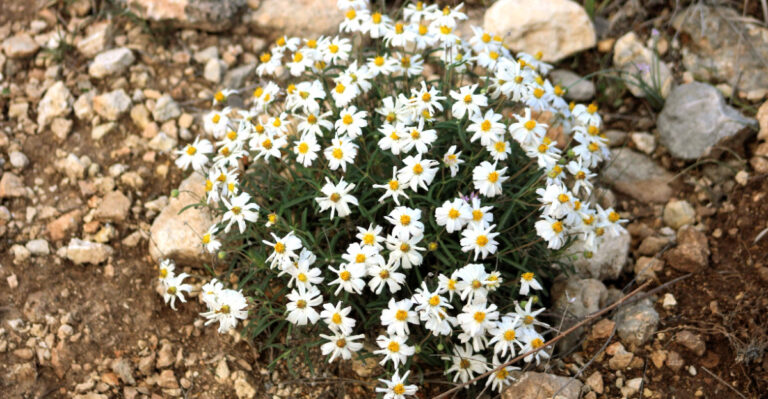
Native shrubs also vary considerably in how they respond to pruning, so what works well for one species may not be appropriate for another. A desert marigold and a jojoba have different growth habits and pruning tolerances.
Knowing the specific shrub you are working with helps you make smarter decisions about what, if anything, needs to be trimmed during Arizona’s most intense summer months.