What It Means When North Carolina Dahlias Start Dropping Leaves In September
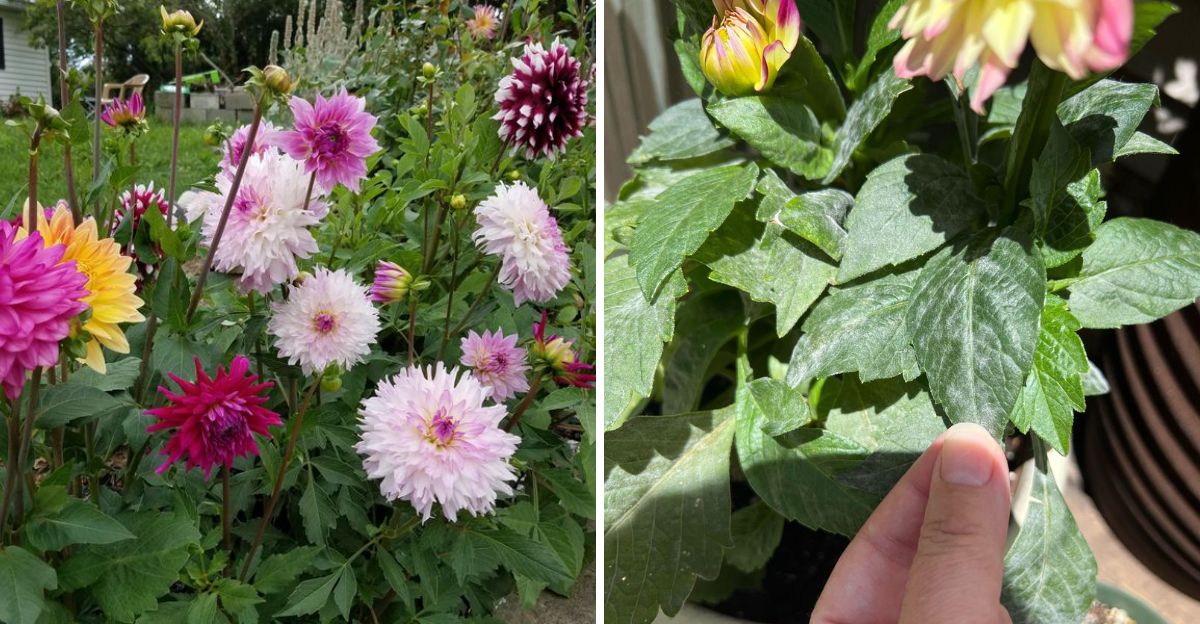
Dahlias dropping leaves in September often catches gardeners off guard, especially when the plant still has weeks of potential blooming left in the season.
It’s tempting to assume something has gone seriously wrong, prompting some to pull the plant early out of worry.
But this specific pattern of leaf drop usually points to a cause that makes complete sense once you understand what’s actually happening this time of year.
Understanding the real explanation changes whether you should be concerned or simply let the plant continue on its natural path.
Many gardeners jump to the wrong conclusion, missing what dahlias are actually trying to communicate through this behavior. Once you know what’s truly going on, dropping leaves stop feeling like a mystery and start making complete sense.
This knowledge could save a perfectly healthy dahlia from an unnecessary and premature removal.
1. The Plant May Still Be Heat Stressed
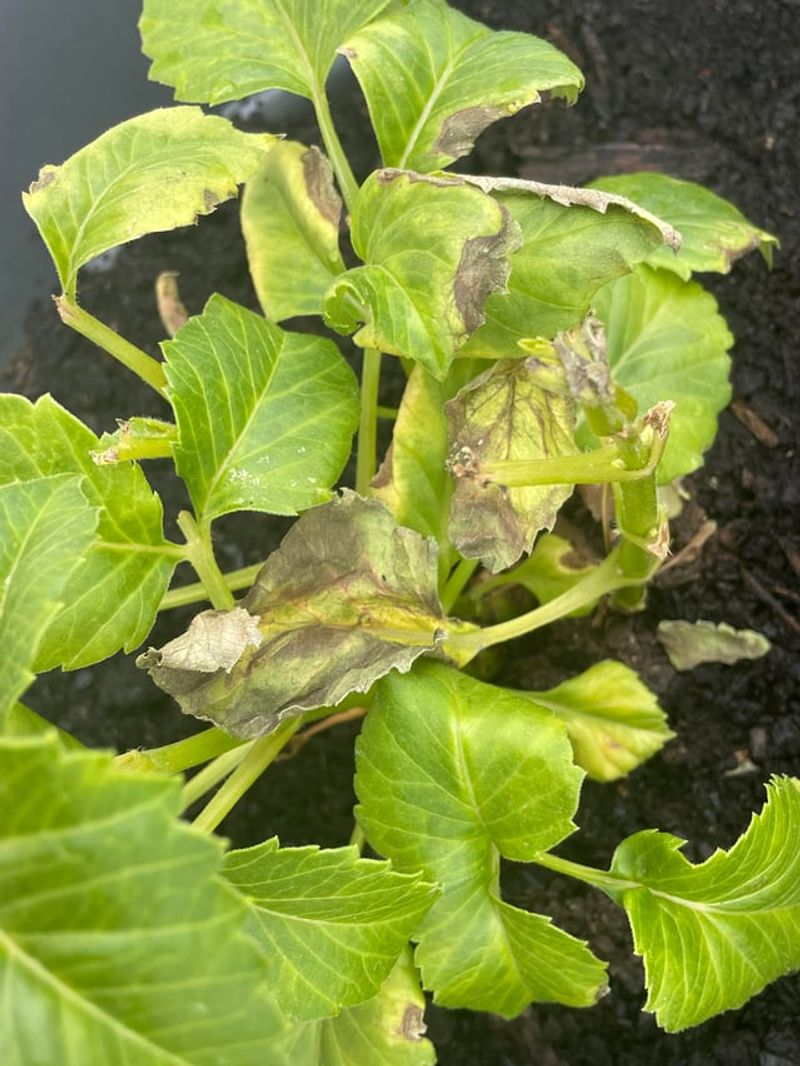
Late summer heat in North Carolina lingers longer than many gardeners expect. Even when the calendar says September, afternoon temperatures can climb high enough to leave your dahlias feeling worn out and thirsty.
When plants stay warm for days, they lose water through their leaves faster than the roots can pull it up. The oldest leaves near the bottom pay the price first.
They start to yellow, then curl, and finally drop as the plant tries to save energy for its flowers.
You will often see this pattern begin low on the stem while the top still looks healthy. That clue tells you heat, not something scarier, is the likely cause.
Dahlias handle sun well, but a stretch of hot, muggy days pushes them past their comfort zone.
A little shade during the hottest part of the afternoon can make a big difference. Lightweight shade cloth or a taller plant nearby can shield tender foliage without blocking the light your blooms need.
Mulch also helps by keeping the soil cooler and steadier around the roots. A two inch layer of bark or straw locks in moisture and softens the shock of hot spells.
Water early in the morning so plants start the day fully charged. This gives them the strength to face the heat instead of wilting by noon.
Once cooler nights settle in, most heat stressed dahlias bounce back quickly. Give them steady care, and fresh healthy growth usually follows within a couple of weeks.
2. The Soil May Be Too Dry
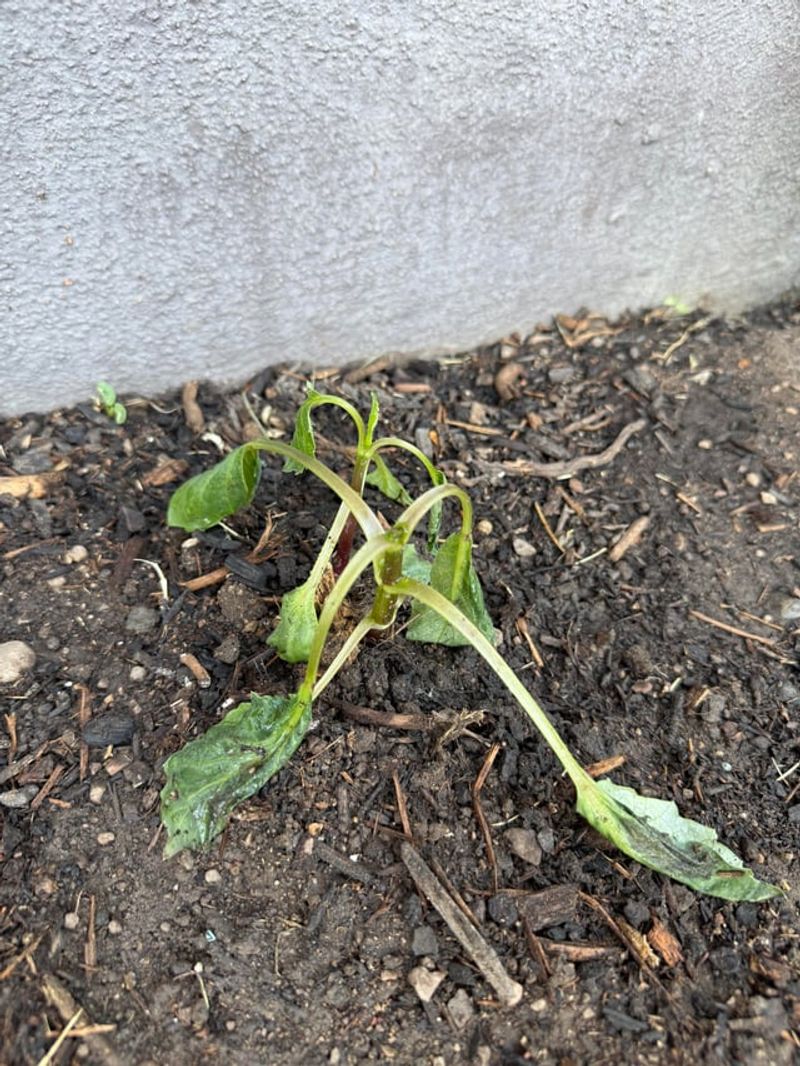
Thirsty dahlias have a way of telling on themselves. When the soil dries out, the leaves lose their bounce, fade to pale yellow, and start slipping off even while buds are still forming.
Dahlias carry big, thick stems and lots of foliage, so they drink more than smaller plants. During warm September days, the ground can dry faster than you realize, especially in sandy North Carolina soil that drains quickly.
Uneven watering makes things worse. When a plant swings between soaked and bone dry, it gets stressed and drops leaves to cut back on how much water it needs to support.
Your North Carolina Garden Changes Every Week. Your Plan Should Too.
Gardening in North Carolina changes quickly throughout the season. Every Friday you’ll receive a simple weekly plan showing exactly what to plant, prune, fertilize, harvest, and protect so you never miss the right timing.
Check the soil with your finger before you water. Push down a couple of inches, and if it feels dry that deep, it is time to give your dahlias a good soaking.
Deep, slow watering beats a quick splash every time. You want moisture to reach the roots, not just wet the surface where it evaporates within hours.
A layer of mulch around the base holds water in the ground and keeps the roots cooler between drinks. This steadies the moisture level and reduces sudden stress.
Try to water on a regular schedule so plants know what to expect. Consistency keeps foliage firm and green instead of tired and droopy.
Once you fix a dry spell, watch for new leaves at the tips. Fresh growth is a happy sign that your dahlias forgave the rough patch and are ready to bloom again.
3. The Roots May Be Staying Too Wet
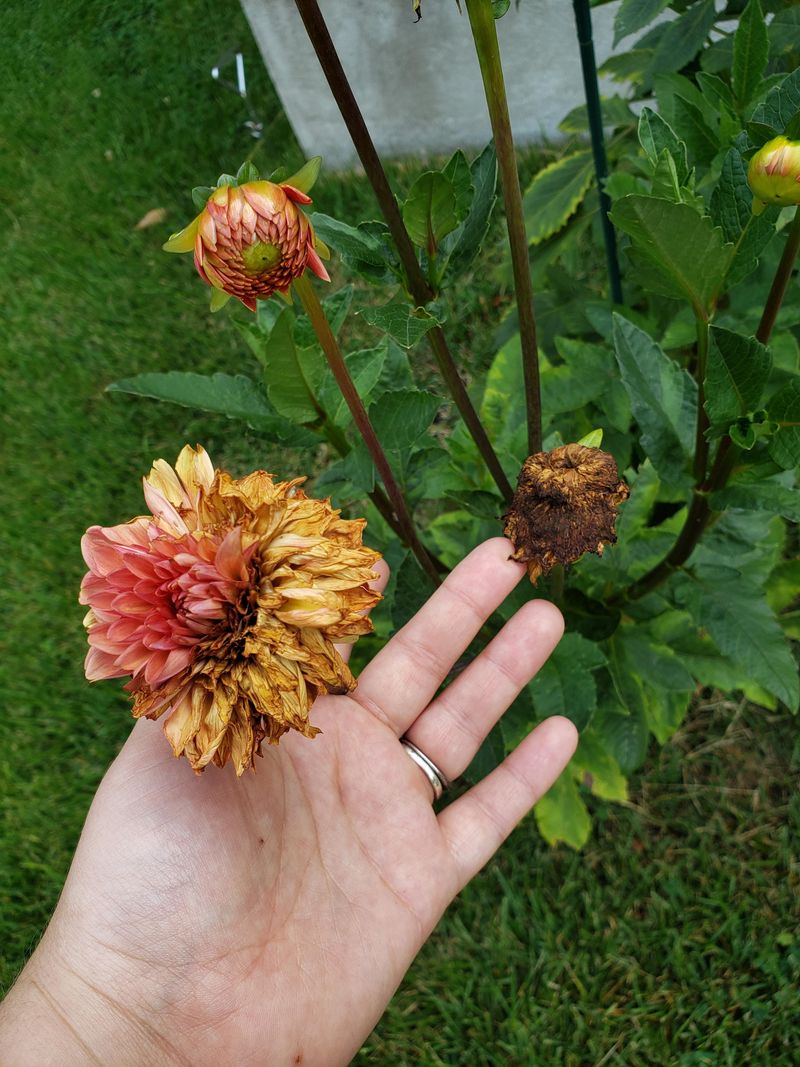
Too much water can cause just as many problems as too little. When soil stays soggy for days, dahlia roots struggle to breathe, and the whole plant starts to suffer.
Roots need air pockets in the soil to work properly. Heavy September rains, common in North Carolina, can fill those spaces with water and leave roots gasping in the mud.
Waterlogged plants often look confused. The leaves yellow and wilt at the same time, which tricks some gardeners into watering more when the real fix is better drainage.
Clay soil holds onto moisture longer than sandy ground, so it needs extra attention. If puddles sit around your dahlias after a storm, that is a warning sign worth taking seriously.
Raised beds or mounded planting spots help extra water drain away from the roots. Even a slight slope can keep the base of the plant from sitting in standing water.
Mixing compost into the soil improves its structure over time. This helps water flow through instead of pooling and turning the bed into a soggy mess.
Hold off on watering when the ground already feels damp. Let the top layer dry a bit before you add more, giving roots a chance to recover.
If drainage is a repeat problem, consider moving your dahlias next season to a spot that dries out faster. Happy roots lead to firm stems, green leaves, and blooms that last well into fall.
4. Spider Mites May Be Feeding
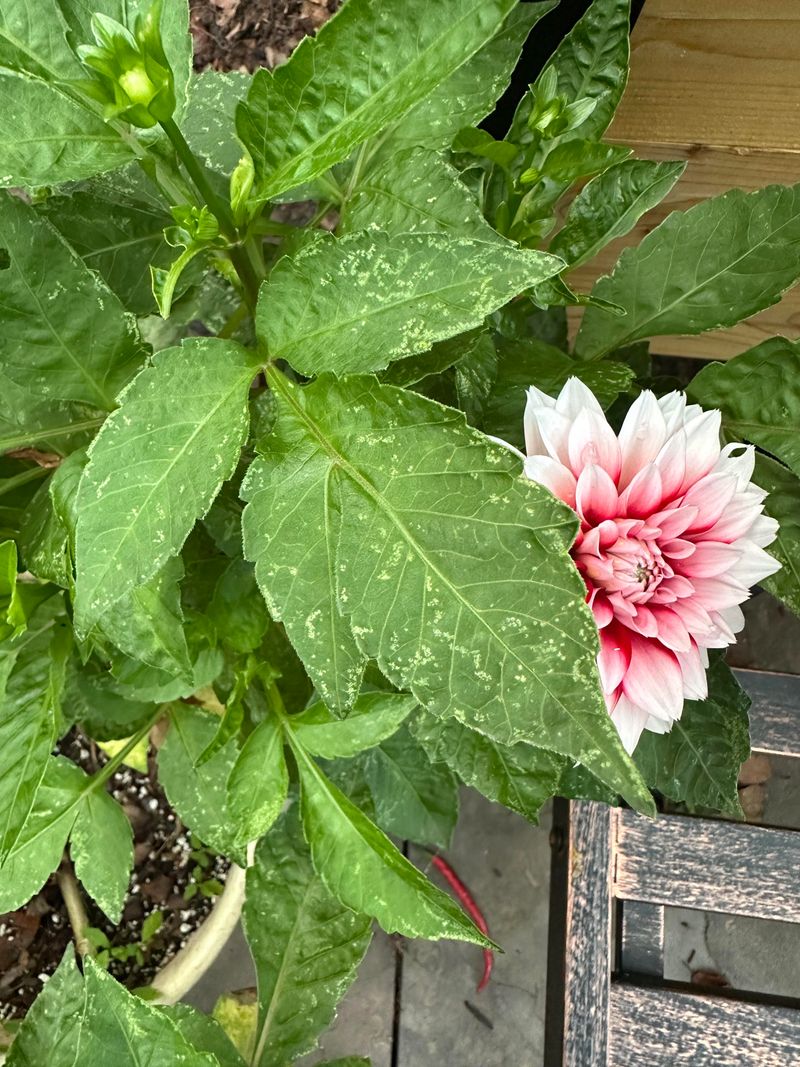
Some troublemakers are so tiny you barely notice them until the damage shows. Spider mites are among the sneakiest pests that bother dahlias, especially during hot, dry stretches in September.
These specks are smaller than a pinhead, so they hide on the undersides of leaves. As they feed, they poke tiny holes that leave pale dots and a dusty, bronzed look across the foliage.
Fine webbing is the clearest giveaway. When you spot silky threads stretched between stems and leaves, mites have likely set up camp and started multiplying fast.
Warm and dusty conditions are their favorite. That is why they often show up during the same dry spells that leave your dahlias already stressed and thirsty.
A strong spray of water knocks many of them off the plant. Aim under the leaves where they gather, and repeat every few days to break their cycle.
Keeping plants well watered also makes them less inviting. Mites love stressed foliage, so healthy dahlias stand a better chance of shrugging them off.
Insecticidal soap or neem oil offers extra help when numbers climb. Spray in the evening so the leaves do not scorch in the sun, and cover both sides carefully.
Check your plants often once you know what to look for. Catching mites early keeps them from turning healthy dahlias into speckled, leaf dropping messes before the season ends.
5. Powdery Mildew May Be Spreading
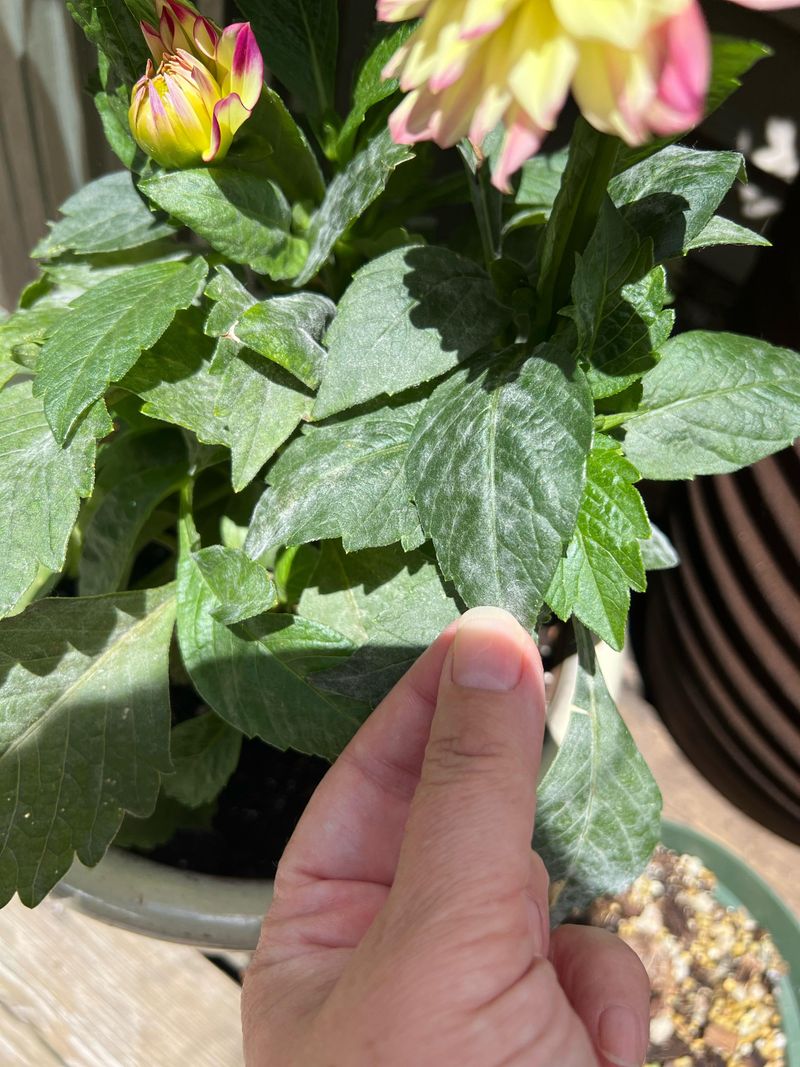
A dusty white coating on your dahlia leaves is hard to miss once it starts. Powdery mildew looks like someone sprinkled flour across the foliage, and it spreads quickly in the humid North Carolina air.
This fungus loves warm days paired with cool, damp nights. September weather often delivers exactly that mix, giving mildew the perfect chance to take hold.
Affected leaves lose their vigor over time. The white patches block sunlight, so the foliage yellows, weakens, and eventually drops from the plant.
Crowded gardens make the problem worse. When plants sit too close together, air cannot move between them, and the trapped moisture invites the fungus to settle in.
Good spacing is one of your best defenses. Give each dahlia room to breathe so leaves dry quickly after rain or morning dew.
Watering at the base rather than overhead keeps the foliage drier. Wet leaves overnight create the damp surface mildew needs to grow and spread.
Remove badly affected leaves as soon as you see them. Bagging and tossing them keeps spores from drifting to healthy parts of the plant.
A fungicide or a homemade baking soda spray can slow the spread once it begins. Apply it early and stay consistent for the best results.
With better airflow and dry foliage, your dahlias can outgrow a mild outbreak. Stay watchful, and you will keep those blooms looking clean and bright through the fall season.
6. A Wilt Disease May Be Involved
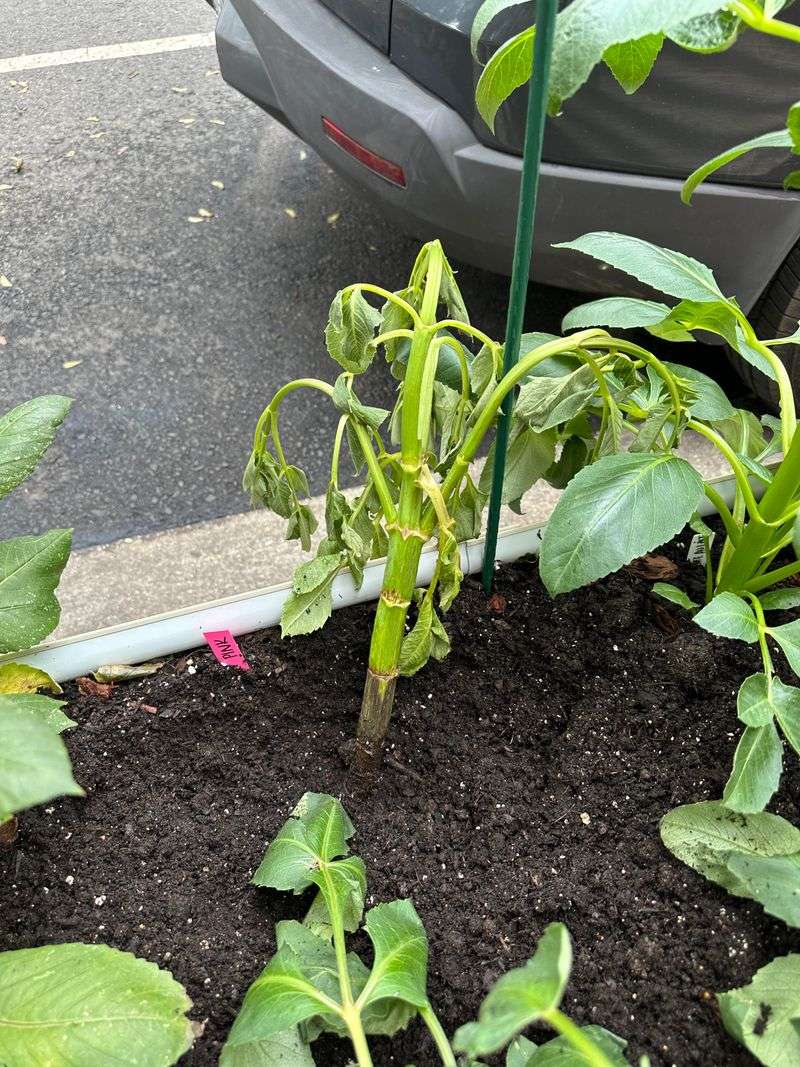
Sometimes a dahlia wilts no matter how carefully you water it. When the soil feels moist but the plant still droops and sheds leaves, a vascular wilt disease may be the hidden cause.
These fungal troubles attack the tubes inside the stem that carry water. Once those pathways get clogged, moisture cannot reach the leaves, so they wilt even when the ground is damp.
The signs can fool you at first. A plant may look thirsty during the day and perk up at night, then slowly lose that recovery as the disease spreads.
Yellowing often creeps up one side of the plant. If you slice a stem and see dark streaks inside, that discoloration points straight to a wilt problem.
Warm soil helps these fungi thrive, which is why late season heat can trigger flare ups. Poor drainage adds to the stress and gives the disease an easier path.
Sadly, there is no cure once a plant is badly infected. Removing and discarding it keeps the fungus from spreading to nearby dahlias.
Avoid planting new tubers in the same spot next year. The fungus lingers in the soil and can strike again if you give it the chance.
Rotating your planting areas and using clean, healthy tubers lowers the risk a lot. Good drainage and cool, steady soil also help your dahlias stay strong.
Prevention truly is your best tool here. Healthy roots and fresh soil keep wilt from stealing your fall display.
7. Mottled Leaves Can Signal A Virus
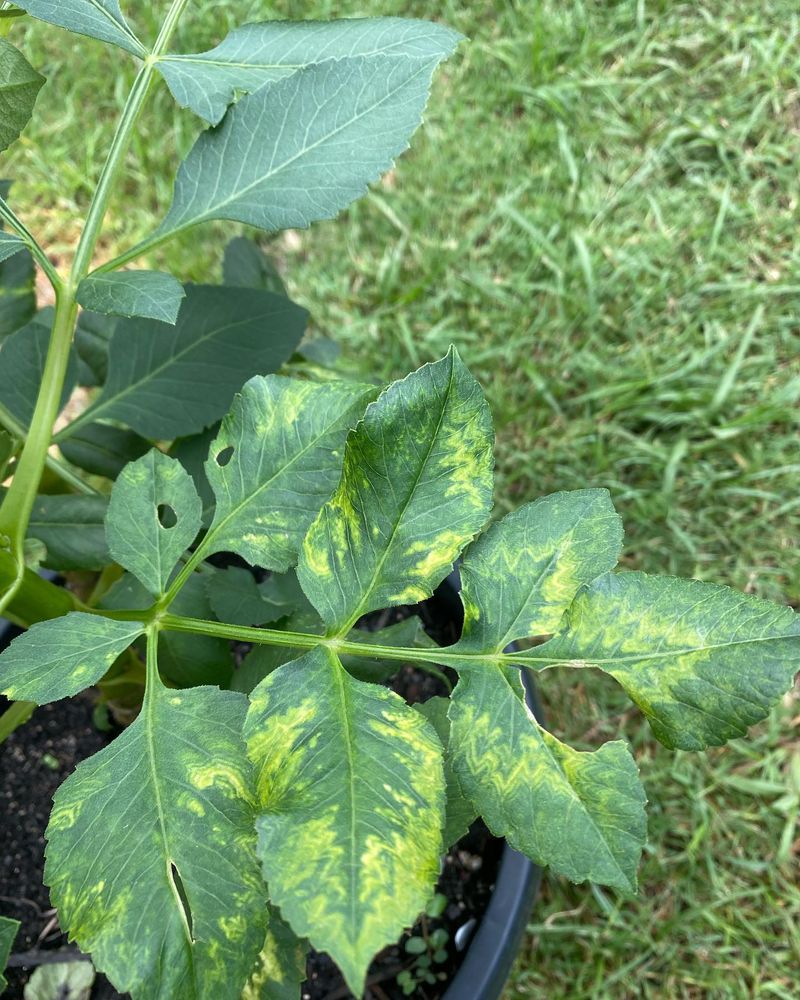
Not every leaf problem comes from weather or pests. Sometimes the trouble hides inside the plant itself, and mottled foliage is one of the biggest clues that a virus has moved in.
Viral infections create strange patterns you will not see with normal stress. Look for splotchy yellow streaks, faint rings, or a patchwork look that spreads across the leaves.
Twisted or puckered growth often tags along. When new leaves come in crinkled, distorted, or unusually small, the plant may be fighting something serious.
Weak, stunted growth rounds out the picture. Infected dahlias often look tired overall, with fewer blooms and foliage that just never fills out the way it should.
Tiny insects like aphids and thrips spread these viruses as they feed. They move from plant to plant, carrying the trouble along with them.
There is no way to cure an infected dahlia. The best move is to remove it so the virus does not travel to your other plants.
Controlling insects helps stop the spread before it starts. Keeping aphids and thrips in check protects the healthy dahlias still growing nearby.
Clean your tools between plants, especially after cutting stems. A quick wipe with rubbing alcohol keeps you from passing the virus along yourself.
Starting with certified healthy tubers gives you a strong head start. When you begin clean and stay watchful, virus problems become far less likely to ruin your fall garden.
8. The Pattern Reveals The Cause
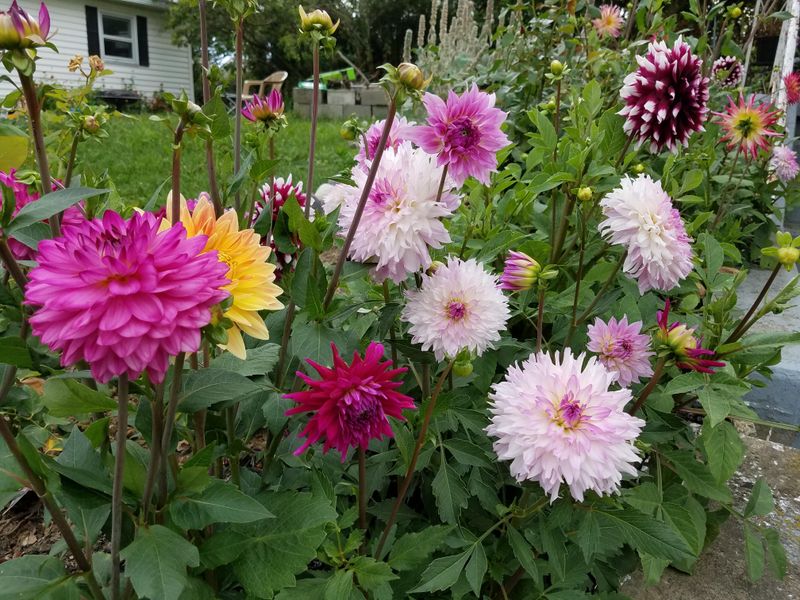
Before you grab any spray or change your routine, take a moment to study how the leaves are falling. The pattern of leaf loss tells you more than almost anything else about what is really going on.
Start by noticing where the trouble begins. When yellowing starts low on the plant and creeps upward slowly, heat, dryness, or normal aging is usually the reason.
Watch whether the problem sticks to one stem. Damage on a single stalk while the rest looks fine often points to a disease traveling through that plant’s inner tubes.
Pay attention to speed, too. Trouble that spreads across the whole plant fast tends to mean pests, mildew, or a virus rather than simple stress.
Flip the leaves over and check underneath. Fine webbing means mites, white dust means mildew, and strange mottled patterns hint at a virus.
Feel the soil while you investigate. Bone dry ground and soggy mud each cause their own kind of wilting, so moisture level helps narrow things down.
Take notes or snap a few photos as you go. Tracking changes over several days shows whether the problem is fading or getting worse.
Once you read the clues correctly, the right fix becomes obvious. Matching your action to the true cause saves time and keeps you from treating the wrong thing.
Careful observation is the smartest tool any gardener owns. Learn to read your dahlias, and you will keep them blooming beautifully all through the North Carolina fall.