How To Manage Florida Garden Moisture During Daily Afternoon Thunderstorms
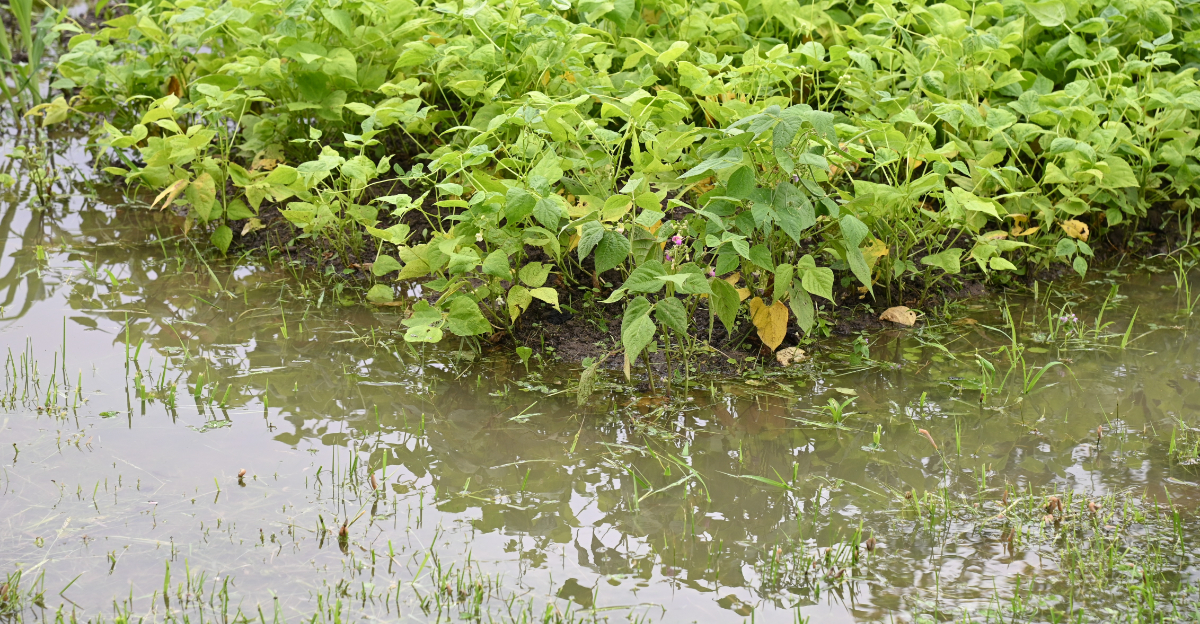
Rain doesn’t ask permission before it floods your garden beds. Summer afternoons in Florida carry a familiar threat, a wall of water crashing down within minutes.
Your soil absorbs what it can, then rejects the rest, leaving roots gasping in standing water. Timing matters more than most gardeners realize, because the difference between thriving and rotting often comes down to a single afternoon.
Plants react instantly to sudden saturation, some pulling nutrients they desperately need, others simply drowning. Nobody warns you how fast waterlogged soil turns from friend to enemy.
Florida’s humidity only complicates the equation further, trapping moisture around stems and inviting fungus to move in uninvited. Watching your garden survive this daily onslaught takes more than luck.
Ignore what happens beneath the surface during these storms, and you will lose plants before you even notice the damage has started.
Drainage And Irrigation Timing Do Most Of The Work
Water management starts before the first raindrop falls. Most Florida gardeners lose the battle at the planning stage, not during the storm itself.
Your irrigation system is the first thing to rethink. Running sprinklers at noon, then getting a heavy downpour by 3 p.m., means your soil stays soaked for hours.
Wet soil overnight is a recipe for root rot and fungal trouble. Shift your watering schedule to early morning, ideally between 5 and 7 a.m.
By the time the afternoon storm rolls in, your plants will have already absorbed their morning drink. The storm water becomes a bonus, not a flood.
Raised beds with sloped bases help excess water drain away quickly. Even a one-inch slope toward a drainage path makes a noticeable difference after a hard rain.
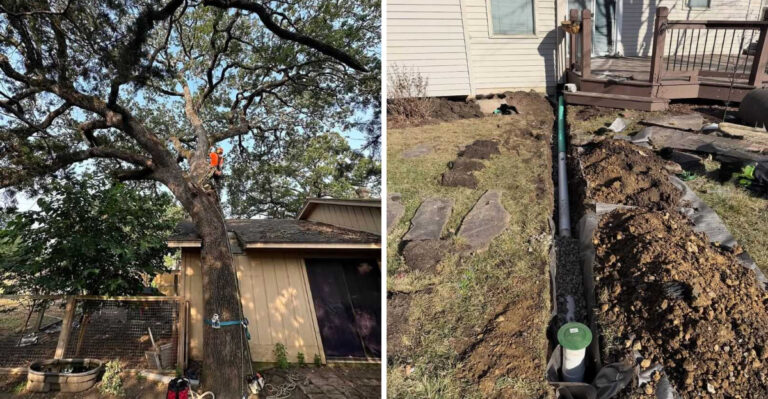
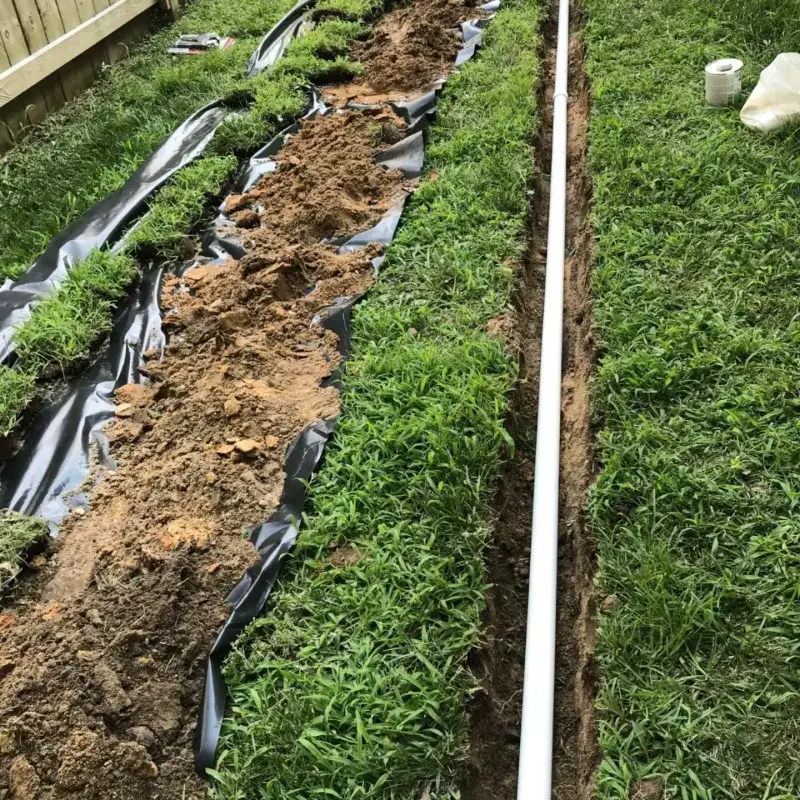
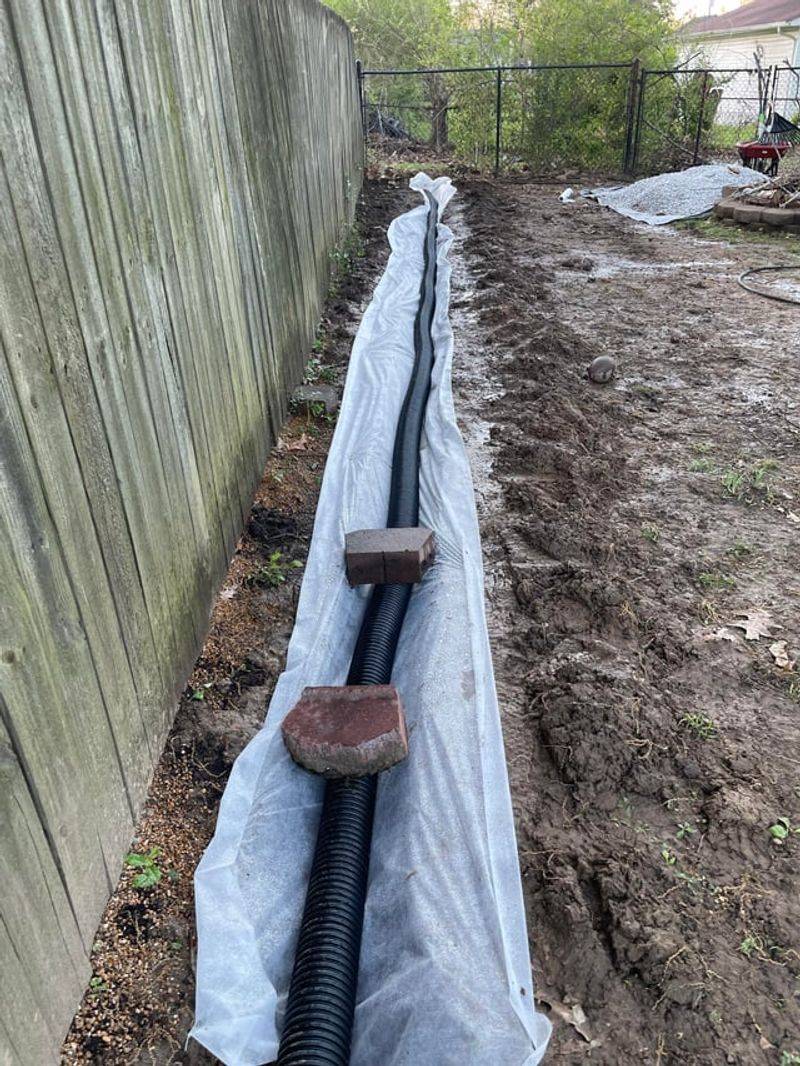
Install French drains or simple gravel trenches around your garden perimeter. These low-cost fixes redirect runoff before it pools around plant roots.
Pair good drainage with a smart timer on your irrigation controller. Many modern controllers include rain sensors that automatically skip a cycle when moisture is detected.
A rain sensor is an affordable upgrade that helps cut down on unnecessary watering. Small upgrades like this protect your plants without requiring daily attention.
Everything gets easier once your system works with the weather instead of against it. Drainage and timing are the foundation everything else builds on.
Why A Heavy Downpour Rarely Soaks The Root Zone
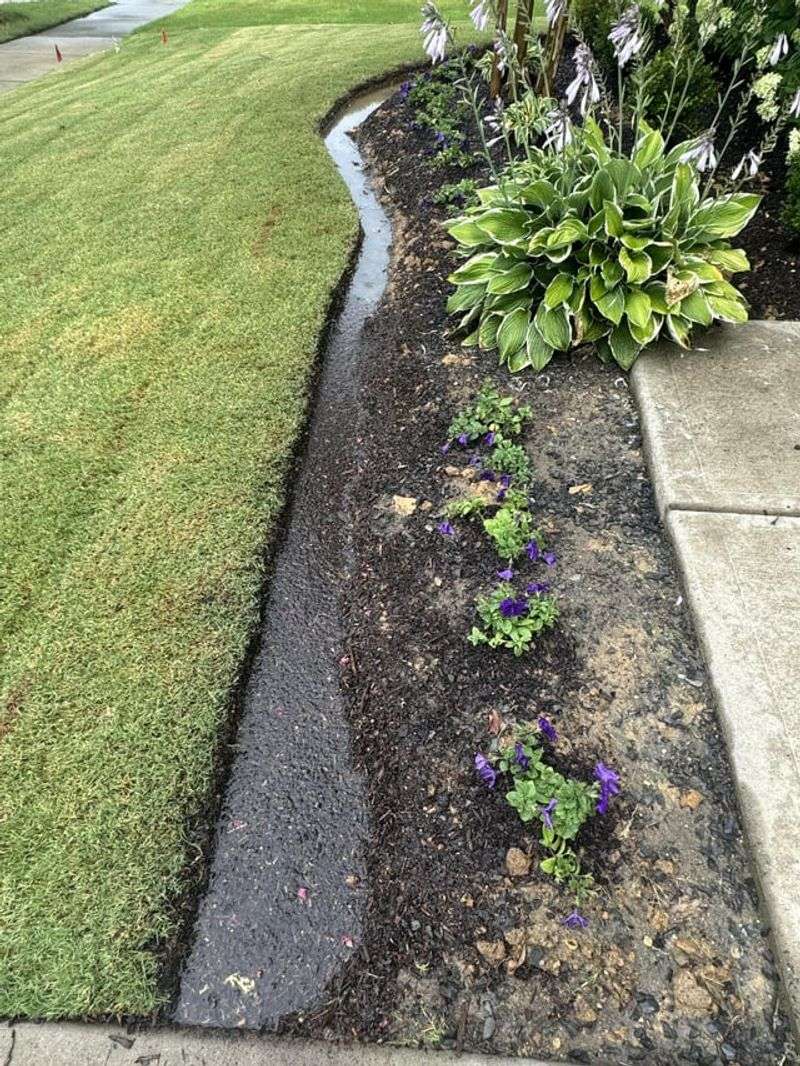
Here is something most gardeners find surprising. A 20-minute downpour often does far less for your roots than you would expect.
Florida’s sandy soil drains so fast that water rushes through before roots can absorb much of it. In compacted clay-heavy spots, the opposite problem happens and water pools on top instead of soaking in.
Either way, your root zone ends up missing out. The rain looks impressive, but your plants may still be thirsty an hour later.
A simple soil moisture meter tells you exactly what is happening below the surface. Push the probe six inches down after a storm and check the reading before skipping your next watering cycle.
Your Florida Garden Changes Every Week. Your Plan Should Too.
Gardening in Florida changes quickly throughout the season. Every Friday you’ll receive a simple weekly plan showing exactly what to plant, prune, fertilize, harvest, and protect so you never miss the right timing.
Most summer storms deliver somewhere between a quarter-inch and three-quarters of an inch of rain. That sounds like a lot, but sandy soil can drain much of it away in a short window.
Mulching your beds helps slow that drainage down significantly. A three-inch layer of wood chips or pine bark holds moisture near the root zone much longer than bare soil.
Organic mulch also breaks down over time and improves soil structure. Better structure means water penetrates more evenly instead of channeling through weak spots.
Compost mixed into sandy beds helps retain moisture between storms. Adding just two inches of compost per season transforms how your soil responds to heavy rain.
Understanding what a storm actually delivers helps you make smarter watering decisions every single day.
How To Adjust Your Watering Schedule Around Storm Hours
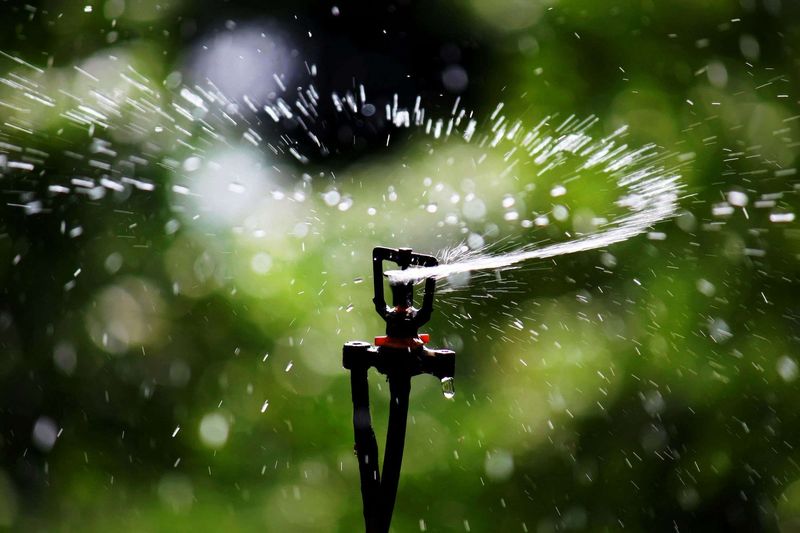
Changing your watering schedule feels small, but it creates a huge ripple effect across your whole garden. Timing is everything in a climate that storms on a schedule.
Most Florida summer thunderstorms arrive between 2 and 5 p.m. That pattern is consistent enough to plan around without checking the forecast every day.
Set your irrigation to run at 5 or 6 a.m. so the soil is moist but not saturated before the storm arrives. Your plants get what they need, and the afternoon rain adds a gentle top-up.
Avoid watering in the evening during storm season. Wet foliage going into a warm, humid night is an open invitation for fungal disease.
Smart irrigation controllers with weather-based scheduling take the guesswork out of this adjustment. Brands like Rachio and Rain Bird offer models that pull local forecast data automatically.
Even a basic mechanical timer set to early morning outperforms manual watering when life gets busy. Consistency protects your garden better than any single perfect watering session.
If you hand-water, commit to finishing before 8 a.m. every day during summer. That window gives foliage time to dry before midday heat arrives.
Check your soil moisture two hours after a storm passes. If the top three inches are still wet, skip the next morning cycle entirely.
Things get simpler once you treat storm time as a fixed event on your calendar. Adapt your routine to the weather, not the other way around.
Fixing Drainage In Florida’s Sandy And Compacted Beds
Bad drainage quietly wrecks Florida gardens in summer. You may not notice it until your plants start looking yellow and sad after a week of storms.
Sandy soil drains too fast and compacted soil holds water too long. Both problems show up in Florida gardens, sometimes in the same yard.
Testing your drainage takes just a few minutes. Dig a hole about one foot deep, fill it with water, and watch how long it takes to drain completely.
If the water disappears in under 10 minutes, your soil drains too quickly. If it sits for more than an hour, you have a compaction problem worth addressing right away.
For fast-draining sandy beds, mix in aged compost and coconut coir to slow water movement. Both amendments are affordable and widely available at Florida garden centers.
Compacted beds need physical loosening before amendments help much. Use a broadfork or garden fork to break up the top 12 inches without destroying your soil structure.
After loosening, add a two-inch compost layer and work it in gently. Repeat this process each season until the drainage test shows water absorbing at a steady, moderate pace.
French drains work well along the perimeter of problem areas. Lay perforated pipe in a gravel-lined trench and direct the outlet away from your garden and foundation.
Fixing drainage now means fewer headaches every afternoon when the storms roll in. Healthy beds absorb and release moisture the way your plants actually need.
The Fungal Trouble That Follows Long Hours Of Wet Foliage
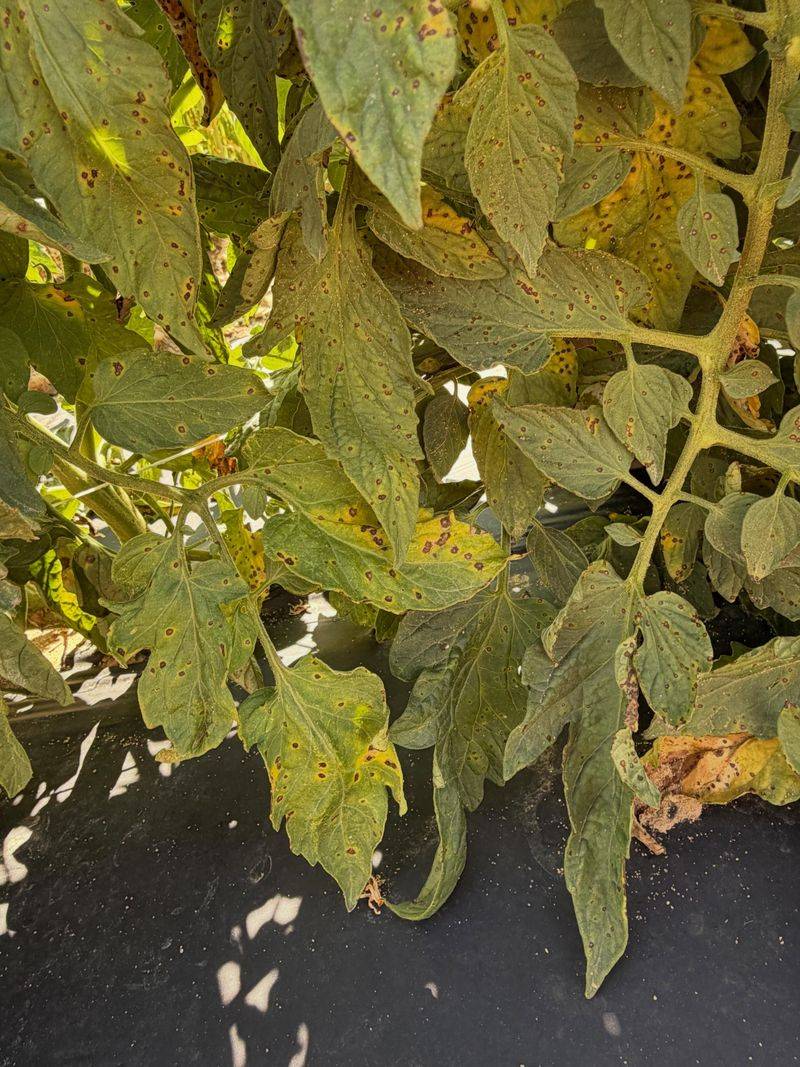
Warm, wet, and humid is a perfect description of a Florida summer afternoon. It is also the exact environment that fungal diseases love most.
Leaf spot, powdery mildew, and downy mildew spread rapidly when foliage stays wet for extended periods. After daily afternoon thunderstorms, that window is easy to hit.
The key is keeping foliage dry whenever possible. Drip irrigation and soaker hoses deliver water at the root level and leave leaves completely dry.
Overhead sprinklers splash water onto leaves and create the wet surface conditions that fungal spores need to germinate. Switching to ground-level watering is one of the highest-impact changes you can make.
Spacing your plants for airflow also matters more than most gardeners realize. Crowded beds trap humidity between leaves and slow the drying process after a storm passes.
Prune lower leaves that sit close to the soil. Soil splashback during rain carries fungal spores from the ground directly onto plant tissue.
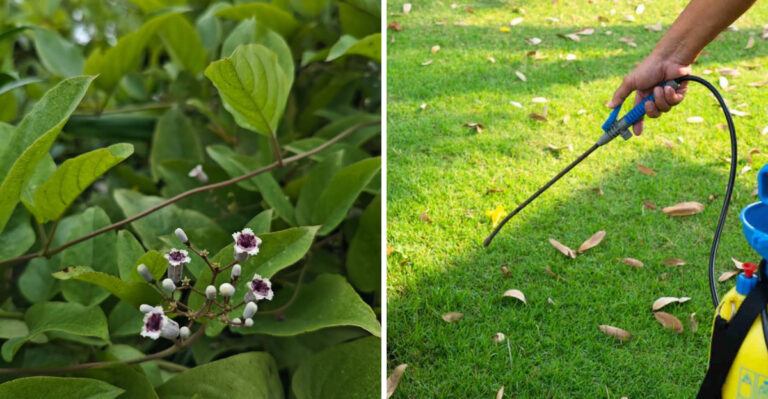
Copper-based fungicide sprays offer a reliable preventive treatment during peak storm season. Apply them in the morning so they dry fully before the afternoon rain arrives.
Neem oil is another popular option that works as both a fungicide and an insect deterrent. Use it on a two-week rotation to stay ahead of outbreaks.
Catching fungal trouble early saves your plants and your season. A quick daily scan of your leaves helps you catch trouble before it spreads.
How Repeated Storms Strip Nutrients From Your Soil
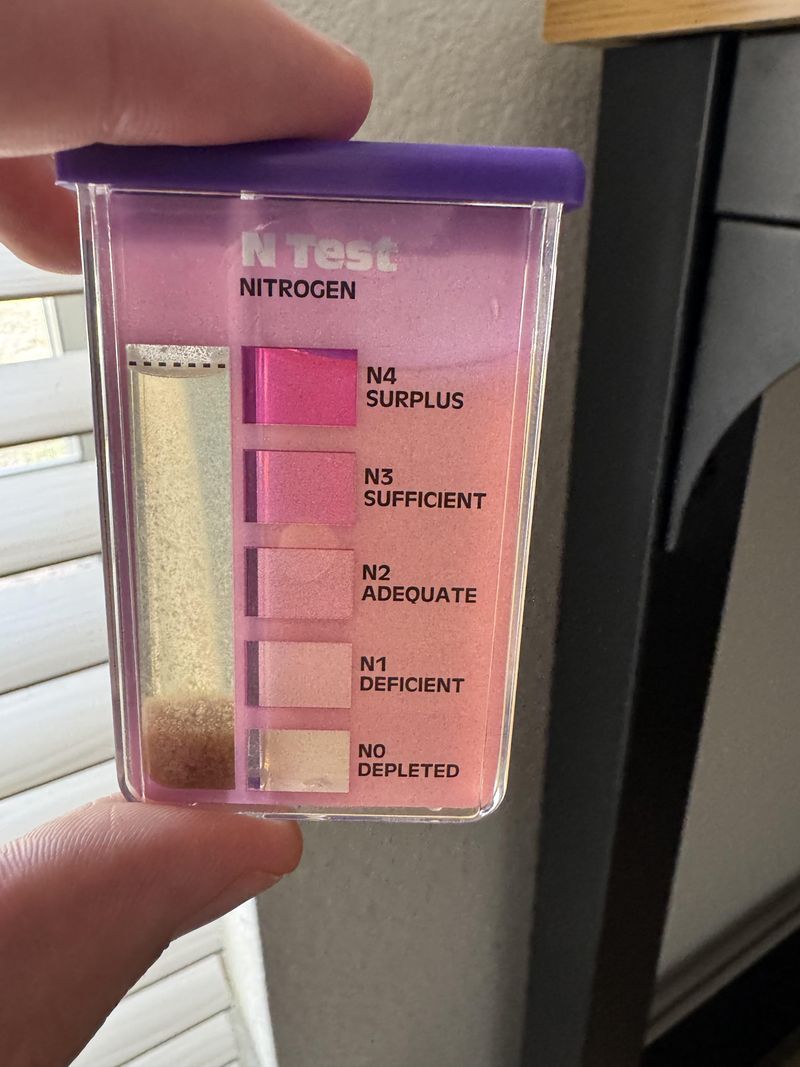
Every storm that rolls through your yard takes something with it when it leaves. Nutrients, especially nitrogen, leach out of Florida’s sandy soil faster than most gardeners expect.
Heavy rain pushes water-soluble nutrients deep past the root zone where plants cannot reach them. After a week of daily storms, your soil can look the same but feed your plants far less.
Yellowing leaves that appear between storms are often a sign of nitrogen loss. New growth that looks pale or stunted is another clear signal that leaching is happening.
Slow-release fertilizers hold up much better than water-soluble types during storm season. They release nutrients gradually over weeks instead of all at once, reducing how much washes away.
Organic fertilizers like fish emulsion and blood meal bond to soil particles more effectively than synthetic options. That bonding slows leaching and keeps nutrients available longer after heavy rain.
Top-dressing your beds with compost every four to six weeks replenishes organic matter continuously. Compost also improves the soil’s ability to hold nutrients between feedings.
Foliar feeding is a smart supplement during periods of intense rainfall. Spraying diluted liquid fertilizer directly on leaves bypasses the soil and delivers nutrients straight to the plant.
Test your soil at least once during storm season to catch deficiencies early. Florida extension offices offer affordable testing kits with specific amendment recommendations.
It also means managing what those storms carry away. Feed your soil consistently and your plants will stay strong all summer long.