Why Vultures Gather Over Florida Homes In Fall And What It Means For Your Yard
A dozen dark wings circle above your roof, and the neighbors across the street are staring too. Nobody wants to be the first to ask.
Fall brings a big show to Florida skies, and vultures take the lead role. They drift in slow loops, tilt on the breeze, and settle on rooftops like they own the deed.
Folks assume the worst. Most guesses miss the mark by a mile.
What they’re doing up there has little to do with your yard, and plenty to do with the season itself. A few of their habits explain the whole scene.
Still, one thing might deserve your attention. Your property could be sending them an invitation without you knowing it.
Take a slow look around your place before you shoo anyone off. The birds are only part of the story.
1. Florida Has Two Vulture Species
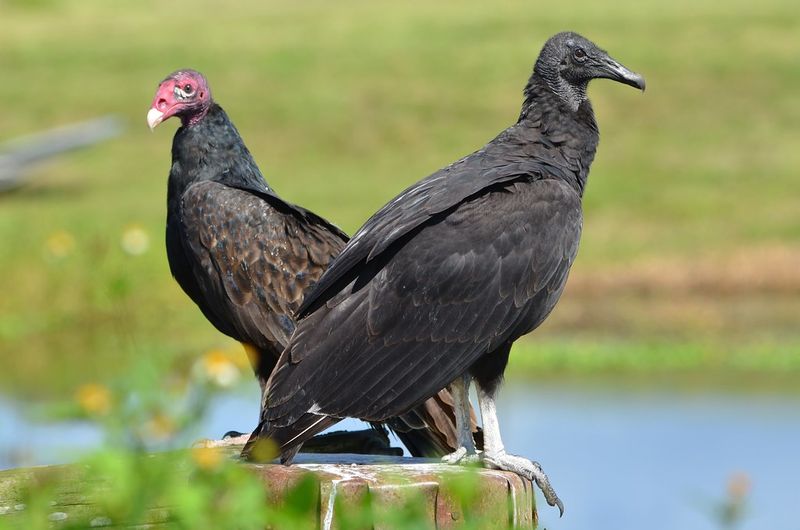
Picture two cousins at a family reunion who look alike from far away. Up close, though, they are easy to tell apart.
The state hosts two native vultures, the turkey vulture and the black vulture. Both clean up the landscape, but they carry themselves in different ways.
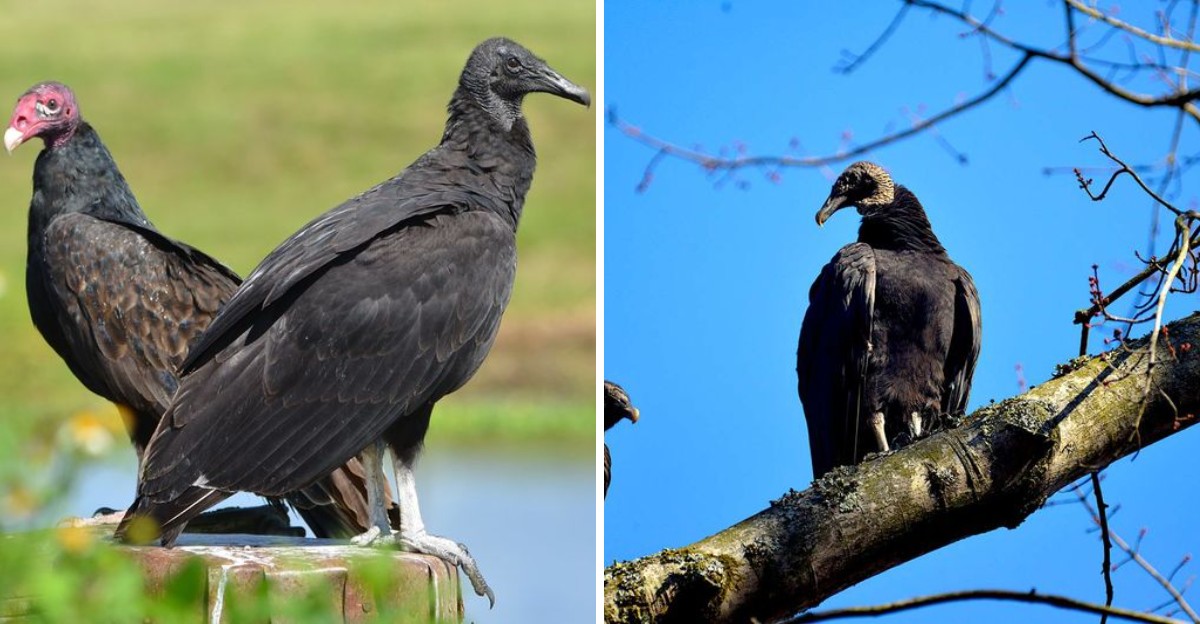
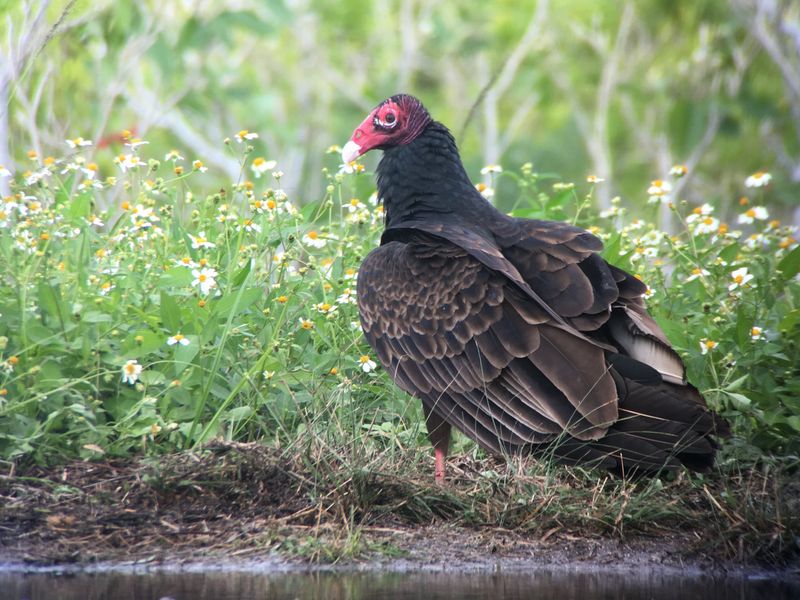
Turkey vultures have bare red heads that look a bit like a wild turkey. That look gave them their common name.
In the air, turkey vultures hold their wings in a shallow V shape. They also tip and wobble like a kite on a breezy day.
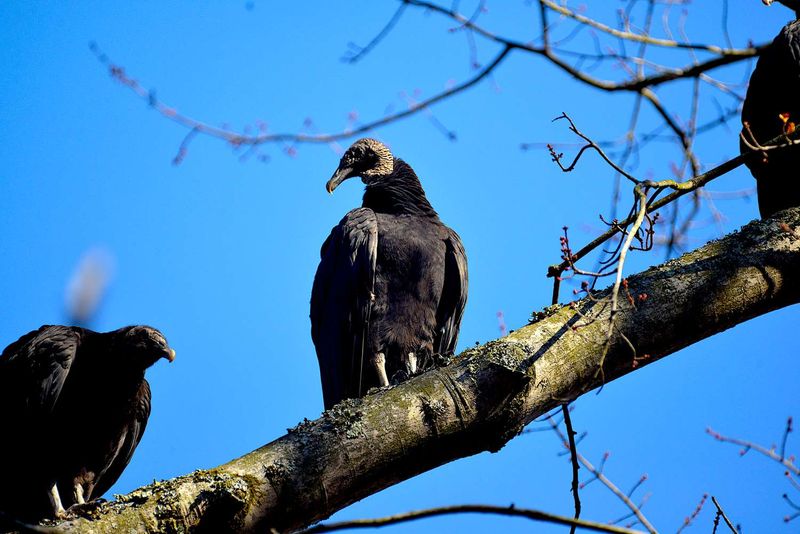
Black vultures wear dark gray or black heads. Their tails are short and square, and the tips of their wings flash silvery white patches.
They flap more often than turkey vultures do. Watch for quick bursts of wingbeats followed by short glides.
Here is a fun fact for your next backyard chat. Turkey vultures have a sharp sense of smell, which is rare among birds.
Black vultures lean on their eyes instead. They often follow turkey vultures to find a meal.
Knowing which bird is overhead matters for your home. The two species behave differently around houses, so identification is your first smart step.
Grab binoculars and watch the next group that circles your street. You may spot both kinds sharing the same sky.
2. Black Vultures Stay Put All Year
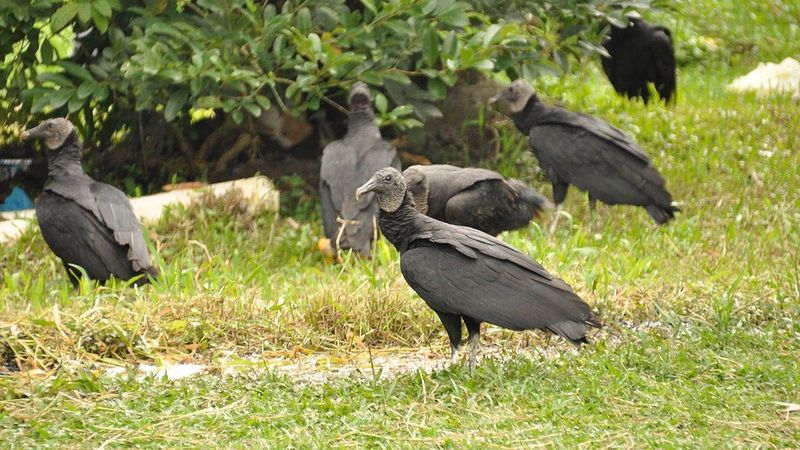
Some neighbors pack up and leave each winter. Black vultures are the homebodies who stick around.
Most black vultures in Florida live here all year long. They raise their young here, hunt for food here, and settle in here.
A few birds from the northern edge of their range may slide a little south in cool months. Still, the Florida crowd mostly stays local.
You can find them in open fields, pastures, and roadsides. Semi-rural suburbs suit them well too.
Black vultures are social birds with strong family ties. Young birds often stay close to their parents for a long time.
Because they live here year round, they learn the area very well. They remember good roosting trees, warm rooftops, and easy snack spots.
For homeowners, the message is simple. If black vultures pick your block, they may treat it as a long-term address.
Your Florida Garden Changes Every Week. Your Plan Should Too.
Gardening in Florida changes quickly throughout the season. Every Friday you’ll receive a simple weekly plan showing exactly what to plant, prune, fertilize, harvest, and protect so you never miss the right timing.
Small habits help a lot here. Keep trash cans sealed, bring pet food inside, and clear away any scraps after cookouts.
Pay attention when you see the same birds sitting in the same spots week after week. Early action is easier than trying to move a settled group later.
Think of it like a guest who visits once and then asks for a key. Polite boundaries early save headaches down the road.
3. Many Turkey Vultures Fly South For The Winter
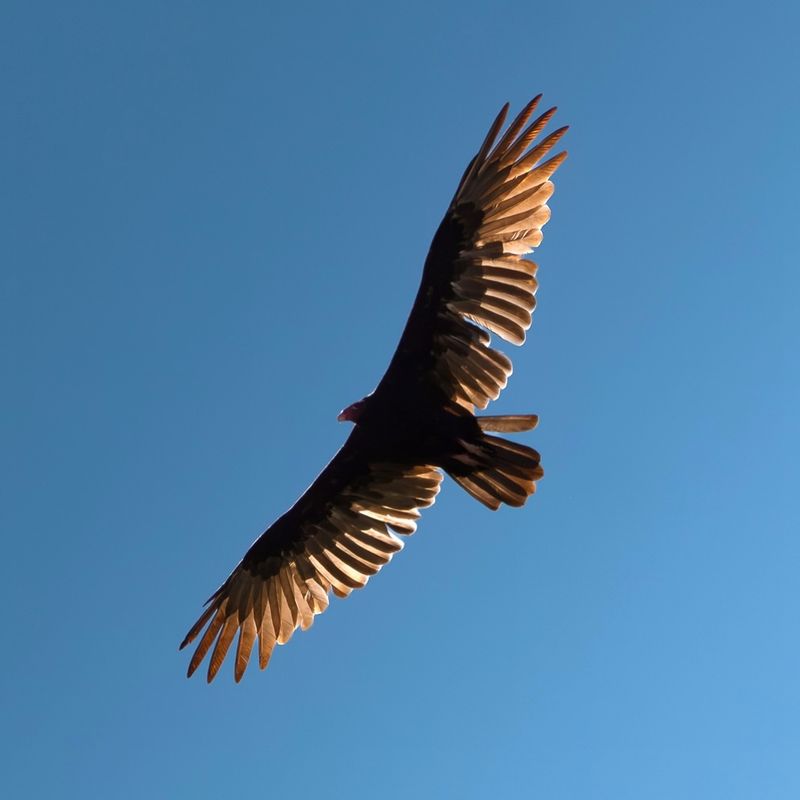
Snowbirds are not only retirees in RVs. Plenty of turkey vultures make the same trip every fall.
Turkey vultures from northern and western areas often migrate. They head toward warmer, subtropical, and tropical places for the cold season.
Birds from the eastern part of the country commonly fly to Florida and nearby southeastern states. It is a long trip, but they travel smart.
These birds barely flap during migration. They ride rising columns of warm air called thermals and glide from one to the next.
Watching a large swirl of them is a real treat. Birders call a circling group a kettle, since it looks like something stirring in a pot.
The trip usually starts in fall. Some birds leave in late August, while others keep moving into November.
Weather plays a big role in timing. A sudden cold snap up north can push a wave of birds south quickly.
So if your sky feels busier in October, you are not imagining it. New arrivals are joining the birds that were already here.
Enjoy the show from your porch with a cup of something warm. Just keep an eye on where they land each evening, because roost choices matter for your property.
4. Turkey Vulture Numbers Peak In Florida In Winter
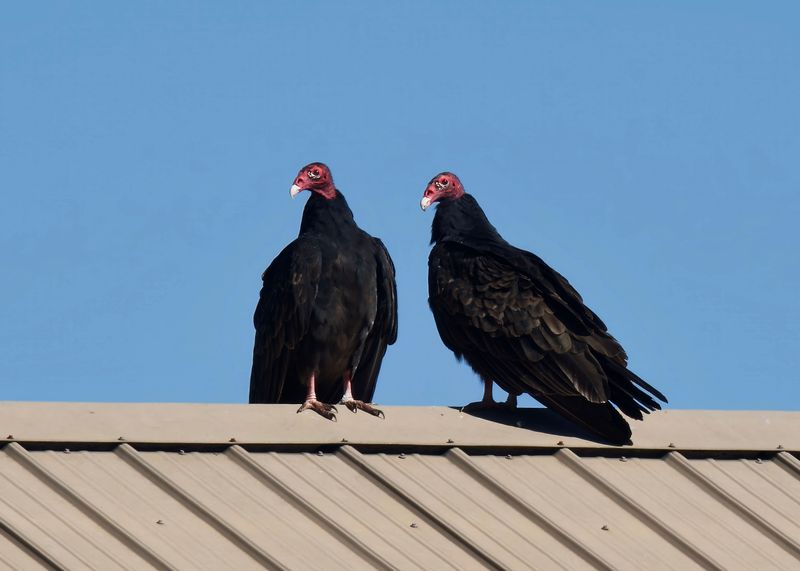
Count the birds in January and you may need extra fingers. The state gets its biggest turkey vulture crowd in winter.
The jump comes from all those migrating birds settling in. They add to the turkey vultures that already live here.
Why make the trip at all? Food gets hard to find up north once cold weather arrives.
Turkey vultures eat what other animals leave behind. Snakes, frogs, lizards, and small mammals are part of that supply.
In cold places, many of these animals hibernate or hide away. That leaves hungry vultures with slim pickings.
Florida stays mild, so wildlife stays active. Mild weather also means warm air rising during the day, which helps vultures soar while searching.
For you, that means more birds overhead and more eyes on your neighborhood. A bigger population can lead to bigger roosts.
Here is a helpful tip. Note when the crowd seems largest near your home and write it on a calendar.
Next year, you can start gentle prevention a few weeks earlier. Removing food sources and checking roof spots before the rush pays off.
Quick bonus fact: turkey vultures cool off by spreading their wings in the morning sun. That pose warms them up and dries their feathers.
5. Big Groups Often Roost Near Neighborhoods
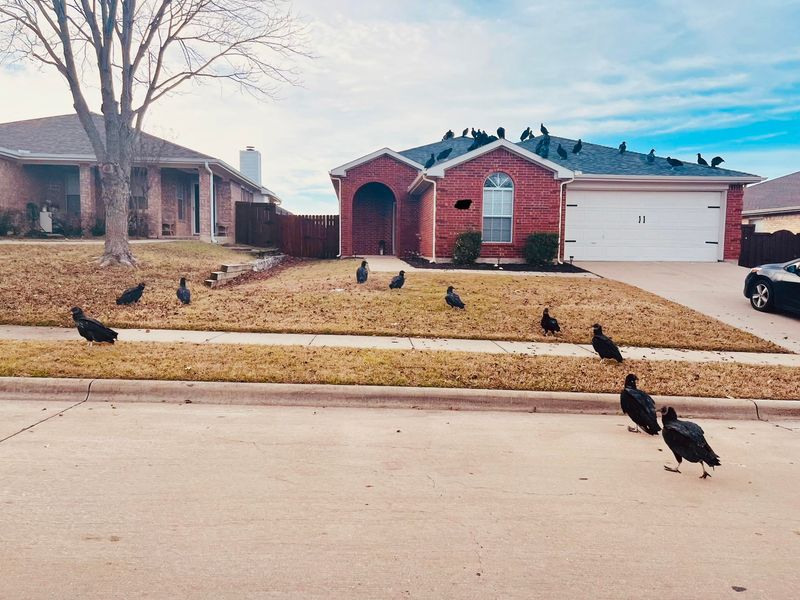
Ever wonder why the birds pick your street instead of a quiet forest? Location, location, location applies to vultures too.
Vultures love company. They rest overnight in big groups that people call wakes or kettles.
These roosts can sit in tall trees, on cell phone towers, or right on top of houses. Neighborhoods often offer all three.
Human activity can create easy food and handy perches without anyone meaning to. Roads, trash, and open lots all play a part.
New construction can also push birds out of old roosting spots. They then search for fresh places nearby, which may include your roof.
Scientists think group roosting helps birds share tips about food. One bird that ate well yesterday may lead others to the same spot.
That is basically a bird breakfast club. It also means one good find can attract a crowd fast.
To make your yard less inviting, start with food. Secure garbage, compost carefully, and feed pets indoors.
Next, look at perches. Trimming lifeless-looking tree limbs, or ones that stick out, can reduce landing space.
Talk with neighbors too. A roost often spans several homes, so teamwork works better than going solo.
6. Black Vultures Can Tear Up Screens And Shingles
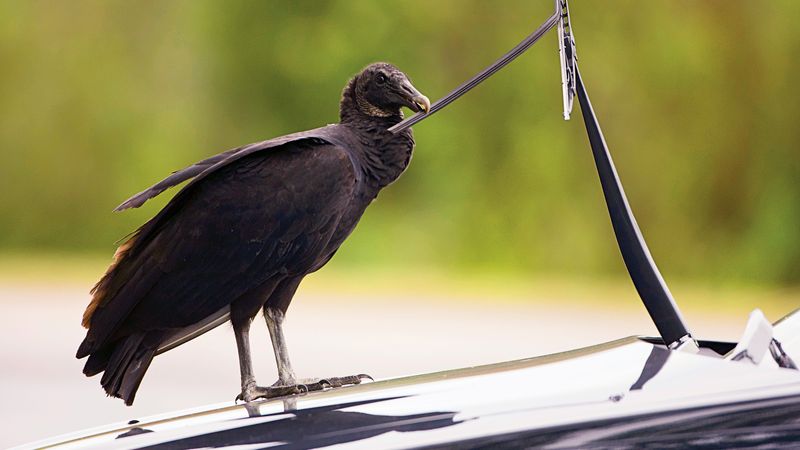
One homeowner described the noise on the roof as rocks being dropped. That clatter was a group of black vultures settling in.
Black vultures are curious, and they like to pick at things. Sadly, your things count.
They have been seen ripping pool screen enclosures. They tug at roof shingles and pull rubber weather stripping off cars.
Strong beaks and claws make quick work of soft materials. Car roofs can end up scratched after a group lands.
Droppings and loose feathers add to the mess. Patios, decks, and pool areas can get messy fast.
So what can you do? Start by checking your screens and roof edges each week during peak season.
Fix small tears right away before they grow. Covering cars or parking in a garage helps protect seals and paint.
Hosing down droppings soon is smart. Wear gloves and avoid stirring up dust when you clean.
Keep pool covers and outdoor cushions put away when not in use. Loose items give curious beaks something to play with.
A little effort keeps repair bills down. Think of it as a weekly patrol for your house, with you as the captain.
7. Vultures Are Protected By State And Federal Law
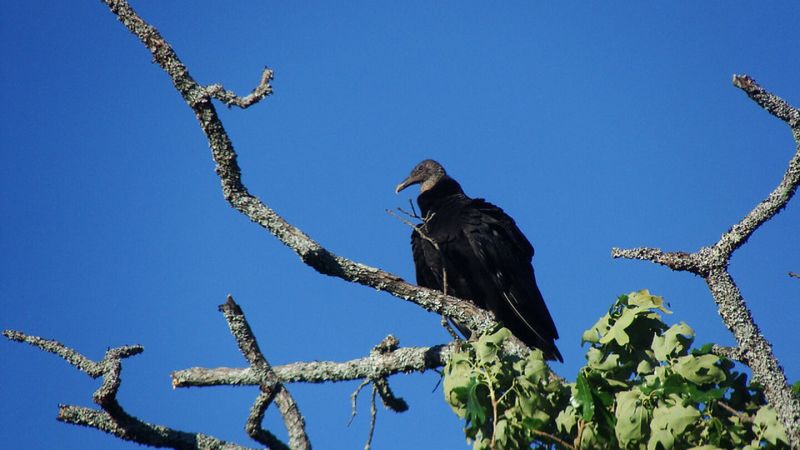
Before you grab a broom and charge outside, take a breath. These birds have legal backup.
Vultures are protected under both Florida and federal laws. The Migratory Bird Treaty Act of 1918 covers them across the country.
That law makes it illegal to harm vultures. It also protects their eggs and nests.
You cannot keep a vulture, or even parts of one, without a special permit. That permit comes from the U.S.
Fish and Wildlife Service.
Here is the good news for frustrated homeowners. Scaring vultures so they move on is generally allowed without a permit.
Things get different if an action could injure or remove birds. Those steps need proper approval first.
The law exists because vultures do valuable work. They clean up the environment and help stop the spread of germs.
So the goal is peaceful moving, not harm. Encouraging birds to choose another spot keeps you on the right side of the rules.
When in doubt, call your local wildlife office. A quick phone call can answer questions and prevent costly mistakes.
Fun history bit: the 1918 treaty began as an agreement between the United States and Great Britain. Canada was part of the British Empire then.
8. FWC Says Pyrotechnics Can Scare Off Destructive Birds
Bang, pop, and fizz can be your friends here. The Florida Fish and Wildlife Conservation Commission lists noise makers as a useful tool.
Pyrotechnics are loud devices that startle birds. Examples include shell crackers fired from a 12-gauge shotgun and launchers shaped like pistols.
Not into loud stuff? FWC also mentions propane cannons, recorded bird distress calls, and red lasers.
Shiny Mylar balloons can help too. Effigies, which are fake vultures, are another option.
Effigies work especially well on black vultures. Hanging one upside down with wings spread sends a strong message.
The secret is mixing it up. Birds get used to one trick, so rotate methods often.
Timing matters as well. Start right when a problem appears, before the group feels at home.
Be consistent, especially in the evening when birds arrive to roost. A few nights in a row works better than one big blast.
Before using fireworks or anything loud, call your local authorities. City and county rules can differ.
Give your neighbors a heads up too. Nobody likes surprise booms at sunset, and friendly warnings keep the peace.
9. USDA Wildlife Services Can Help With Bigger Problems
Sometimes the roost wins round one. That is when it helps to call in the pros.
USDA Wildlife Services helps people with serious vulture problems. Their staff knows how these birds think and move.
They often use a mix of methods. Changing habitat, scaring birds away, and managing numbers can all be part of the plan.
Habitat changes might mean trimming trees or blocking favorite perches. Small fixes can make a roof far less appealing.
Homeowners can also hire Wildlife Services workers to carry out scare work. Stronger control steps are possible too, but only with the right federal permit.
The agency has even written guidelines on using effigies to break up roosts. That shows how well the method has been tested.
So when should you call? Consider it if damage keeps happening, the group keeps growing, or home efforts are not working.
Gather notes before you reach out. Write down bird counts, times, and any damage, and snap a few photos.
Good records help experts design a plan that fits your property. It also speeds up the whole process.
With patience and the right partners, your yard can return to normal. The birds can find a new spot that suits everyone better.