What Oregon Gardeners Should Prune In September Before Fall Rain Returns
September in an Oregon garden has a very particular energy.
The dry days of late summer are still holding on, everything looks a little sun-baked and tired, and there is that unmistakable feeling in the air that the fall rains are getting ready to show up and change everything.
That transitional moment is actually a genuinely useful window for a specific set of pruning tasks, particularly for plants that do better when cuts are made in dry conditions rather than wet ones.
Before anyone reaches for the pruners though, a word of caution: this is not an invitation to start cutting everything that looks like it could use a trim.
September pruning in Oregon is selective, timing still varies depending on your location and your season, and plenty of plants are much better left alone until later. Knowing the difference is the whole game.
1. Sweet Cherry Trees Benefit From Dry-Weather Pruning
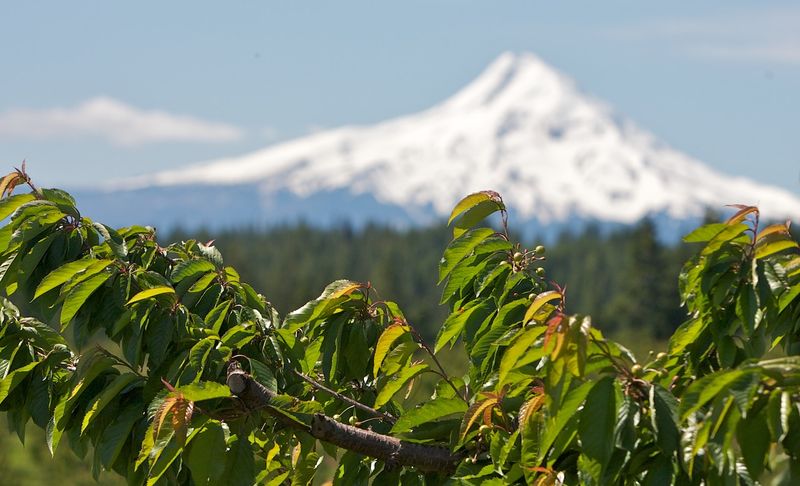
Bacterial canker is one of the most serious concerns for sweet cherry growers across the Pacific Northwest, and it plays a big role in shaping when pruning should happen.
The bacteria that cause this disease can enter trees through fresh pruning wounds, and wet, cool conditions make infection more likely.
That is why Pacific Northwest horticultural guidance has long favored pruning sweet cherries during dry weather, often after harvest wraps up rather than during the rainy season.
In much of Oregon, harvest for sweet cherries typically finishes sometime in summer, leaving a window of dry weather before fall rains arrive.
If a tree has crossing branches, deteriorating wood, or structural problems that need attention, completing that work while conditions remain dry can help reduce the chance of wound-related infection.
Dry weather does not make pruning wounds completely safe from disease, but it does remove one of the conditions that tends to favor bacterial spread.
Not every sweet cherry tree needs pruning each September. If a tree looks healthy and well-shaped, leaving it alone is a reasonable choice.
Focus any September pruning on branches that are clearly damaged, diseased, or creating structural problems. Keep cuts clean, avoid leaving stubs, and let the tree head into fall with the best possible chance of staying healthy through the wet months ahead.
2. Flowering Cherries Need The Same Dry-Weather Caution
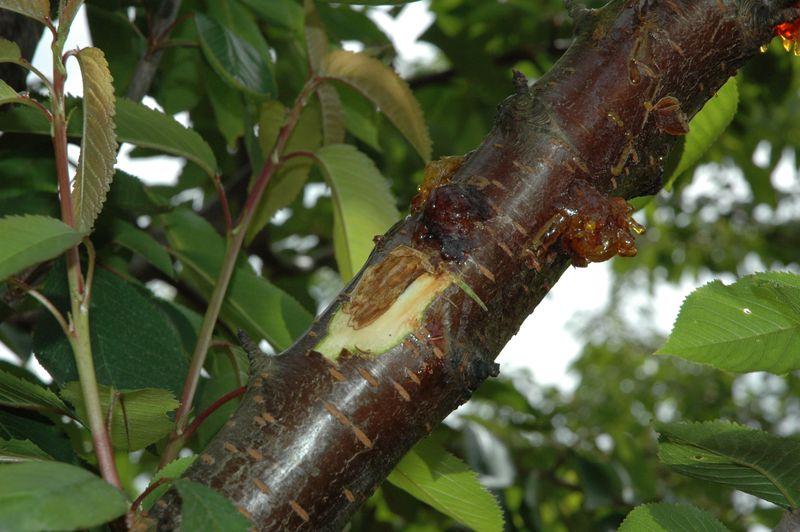
Ornamental flowering cherries are some of the most beloved trees in Oregon landscapes, lining streets and filling front yards with spring color.
What many homeowners do not realize is that these beautiful trees share a significant weakness with their fruit-bearing cousins: they are also susceptible to bacterial canker, the same disease that concerns sweet cherry growers across the Pacific Northwest.
When diseased or cankered branches appear on a flowering cherry, removing them during dry summer or early fall weather is generally preferable to waiting until cool, wet conditions settle in.
Pruning wounds stay drier and are less exposed to the wet, humid air that can favor bacterial activity.
If a branch shows signs of decline, sunken bark, or oozing amber gum, those are signals worth addressing before the rainy season takes hold in western Oregon valleys and along the coast.
Your Oregon Garden Changes Every Week. Your Plan Should Too.
Gardening in Oregon changes quickly throughout the season. Every Friday you’ll receive a simple weekly plan showing exactly what to plant, prune, fertilize, harvest, and protect so you never miss the right timing.
The key word here is necessary. September is not an invitation to heavily reshape a healthy ornamental cherry just because the calendar has turned.
Routine shaping of flowering cherries is better handled at other times, such as right after bloom when the tree’s energy is still high. Save September attention for branches that are clearly affected by disease or physical damage, and keep cuts minimal and precise.
Thoughtful, targeted pruning will serve these trees far better than aggressive seasonal cutting.
3. Summer-Bearing Raspberries Can Lose Spent Canes
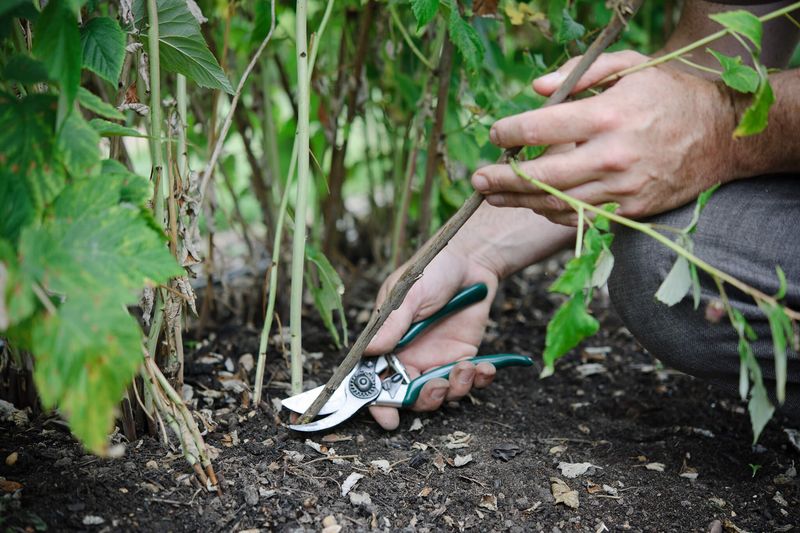
Raspberry canes have a two-year life cycle that every Oregon berry grower should understand before reaching for pruners in September. First-year canes, called primocanes, grow from the crown but produce no fruit in their first season.
In their second year, those same canes become floricanes, flower, and carry the season’s berry crop. Once a floricane has finished producing, it will not fruit again.
After summer-bearing raspberries finish their harvest, those spent floricanes can be removed at the crown. Cutting them out clears space for the younger primocanes that are already growing and will carry next year’s crop.
In gardens where cane diseases have been a concern, getting spent canes out of the patch sooner rather than later can help reduce sources of disease that might otherwise carry over into the following season.
One important caution: do not accidentally remove the healthy new primocanes during general September cleanup. Those green, vigorous first-year canes need to stay in place because they are the future of your berry patch.
Some Oregon gardeners and guides suggest that removing spent canes right after harvest is ideal, while others note that waiting until winter is also acceptable when disease pressure is low.
The right timing depends on your specific situation, your local conditions, and how your season has unfolded.
Either way, knowing which canes to remove and which to protect is the most important part of the job.
4. Black And Purple Raspberries Are Ready For Cleanup
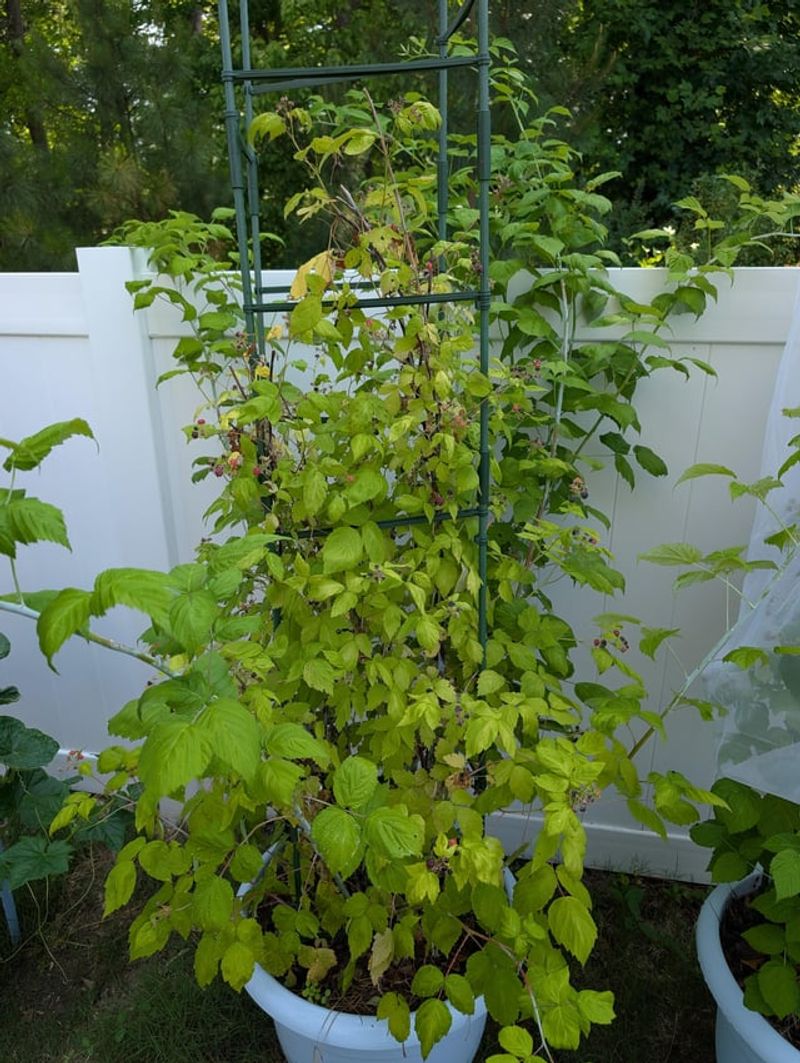
Black and purple raspberries follow the same basic floricane-and-primocane pattern as red summer-bearing varieties, but they tend to have slightly different growth habits and timing that Oregon gardeners should keep in mind.
Once the harvest season for these varieties has wrapped up, the canes that carried the fruit have finished their productive life.
Those spent floricanes can be removed from the crown any time after harvest through the dormant season.
September can be a practical time for this cleanup, especially when harvest ran a little later or when the patch got busy during the summer and removal was delayed.
Clearing out the old canes helps open up airflow through the planting, which can matter in Oregon gardens where fall moisture tends to encourage fungal problems.
It also makes it easier to see and care for the healthy new primocanes that are working their way up through the patch.
As with summer-bearing red raspberries, the goal in September is targeted removal of spent growth, not a full renovation of the planting.
The new primocanes that emerged this season need to stay in place and will be trained, tipped, and shaped at the appropriate times later in the season or next spring.
Think of September cleanup for black and purple raspberries as finishing a task that harvest started, rather than launching a major pruning project. Keep the work focused and let healthy new growth continue without interruption.
5. Trailing Blackberries May Need Post-Harvest Pruning
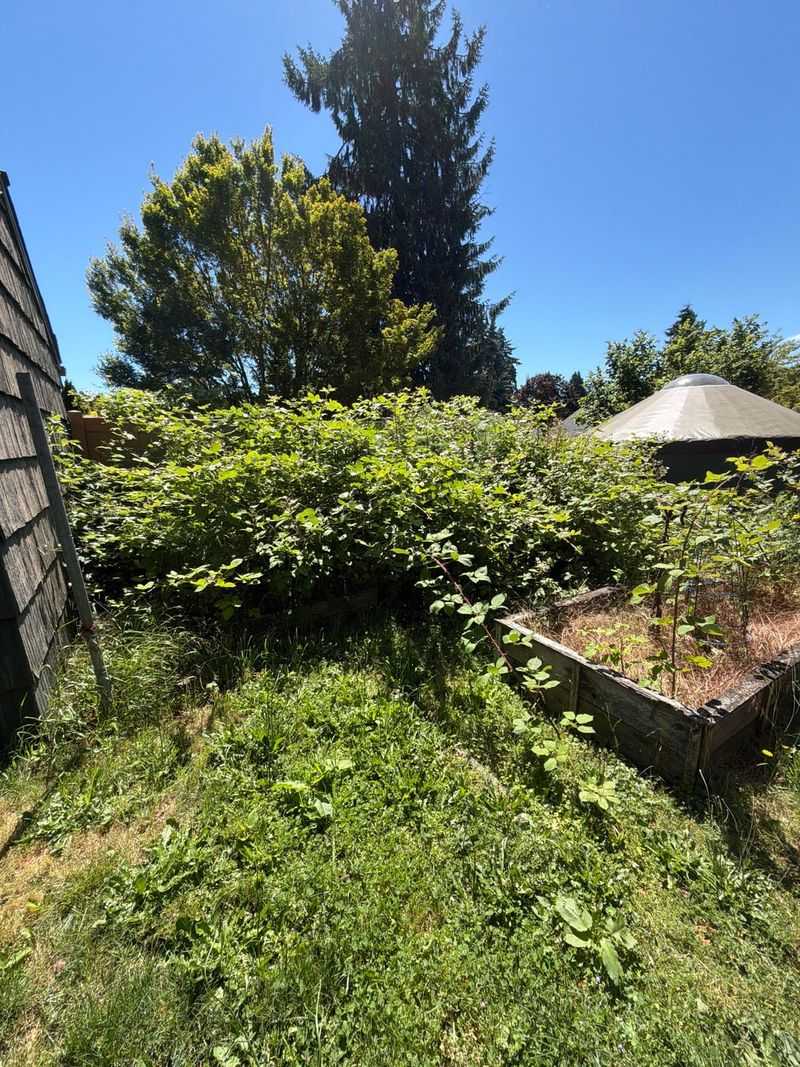
Marionberries, boysenberries, loganberries, and other trailing blackberry types grown across Oregon share the same floricane fruiting habit as raspberries.
Canes that fruited this season will not produce again, so removing them after harvest is a standard part of managing these plantings.
Trailing varieties are typically trained on a trellis, making cane removal a more involved process of unwinding and cutting out old growth from the support wires.
In much of the Willamette Valley and other productive blackberry-growing regions of Oregon, trailing blackberry harvest often wraps up before September arrives.
That means post-harvest pruning may already be done for many growers by the time this month rolls around.
For gardens where harvest ran later, or where the removal task got pushed back due to a busy summer schedule, early September can still be a reasonable time to complete that work before fall rain and cooler temperatures arrive.
New primocanes that grew up during the current season should be left in place and protected. They will be trained onto the trellis and managed through the dormant season in preparation for next year’s crop.
September is not a universal target date for trailing blackberry pruning across all of Oregon, since timing depends heavily on when harvest actually finished in your specific location and the variety you are growing.
Use harvest completion as your guide rather than the calendar alone.
6. Old-Wood Hydrangeas Can Be Shaped After Blooming
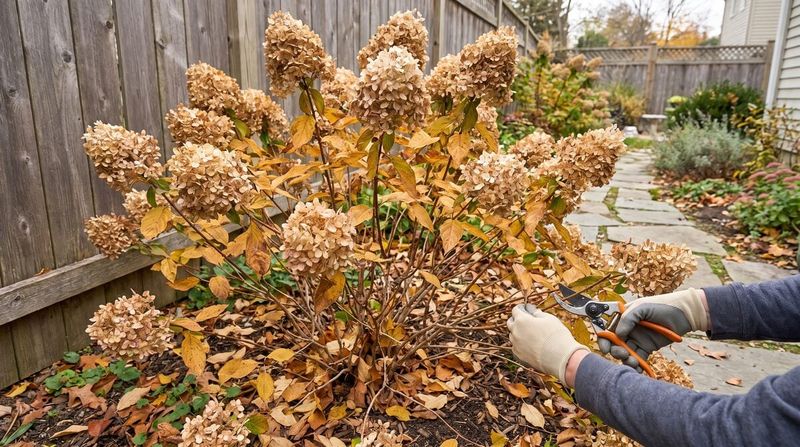
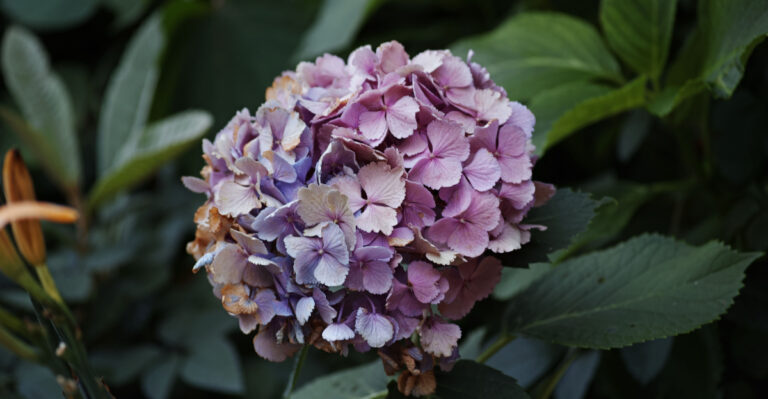
Bigleaf hydrangeas, serrata hydrangeas, and oakleaf hydrangeas all share an important trait that shapes when they should be pruned: they develop next year’s flower buds on older wood from the current season.
That means pruning too late in fall or too early in spring risks cutting off the buds before they ever get a chance to open.
For gardeners who want to protect next year’s blooms, timing any pruning to the period right after flowering finishes is the safest approach.
In parts of Oregon, flowering on bigleaf and oakleaf hydrangeas may wrap up by late summer or early September, depending on the variety and local conditions.
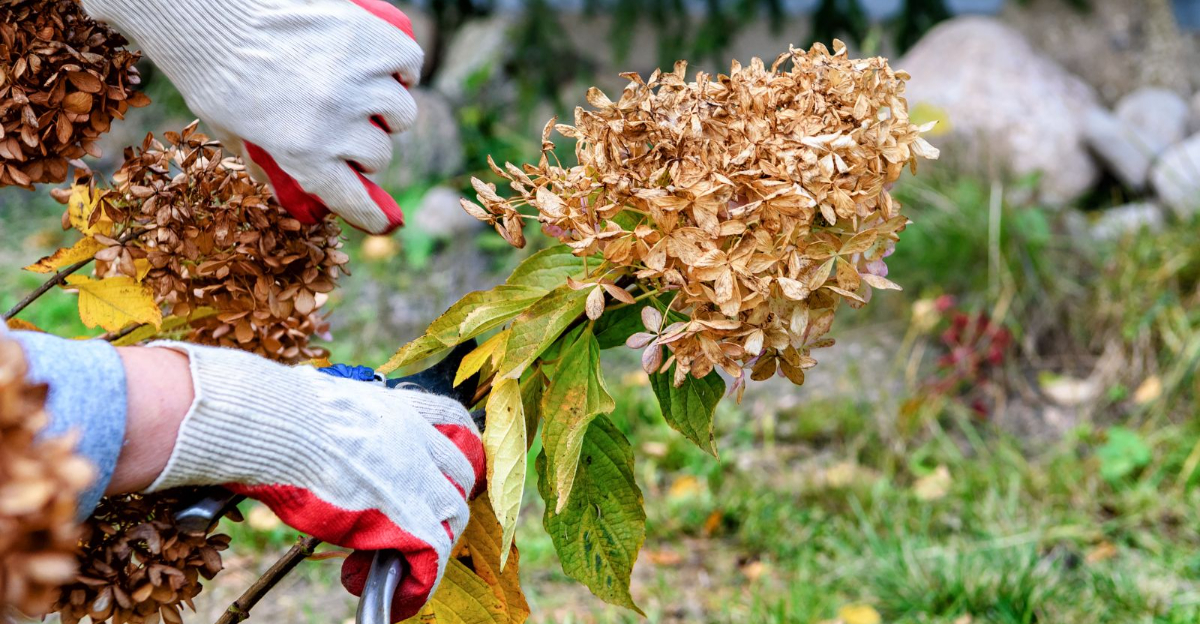
If blooms have clearly faded and the season’s flowering cycle is finished, light shaping or removal of weak, damaged, or crossing stems can fit comfortably into this window.
Deadheading spent flower clusters is generally fine and can tidy up the shrub without risking next season’s buds.
Keep in mind that these old-wood bloomers are quite different from panicle hydrangeas and smooth hydrangeas, which produce flowers on new growth each year and follow a different pruning schedule.
Avoid giving old-wood types a heavy cutback in September based on the assumption that all hydrangeas respond the same way.
Light, selective work on finished blooms and problem stems is the appropriate level of attention for these varieties at this time of year in an Oregon garden.
7. Junipers With Twig Blight Need Targeted Pruning
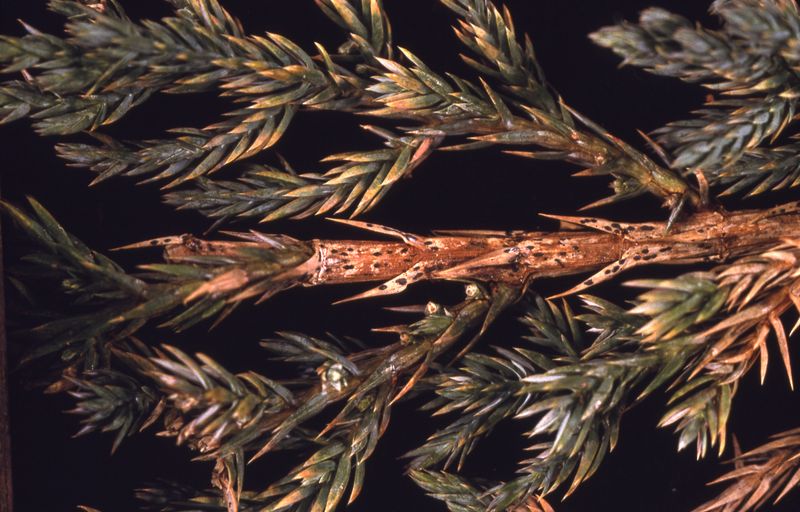
Phomopsis twig blight and kabatina twig blight are two fungal diseases that can show up on junipers across Oregon, causing branch tips to turn brown and appear scorched or wilted.
These problems are sometimes mistaken for drought stress or winter damage, but a closer look usually reveals that the browning follows the pattern of disease rather than environmental stress alone.
When affected twigs or branches are identified, removing them can be part of a reasonable management approach.
September can be a practical time to address twig blight on junipers because conditions are still relatively dry in much of Oregon before fall rain arrives.
Cutting out affected growth and disposing of it away from the plant helps reduce the amount of fungal material that could spread during wetter weather.
Sanitizing pruning tools between cuts is also a worthwhile habit when working on diseased plants, helping avoid moving spores from one branch to another.
The important distinction here is that September pruning of junipers should be a response to an identified problem, not a routine seasonal task. Healthy junipers with no signs of blight do not need to be pruned simply because fall is approaching.
Unnecessary cuts on healthy plants can create entry points for other issues without providing any real benefit.
If you are unsure whether browning on a juniper is caused by disease or something else, a local Oregon State University Extension office can often help with identification before you start cutting.
8. Damaged Young Douglas-Firs Can Be Cleaned Up
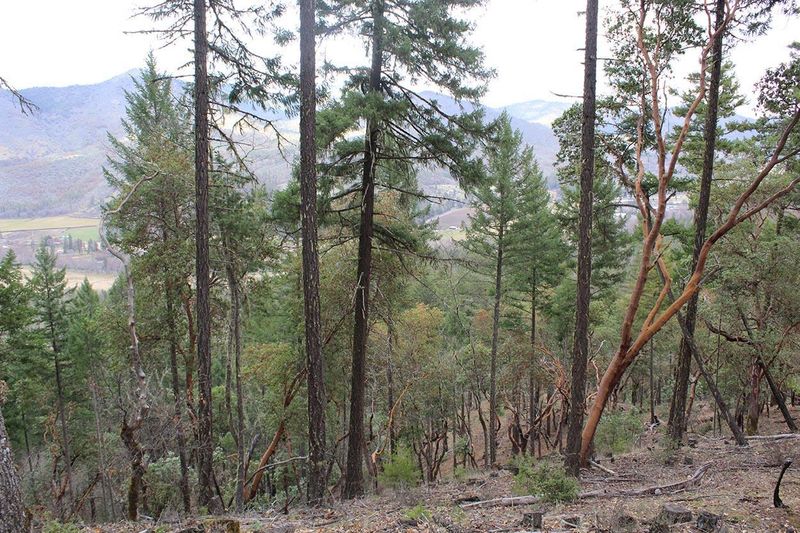
Young Douglas-firs in Oregon residential landscapes occasionally show branch damage from problems like Douglas-fir twig weevil, cankers, or physical breakage that leaves sections of the tree looking ragged or unhealthy.
Unlike routine shaping, which is generally not recommended for healthy conifers outside of specific training situations, removing clearly affected branches is a different kind of task with a more targeted purpose.
Pacific Northwest guidance supports the removal of damaged or affected branches on young trees when those branches are clearly compromised.
Early fall, before prolonged wet weather sets in, can be a reasonable time to handle this kind of cleanup because wounds have a chance to begin sealing under drier conditions.
Getting rid of weevil-damaged tips or cankered sections also removes material that could otherwise harbor problems through the wet Oregon winter.
This advice applies specifically to young trees with identifiable damage, not to mature, healthy Douglas-firs that are performing well in the landscape.
Mature native conifers generally do not need or benefit from routine pruning by homeowners, and removing large branches from established trees is a job best handled by a certified arborist.
For younger landscape trees showing specific problems, targeted September cleanup can be a sensible step.
Keep cuts clean, remove only what is clearly affected, and avoid taking healthy branches simply to tidy up the overall shape of the tree before fall arrives in Oregon.