This Garden Pest Is New To Minnesota, And It Hides Where You’d Never Look
Bugs rarely make headlines, but this one just did. Gardeners across Minnesota noticed something crawling where nothing had crawled before.
Experts confirmed a species never recorded in this state, and the discovery surprised local entomologists. Yet reports surfaced again, proving this pattern held true.
This mysterious creature lives underground before reaching your plants. Roots, leaves, and lawns all become potential targets. Scientists are tracking its movement across Minnesota gardens closely.
You might already have it resting in your soil. Farmers, hobbyists, and researchers alike are paying close attention. Damage spreads quietly, often unnoticed until it finally grows severe.
Adults feed at night, disappearing again before dawn returns. Larvae quietly feast on roots beneath your feet right now. Nothing about this sudden appearance feels small, slow, or ordinary.
Nowhere has this state faced a pest quite like this. Your yard might already be next, and you need answers.
What The Asiatic Garden Beetle Actually Is
Picture a beetle that looks harmless but is gradually damaging your garden from the roots up.
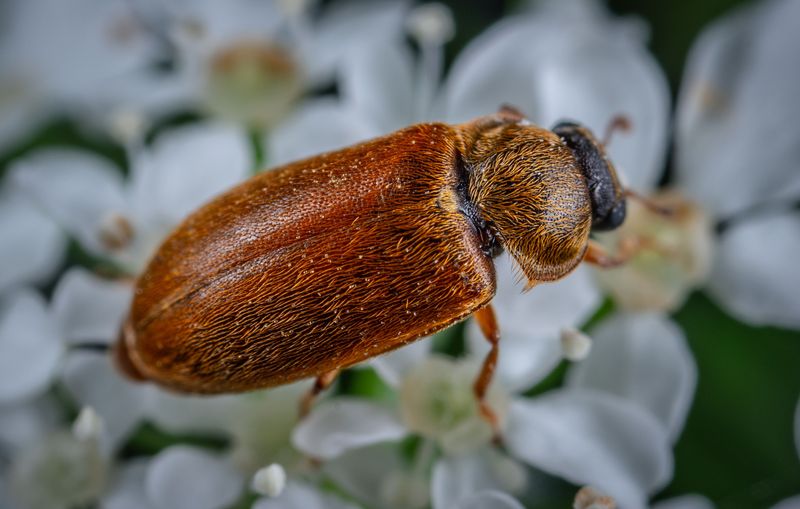
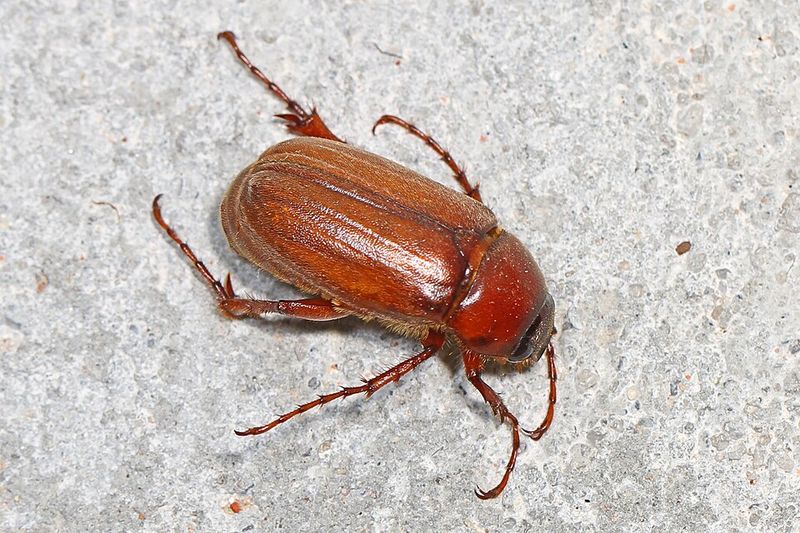
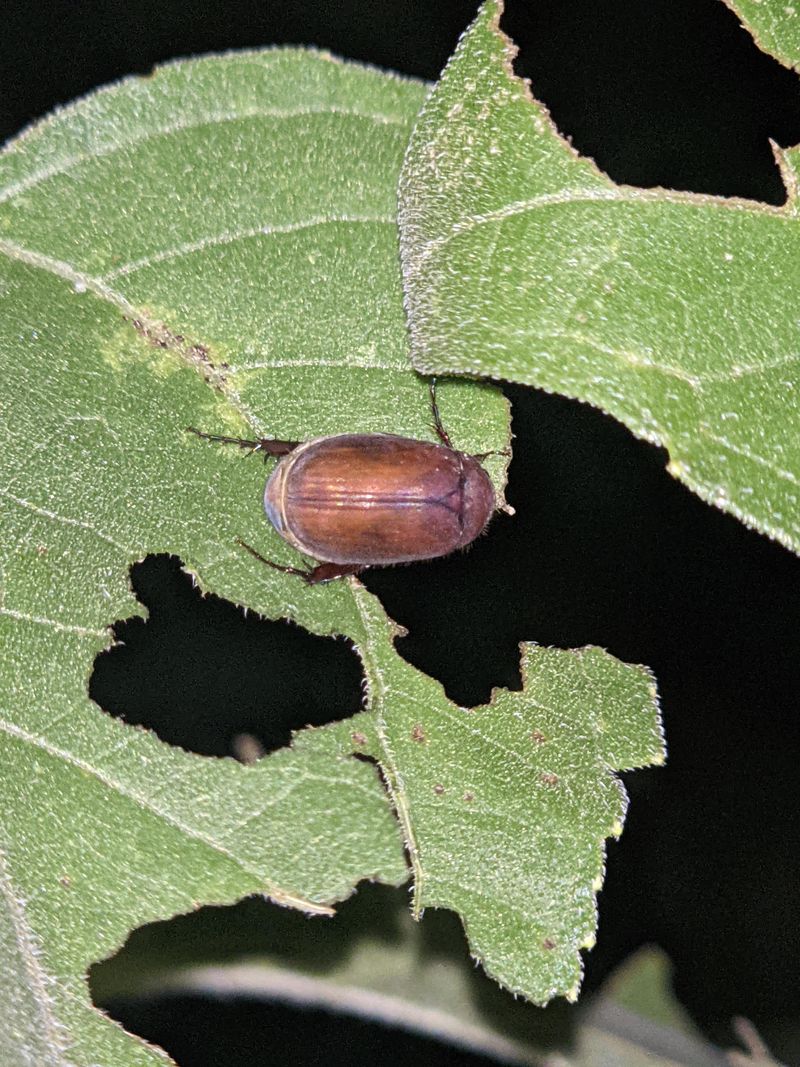
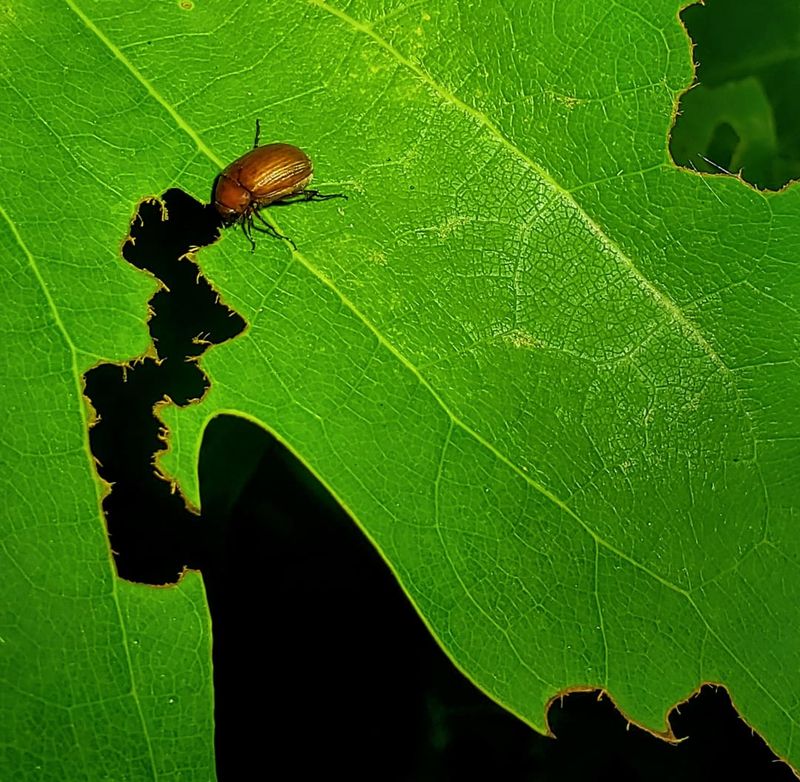
The Asiatic garden beetle, known scientifically as Maladera castanea, is a small but stubborn pest. It measures about a third of an inch long and has a shiny chestnut-brown shell.
Originally from Asia, this insect made its way to the eastern United States decades ago. It has been slowly spreading westward ever since. Now it has shown up in a place it has never been recorded before.
Adult beetles are most active at night, which makes them easy to miss. They fly toward lights and chew through plant leaves with surprising speed. During the day, they hide in the soil or under leaf piles.
What makes this pest especially tricky is its two-stage damage. Adults eat foliage above ground, while their larvae, called grubs, feed on plant roots underground. Both stages can noticeably damage garden plants.
The grubs look like small white C-shaped worms curled up in the dirt. They spend months feeding on roots before becoming adults.
By the time visible damage appears, the grubs may have already been feeding on roots for weeks. Gardeners often confuse this beetle with the Japanese beetle, but they are different insects.
The Asiatic garden beetle has no white tufts on its sides, unlike its more well-known cousin. Knowing the difference matters a lot when choosing how to respond.
How It Was First Discovered In Minnesota
Nobody expected to find this bug here, and that is exactly what made the discovery so surprising.
According to the University of Minnesota Extension, a resident in the Twin Cities area noticed unusual chewing patterns on her plants and photographed the insect responsible.
She sent the image to the University of Minnesota Extension office, where experts identified it as the Asiatic garden beetle, a first for the state.
The report set off a chain of alerts among entomologists and garden specialists. What made things even more unusual was the second sighting. Just weeks later, another gardener in a different part of the state reported the same insect.
Your Minnesota Garden Changes Every Week. Your Plan Should Too.
Gardening in Minnesota changes quickly throughout the season. Every Friday you’ll receive a simple weekly plan showing exactly what to plant, prune, fertilize, harvest, and protect so you never miss the right timing.
According to University of Minnesota Extension entomologists, two confirmed sightings in one month suggested the beetle may already be established rather than a one-time occurrence.
Entomologists believe the beetle likely arrived through the plant trade or in soil attached to nursery stock.
Beetles can travel long distances hidden inside potted plants or garden supplies. Once established in a new area, they spread quickly on their own.
The back-to-back discoveries led to a request for gardeners across the state to report sightings.
Extension offices began asking residents to report any suspicious beetles they found. The goal was to map how far the insect had already spread.
Early detection is critical when a new pest arrives in a region. The faster experts can track its location, the better the chances of slowing it down. These two sightings gave researchers a head start they badly needed.
Which Plants Are Most At Risk

Not every plant in your yard faces the same level of danger, but the list of targets is long. The Asiatic garden beetle is not a picky eater, and that is part of what makes it such a problem. It feeds on more than 100 different plant species.
Roses are one of its top targets, and gardeners who grow them should be especially watchful.
The beetle chews jagged holes in petals and leaves, leaving plants looking ragged and weak. A heavy infestation can significantly damage a rose bush within a few nights.
Vegetable gardens are also at risk, particularly crops like carrots, beets, and corn. The grubs feed on root vegetables from below, cutting off the plant’s nutrient supply. Above ground, the plants may look fine until they suddenly wilt and collapse.
Turf grass is another common victim, especially lawns with sandy or loamy soil. Grubs feeding on grass roots cause brown patches that pull up like loose carpet. Homeowners often mistake this damage for drought stress or disease.
Ornamental plants like astilbe, aster, and black-eyed Susans are also on the menu. Even some trees and shrubs can be affected by grub activity near their root zones. No garden is completely off limits when this beetle moves in.
Knowing which plants face the most risk helps you prioritize where to focus your attention. Start by checking your roses and root vegetables first. Acting early on the most vulnerable spots can save the rest of your garden.
Signs Of Infestation Gardeners Should Watch For

Catching this pest early means knowing exactly what to look for before the damage gets out of hand. The signs are there if you know where to look, and they show up both above and below the soil surface.
Staying observant can make the difference between a manageable problem and a garden disaster.
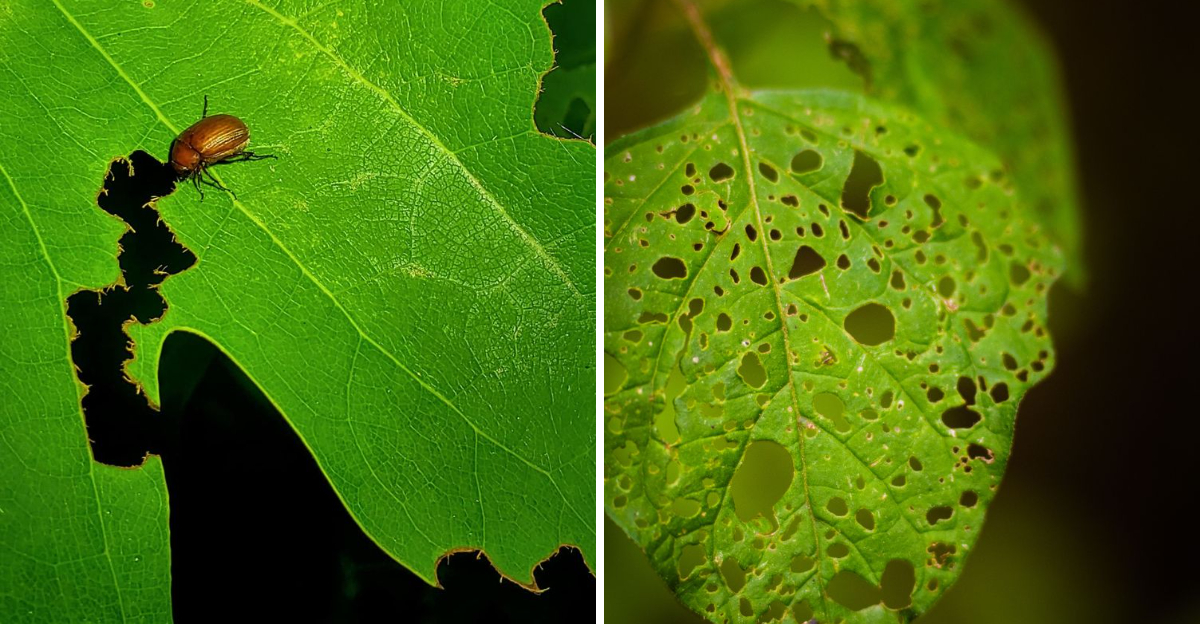
Above ground, watch for ragged, irregular chewing on leaf edges and flower petals. Unlike caterpillars that eat in straight lines, these beetles tear through leaves in messy patterns. The damage often appears overnight since adults feed after dark.
You might also notice plants that seem healthy in the morning but look stressed by afternoon.
That sudden wilting can signal that grubs are cutting through roots underground. Pull up a struggling plant and check the soil around its base for small white grubs.
Brown patches in your lawn are another red flag worth investigating. Grab a section of affected turf and tug firmly. If it peels back like a carpet with no roots attached, grubs are likely the cause.
Adult beetles are attracted to outdoor lights, so check your porch light area on warm nights. Finding multiple beetles gathered near a light source is a useful identifying clue. Catching them in the act gives you a chance to identify the species right away.
A flashlight walk through the garden after sunset can reveal a lot. Beetles active on plant surfaces at night are far easier to spot than during the day. Trust your eyes and act on what you find.
Why This Pest Is Hard To Control
Anyone who has dealt with a persistent garden pest knows that some bugs are difficult to control.
The Asiatic garden beetle falls firmly into that category, and its life cycle is a big part of why. Targeting it at the wrong time means the treatment does almost nothing.
The pest spends most of its life underground as a grub, where it is shielded from many surface treatments.
By the time adults emerge and become visible, the next generation of eggs may already be in the soil. Breaking that cycle requires precise timing and multiple approaches.
Chemical pesticides can work on adult beetles, but they must be applied at the right moment.
Treating too early or too late in the season reduces effectiveness significantly. Many common garden sprays do not penetrate deep enough to reach the grubs below.
Biological controls like beneficial nematodes offer a more targeted underground solution. These microscopic organisms seek out and target grubs in the soil naturally.
However, they require specific soil moisture and temperature conditions to survive and work well.
The beetle’s nocturnal habits also make manual removal difficult for most gardeners. Handpicking works for some pests, but staying outside with a flashlight every night is not practical for everyone.
Traps using light can help reduce adult populations but rarely remove them entirely. Resistance to certain pesticides has also been documented in related beetle species.
That possibility means relying on a single control method is risky. A layered strategy combining biological, cultural, and chemical tools gives the best results.
Steps To Report And Prevent Its Spread
Spotting a bug you have never seen before in your garden is the start of something important, not just a curiosity.
Reporting it correctly can help protect gardens across the entire region. Your single observation could give scientists the data they need to act faster.
Start by photographing the beetle from multiple angles before it escapes. A clear photo showing the shell color, size, and any markings makes identification much easier. Try to capture it next to a coin or ruler for scale.
Submit your report through the University of Minnesota Extension website or the EDDMapS invasive species reporting tool.
Both platforms allow you to upload photos and note the exact location of your sighting. Accurate location data helps researchers track the spread in real time.
On the prevention side, start by inspecting any plants you bring home from a nursery. Check the soil in the pot for grubs and the leaves for adult beetles. One infested plant from a garden center can introduce the pest to an entire neighborhood.
Avoid moving soil, mulch, or plants from areas where the beetle has been confirmed. Beetles and grubs can hitchhike in these materials without anyone noticing.
Keeping your gardening tools clean between locations also reduces the risk of spreading eggs.
Encouraging natural predators like birds and ground beetles helps naturally suppress pest populations. Planting native species also supports a healthier ecosystem overall.
Staying alert and connected to your local gardening community is the best long-term defense against any new pest, including the Asiatic garden beetle.