Michigan Perennials That Open In The Evening And Bloom Through The Night

Most garden planning revolves entirely around daytime color, leaving an entire stretch of hours completely overlooked once the sun goes down.
But several Michigan perennials actually save their best show for evening and nighttime, opening blooms that most gardeners have never even seen in person.
Understanding which plants come alive after dark could completely change how you experience your own garden during those quiet summer evenings.
Many people are genuinely surprised the first time they witness one of these blooms unfurling right before their eyes.
This list opens up an entirely different way of enjoying a garden, one that has nothing to do with how it looks during the day.
Once you add a few of these plants, evenings outside start to feel like their own kind of reward. Your garden might have a whole side you’ve never actually gotten to see.
1. Citron Daylily Opens Near Sunset
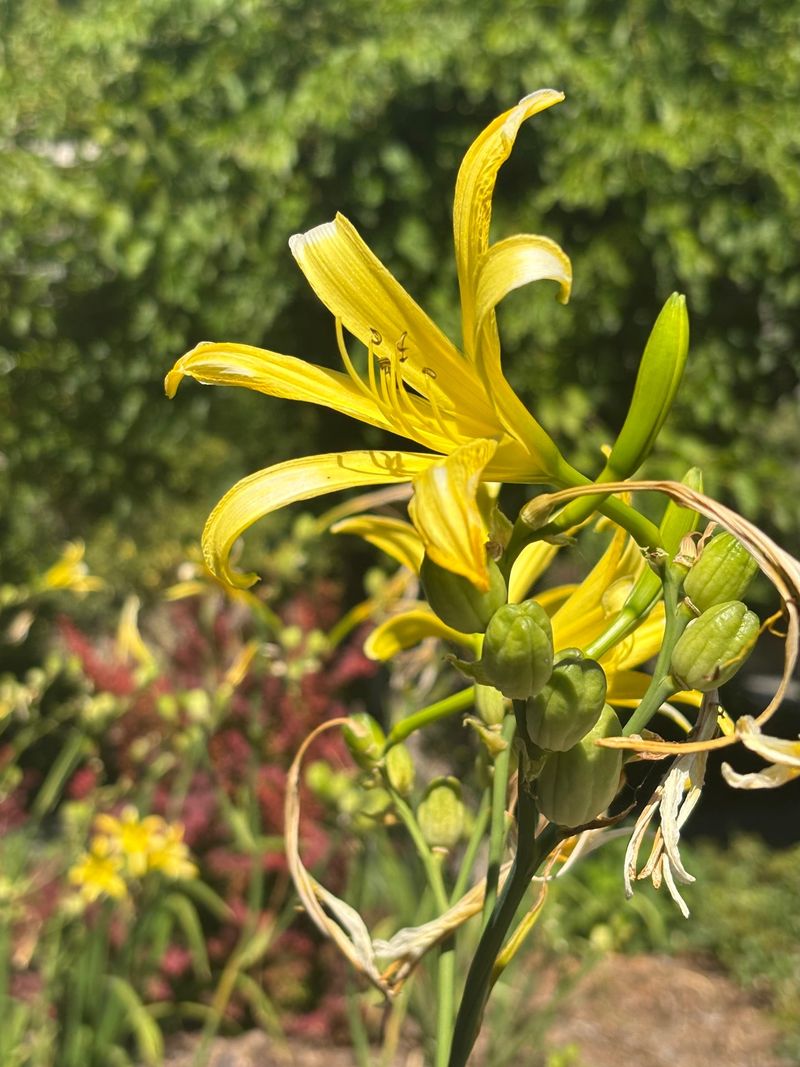
Most daylilies fold up by dinnertime, but the citron daylily flips the schedule and puts on its show as the light fades. Its soft, lemon-yellow blooms open near sunset and stay wide awake through the night, greeting you again the next morning.
The scent is one of the best parts. On a warm evening, the flowers give off a light, sweet fragrance that drifts across the yard and makes patio time feel special.
Because each bloom lasts into the following day, you get more hours to enjoy every single flower. This plant is a happy grower in Michigan. It likes full sun to light shade and soil that stays a little moist but never soggy.
Once its roots settle in, it shrugs off heat, cold winters, and skips most of the fussing that pickier flowers demand.
Plant a few clumps along a walkway or near a bench where you sit after dark. The pale yellow petals seem to glow in low light, so they catch your eye even when the sky turns dim.
To keep it looking fresh, snip off spent blooms and split crowded clumps every few years. Doing this gives you more plants for free and keeps the flowers coming strong.
Fun bit of history: citron daylily has been grown for generations because of that dependable evening fragrance. If you want a low-fuss bloomer that shines when the fireflies come out, this one earns a top spot in your night garden.
2. Missouri Evening Primrose Glows After Dark
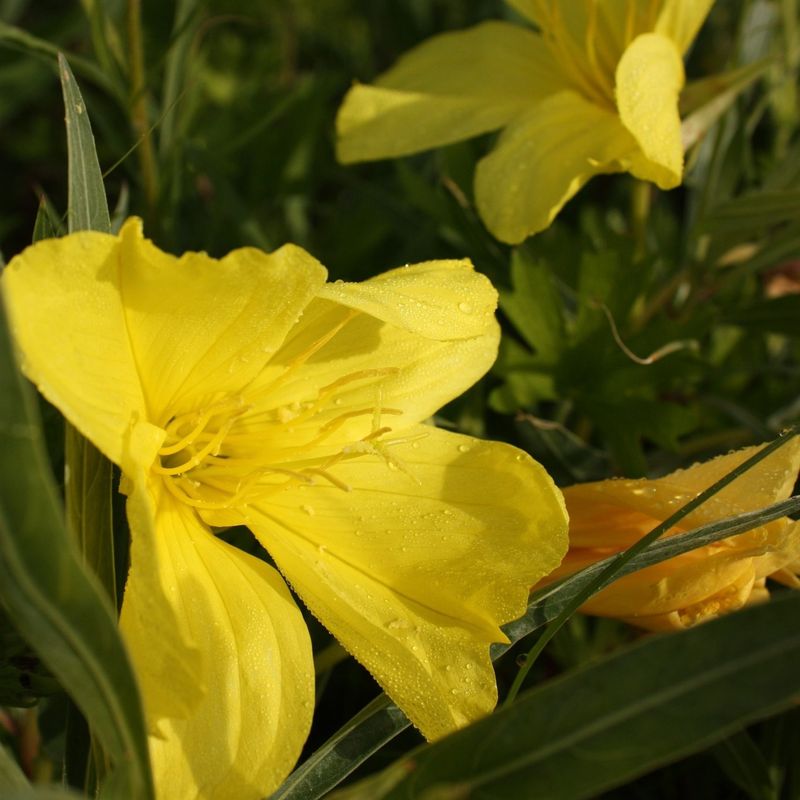
Picture a flower so big and bright it looks like a little lamp in your garden bed. That is the Missouri evening primrose, a low-growing beauty with huge yellow cups that pop open late in the day.
The blooms can stretch four inches wide, which is enormous for such a short plant. As the afternoon cools, the buds unfurl and shine, staying open into the evening to welcome moths and other flying visitors.
This primrose loves sunshine and hates wet feet. Give it a sunny, well-drained spot, and it thrives even in poor, rocky, or sandy soil where fussier plants struggle. In fact, too much rich soil or standing water is the one thing that can weaken it.
Your Michigan Garden Changes Every Week. Your Plan Should Too.
Gardening in Michigan changes quickly throughout the season. Every Friday you’ll receive a simple weekly plan showing exactly what to plant, prune, fertilize, harvest, and protect so you never miss the right timing.
Michigan gardeners find it perfect for slopes, rock gardens, and the front edge of a sunny border. It sprawls close to the ground, forming a mat covered in golden blooms all summer long.
Care could not be easier. Once established, it barely needs watering, and it happily returns year after year. Just make sure water drains away quickly, especially during our snowy, soggy seasons.
Here is a neat detail: the flowers open so fast in the evening that you can sometimes watch a bud pop right before your eyes. Kids love catching that little moment.
Pair it with other sun-loving plants that can handle dry conditions, and you will have a bright ribbon of yellow that greets you every evening. For low effort and high reward, this cheerful primrose is hard to beat.
3. Showy Evening Primrose Waits Until Evening
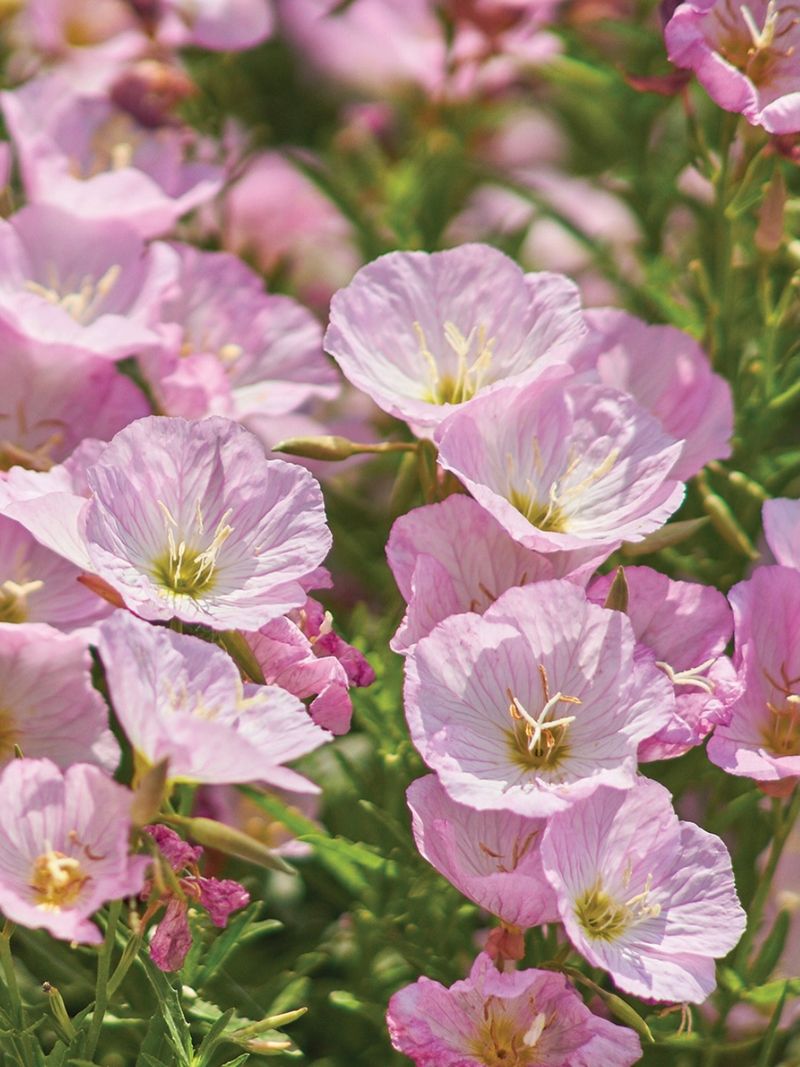
Delicate pink petals with a soft white blush make the showy evening primrose look almost too pretty to be so tough. It holds its blooms closed during the hot afternoon, then opens them as the day cools into evening.
The flowers have a papery, cup shape with faint veins running through them, and they carry a gentle fragrance. Bees and moths flock to the open blooms, so your garden buzzes with life right up until dusk.
Here is the honest truth about this plant: it likes to wander. Its roots spread underground, and before long a few plants can turn into a wide patch.
That energy is a blessing if you want quick coverage and a headache if you plant it in a tidy little spot.
Give it room to roam, or tuck it somewhere its spreading habit is welcome, like a hillside, a wild corner, or an area you want filled fast. You can also plant it in a buried container to keep the roots in check.
Michigan’s summers suit it well. It handles heat, drought, and poor soil without complaint, and it comes back reliably each year. Full sun brings out the most flowers.
To manage the spread, pull up stray shoots in spring and share the extras with gardening friends. They make a fun pass-along plant.
If you want a soft pink cloud that lights up your evenings and asks for almost nothing in return, this cheerful spreader will happily fill the role and then some.
4. Tufted Evening Primrose Opens White Flowers At Night
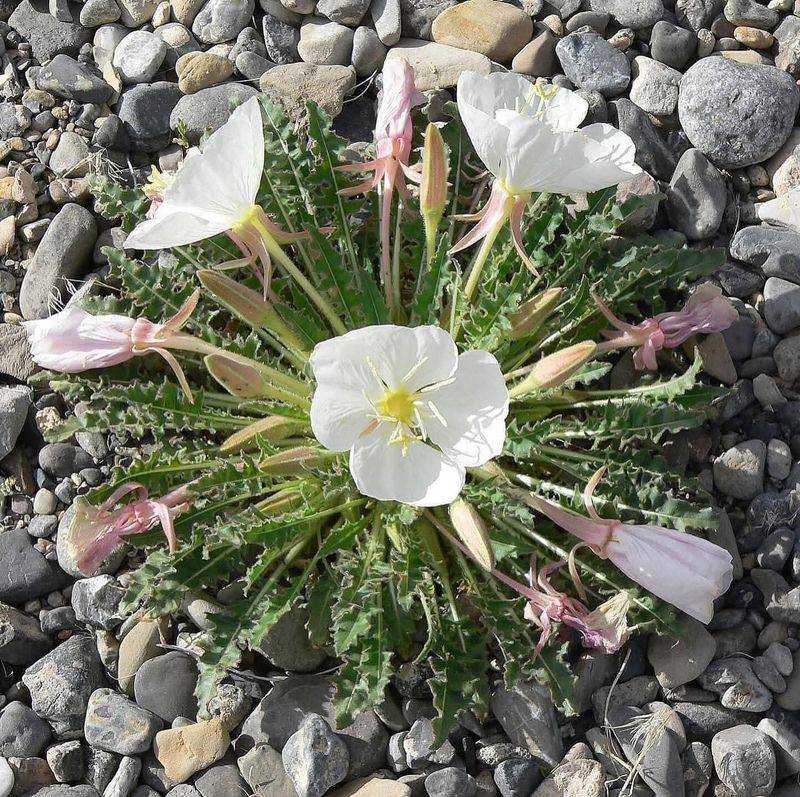
Few night bloomers can match the drama of tufted evening primrose. Its enormous white flowers open in the evening, sometimes so quickly you can watch the petals unfold in real time, and they glow like small moons against the dark.
By morning, the fading blooms often turn a soft pink, giving you a two-color surprise as the days pass. The scent is sweet and clean, drawing in night-flying moths that love to sip from the deep flowers.
This plant grows low, with leaves gathered in a tight rosette close to the ground. The blooms rise right from that leafy cluster, which makes it look like the flowers are floating just above the soil.
Drainage is the secret to success here, especially in Michigan. Wet, heavy clay is its biggest enemy, so plant it in gritty, sandy, or rocky soil where water slips away fast. A raised bed or a slope works wonderfully.
Full sun keeps it happy and blooming. Once settled, it handles dry spells with ease and needs very little watering, making it a great pick for low-maintenance gardens.
Try placing it near a seating area so you can catch that magical evening opening. It is the kind of show that turns an ordinary night into something worth remembering.
A quick tip: avoid mulching too heavily around the crown, since trapped moisture can cause trouble. Keep the base airy and well-drained, and this striking white bloomer will reward you with glowing flowers all summer.
5. Pale Evening Primrose Adds Fragrance After Sunset
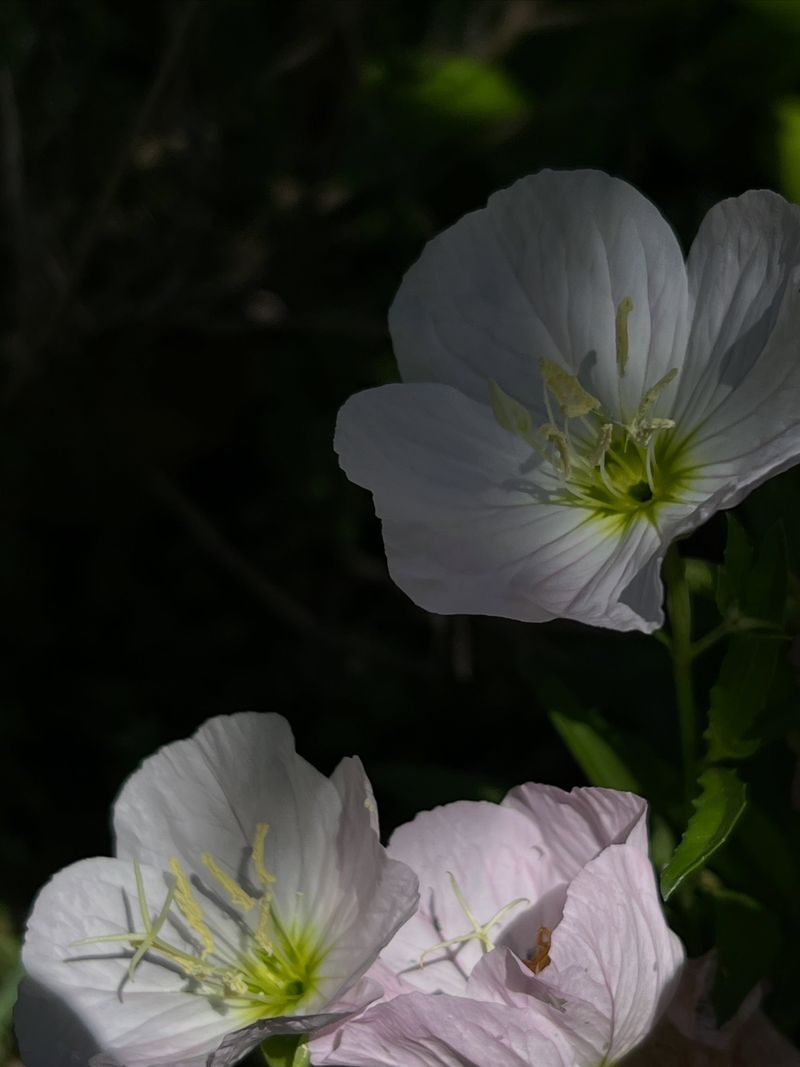
Soft, ghostly white blooms and a lovely evening perfume make pale evening primrose a quiet star of the night garden. As the sun dips low, its fragrant flowers open up and release a scent that seems to grow stronger in the cooler air.
The petals are thin and pale, sometimes tinged with the faintest pink. They shine in low light, so even when the sky darkens you can still spot them glowing across the bed.
This wildflower is a natural fit for gardeners who like an easygoing, meadow style. It handles heat and dry soil like a champ, and it does not need pampering to look its best.
In Michigan, give it a sunny spot with soil that drains well. Sandy or gravelly ground suits it perfectly, and it can succeed in tough areas where richer plants sulk. Standing water is the main thing to avoid.
It works beautifully in wild borders, prairie plantings, or the sunny edge of a natural area. Mixed with grasses and other tough bloomers, it adds soft color and welcome fragrance to the whole scene.
Moths and other evening pollinators adore the open flowers, so planting it helps support the busy night shift of your garden’s helpers.
One thing to keep in mind: it can reseed itself and pop up in new spots. Many gardeners see that as a bonus, since it fills gaps for free.
If you prefer more control, simply snip the seed heads before they scatter, and enjoy the fragrant show.
6. Fragrant Plantain Lily Blooms In The Evening Shade
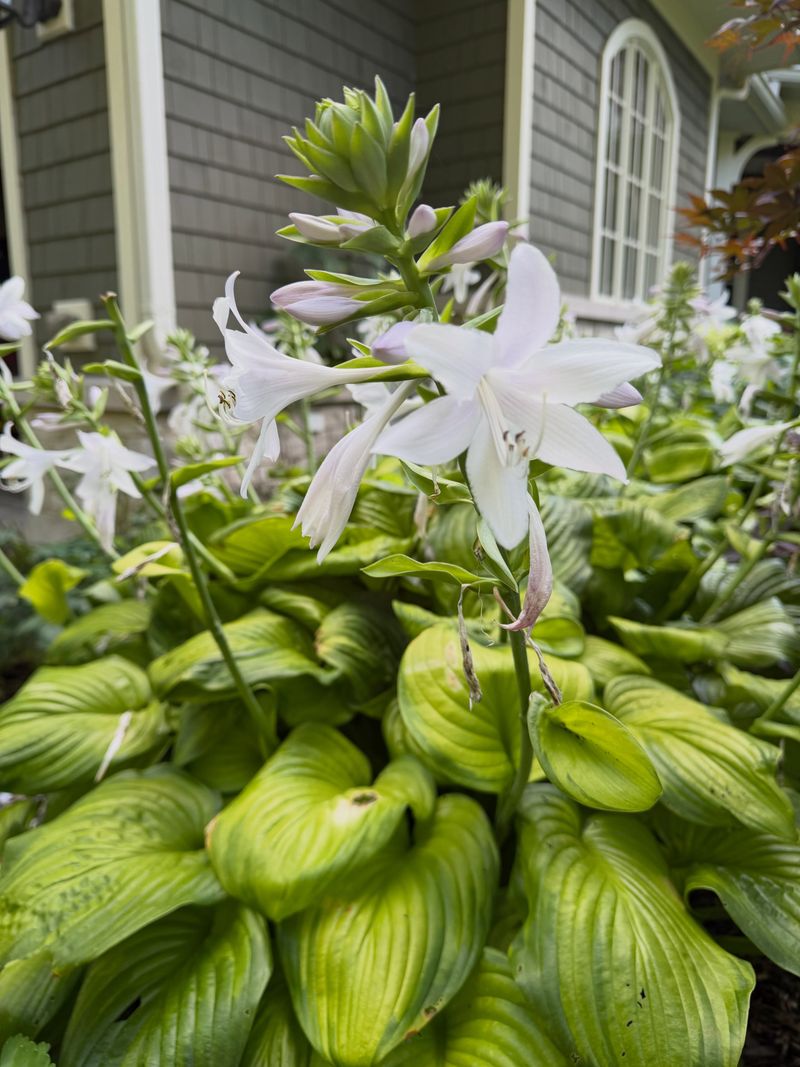
Most people grow hostas for their leaves, but the fragrant plantain lily flips that idea by stealing the spotlight with its flowers. Large white trumpet blooms open in the evening and pour out a rich, sweet scent that fills a shady corner.
The flowers are big and showy, unlike the small lavender blooms on many other hostas. They sit atop tall stems above broad, glossy green leaves, creating a lush, layered look.
What makes this plant so handy is its love of shade. Many night bloomers crave full sun, but this one thrives in the dappled or shady spots where other flowers refuse to perform. That makes it a rare treasure for a dark garden nook.
Michigan gardeners can plant it under trees or along the north side of a house, anywhere the light is soft. It likes soil that stays evenly moist and rich with compost, so add organic matter when you plant.
Because the scent peaks in the evening, place it near a porch, window, or path where you will pass by after dark. The fragrance greets you like a warm welcome home.
Slugs sometimes nibble the leaves, so keep the area tidy and consider a natural barrier if they show up. A little care keeps the foliage looking crisp.
For a shaded night garden that smells as good as it looks, this hosta is a standout. It proves you do not need bright sun to enjoy glowing, fragrant evening blooms.
7. Aphrodite Hosta Brings Double Blooms After Dark
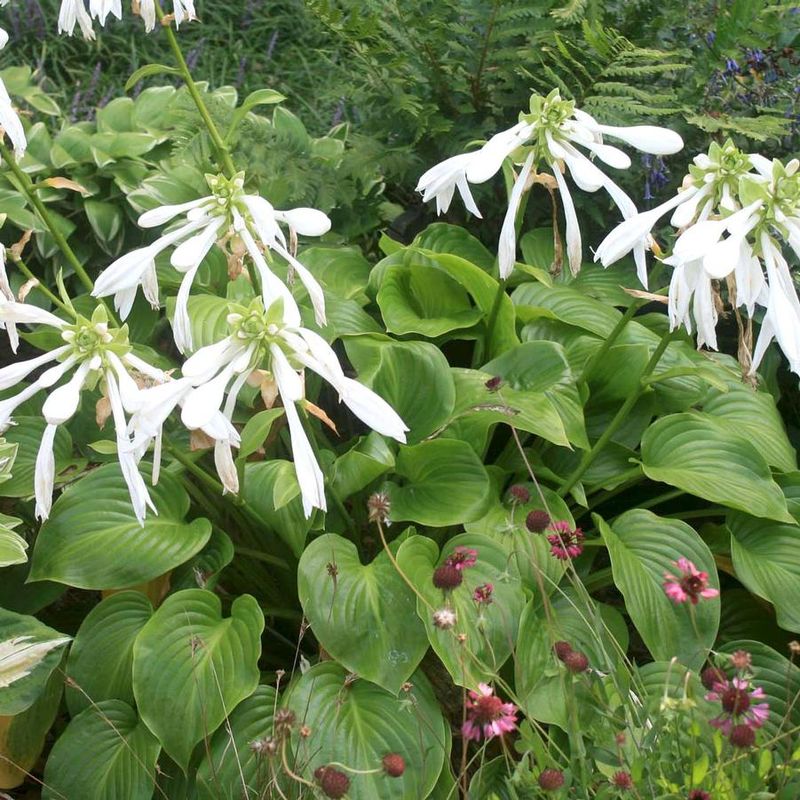
If a regular hosta flower is pretty, the Aphrodite hosta turns the volume all the way up. This special variety produces double white blooms, meaning each flower is packed with extra petals for a full, ruffled look.
The blossoms open in the evening and release a wonderful sweet fragrance. Combine that with the layered, rose-like shape, and you get flowers that look and smell like something from a fancy bouquet.
Aphrodite grew from the fragrant plantain lily family, so it carries the same love of shade. That makes it a fantastic pick for brightening dim beds where colorful flowers are hard to grow.
Its big green leaves form a tidy mound, and the flower stems rise above them like little bursts of white in the twilight. Even in low light, those pale double blooms seem to glow.
Michigan gardeners will find it easygoing. Give it moist, rich soil and a spot with shade or gentle morning sun, and it settles in nicely. Water during dry stretches to keep the leaves lush.
Place it where you can enjoy the evening scent, such as beside a shaded bench or along a garden path. The perfume is strongest once the sun sets, perfect for winding down after a busy day.
Fun fact: getting double flowers on a hosta is uncommon, so Aphrodite feels like a bit of a collector’s prize. Watch for slugs on the leaves, and reward yourself with fragrant, fluffy white blooms that make a shady garden feel elegant and alive.
8. Pardon Me Daylily Saves Its Color For Evening
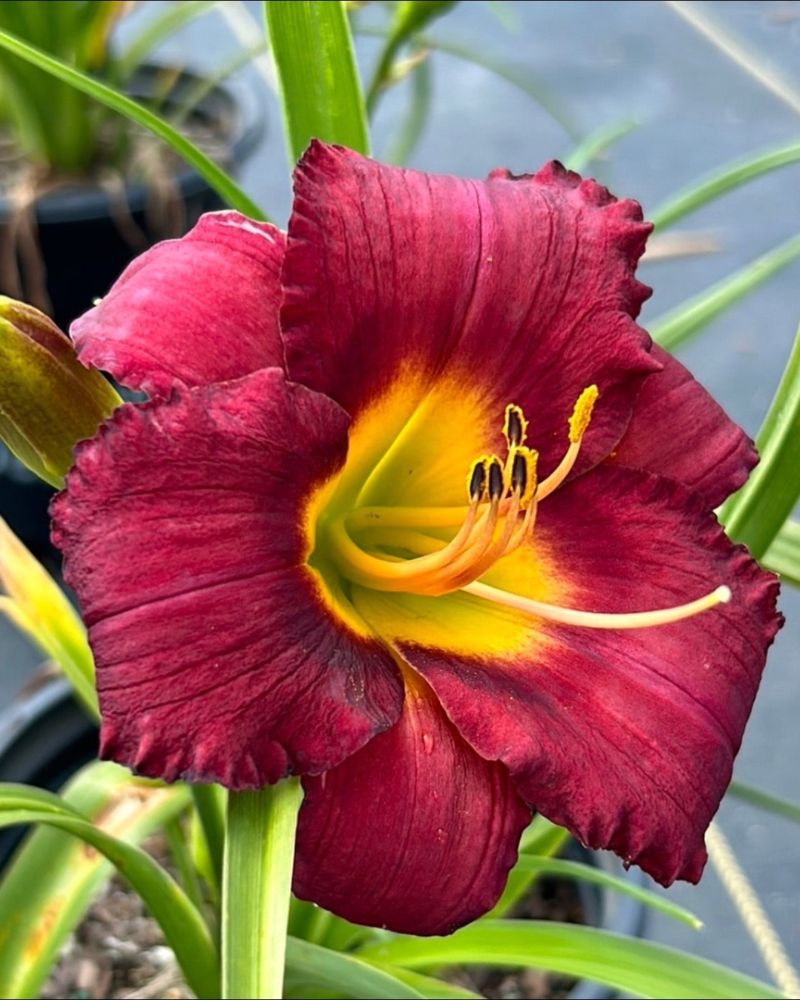
Bold red blooms with a sunny yellow throat make the Pardon Me daylily a real showstopper, and it saves its finest display for the end of the day. The flowers open late in the afternoon and stay bright through the night, holding their color until the next morning.
On top of that rich red hue, the blooms carry a light, pleasant fragrance. That combo of color and scent makes evening walks through the garden feel like a treat.
This variety stays compact, so it fits neatly into small gardens, borders, and even containers. Its tidy size means you can tuck it almost anywhere without it crowding its neighbors.
Pardon Me is famous for blooming again and again. After the first wave of flowers, it often sends up more, giving you weeks of color instead of a quick burst that fades fast.
Michigan’s climate suits it well. It handles cold winters, shrugs off summer heat, and grows in full sun to light shade. Average garden soil is fine as long as water does not pool around the roots.
To keep it flowering strong, snip off spent blooms and divide the clumps every few years. That simple habit keeps the plant healthy and gives you free new plants to spread around.
Plant a group near a patio or entry where the evening glow of red really shines. When you want a small but mighty bloomer that brings deep color and a soft scent to your nights, this cheerful daylily delivers every single time.