These Michigan Root Crops Actually Grow Better When Planted In September
Most people assume root crop planting season is long over by September, packing away seed packets until next spring rolls back around.
But several root vegetables actually perform their best when Michigan gardeners plant them well after that assumption kicks in.
These crops don’t just tolerate a September start, they genuinely thrive because of it, producing results that earlier planting simply can’t match.
It sounds counterintuitive, especially with cooler weather already settling in, but the timing actually works in these vegetables’ favor.
Gardeners who wait until now, rather than rushing earlier in the season, often end up with a noticeably better harvest. Understanding exactly which root crops benefit from this later timing could completely change how you plan the rest of your fall garden.
It turns out patience, in this specific case, actually gets rewarded.
1. Radishes Love The Return Of Cool Weather
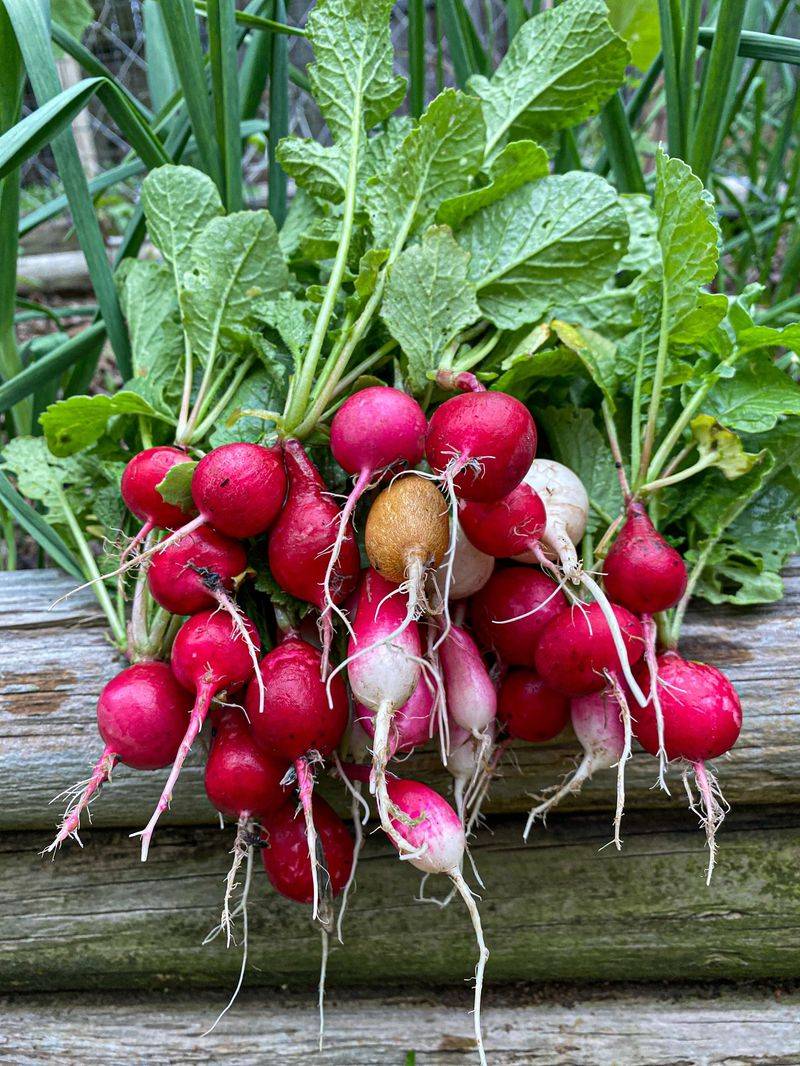
Few crops reward you as fast as radishes do. Many varieties go from seed to plate in just three to four weeks, which makes them a smart pick when the summer heat finally fades.
Cool air changes everything for these little roots. When temperatures climb too high, radishes turn woody and sharp, sometimes bolting before they ever bulk up.
The milder days of early fall let them grow steady and crisp instead, giving you that juicy snap you want.
In much of Michigan, an early September sowing still works well. Fast types like Cherry Belle or French Breakfast mature quickly enough to beat the first hard frost, especially in the southern half of the state.
If you garden farther north, aim for the first week of the month to stay safe. Sow the seeds about half an inch deep and thin the seedlings so each root has room to swell. Crowded radishes stay skinny and stringy, so a little space goes a long way.
Keep the soil evenly moist, because uneven watering leads to cracked or spicy roots. Here is a fun detail: radishes make a great marker crop. Gardeners often plant them beside slower seeds like carrots since they sprout first and show you where the rows are.
Pull them as soon as they reach full size, since leaving them too long turns the flavor harsh. With a quick turnaround and easygoing habits, radishes are the perfect way to open your fall growing season on a high note.
2. Turnips Keep Growing As Temperatures Drop
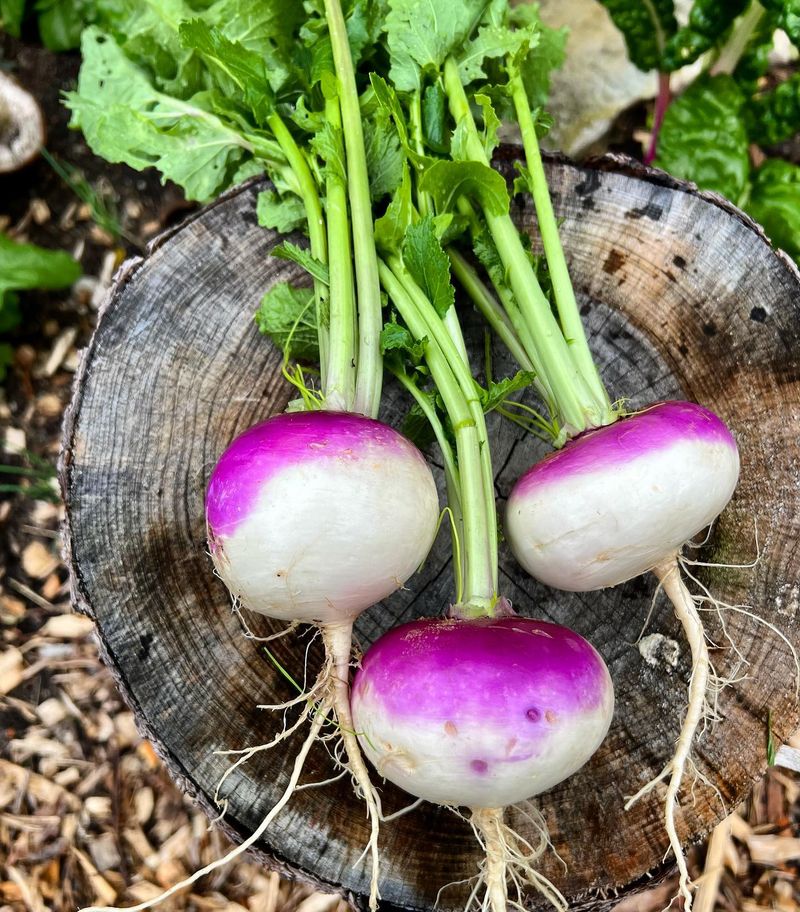
Turnips practically thrive on falling temperatures. While tender summer plants slow down when the air chills, these hardy roots keep pushing along, often tasting better once the cool nights arrive.
Cold weather does something special to turnips. The plant stores extra sugars in its root as protection against frost, which means the flavor grows milder and sweeter instead of sharp and peppery. That is why fall turnips beat summer ones almost every time.
September planting can absolutely work if you choose your variety with care. Fast growers like Purple Top White Globe or the salad type Hakurei can mature in as little as five to seven weeks.
Your Michigan Garden Changes Every Week. Your Plan Should Too.
Gardening in Michigan changes quickly throughout the season. Every Friday you’ll receive a simple weekly plan showing exactly what to plant, prune, fertilize, harvest, and protect so you never miss the right timing.
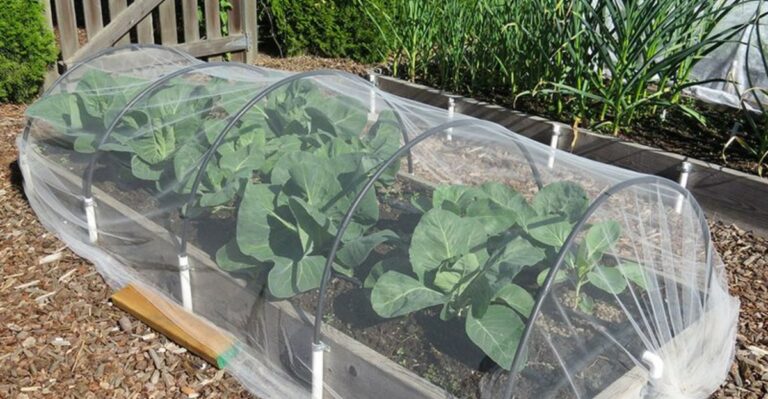
In southern Michigan that timing fits nicely, and a low tunnel or row cover can stretch the season even further north.
Scatter the seeds thinly and cover them with a quarter inch of soil. Once the seedlings appear, thin them so the roots have room to round out. Do not toss those thinnings either, because turnip greens are tasty in the pot.
Consistent moisture keeps the roots smooth and prevents that tough, fibrous texture nobody enjoys. A light frost late in the season is actually a bonus, not a worry.
Try harvesting when the roots reach two to three inches across, since giant turnips can turn spongy inside. Smaller ones stay crisp and clean tasting.
With their double gift of leaves and roots, turnips give you two crops from one planting, making them a reliable and generous choice for a Michigan fall garden.
3. Beets Hold Their Quality Into Fall
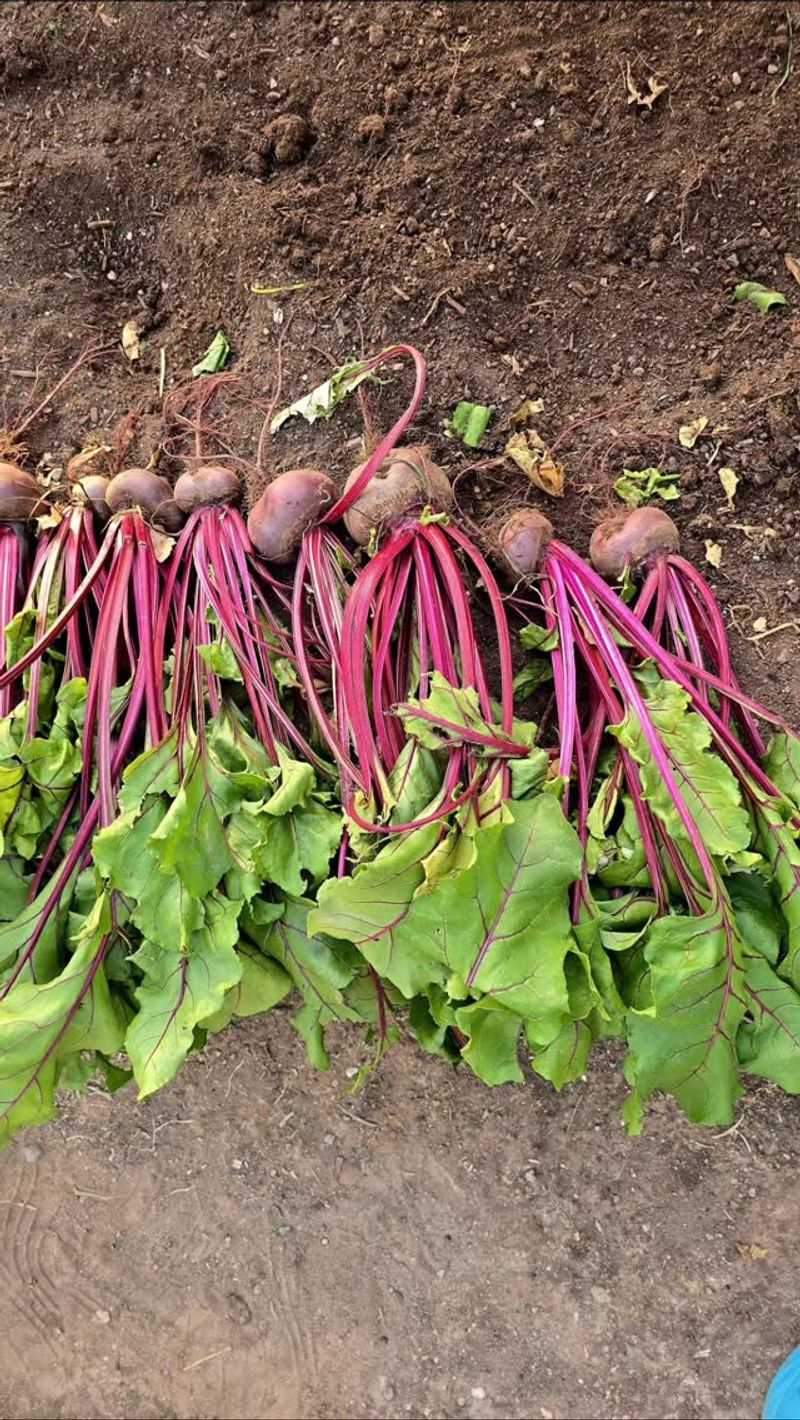
Beets are the quiet overachievers of the fall garden. They handle cool weather like champions, and their roots stay firm and sweet long after tender crops have faded.
What makes beets so valuable is their toughness. A light frost barely bothers them, and the cold actually deepens their earthy sweetness. The greens stay tender too, giving you a bonus harvest for salads and sautes.
Timing is where beets ask for a little planning. Most varieties need roughly seven to nine weeks to form full sized roots, so Michigan gardeners usually get the best results by sowing in late July or early August.
That head start lets the roots bulk up before the days grow short and growth slows. If you sow in September, you can still enjoy a crop, but expect smaller roots or a batch of baby beets. Those little ones are delicious, so it is far from a loss.
Plant the seeds about half an inch deep and remember that each beet seed is actually a cluster. That means you will need to thin the seedlings so single roots have room to expand.
Keep the bed evenly watered, because dry spells can leave beets tough or ringed inside. A layer of mulch helps lock in that steady moisture.
Fun fact: those wrinkly beet seeds are really seed balls, each holding several tiny seeds inside one shell. Once you understand that, thinning suddenly makes perfect sense, and your rows of glossy roots will thank you for the extra elbow room.
4. Carrots Get Sweeter In Cool Soil
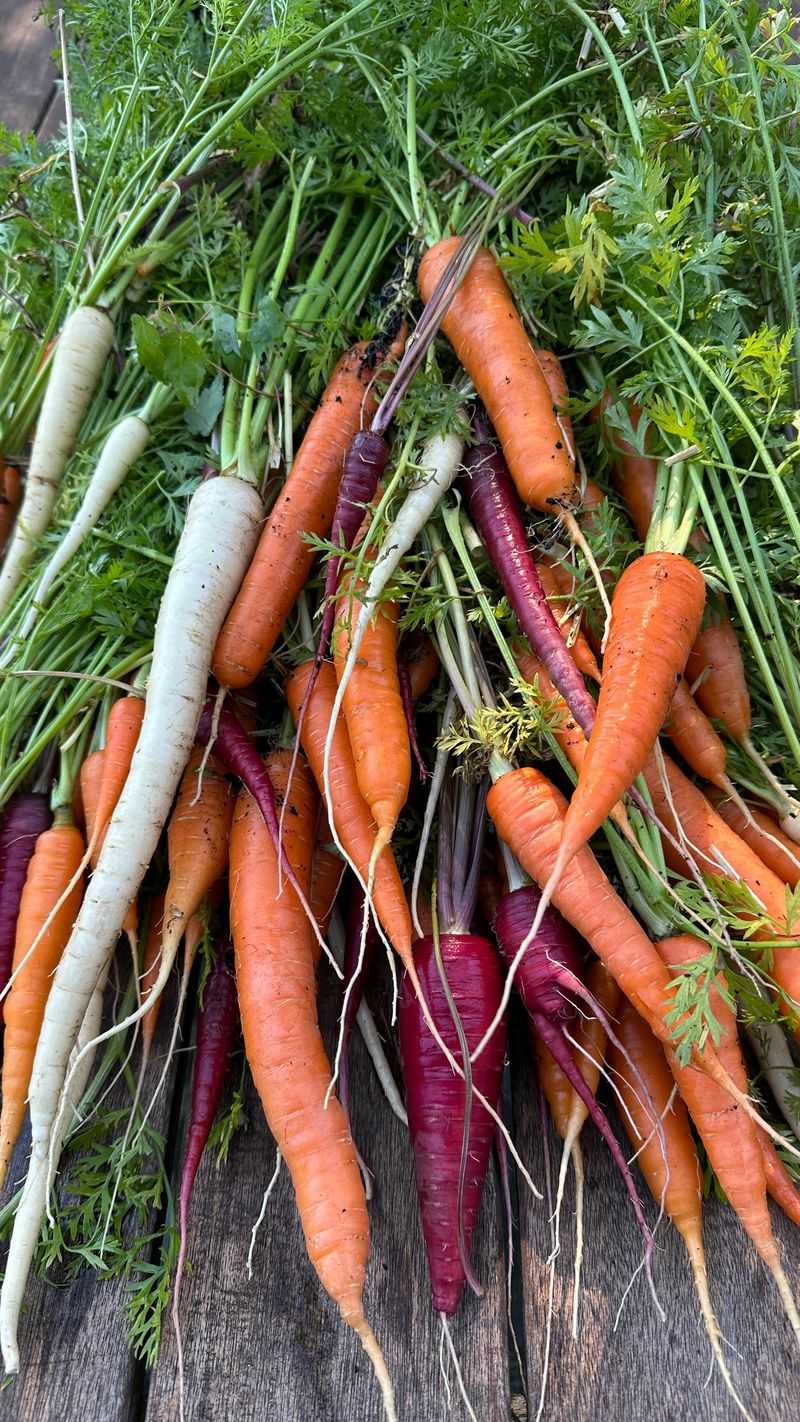
Ask any longtime gardener about fall carrots and you will hear pure praise. Cool soil transforms these roots into some of the sweetest vegetables you can grow at home.
The science behind it is simple and delightful. When temperatures drop, carrots convert stored starches into sugars, partly to guard themselves against the cold. That natural change gives fall carrots a candy like flavor that summer crops rarely match.
Timing, though, is everything with carrots. They grow slowly, often needing seventy to eighty days to reach full size, so Michigan gardeners usually need to plant by early August rather than September.
Sowing too late leaves the roots small and undeveloped before the ground turns cold.
Carrot seeds are tiny and slow to sprout, so keep the surface soil moist for one to two weeks while you wait. A light board or burlap laid over the row helps hold that moisture until the seedlings poke through.
Loose, rock free soil is the secret to long, straight roots. Heavy or stony ground causes forked and twisted carrots, which are still tasty but tricky to peel.
Once cold weather settles in, you can leave carrots right in the ground under a thick blanket of straw. Many gardeners harvest well into late fall, pulling crisp, sugary roots whenever they want them.
Here is a neat tidbit: those wild ancestors of the carrot were purple and white, not orange. The bright orange kind we know today was developed centuries ago, and it remains a garden favorite for good reason.
5. Rutabagas Are Built For A Late Harvest
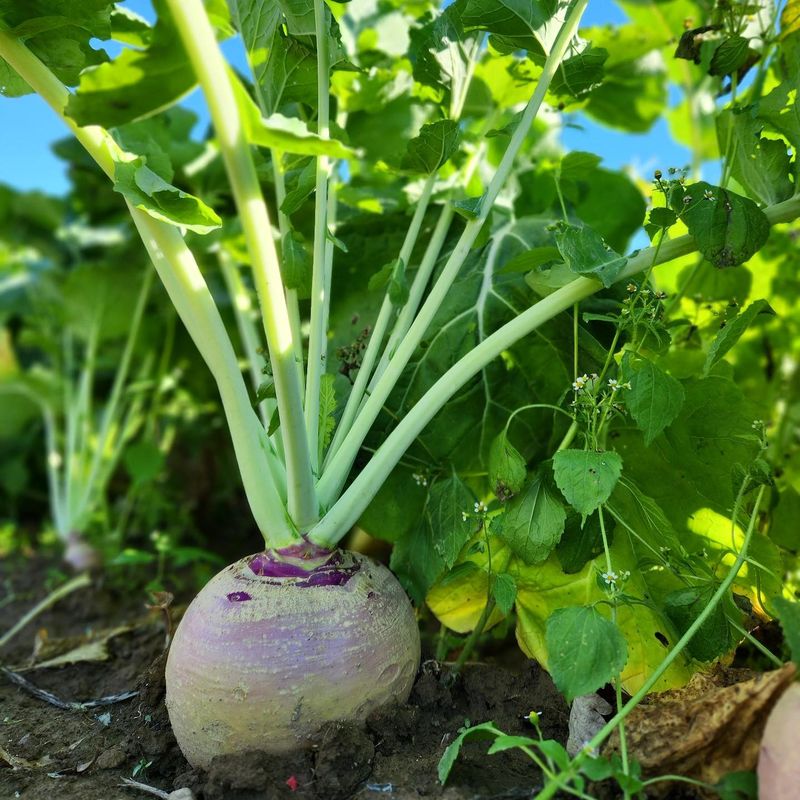
Rutabagas are the steady workhorses of the fall garden, and they seem almost happy when the weather turns raw. These hefty roots shrug off chilly nights that would stop other plants in their tracks.
A big part of their charm is patience. Rutabagas need a long stretch of growing time, often ninety to a hundred days, before they reach that dense, golden size gardeners love.
Because of that, planting must begin much earlier than September, usually in June or early July across Michigan.
Cool autumn weather is exactly what they crave near the finish line. Frost sweetens the flesh and mellows the flavor, turning a good root into a wonderful one. That is why so many gardeners hold off harvesting until after the first light freeze.
Give rutabagas plenty of room, spacing plants six to eight inches apart so each root can swell into its full shape. Crowded plants stay small and stunted.
Steady moisture keeps the flesh smooth and prevents woody patches, so water regularly during dry spells. A layer of mulch also helps keep the soil cool and evenly damp through the warm end of summer.
When harvest time arrives, twist the roots free and trim the tops. Rutabagas store beautifully in a cool cellar, staying firm for months.
A fun bit of history: rutabagas are believed to be a natural cross between a turnip and a wild cabbage. That mix gives them their rich flavor and hardy nature, making them a rewarding project for gardeners who plan ahead.
6. Parsnips Improve After The Chill Arrives
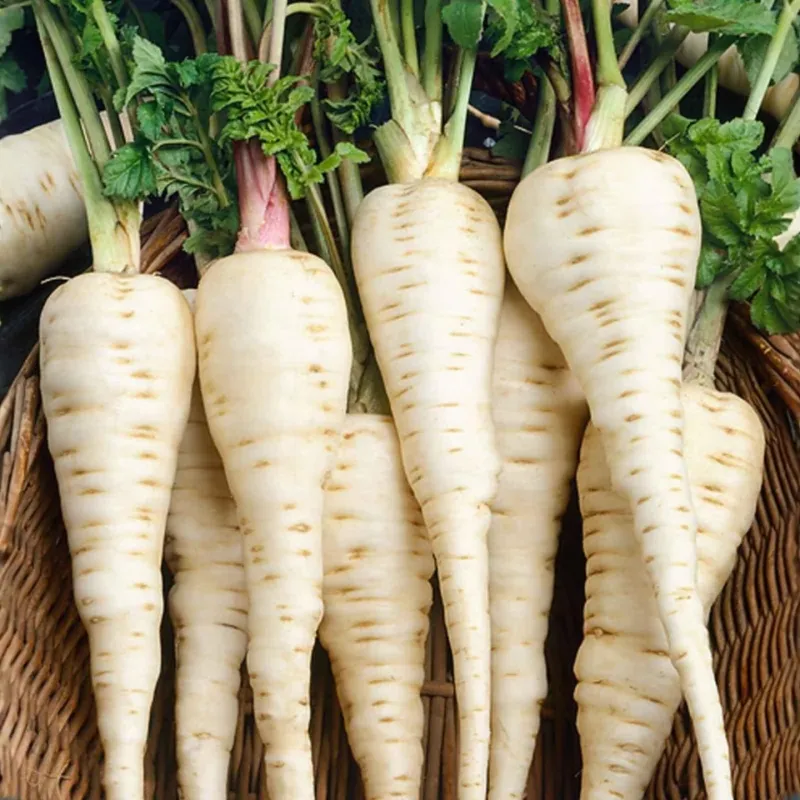
Parsnips reward patience like almost no other vegetable. These pale, sweet roots taste their absolute best after they have felt the bite of cold weather, which makes them a true fall treasure.
The magic happens underground. When temperatures dip below forty degrees, parsnips begin turning their stored starches into sugars, and the flavor shifts from bland to richly sweet and nutty.
Gardeners who wait through the first frosts are rewarded with the finest roots. Because they grow so slowly, parsnips need an early start, usually planted in spring or very early summer in Michigan.
September is far too late for sowing, but it is a wonderful month for watching your patient crop finish maturing.
Parsnip seeds are famously slow and fussy to sprout, so always use fresh seed each year. Keep the soil moist during the two to three weeks it takes for the first green sprouts to appear.
Deep, loose soil helps these long roots grow straight and smooth. Rocky ground leads to twisted shapes, so loosen the bed well before planting.
Many gardeners leave parsnips right in the ground through late fall and even into winter, digging them up as needed. A thick mulch of straw keeps the soil workable so you can harvest whenever you crave them.
Here is something interesting: before sugar was common in Europe, people used parsnips as a natural sweetener in cakes and jams. That sugary quality still makes them a delicious roasted side dish, and the wait through the cold season is always worth it.
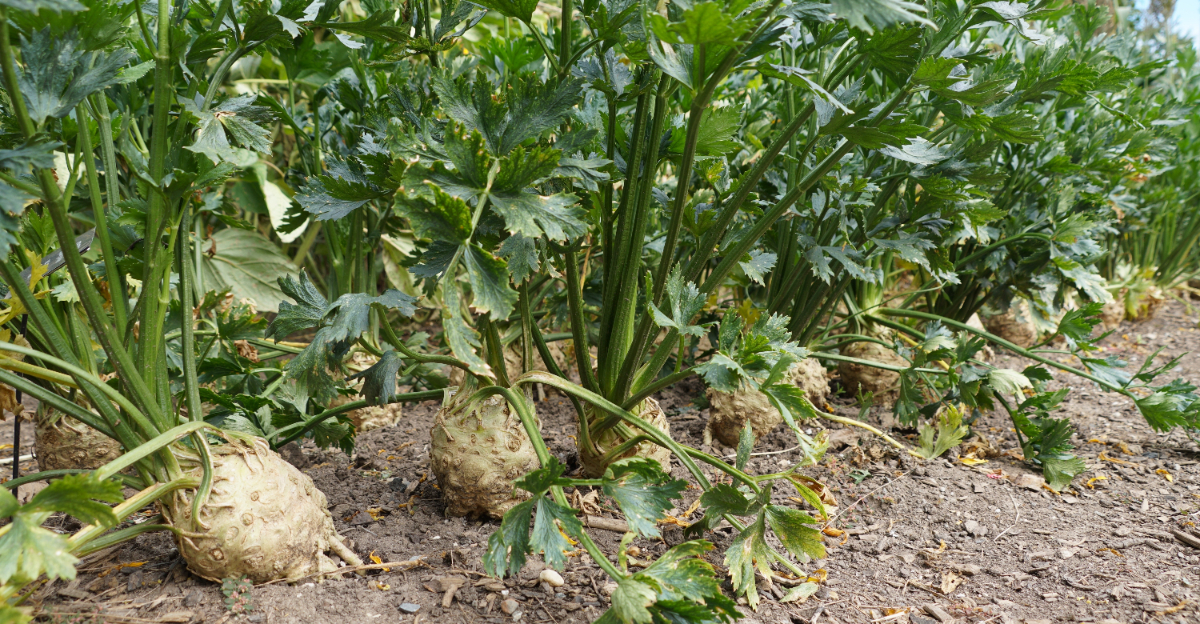
7. Celeriac Is Ready When Fall Takes Over
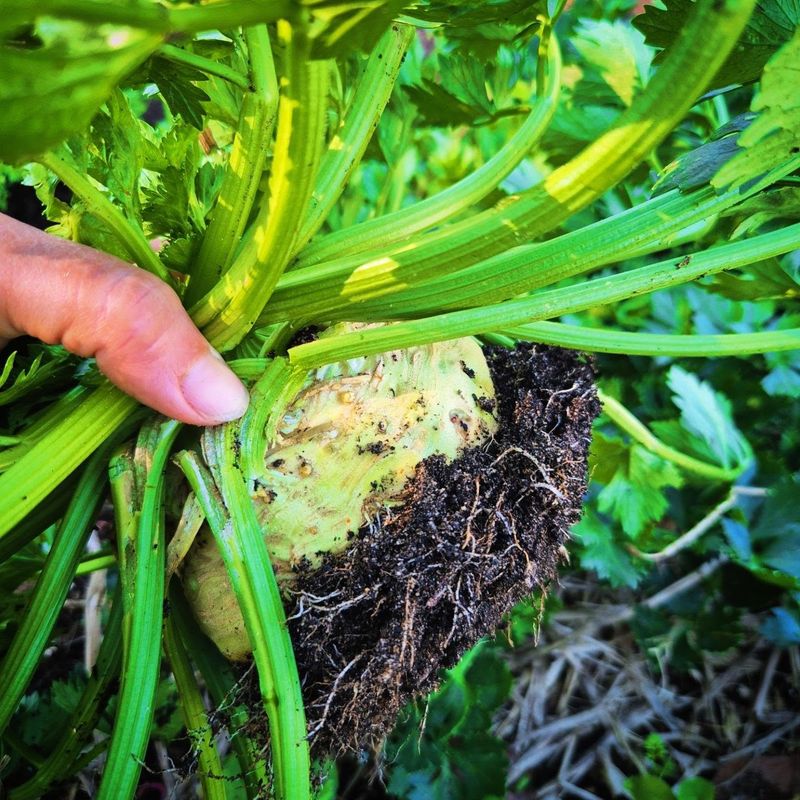
Celeriac might look a little unusual, but this knobby root is a fall garden gem worth knowing. Also called celery root, it delivers a mild, celery like flavor that shines in soups and roasts once the weather cools.
Autumn is its moment to shine. Celeriac grows steadily through summer and reaches its full, flavorful size right as the crisp fall days settle over Michigan. Cool temperatures even help firm up the flesh and improve the taste.
Timing, however, calls for early planning. Celeriac has one of the longest growing seasons of any root crop, often needing a hundred to a hundred twenty days.
That means starting seeds indoors in late winter or early spring, not sowing outdoors in September.
The seeds are tiny and slow, so most gardeners begin them inside about ten weeks before the last spring frost. Young plants then go outside once the soil warms, giving them the full season they need.
Steady moisture is the real key to smooth, plump roots. Celeriac hates drying out, so regular watering and a good layer of mulch make a huge difference in the final harvest.
When fall arrives, trim away the leafy tops and side roots to reveal that round, cream colored bulb. Stored in a cool spot, celeriac keeps well for weeks.
A tasty tip: peel it thick, since the skin is knobby and tough, then dice the creamy inside for mashes or stews. Once you try it, this quirky root may become a regular star in your autumn kitchen.