What It Really Means When Cicadas Go Quiet In Your Texas Yard
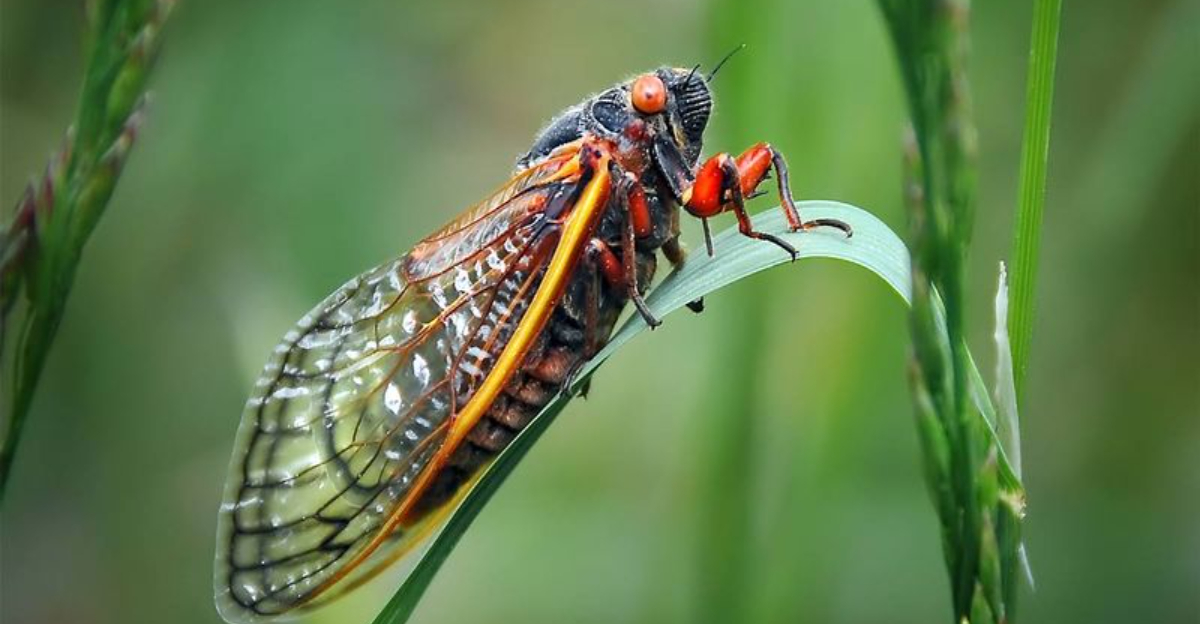
Cicadas are one of the defining sounds of a Texas summer. That relentless, pulsing chorus in the trees is so constant through the hottest months that most people stop consciously hearing it after a while.
It becomes part of the background, inseparable from the heat itself. Which is exactly why the moment it goes quiet feels so strange. One minute the sound is everywhere. Then it stops.
That sudden silence has a way of making people look up from whatever they were doing. And for good reason.
The cicada chorus going quiet in a Texas yard is not random background noise cutting out. It’s a signal, and depending on the context, it can mean several different things ranging from completely ordinary to genuinely worth paying attention to.
Understanding why cicadas go quiet, what conditions trigger the silence, and what other wildlife and environmental factors are involved tells you something real about your yard and the ecosystem moving through it at any given moment.
Here’s what it really means when the cicadas suddenly stop in your Texas yard.
1. Their Mating Chorus May Be Winding Down
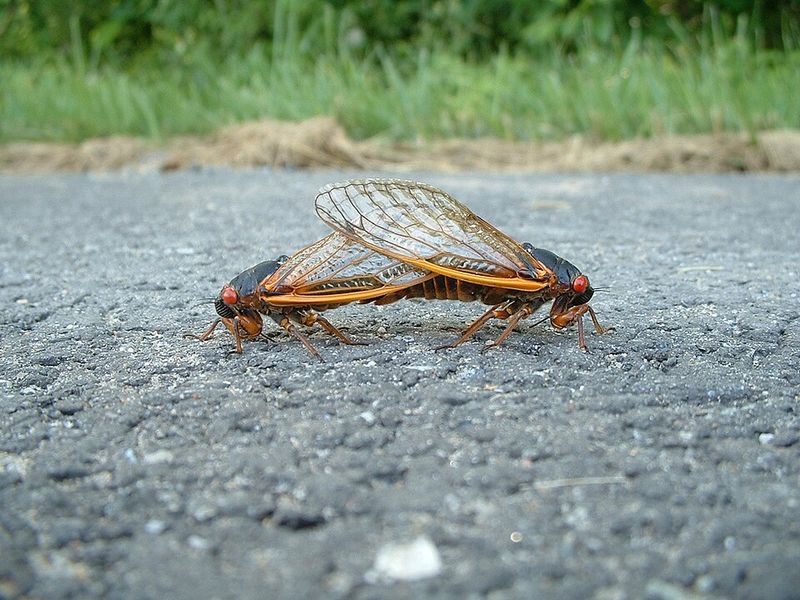
Picture this: your backyard has been buzzing non-stop for weeks, and then one morning, it goes almost silent. Before you start worrying, know that this quiet moment is completely natural.
Male cicadas are the singers of the group, and they have one main goal: attracting a female. Once that job is done, the singing slows down significantly.
Male cicadas produce their loud calls using special organs called tymbals, which are found on the sides of their abdomen. They flex these organs rapidly to create that familiar, almost mechanical-sounding buzz.
The sound can reach over 100 decibels, which is about as loud as a lawnmower running right next to you. That is a lot of effort for a small insect!
As the mating season peaks and females begin laying eggs, fewer males are actively calling. The competition to attract a mate drops off, and so does the volume in your yard.
Think of it like a big party that slowly winds down after the main event is over. The guests start heading home, and the noise fades naturally.
Noticing this shift in your yard is actually a sign that the cicada life cycle is moving forward right on schedule. Females will deposit their eggs into small slits they cut into tree branches.
After the eggs hatch, the tiny nymphs fall to the ground and burrow into the soil. The quiet you are hearing is not a problem. It is simply nature moving from one chapter to the next, steady and purposeful as always.
2. A Temperature Change May Have Silenced Them
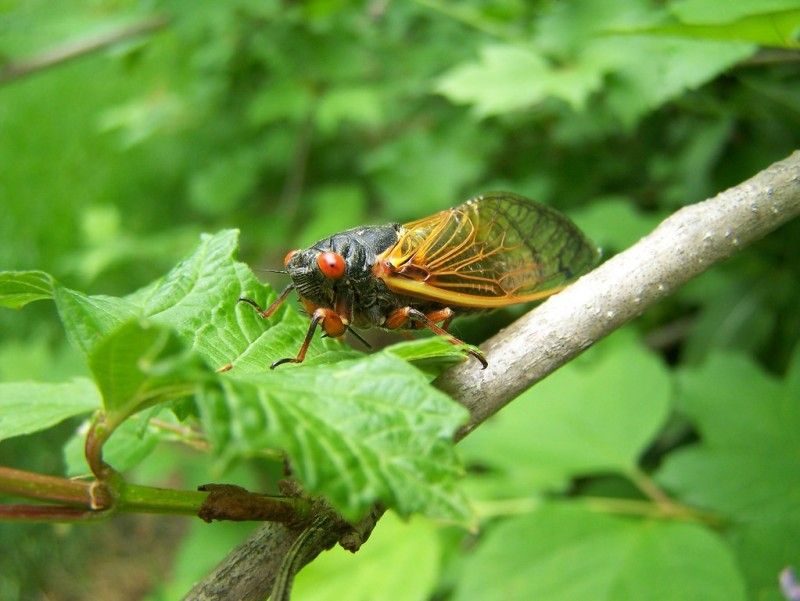
Cicadas are cold-blooded creatures, which means the temperature around them directly controls how active they are. When it is warm and sunny, they buzz away loudly and enthusiastically.
But when temperatures drop, even just a little, their behavior changes fast. A cool morning or an unexpected cold front rolling through Texas can hush an entire yard of cicadas within hours.
Your Texas Garden Changes Every Week. Your Plan Should Too.
Gardening in Texas changes quickly throughout the season. Every Friday you’ll receive a simple weekly plan showing exactly what to plant, prune, fertilize, harvest, and protect so you never miss the right timing.
Most cicada species prefer calling when temperatures are above 80 degrees Fahrenheit. Below that range, their muscles do not work as efficiently, making it harder for them to produce sound.
Think of it like trying to run a race when you are really cold and stiff. Your body just does not cooperate the same way it does when you are warm and loose.
Texas weather is known for being unpredictable. A summer cold front can drop temperatures by 10 to 15 degrees overnight, and that kind of shift is enough to send cicadas into a quiet, resting state.
They will often sit still on tree trunks or branches, waiting for the warmth to return before starting up again.
The good news is that this kind of silence is temporary. As soon as temperatures climb back up into that warm, comfortable range, the chorus usually returns full force.
If you notice cicadas have gone quiet after a cooler night or a cloudy stretch of days, just wait. Once the sun comes back out and the air heats up, your yard will likely be buzzing again before noon.
Temperature-driven silence is one of the most common and least worrying reasons for a sudden drop in cicada noise around your home.
3. Recent Stormy Weather May Be Interrupting Activity
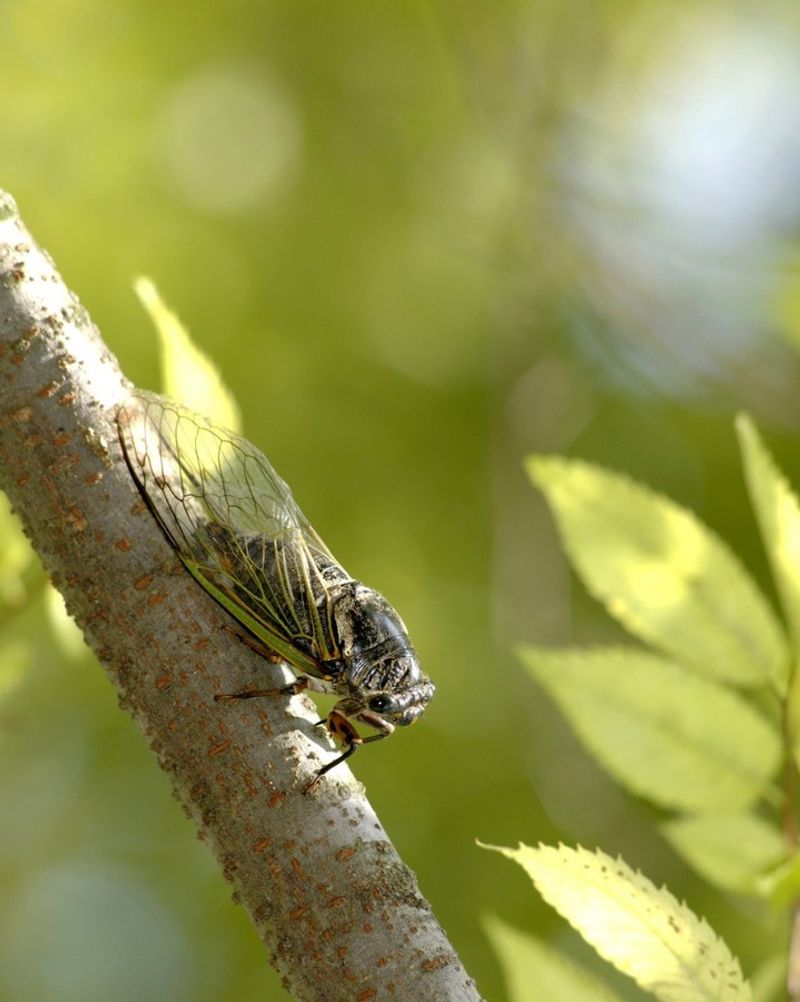
Summer storms in Texas can roll in fast and hit hard. When heavy rain, strong winds, or thick cloud cover move through your area, cicadas tend to go quiet in a hurry.
Stormy conditions make it difficult for them to call effectively, and in some cases, the insects simply hunker down and wait for calmer skies. This is a survival instinct, not a sign that something is wrong.
Rain is a big factor. Wet conditions can interfere with how sound travels, making cicada calls less effective at reaching potential mates.
Wind is another issue. Strong gusts can carry sound in unpredictable directions, reducing the chances that a female will hear and locate a calling male.
So from the cicada’s point of view, singing during a storm is not worth the energy. There is also the physical challenge of staying in place. During high winds, smaller insects can be blown off their perches entirely.
Cicadas may grip tree bark tightly and stay as still as possible until conditions improve. You might even spot a few on the ground after a strong storm, which is perfectly normal.
Here is the reassuring part: cicadas almost always resume singing once the storm passes and the weather settles back down.
On a calm, warm afternoon following a rainy stretch, you may notice the chorus comes back even louder than before, almost like the cicadas are making up for lost time.
So if your yard has been unusually quiet after a recent storm system, give it a day or two. The buzzing will likely return right along with the sunshine and warmer temperatures.
4. The Adult Cicadas May Be Reaching The End Of Their Lives
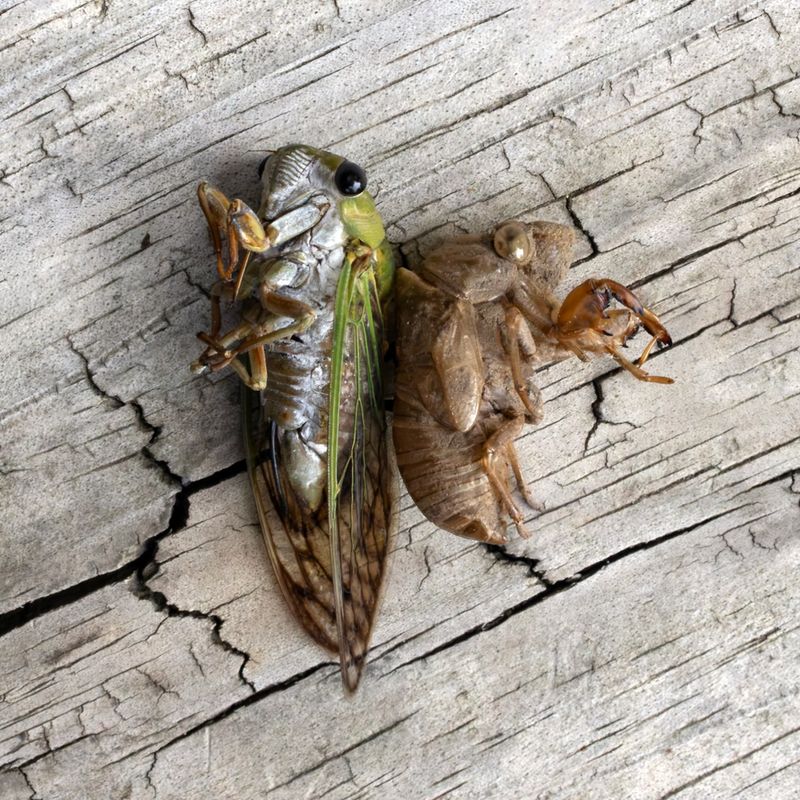
Late summer brings a bittersweet kind of quiet to Texas yards. After weeks of relentless buzzing, the adult cicadas begin to fade away as their short adult lives come to a natural close.
Dog-day cicadas, the most common type heard in Texas summers, only live a few weeks as adults. Once mating is finished and eggs are laid, the adults gradually disappear from sight and sound.
Unlike their long underground lives, the above-ground adult phase of a cicada is remarkably brief. They spend years as nymphs living underground, feeding on tree root fluids and slowly developing.
Then they emerge, transform into winged adults, mate, lay eggs, and their season ends. The adult stage is intense, loud, and fast-moving by comparison to everything that came before it.
When you notice the cicada chorus becoming thinner and less frequent in late July or August, it often means the local adult population is naturally declining.
You might start finding empty shells or adult cicadas on the ground beneath trees. These are signs that the season is wrapping up in your specific area.
Interestingly, not all cicadas in a region are on exactly the same schedule. Some individuals emerge a bit later than others, which is why the sound does not always stop all at once. Instead, it tends to fade gradually over a week or two.
If your yard has gone noticeably quieter in late summer and you have already had weeks of heavy buzzing, there is a good chance you are simply witnessing the natural end of the current adult cicada season in your neighborhood. It is a regular part of the yearly cycle.
5. One Cicada Species May Be Giving Way To Another
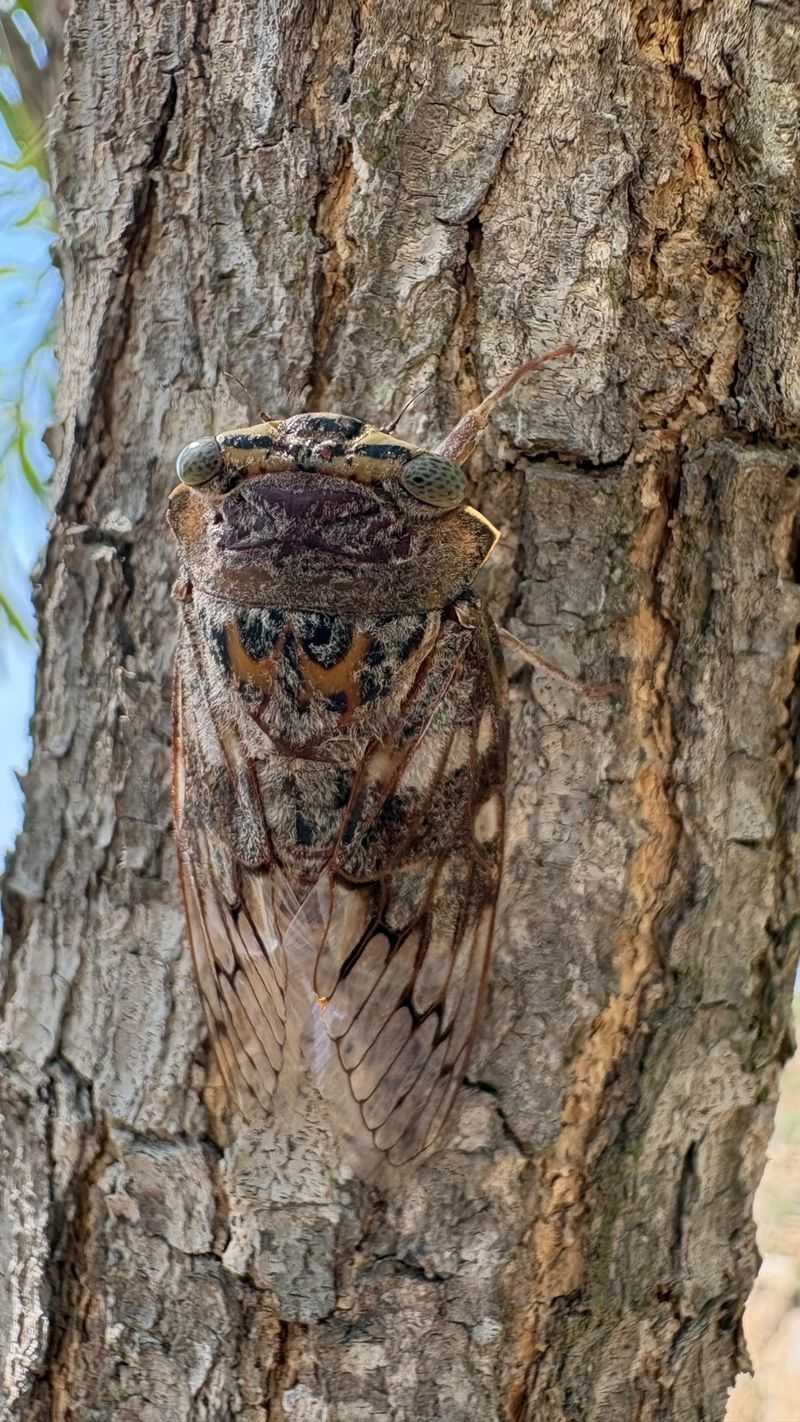
Not many people realize that Texas is home to a surprisingly large number of cicada species. Researchers have identified well over 40 species across the state, each with its own preferred habitat, emergence timing, and song.
So when one species wraps up its active season, another might be just getting started, sometimes with a noticeably different call or a much quieter presence.
Think of the Texas cicada soundscape like a musical lineup. Different performers take the stage at different times throughout the summer.
Some species are loudest in June, while others peak in July or August. When the headliner finishes its set, there may be a brief lull before the next act warms up. That gap in sound can feel like total silence, even if new cicadas are already present nearby.
Species like the scissor-grinder cicada and the linne’s cicada are common in Texas and have overlapping but distinct seasonal windows.
If you pay close attention, you might notice that the sound quality of your yard’s cicada chorus actually changes over the course of the summer. The pitch, rhythm, and intensity can all shift as different species become dominant.
Paying attention to these changes is a genuinely fun way to connect with nature in your own backyard. You do not need to be a scientist to notice that the buzzing in early July sounds a little different from the buzzing in late August.
If your yard has gone quiet and then picks back up with a slightly different sound, you are likely hearing a new species stepping into the spotlight.
Texas cicadas are more diverse than most people ever expect, and that diversity keeps the summer soundtrack interesting from start to finish.
6. The Cicadas Have Not Disappeared From Your Yard
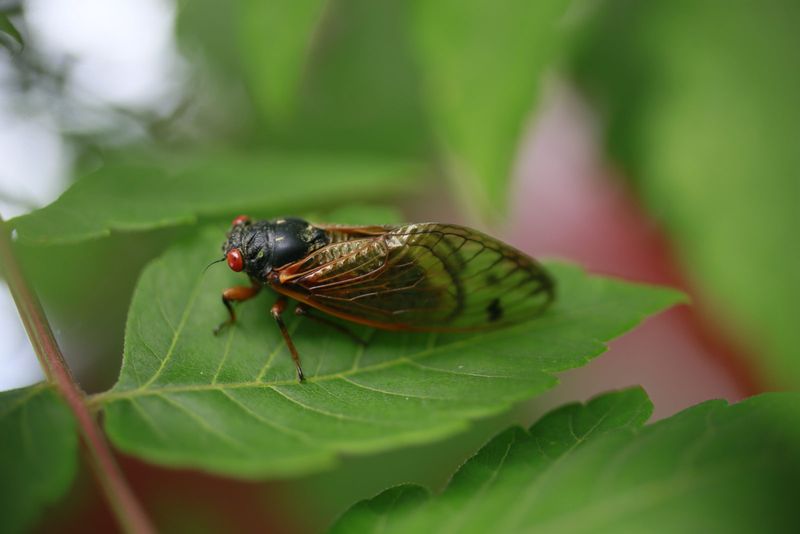
Silence in your yard does not mean the cicadas are gone for good. Far from it.
After adult females lay their eggs in tree branches, those eggs eventually hatch into tiny nymphs. The nymphs fall from the branches down to the soil below and quickly burrow underground.
From that point on, they live completely out of sight, feeding quietly on fluids from tree roots.
Underground, cicada nymphs can stay for anywhere from two to five years depending on the species. Dog-day cicadas, the annual type common across Texas, typically spend two to five years below the surface before emerging as adults.
During all that time, there is no sound, no visible activity above ground, and no hint that anything is happening beneath your feet. But something very much is happening.
The nymphs go through several growth stages underground, slowly developing wing pads and other adult features. They are sensitive to soil temperature, which is actually what triggers their eventual emergence.
When soil temperatures reach the right level in late spring or early summer, they tunnel upward and emerge, often all at once, creating that sudden explosion of sound you may have noticed in previous years.
So the next time your yard falls quiet after a buzzing summer, remember what is going on beneath the surface. Your trees are quietly supporting an underground community of developing cicadas, right now, even as you read this.
The roots of your oak, pecan, or cedar tree may be hosting the next generation of singers. Cicadas are far more present in your yard than you might think, just not always in a way you can see or hear.