This Concerning New Insect Has Just Been Confirmed In Delaware’s New Castle County
A stealthy insect just slipped into Delaware, and you’re already a target. Health officials confirmed its presence in New Castle County, and your calm ended there.
Nobody warned you this creature carries Chagas disease, a silent threat few in Delaware discuss. Scientists say symptoms can hide inside you for years before striking your heart.
Doctors call this insect a master of disguise, hiding near your walls and cracks. Experts say your pets face the same danger, especially if they sleep outdoors.
Officials are tracking every case near you, worried this threat won’t stop spreading. Researchers confirm these encounters often happen quietly while you rest deeply at night.
Real answers matter now, before this growing concern reaches your doorstep. Understanding exactly what hides near you could protect your family’s health.
Ignoring this presence simply won’t make it disappear from your life. Here’s exactly what you need to know before it reaches your home.
What Is A Kissing Bug And Why It’s Dangerous
Most people have never heard of a kissing bug, and that is exactly the problem. This small, dark insect belongs to a group called Triatomines, and it feeds on blood while its host sleeps.
The bug earned its unsettling nickname because it tends to bite near the mouth or eyes at night. A single bug can seem like nothing more than a nuisance, but the real danger hides in what it leaves behind.
Kissing bugs can carry a parasite called Trypanosoma cruzi. When the bug bites, it often defecates near the wound, and the parasite can enter the body through broken skin.
That process is how Chagas disease spreads, and it affects an estimated six to seven million people across the Americas, according to global health estimates.
The insect is not new to the United States, but its confirmed presence in New Castle County was new information for local officials.
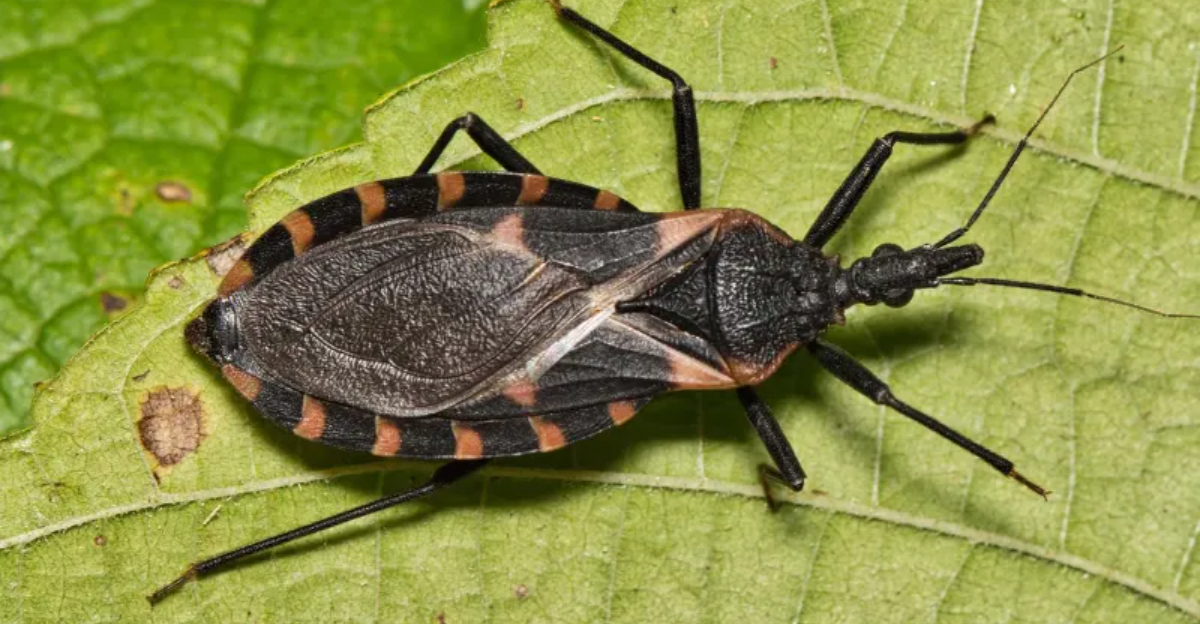
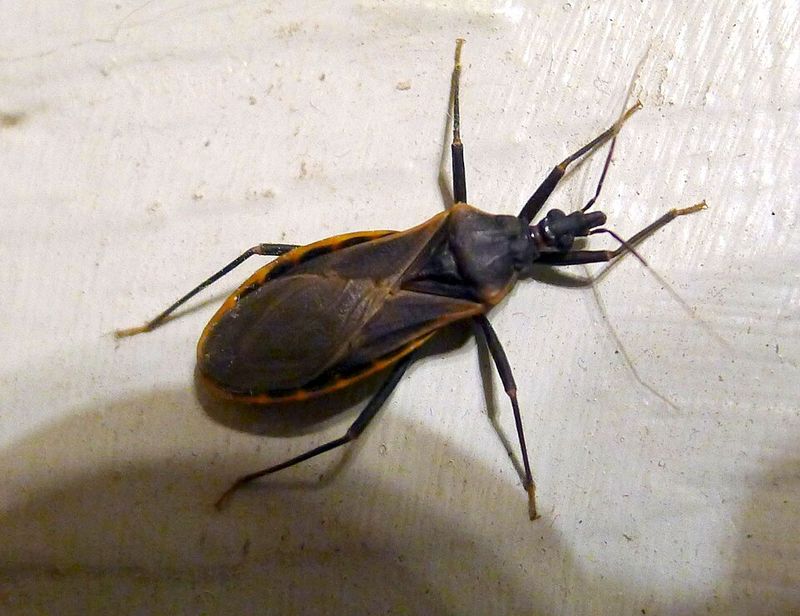
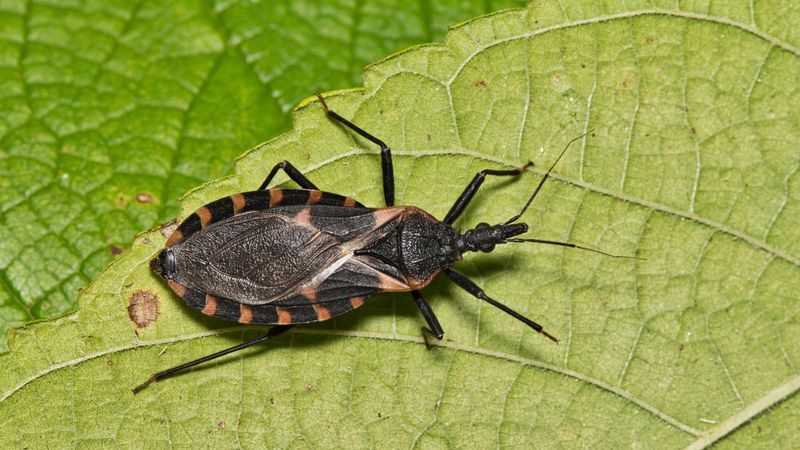
Adult kissing bugs grow to about three-quarters of an inch long. Their bodies are flat, oval-shaped, and dark brown or black, often with orange or red stripes along the edges.
They look a bit like stink bugs, which makes identification tricky for most homeowners. Knowing the difference between a harmless lookalike and this specific threat is a skill worth building right now.
Researchers Confirmed This Insect In New Castle County
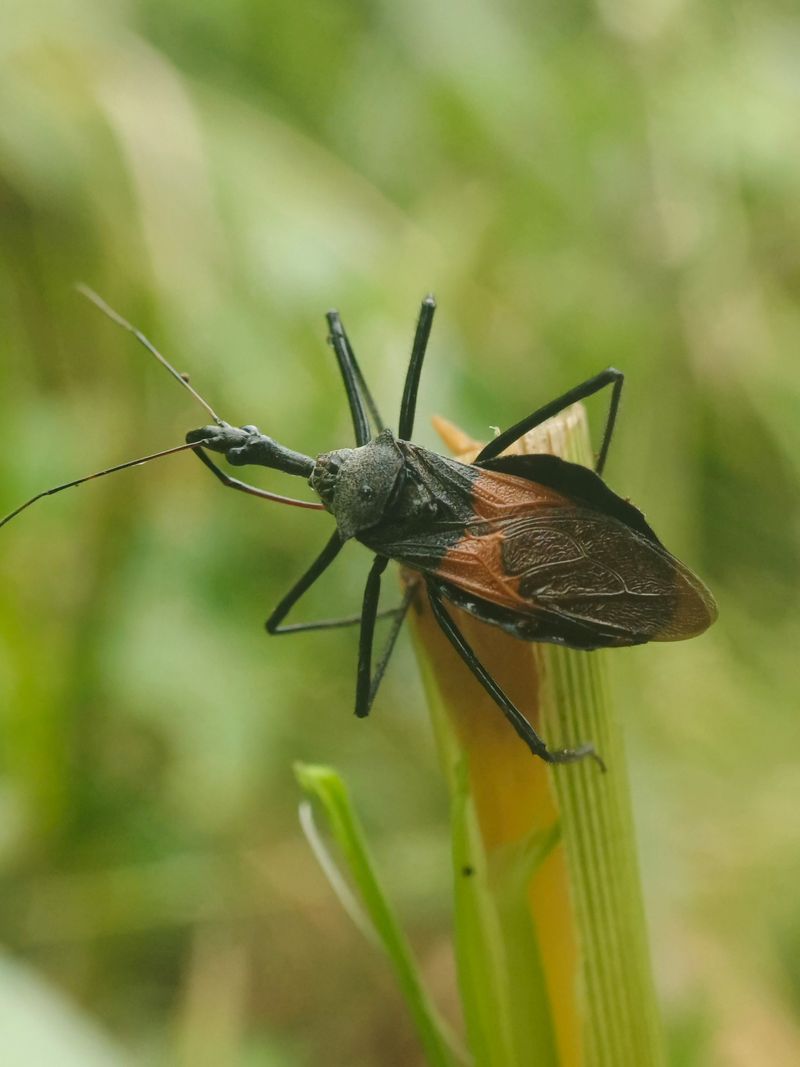
A confirmed sighting is not the same as a rumor, and that distinction matters a lot here. Researchers collected and tested a kissing bug specimen found in New Castle County, and the results confirmed the parasite was present.
The bug tested positive for the parasite linked to Chagas disease, confirming a local health concern for New Castle County.
Researchers at institutions across the mid-Atlantic region have been tracking Triatomine activity in recent years. Their work involves collecting specimens submitted by residents and testing each one carefully in a lab setting.
New Castle County sits in a part of the country where these bugs were not historically common. The confirmation gave public health professionals new data, since surveillance had previously focused further south.
Your Maine Garden Changes Every Week. Your Plan Should Too.
Gardening in Maine changes quickly throughout the season. Every Friday you’ll receive a simple weekly plan showing exactly what to plant, prune, fertilize, harvest, and protect so you never miss the right timing.
Climate shifts and changes in wildlife movement are believed to be pushing kissing bugs into new territories. Warmer winters and expanding deer and rodent populations may be helping the insects survive in places like northern Delaware.
Officials responded quickly by alerting the public and urging residents to report any sightings. The goal was not to cause panic but to encourage awareness and careful observation.
Early detection is one of the most powerful tools available when a new insect threat appears. The researchers who confirmed this find contributed valuable data through careful specimen testing.
Understanding Chagas Disease And Its Symptoms
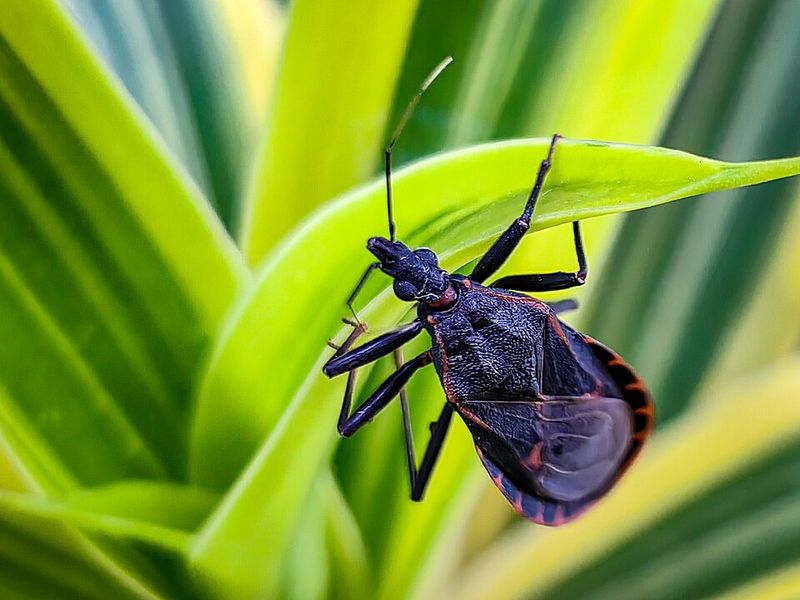
Chagas disease sounds alarming, and the facts behind it deserve a clear, honest look. The illness is caused by the Trypanosoma cruzi parasite, which can enter the human body through a kissing bug bite site.
Most people who contract Chagas disease go through an acute phase first. During this stage, symptoms can include fever, fatigue, body aches, rash, and swelling near the bite area.
One well-known early sign is called Romana’s sign, which is a painless swelling of the eyelid. This happens when the parasite enters through the eye area, and it can last for several weeks.
The tricky part is that many infected people feel no symptoms at all during the acute stage. Without testing, the infection can go unnoticed for years before causing deeper problems.
If left untreated, Chagas can progress to a chronic stage that affects the heart and digestive system. Serious complications like heart failure or irregular heartbeat can develop decades after the initial infection.
The good news is that Chagas disease is treatable, especially when caught early. Medications are available and most effective when given during the acute phase before the parasite spreads.
Anyone who finds a kissing bug near their sleeping area should talk to a doctor and consider getting tested. Early awareness is the strongest shield against long-term health consequences from this insect.
Officials Are Concerned About This Specific Case
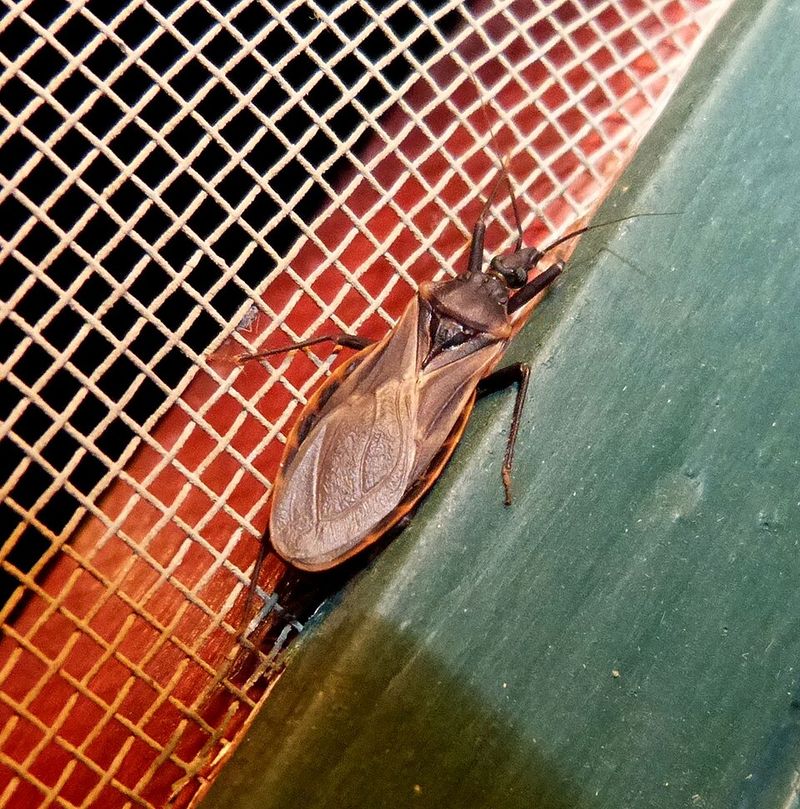
Public health officials do not raise alarms without reason, and this case gave them plenty of reasons. The confirmation of a kissing bug in New Castle County triggered a coordinated response from state and local health agencies.
Officials were particularly concerned because the specimen tested positive for the Chagas-causing parasite. Finding both the insect and the pathogen together in the same location is a more serious scenario than finding the bug alone.
Health departments began advising residents to seal gaps in their homes and reduce outdoor lighting that attracts insects at night. Those steps are simple and may help lower the chance of a bug getting inside.
The concern also extended to pets, since dogs are known to be susceptible to Chagas disease. A dog that catches and eats a kissing bug can become infected, and some cases in the U.S. have been traced to pets first.
Officials stressed that one confirmed case does not mean an outbreak is underway. The goal of the alert was to build awareness, not fear, among New Castle County residents.
State entomologists encouraged people to submit any suspicious insects for professional identification. Crowdsourced data from residents has proven to be one of the most effective ways to track insect spread across a region.
The response from authorities showed that responding quickly may help limit further spread. Early reporting helps officials track and respond to potential spread.
Identifying A Kissing Bug Inside Your Home
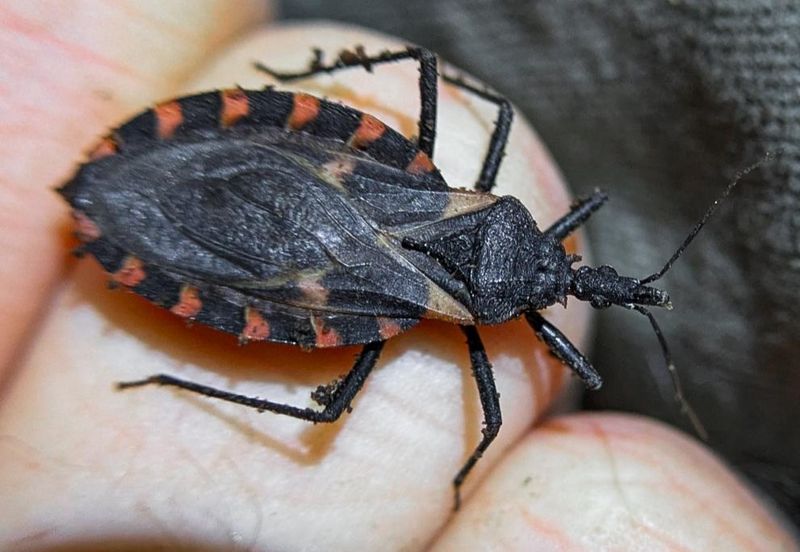
Spotting the right bug matters more than most people realize. Kissing bugs are often confused with stink bugs, wheel bugs, and other common household insects that pose no real health threat.
A true kissing bug has a narrow, cone-shaped head and a long, thin beak tucked underneath. The body is flat and oval, dark brown or black, with distinct orange or red banding around the outer edges.
Wheel bugs have a gear-like crest on their back, which kissing bugs completely lack. Stink bugs are wider and more shield-shaped, with no colorful banding along the sides.
Kissing bugs are most active at night and are drawn to carbon dioxide, body heat, and light. Finding one near a bed, couch, or pet sleeping area is a significant clue about its identity.
If you catch a bug you suspect might be a kissing bug, do not crush it with your bare hands. Place it in a sealed plastic bag or a container with a lid, then contact your local health department or university extension office.
Photos can also help experts make a quick assessment before a physical specimen is delivered. A clear image of the top and underside of the bug gives researchers the best chance at accurate identification.
Recognizing this insect quickly is one of the most useful steps any homeowner can take. The faster you act, the faster experts can confirm whether a real threat exists in your space.
Steps To Take If You Spot This Insect
Finding a suspicious bug in your home does not have to mean panic. A calm, focused response is the most useful thing you can do when you suspect a kissing bug has entered your space.
Start by not touching the insect with bare skin. Use gloves, a plastic bag, or a jar to capture it without direct contact, since the parasite can be present in the bug’s feces.
Once captured, label the container with the date and location where you found it. That information helps health officials and researchers track patterns across New Castle County and beyond.
Submit the specimen to your local cooperative extension office or health department for testing. Many states, including Delaware, offer free insect identification services through university extension offices.
After securing the bug, inspect your home for entry points. Kissing bugs enter through cracks around windows, doors, and foundations, so sealing those gaps with caulk or weatherstripping is a smart next move.
Reduce outdoor lighting near doors and windows at night, since bright lights attract insects. Moving wood piles, leaf debris, and animal shelters away from the house also lowers the chance of bugs nesting close to your living space.
Talk to your doctor if you find a kissing bug near your sleeping area. Getting tested for Chagas disease after a potential exposure is a reasonable and responsible step that could protect your long-term health.