Why Missouri Arborists Are Telling Homeowners To Put Down The Pruning Shears
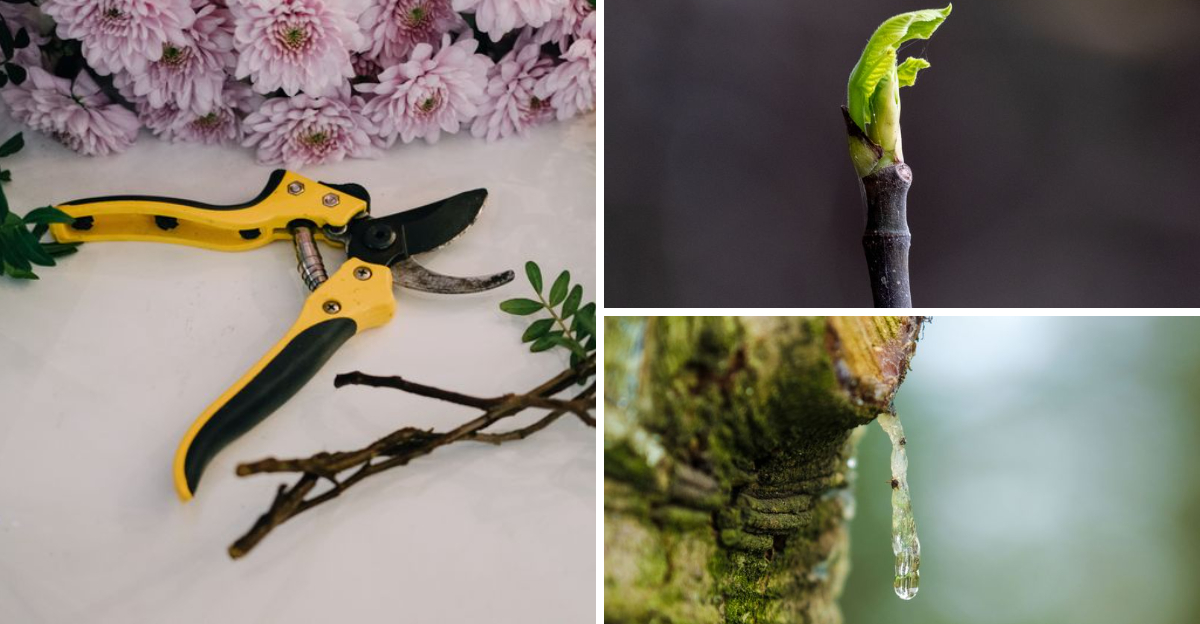
Your pruning shears can do more than simply tidy things up this week. Missouri trees face risks most homeowners never consider.
Timing alone decides whether a fresh cut heals cleanly or lingers. Wrong moves attract insects searching for open bark.
Frost finds fresh cuts before tissue can properly seal. Cold snaps quickly turn small mistakes into lasting marks.
Sap flow and dormancy both depend on precise timing. Winter preparation inside the tree pauses the moment you cut.
Unpredictable weather swings make guessing especially risky across Missouri right now. Certified arborists watch this scene repeat across the state yearly.
Professionals notice the effects months later, when fixing feels nearly impossible. Nobody warns homeowners that good intentions can mark a tree.
Science, not instinct, should decide when blades touch bark. Everything about this single moment matters far more than you ever realize. You need to know exactly why, before you cut again.
1. Fresh Cuts Attract Wood-Boring Insects Easily
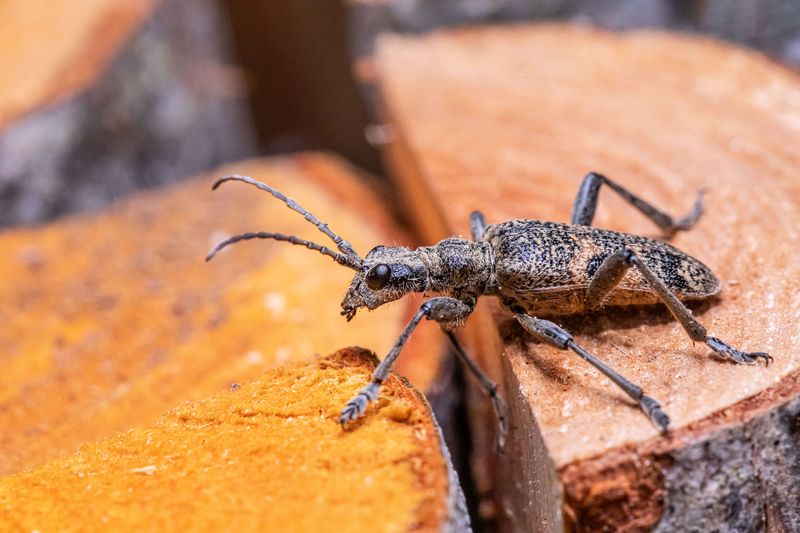
Grab a saw and make a fresh cut on your tree, and you have created conditions that attract insects. Wood-boring insects like emerald ash borers and flatheaded borers can detect fresh tree wounds from impressive distances.
These pests are drawn to the chemical signals released by newly cut wood. Sap and volatile compounds release signals that attract insects, drawing beetles and borers straight to your tree.
Once inside, they tunnel through the cambium layer, the living tissue just beneath the bark. That tunneling cuts off the tree’s ability to move water and nutrients up its trunk.
A healthy tree can sometimes fight off a small infestation by flooding the wound with resin. But a tree that was already stressed before you picked up the shears has limited ability to defend itself.
Timing your cuts during cooler months, when insect activity slows down, gives your tree a much better shot. Dormant pruning in late winter is generally recommended for many tree species, though timing can vary depending on the species.
Waiting even a few weeks can significantly reduce the risk of insect infestation in a newly pruned oak. University of Missouri Extension guidance advises avoiding oak pruning from April through July, when temperatures favor insect activity and disease spread.
Your pruning shears are not the enemy here. The calendar is the tool you actually need to protect your trees from becoming a target for insect activity.
2. Trees Redirect Energy Toward Wound Closure Poorly
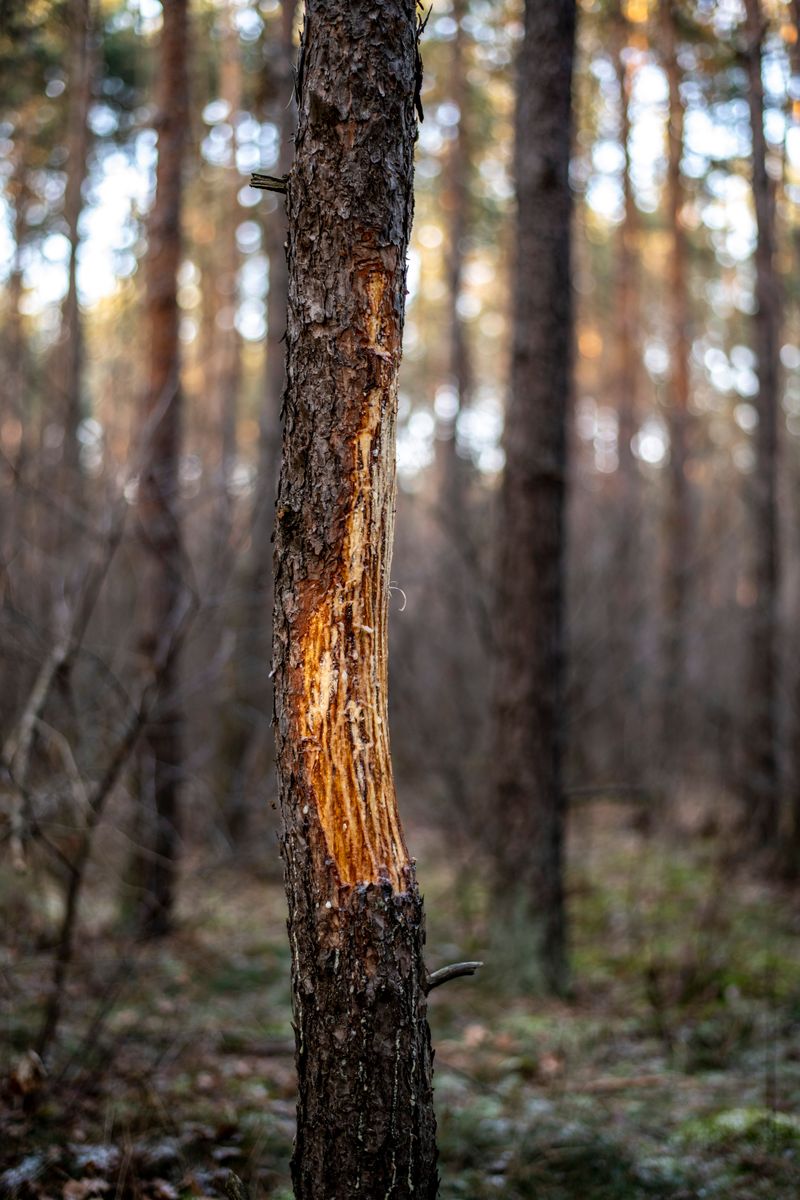
Trees are not passive. When you make a cut, the tree immediately shifts its resources toward sealing that wound, whether it is ready to or not.
During the growing season, a tree is already spending enormous energy pushing out new leaves, building root mass, and producing food through photosynthesis. Adding wound closure to that list stretches the tree dangerously thin.
Think of it like asking someone to run a marathon while also moving furniture. The tree can try, but its overall health may decline.
Trees respond to wounds by forming what is called a callus, a rim of new tissue that slowly grows over the cut. This process demands a steady supply of stored carbohydrates.
Your Missouri Garden Changes Every Week. Your Plan Should Too.
Gardening in Missouri changes quickly throughout the season. Every Friday you’ll receive a simple weekly plan showing exactly what to plant, prune, fertilize, harvest, and protect so you never miss the right timing.
When pruning happens at the wrong time, those carbohydrate reserves are already low or being spent elsewhere. The callus forms slowly, leaving the wound open and exposed for far too long.
An open wound on a tree is not just an eyesore. It is an entry point for fungal spores, bacteria, and opportunistic insects that can cause long-term structural damage.
Missouri arborists see this pattern repeatedly during summer consultations. Homeowners prune with good intentions, then call months later wondering why their tree looks worse than before.
The tree was not being stubborn. It simply did not have the energy to heal and grow at the same time, and it experienced lasting effects from a poorly timed choice the homeowner made on a sunny afternoon.
3. Late Pruning Stimulates Weak, Tender New Growth
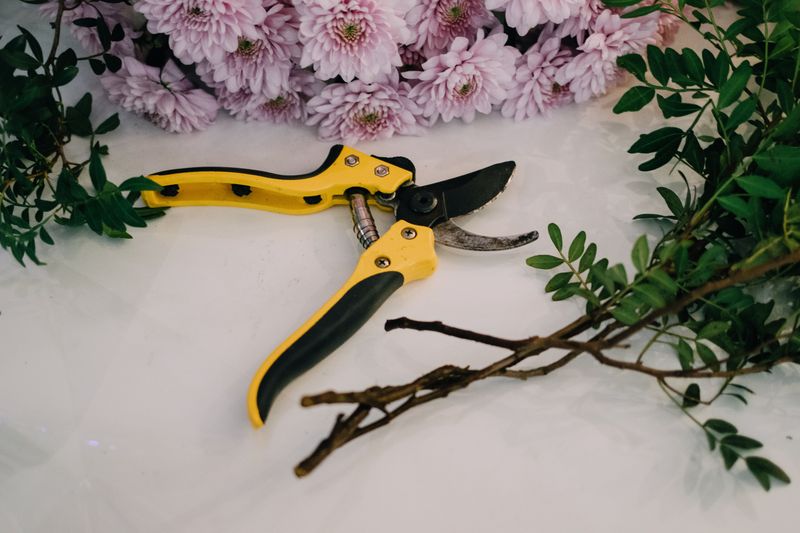
Pruning sends a clear signal to a tree: grow. When you remove branches, the tree responds by pushing out fresh new shoots to compensate for what it lost.
That sounds helpful, but the timing matters enormously. Pruning late in the season triggers growth that the tree cannot afford to produce right now.
Those new shoots are soft, succulent, and packed with water. They are the most vulnerable tissue on the entire tree, and they show up at exactly the wrong moment.
Late summer and early fall are when trees should be winding down, not gearing up. The biological clock inside every tree is shifting toward dormancy, and pruning interrupts that shift in a damaging way.
Instead of preparing for winter, the tree pours energy into brand-new growth that has no chance to mature. Arborists sometimes call this “forced flush,” and it is one of the most common mistakes they see in Missouri yards.
The new shoots are not just weak, they are also a magnet for aphids, scale insects, and other soft-bodied pests that love tender plant tissue. You end up risking a weaker, more pest-prone tree instead of a slightly overgrown one.
Experienced tree professionals will tell you that patience is the most powerful pruning tool you own. Waiting until the tree is fully dormant means any new growth triggered by your cuts will emerge at the right time, strong and ready.
4. New Growth Lacks Time To Harden Off
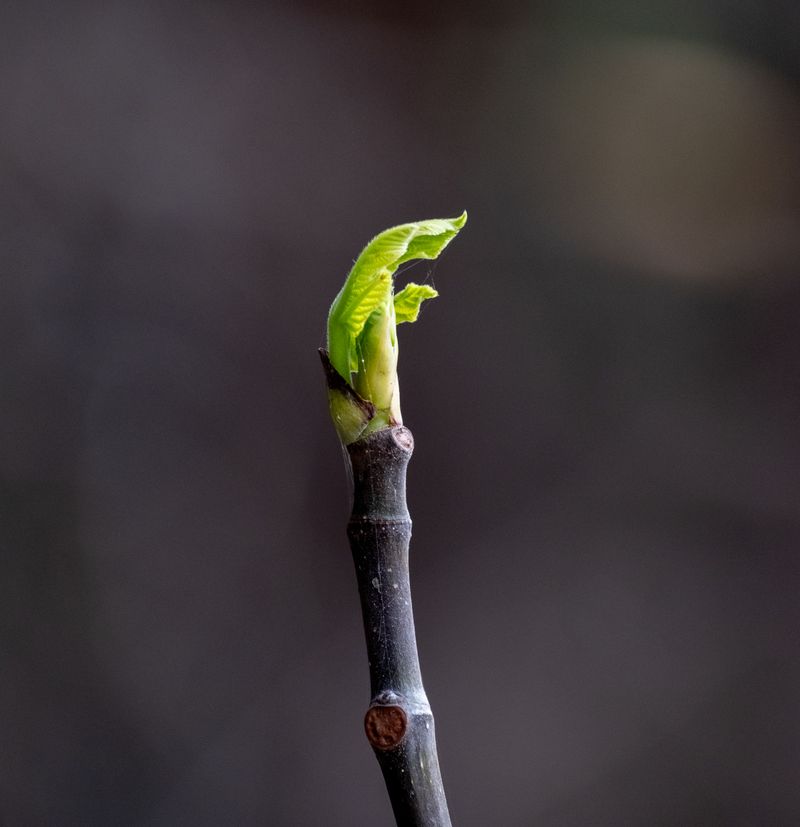
Hardening off is a process every plant goes through before winter arrives. Cells toughen up, water content drops, and tissues build resistance to freezing temperatures.
When pruning forces new growth late in the season, those fresh shoots simply do not have enough time to go through that process. They stay soft and water-logged heading into colder weather.
Picture a brand-new sponge sitting outside on a freezing night. That is essentially what late-season growth looks like when the first hard frost rolls across Missouri.
The cells inside those soft shoots are still full of liquid. When temperatures drop, that liquid expands and damages the cell walls, harming the tissue internally.
What you see on the outside looks like wilting or blackened tips. What is actually happening is cellular damage that the tree will struggle to recover from before spring arrives.
Hardened growth, on the other hand, has gone through a gradual process of acclimation. The cells have shed excess water and built up natural antifreeze compounds that protect them through the cold months.
Missouri winters can swing hard and fast. A warm October followed by a sharp November freeze is not unusual, and trees with un-hardened growth are the most affected.
Arborists stress this point to homeowners every fall: the tree needs time to prepare itself, and every cut you make resets that clock. Give your tree the runway it needs to get ready for winter.
5. Frost Damage Becomes Likely On Fresh Cuts
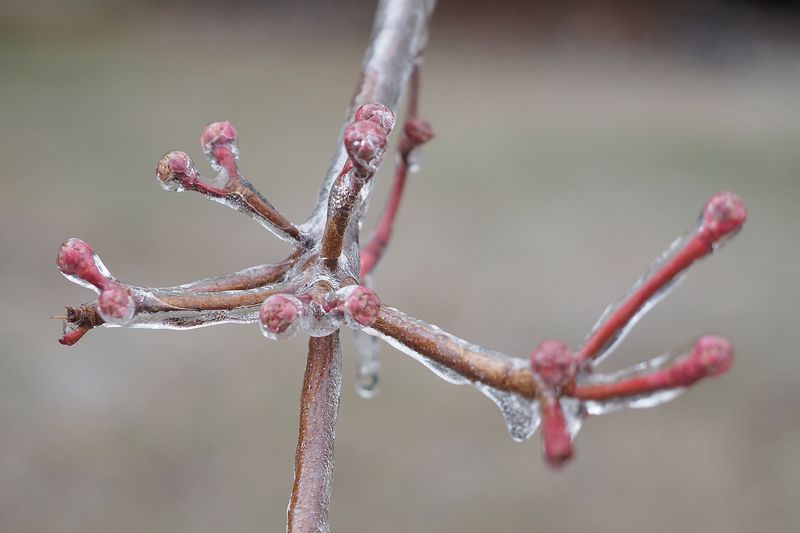
A fresh pruning cut is an open wound, and open wounds do not handle freezing temperatures well. When frost sets in, moisture inside the exposed wood can freeze and expand rapidly.
That expansion cracks the wood fibers around the cut, creating damage that goes far deeper than the surface. What looked like a clean cut becomes a split, cracked entry point for disease and decay.
Arborists have a term for this: frost cracking. It can happen overnight when temperatures swing dramatically, which is something Missouri homeowners know all too well.
The tissue just below the bark is especially vulnerable. Called the cambium, it is the living layer responsible for growth and healing, and freezing temperatures can severely damage it.
Once the cambium around a wound is damaged by frost, the tree loses its ability to form a proper callus over that area. The wound stays open longer, and the risk of decay climbs sharply.
Frost damage on fresh cuts also creates irregular edges that are harder for the tree to seal. A smooth, clean cut made at the right time heals far more efficiently than one roughened by freeze-thaw cycles.
Homeowners often blame disease or pests when they see a tree declining after a fall pruning session. In many cases, frost damage on fresh cuts started the chain reaction that led to the decline.
Waiting until late winter, just before buds begin to swell, gives cuts the best environment to start healing before stress arrives.
6. Disease Pathogens Spread Faster In Warm Weather

Warm temperatures feel great for gardening, but they also create ideal conditions for fungal spores and bacterial pathogens. When you prune during hot weather, fresh wounds sit exposed in exactly the environment disease loves most.
Fungal spores travel on wind, rain splatter, and even on the blades of your pruning tools. A wound made during peak summer gives those spores a warm, moist, nutrient-rich place to land and grow.
Oak wilt is one of the most serious examples in the Midwest. This fungal disease spreads rapidly through fresh cuts on oak trees made during spring and summer.
Missouri foresters and arborists take oak wilt seriously because it can move through root systems and affect entire clusters of trees. One poorly timed pruning cut on a healthy oak can contribute to the spread of oak wilt to nearby oaks connected by root systems.
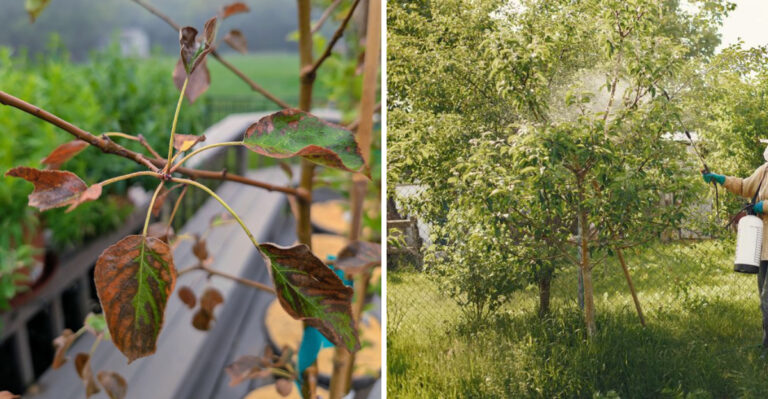
Fire blight is another warm-weather threat, especially for ornamental pear and crabapple trees common in Missouri yards. Bacteria enter through wounds and can seriously damage a tree within a single season.
Sterilizing your tools between cuts helps, but it does not remove the risk completely. The environmental conditions during warm months simply favor pathogen spread too strongly.
Dormant pruning dramatically reduces this threat because most fungal spores and bacteria are far less active in cold weather. The wound still needs to heal, but the odds of infection drop significantly.
Choosing the right season to prune is one of the simplest and most powerful disease-prevention strategies any homeowner can adopt for their trees.
7. Sap Flow Slows Healing During Heat Stress
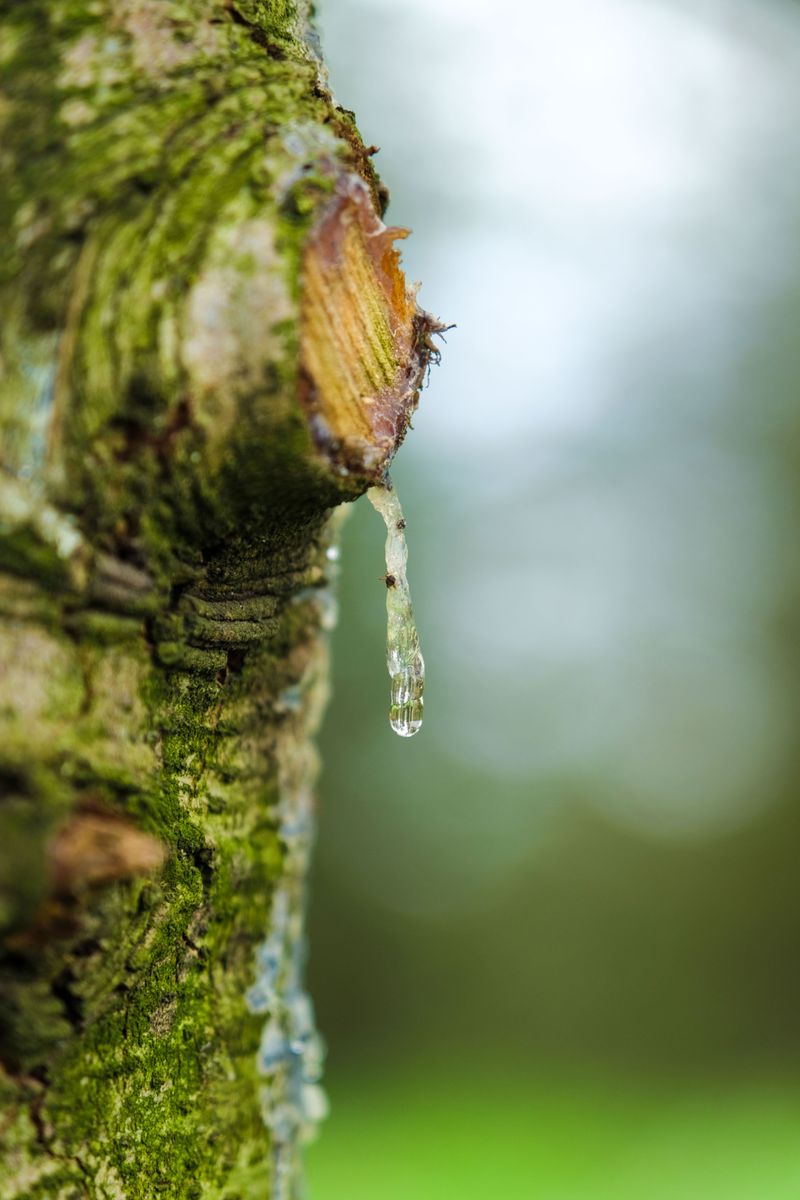
Sap is a tree’s internal transport system, moving water, minerals, and sugars from roots to leaves and back again. Healthy sap flow is also one of the key ways a tree defends and heals its wounds.
When temperatures soar, trees often experience heat stress, and one of the first things that declines is efficient sap flow. The tree essentially goes into a conservation mode, prioritizing survival over repair.
A tree under heat stress behaves similarly to a body under physical strain. It is focused on managing the immediate crisis, not on long-term recovery or building strength.
Fresh pruning cuts made during hot spells sit waiting for resources that are tied up elsewhere. The healing response slows to a crawl, leaving the wound exposed for an extended period.
In Missouri summers, heat stress is not a rare event. Stretches of ninety-degree days are common, and trees in urban yards often face even higher temperatures due to pavement and reflected heat.
Compounding the problem, drought conditions frequently accompany heat waves. A tree that is short on water has even less capacity to push protective resins and healing compounds toward a fresh wound.
Arborists who work across the state have noticed a clear pattern: trees pruned during summer heat stress often show slower callus formation and higher rates of secondary infection than those pruned in cooler months.
Letting your tree stay intact through the hottest part of the year is one of the most beneficial choices you can make for its long-term health.
8. Nutrient Storage For Winter Gets Disrupted
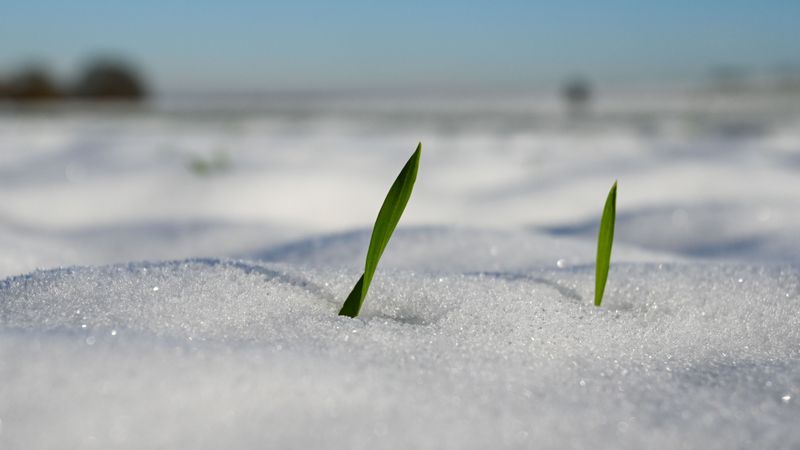
Every fall, trees do something remarkable that most people never think about. They pull nutrients and carbohydrates out of their leaves and branches and store them deep in their roots for winter.
This process, called translocation, is how trees survive months of cold with no photosynthesis happening. Those stored reserves are also the fuel that powers the first burst of growth when spring arrives.
Pruning during this critical window disrupts the whole system. When you remove branches in late summer or early fall, you are cutting off tissue that the tree was actively pulling nutrients from.
Those nutrients do not get stored. They disappear along with the branch, leaving the tree with a smaller reserve heading into the coldest months of the year.
A tree that enters winter with depleted reserves is starting the season already behind. Spring growth comes in thin and weak, and the tree is slower to recover from any additional stress it faces.
Over several years of mistimed pruning, the cumulative effect can be significant. Trees gradually weaken, become more susceptible to pests and disease, and may begin showing decline that surprises homeowners who thought they were helping.
Missouri arborists see this slow decline in yards across the state, often tracing it back to years of well-meaning but poorly timed pruning cuts. The connection is not always obvious, but the pattern is clear to trained eyes.
Putting down the pruning shears until late winter protects that nutrient storage process and gives your trees the strong foundation they need to thrive year after year.