The Amish-Inspired Seed Saving Ritual Catching On With Connecticut Growers
Small changes in farming habits often start in unexpected places. Yet you might already belong to this movement. Connecticut growers are quietly reshaping the unspoken rules of spring planting.
Neighbors trade seeds instead of making weekly trips to the store. Fermentation replaces convenience, and patience quietly replaces hurried spending habits.
Amish tradition quietly shapes this movement, though it rarely announces itself. Backyard growers hand you seeds instead of grocery store receipts. Farmers notice soil that remembers everything you plant in it.
Costs ease while flavor, resilience, and independence quietly expand. Nothing about this practice feels unfamiliar to Connecticut soil. Every seed you save carries a story older than any supermarket shelf.
Curiosity pulls you toward jars quietly bubbling on windowsills. Skeptics arrive uncertain and leave holding jars of seeds.
Momentum builds as more growers see results firsthand. Many growers say it changes how they think about their garden.
What This Seed-Saving Ritual Actually Involves

Old seeds, new purpose. The Amish-inspired seed saving ritual is a hands-on process passed down through generations of careful, intentional farming. It centers on collecting seeds from your strongest, healthiest plants each season.
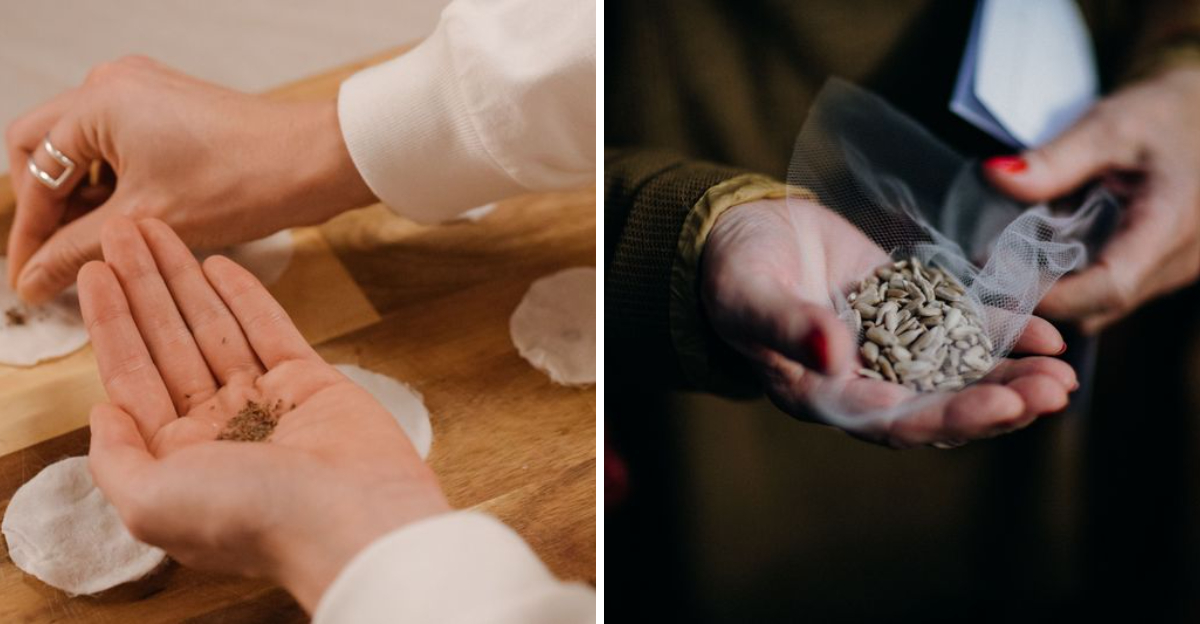
You pick the best fruits or vegetables at peak ripeness. Then you extract the seeds, clean them, and prepare them for long-term storage using methods that go back centuries.
Fermentation is a key step in this process. Seeds from tomatoes and cucumbers, for example, get soaked in water for two to three days. This mimics the natural breakdown that happens inside a rotting fruit on the ground.
The fermentation removes a gel coating that can block germination. After soaking, the good seeds sink while the weak ones float to the top. You rinse the keepers, dry them on a flat screen, and store them in labeled paper envelopes.
No fancy equipment is needed at all. A glass jar, some water, a mesh screen, and a cool dry storage spot are all you need to get started. The simplicity is exactly what makes this ritual so appealing to modern growers.
Connecticut farmers say the process feels grounding and purposeful. Each seed you save carries the genetic memory of your specific garden soil. That connection to place is something no store-bought packet can offer.
How Connecticut Growers Discovered The Practice
Word spread at a farmers market. According to several Connecticut gardening groups, growers in the Litchfield Hills area recall first noticing Amish vendors selling seeds in plain paper envelopes with handwritten labels.
Curious Connecticut gardeners started asking questions. The Amish farmers were generous with their knowledge and happy to explain the fermentation and selection process in detail. Those early conversations sparked something lasting.
Community seed swaps followed quickly. Small groups of growers began meeting in church halls and library meeting rooms to trade saved seeds and share what they had learned.
The Amish-inspired seed saving ritual found a natural home in New England’s tight-knit agricultural communities.
Agricultural extension offices took notice too. A few county agents began incorporating traditional seed saving techniques into their workshops. Some agricultural agents report growing interest in these workshops in recent seasons.
Your Connecticut Garden Changes Every Week. Your Plan Should Too.
Gardening in Connecticut changes quickly throughout the season. Every Friday you’ll receive a simple weekly plan showing exactly what to plant, prune, fertilize, harvest, and protect so you never miss the right timing.
Social media helped accelerate the movement. Local Facebook gardening groups and Instagram accounts dedicated to Connecticut homesteading started featuring seed saving posts.
Photos of fermenting jars and drying screens have circulated widely in local gardening groups.
What started as a quiet curiosity became a genuine regional trend. Growers who had never saved a single seed in their lives were suddenly fermenting tomato seeds on their kitchen counters.
The simplicity and authenticity of the Amish approach made it easy to trust and even easier to try.
Selecting And Fermenting Seeds The Traditional Way
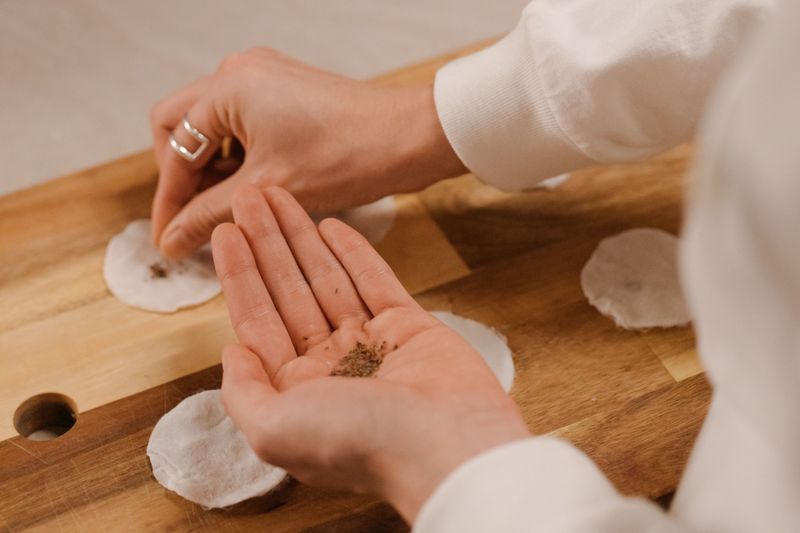
Not every seed makes the cut. Selecting the right seeds is the foundation of the entire Amish-inspired approach, and experienced growers treat it like an art form. You always choose from your most vigorous, productive, and disease-free plants.
Pick fruits that are fully ripe, even overripe. The seeds inside a deeply mature tomato or squash are more developed and carry stronger genetic traits. Underripe fruits produce seeds that often fail to germinate well the following spring.
Fermentation starts right after extraction. Place the seeds and their surrounding pulp into a small glass jar with an equal amount of water. Leave the jar in a warm spot, around 70 to 75 degrees Fahrenheit, for two to three days.
Stir the mixture once each day. A layer of white or gray mold will form on the surface, which is completely normal and expected. That mold is part of the process, breaking down the gel coat around each seed.
After fermentation, pour the mixture through a fine mesh strainer. Rinse the seeds thoroughly under cool running water until they feel clean and separate. Spread them in a single layer on a labeled screen or paper plate to dry.
Drying takes one to two weeks in a well-ventilated room. Never use heat to speed the process, as it damages the embryo inside. Once fully dry, store your seeds in paper envelopes inside a cool, dark drawer or tin box.
Why Neighbors Exchange Seeds Instead Of Buying New
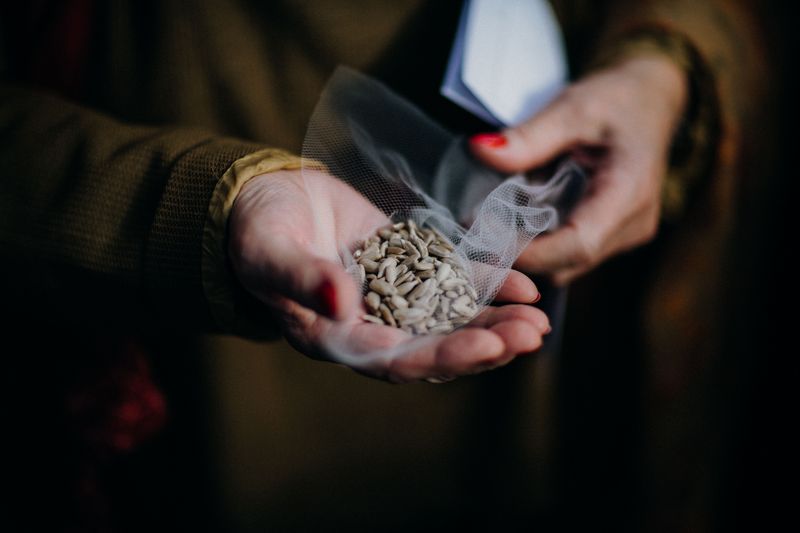
Sharing seeds strengthens ties between neighbors. Across Connecticut, the tradition of neighbor-to-neighbor seed exchange is growing as fast as the gardens themselves.
Growers are finding that swapping saved seeds creates bonds that last well beyond any single harvest season.
The economics make sense too. A single packet of specialty heirloom seeds can cost several dollars at a garden center, depending on the variety. Saving and swapping costs almost nothing once you learn the basic steps.
There is also a trust factor at play. When your neighbor hands you seeds from a tomato that thrived in your town’s specific soil and climate, you know those seeds are already adapted. Store-bought seeds are bred for broad conditions, not your specific backyard.
Seed libraries have started appearing in public libraries in parts of the state. Growers check out seed packets in the spring and return saved seeds in the fall. The system runs on community honor and a shared belief in food security.
Amish communities have always operated this way. Their seed exchanges are deeply social events tied to seasonal rhythms and community trust.
Connecticut growers who have adopted this model say it changed how they think about their neighbors entirely.
Growers who have tried this exchange often describe it as something closer to swapping family recipes than a simple transaction.
That emotional dimension is exactly why this Amish-inspired seed saving ritual keeps spreading from yard to yard.
The Benefits Of Locally Adapted Heirloom Varieties
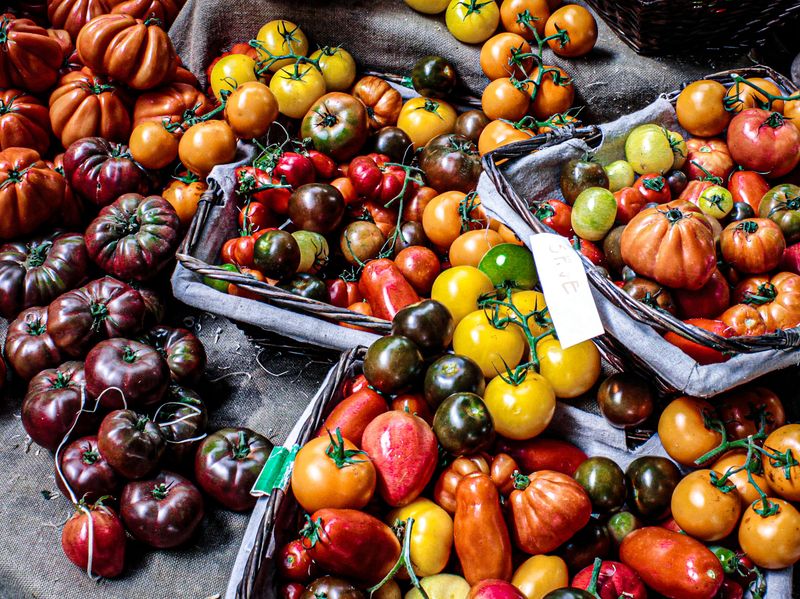
Some growers report a noticeable difference in taste after switching to locally adapted heirloom varieties. They describe a flavor intensity that commercial produce simply cannot match.
Heirloom varieties have been selected over decades or even centuries. Each generation of careful seed saving nudges the plant toward traits that perform best in a specific region’s soil, rainfall, and temperature patterns.
Connecticut’s cool springs and humid summers may have shaped some notably resilient local varieties over time.
Disease resistance can improve naturally over time, though results vary by plant and pathogen.
When a plant survives a rough season in your garden, its seeds carry that toughness forward. Buying new seeds each year resets that adaptation and starts the clock over from scratch.
Biodiversity is another major benefit worth celebrating. Some agricultural researchers argue that relying on a narrow range of high-yield varieties leaves the food supply more vulnerable to shocks.
Saving dozens of different heirloom types protects against the risk of crop failures caused by new pests or shifting weather patterns.
Nutritional density tends to be higher in heirlooms as well. Some research suggests older vegetable varieties may contain higher mineral and antioxidant levels than modern hybrids bred for shelf life.
Flavor and nutrition often go hand in hand in these ancient strains. The Amish-inspired seed saving ritual preserves all of this living history in a small paper envelope.
Every seed you save is a vote for diversity, flavor, and resilience. It’s a meaningful part of preserving plant diversity.
Trying This Ritual In Your Own Garden
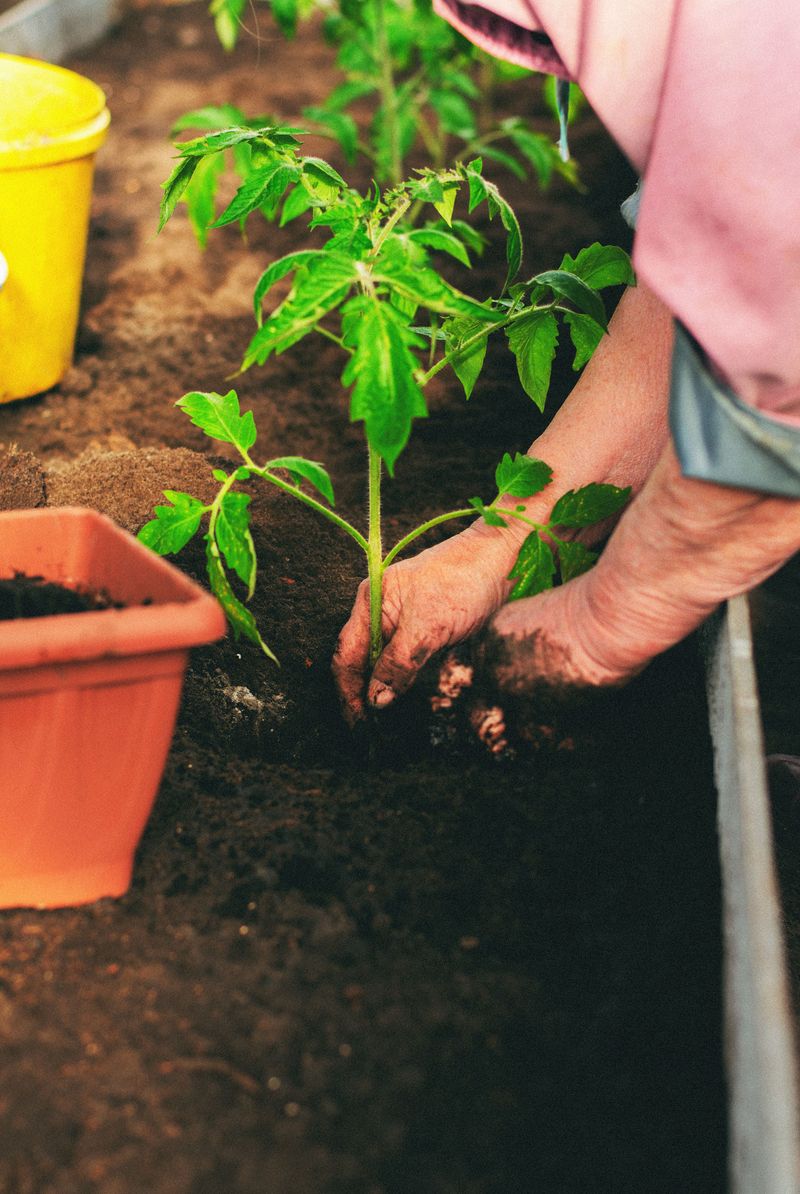
You do not need a farm to start. The Amish-inspired seed saving ritual works just as well in a raised bed on a suburban patio as it does on ten acres in Litchfield County. All you need is one healthy plant and the willingness to pay attention.
Start with tomatoes, as they are the easiest seeds to save and ferment. Choose one exceptional fruit from your best plant and let it ripen fully on the vine. Do not pick it early, patience is part of the process.
Scoop out the seeds and pulp into a small jar. Add water, stir, and wait three days at room temperature. You will see mold form, and that means things are working exactly as they should.
Rinse and dry your seeds as described in the fermentation section. Label your envelopes with the variety name, the harvest date, and any notes about how the plant performed. Those details will be invaluable when planning next year’s garden.
Connect with local seed swap groups once you have your first batch ready. Search for community seed libraries or gardening clubs in your county. Bringing saved seeds to a swap is one of the most satisfying things a grower can do.
The Amish-inspired seed saving ritual is not a trend that will fade with the next gardening season. Rooted in practicality, community, and deep respect for the land, it offers Connecticut growers something lasting. Start with one seed, and see where it takes you.