When To Plant Pansies In Georgia For Fall Color That Lasts Through The Season
Plant pansies too early, and lingering heat can make your fresh fall display struggle before it gets established. Wait for better conditions, and those same flowers can settle in much more comfortably.
Georgia gardeners have a long pansy season to enjoy, but choosing the planting window makes a noticeable difference.
These cool-season favorites perform better once temperatures begin moving away from warm early fall conditions.
Do not let the first colorful nursery display convince you to rush planting. Warm soil and hot afternoons can still work against plants that prefer cooler weather.
Patience now can reward you with stronger growth and dependable color later. Your local temperatures matter more than simply following one calendar date.
Knowing when conditions are finally right helps your pansies settle in and carry bright color through the season.
1. The Right Planting Time Depends On Where You Live
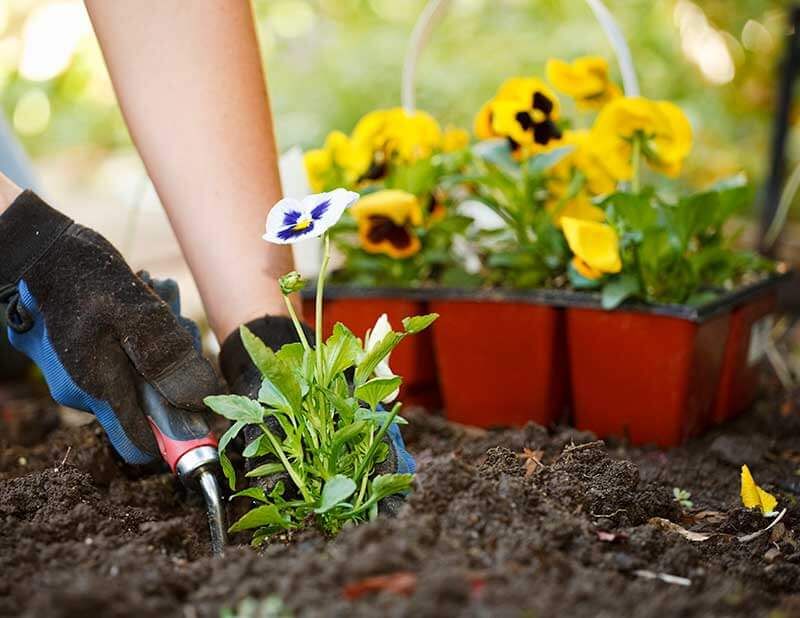
Timing is everything with pansies, and planting even a couple of weeks too late can cut your color season short. In most parts of Georgia, the sweet spot for fall planting falls between late September and mid-October.
That window gives roots time to settle in before cold nights arrive.
North Georgia tends to cool down faster than the rest of the state. Gardeners in the mountains or foothills may want to plant closer to late September.
Waiting until November in those areas can stress young plants before they establish.
Central and south Georgia stay warmer longer, so planting in early to mid-October usually works well. Soil temperatures around 45 to 65 degrees Fahrenheit are ideal for root development.
Anything much warmer than that can slow growth or cause wilting right after transplanting.
Checking your local soil temperature is worth the effort. A basic soil thermometer costs very little and takes the guesswork out of timing.
Planting when conditions are right gives your pansies the best chance to root deeply before winter sets in.
Pay attention to the ten-day forecast before you plant. A stretch of mild, cloudy days after planting helps new transplants settle without stress.
Hot sunny days right after planting can set young pansies back, even if the calendar says the timing is right.
2. Choose A Sunny Spot With Soil That Drains Well
Pansies love light. A spot that gets at least four to six hours of direct sun each day is a solid starting point.
More sun generally means more blooms, though light afternoon shade can actually help in warmer parts of the state during early fall when temperatures are still climbing.
Drainage matters just as much as sunlight. Pansies sitting in waterlogged soil can develop root rot fairly quickly.
If your yard has heavy clay soil, water may pool after rain and stay around the roots longer than it should.
Raised beds or slightly elevated planting areas can solve drainage problems without a major renovation. Mixing compost into clay soil also improves drainage over time.
Even a few inches of amended soil can make a noticeable difference in how well roots breathe.
Your Georgia Garden Changes Every Week. Your Plan Should Too.
Gardening in Georgia changes quickly throughout the season. Every Friday you’ll receive a simple weekly plan showing exactly what to plant, prune, fertilize, harvest, and protect so you never miss the right timing.
Avoid planting in low spots where water collects after storms. Those areas might look fine on a dry day, but they can become soggy within hours of a heavy rain.
Pansies in consistently wet spots rarely perform as well as those in well-drained ground.
Walk your yard after a good rain and note where water lingers. Those spots are worth avoiding.
Choose a location where the ground dries out within a day or two, and your pansies will have a much stronger start to the season.
3. Prepare The Bed Before Your Pansies Go In
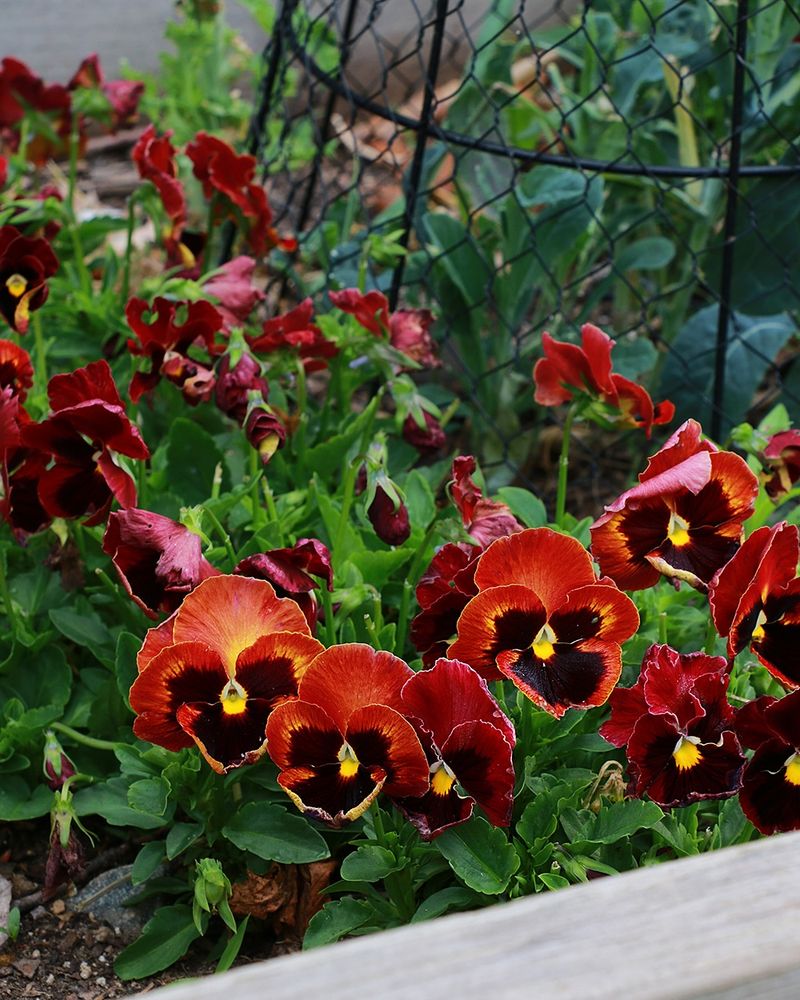
Skipping bed prep is one of the most common mistakes fall gardeners make. Pansies are not especially demanding, but they do respond well to soil that has been loosened and improved before planting.
A little effort up front pays off with stronger plants and more blooms.
Start by pulling any weeds or old plant material from the bed. Leftover roots and debris can compete with new transplants for nutrients and water.
Clearing the space gives pansies room to establish without unnecessary competition.
Loosen the soil to about six to eight inches deep using a garden fork or tiller. Compacted soil makes it harder for roots to spread.
Breaking it up improves both drainage and root penetration, which matters a lot during the cooler months ahead.
Work two to three inches of compost into the top layer of soil. Compost adds organic matter and helps soil hold moisture without becoming waterlogged.
It also feeds beneficial soil organisms that support healthy root growth over time.
A slow-release granular fertilizer mixed into the bed at planting time can give pansies a steady nutrient source through the season. Look for a balanced formula designed for flowering plants.
Avoid high-nitrogen options, which can push leafy growth at the expense of blooms. Getting the soil right before planting is one of the smartest things you can do for your fall garden.
4. Give Each Plant Enough Room To Grow
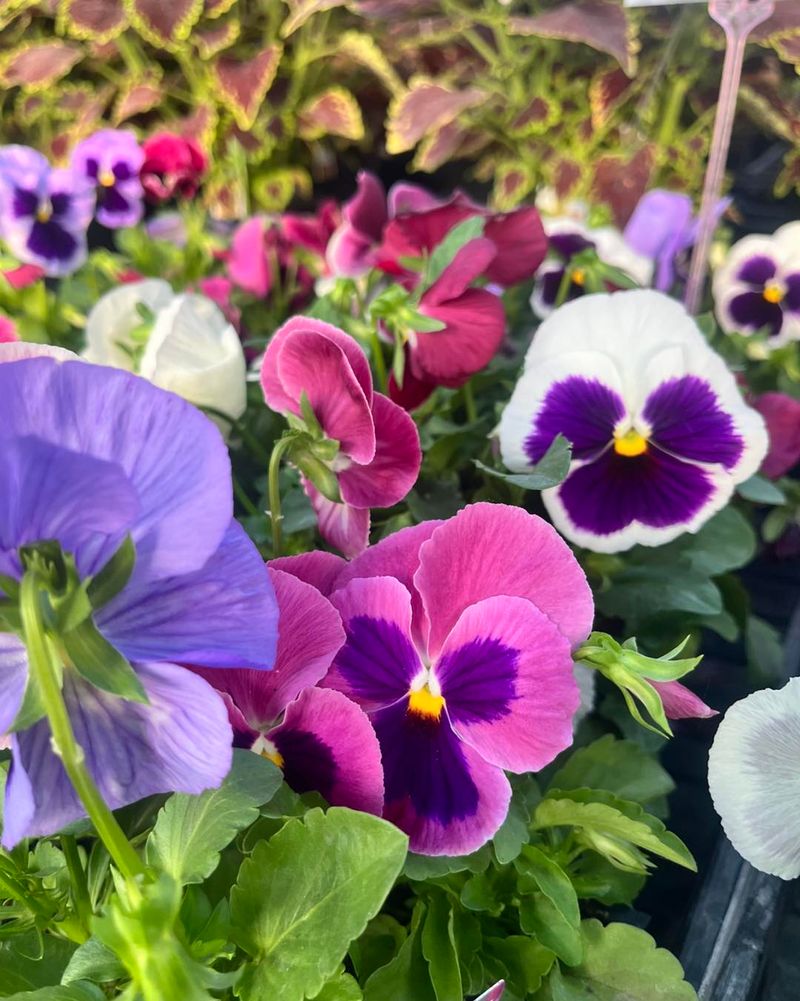
Crowding pansies is a mistake that sneaks up on new gardeners. Plants look small at the nursery, so it feels natural to place them close together.
But pansies spread as they grow, and tight spacing can lead to poor air circulation and increased disease pressure.
A general spacing guideline is six to ten inches apart, depending on the variety. Compact types can handle the closer end of that range.
Larger trailing varieties need more room to spread without overlapping neighboring plants.
Good spacing lets air move freely between plants. That airflow helps foliage dry out faster after rain or irrigation.
Wet leaves sitting against each other for extended periods can encourage fungal issues, especially during the humid stretches that fall sometimes brings in the South.
Proper spacing also means each plant gets its fair share of sunlight. Shaded leaves near the base tend to yellow and drop off sooner.
Giving each pansy its own light zone keeps the whole plant looking full and healthy longer into the season.
If you want a fuller look right away, plant slightly closer together at first. Just be ready to thin or remove plants if they start competing.
A bed that looks a little sparse at planting often fills in nicely within four to six weeks as pansies settle into the cooler fall weather and begin spreading on their own.
5. Keep The Soil Moist Without Leaving It Soggy
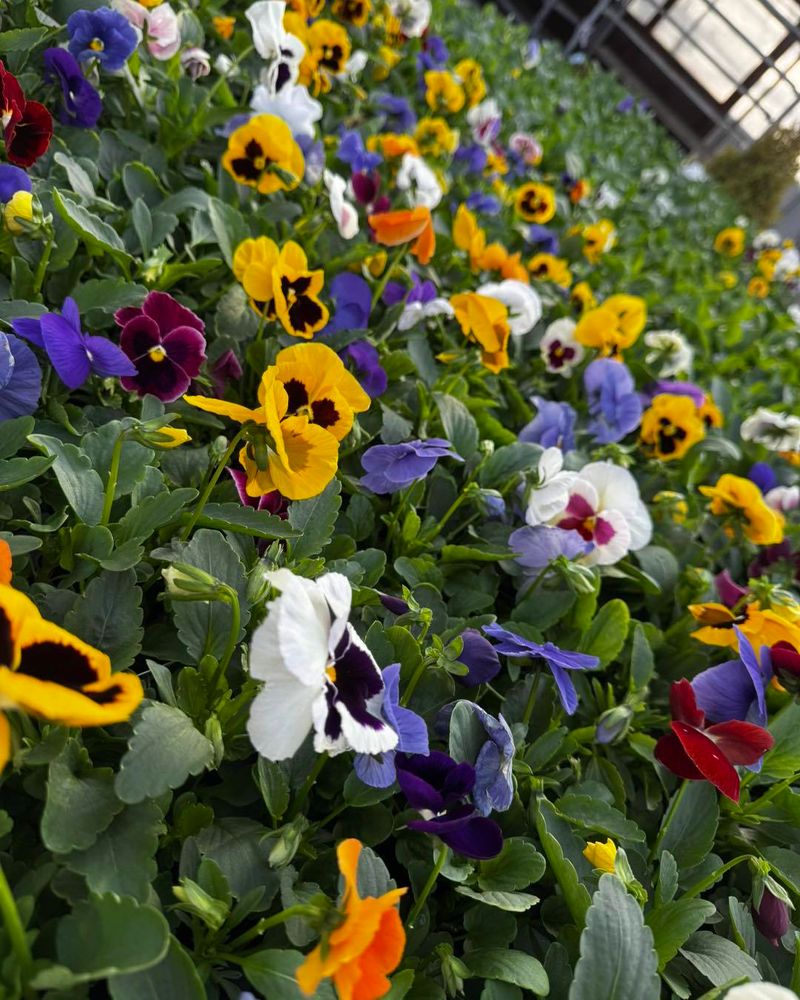
Watering pansies correctly is less complicated than it sounds, but it does take a little attention. New transplants need consistent moisture while their roots are getting established.
Letting the soil dry out completely in the first few weeks can stress plants before they have a chance to settle in.
Check the soil an inch or two below the surface before watering. If it feels dry at that depth, it is time to water.
If it still feels damp, wait another day and check again. Overwatering is just as problematic as underwatering.
Water at the base of the plant rather than overhead when possible. Keeping foliage dry reduces the chance of fungal problems.
A drip system or soaker hose works well for pansies and makes watering more efficient overall.
Rainfall in fall can be unpredictable across the region. Some weeks bring plenty of rain, and other stretches stay dry for days at a time.
Adjusting your watering schedule based on actual weather rather than a fixed routine tends to produce better results.
Once pansies are established after a few weeks, they generally need less frequent watering. Cooler temperatures slow evaporation, so the soil holds moisture longer than it would in summer.
Checking regularly and responding to what the soil actually tells you is the most reliable approach for keeping pansies healthy through the season.
6. Mulch Helps Protect The Roots As Weather Changes
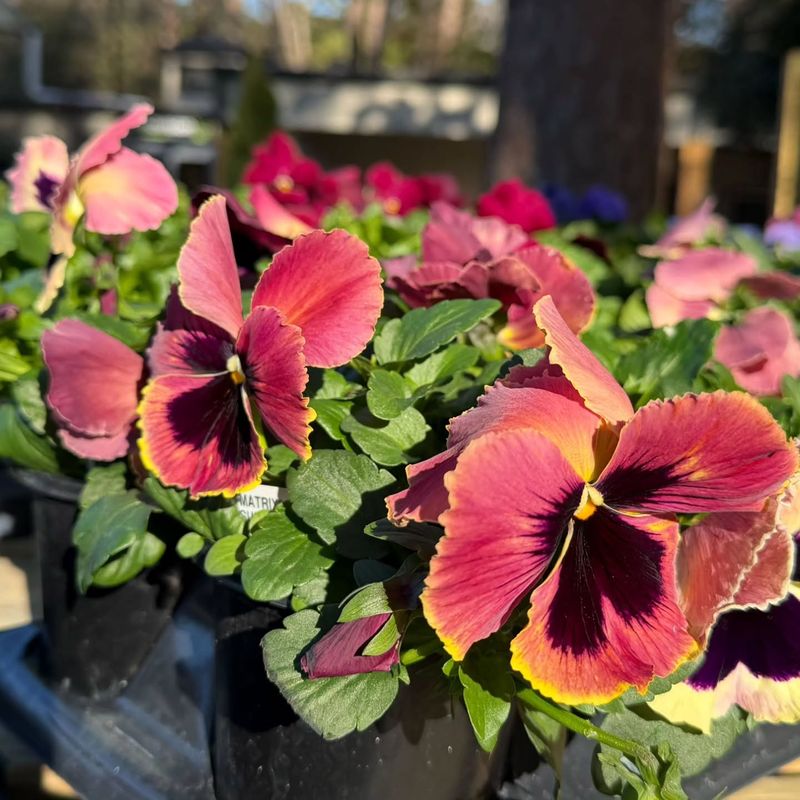
Few things help a fall pansy bed more than a good layer of mulch. Roots that are insulated from temperature swings tend to stay healthier through the unpredictable weather patterns that often show up between October and February.
Mulch also slows moisture loss between waterings.
Pine straw is a popular choice across much of the South because it is widely available and breaks down slowly. It also allows water to pass through easily without compacting over time.
A two-inch layer around the base of each plant is usually enough without smothering the crown.
Shredded bark or wood chip mulch also works well. Avoid piling mulch directly against the stems of the plants.
Keeping it an inch or so away from the crown helps prevent moisture from sitting against the base, which can cause rot.
Mulch also helps suppress weeds that would otherwise compete with pansies for water and nutrients. Fewer weeds mean less work for you and more resources for your plants.
A clean, mulched bed also just looks better through the season.
When a hard freeze is in the forecast, a slightly thicker layer of mulch can offer some added root protection. Pull it back slightly once temperatures warm up so the soil can absorb sunlight and encourage new growth.
Mulch is a simple, low-cost tool that makes a real difference in how well pansies hold up through changing weather.
7. Remove Spent Flowers To Keep Plants Looking Their Best
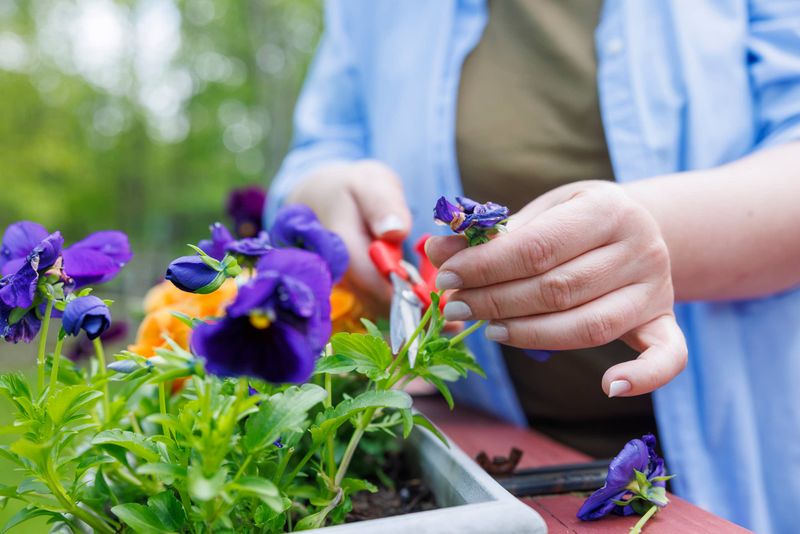
Deadheading sounds like extra work, but it takes only a few minutes and makes a big difference in how long your pansies keep blooming. When a flower fades and forms a seed pod, the plant shifts energy toward producing seeds rather than new blooms.
Removing spent flowers redirects that energy back into flowering.
Pinch or snip faded blooms just below the flower head, or cut back to a leaf node if the stem looks stretched. Either method works.
Doing this every week or so keeps the plant tidy and encourages a steady supply of new buds.
Pansies in Georgia can bloom from fall well into spring if conditions stay mild. Regular deadheading through that stretch helps maintain consistent color.
Neglected plants tend to slow down their bloom production over time, even when the weather is still favorable.
Leggy or overgrown plants can be cut back by about one-third to encourage fresh growth. This is especially useful if your pansies start looking tired in late winter.
A light trim often triggers a flush of new growth and blooms as temperatures begin to moderate in late February or March.
Combining deadheading with a light liquid fertilizer every few weeks can help sustain bloom production through the cooler months. Pansies are not heavy feeders, but a modest nutrient boost supports flowering.
Staying consistent with both practices keeps beds looking full and colorful well into the season.