Why Christmas Cactus Leaves Look Wrinkled In Late Summer, And What To Do About It
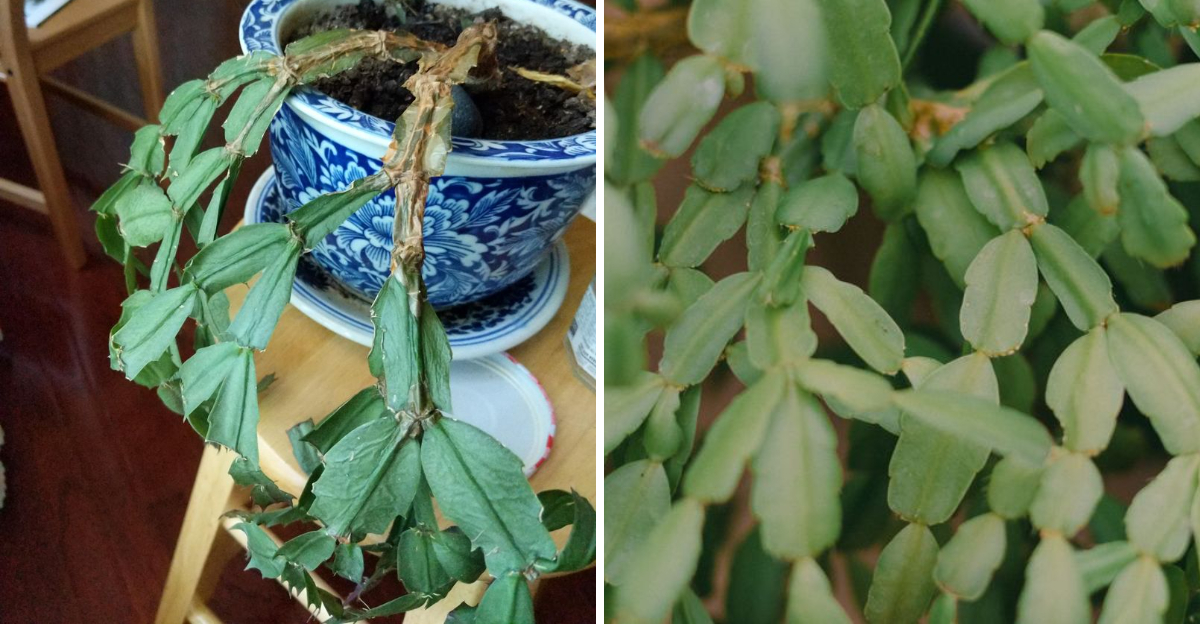
Concern sets in fast when your Christmas cactus turns limp and shriveled. Late summer plays unpredictable tricks on houseplants everywhere, especially indoors.
Your once-glossy leaves now droop like they’ve completely given up. Confusion follows because nothing about your daily care routine actually changed. Heat, light, water, and stress all work against your plant now.
Humidity swings shift faster than you’d ever expect this season. Every wrinkle you notice on those leaves tells a specific story. Nobody warns you how dramatic this stubborn plant can get.
Roots, temperature, and timing all play roles in your plant’s decline. Ignoring the signs only makes your recovery effort harder later. Understanding the cause changes everything about your very next move.
Waiting even a single week could cost you the whole plant. Small adjustments now can completely transform how your cactus truly looks. You’re closer than you think to bringing your cactus back to life.
Underwatering Causes Limp Leaf Segments
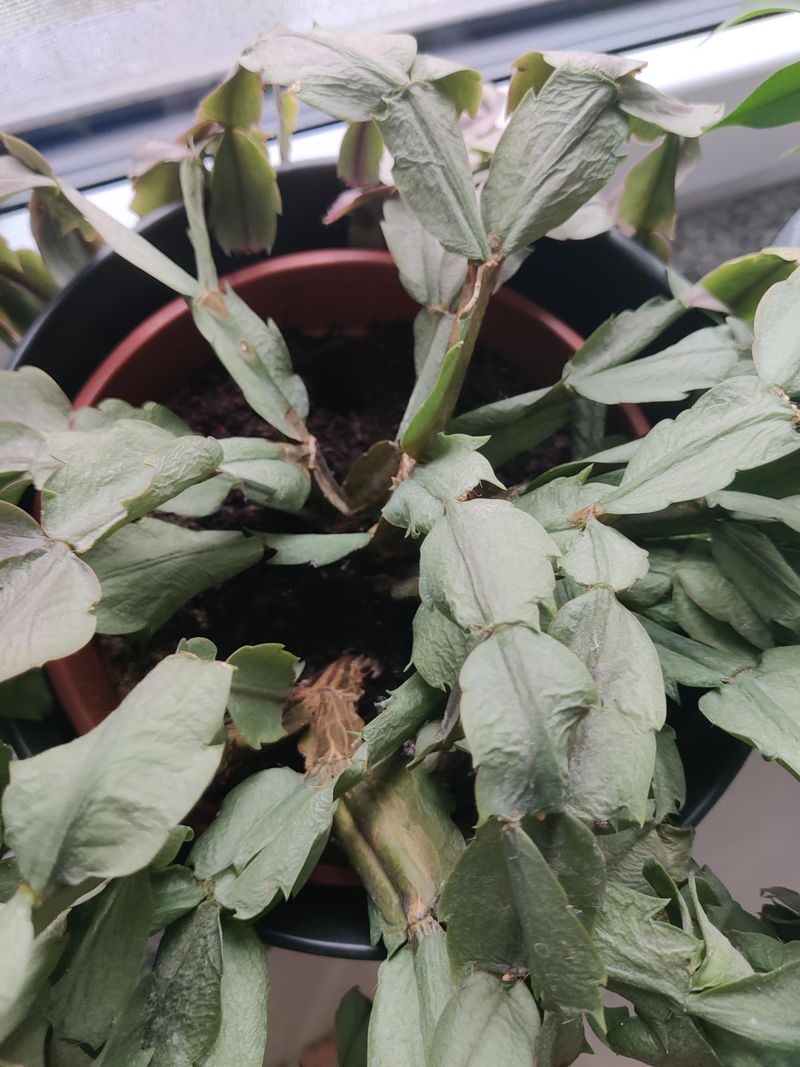
Touch your Christmas cactus right now. If the leaf segments feel soft and bendy instead of firm and plump, your plant is thirsty.
Underwatering is one of the most common reasons Christmas cactus leaves look wrinkled in late summer. The heat of the season speeds up moisture loss, and the soil dries out much faster than it would in cooler months.
When a Christmas cactus does not get enough water, its cells lose their internal pressure. That pressure is what keeps each flat, green segment looking full and healthy.
Without it, the segments start to shrivel and curl inward, giving that unmistakable wrinkled look. Many plant owners mistake this for overwatering because the plant looks droopy either way.
The key difference is soil moisture. Dry, crumbly soil that pulls away from the pot edges is a clear sign the plant needs a drink.
Water your Christmas cactus slowly and thoroughly until water drains out of the bottom hole. Let it absorb fully, then check again in a few days.
After a good watering, plump segments usually bounce back within a day or two, depending on how dehydrated the plant was. Consistent watering through late summer keeps wrinkles from coming back.
Overwatering Leads To Root Rot
Not every wrinkled Christmas cactus is thirsty. Sometimes the plant looks shriveled because its roots have rotted and cannot move water at all.
Overwatering is sneaky because the damage happens underground where you cannot see it. By the time the leaves wrinkle, the roots may already be in bad shape.
Root rot happens when soil stays soggy for too long. Roots sitting in wet soil start to break down, turning soft and dark instead of staying firm and white.
A rotting root system cannot deliver moisture to the rest of the plant. So even if the soil feels wet, the segments still shrivel up from lack of hydration.
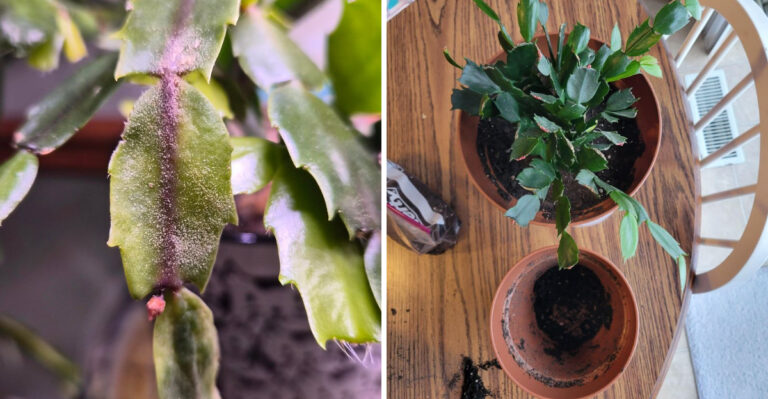
Gently tip the pot and slide the plant out to check. Healthy roots look white or light tan and feel firm when you touch them.
Mushy, dark, or slimy roots are a sure sign of rot. Trim away all the damaged sections with clean scissors before doing anything else.
Repot the plant in fresh, well-draining cactus mix and choose a pot with good drainage holes. Skip watering for a week to let the trimmed roots recover before starting a new routine.
Catching root rot early gives your Christmas cactus a real fighting chance. Healthy roots mean healthy, wrinkle-free leaves all season long.
Excessive Heat Speeds Moisture Loss
Late summer heat is a real stressor, and your Christmas cactus is sensitive to every degree of change. High temperatures cause the plant to lose moisture through its leaf surfaces much faster than normal.
This process is called transpiration, and it ramps up significantly when the air around the plant gets hot. Even a well-watered plant can start looking wrinkled if it is losing water faster than its roots can replace it.
Temperatures much above 80 degrees Fahrenheit start to stress Christmas cacti, especially with prolonged exposure. These plants naturally prefer cooler conditions, so summer heat puts them on edge.
Spots near appliances, heating vents, or south-facing windows can get surprisingly hot during the day. Even a few extra degrees can push the plant past its comfort zone.
Wrinkled leaves caused by heat stress often appear alongside dry soil and a generally droopy look. The whole plant may seem to wilt during the hottest part of the afternoon.
Moving the plant even a few feet away from a heat source can make a noticeable difference. Cooler air helps the plant hold onto moisture longer between waterings.
Misting the leaves lightly in the morning can also give the plant a small boost during heat waves. Pair that with proper watering, and those wrinkled segments should smooth back out within days.
Direct Sunlight Scorches Leaf Edges
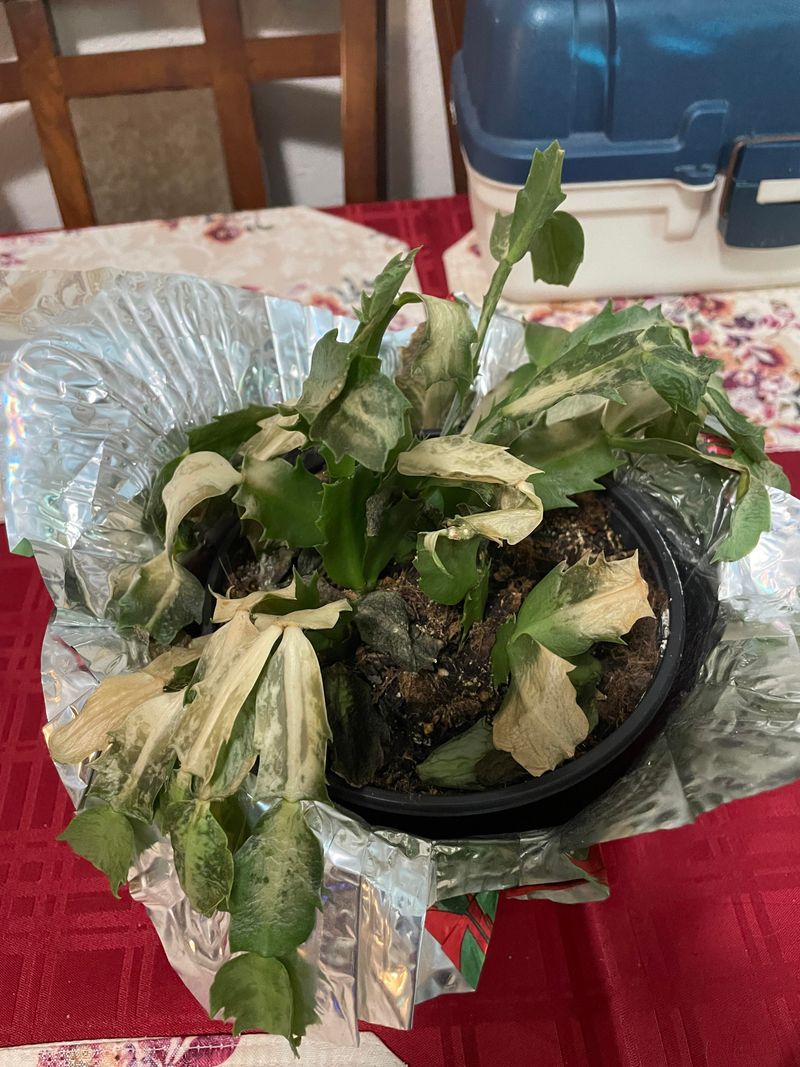
Sunburned Christmas cactus leaves have a very specific look. The edges turn reddish, almost papery, and the segments begin to shrivel along the tips and sides.
This plant is not built for harsh, direct sun. In its natural habitat in Brazilian rainforests, it grows under a thick canopy of trees that filters the light down to something gentle and dappled.
Placing a Christmas cactus in a south-facing window or on a sunny patio in late summer increases the risk of leaf damage. The intense afternoon sun can damage the leaf cells relatively quickly.
Once the cells along the edges are damaged, they cannot hold moisture properly. That is when you start seeing that telltale wrinkling combined with discoloration along the outer margins of each segment.
The fix starts with moving the plant out of direct sun immediately. A spot near an east-facing window gives it gentle morning light without the harsh afternoon glare.
Sheer curtains also work well if repositioning is not an option. They soften the light just enough to protect the plant without blocking it entirely.
Scorched areas will not turn green again, but new growth will come in healthy once the plant is in better light. Protecting your Christmas cactus from direct sun is one of the easiest ways to keep it looking its best all year.
Water Only When Top Soil Feels Dry
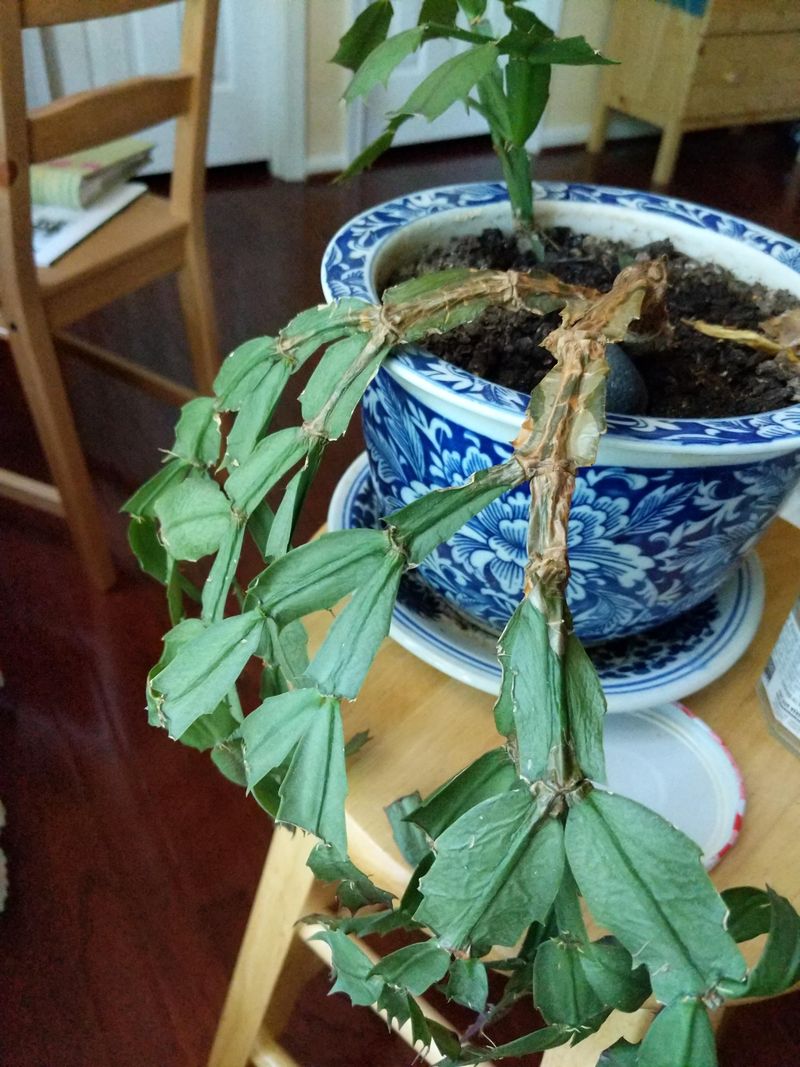
The best watering advice for a Christmas cactus fits in one sentence: stick your finger in the soil before you water. If the top inch feels dry, it is time to water.
This simple test takes just a moment and saves you from both overwatering and underwatering. Most of the wrinkled Christmas cactus problems people face come from ignoring this one step.
In late summer, the soil tends to dry out faster because of heat and low indoor humidity. You may find yourself watering more often than you did in spring, and that is completely normal.
However, the schedule should always be guided by the soil, not the calendar. Watering on a fixed schedule without checking moisture is how root rot gets started.
When you do water, do it thoroughly. Pour water slowly around the base of the plant until it flows freely from the drainage hole at the bottom.
Empty the saucer beneath the pot shortly after watering so the roots do not sit in standing water. That one extra step prevents soggy soil from building up over time.
Consistency is the goal here. A Christmas cactus that gets watered at the right time, every time, stays plump and wrinkle-free through even the hottest weeks of late summer.
Master this habit now, and your plant will reward you with gorgeous blooms when the holidays roll around.
Check Roots And Repot If Mushy
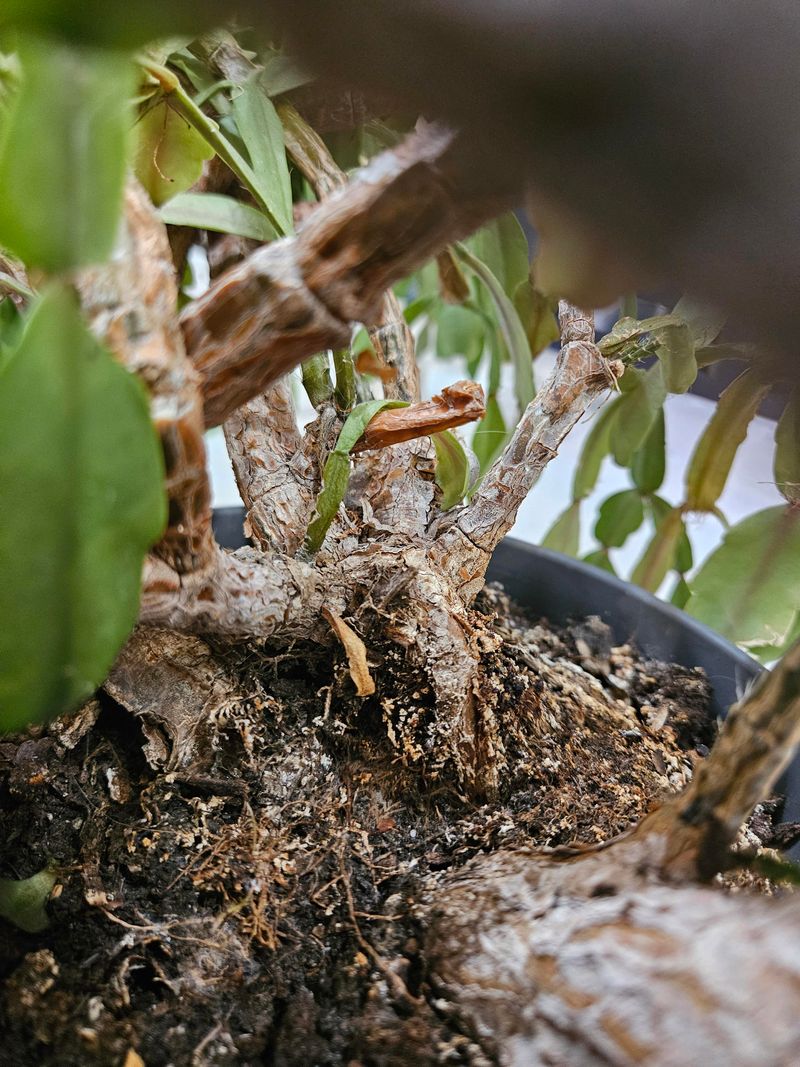
Pulling a plant out of its pot feels a little unfamiliar the first time. But checking the roots is the fastest way to know exactly what is going on beneath the surface.
Gently tip the pot on its side and ease the root ball out. If it slides out in a solid, intact clump, that is a good sign the roots are healthy.
Healthy roots look light-colored, firm, and slightly fuzzy at the tips. Dark, soft, or slimy roots tell a different story, one that needs immediate attention.
If you find mushy roots, there’s no need for alarm. Trim all the damaged sections off with clean, sharp scissors or pruning shears.
Cutting away rot stops it from spreading to the healthy roots that remain. Let the trimmed root ends air out for an hour before replanting.
Choose a pot that is only slightly larger than the root ball. Too much extra space holds excess moisture, which can restart the rot cycle all over again.
Fresh cactus or succulent potting mix works best because it drains quickly and does not hold too much water. Standard potting soil tends to stay wet too long for this type of plant.
After repotting, hold off on watering for about a week. Giving the roots time to settle into dry soil encourages them to grow outward and rebuild strength fast.
Move The Plant To A Cooler Spot
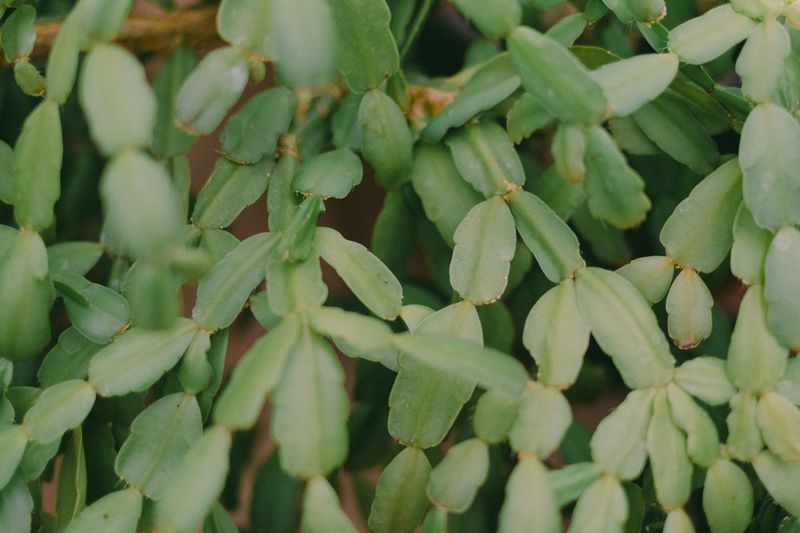
Sometimes the simplest fix is just moving the plant. A cooler location can stop the wrinkling almost immediately by reducing how fast the plant loses moisture.
Christmas cacti are happiest in temperatures between 65 and 80 degrees Fahrenheit. Anything above that range starts to stress the plant, especially when the heat is consistent day after day.
Late summer is when indoor temperatures near windows and south-facing walls can creep up significantly. Even a few feet of distance from a hot window can drop the ambient temperature noticeably.
Look for a spot with good airflow and shade from the harshest afternoon sun. A north or east-facing room tends to stay cooler and more stable throughout the day.
Avoid placing the plant near air conditioning vents too. Cold, dry air blasting directly onto the leaves causes its own kind of moisture loss and can trigger wrinkling as well.
Basements and interior rooms often stay naturally cooler in summer. If you have a bright interior spot away from windows, it might be the perfect summer home for your Christmas cactus.
Once the plant settles into a cooler environment, you should notice the wrinkled segments beginning to plump back up within a day or two.
Consistent temperature is an overlooked factor most plant owners miss. A happy Christmas cactus in the right spot barely needs any extra attention to stay looking full and healthy.
Shift It To Bright, Indirect Light
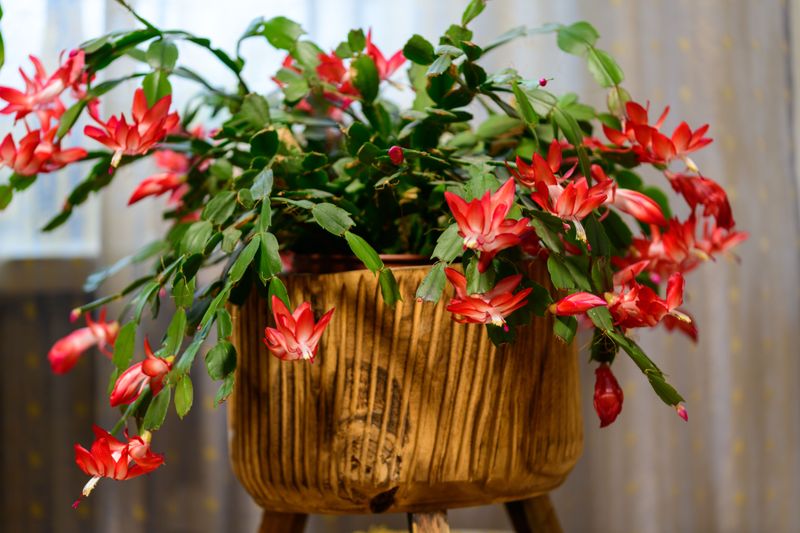
Light matters more than most people realize when it comes to wrinkled Christmas cactus leaves. Getting the light right fixes multiple problems at once.
Bright, indirect light gives the plant enough energy to photosynthesize without overexposing it to heat. That balance keeps the leaf segments firm, green, and full of moisture.
East-facing windows are often the sweet spot for this plant in summer. Morning sun is gentler and shorter, giving the plant a boost without the intense afternoon heat.
North-facing windows work too, especially in regions where summer sun is intense. The light is softer and more consistent throughout the day without dramatic temperature swings.
If your only option is a south or west-facing window, hang a sheer curtain to filter the light. Even thin fabric makes a big difference in how much heat reaches the plant.
Grow lights are another option for rooms that do not get much natural light. A full-spectrum LED set to roughly 12 to 14 hours per day can help mimic the conditions this plant prefers.
Proper lighting also sets the stage for blooming later in the year. A Christmas cactus that gets the right light in summer builds up the energy it needs to flower in winter.
Fix the light now, and you’ll be rewarded with healthy leaves today and stunning blooms when the holiday season arrives.