What Oregon Gardeners Should Remove In September Before The Wet Season Begins
A garden can still look surprisingly lively just before Oregon’s wetter weather settles in. Beds hold color, summer growth hangs on, and plenty of plants seem perfectly happy to keep going for a while longer.
That calm appearance can hide a few things worth dealing with now. Spent growth, forgotten debris, tired annuals, and crowded corners may become more troublesome once steady moisture returns.
The tricky part is knowing what actually needs to go and what should stay put. Overdoing cleanup can remove useful cover, while ignoring everything can leave extra work waiting for you later.
Classic garden timing. This is less about making the yard spotless and more about helping it head into the next season in better shape.
A few smart removals can open space, simplify future chores, and keep neglected areas from becoming harder to manage.
Think of it as editing the garden, not emptying it. A little restraint now can make the whole yard easier to handle once the rain returns.
1. Pull Out Summer Plants That Are Finished Producing
By the time September arrives in Oregon, many summer vegetables have given everything they have got.
Tomatoes, peppers, cucumbers, and squash plants that are no longer producing anything useful are just taking up space.
Leaving them in the ground through the wet season invites trouble. Old plant material holds moisture and can harbor fungal spores, insect eggs, and bacteria that will cause problems next spring.
Pulling these plants out now is one of the most effective things you can do for your garden’s long-term health. Start by cutting the stems at the base if the roots are stubborn.
Shake off as much soil as you can before tossing the plants into your yard waste bin. Do not compost plants that look diseased or pest-damaged. Those need to go out with yard waste, not back into your garden.
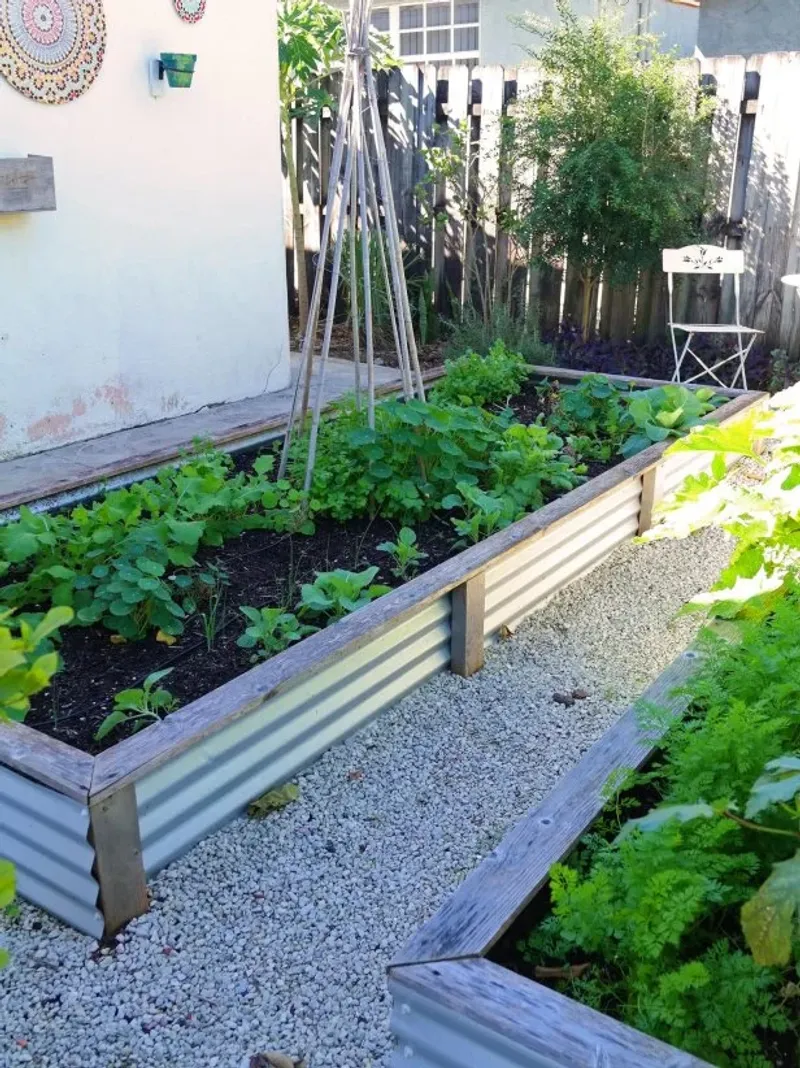
Once the beds are cleared, you will notice how much better the space looks. Bare soil is actually a good thing at this stage.
You can add a layer of compost or cover the bed with cardboard to suppress weeds over winter. Some gardeners plant a cover crop like crimson clover or winter rye to protect the soil until spring planting season begins again.
Getting summer plants out early also gives you a chance to spot any soil issues before the ground gets too wet to work with. Taking this step seriously now pays off in a big way when you are ready to plant again.
2. Cut Out Withered Stems That Can Hold Moisture
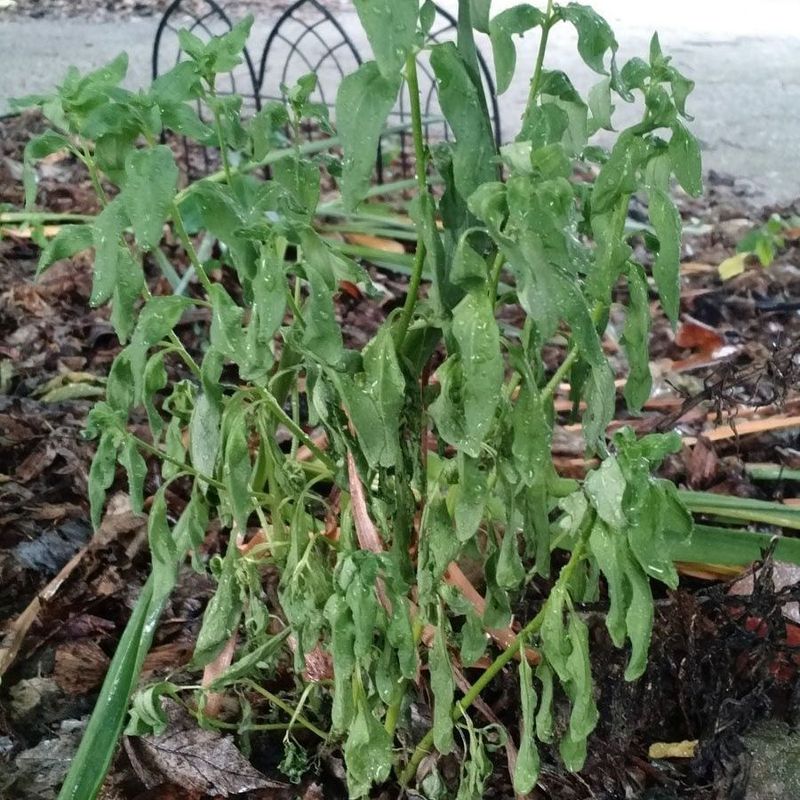
Hollow and withered stems from plants like coneflowers, dahlias, and ornamental grasses can look harmless, but they create real problems in a wet climate.
When rain collects inside hollow stems, it creates the perfect environment for mold, fungal rot, and overwintering insects.
Cutting these stems back before the wet season starts removes that risk entirely.
Not every stem needs to go. Some gardeners choose to leave certain seed heads standing through winter to feed birds like goldfinches and chickadees.
Your Oregon Garden Changes Every Week. Your Plan Should Too.
Gardening in Oregon changes quickly throughout the season. Every Friday you’ll receive a simple weekly plan showing exactly what to plant, prune, fertilize, harvest, and protect so you never miss the right timing.
That is a smart and wildlife-friendly choice. But stems that are already withered, mushy, or clearly rotting at the base should come out now.
Use clean, sharp pruning shears and cut the stems close to the base of the plant without digging into the crown.
After cutting, check the base of each plant for signs of crown rot or fungal growth. If the base of a plant feels soft or smells off, that is a sign the rot has already started.
Remove those plants completely and dispose of them in yard waste. For healthy plants, cutting back the old stems encourages better airflow around the crown, which helps the plant survive wet winters with fewer problems.
Piling the cut stems loosely in your yard waste bin is the best option. Leaving them in a heap next to your garden beds just gives pests and diseases a new place to hang out until warmer weather returns and the cycle starts all over again.
3. Remove Diseased Leaves Before Fall Rain Spreads Problems
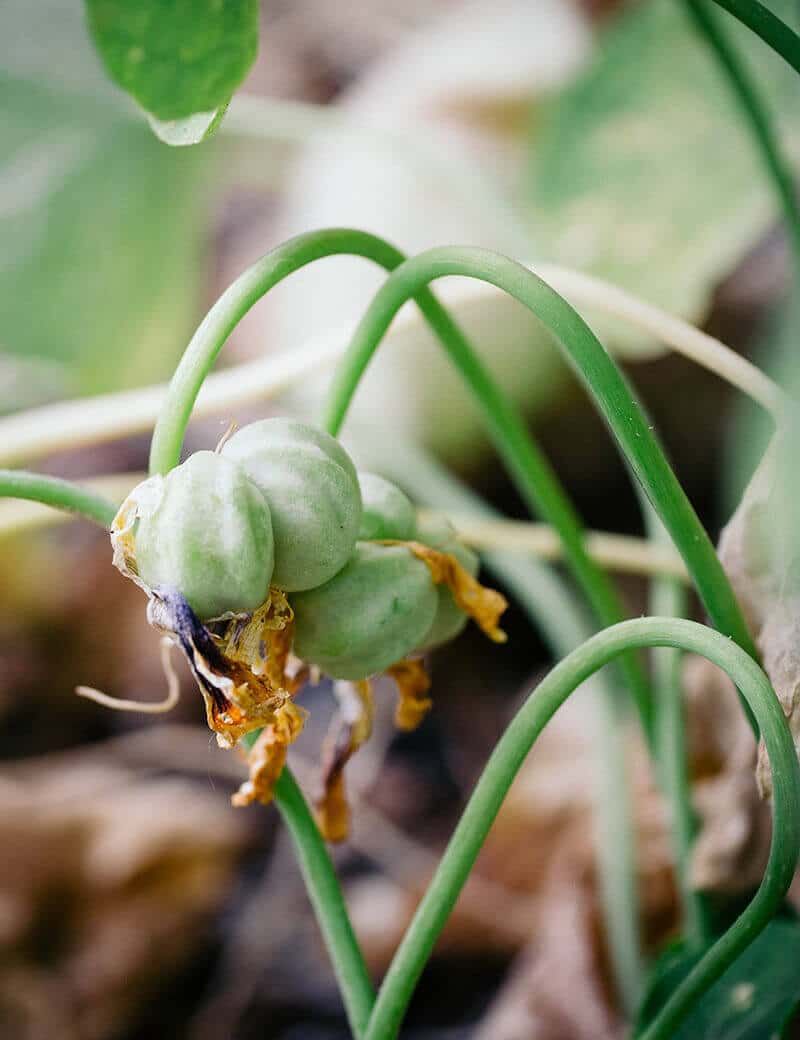
Spotted, yellowed, or powdery leaves are not just ugly. They are a warning sign that something is already wrong in your garden.
Fungal diseases like powdery mildew, black spot, and leaf blight thrive in wet conditions. If you leave infected leaves on the plant or on the ground, the rain will splash fungal spores onto nearby healthy plants and spread the problem fast.
Go through your garden carefully before the heavy rains begin. Look at the undersides of leaves, not just the tops.
Remove anything that looks discolored, spotty, or coated with a white or gray film. Put these leaves directly into a yard waste bag.
Do not let them sit in a pile on the ground, and do not add them to your compost pile. Composting diseased leaves can preserve the spores and reintroduce them to your garden later.
After removing the damaged leaves, clean your pruning shears with rubbing alcohol. This simple step stops you from accidentally moving disease from one plant to another.
If a plant is heavily infected, consider removing the whole thing rather than just trimming around the edges.
Some Oregon gardeners in wetter climates apply a diluted neem oil spray after cleanup to help protect the remaining healthy foliage.
The rainy season in the Pacific Northwest is long. Getting ahead of leaf diseases now means you will have far fewer problems to deal with when spring arrives and new growth begins pushing out.
4. Clear Fallen Fruit From Under Trees And Vines
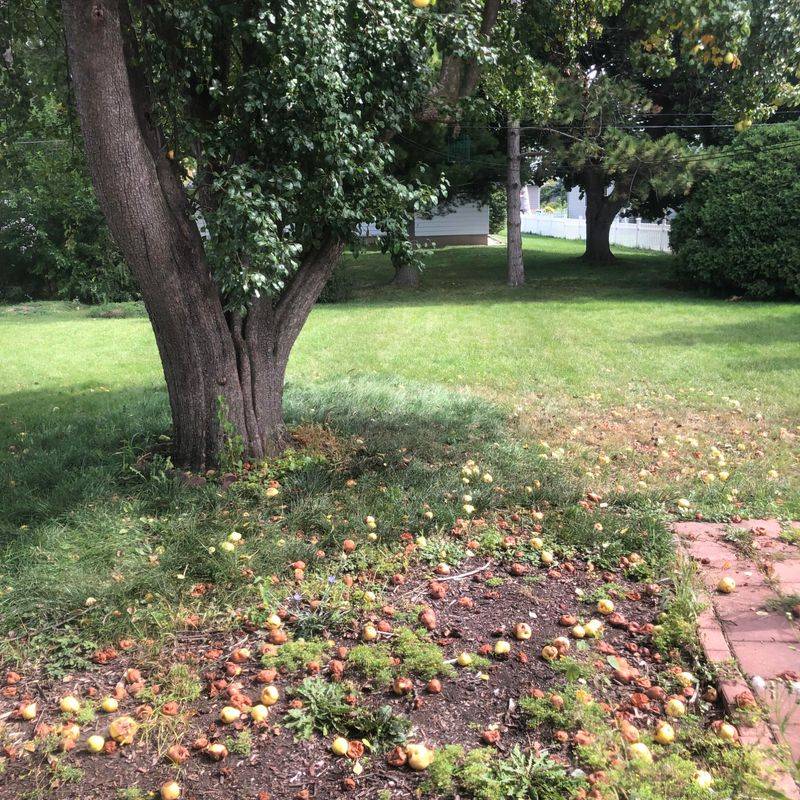
Rotting fruit on the ground might not seem like a big deal, but it is one of the most overlooked problems in fall gardens.
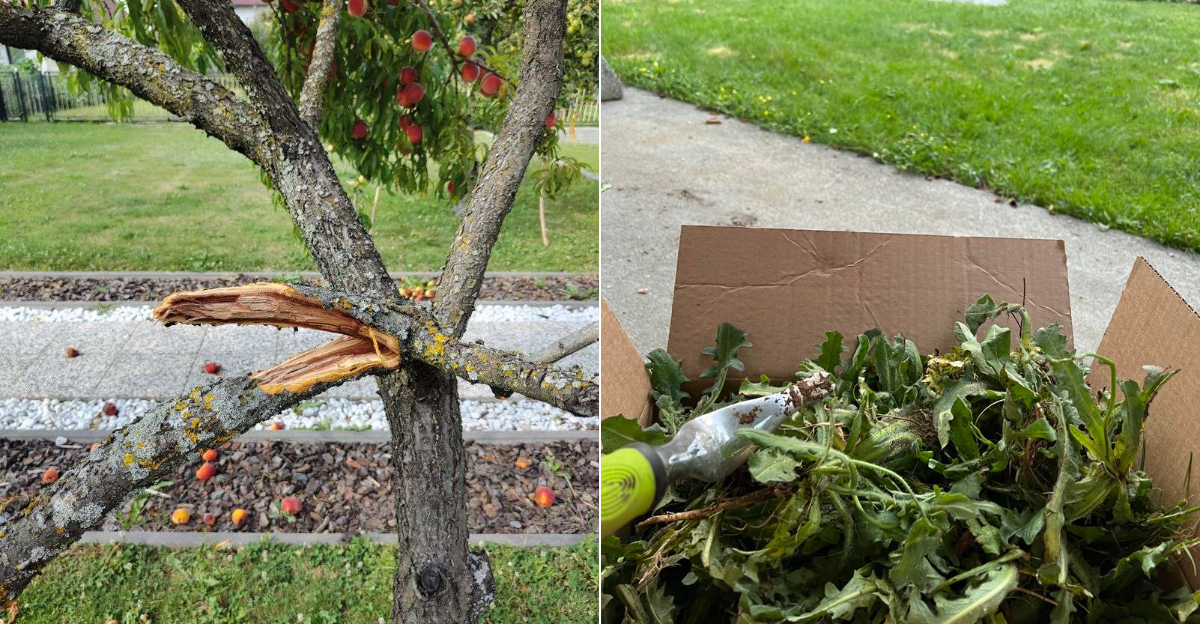
Fallen apples, pears, plums, and grapes left on the ground attract pests like yellowjackets, fruit flies, slugs, and rodents.
Worse, that decomposing fruit often carries fungal spores and bacteria that can infect the soil and even the tree or vine it fell from.
Walk around your fruit trees and grape vines and pick up every piece of fallen fruit you can find. Check in the tall grass and along fences where fruit rolls and gets forgotten.
Toss it all into your yard waste bin rather than your compost pile unless you are sure the fruit is disease-free. Rotting fruit that was affected by brown rot or other fungal issues should never go into home compost.
While you are at it, check the tree itself for any fruit that is still clinging to branches but has clearly gone bad. Mummified fruit left hanging over winter can reinfect the tree come spring.
Removing it now breaks the cycle and gives your tree a cleaner start. Oregon has a strong tradition of home orchards, and keeping them productive means staying on top of this kind of seasonal maintenance.
A quick cleanup session under your trees takes maybe thirty minutes, but it can protect your orchard from repeated disease cycles for years to come. Consistency is what makes the difference.
5. Remove Weeds Before They Drop More Seed
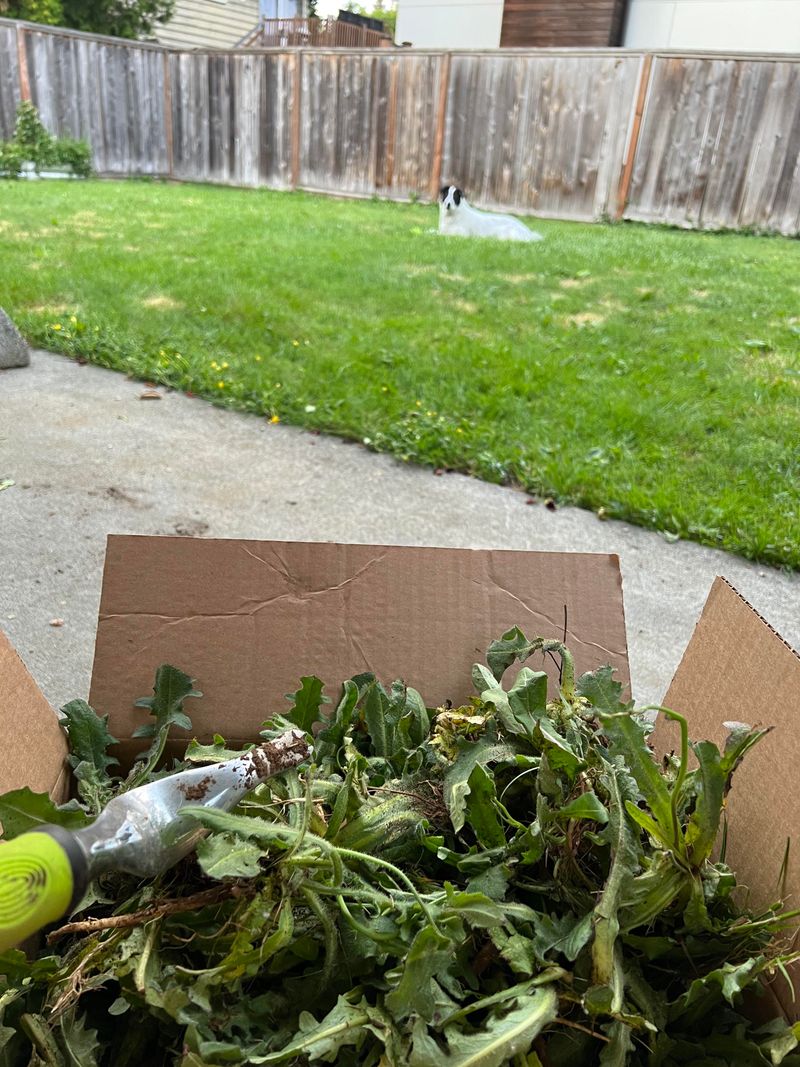
Few things undo a summer of hard gardening work faster than a weed explosion in spring. Many common weeds, like hairy bittercress, chickweed, and annual bluegrass, set seed in late summer and fall.
If you let them go to seed now, you are guaranteeing yourself a much bigger weed problem next year. September is the last good window to stop them before the seeds drop.
Walk through every bed and pull weeds before they flower or go to seed. Pay close attention to the areas around your plant crowns and along the edges of raised beds where weeds tend to sneak in unnoticed.
When pulling weeds, try to get the whole root. Broken roots left in the ground will often regrow, especially in the moist fall soil.
A hand trowel or a hori-hori knife makes this job much easier. Do not shake the weeds over your garden beds while pulling them out. Shake them into a bucket or bag instead.
Any seeds that have already formed can drop and sprout even after the plant is pulled. Bag the weeds and put them in yard waste rather than compost.
Home compost piles rarely get hot enough to destroy weed seeds. After weeding, lay down a two-inch layer of mulch to suppress any seeds already in the soil.
This one step can cut your spring weeding time in half. Staying ahead of weeds in fall is one of the most rewarding habits a gardener can build.
6. Clear Thick Debris From Around Plant Crowns
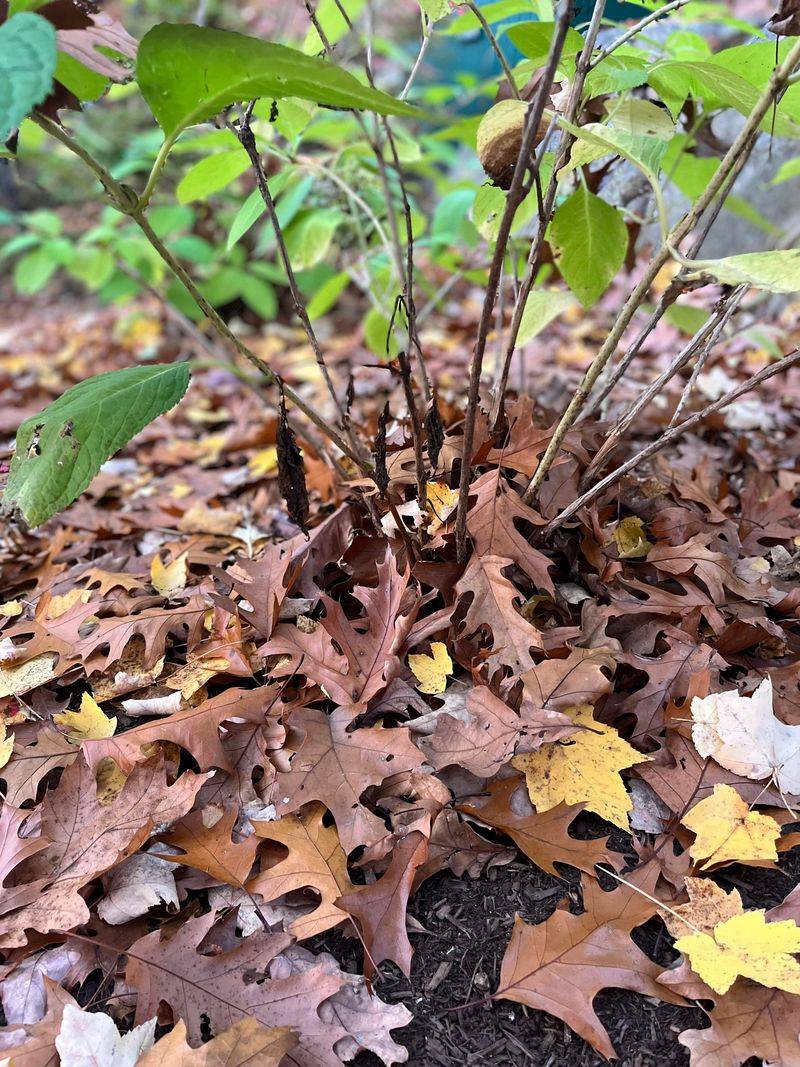
A thick mat of old leaves, stems, and garden debris sitting right up against the base of your plants might look like natural mulch, but it is actually a hazard. When that debris stays wet for weeks at a time, it traps moisture directly against the plant crown.
Crown rot is one of the leading reasons perennials fail to return in spring, and excess debris is a major cause.
Gently clear away the buildup around each plant crown using your hands or a small rake. Be careful not to disturb the crown itself or any small new growth that might already be forming at the base.
Remove withered leaves, old mulch that has broken down into a soggy mat, and any other material that is clumped against the stem. A little breathing room goes a long way.
Once you have cleared the debris, take a look at the crown. Healthy crowns are firm and have a clean look at the base.
Soft, dark, or mushy crowns may already be showing signs of rot. For those plants, remove the damaged tissue carefully and allow the area to dry out a bit before the rains hit.
After clearing, you can apply a fresh, light layer of coarse mulch like bark chips or straw a few inches away from the crown. This protects the roots from cold without trapping moisture at the base.
Getting this right makes a noticeable difference in how well your perennials bounce back each spring season.
7. Take Out Rotten Vegetables Left In Garden Beds
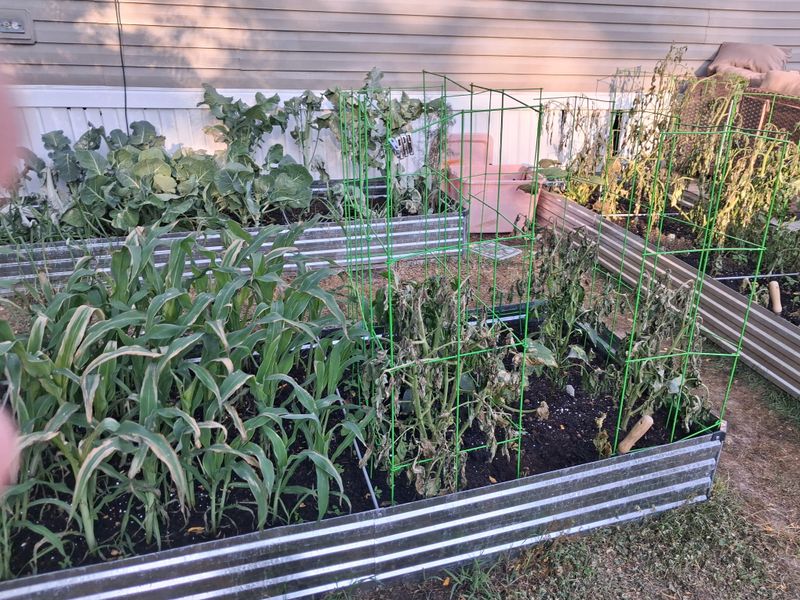
There is always that one zucchini that hid under a leaf and turned into something enormous, or the tomato that split and started rotting on the vine before you noticed.
Leaving rotten vegetables in your garden beds is a common mistake that causes a lot of unnecessary trouble.
Rotting vegetables attract slugs, pill bugs, earwigs, and rodents. They also introduce fungal spores and bacteria directly into your soil.
Go through every bed and check carefully for forgotten or rotting produce. Look under large leaves, along the edges of beds, and in any shaded corners where vegetables tend to get overlooked during busy harvest weeks.
Pull out anything that is soft, moldy, split, or visibly decaying. Wear gloves, because some of this material can be slimy and unpleasant to handle without protection.
Most rotten vegetables should go into yard waste rather than your compost pile. Heavily rotted or moldy vegetables can introduce pathogens into your compost that may not break down fully.
However, if a vegetable is just overripe and not diseased, it can go into a hot compost pile. After clearing the beds, rake the surface of the soil lightly to expose any hidden slugs or eggs to birds and drying air.
This is also a good time to add compost or aged manure to replenish nutrients used up during the growing season.
Clean beds going into winter mean healthier soil and a much more productive garden when planting season comes back around next year.
8. Remove Damaged Branches Before Stormy Weather Arrives
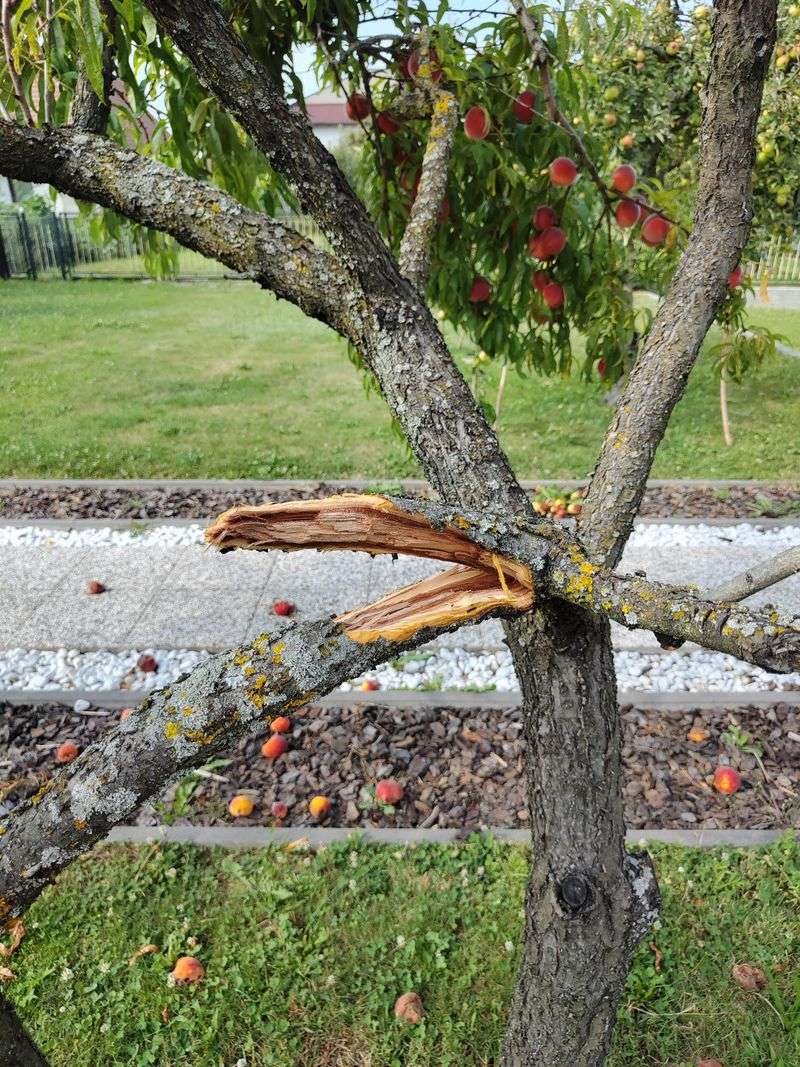
Storm season in Oregon can be intense. Strong winds, heavy rain, and the occasional early snow put a lot of stress on trees and shrubs.
Branches that are already cracked, partially broken, or heavily damaged are a real risk once that weather rolls in. They can snap suddenly and fall on fences, garden structures, or even people walking nearby.
September is the right time to walk your property and look up. Check trees and large shrubs for branches that hang at odd angles, have visible cracks, are withered or hollow, or rub against other branches.
These are the ones most likely to fail under storm pressure. Use loppers or a pruning saw for smaller branches.
Anything large enough that it worries you should be handled by a certified arborist rather than a ladder and a handsaw.
When pruning, make clean cuts just outside the branch collar. That slightly raised ring of bark where the branch meets the trunk is where healing tissue forms.
Cutting too close or leaving a long stub both slow the healing process and can allow disease to enter the wound. After removing problem branches, pick up any fallen sticks and debris from under your trees.
Leaving that material on the ground gives slugs and fungal spores a comfortable home through the wet months ahead.
A little time spent assessing your trees now can prevent a lot of damage and expense later. Healthy, well-pruned trees handle stormy weather far better than neglected ones do.