10 Crops To Harvest Before Vermont’s Cold Snap Arrives This Fall
Frost never announces itself before it changes everything. Vermont mornings feel sweet until the air turns sharp. Warmth disappears faster than you expect right now. Certain plants waver before you even leave your porch.
Others hold on only if you catch them fast. Nothing waits while you decide what matters most. Every plant you’ve grown now depends on your timing. Gardeners like you lose harvests to a quiet night.
Timing decides whether your pantry stays full or empty. Soft growth turns fragile once frost hits hard. Some crops can wait, but others cannot survive delay. Knowing which is which saves you weeks of lost effort.
Waiting costs flavor, nutrients, and hours you won’t recover. Autumn moves faster across Vermont than you might expect.
Cold doesn’t offer you mercy once the frost arrives. Instinct alone won’t tell you which plant to save. Act now, because tomorrow’s freeze won’t wait for you.
1. Tomatoes
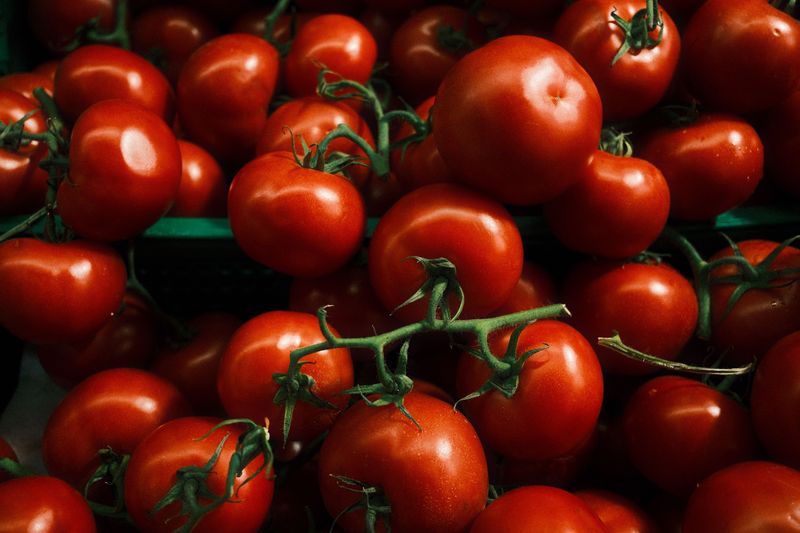
Tomatoes are the crown jewel of any summer garden, but fall works against them. Once temps dip below 50 degrees at night, flavor starts to fade fast.
Watch your plants closely in late September. Green tomatoes left on the vine during a frost will turn mushy and bitter overnight.
Pick any tomato that shows even a blush of color. Bring them inside and let them ripen on your kitchen counter, away from direct sunlight.
Never refrigerate unripe tomatoes. Cold air breaks down their flavor compounds and turns the texture mealy and sad.
Windowsill ripening works surprisingly well for late-season harvests. Most green tomatoes will fully ripen within one to three weeks indoors at room temperature, depending on how mature they were at picking.
If a hard freeze is coming fast, pull the entire plant and hang it upside down in your garage. Tomatoes will ripen right on the vine without losing much quality.
Harvesting before Vermont’s cold snap arrives is non-negotiable for tomatoes. A single hard frost night can wipe out weeks of patient growing effort.
2. Peppers
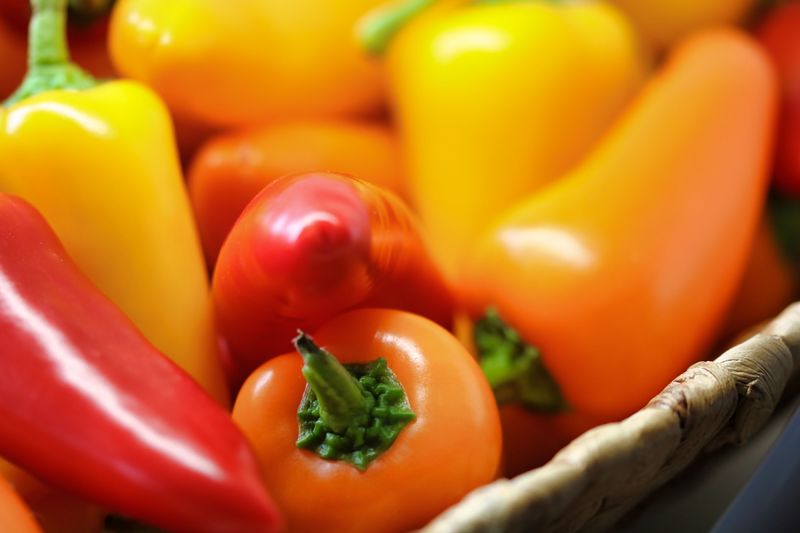
Frost damage in peppers is easy to miss. They look fine on the outside but turn soft and rotten within hours of a freeze.
Most pepper varieties need a long, warm season to reach full sweetness. Vermont’s short summers make that timeline tight every single year.
Green peppers are ready to pick anytime they reach full size. If you wait for them to turn red, you are relying on unpredictable weather.
Red, orange, and yellow peppers are just mature green peppers that stayed on the plant longer. The extra time on the vine adds sweetness and vitamin C.
Before a frost warning, strip every pepper off your plants. Even small, underdeveloped ones can be pickled, stuffed, or chopped into salsas and sauces.
Store harvested peppers in a cool, dry spot indoors. They can last up to two weeks at room temperature or several months in the freezer.
Peppers freeze beautifully without blanching, which makes them one of the easiest crops to preserve. Chop them up and toss them straight into a freezer bag.
3. Winter Squash
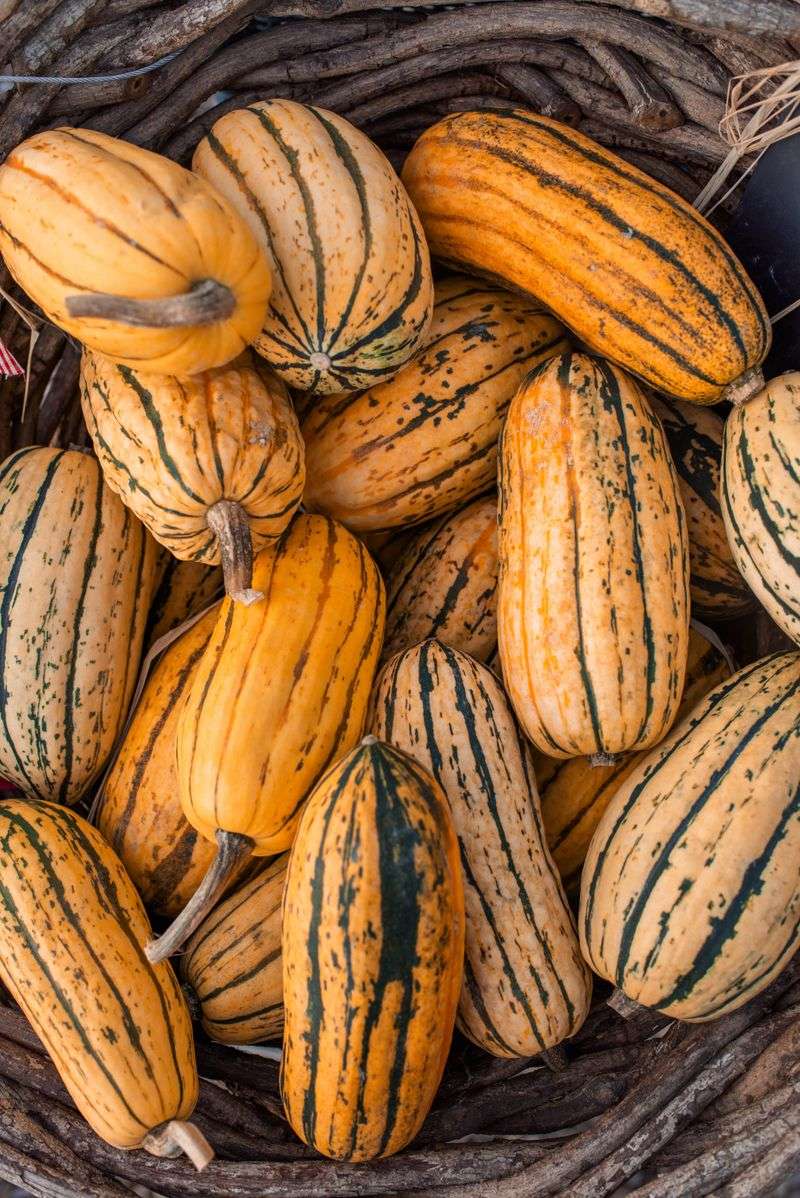
Winter squash sounds like it belongs in cold weather, but that name refers to storage, not growing season. These plants absolutely cannot survive a hard frost.
Butternut, acorn, and delicata squash should be off the vine before the first hard frost, generally near 28 to 32 degrees, since foliage and exposed fruit can be damaged even earlier. Even light frost can damage the skin and ruin storage quality.
A ripe winter squash will have a hard, dull-colored rind that resists your fingernail. If the skin scratches easily, give it a few more days before harvesting.
Cut squash from the vine with at least two inches of stem attached. A missing stem creates an entry point for mold and bacteria during storage.
After picking, cure your squash in a warm, sunny spot for about ten days. Curing hardens the skin and dramatically extends how long the squash will last.
Properly cured winter squash can last three to six months in a cool, dry basement. That means fresh vegetables well into the heart of winter.
Harvesting before Vermont’s cold snap arrives gives your squash the best shot at a long, delicious shelf life in your root cellar or pantry.
4. Pumpkins
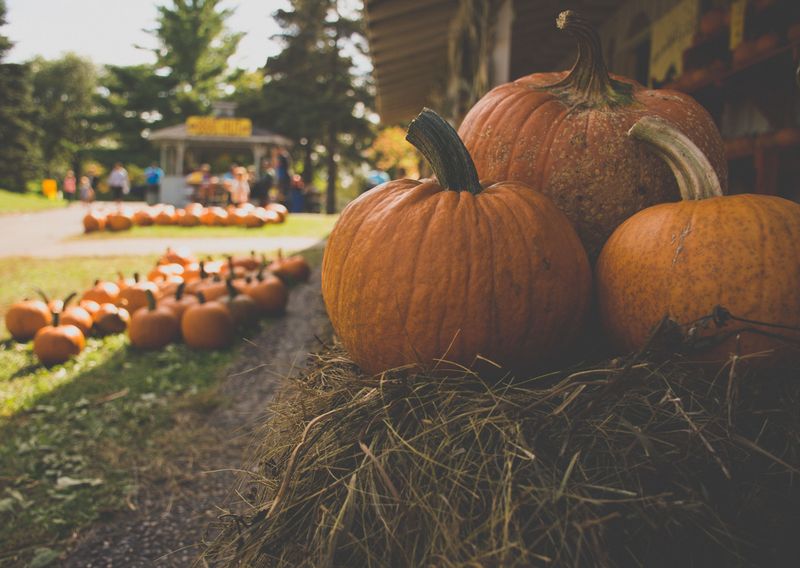
A porch full of pumpkins is a familiar sign of fall. But getting them there requires smart timing and a watchful eye on the forecast.
Pumpkins are ready to harvest when the rind is fully orange and hard. Press your thumbnail against the skin firmly. If it does not dent, the pumpkin is ready.
The stem is your best clue about ripeness. A mature pumpkin will have a dry, corky stem that looks almost woody at the base.
Use sharp pruning shears to cut pumpkins from the vine. Never carry a pumpkin by its stem, because breaking it shortens the shelf life considerably.
Frost will not immediately destroy a pumpkin like it does tomatoes. But repeated freezing and thawing breaks down the flesh and invites rot from the inside out.
After picking, let pumpkins cure in the sun for about a week. This toughens the skin and helps seal any small nicks or cuts from harvesting.
A well-cured pumpkin stored in a cool, dry location can last two to three months. That gets you well past Thanksgiving with homegrown pumpkin on the table.
5. Potatoes
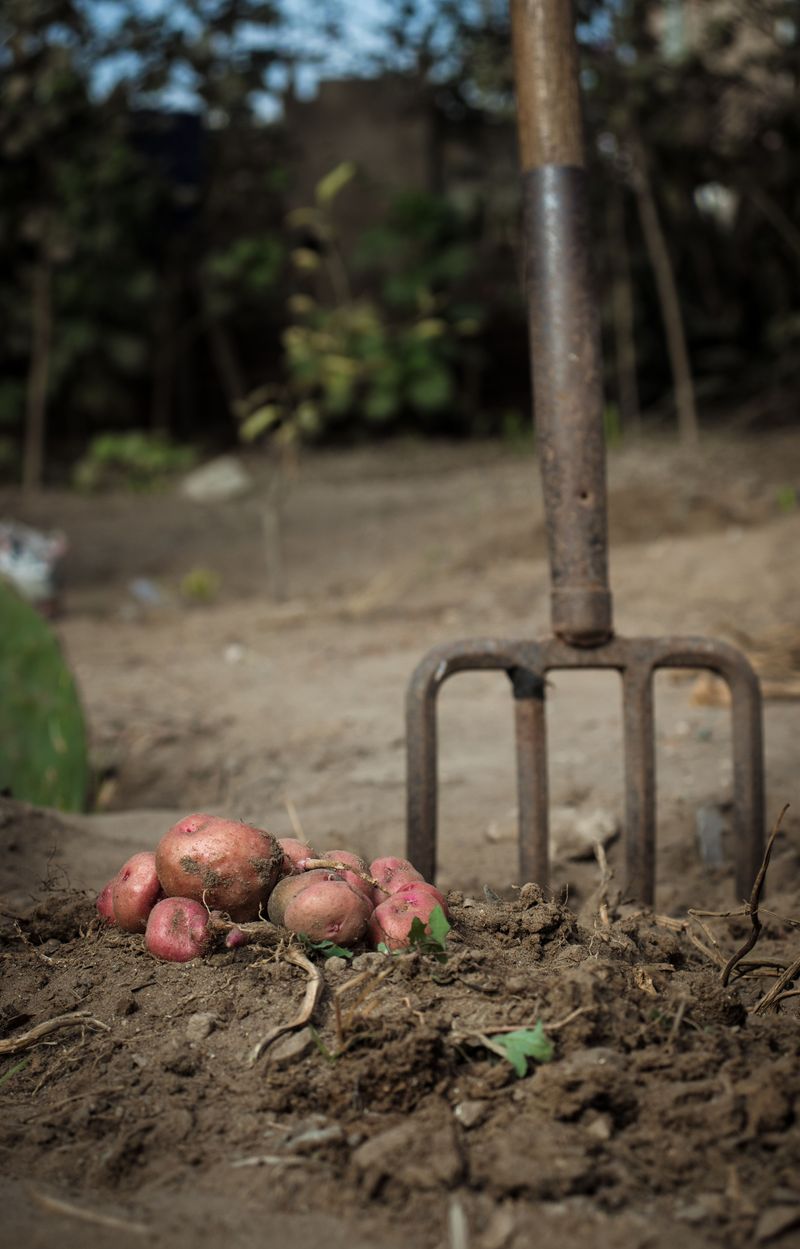
Potatoes hide underground, which makes people assume they are safe from frost. The truth is more complicated and worth understanding before you lose a crop.
A light frost will damage potato foliage but usually leave tubers in the ground unharmed. However, a hard freeze can penetrate the soil and damage the potatoes themselves.
Wait until the plants fade back naturally before digging. Yellow, wilted foliage signals that the plant has stopped sending energy to the tubers below.
Use a garden fork rather than a shovel to dig potatoes. Forks cause fewer punctures and slices, which is important for long-term storage quality.
Let freshly dug potatoes sit on the soil surface for a few hours to dry. Then move them to a cool, dark, humid space for curing over two weeks.
Cured potatoes develop a tougher skin that protects them through months of storage. An uncured potato bruises easily and rots much faster in your root cellar.
Check stored potatoes monthly and remove any that show soft spots or decay. One rotting potato can accelerate spoilage in others nearby if left unchecked.
6. Carrots
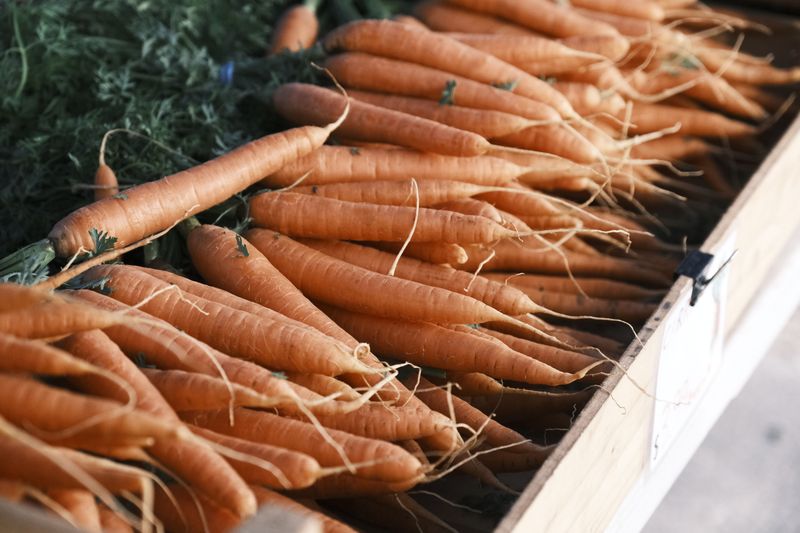
Carrots are one of fall’s best-kept secrets. A light frost actually makes them sweeter by converting starches into natural sugars inside the root.
That said, a hard freeze will turn carrots mushy and crack the roots. Knowing the difference between a helpful chill and a destructive freeze matters a lot.
Carrots are ready when the shoulder of the root is about three-quarters of an inch wide at the soil surface. Pull one test carrot to check color and size.
Loosen the soil with a fork before pulling to avoid snapping roots in half. Vermont clay soil can grip carrots stubbornly, especially in dry fall conditions.
Twist off the green tops immediately after harvesting. Carrot tops draw moisture out of the root and cause them to go limp and rubbery within days.
Store carrots in damp sand or perforated plastic bags in your refrigerator. Kept cold and moist, they can stay crisp for four to six months without trouble.
You can also leave carrots in the ground under a thick layer of mulch. This works well in Vermont until the soil freezes solid in mid-winter.
7. Beets
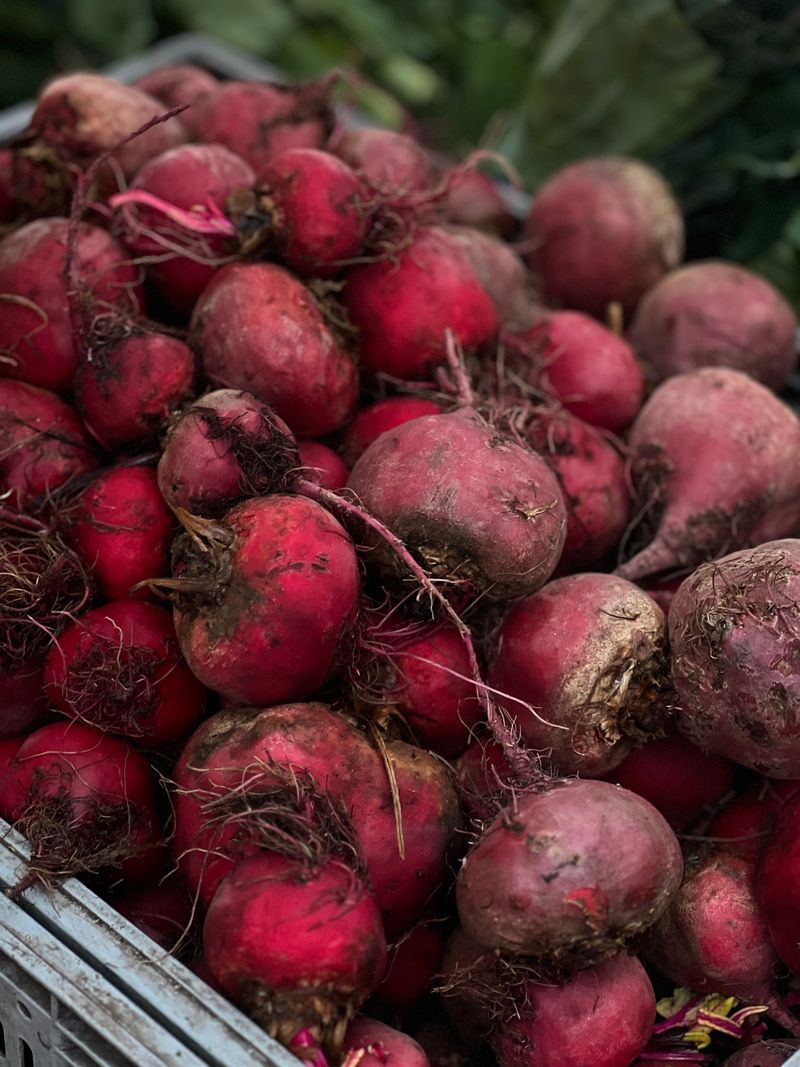
Beets are bold, earthy, and incredibly forgiving in fall conditions. They tolerate light frost better than most root vegetables in your garden lineup.
Still, leaving beets in frozen ground for too long causes the roots to crack and lose their firm texture. Harvest before a hard freeze locks the soil solid.
Beets are ready when they reach about two to three inches in diameter at the shoulder. Bigger is not always better, as oversized beets tend to get woody and tough.
Gently loosen the soil around each beet before pulling. Yanking hard on the tops often separates the greens from the root, which shortens storage life significantly.
Do not throw away beet greens. They are tender, nutritious, and taste similar to Swiss chard when sauteed with garlic and olive oil.
Trim beet tops to about an inch above the root after harvesting. Leaving more than that draws moisture out of the beet during storage and causes shriveling.
Store trimmed beets in damp sand or sealed bags in the refrigerator. They will stay fresh and firm for two to four months under the right conditions.
8. Green Beans
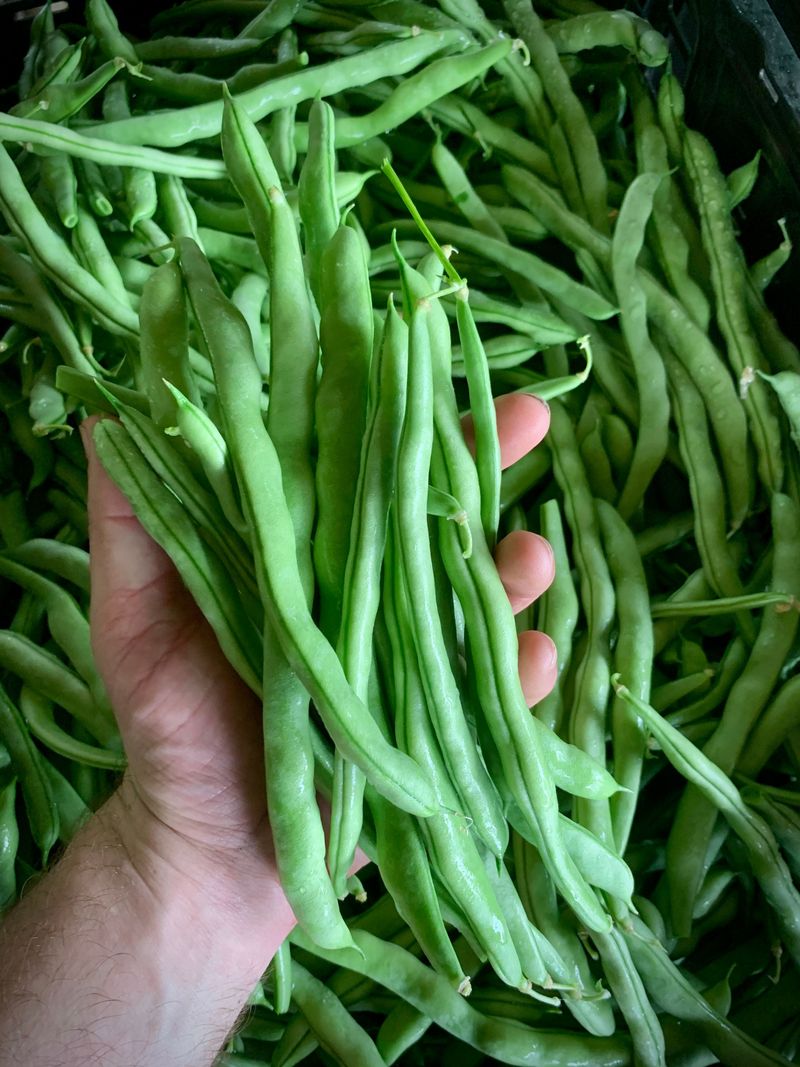
Green beans are warm-season crops that have no tolerance for frost. A single cold night below 32 degrees will turn pods dark and slimy by morning.
Check your bean plants daily once September arrives in Vermont. Pods go from perfect to overgrown and tough in just a matter of days during warm spells.
Snap a pod in half to test readiness. A ripe green bean should break cleanly with a satisfying snap and have no visible seeds bulging through the pod.
Pick beans when pods are slim and firm, roughly four to six inches long. Overmature beans become stringy and starchy, which makes them unpleasant to eat raw or cooked.
Harvest every ripe pod, even if you have more than you can eat right now. Leaving mature pods on the plant signals the plant to stop producing new ones.
Blanch and freeze green beans to preserve them for winter meals. Blanching takes about three minutes in boiling water, followed by an ice bath to lock in color.
Frozen green beans from your own garden taste far superior to canned ones from any store. Harvesting before Vermont’s cold snap ensures you have plenty to freeze.
9. Basil
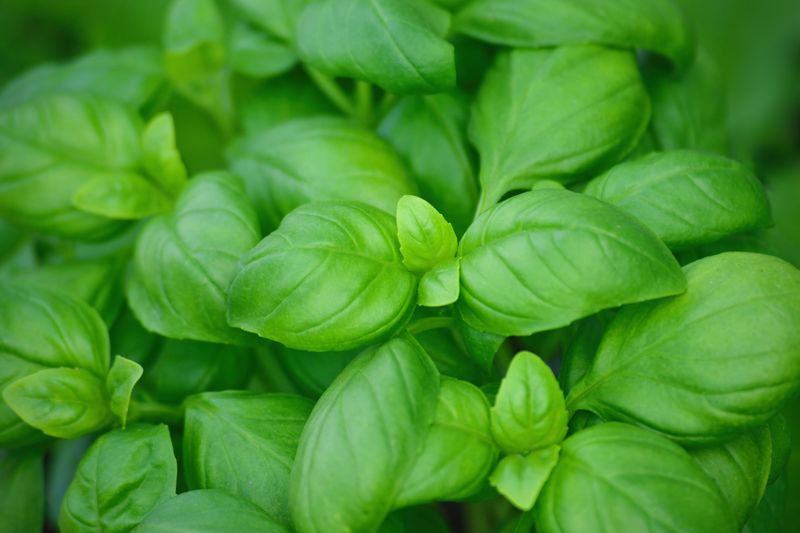
Basil is the most cold-sensitive common herb. Even a hint of cold temperatures at 50 degrees or below causes leaves to blacken and wilt overnight.
Most Vermont gardeners lose their basil to the first surprise frost before they even see it coming. Watching the forecast closely in September is absolutely essential.
Harvest basil by pinching stems just above a pair of leaves. This encourages the plant to branch out and produce more leaves before the season ends.
Once you see flower buds forming on basil, pinch them off immediately. Flowering signals the plant to stop leaf production and focus energy on seeds instead.
Before a cold snap, harvest every leaf you can reach. Even slightly wilted leaves can be salvaged for pesto, infused oils, or herb butter blends.
Pesto is one of the easiest ways to preserve a big basil harvest. Blend leaves with olive oil, garlic, nuts, and cheese, then freeze in ice cube trays.
Each frozen pesto cube equals roughly one tablespoon of concentrated summer flavor. Toss one into pasta sauce in January and your kitchen will smell like August again.
10. Zucchini
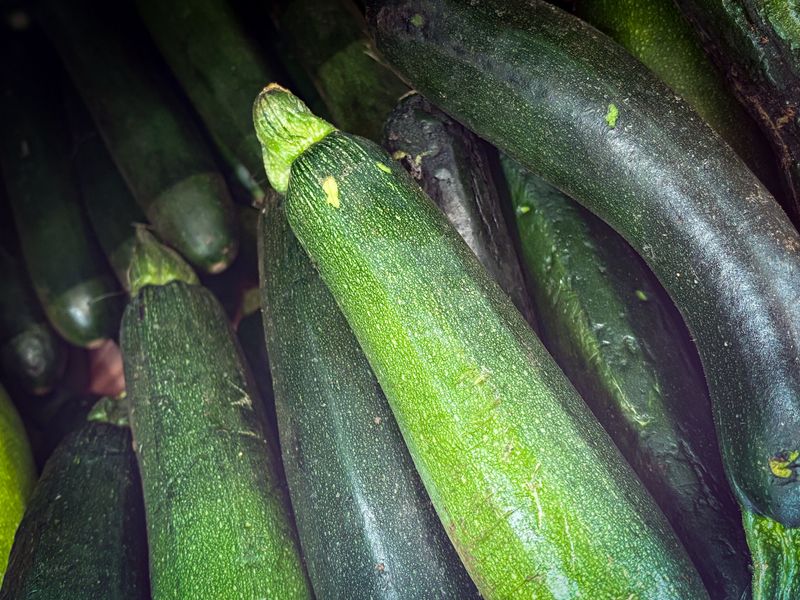
Zucchini grows so fast in summer that gardeners sometimes joke about leaving bags of it on neighbors’ porches anonymously. Fall is a completely different story.
Once frost threatens in Vermont, zucchini production slows fast. The plants are cold-sensitive and will wilt and break down after one night below freezing temperatures.
Pick zucchini when it is six to eight inches long for the best flavor and texture. Larger zucchini become seedy, watery, and bland, which makes them harder to cook well.
Check under the broad leaves every single day in late summer. Zucchini can grow from finger-length to oversized in just a couple of days during warm weather stretches.
A frost-damaged zucchini plant turns dark and mushy within hours and won’t recover. Once the plant breaks down, there is no recovery and no more fruit coming from it.
Shred excess zucchini and freeze it in two-cup portions for winter baking. Frozen shredded zucchini works perfectly in breads, muffins, and soups without losing much texture.
Harvesting before Vermont’s cold snap arrives is the only way to make the most of your zucchini crop. Do not let a surprise frost end your garden season early.