What Are These Shield Bugs Doing To Your Georgia Tomatoes Right Now?
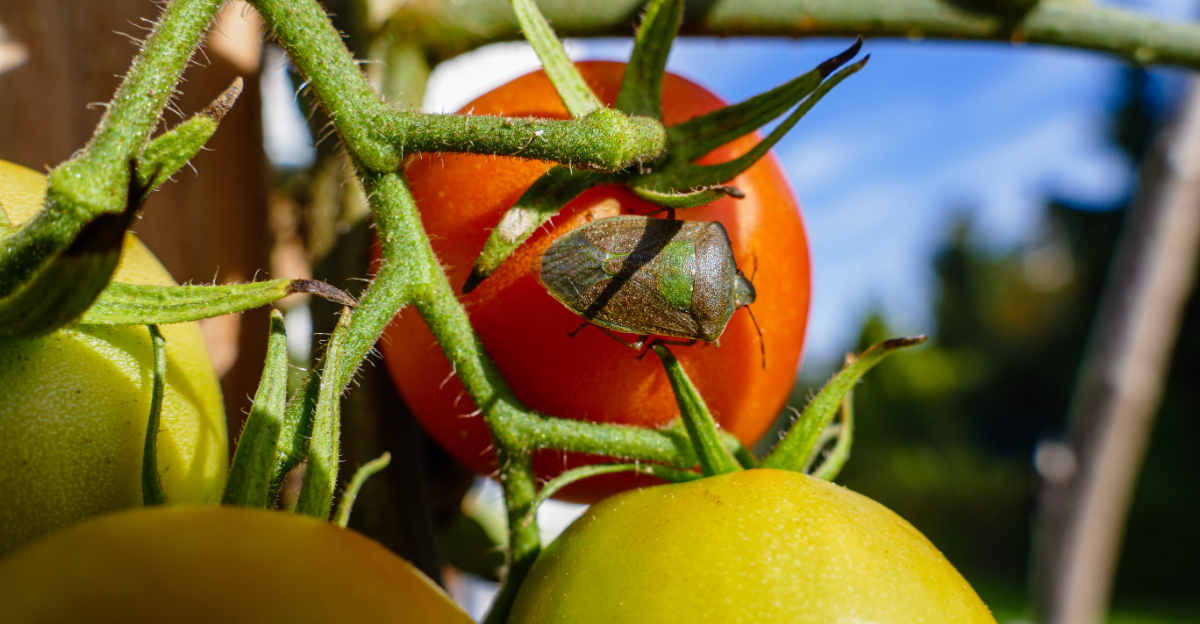
Ripe tomatoes hanging heavy on your vine hide a threat you cannot see coming until the damage is already done. Few gardeners catch the shift in time, since early signs blend in with ordinary sun scarring.
Armored feeders move across Georgia gardens with a patience that outlasts your attention, puncturing your fruit and leaving behind pale, cloudy scars that ruin the flesh from the inside out.
Growers across Georgia have watched entire harvests turn soft and unusable within days, especially once southern heat lets these insects multiply fast enough to hide dozens more beneath a single row of leaves.
Ripening fruit draws them in relentlessly, and every ripe tomato left unchecked becomes an open invitation. Every day you wait to act on those spots is another day closer to losing the harvest you worked all season to grow.
Shield Bugs Are Feeding On Ripening Tomato Fruit
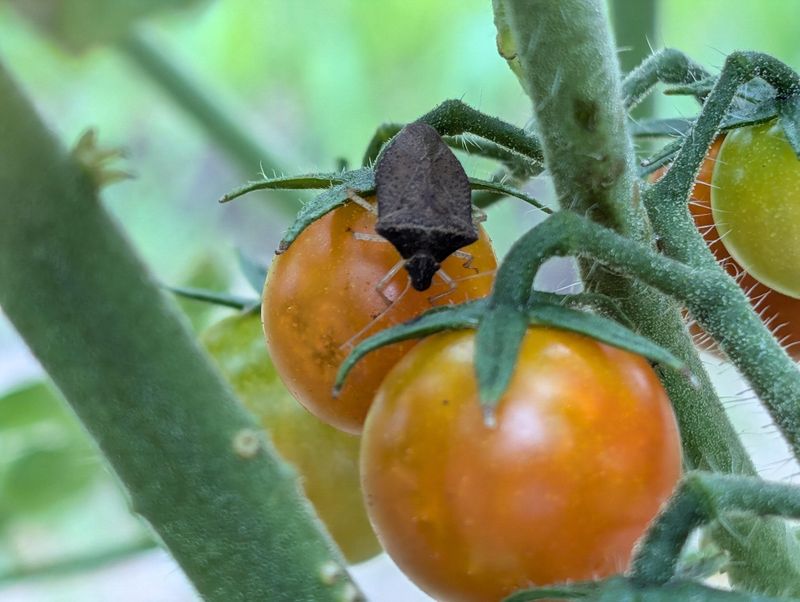
Ripening tomatoes rank among the top targets for shield bugs in Georgia vegetable gardens. These flat, shield-shaped insects are drawn strongly to fruit that is starting to color up.
Shield bugs, often called stink bugs, press their sharp mouthparts directly into the tomato skin. They suck out juices from the flesh underneath, leaving behind damage you cannot always see at first glance.
The feeding happens fast and quietly. One adult bug can damage several fruits in a single afternoon before you notice anything wrong.
The timing works against you. Shield bugs tend to show up right when your tomatoes are finally starting to look perfect on the vine.
They are not just passing through, either. After they find a food source, they settle in and signal others nearby using scent chemicals, so more bugs arrive and the feeding spreads across your plant.
A single tomato plant can host several bugs at the same time. Each one pulls nutrients and moisture from the fruit, weakening the tomato from the inside out.
Gardeners often spot the bugs in the morning when temperatures are cooler. They tend to hide under leaves during the hottest part of the day, which makes them hard to spot.
Checking your plants early and often gives you the best shot at catching them. Your harvest is worth protecting, and catching shield bugs early makes every next step much easier.
Piercing Mouthparts Cause Cloudy Spots Beneath The Skin
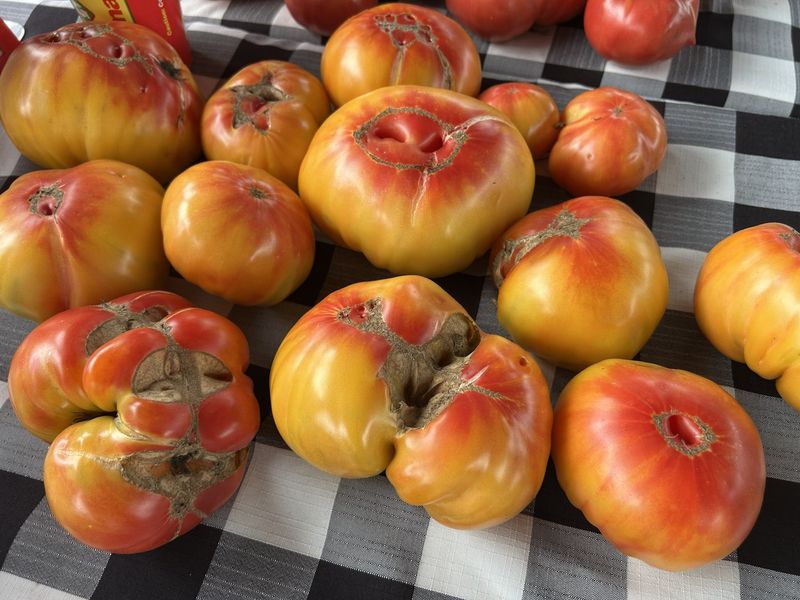
Slice open a tomato that looks fine on the outside, and you might find a nasty surprise. White, spongy patches and cloudy spots beneath the skin are the typical sign of shield bug damage.
The bug’s mouthpart is a narrow, needle-like tube. It pierces straight through the outer skin and releases saliva into the flesh before drawing up the liquid inside.
That saliva is the real troublemaker here. It breaks down the tomato’s cells, creating those distinctive cloudy or corky spots that make the fruit unpleasant to eat.
The damaged tissue often turns white or yellowish. Sometimes it stays firm, and other times it becomes mushy and tasteless in that specific spot.
Your Georgia Garden Changes Every Week. Your Plan Should Too.
Gardening in Georgia changes quickly throughout the season. Every Friday you’ll receive a simple weekly plan showing exactly what to plant, prune, fertilize, harvest, and protect so you never miss the right timing.
Georgia gardeners sometimes mistake this for a disease or a nutrient problem. The cloudiness looks a lot like blossom end rot or internal browning, which can lead to misdiagnosis.
Telling the difference matters because the fix is completely different. A nutrient issue calls for soil amendments, but bug damage calls for pest management instead.
One clue is the location of the spots. Shield bug damage tends to appear just under the surface in irregular patches, not at the blossom end or stem where disease usually strikes.
Cutting into a few suspect tomatoes can confirm what you are dealing with. From there you can take targeted action and stop losing more fruit to those piercing mouthparts.
Damage Often Looks Worse Than It Actually Is
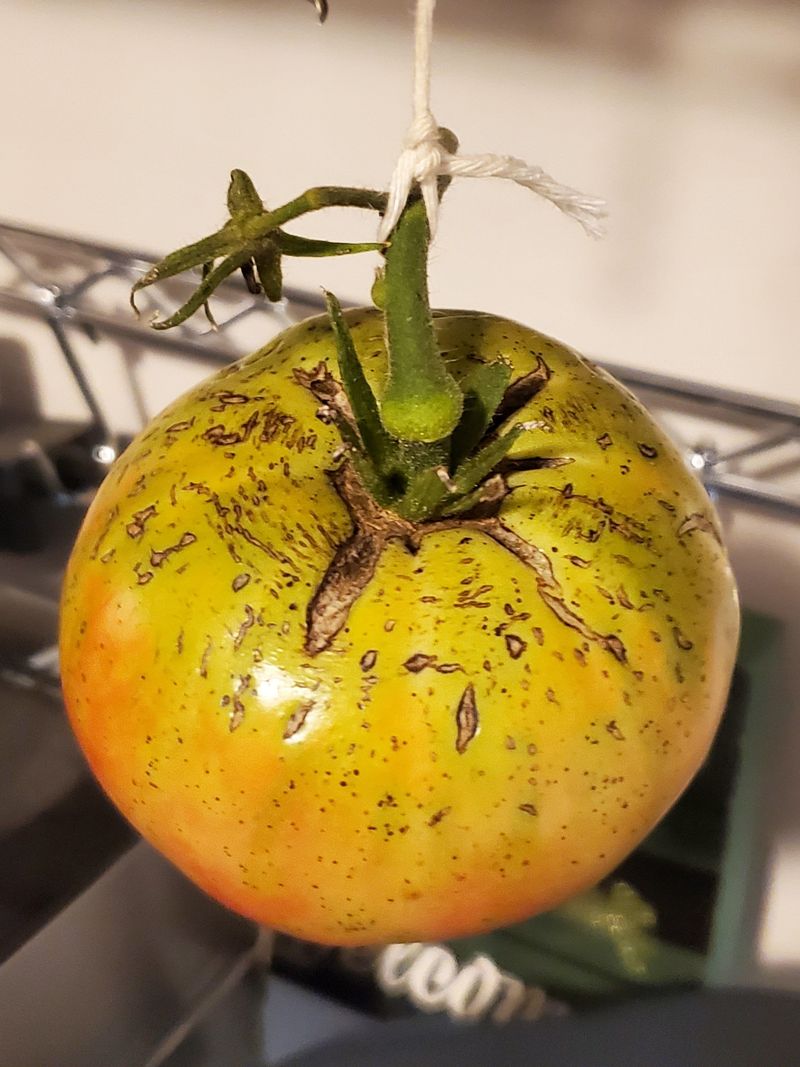
Here is a bit of good news that most gardeners do not hear often enough. A tomato with shield bug damage is not always a total loss, and that is worth considering before you toss anything.
The cloudy or discolored spots are unpleasant, but they are usually limited to a small section of the fruit. The rest of the tomato is often perfectly fine to eat.
Many experienced Georgia growers simply cut around the damaged area. A sharp knife removes the affected flesh, leaving behind fruit that is still good on the plate.
The damage looks alarming because it is unexpected. Seeing white patches inside a red tomato feels like something went seriously wrong, but the reality is often much less dramatic.
Heavily fed-on fruit can become soft and unsuitable for eating. Light feeding damage rarely ruins the whole tomato, especially when the bug moved on after one or two punctures.
Think of it like a bruise on an apple. You would not throw the whole apple away because of one small bruise near the skin.
The key is catching the problem early before feeding becomes severe. Fewer bugs mean less damage per fruit, and less damage means more of your harvest makes it to the table.
A calm, practical approach saves more tomatoes than a rushed one does. Inspect carefully, cut out the bad spots, and use what is still good from your garden.
Populations Peak As Tomatoes Begin To Ripen
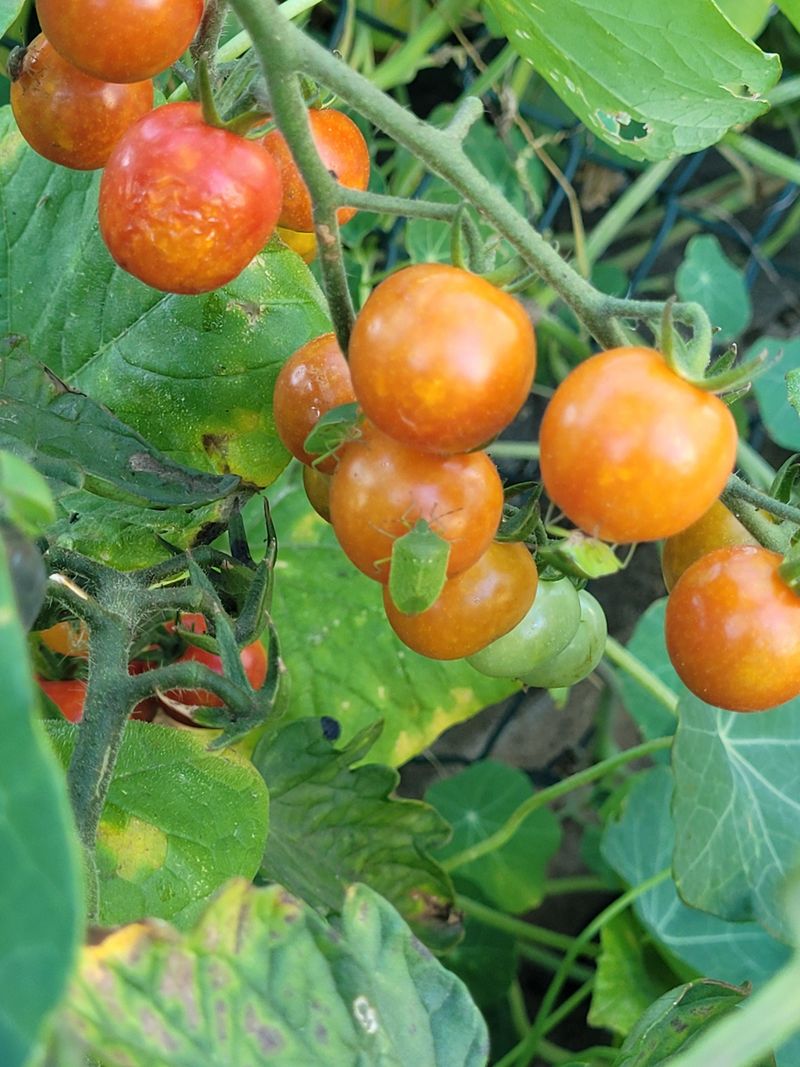
Timing matters more than most gardeners expect with shield bugs. Their numbers surge right when your fruit starts shifting from green to red, and that overlap is not a coincidence.
Shield bugs use scent to locate ripe fruit. As tomatoes ripen, they release volatile compounds that make the plants far easier for these insects to find.
Late summer in Georgia creates ideal conditions for a population spike. Warm nights, high humidity, and abundant ripe fruit give these insects everything they need to thrive.
Adult bugs that spent the spring feeding on other plants begin moving toward vegetable gardens in midsummer. Tomatoes become a prime destination during this shift.
Nymphs, which are juvenile bugs, also reach adulthood around this time. Both young and mature insects are actively feeding during the same critical window your fruit is most vulnerable.
A single female can lay clusters of eggs several times through the season. Each cluster commonly holds twenty to thirty eggs, so numbers can build quickly under good conditions.
Gardeners who check their plants every few days during peak season catch problems before they spiral. Waiting a week between checks can mean missing a full infestation cycle.
Seasonal patterns give you a real planning advantage. Plan your inspections around the ripening window, and you get ahead of the heaviest feeding pressure.
Natural Predators That Help Keep Numbers Down
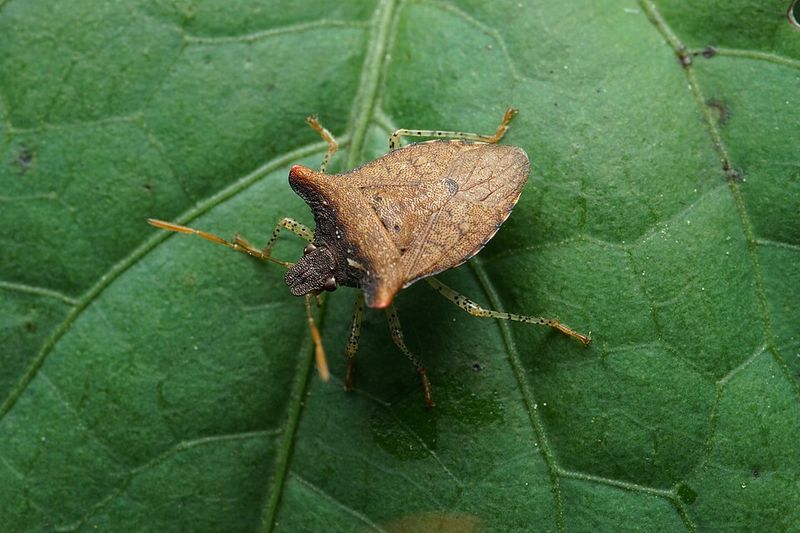
Some pest control is already happening in your garden without any input from you. Certain insects and animals feed on shield bugs, keeping populations from growing out of control.
The spined soldier bug is one of the most effective natural predators. It looks similar to a shield bug but feeds on pest insects instead of plants, which makes it a welcome garden visitor.
Parasitic wasps are another powerful ally. These tiny insects lay their eggs inside shield bug eggs, which stops that batch from hatching.
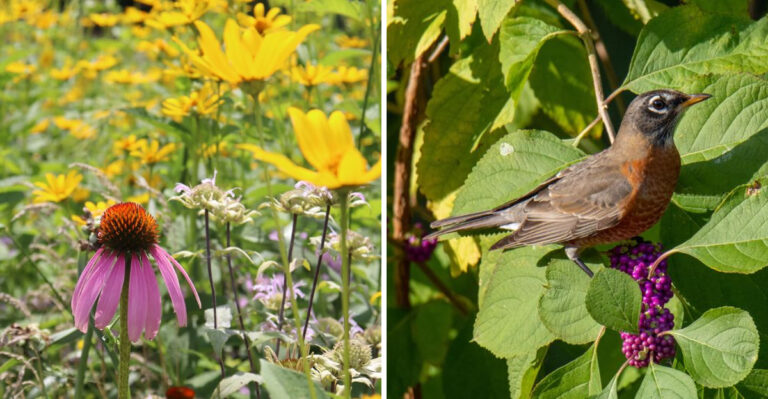
Some birds also reduce bug numbers. Insect-eating species will pick shield bugs off plants, particularly where bug populations are dense enough to make foraging worthwhile.
Toads and lizards move through the ground around garden beds. They pick off bugs that fall or crawl down from the plants, adding another layer of natural pest pressure.
Encouraging these predators takes some effort but pays off over time. Planting native flowers nearby attracts beneficial insects and gives them habitat to live and breed in.
Avoiding broad-spectrum pesticides protects your garden allies. Products that affect all insects also remove the predators that were helping manage the pest population for you.
A Georgia garden with healthy biodiversity keeps pest numbers lower on its own. Supporting your natural allies costs less than repeated pesticide treatments and builds long-term resilience into your growing space.
Practical Ways To Protect Your Georgia Tomato Harvest
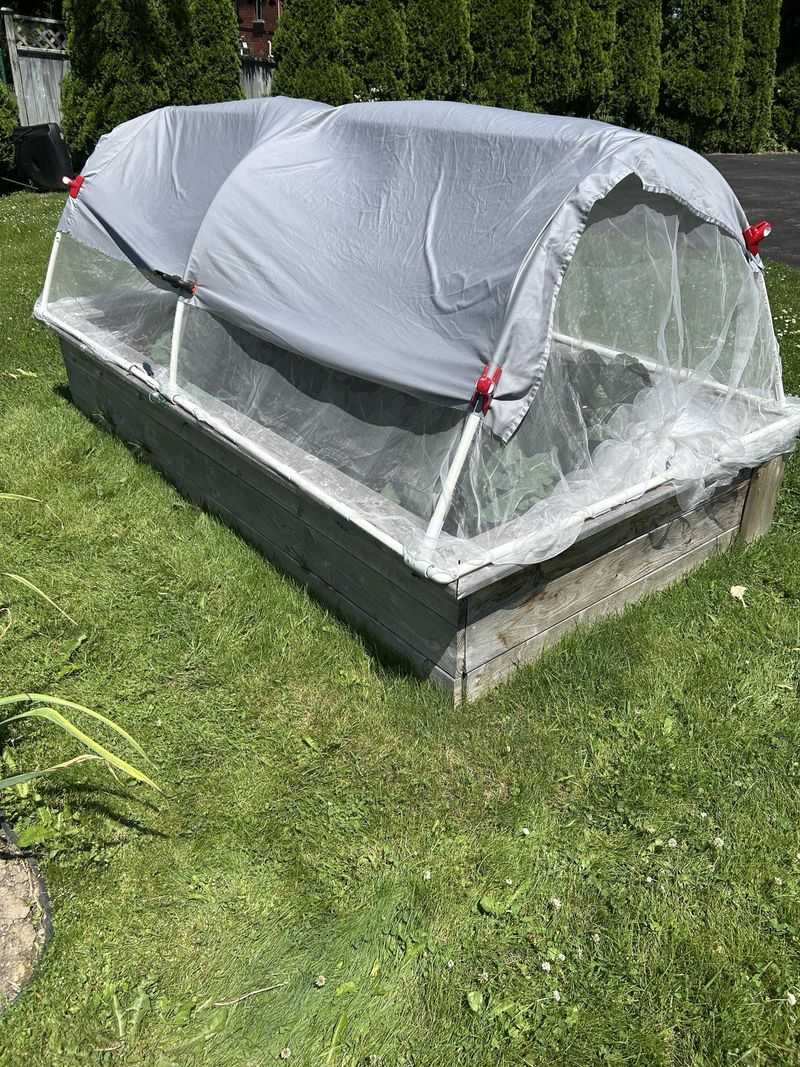
You do not need specialized products to reduce shield bug damage on your tomatoes. A few simple, consistent habits can noticeably cut the damage to your harvest starting today.
Hand-picking is the most immediate option available to any gardener. Go out early in the morning, collect the bugs into a container of soapy water, and repeat every day or two during peak season.
Row covers made of lightweight fabric create a physical barrier between bugs and your plants. Tomatoes are self-pollinating, so covers can stay on longer than they could over crops that depend on bees.
Kaolin clay, a natural mineral powder, can be mixed with water and sprayed onto fruit. The coating irritates feeding insects and makes the surface less attractive without harming the tomato itself.
Neem oil is another organic option that can interfere with feeding, though results against adult bugs vary. Apply it in the early morning or evening to avoid burning leaves in direct afternoon sun.
Trap crops like sunflowers or mustard greens can pull shield bugs away from your tomatoes. Plant them around the perimeter so the bugs settle on those plants instead.
Clearing garden debris and removing weeds reduces overwintering habitat near your beds. Fewer hiding spots means fewer bugs survive to the next season and return to your tomatoes.
Protecting your tomatoes from shield bugs is realistic with steady effort. Start these steps now, and your Georgia garden stands a much better chance this season.