Iowa Lawns Are Showing Signs Of These Fall Diseases This Year, And Here’s How To Stop Them
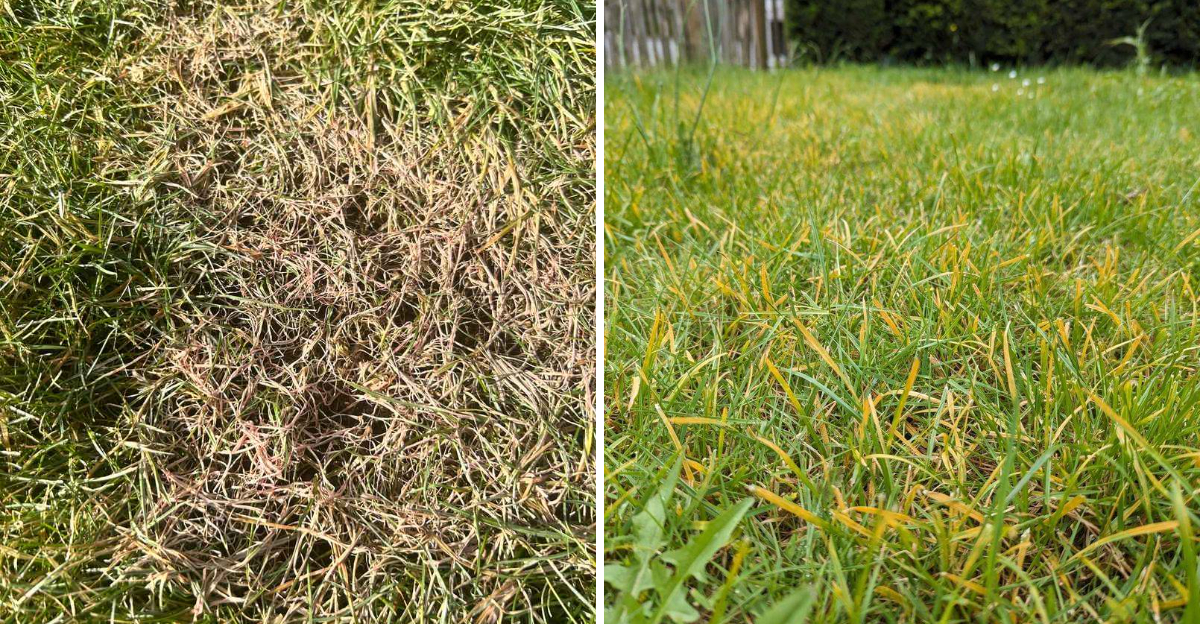
Lawn diseases are becoming visible across Iowa this season. Brown patches spread quickly, losing color within days. Orange streaks coat blades, resembling a layer of rust.
Pink threads twist through wet grass, thin and alarming. Cool nights and soaked soil create an environment where fungi spread quickly. Fungal spores multiply faster than most homeowners realize, until it’s too late.
Every symptom tells a different story, and ignoring it invites more trouble. Yards across Iowa are changing shape week by week, sometimes day by day. Healthy turf can decline quickly once disease takes hold.
Waiting costs you far more than money; it can cost you significant lawn recovery time. Nothing about this problem sits still, and neither should you.
Answers exist, but only if you know exactly what you’re truly seeing right now. What’s spreading across your grass right now won’t wait for you to notice.
1. Brown Patch
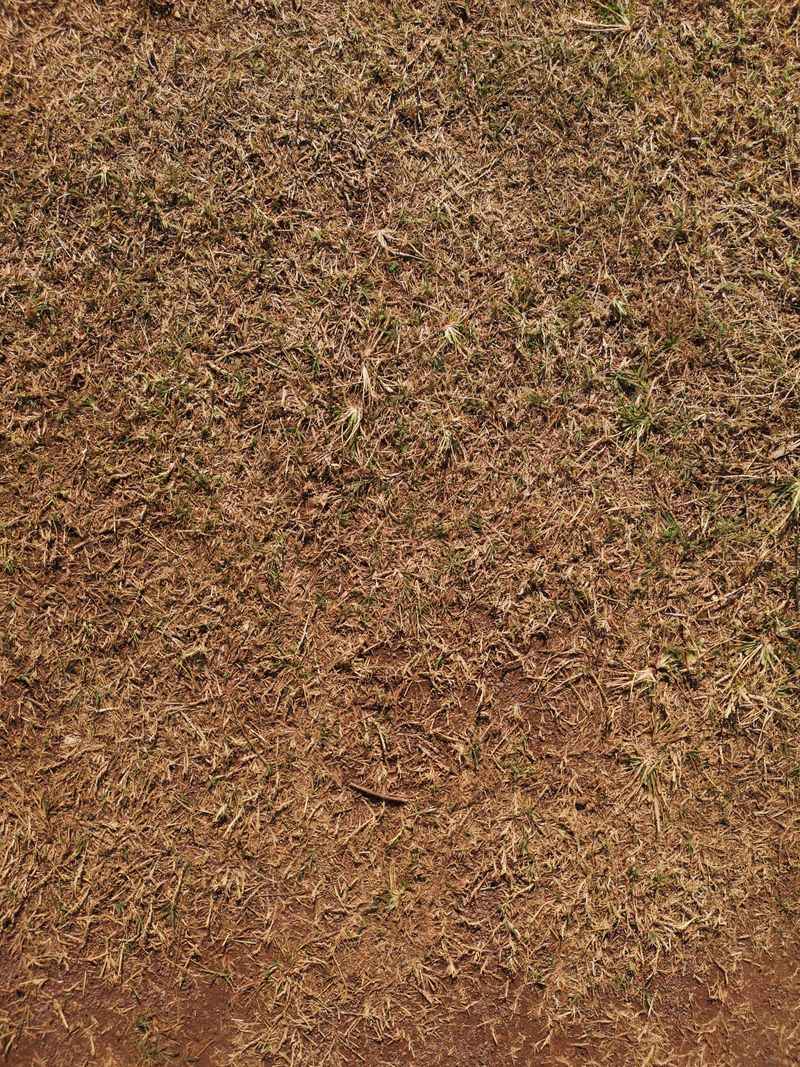
Your lawn looked fine on Monday. By Friday, a big brown circle appeared out of nowhere. Brown patch is one of the most common fall lawn diseases across the Midwest. It is caused by the fungus Rhizoctonia solani, which loves warm nights and high humidity.
The patches are usually circular and can grow several feet wide. The outer edges often look darker or water-soaked before turning tan.
Tall fescue and ryegrass are especially vulnerable to this fungus. If your lawn has either of those grass types, keep a close eye out when temperatures hover between 70 and 85 degrees Fahrenheit.
Overwatering at night is a major trigger for brown patch. Wet grass blades through the night create the perfect environment for this fungus to spread fast.
To fight back, stop evening watering immediately. Switch to early morning watering so blades dry out before nightfall arrives.
A preventive fungicide containing azoxystrobin or propiconazole works well against this disease. Apply it before symptoms get out of hand for best results. Catching brown patch early saves your lawn from serious setbacks this season.
2. Dollar Spot
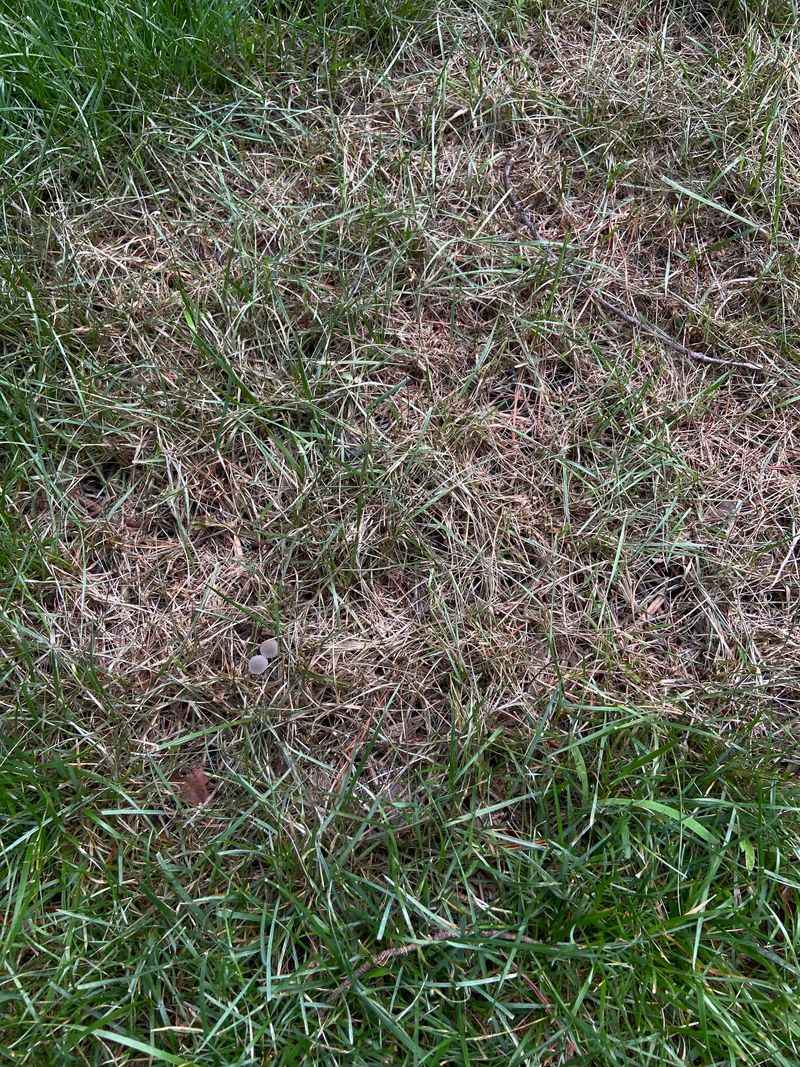
Small straw-colored spots the size of silver dollars are easy to ignore at first. This makes dollar spot easy to miss early on.
This fungal disease is caused by Clarireedia jacksonii, and it thrives in Iowa’s cool fall mornings with heavy dew. Low nitrogen levels in your soil make the problem significantly worse.
Each spot starts small, roughly the size of a coin. When many spots merge together, entire sections of your lawn can look bleached and ruined.
Look for a white, cobweb-like growth on the grass blades in early morning. That cottony film disappears as the sun comes up, so check your lawn right after sunrise for the best view.
Dollar spot loves lawns that are drought-stressed or nutrient-deficient. A light application of nitrogen fertilizer in early fall can actually help your grass resist this particular disease.
Avoid over-watering, but do not let your lawn dry out completely either. Balance is everything when fighting dollar spot.
Fungicides with thiophanate-methyl or iprodione are effective treatments. Apply them at the first sign of spots before the problem multiplies across your yard. Your lawn can bounce back from dollar spot with the right care.
Your Iowa Garden Changes Every Week. Your Plan Should Too.
Gardening in Iowa changes quickly throughout the season. Every Friday you’ll receive a simple weekly plan showing exactly what to plant, prune, fertilize, harvest, and protect so you never miss the right timing.
3. Red Thread
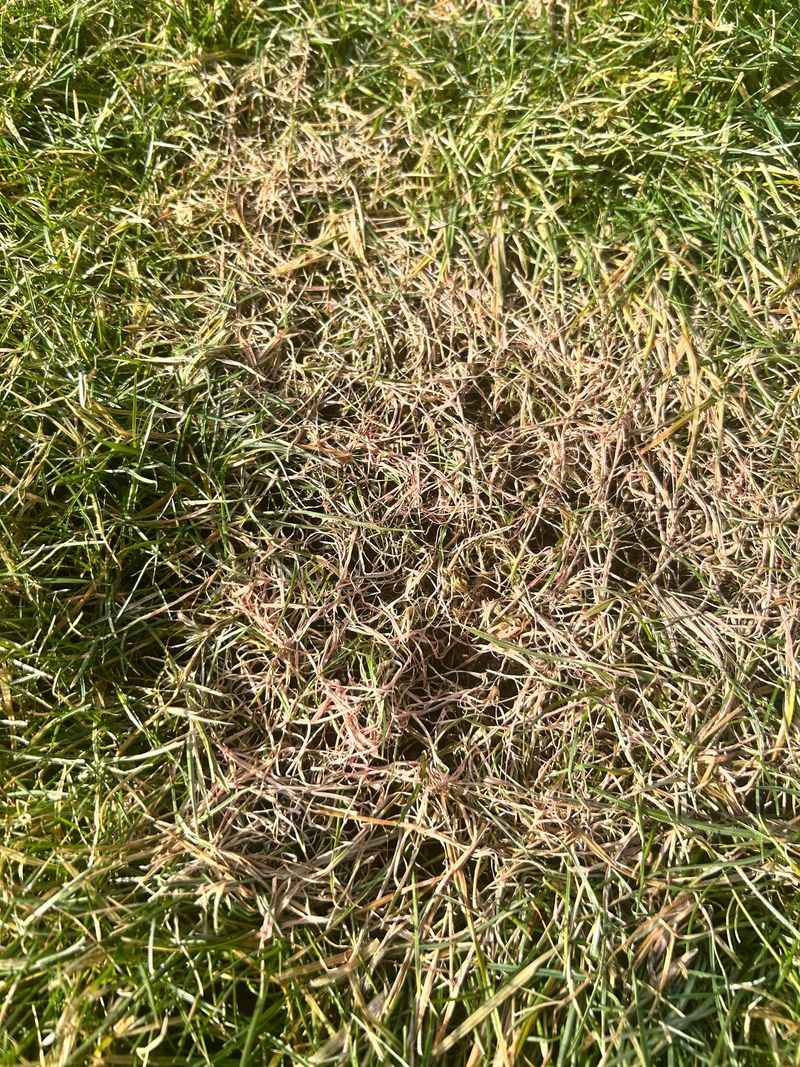
Pink threads sticking out of your grass blades are not a trick of the light. That is red thread, and it is more common in Iowa than most people realize.
Red thread is caused by the fungus Laetisaria fuciformis. It appears most often during cool, moist fall weather when temperatures drop between 40 and 70 degrees Fahrenheit.
The telltale sign is thin, pink-to-red threads extending from the tips of grass blades. These threads are actually the fungal strands, and they can survive in your soil for years.
Lawns low in nitrogen are far more susceptible to red thread outbreaks. Feeding your grass with a balanced fertilizer before fall sets in can reduce the risk considerably.
Fine fescues and perennial ryegrasses are the most commonly affected varieties. If your lawn uses these grasses, check for red threads after rainy stretches this fall.
The good news is that red thread rarely causes permanent damage on its own. Improving soil nutrition and reducing moisture on the blades usually clears it up within a few weeks.
Fungicides are available but often unnecessary if you correct the cultural issues first. Healthy grass is the best long-term defense against red thread returning next season.
4. Rust
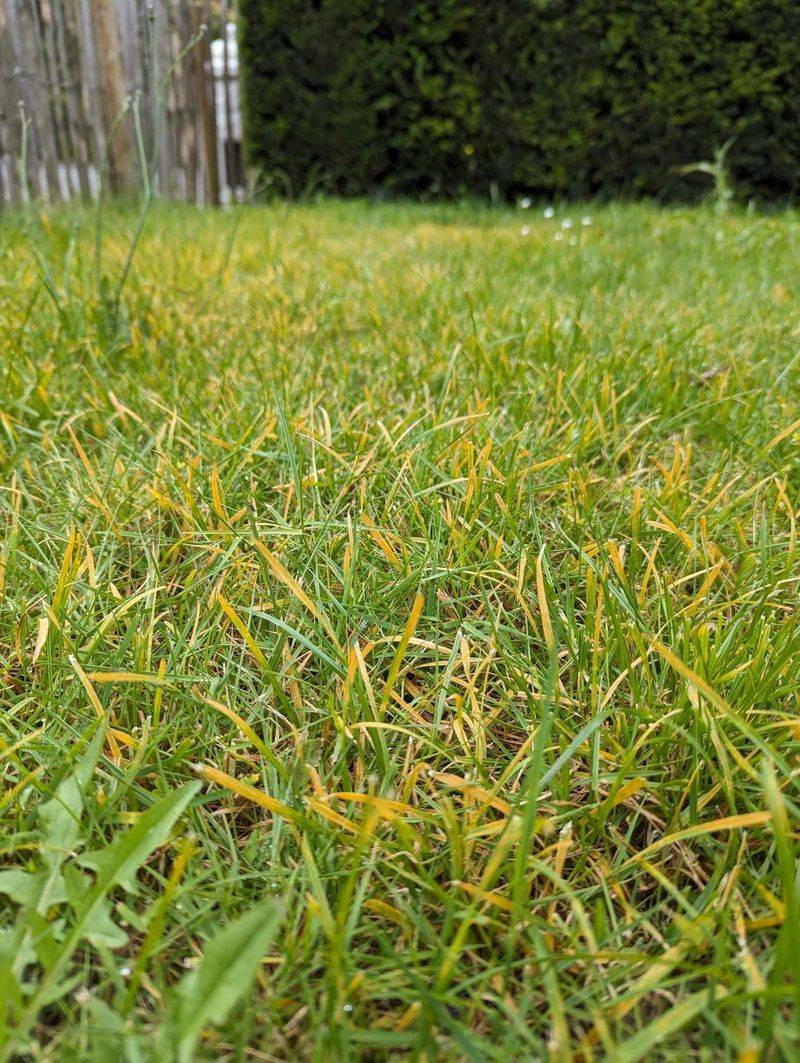
Walk through your lawn and notice orange powder on your shoes. That is rust, and it means your grass is already infected.
Lawn rust is a fungal disease caused by Puccinia species. It coats grass blades with orange or yellow pustules that rub off like powder when you touch them.
Rust tends to show up during slow-growing periods in fall, especially when lawns are stressed by drought or poor nutrition. Kentucky bluegrass and ryegrass are the most frequently affected turf types in Iowa.
The orange spores spread easily through wind, foot traffic, and lawn equipment. Mowing an infected lawn without cleaning your mower can carry spores to healthy sections of your yard.
Boosting your lawn’s nitrogen levels helps stimulate new growth and push the disease out naturally. Rust struggles to keep up when grass is actively growing and healthy.
Mowing regularly also helps reduce the spore load on your lawn. Remove the clippings after mowing infected grass to prevent spreading spores back into the soil.
Fungicides with myclobutanil or propiconazole are effective if cultural controls are not enough. Treating early prevents rust from weakening your turf before winter arrives. Orange shoes are a warning sign you should never ignore.
5. Necrotic Ring Spot
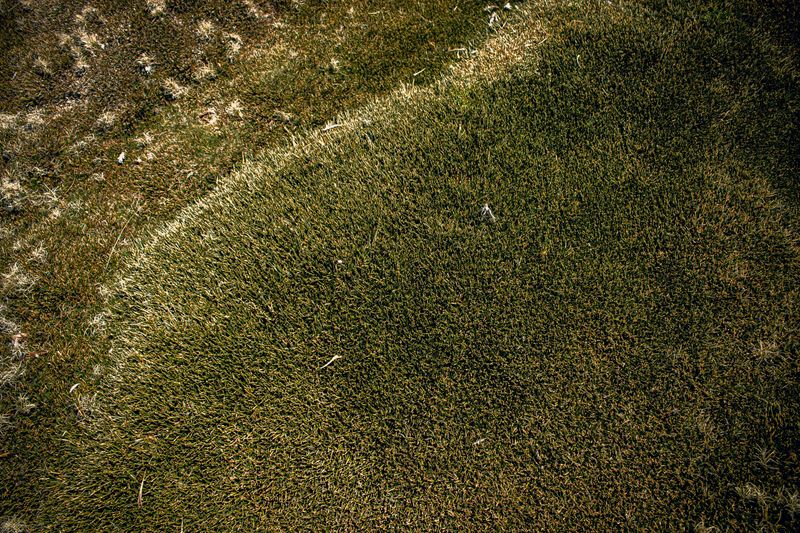
Circles of discolored grass with healthy green centers look almost artistic. But necrotic ring spot is anything but beautiful for your lawn.
This disease is caused by the soil fungus Ophiosphaerella korrae. It affects the roots and crowns of grass plants, making recovery slow and frustrating.
Necrotic ring spot creates a classic frog-eye pattern. Discolored rings surround a patch of surviving grass in the center, creating a distinct bullseye effect across your yard.
Kentucky bluegrass is the most vulnerable grass type to this disease in Iowa. Compacted soils and excessive thatch make the problem significantly worse by trapping moisture around roots.
Symptoms often appear or worsen during cool, wet fall weather. The fungus actually infects roots in spring but shows visible damage later in the season when grass is stressed.
Aerating your lawn in fall helps reduce compaction and improves drainage around the root zone. This simple step makes a big difference in limiting how far the disease spreads.
Fungicides work best as a preventive treatment applied in spring before symptoms appear. Once rings are visible, focus on improving soil health and overseeding the damaged areas. Patience and persistence are your best tools against necrotic ring spot.
6. Water Early Morning, Not Evening
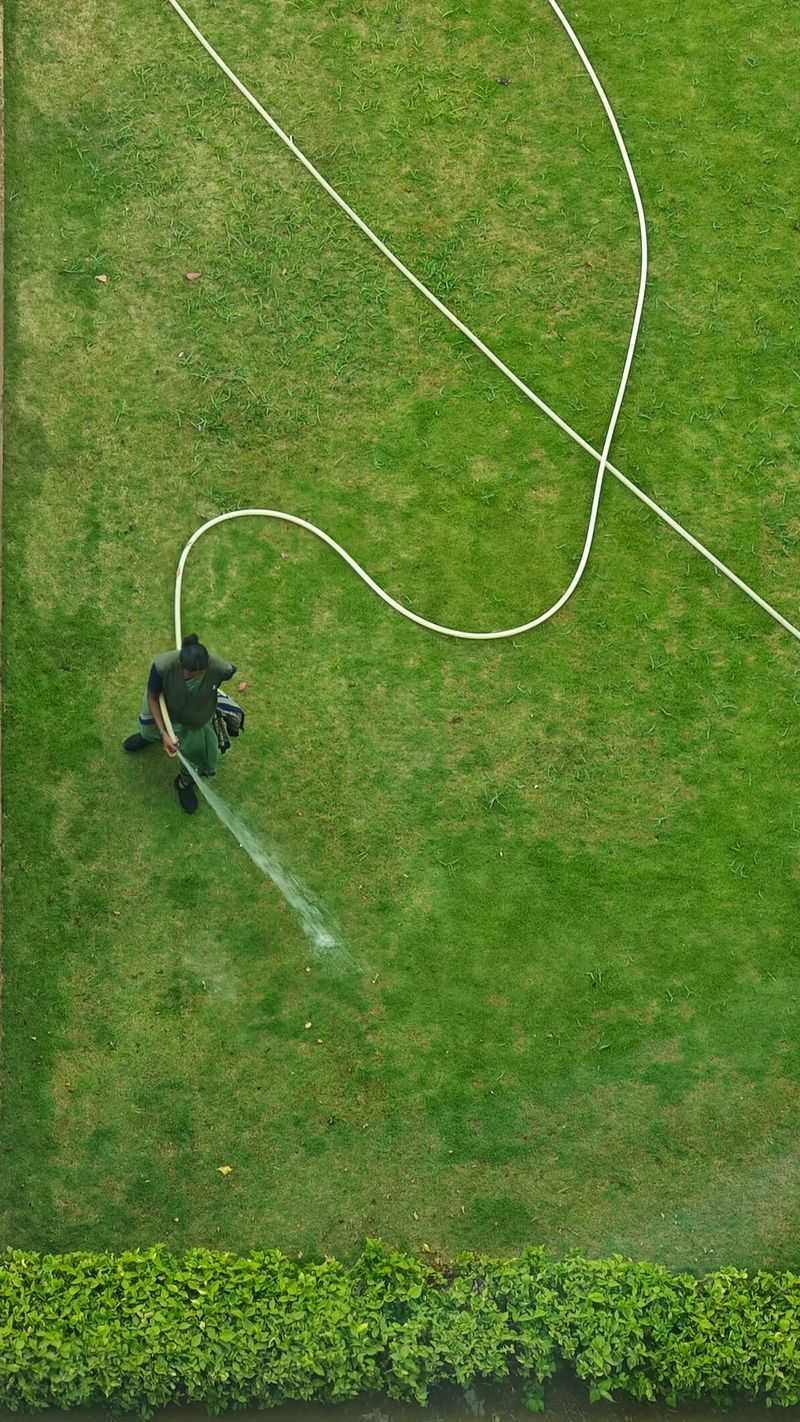
Timing your watering schedule sounds simple, but most homeowners get it wrong. Evening watering is one of the biggest mistakes you can make for a healthy fall lawn.
When you water at night, the moisture sits on grass blades for hours. Fungi love that exact environment, and diseases like brown patch and dollar spot spread rapidly in those conditions.
Morning watering gives your lawn time to absorb moisture before the sun rises higher. Grass blades dry out naturally as temperatures climb, cutting off the wet conditions that fungi need.
A good watering window is generally in the early morning, roughly between 4 a.m. and 9 a.m., though timing can vary by system and climate.
Watering during this period reduces fungal risk while still delivering enough moisture before midday heat arrives.
Many smart irrigation controllers let you set custom schedules with no extra effort. Upgrading your timer is one of the easiest investments you can make for lawn health this fall.
Deep, infrequent watering is better than shallow daily watering. Watering deeply two to three times per week encourages roots to grow downward and become more disease-resistant overall.
Avoid watering when rain is already in the forecast. Overwatering stressed fall grass opens the door to every fungal disease on this list. Good timing protects your lawn better than any product can.
7. Improve Airflow By Dethatching Regularly
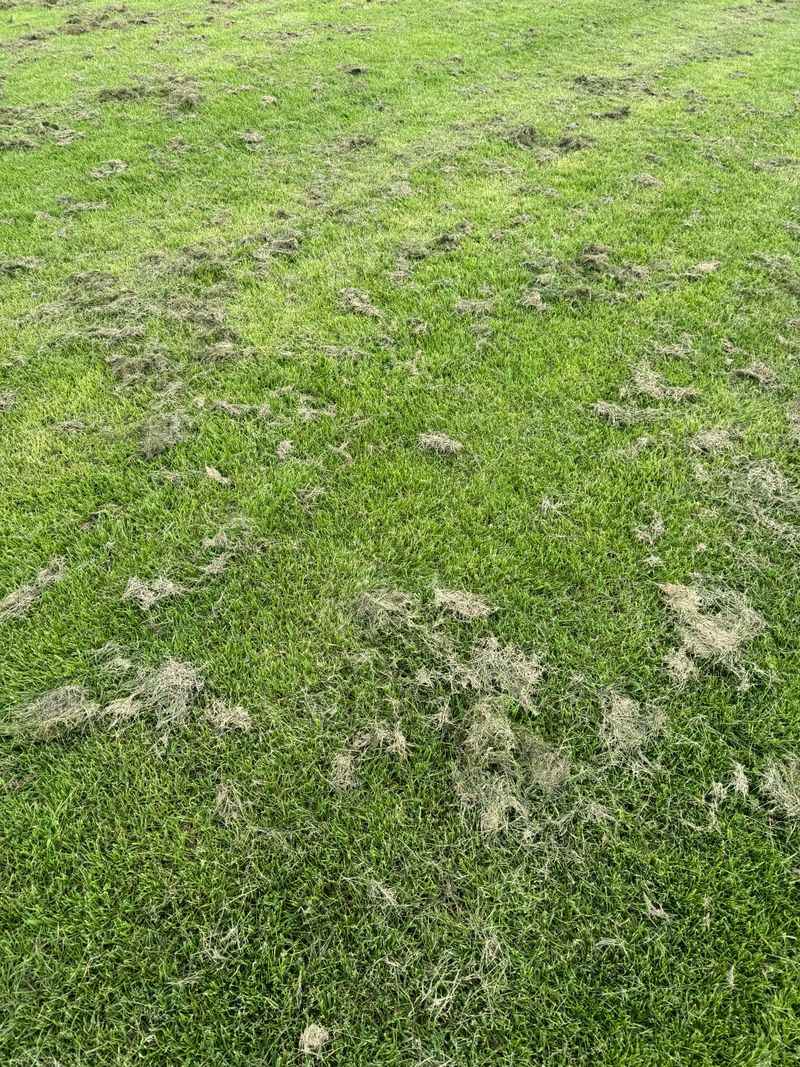
A thick layer of thatch feels soft underfoot, but it is quietly weakening your lawn. Poor airflow at the soil surface is a major reason fall diseases spread so aggressively.
Thatch is a layer of decomposing grass stems and roots that builds up between the soil and the green blades. When it exceeds about half an inch to three-quarters of an inch thick, it holds moisture and blocks air circulation.
Fungi thrive in dark, damp, stagnant environments. A thick thatch layer creates exactly that kind of habitat right at the base of your grass plants.
Dethatching removes that buildup and restores healthy airflow to the soil surface. You can use a dethatching rake for small yards or rent a power dethatcher for larger lawns.
Fall is actually one of the best times to dethatch cool-season grasses in Iowa. The grass recovers well after dethatching when temperatures are mild and moisture is consistent.
After dethatching, follow up with aeration to further improve soil structure. These two steps together create a lawn environment that is far less hospitable to fungal invaders.
Bag the thatch material and remove it from your yard completely. Leaving it on the lawn just reintroduces the same moisture-trapping problem you worked to fix. Better airflow equals a tougher, healthier lawn all season long.
8. Apply Fungicide Preventatively Before Symptoms Spread
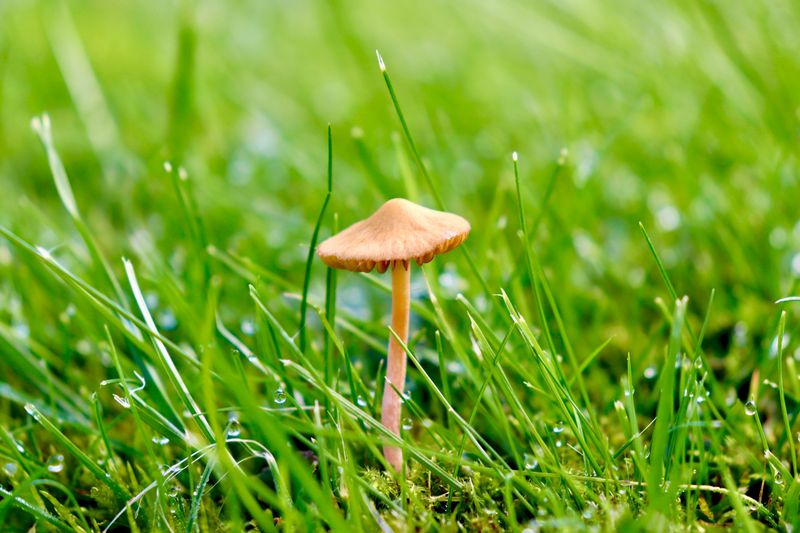
Waiting until symptoms are severe often costs more time and money to treat. Fungicides work best before a disease takes hold, not after it has already spread.
Preventive fungicide application means treating your lawn before symptoms become visible. If you know your yard has had disease problems in past fall seasons, start treatment early this year.
Products containing azoxystrobin, propiconazole, or myclobutanil are widely available at garden centers. These systemic fungicides absorb into the grass plant and protect it from the inside out.
Read the label carefully before applying any fungicide to your lawn. Application rates, timing, and safety precautions vary by product and should never be guessed at.
Most preventive fungicides need to be reapplied on a regular schedule, though the exact interval depends on the product label.
Spot-treating areas where disease appeared last year is a smart starting point. Those same spots are often the first to show new infections when conditions turn favorable for fungi.
Pair fungicide treatments with good cultural practices for the strongest results. No single product alone can replace proper watering, mowing, and fertilization habits. A proactive approach this fall keeps Iowa lawn diseases from winning the season.
9. Reduce Nitrogen Fertilizer During High-Risk Months
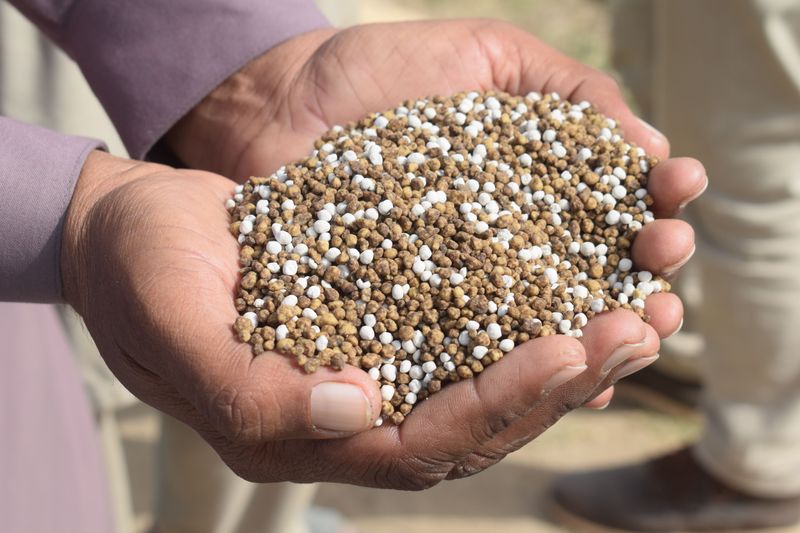
More fertilizer feels like a good idea when your lawn looks rough. But during high-risk disease months, too much nitrogen is actually working against you.
Excess nitrogen pushes rapid, lush growth that looks great but is surprisingly weak. Soft, fast-growing grass blades are far more susceptible to fungal infections like brown patch and rust.
Late summer and early fall are the months when fungal diseases peak across Iowa lawns. Applying heavy nitrogen fertilizer during this window creates the exact conditions fungi love most.
Cut back on nitrogen applications from late August through mid-October. Focus instead on potassium-rich fertilizers that strengthen cell walls and improve overall disease resistance in your turf.
A soil test from your local extension office tells you exactly what your lawn needs. Guessing at fertilizer applications often leads to imbalances that make disease problems worse over time.
If your lawn is already showing signs of a fungal infection, hold off on nitrogen entirely. Feed the grass only after the disease is under control and conditions have improved.
Light fertilization in late fall after disease pressure drops is a smarter strategy. This approach strengthens roots for winter without triggering the lush growth that attracts fall lawn diseases. Less nitrogen at the right time means a healthier lawn next spring.
10. Mow At Proper Height To Reduce Stress
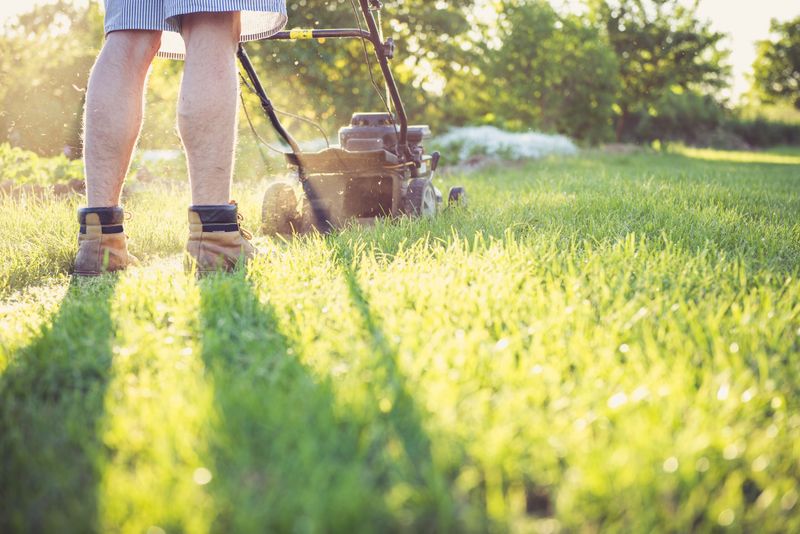
Cutting your grass too short removes the energy reserves it needs for fall stress. Your lawn needs its full blade height to handle the stress of fall disease season in Iowa.
Mowing too low removes too much of the blade at once, which weakens the plant immediately. Stressed grass is far more vulnerable to every fall lawn disease on this list.
A good rule to follow is the one-third rule. Never remove more than one-third of the grass blade in a single mowing session, no matter what the lawn looks like.
Most cool-season grasses in Iowa should be kept between 3 and 4 inches tall in fall. Taller blades shade the soil, retain moisture better, and support deeper root systems overall.
Keep your mower blades sharp throughout the entire fall season. Dull blades tear grass rather than cut it cleanly, leaving ragged edges that invite fungal entry points.
Mow when the grass is dry whenever possible. Cutting wet grass spreads fungal spores across your lawn and leaves clumps of clippings that block sunlight and airflow.
Adjust your mowing height slightly higher as temperatures drop in October and November. Taller grass heading into winter is better protected against cold damage and spring disease outbreaks.
Proper mowing habits are the simplest and most powerful tool against Iowa lawn diseases this fall.